2.5% PER DOSE
ZINC
ZINC
Zinc is an essential trace mineral with a long history in dermatology and a familiar role in skincare as a sebum-regulating, calming active. That is why it appears so often in routines for oily skin and enlarged pores and acne and blemishes. Applied topically as a water-soluble zinc salt, it helps temper excess shine, support the skin against blemish-causing bacteria and calm the redness of breakouts.
Concentration
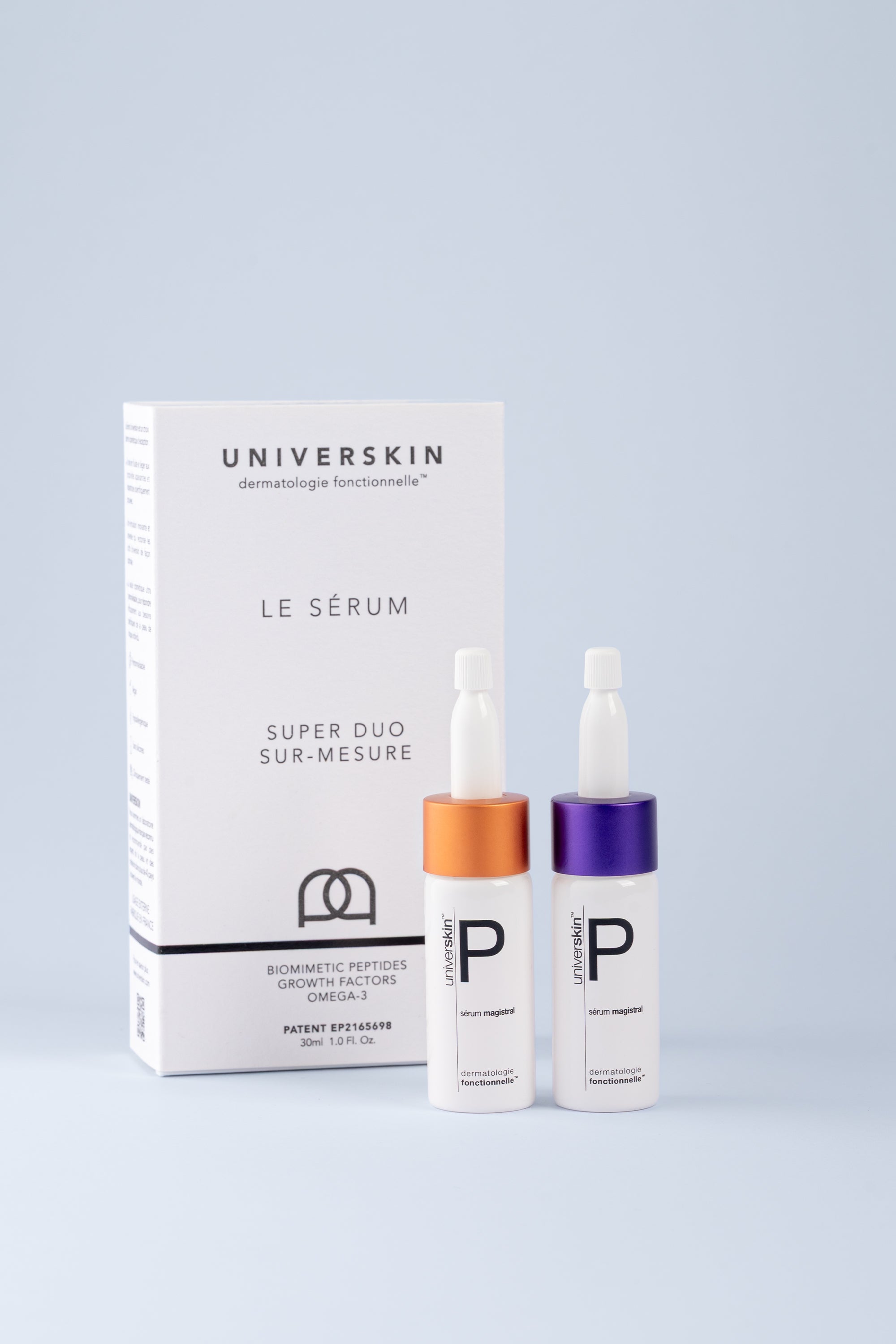
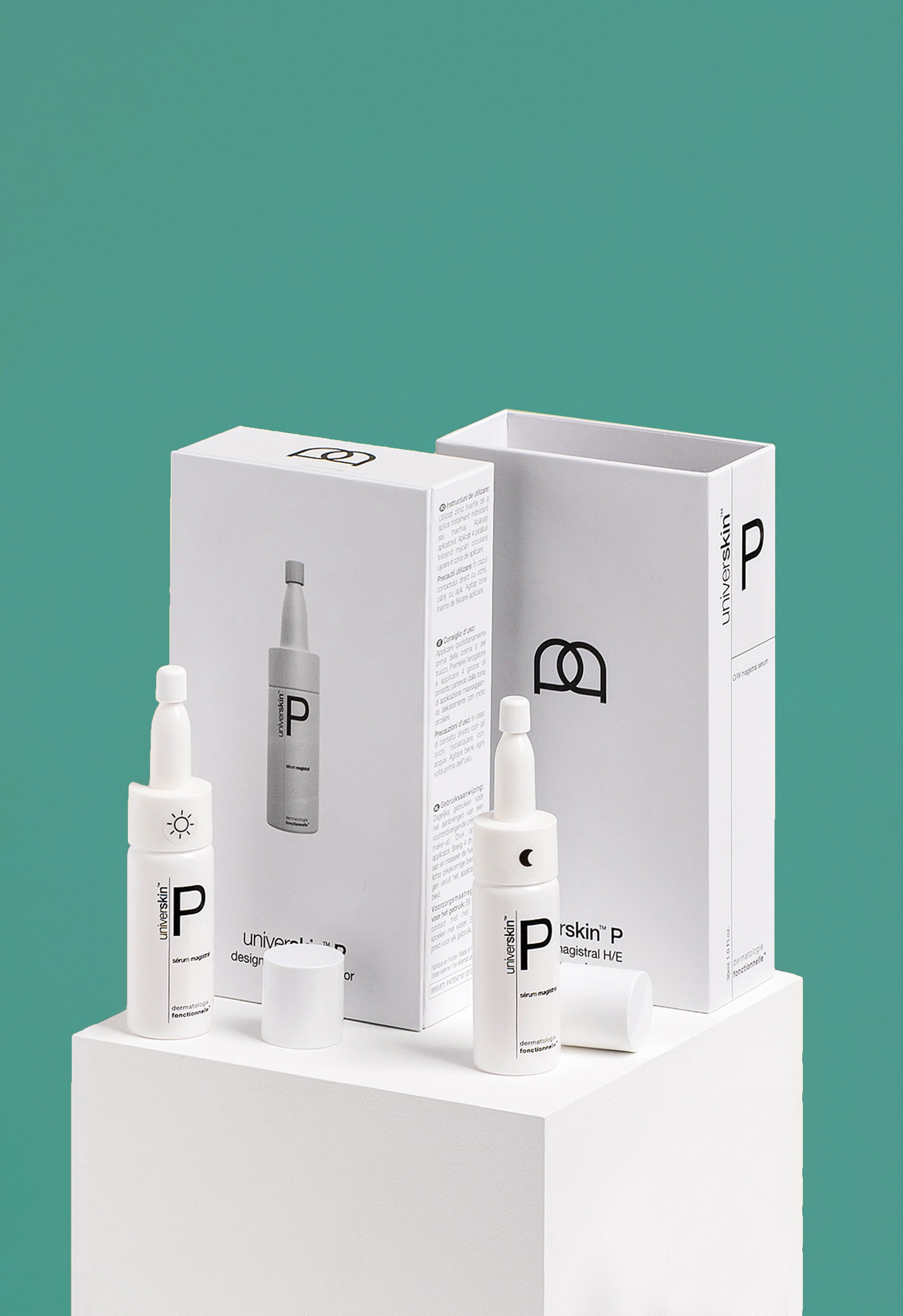
Zinc concentrations vary with the salt used and the product's purpose, from low levels in leave-on serums to higher levels in rinse-off or barrier products. At Universkin, zinc is dosed at 2.5% per dose — the concentration in Formula 25, our dedicated zinc serum, and across our zinc-based serums. The headline percentage is not the whole story: the salt, its stability, the base and daily consistency all shape results, so a doctor-adjusted 2.5% dose worn daily does more than the number suggests. Patch test before first use.
Who Should Use It
Zinc is best suited to oily, combination and blemish-prone skin, where its sebum-regulating and calming action is most useful. Use it with more care if you already take oral zinc supplements or layer several sebum-regulating products at once, and if you have combination skin prone to dryness in places.

Can Be Used In Combination With
Zinc pairs well with actives that target oil, congestion and blemishes. Natural partners include lactopeptide, azelaic acid and niacinamide, which together help regulate sebum, calm inflammation and even out tone. Niacinamide in particular is a comfortable companion, supporting the barrier while zinc tempers oil. Introduce one new active at a time to see how your skin responds.
How Often Can You Use It
Zinc can be used daily — morning, evening or both — as part of a consistent routine. The right frequency depends on how oily or reactive your skin is and on the severity of the concern, exactly the judgement a doctor-adjusted formula is designed to make. If skin feels tight, flaky or persistently irritated, ease back to once a day or pause for a few days.
Don't Use It If
Zinc should be avoided by anyone allergic to it, and used with care on very sensitive or reactive skin; a patch test on a small area, such as the inner elbow crease, is worth doing first. Because zinc is drying by design, layering it with several other sebum-regulating or exfoliating actives can tip oily skin into tightness — if you use both, alternate on different days. Pregnant or breastfeeding women should check with their doctor before adding zinc, or any new active.
Origins of the Ingredient

Zinc is a naturally occurring mineral found in the earth's crust and in foods such as oysters, red meat, nuts and whole grains. It is a micronutrient essential for human health, long used in traditional medicine. Universkin offers a pure synthetic zinc sulfate.
Chemical Composition
Zinc is a naturally occurring mineral element. As an active it is most commonly used in salt form, such as zinc sulfate or zinc gluconate, which dissolve readily in water. In its metallic state it is a bluish-white, moderately hard metal.

Mechanism of Action
Zinc's astringent properties help reduce sebum production, and its affinity for proteins and lipids supports this sebum-regulating role. It is also thought to reduce the activity of the enzyme that converts testosterone to dihydrotestosterone (DHT), a hormone that stimulates sebum. Zinc calms inflammation by inhibiting certain enzymes in the inflammatory response, easing the redness of acne-prone skin, and has antibacterial activity that limits the growth of Propionibacterium acnes (now reclassified as Cutibacterium acnes), which together suit it to oily skin, comedones, enlarged pores and acne-prone skin.
Benefits
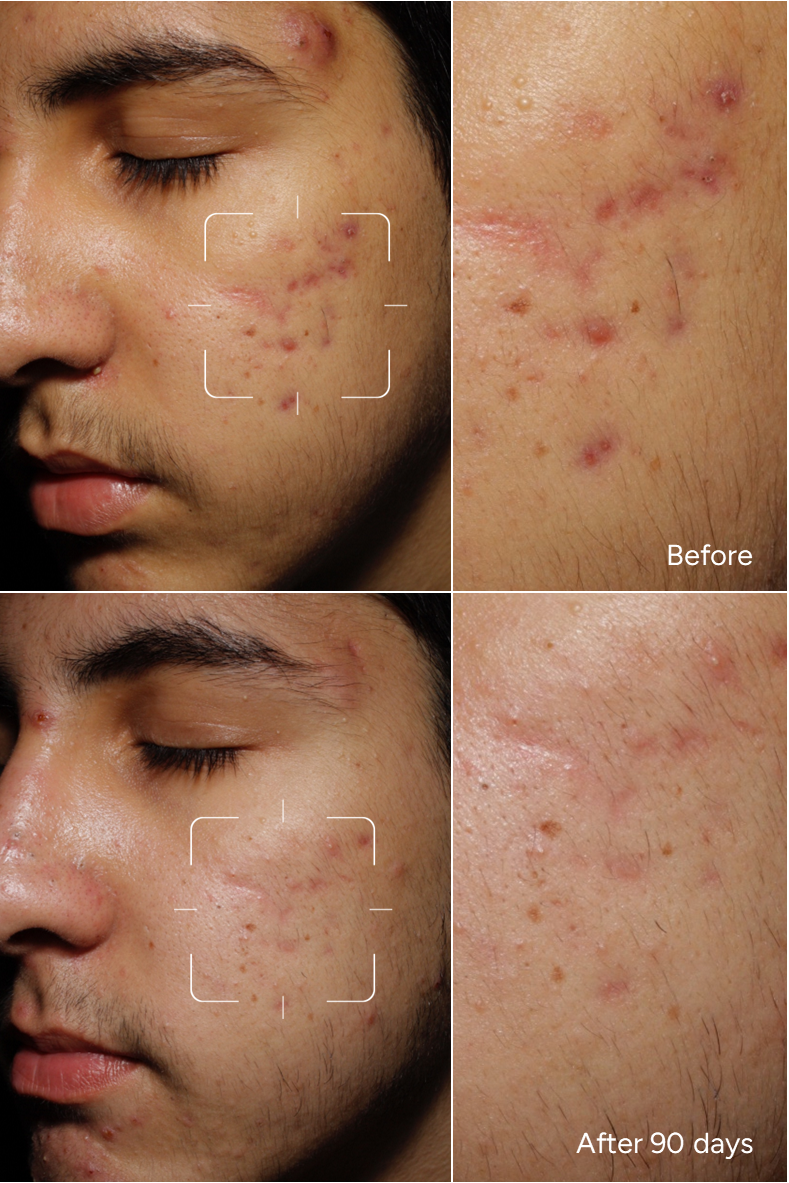
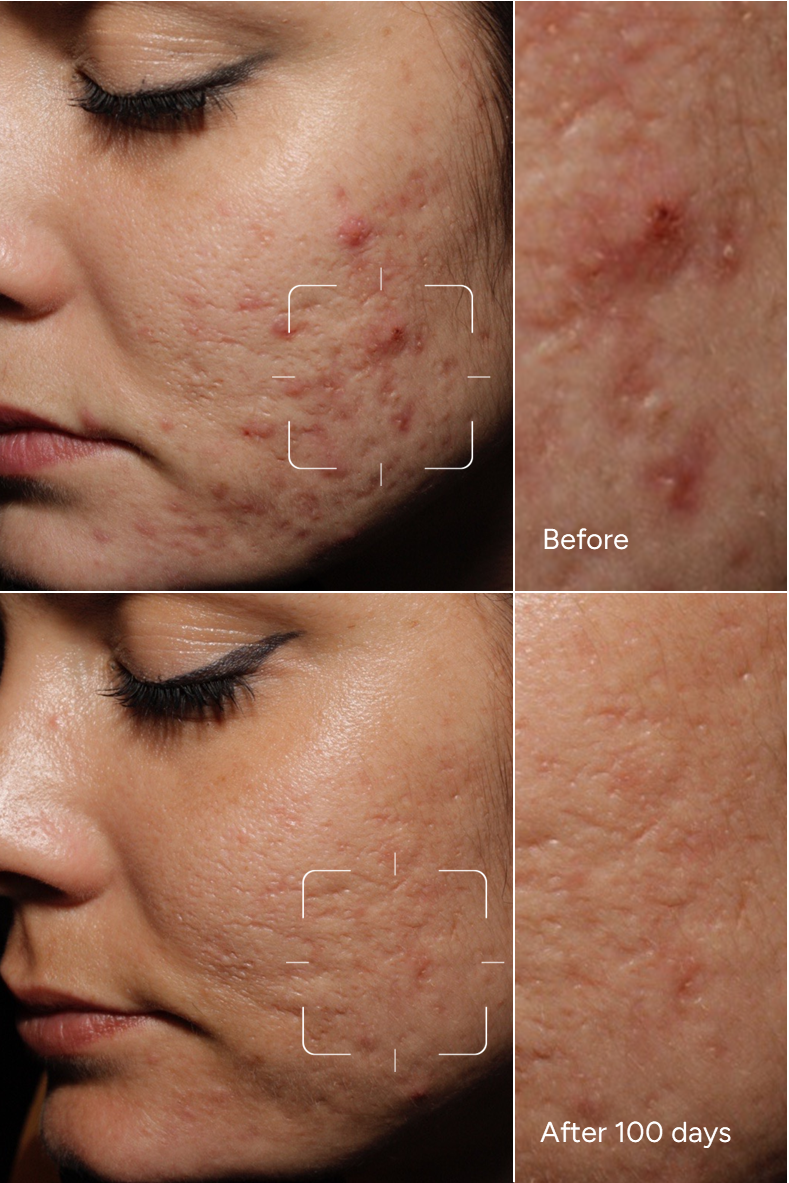
Most notably, zinc helps regulate sebum in oily skin, temper the look of enlarged pores and support clearer, calmer skin, giving dull, oily complexions a fresher finish. These overlapping benefits are why it runs through our serums for oiliness and pores and acne and blemishes, and across our zinc-based serums.
Stability
Zinc salts such as zinc sulfate are stable, water-soluble and reliable in a well-made formula, which makes zinc a dependable long-term active rather than one that fades quickly on the shelf.
Evidence & Results Timeline
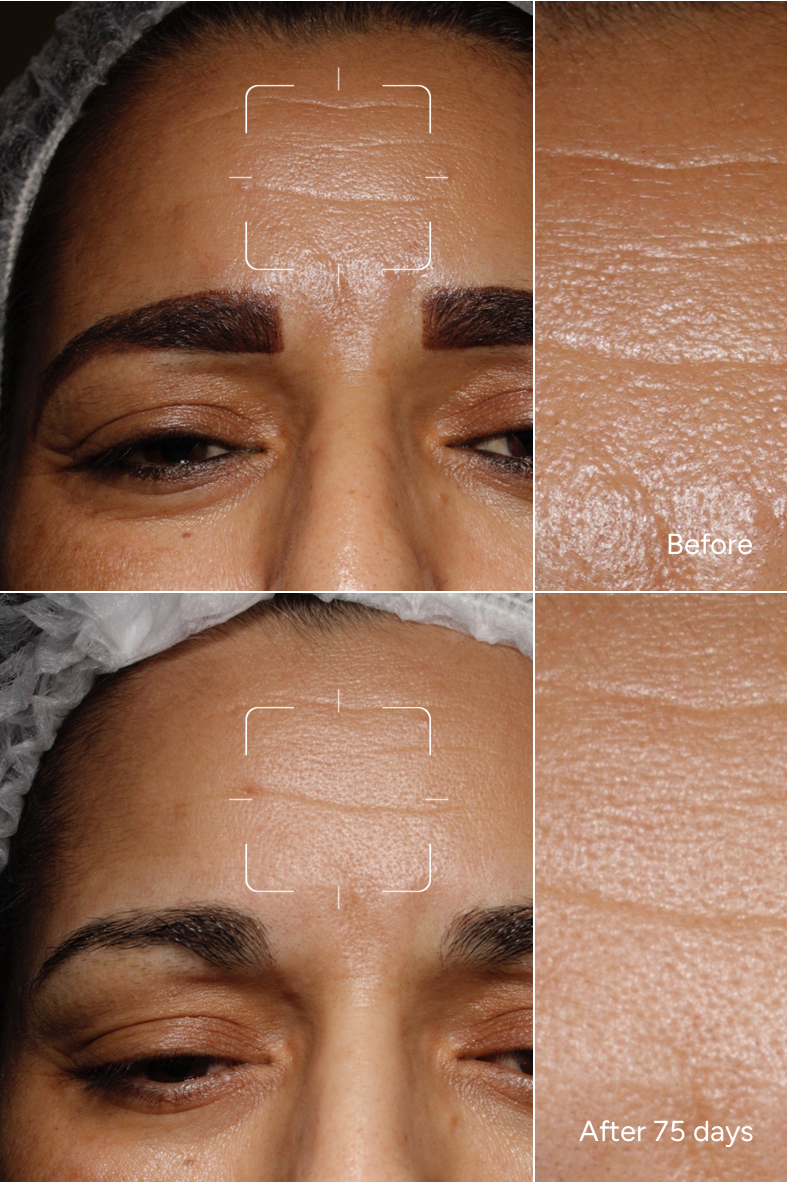
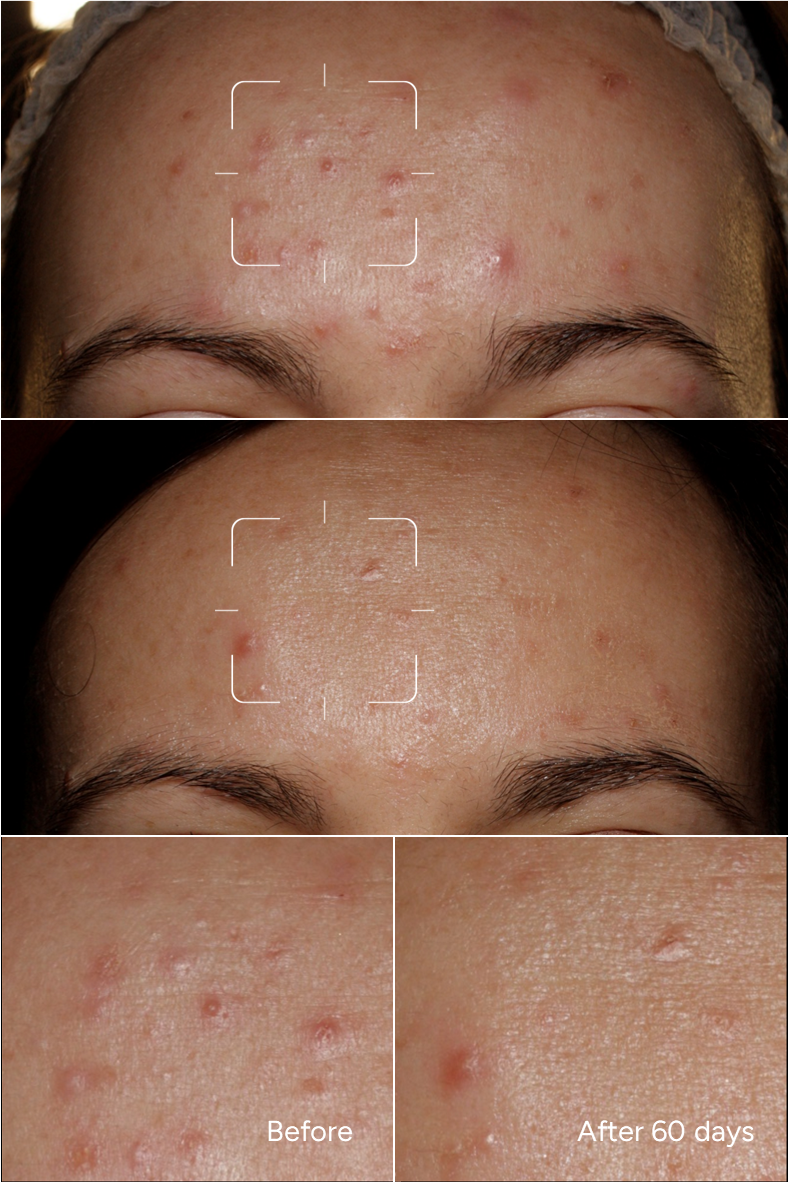
Zinc has a long history in dermatology, as both an oral supplement and a topical active, and remains a familiar mineral in acne care. Clinical studies have shown that zinc — taken orally or applied topically, often alongside antibiotics such as erythromycin — can help reduce inflammatory acne lesions. Evidence that topical zinc dramatically lowers sebum is more limited, so it is best seen as one supportive part of a routine, not a standalone cure, and cosmetic doses work gradually.
Because zinc works cumulatively, results build with consistent use. The timeline below is a realistic guide, though response varies:
| Timeframe | What to expect |
|---|---|
| Day 1 onward | Astringent and anti-inflammatory action begins immediately, before any visible change. |
| Weeks 1–2 | Skin is adjusting; some notice slightly less midday shine and calmer-looking blemishes. |
| Weeks 2–4 | Redness around spots often settles and skin feels less congested, with fewer new breakouts. |
| Weeks 4–8 | Oily areas tend to look more balanced and the complexion more even and matte. |
| Weeks 8–12 | Cumulative improvement in clarity and the look of pores — a good point to review with your doctor. |
Consistency and daily sun protection matter more than chasing a higher percentage.
Zinc Sulfate vs Zinc Oxide vs Zinc PCA
Not all zinc in skincare is the same, and the form matters as much as the word on the label: the zinc in a treatment serum is not the zinc in a mineral sunscreen.
| Form | What it is | Main role in skincare |
|---|---|---|
| Zinc sulfate | Water-soluble zinc salt (the form Universkin uses) | Sebum-regulating, astringent and calming support in leave-on treatments for oily, blemish-prone skin |
| Zinc oxide | Insoluble mineral powder | A broad-spectrum mineral UV filter in sunscreens; also soothing in barrier and after-sun creams — not a treatment active |
| Zinc PCA | Zinc salt of PCA, a natural moisturizing factor | A popular oil-control ingredient in serums and moisturisers; lighter, more hydrating feel |
For oil and breakouts you want a soluble zinc salt like zinc sulfate worn as a treatment — not zinc oxide, which belongs in your sunscreen. Zinc PCA is a gentler, lighter cousin of zinc sulfate.
How Zinc Compares to Niacinamide, Salicylic Acid and Azelaic Acid
Zinc sits within a family of actives for oily, blemish-prone skin and tends to complement them rather than compete. Where salicylic acid is an oil-soluble BHA that clears congestion inside the pore and azelaic acid calms acne, redness and marks at once, niacinamide and zinc are the quieter regulators that keep oil and inflammation in check.
| Active | Type | Best suited to | Notes |
|---|---|---|---|
| Zinc (zinc sulfate) | Mineral salt (sebum-regulating, calming) | Oily, shine-prone and inflamed blemish-prone skin | Gentle regulator; can be drying if overused |
| Niacinamide | Vitamin B3 | Oil control, redness, barrier support | Closest partner; layers easily with zinc |
| Salicylic acid | BHA (oil-soluble) | Clogged pores, blackheads, oily skin | Clears the pore lining from within |
| Azelaic acid | Dicarboxylic acid | Acne, redness, post-inflammatory marks | Multitasker; also fades dark spots |
For oily skin that breaks out but tolerates strong acids poorly, zinc is one of the more forgiving choices — usually paired, not used alone, in a personalized serum.
How to Use Zinc in Your Routine
Morning: After cleansing, apply zinc to clean, dry skin, follow with a moisturiser for oily or combination skin, and finish with a broad-spectrum SPF. Zinc does not increase sun sensitivity, but daily SPF still supports any routine aimed at breakouts and marks.
Evening: Cleanse, apply zinc, then moisturise. If you also use a retinoid or an exfoliating acid, introduce it gradually and alternate on separate evenings rather than layering everything at once.
Frequently Asked Questions
Does zinc help acne and oily skin?
Yes. Zinc is a well-established supportive active for oily, acne-prone skin, with astringent, anti-inflammatory and antibacterial properties that help temper shine and calm the redness around blemishes. It has long been used in acne care, orally and topically. It works best as part of a wider routine, not a standalone cure, so pair it with your doctor's advice.
What does zinc sulfate do for your skin?
Zinc sulfate is a water-soluble zinc salt used in leave-on treatments for oily and blemish-prone skin. It acts as an astringent that helps regulate excess sebum, supports the skin against blemish-causing bacteria, and calms inflammation and redness. Being soluble and stable, it blends well into serums for daily oil control and clearer-looking skin.
What is the difference between zinc sulfate, zinc PCA and zinc oxide in skincare?
Different forms, different jobs. Zinc sulfate is a soluble salt used as a sebum-regulating treatment active. Zinc PCA is a related soluble salt with a lighter, more hydrating feel, also for oil control. Zinc oxide is an insoluble mineral used mainly as a broad-spectrum UV filter in sunscreens and a soothing barrier ingredient — not a treatment active.
How long does zinc take to work on acne-prone skin?
Expect a gradual response, not an overnight change. Many people notice calmer, less shiny skin within two to four weeks, while a clearer, more even complexion typically builds over roughly eight to twelve weeks of consistent use. Zinc works cumulatively, so consistency matters more than concentration. If breakouts are severe or persistent, see a doctor.
Can I use zinc together with niacinamide, azelaic acid or retinol?
Generally yes. Zinc pairs comfortably with niacinamide and azelaic acid, which target oil, redness and blemishes from complementary angles, and it can be used with retinol too. Because retinol and exfoliating acids are more active, introduce them slowly, moisturise well, and alternate evenings if skin feels sensitised. Patch test any new combination first.
In conclusion, zinc is an essential mineral used mainly as a sebum-regulating ingredient that reduces oiliness and improves clarity. It suits most skin types but should be used with care on sensitive or reactive skin. Used properly it delivers a fresher, more balanced complexion and fewer blemishes — especially when dosed and paired for your skin rather than bought off the shelf.
Zinc in Your Personalized Formula
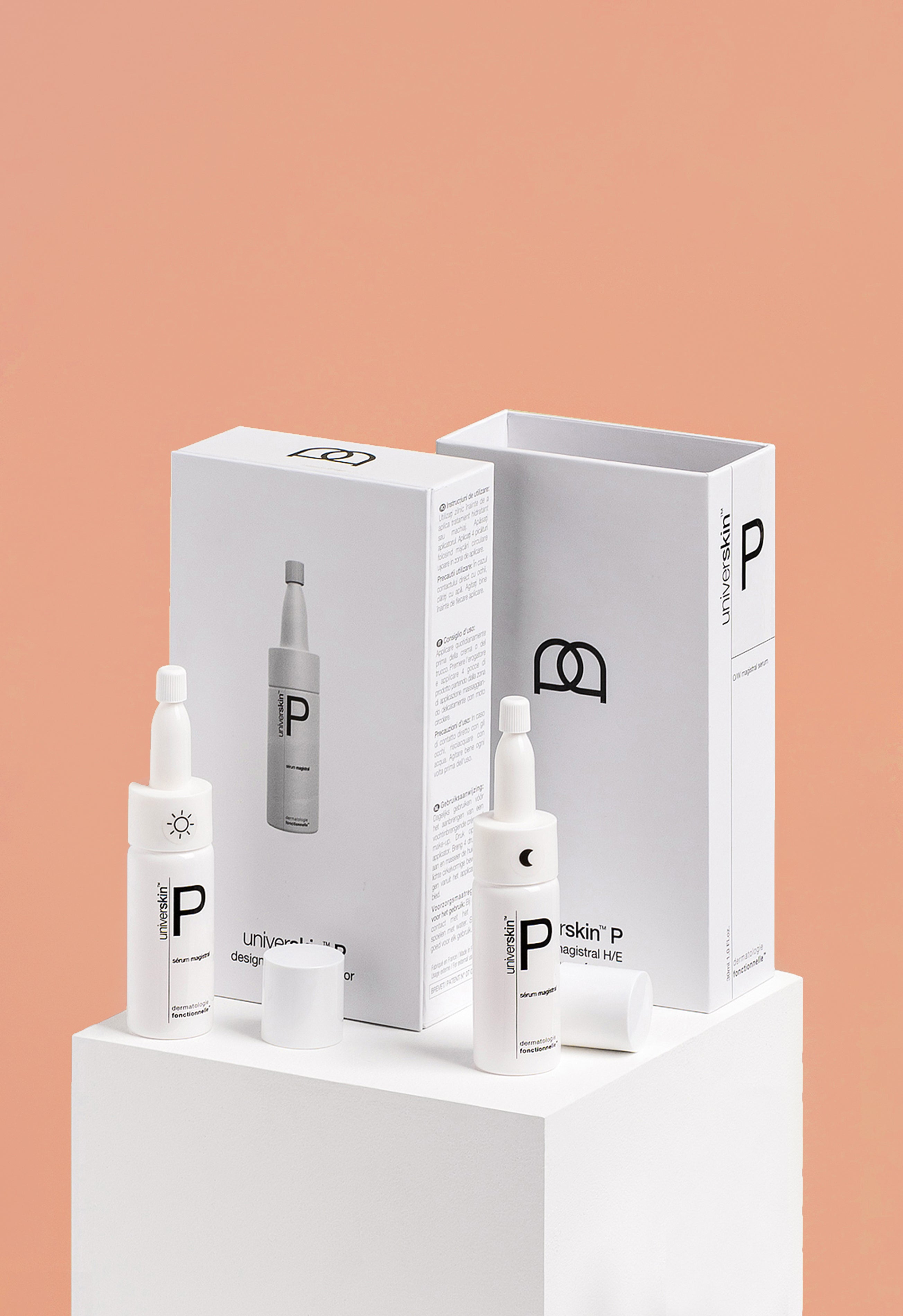
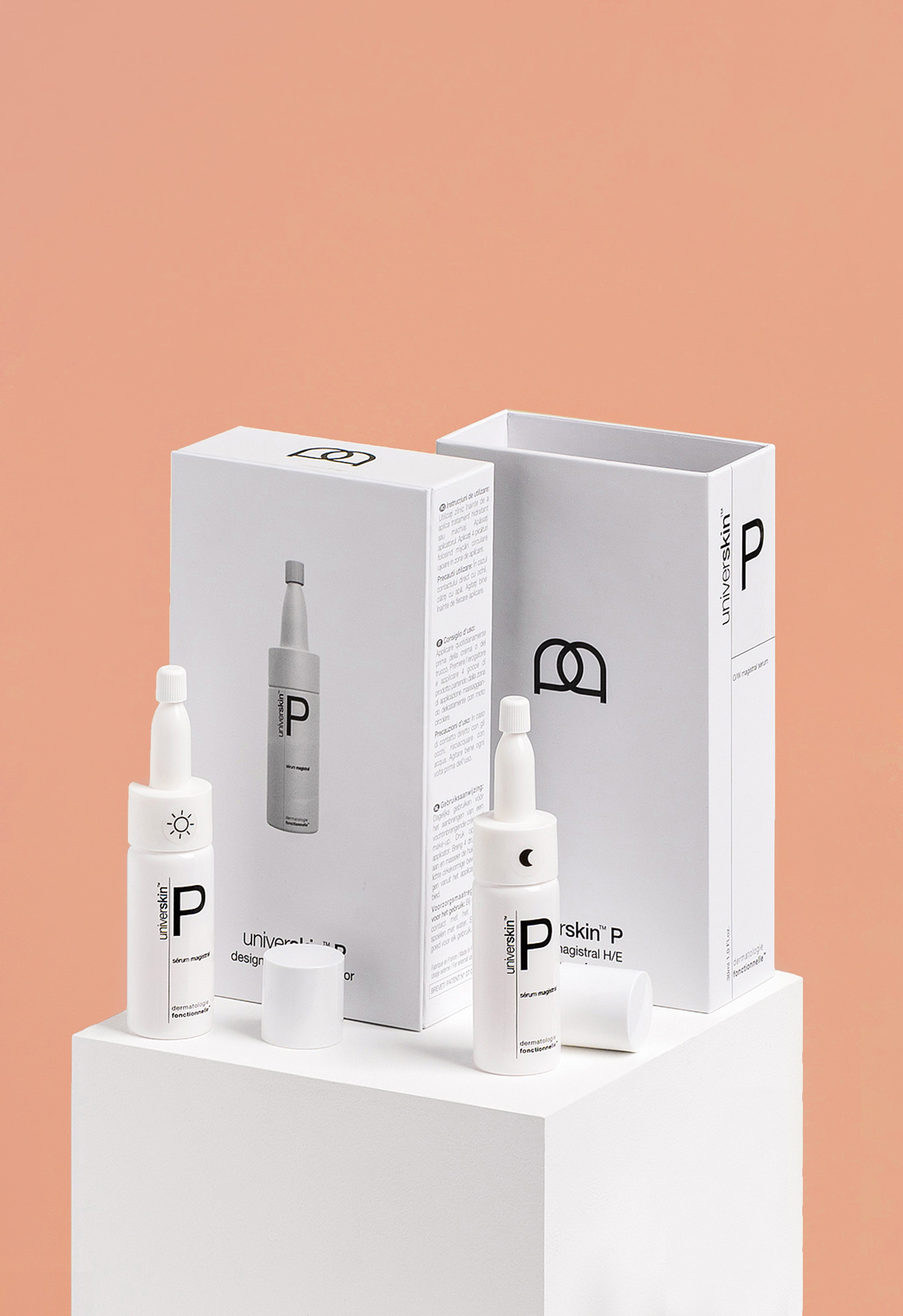
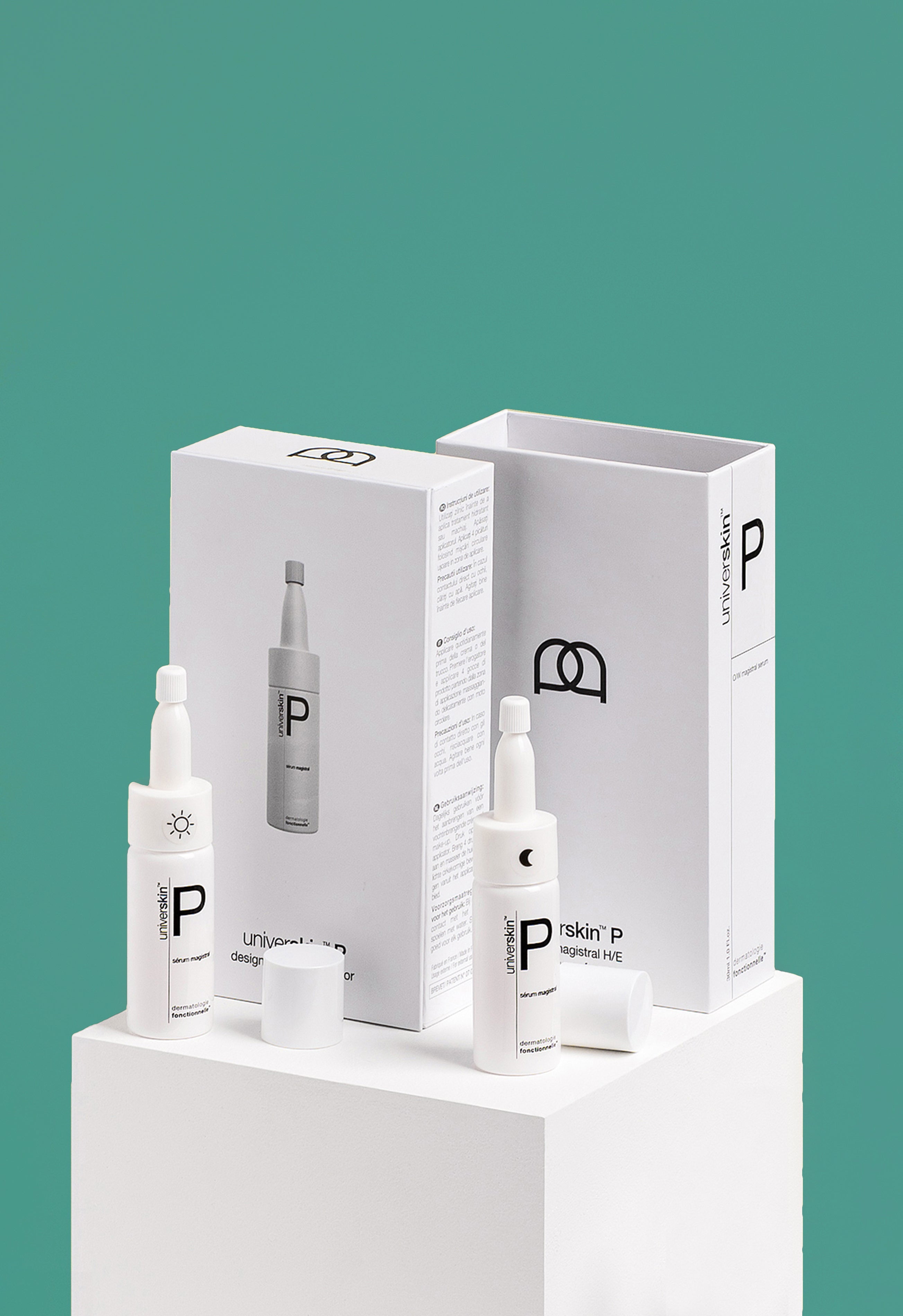
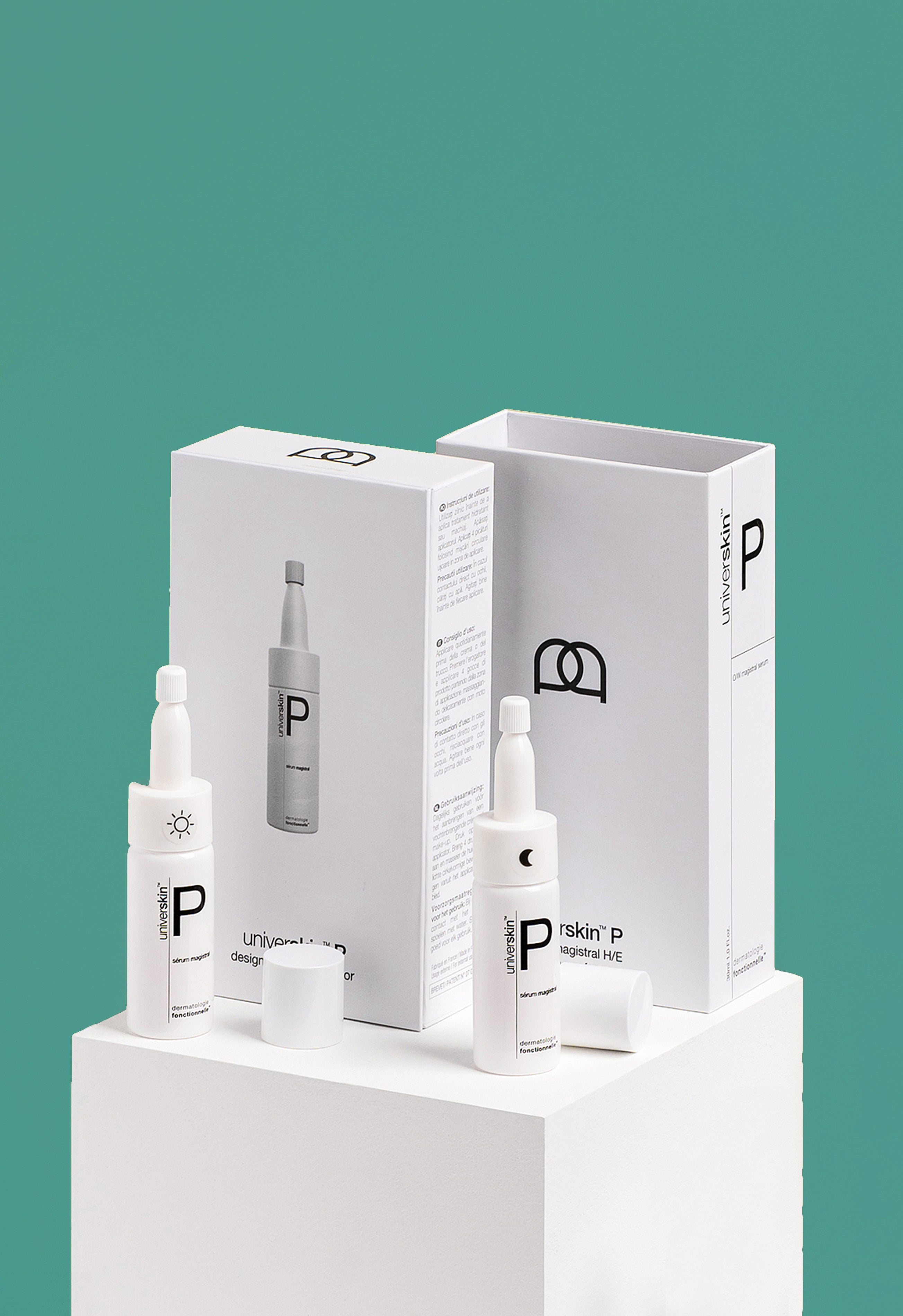
At Universkin, zinc is not an off-the-shelf product — it is dosed as a single capsule at 2.5% per dose and blended into a serum base chosen for your skin. It is a single-capsule active, so its strength comes from the quality of the formulation and the actives it is paired with rather than from stacking more capsules. The starting point is a free, photo-based AI skin analysis, reviewed by a professional, that recommends the actives best suited to you. You can see zinc at work in Formula 25 and across our zinc-based serums, or explore the full range of active ingredients.
Skin concerns this ingredient can help with
In a personalized formula, this active is commonly used to help target:
Featured collection
Zinc BASED SERUMS FORMULAS