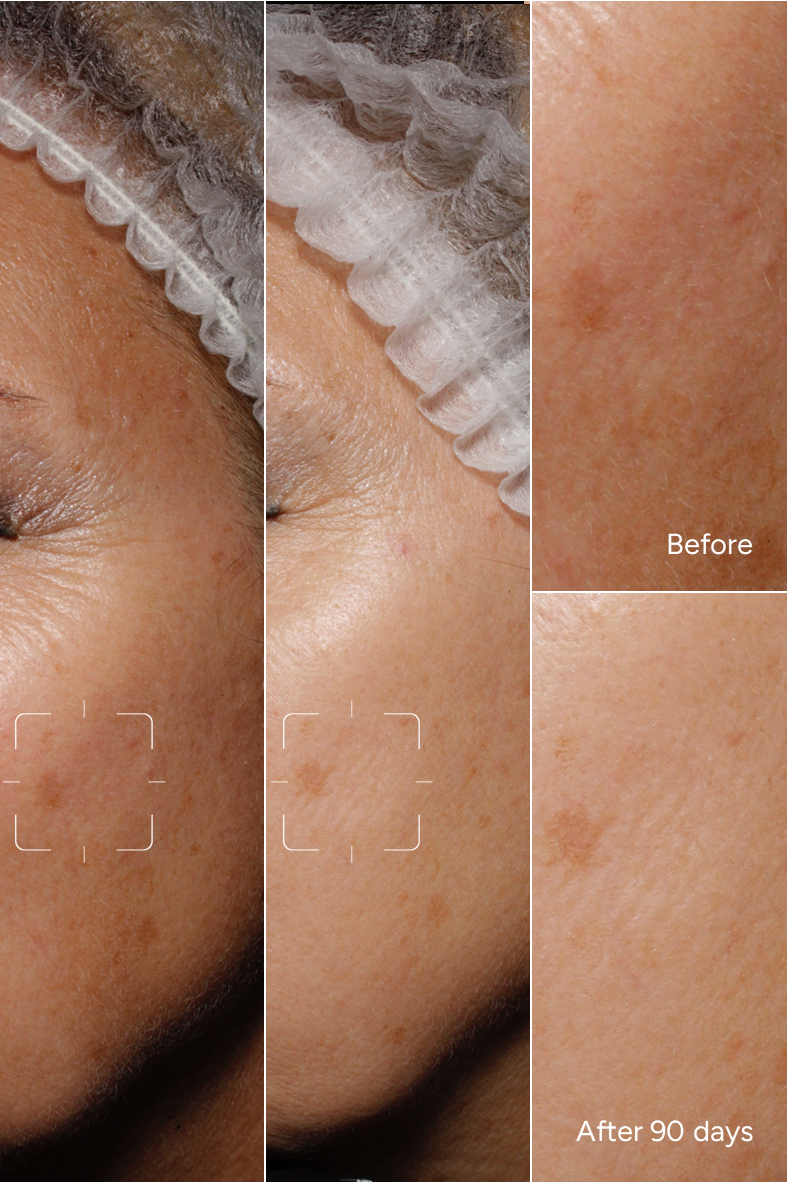
5% PER DOSE, UP TO 15%
D-PANTHENOL
D-PANTHENOL
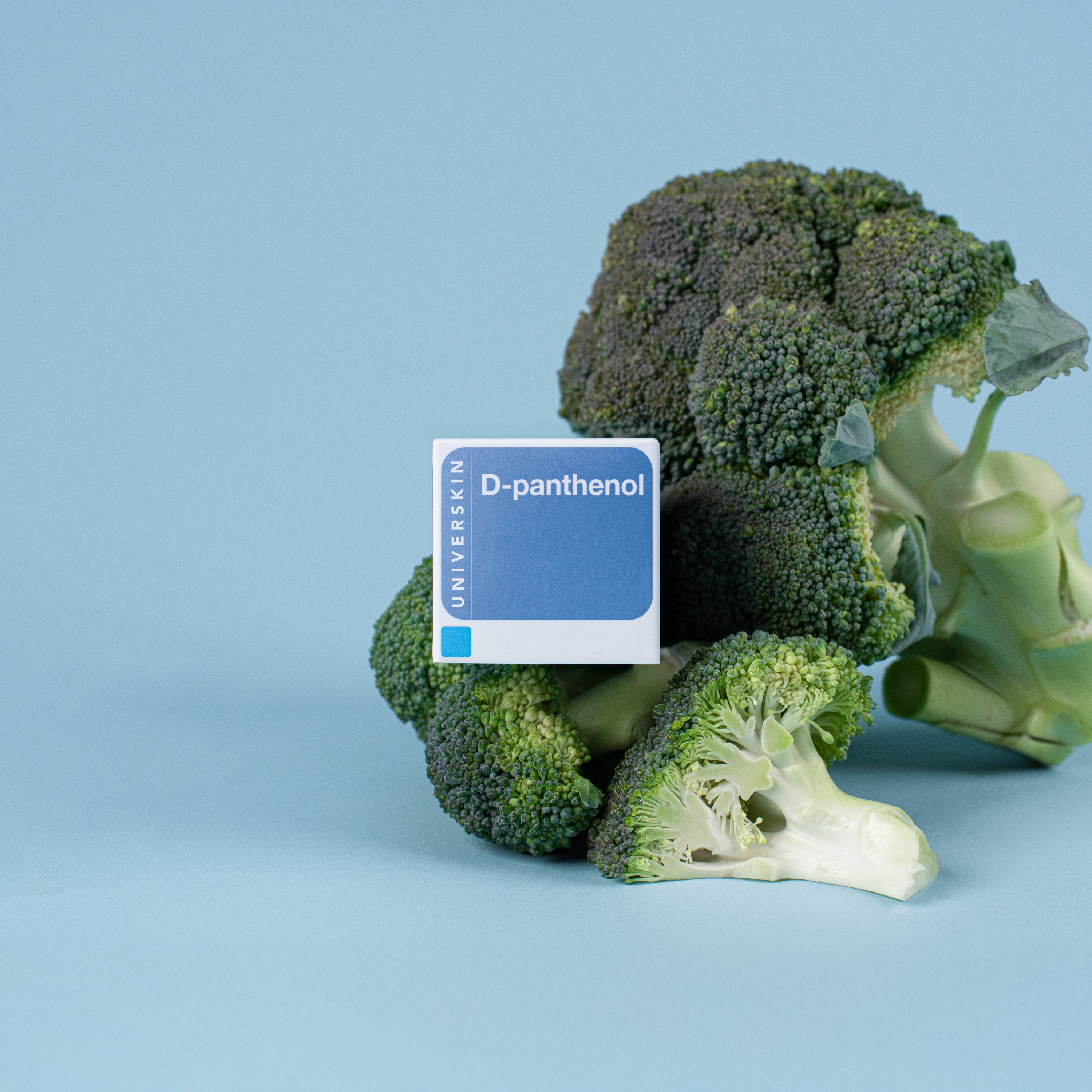
D-Panthenol, also known as pro-Vitamin B5 or dexpanthenol, is a versatile ingredient that has numerous benefits for the skin. Since its first use in an ointment, various product types have been developed which are widely used in the field of dermatology and skin care, and are associated with high consumer satisfaction It is widely used in skincare products to moisturize, soothe, and protect dry, dehydrated, and irritated skins.
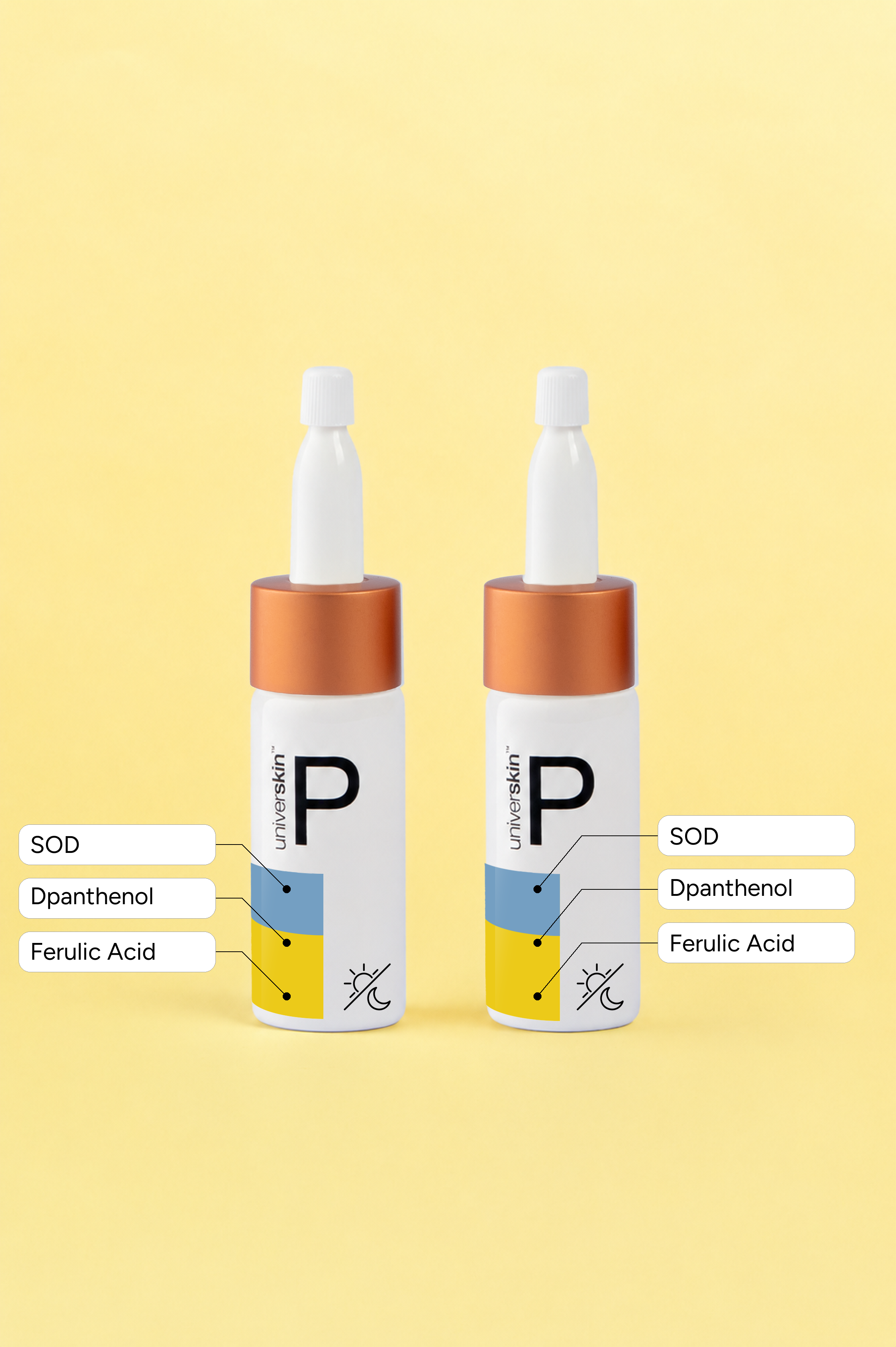
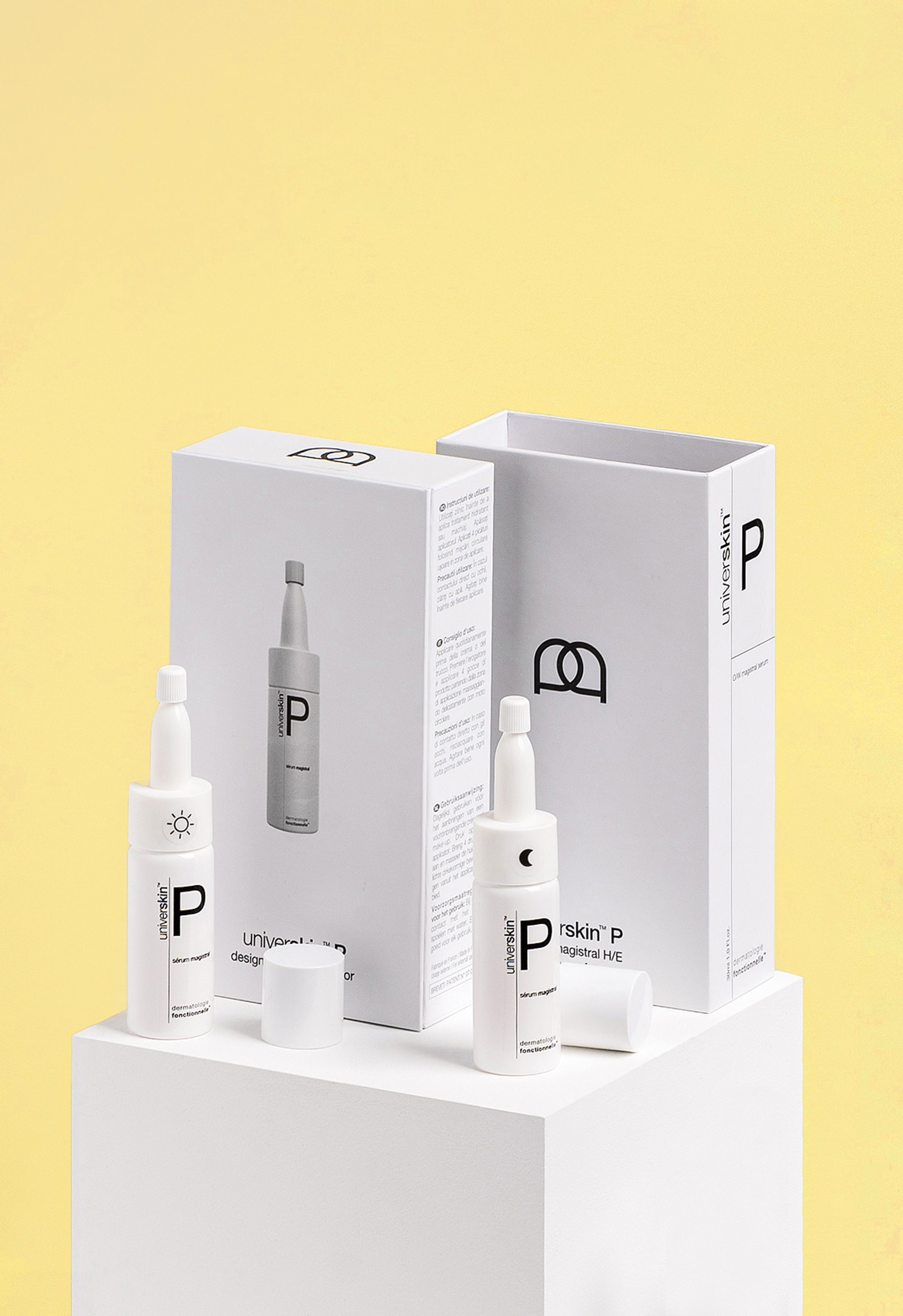
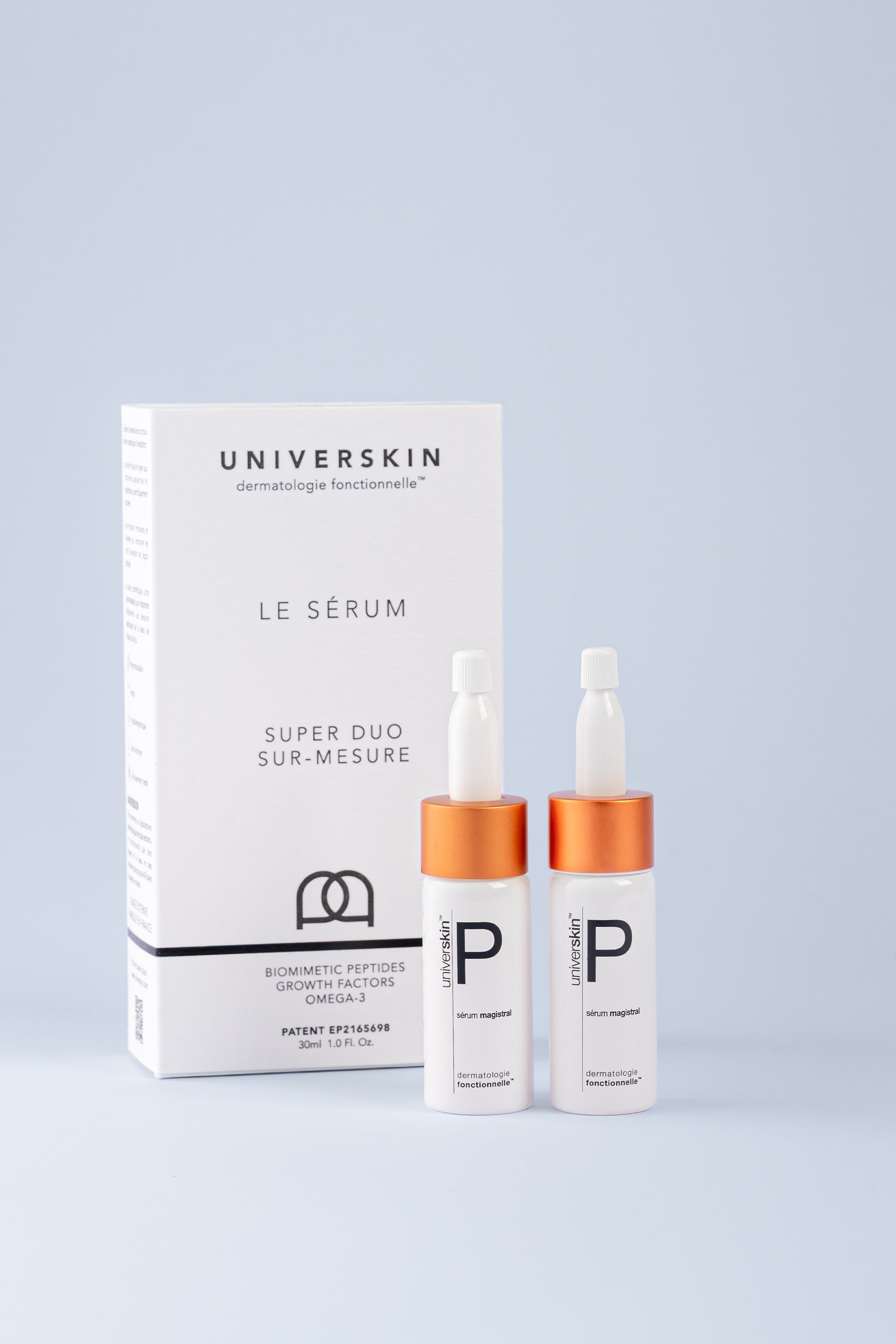
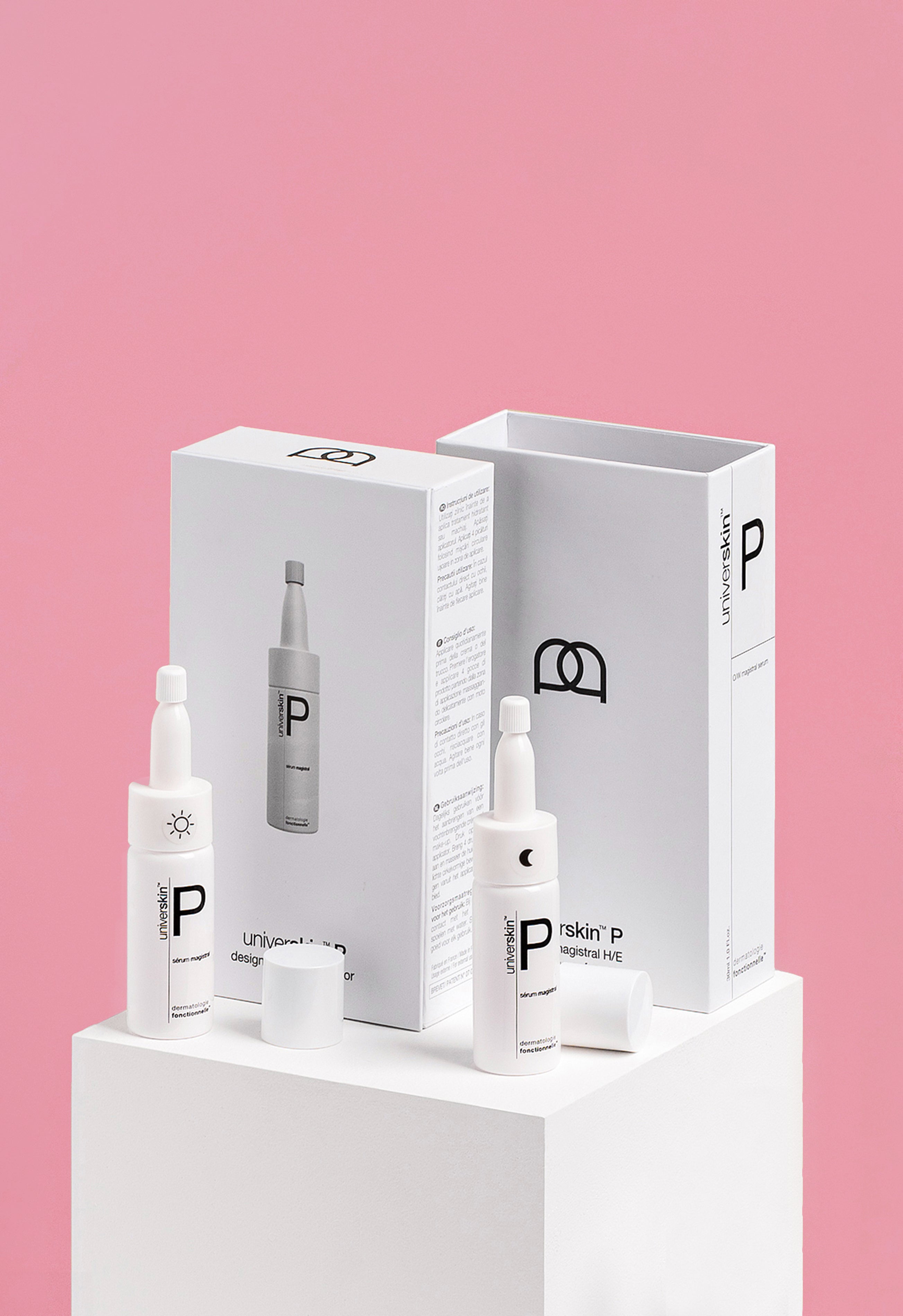
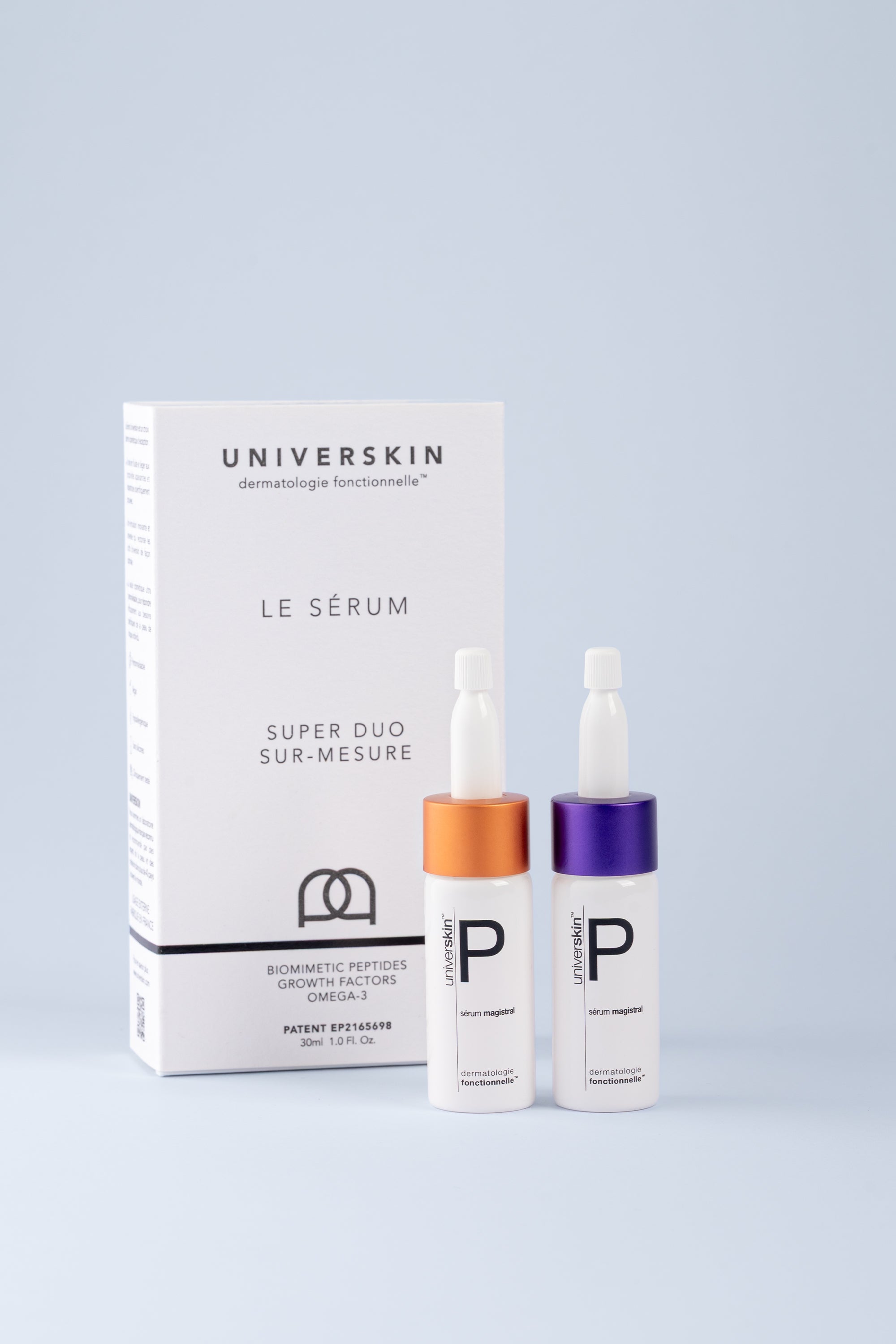
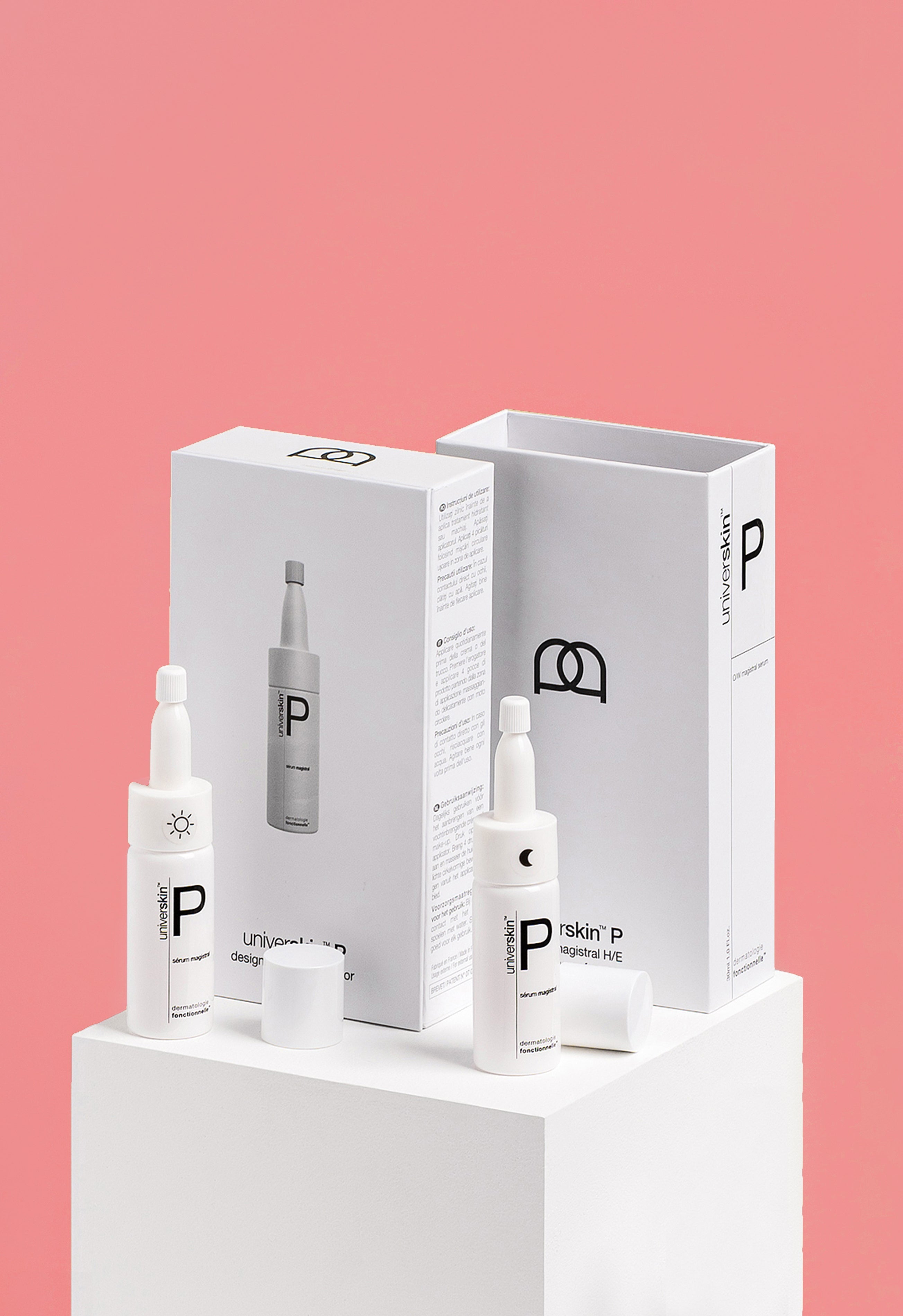
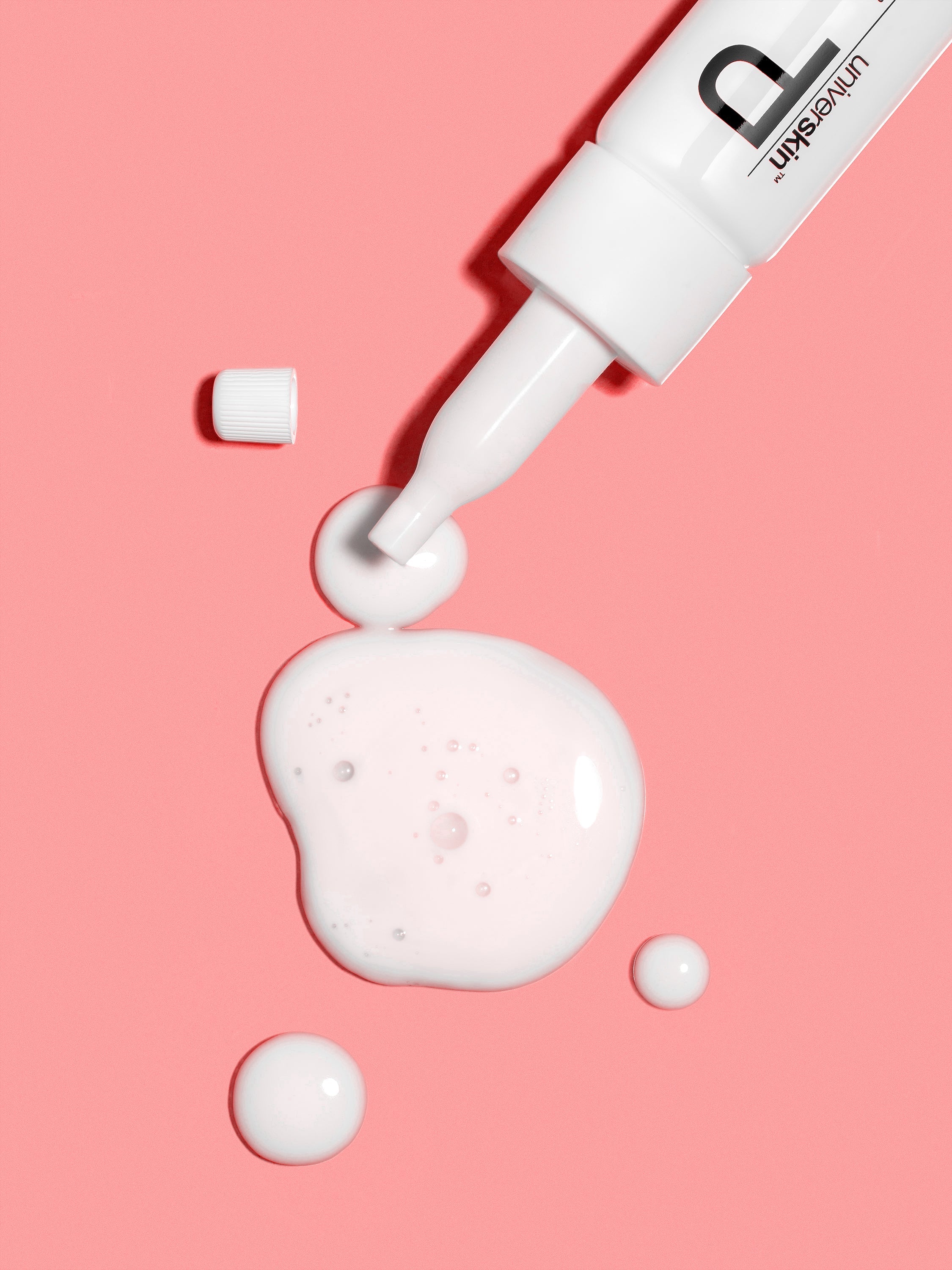
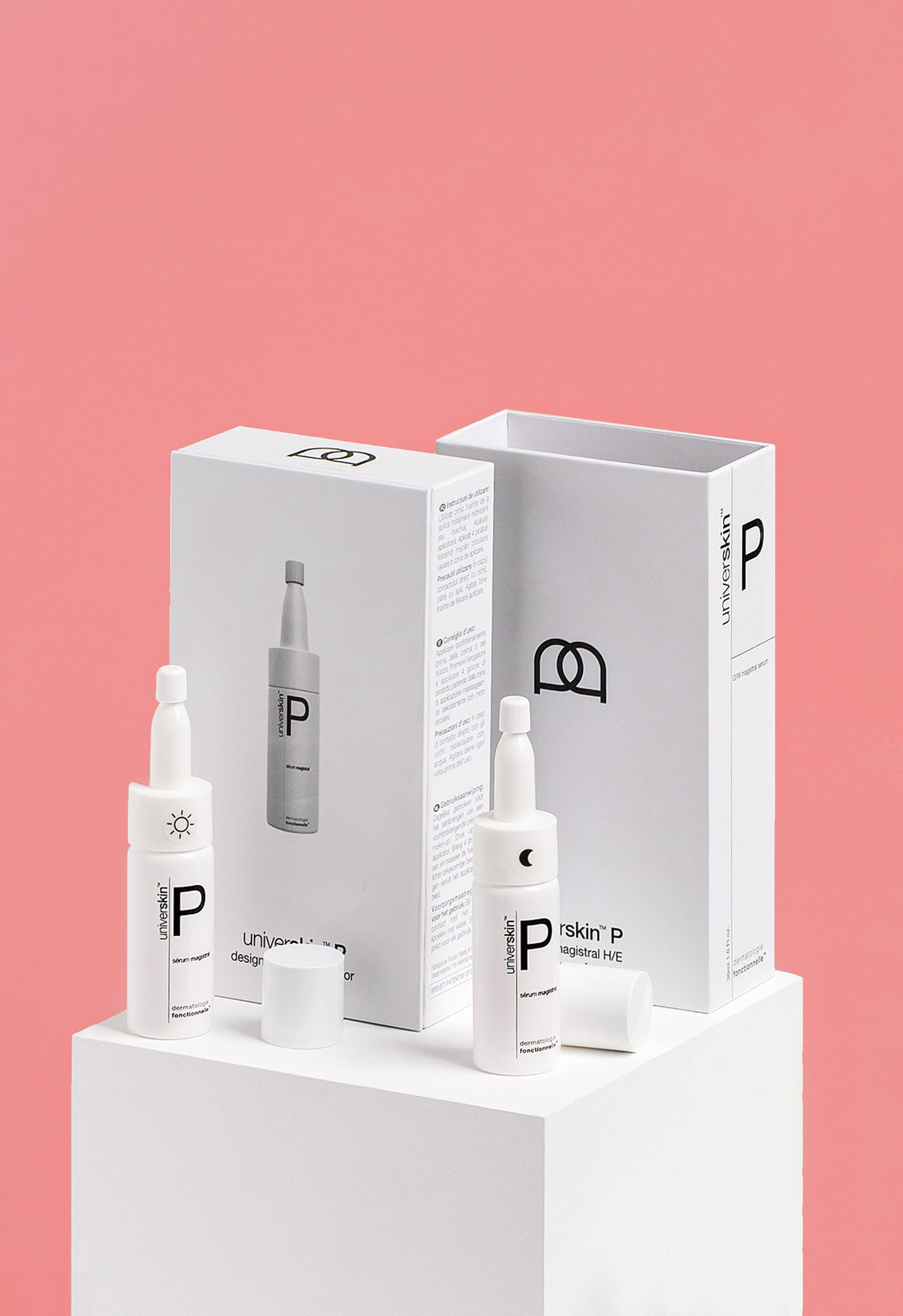
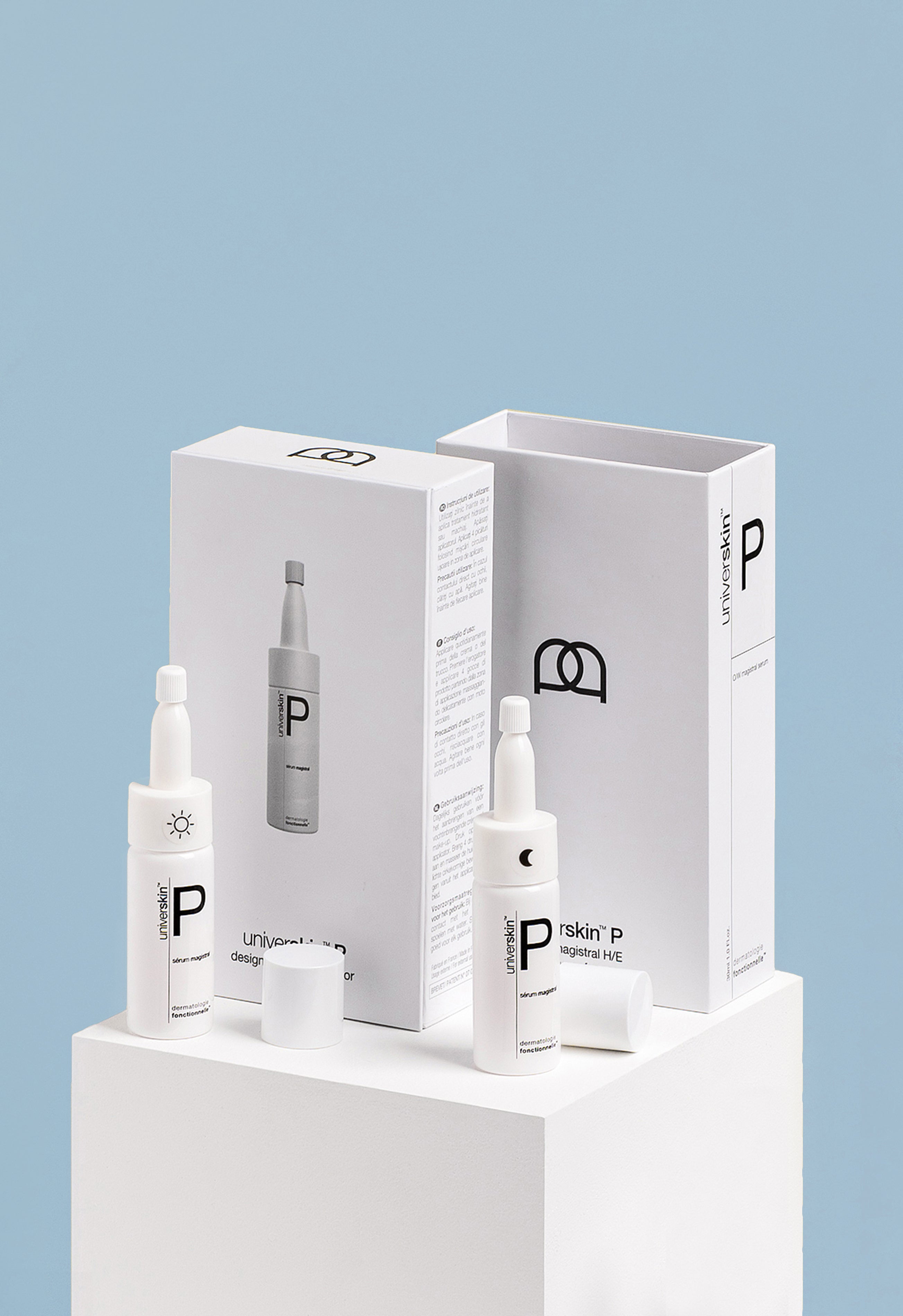
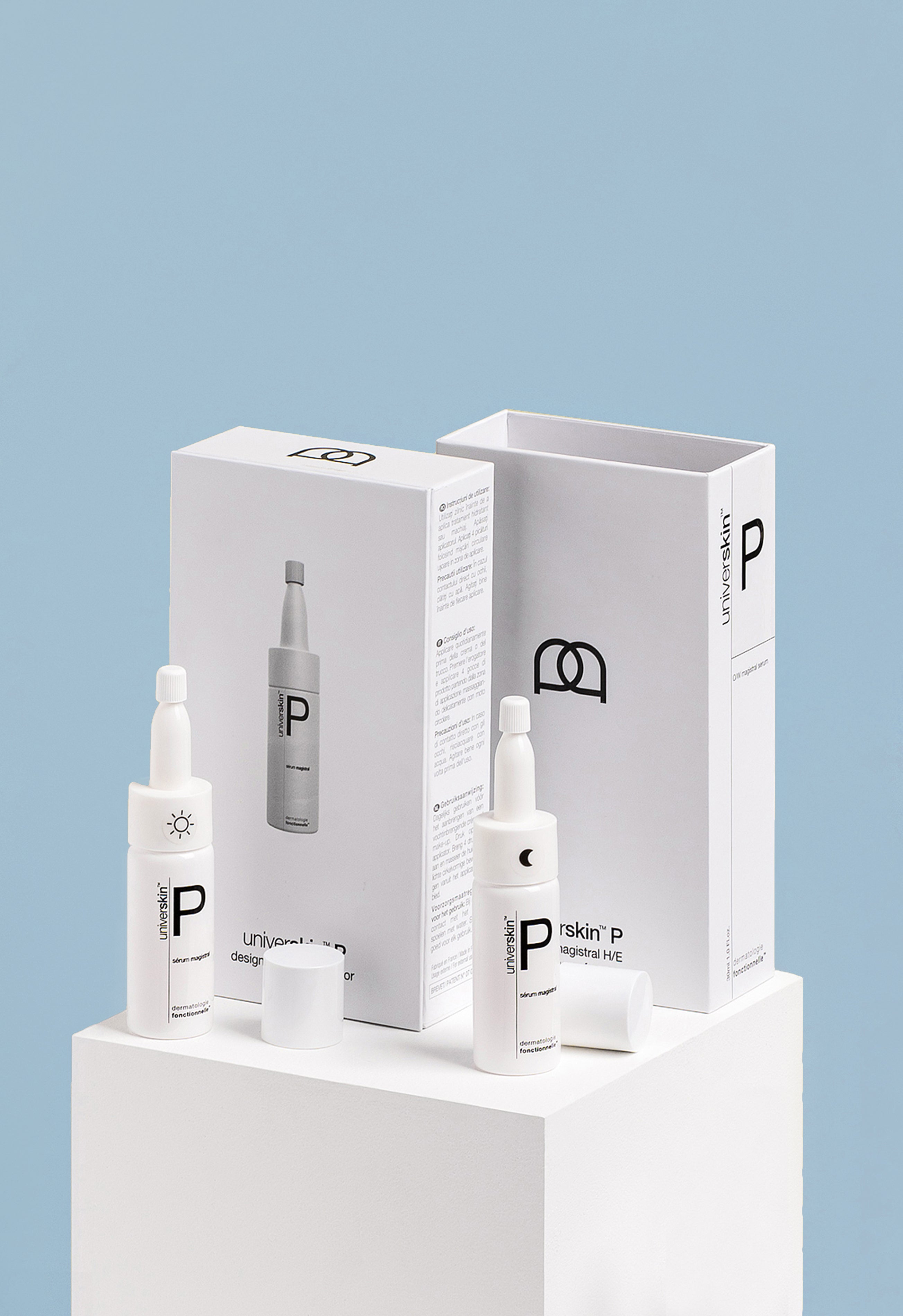
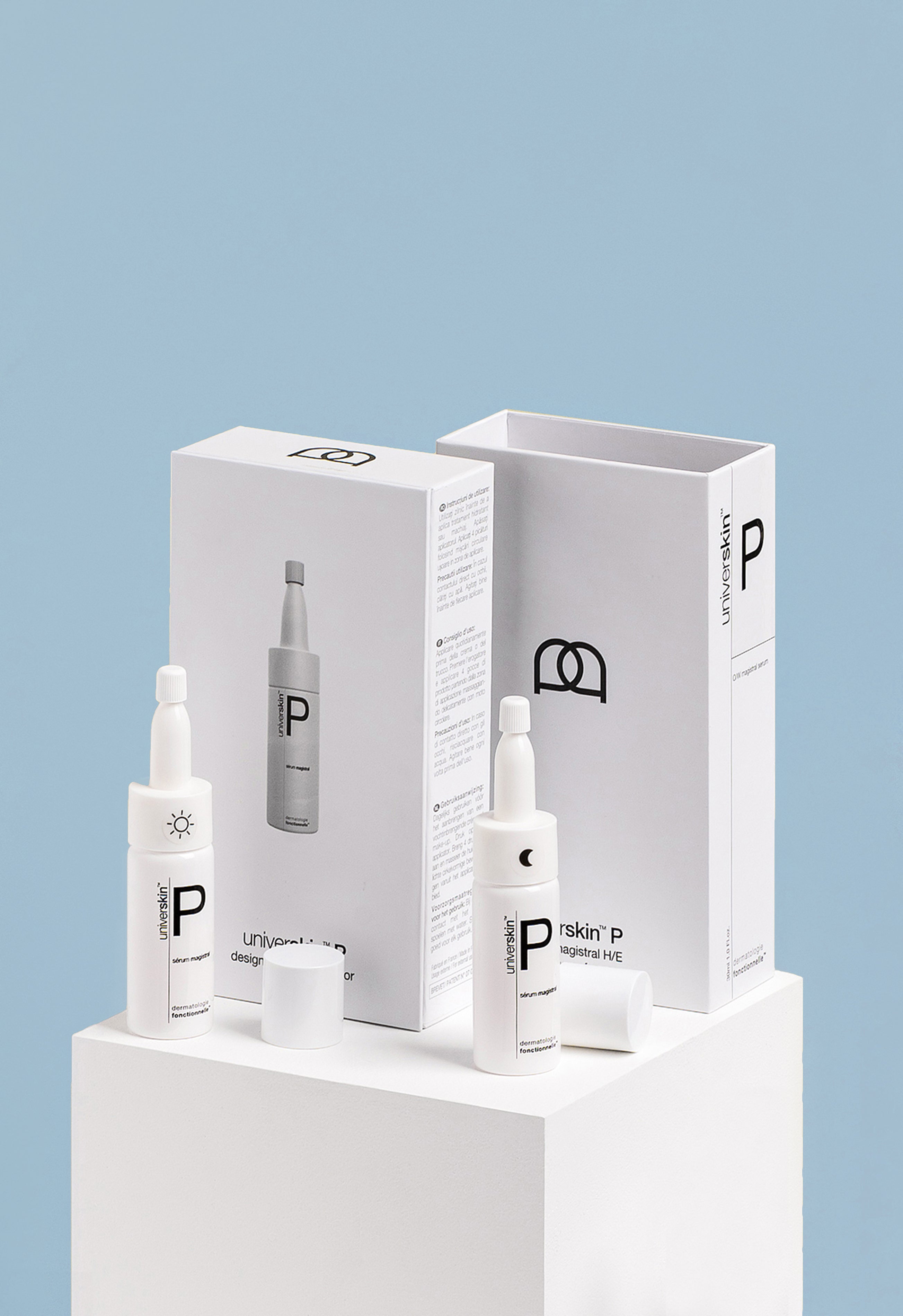
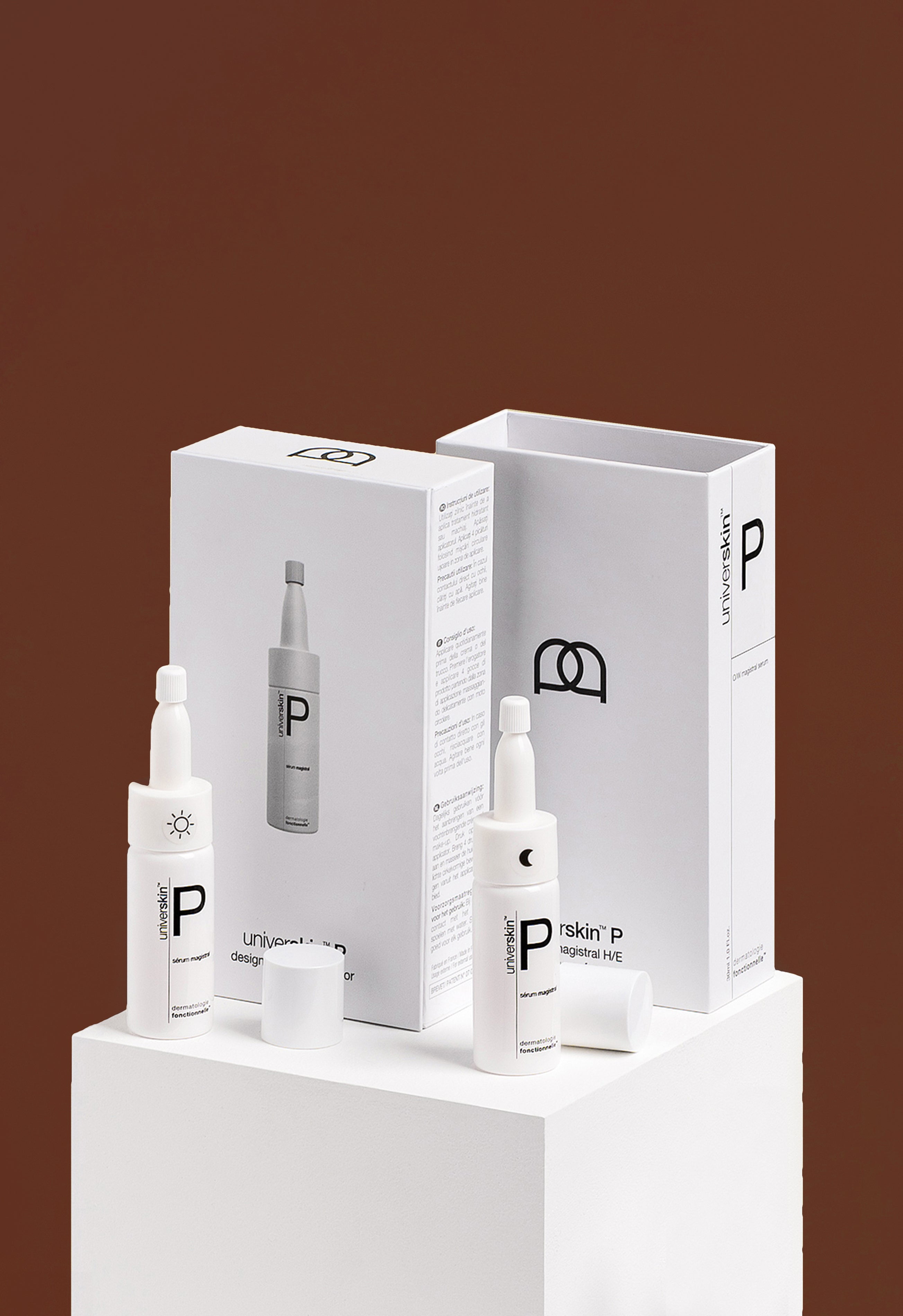
At Universkin, D-Panthenol is dosed at 5% per capsule in doctor-prescribed formulas, and a prescriber can add up to three capsules for as much as 15% when the barrier needs more support. It anchors serums such as Formula 22, our D-Panthenol 5% concentrate for dry, dehydrated skin.
Concentration
Typically, D-Panthenol is used at concentrations ranging from 1 to 10% in skincare products The concentration used may vary based on the specific formulation and intended use.
Who Should Use It
D-Panthenol is suitable for all skin types and is especially beneficial for those with dry or sensitive skin. It can help to restore the skin’s natural moisture balance, lock in hydration, and protect it from environmental pollutants. It is also an effective skin-soothing ingredient for those with atopic-prone skin, and irritated and sun-burned skin.
Can Be Used In Combination With
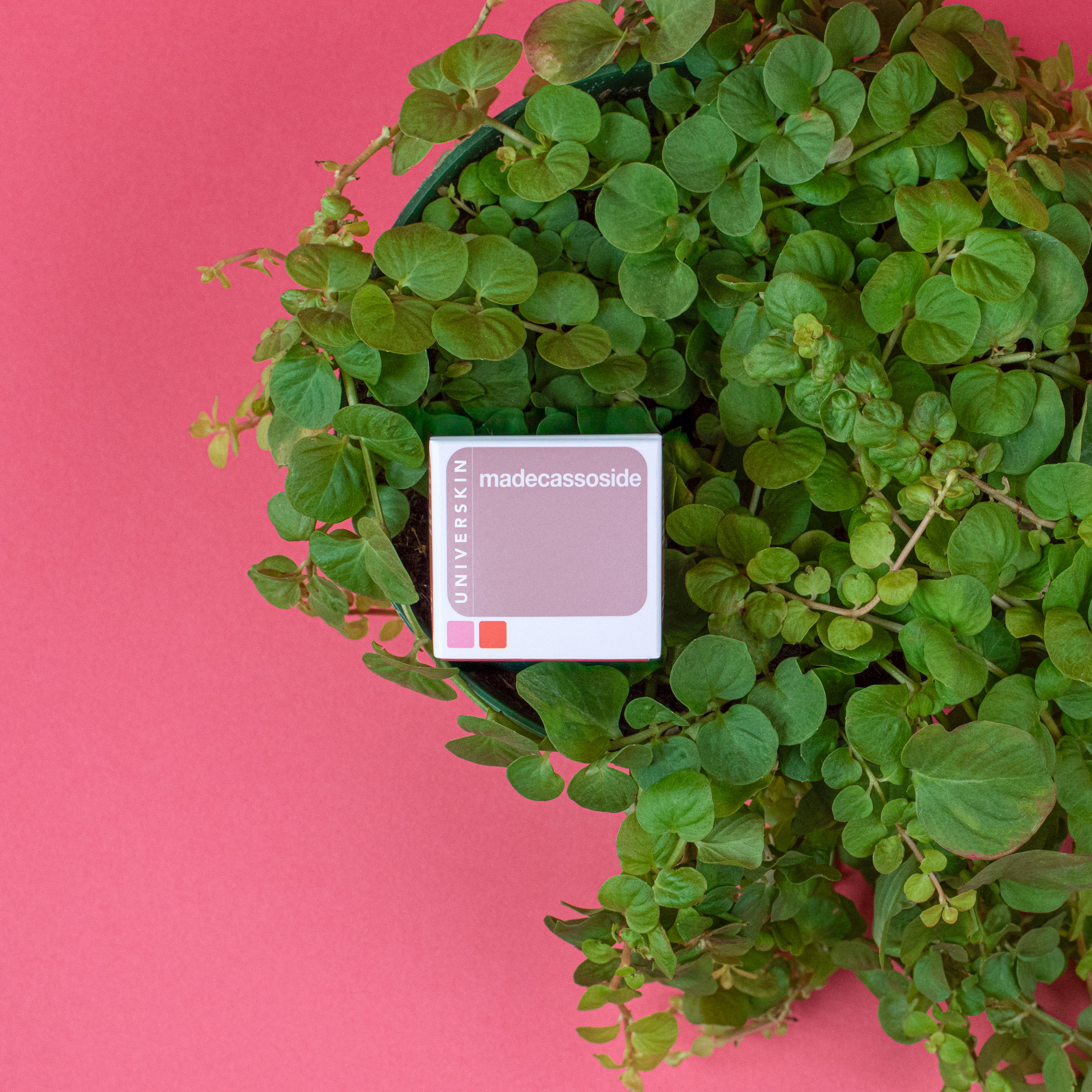
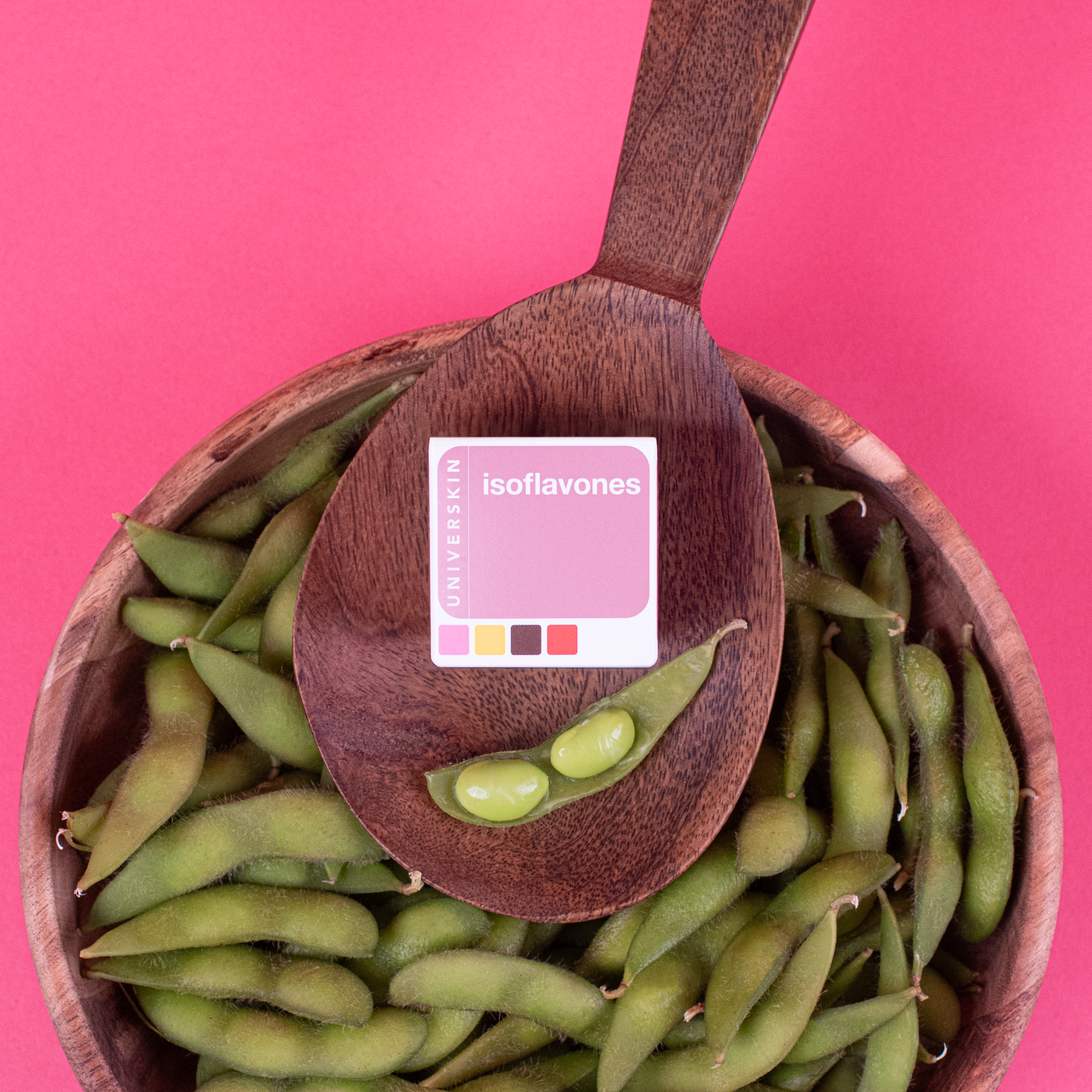
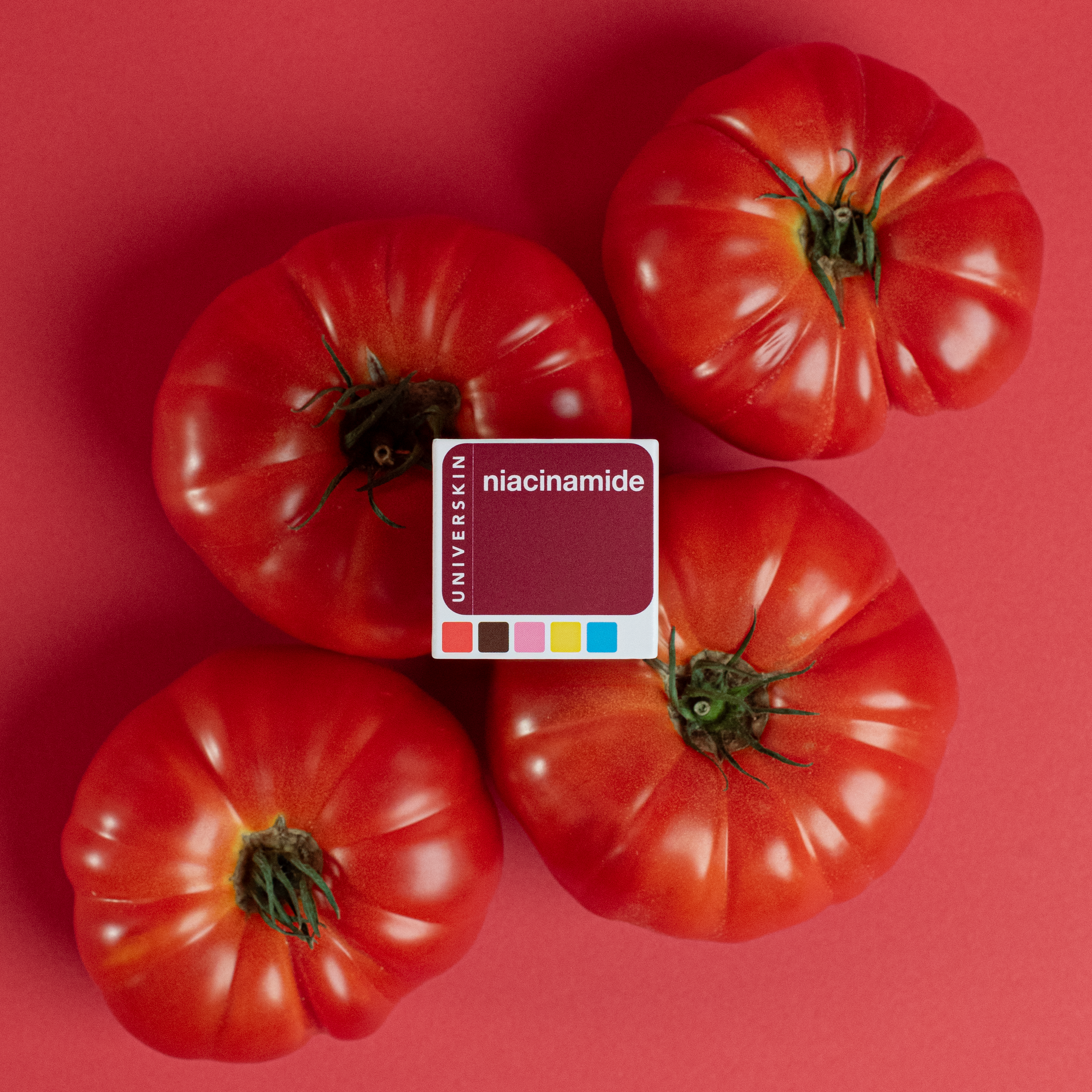
D-Panthenol is known to have a synergistic effect when used in combination with other ingredients like Madecassoside, Niacinamide, Superoxide Dismutase, Ascorbic Acid, Retinol, and Isoflavones.
How Often Can You Use It
D-Panthenol can be used daily, in the morning and/or in the evening, depending on the specific formulation and individual skin needs.
Don't Use It If
D-panthenol is suitable for all skin types. If you have very sensitive skin or allergies, it is always recommended to test products on a small skin area before using them on the face.
Origins of the Ingredient

D-Panthenol is derived from pantothenic acid, which is a naturally occurring B-complex vitamin. It is commonly found in a variety of food sources like eggs, whole grains, and dairy products. In 1944, the first topical d-panthenol-containing formulation was commercialized as an ointment. The D-Panthenol used by Universkin is a high-purity grade, produced synthetically.
Chemical Composition
D-Panthenol is a provitamin of pantothenic acid.It is composed of two main components: alcohol and acid. The alcohol component helps to attract and retain moisture, while the acid component helps to strengthen the skin barrier. Dexpanthenol is a stable alcoholic analog of pantothenic acid. Contrary to pantothenic acid, it is well absorbed through the skin. It comes in a white crystalline powder.

Mechanism of Action
Although discovered decades ago, the exact mechanisms of action of d-panthenol have not been fully elucidated yet. However, it is clearly demonstrated that D-Panthenol is converted into pantothenic acid once it is absorbed into the skin. It is thought to act in three main ways: first, by increasing skin renewal, which helps to keep the skin healthy and well-maintained. Secondly, by protecting the skin from damage caused by free radicals, which are molecules that can cause damage to the skin’s cells. Finally, by improving the skin’s protective barrier, which can help keep the skin hydrated and well-nourished. In addition, d-panthenol is known to help reduce inflammation signs. It then functions as a moisturizing and repairing agent, helping to improve the overall health and appearance of the skin.
Benefits
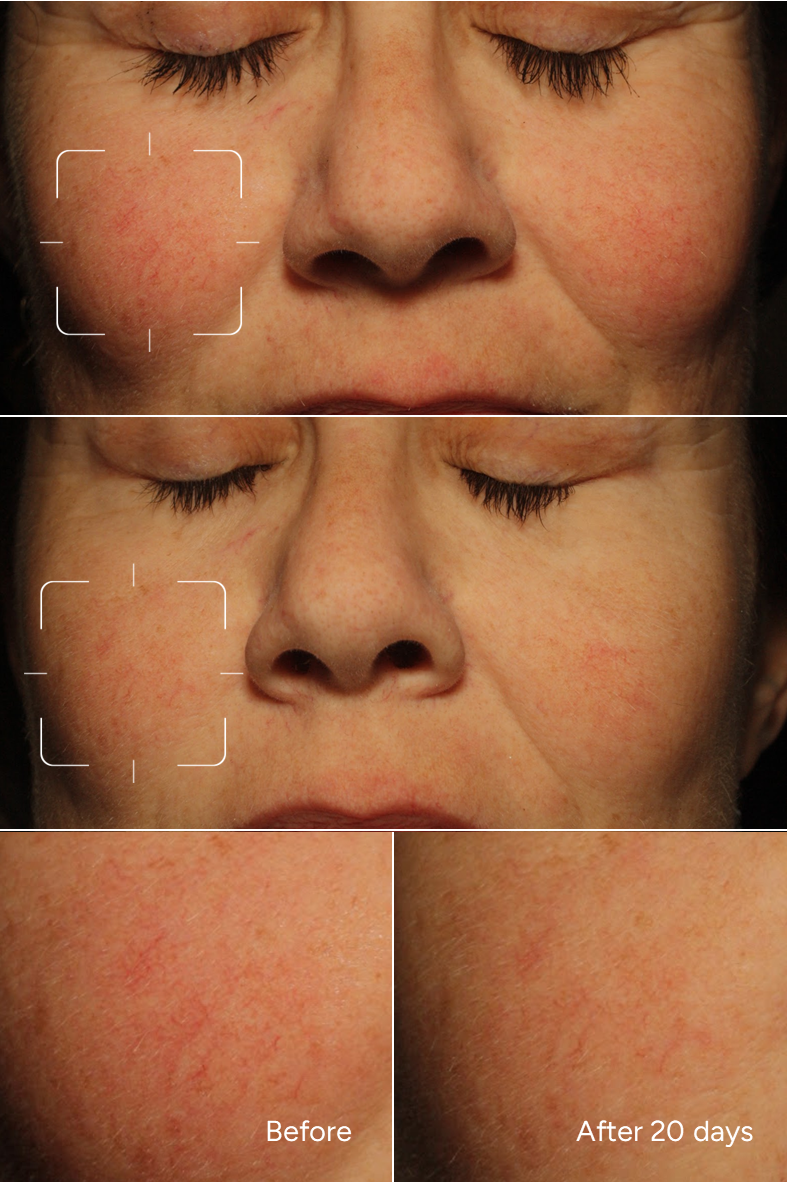
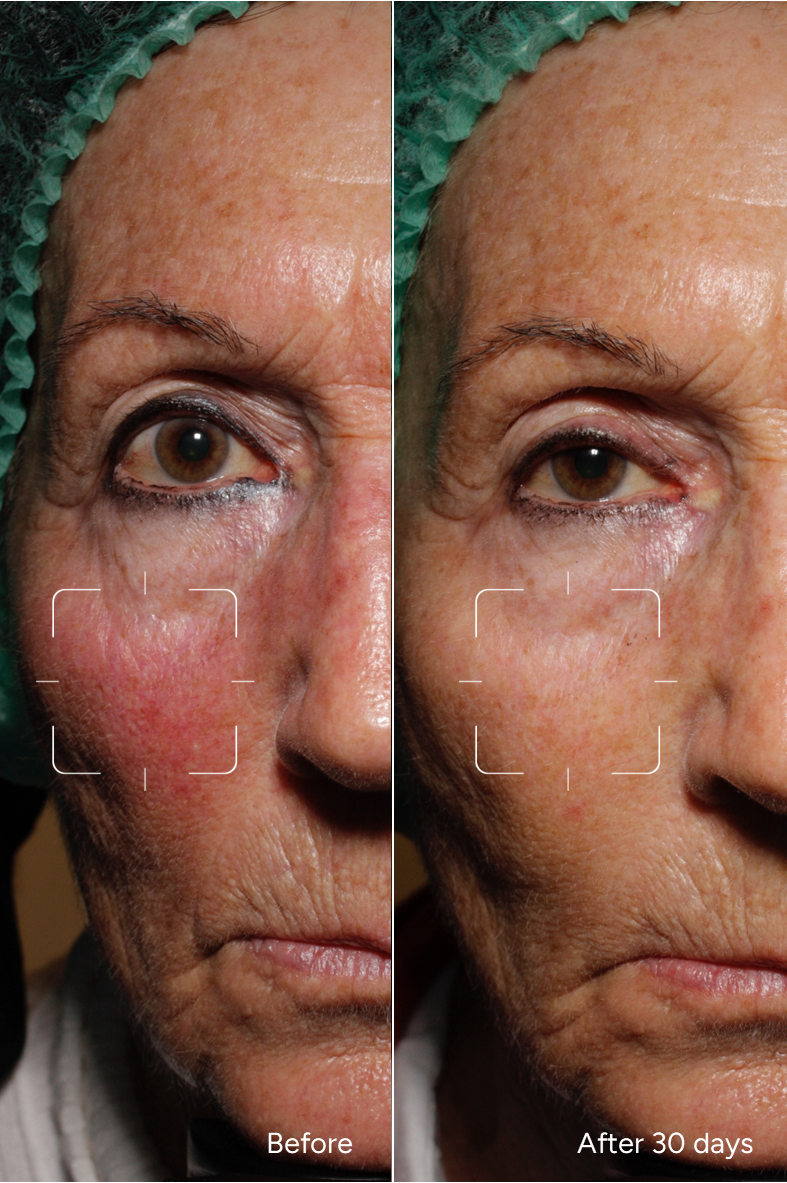
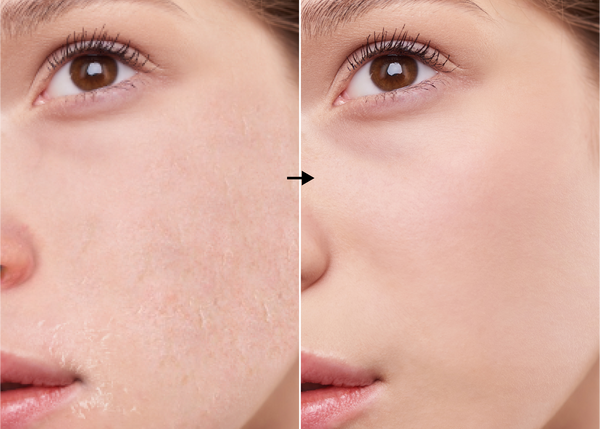
One of the major benefits of using products with D-panthenol is that it has a moisturizing effect. It helps to draw moisture into the skin, leaving it looking and feeling softer and smoother. Additionally, it helps to create a barrier on the skin that prevents environmental damage and protects against environmental irritants. D-panthenol is also known to help reduce inflammation signs. This makes it especially helpful for those with sensitive, reactive, and dry skin like atopic prone skin. The anti-inflammatory action helps to reduce redness and irritation, as well as to promote skin repair.
Stability
D-Panthenol is a relatively stable ingredient.
In conclusion, D-Panthenol is a versatile ingredient that can be used to help moisturize and repair the skin. Its properties make it suitable for all skin types, including sensitive and reactive skin, and it has been shown to effectively reduce dryness and dehydration, making the skin more flexible and resilient. D-Panthenol is a valuable addition to any skincare routine.
How to Use D-Panthenol in Your Routine
D-Panthenol is one of the more forgiving actives to use — water-loving, lightweight, and rarely reactive. In the morning, apply it after cleansing and before your moisturizer and sunscreen, where it helps hold water in the skin through the day. In the evening it pairs well with stronger actives: layered with Retinol it can offset the dryness and flaking retinoids sometimes cause, and with Ascorbic Acid it keeps the barrier comfortable. Apply thinner textures first and richer ones last, finishing with a moisturizer.
D-Panthenol is not a sunscreen and does not replace one, but it complements daily SPF: a well-hydrated barrier tolerates sun protection more comfortably, so sunscreen every morning remains essential, especially alongside retinol or acids. If skin feels irritated or stinging, pause stronger actives for a few days, then reintroduce them slowly.
Evidence & Results Timeline
D-Panthenol is one of the better-studied barrier ingredients in dermatology. Clinical and laboratory studies have shown that topical dexpanthenol increases stratum corneum hydration, reduces trans-epidermal water loss, and speeds barrier recovery after irritation, calming the redness and roughness of a compromised barrier. Individual responses vary, so the timeline below is a realistic guide, not a guarantee.
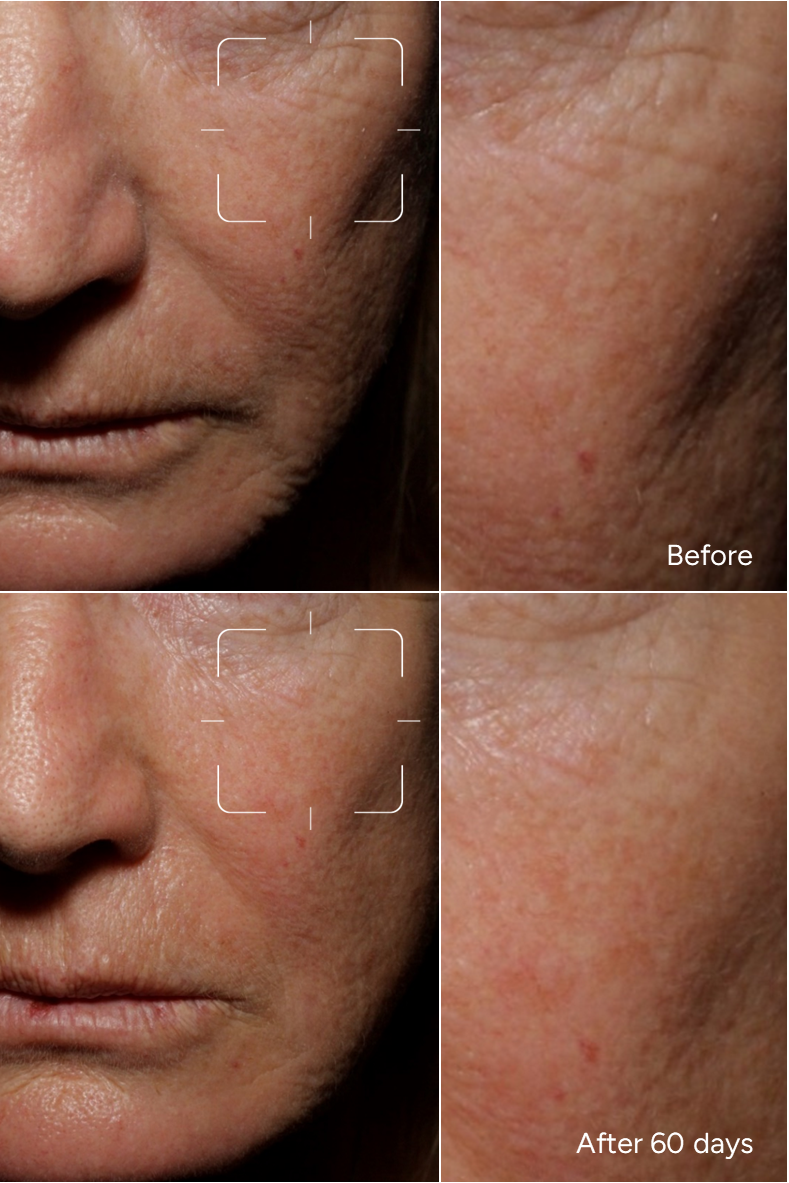
In the first days to two weeks, most people notice immediate comfort: skin feels less tight and better hydrated, and minor stinging from other products often eases. Over roughly two to six weeks, dryness, flaking, and background redness tend to look more settled and skin becomes more resilient. From about six to twelve weeks, the cumulative effect is a smoother, more comfortable, better-protected complexion that copes more easily with stronger actives such as retinol. These ranges are illustrative and depend on your starting point.
D-Panthenol vs. Other Soothing & Barrier Ingredients
D-Panthenol is rarely an either/or choice — in a personalized formula it is often combined with the ingredients below — but each has its own strength. D-Panthenol's is pure barrier comfort: a humectant and repair agent that hydrates and soothes with very low irritation risk, ideal for dry, sensitive, reactive, and post-procedure skin. Niacinamide is more of a multitasker, also helping oil balance, tone, and the look of pores. Madecassoside, from centella asiatica, is prized for calming visible redness in stressed skin. The table below summarizes the differences.
| Ingredient | Best known for | Ideal skin | Irritation risk |
|---|---|---|---|
| D-Panthenol (pro-vitamin B5) | Deep hydration and barrier repair; soothing dryness and irritation | Dry, dehydrated, sensitive, reactive, post-procedure | Very low |
| Niacinamide | Barrier support plus oil balance, tone and the look of pores | Combination, oily, uneven tone | Low |
| Madecassoside | Calming visible redness and supporting stressed-skin recovery | Sensitive, redness-prone, compromised | Very low |
Because these ingredients work along complementary pathways, the best approach is usually to have a doctor combine the right ones for your skin.
Safety, Comedogenicity & Pregnancy
D-Panthenol has an excellent safety record and is widely regarded as non-comedogenic — it is not generally considered to clog pores or trigger breakouts, and it suits all skin types, including oily and blemish-prone skin. As with any new product, if you have very sensitive skin or a history of allergies, patch test first: apply a small amount to an inconspicuous area such as the inner forearm for a few days before using it on your face. True allergy is uncommon but possible, so discontinue use if persistent redness or irritation appears.
Topical pro-vitamin B5 is generally considered gentle and common in sensitive-skin products, but no cosmetic ingredient can be declared universally risk-free during pregnancy or breastfeeding. If you are pregnant or nursing, review your full routine with your doctor — especially because barrier serums are often paired with actives such as retinoids that carry pregnancy cautions of their own.
D-Panthenol in Your Personalized Formula
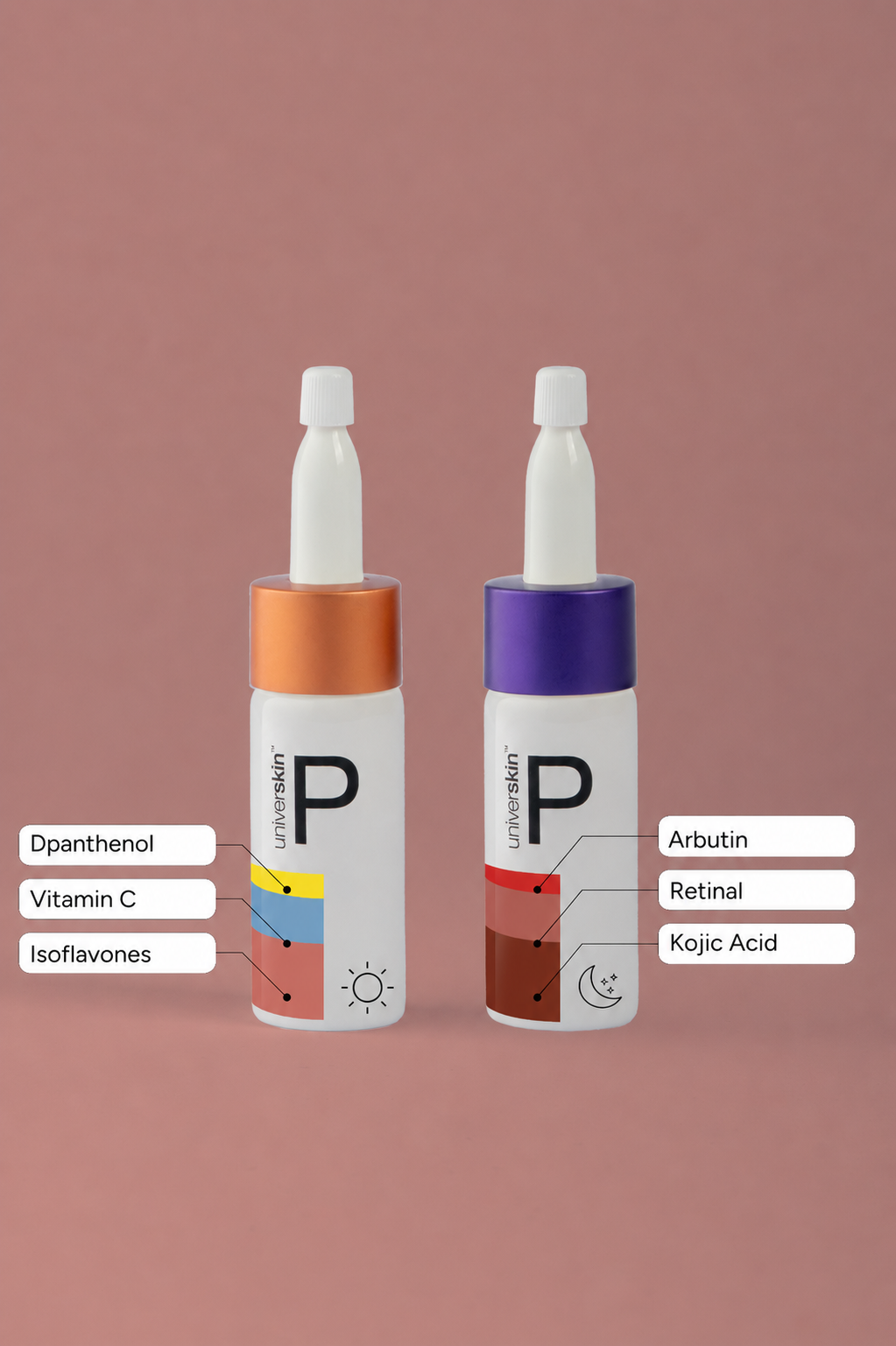
At Universkin, D-Panthenol is not a fixed, one-size-fits-all percentage. It is dosed at 5% per capsule, and because our formulas are built, your doctor can add up to three capsules for as much as 15% when your skin needs more intensive barrier support. That decision is guided by our AI skin analysis, which assesses your skin so D-Panthenol is combined with the actives that suit your profile — producing a serum such as Formula 22, calibrated to your barrier rather than to an average.
References & Evidence
D-Panthenol's benefits are supported by a substantial body of peer-reviewed dermatological research spanning barrier repair, hydration, and wound healing. Frequently cited works include a review of the topical use of dexpanthenol in skin disorders (Ebner F et al., American Journal of Clinical Dermatology, 2002); a controlled study of dexpanthenol and epidermal barrier function and stratum corneum hydration (Gehring W, Gloor M, Arzneimittelforschung, 2000); and research on dexpanthenol enhancing barrier repair and reducing inflammation after experimentally induced irritation (Proksch E, Nissen HP, Journal of Dermatological Treatment, 2002).
Frequently Asked Questions
Is D-Panthenol the same as vitamin B5?
Not quite, though they are closely related. D-Panthenol, also called pro-vitamin B5 or dexpanthenol, is the stable alcohol form your skin absorbs and converts into pantothenic acid — the actual vitamin B5. In skincare the terms are often used interchangeably, but panthenol penetrates the skin far more effectively than pantothenic acid itself.
Does panthenol clog pores or cause breakouts?
Panthenol is widely regarded as non-comedogenic and is not generally considered to clog pores or cause breakouts; it is used comfortably across all skin types, including oily and blemish-prone skin. Breakouts are more often linked to other ingredients or textures in a product than to panthenol itself.
What percentage of panthenol is effective for skin?
In skincare, panthenol is typically used between 1% and 10%, with barrier and hydration benefits well documented in that range. At Universkin it is dosed at 5% per capsule, and a doctor can build up to three capsules for as much as 15% when skin needs more support.
Can I use panthenol with retinol or vitamin C?
Yes — panthenol pairs well with both. Because it hydrates and supports the skin barrier, it is often used to offset the dryness or irritation retinol can cause, and to keep skin comfortable while vitamin C works. Apply thinner textures first and richer ones last; if a combination feels irritating, space the actives across the day.
Can I use D-Panthenol every day and is it safe during pregnancy?
D-Panthenol is gentle enough for daily use, morning and evening, for most people and skin types. Topical pro-vitamin B5 is generally considered mild, but no cosmetic can be declared universally risk-free in pregnancy. If you are pregnant or breastfeeding, review your routine with your doctor, particularly if it contains stronger actives such as retinoids.
Skin concerns this ingredient can help with
In a personalized formula, this active is commonly used to help target:
Featured collection
D-Panthenol BASED SERUMS FORMULAS