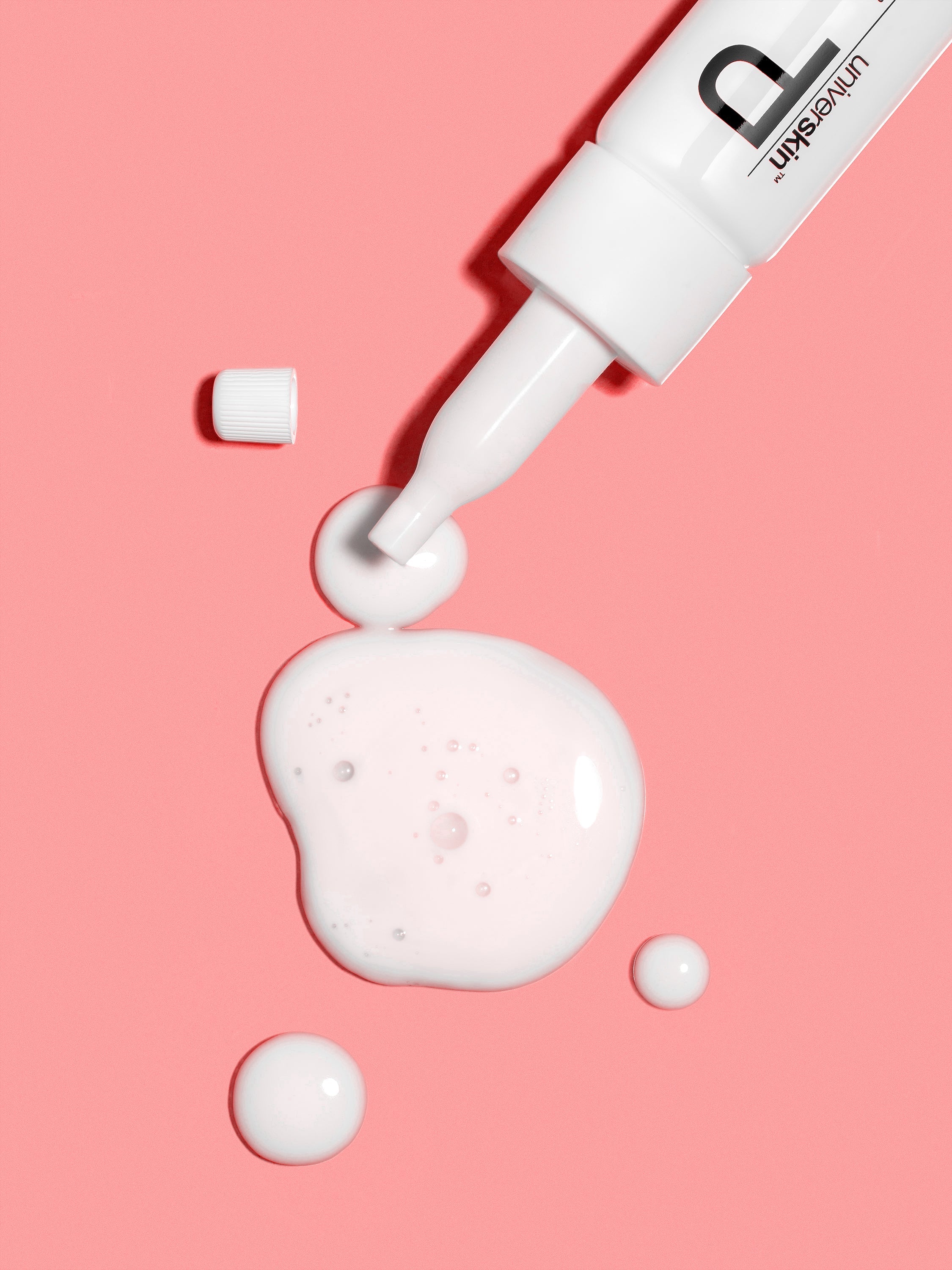
3% PER DOSE
RUTIN-TX
RUTIN-TX
Rutin (Rutoside) for Skin
Rutin-TX, also known as rutoside, is a naturally occurring bioflavonoid found in plants, vegetables and fruits. It is a well-known ingredient in skincare products due to its powerful antioxidant and its anti-inflammatory properties. As part of the flavonoids also called vitamin P, Rutin has a vitamin P action, i.e. it helps to reduce the fragility and permeability of blood vessels.
Concentration
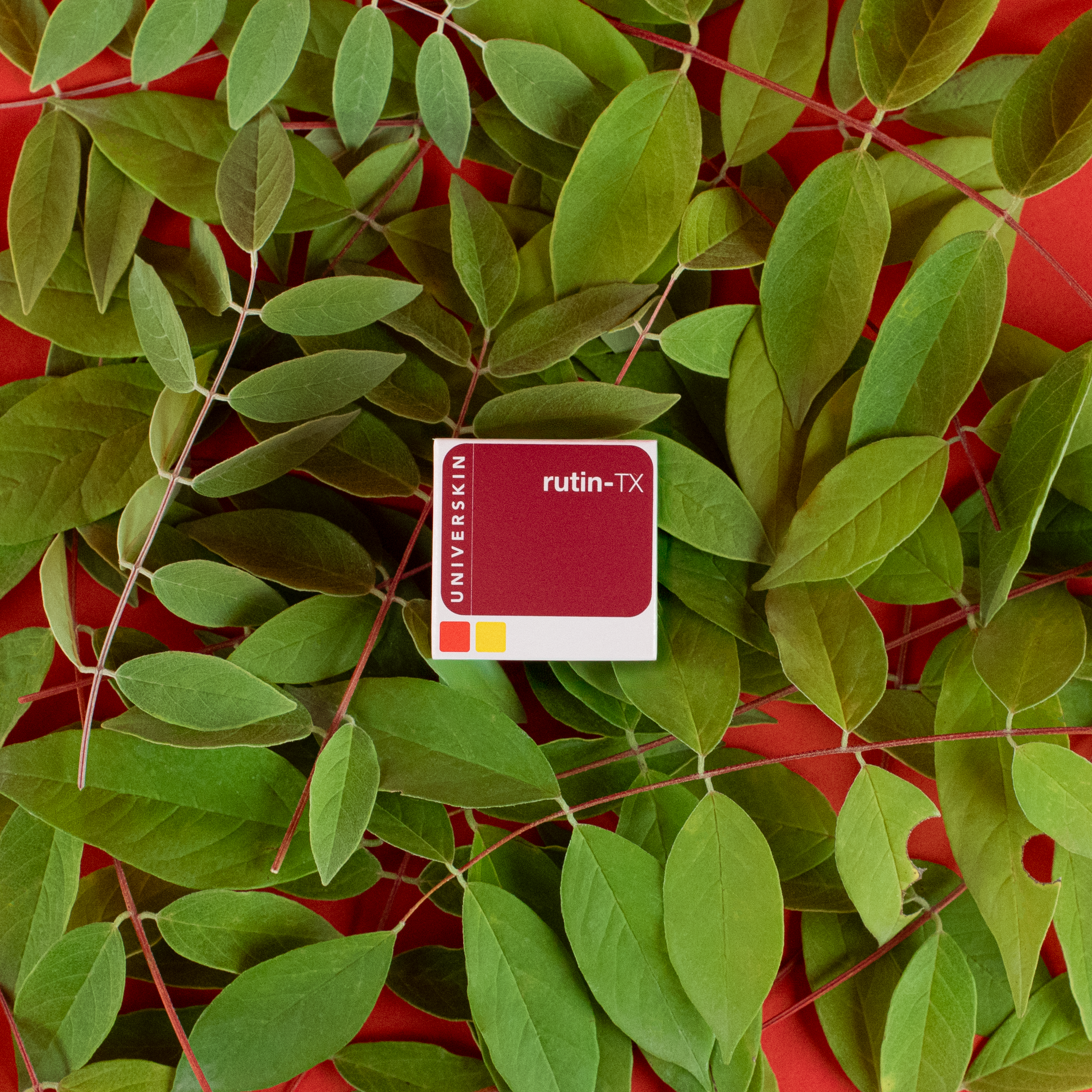
The concentration of rutin in skincare products varies depending on the manufacturer and product type. Universkin provides 3% pure rutin.
Who Should Use It
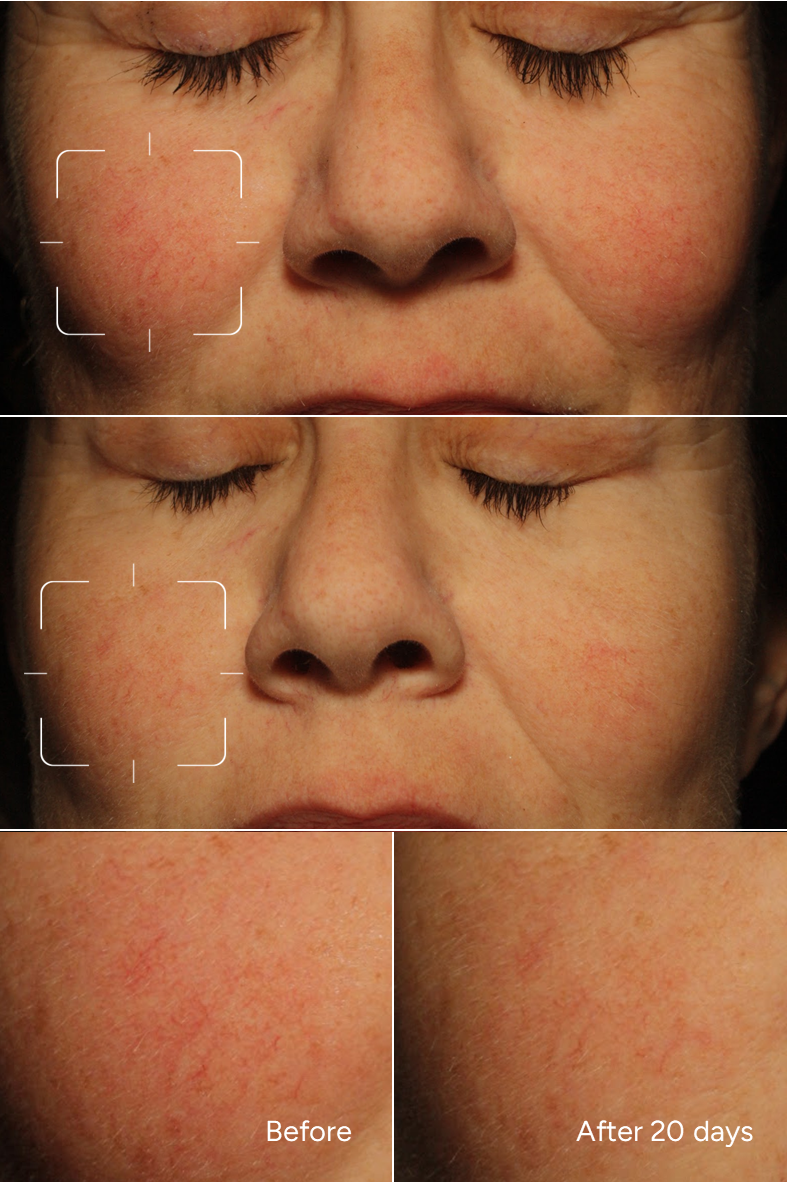
Rutin is recommended for individuals with sensitive and reactive skin with visible redness, for those who are prone to couperosis or telangiectasia with dilated red blood vessels visible on the face, and as a potent antioxidant adjuvant in mature skin with aging signs like wrinkles, sagging and lack of elasticity.

Can Be Used In Combination With
Rutin can be a powerful ingredient on its own, but it can also be combined with other ingredients to create even more benefits for your skin. With L-ascorbic acid, both antioxidants work together to protect the skin from free radical damage. Vitamin C also helps to brighten and even out skin tone, while rutin reduces redness and strengthens blood vessels. When combined with rutin, niacinamide can provide even more support for your skin's barrier function and reduce the appearance of redness and inflammation. Like rutin, SOD and Ferulic acid are potent antioxidants. When combined they provide a powerful one-two punch against environmental stressors and support healthy, radiant skin.
How Often Can You Use It
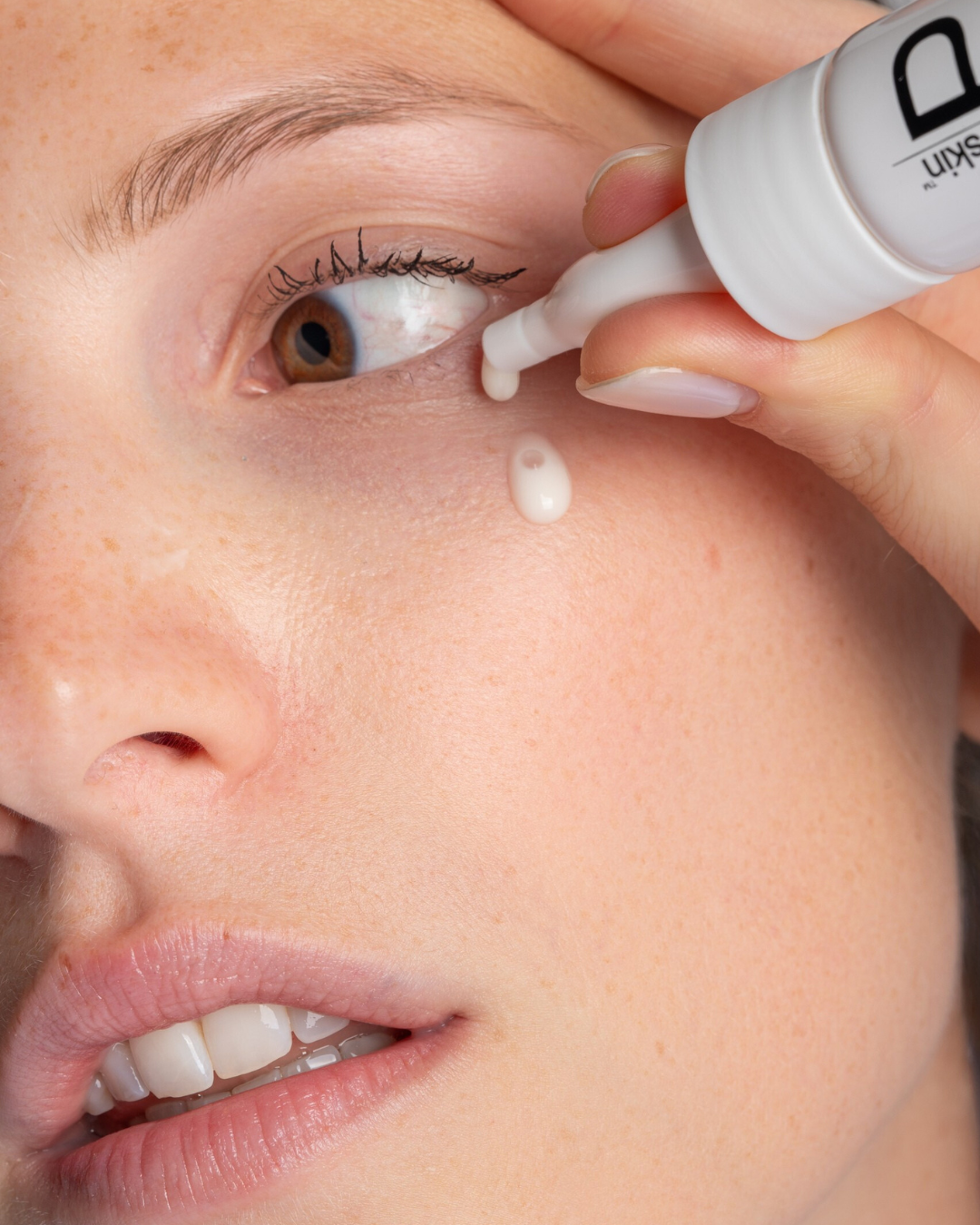
Rutin can be used daily in the morning and/or at night depending on the individual's skin type. As an antioxidant, it is especially useful in the morning, where it complements — but does not replace — a broad-spectrum SPF; daily sunscreen remains essential for protecting reactive, redness-prone skin from UV exposure. Apply your rutin serum to clean skin before richer creams, and if your skin is very reactive, introduce it gradually — every other day at first — building to daily use once tolerance is confirmed.
Don't Use It If
Rutin is suitable for all skin types. If you have very sensitive skin or allergies, it is always recommended to test products on a small skin area before using them on the face. To patch test, apply a small amount to the inner forearm or behind the ear for a few days and watch for any reaction. Pause use if you experience persistent stinging, itching or worsening redness, and resume only once the skin has settled. If you are pregnant, breastfeeding, or under a dermatologist's care for an active skin condition, check with your doctor before adding any new active.
Origins of the Ingredient

The name of the rutin molecule comes from Ruta graveolens. It is found naturally in buckwheat, asparagus, and the leaves of the olive tree. It is extracted from these sources for use in skincare products. But the main source of rutin, especially in nutraceuticals, is Sophora japonica, whose flower buds can contain up to 20% rutoside. Universkin uses synthetic rutin to have a consistent composition, quality and high-purity active ingredient compared to plant extracts.
Chemical Composition
Rutin, also known as quercetin-3-O-rutinoside, is a flavonoid glycoside. Rutin powder is crystalline and yellow.

Mechanism of Action
Rutin has been shown to possess powerful antioxidant and anti-inflammatory properties. It acts by neutralizing free radicals and reducing oxidative stress, which can cause skin damage and accelerate skin aging. It strengthens and protects blood vessels, improving microcirculation. Rutin reduces redness by stopping the production of pro-inflammatory mediators.
Benefits
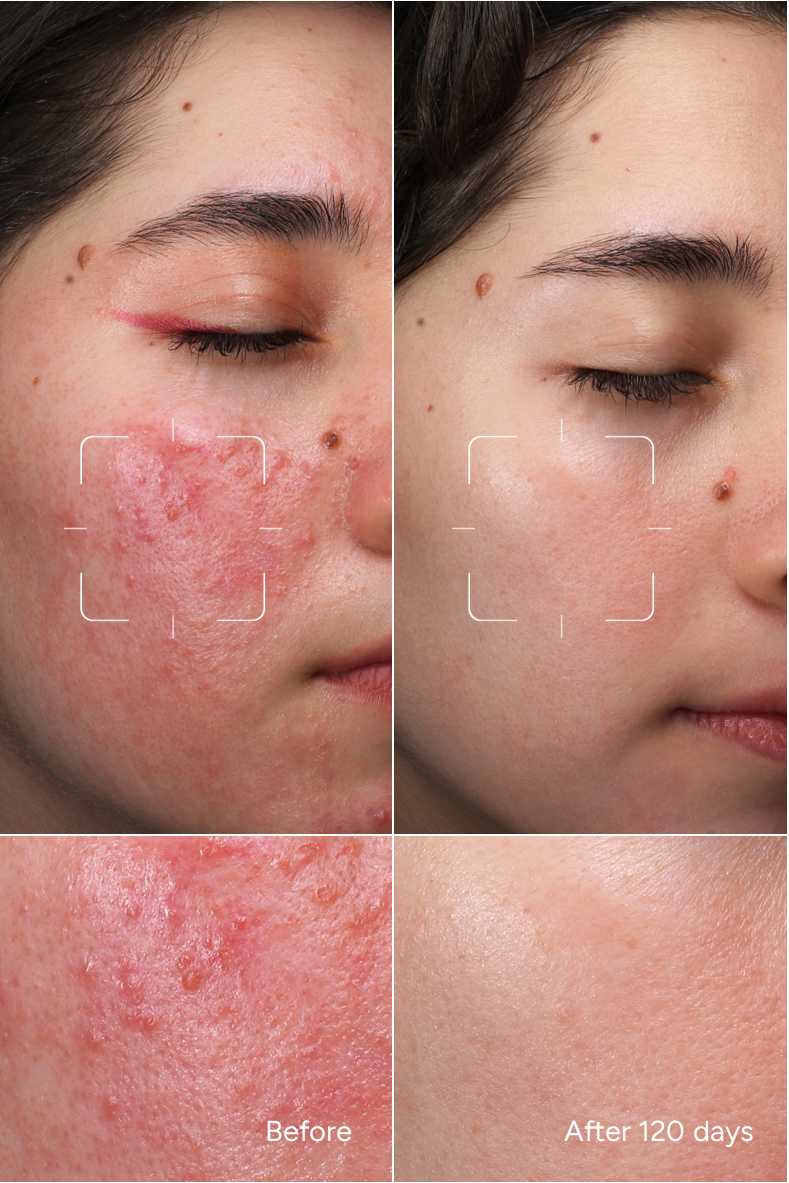
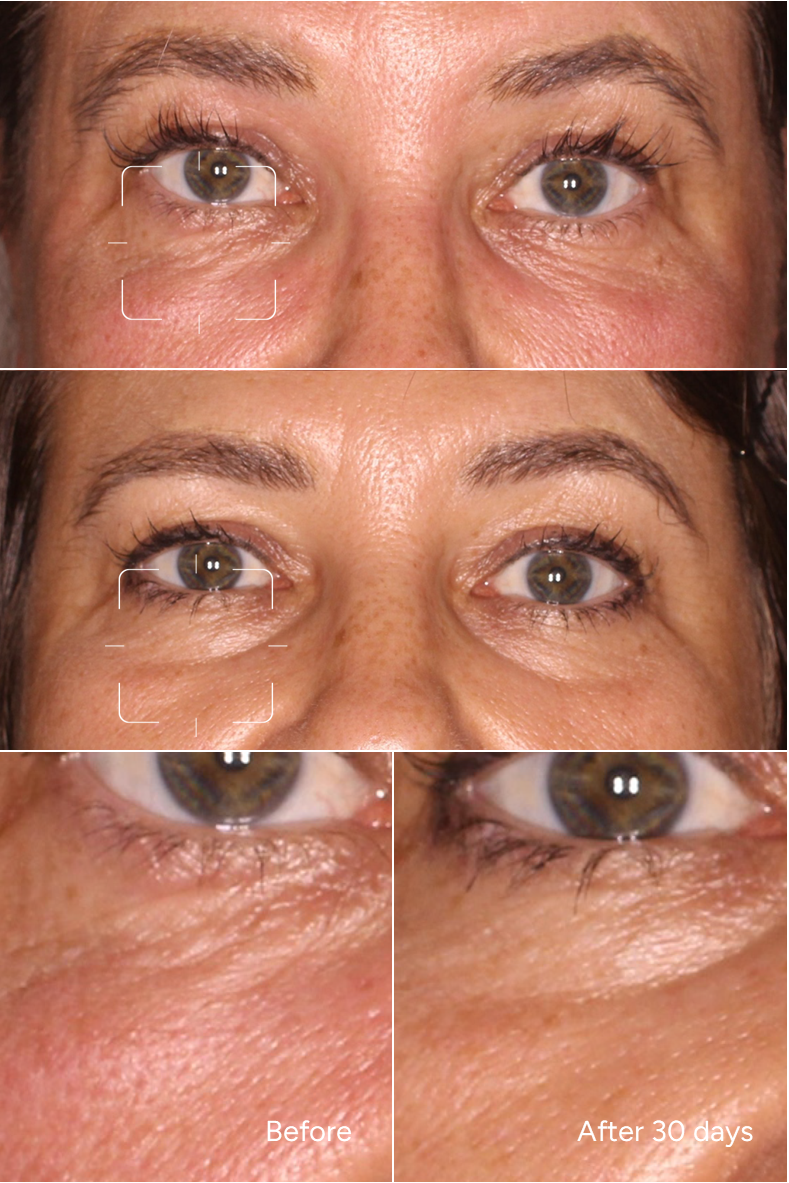
Rutin has numerous benefits for the skin. It can help to improve the appearance of fine lines, wrinkles, and dark circles, as well as reduce diffuse redness and protect skin against oxidative stress. Additionally, it has anti-inflammatory properties, which can help to soothe and calm irritated skin.
Stability
Rutin is a stable ingredient that is well tolerated by the skin.
Evidence & Results Timeline
Rutin has a long research history as a member of the flavonoid family. Historically, rutin and related rutosides were grouped under the label "vitamin P" for their observed effect on capillary permeability and fragility, and oral rutosides have been studied for many years in the context of capillary and venous support. In laboratory and clinical studies, rutin has demonstrated antioxidant activity — neutralizing free radicals and reducing oxidative stress — alongside anti-inflammatory effects that help calm the pathways behind visible redness. It is worth being clear about the evidence: much of the strongest capillary-strengthening data comes from oral rutosides, so applied topically rutin works mainly by reinforcing the skin's antioxidant defences and soothing inflammatory triggers rather than erasing established vessels.
Because rutin works cumulatively, results build with consistent use. The timeline below is a realistic general guide — response varies with skin type, concentration and the rest of your routine:
| Timeframe | What to expect |
|---|---|
| Day 1 onward | Antioxidant protection begins at the cellular level straight away, even though it is not yet visible on the surface. |
| Weeks 2–4 | Skin often feels more comfortable and less reactive as the soothing, anti-inflammatory effect takes hold. |
| Weeks 4–8 | Diffuse redness and flushing may begin to look calmer and more even with daily use. |
| Weeks 8–12 | Cumulative antioxidant and anti-inflammatory benefits are best assessed here — a sensible point to review progress with your doctor. |
Fixed, dilated vessels — the fine visible capillaries of telangiectasia — respond far less to any topical ingredient and often need in-clinic treatment such as laser or IPL. Rutin's role is to support the surrounding skin, protect it against oxidative triggers and reduce the diffuse redness that sits on top of those vessels.
How Rutin Compares
Rutin belongs to a small group of actives that support redness-prone, reactive skin. Here is how it differs from its closest alternatives.
Topical Rutin vs Oral Rutin Supplements
Oral rutosides — rutin taken as a supplement — have historically been used for systemic capillary and venous support, and this is where much of rutin's traditional "vitamin P" reputation comes from. Topical rutin works differently: applied directly to the face, it targets the skin's own antioxidant defences and local inflammatory triggers, concentrating its soothing, redness-reducing action where you apply it rather than throughout the body. The two are not interchangeable — a supplement will not deliver the same localized skin benefit as a well-formulated topical. If you are considering an oral supplement for a medical reason, discuss it with your doctor first.
Rutin vs Quercetin
Rutin and quercetin are closely related: rutin is quercetin-3-O-rutinoside — essentially quercetin bound to a sugar (rutinose). Quercetin is the aglycone, the parent molecule often described as more bioactive but also less stable and less water-friendly. Rutin's sugar group makes it more stable and easier to formulate, which is part of why it is favoured in topical skincare, while quercetin is more often discussed as a potent but delicate antioxidant. In practice both are flavonoid antioxidants; rutin trades a little raw potency for the stability and tolerability that make it dependable in a daily serum.
Rutin vs Other Soothing Antioxidants
Rutin is rarely an either/or choice — these actives are complementary, and Universkin often combines them — but each carries a distinct emphasis:
| Active | Primary strength | Paired with rutin for |
|---|---|---|
| Rutin | Antioxidant, capillary-supporting flavonoid that calms diffuse redness | — |
| Vitamin C (L-ascorbic acid) | Brightening antioxidant that evens tone and boosts radiance | A stronger antioxidant network and more even tone |
| Niacinamide | Barrier repair and reduction of redness and reactivity | A reinforced barrier and calmer, less reactive skin |
| Ferulic acid | Antioxidant that stabilizes and boosts other antioxidants | Broader, more resilient environmental protection |
| SOD | Enzyme antioxidant that quenches superoxide radicals | Layered defence against oxidative stress |
You will find rutin working alongside these actives throughout our antioxidant and redness collections.
Frequently Asked Questions
What does rutin do for the skin?
Rutin is a flavonoid antioxidant that helps protect the skin from free-radical and oxidative damage while calming the inflammatory pathways behind visible redness. It is also associated with supporting the walls of small blood vessels. In practice it soothes reactive, redness-prone skin, helps even out diffuse redness, and adds antioxidant protection alongside anti-ageing and brightening routines.
Is rutin good for rosacea and facial redness?
Rutin may help make redness-prone skin feel calmer and look more even, thanks to its antioxidant and anti-inflammatory action and its association with capillary support. It is not a cure or a medical treatment for rosacea, and fixed, visible vessels usually need in-clinic procedures. If you have diagnosed rosacea, use rutin as supportive care alongside advice from your doctor or dermatologist.
Can I use rutin together with vitamin C or niacinamide?
Yes. Rutin pairs well with both. With vitamin C it forms a stronger antioxidant network that helps defend against free-radical damage and supports a more even tone, while niacinamide adds barrier repair and further redness reduction. Introduce one new active at a time, patch test first, and build up gradually if your skin is sensitive.
How long does topical rutin take to reduce redness and visible capillaries?
Antioxidant protection starts at the cellular level immediately, but visible calming of diffuse redness is gradual and typically develops over roughly four to twelve weeks of consistent daily use. Fixed, dilated capillaries respond far less to any topical and often need clinical procedures such as laser or IPL. Results vary from person to person, so it is best assessed over time.
Is rutin safe for sensitive skin and does it have side effects?
Rutin is generally well tolerated and is often chosen for sensitive, reactive skin, with a low likelihood of irritation. Occasional irritation or allergy is still possible, so patch test before first use and discontinue if you notice persistent stinging, itching or worsening redness. If you are pregnant, breastfeeding, or treating a skin condition, check with your doctor.
Looking for a natural ingredient that can provide powerful antioxidant protection against aging, strengthen blood vessels, and reduce redness in your skin? Look no further than rutin. It is suitable for most skin types, including sensitive and reactive skin, and can be used in combination with other skin care ingredients for a more comprehensive routine.
Rutin in Your Personalized Formula
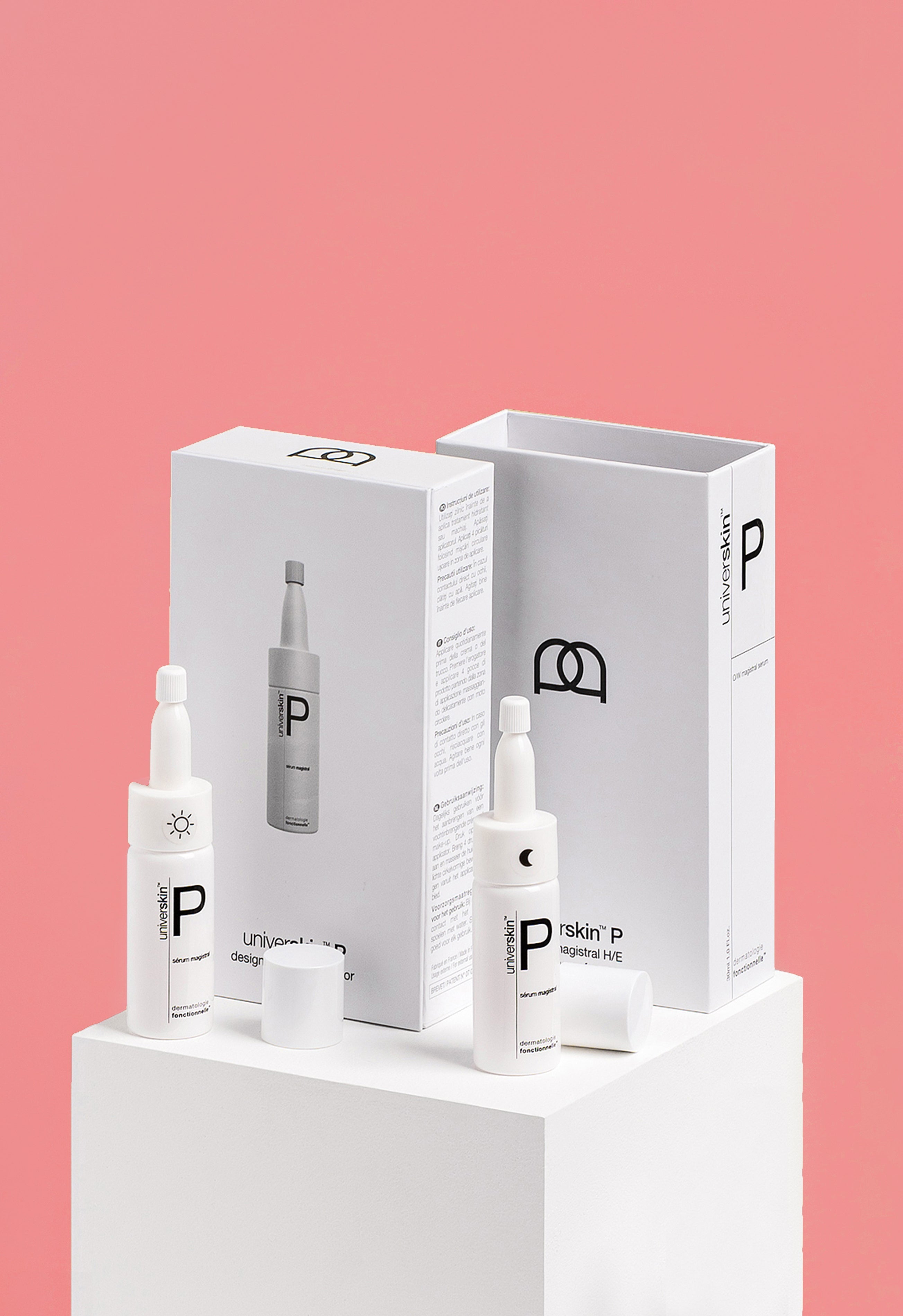
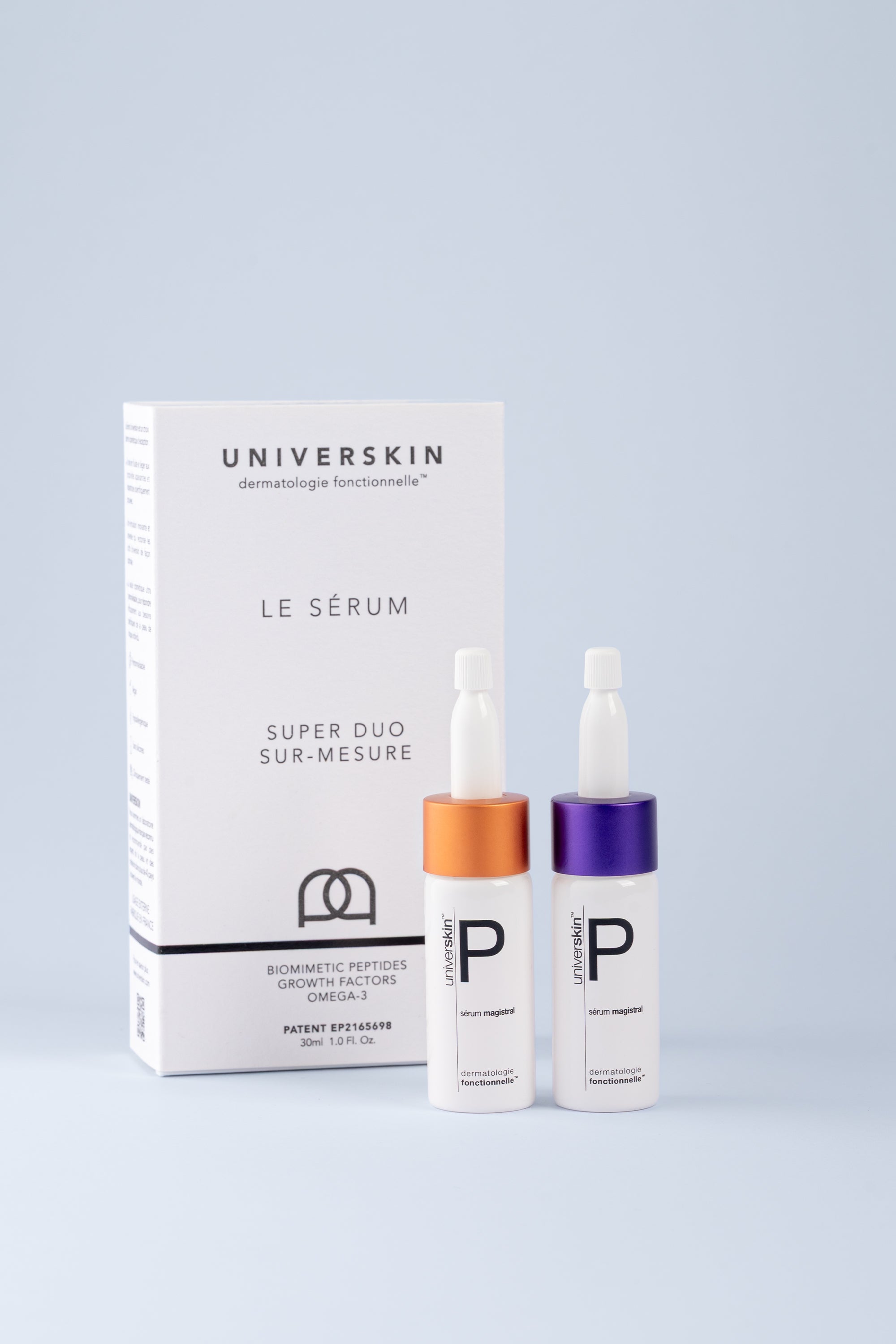
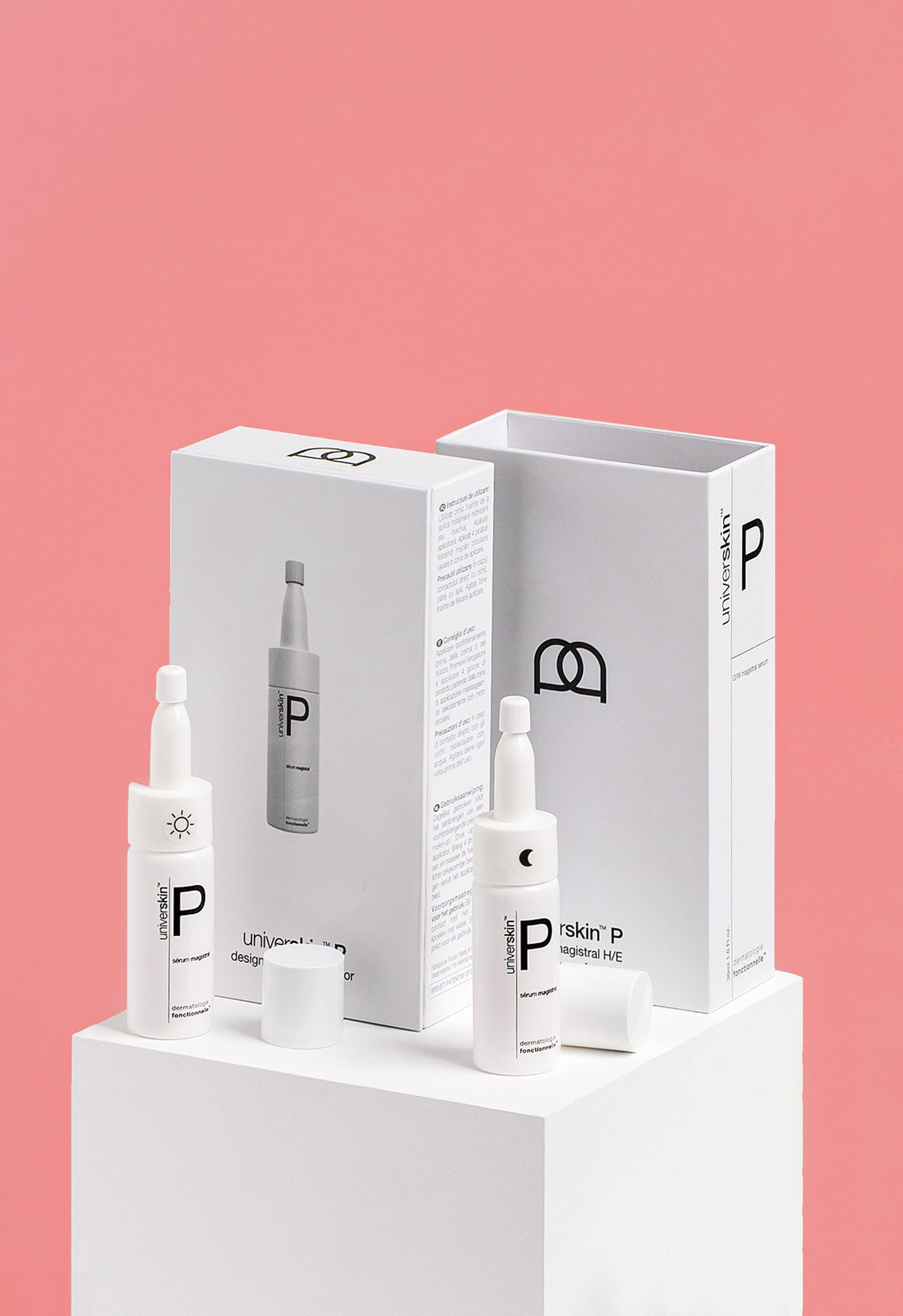
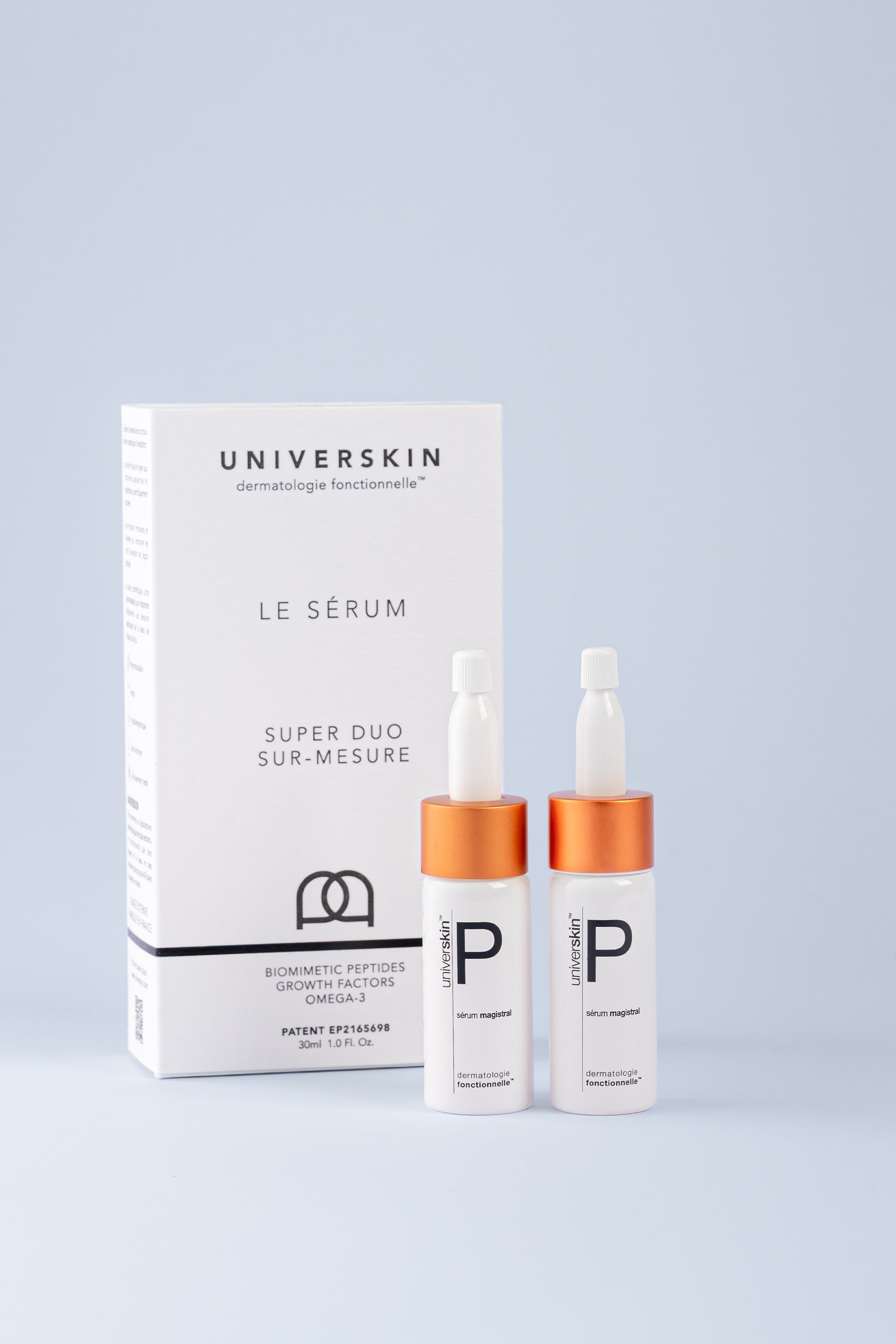
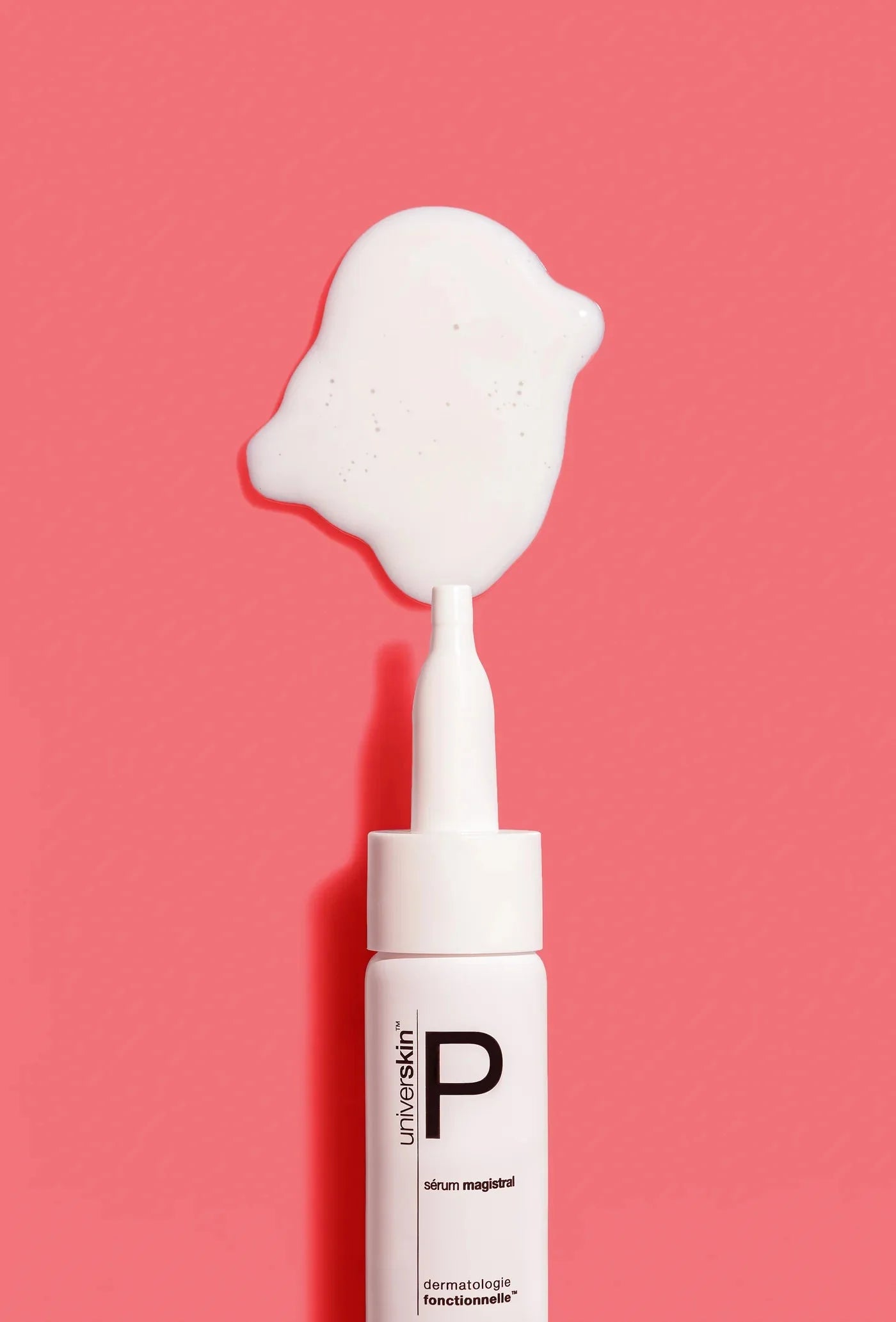
At Universkin, rutin is not a fixed off-the-shelf product — it is dosed as a capsule at 3% and blended into a serum base chosen for your skin. Because the formula is built for you, your doctor or our AI skin analysis can pair it with complementary actives when your skin needs more antioxidant and redness-calming support. The starting point is a free, photo-based AI skin analysis, which reads your skin across dozens of parameters and recommends the actives — rutin among them — best suited to your profile. You can also explore ready examples in our rutin-based formulas collection.
Skin concerns this ingredient can help with
In a personalized formula, this active is commonly used to help target:
Featured collection
Rutin TX BASED SERUMS FORMULAS