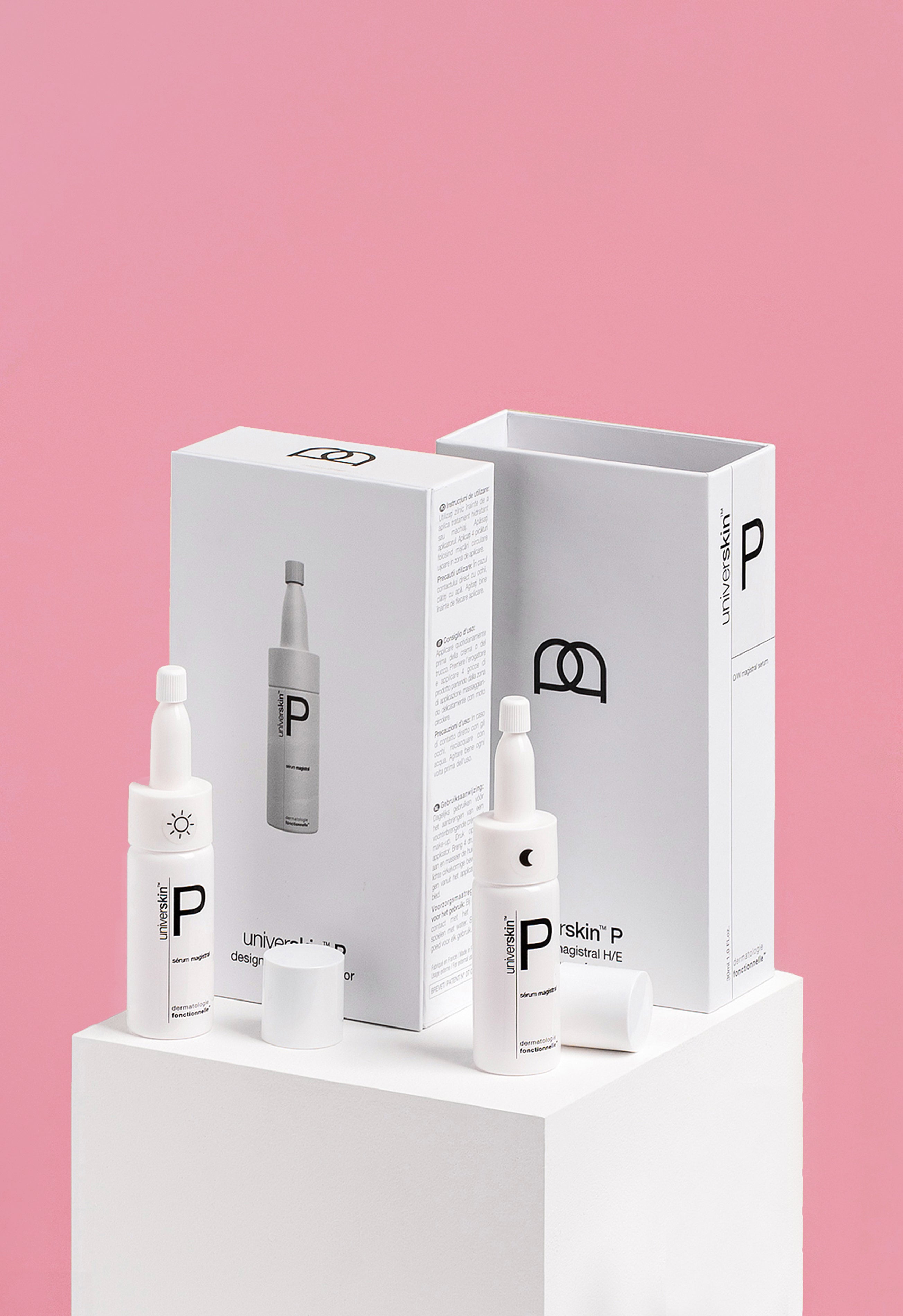
Aging, Wrinkles & Skin Laxity: Causes & Treatment
Fine lines around the eyes, a forehead crease that used to disappear but now lingers, cheeks that feel less firm than they did a few years ago — aging and wrinkles are the changes most people notice first when they look closely in the mirror. You might describe it as skin that looks tired, crepey or “deflated,” or as a slow loss of firmness and bounce. Whatever words you use, you are describing the same underlying process: the skin's support structure gradually weakening over time.
This shows up everywhere skin moves and folds — around the eyes (crow's feet), between the brows, across the forehead, around the mouth, and along the jawline and neck where skin laxity becomes visible as sagging. It affects everyone eventually, but the timing and severity vary enormously from person to person, driven as much by lifestyle and sun exposure as by genetics. The encouraging news: much of what we call “aging” is influenced by factors you can act on, and consistent care makes a genuine, visible difference.
It also helps to know the vocabulary, because the signs are not all the same thing. Fine lines are shallow, superficial creases — often less than a millimetre deep — that appear first, typically around the eyes and mouth. Wrinkles are deeper, more established folds. Expression lines come from repeated movement and start out visible only when you smile or frown, then gradually become static lines that stay put at rest. And loss of firmness or laxity is a change in the skin's structure and elasticity rather than a single line — the “deflated” or sagging quality many people find harder to name but notice all the same.
What causes aging and wrinkles
Dermatologists group the causes into two broad types, and most people experience a mix of both.
- Intrinsic (natural) aging. This is the built-in, genetically programmed process. After our mid-twenties, the skin's fibroblasts — the cells that build collagen and elastin — gradually make less of these structural proteins, and produce more of the enzymes that break them down. Skin becomes thinner, drier and less elastic, and fine lines appear even without sun damage.
- Extrinsic (environmental) aging. This is the damage layered on top from the outside world, and it is the part you can most influence. Ultraviolet light is the single biggest driver — sun exposure accounts for the majority of visible facial aging, a process called photoaging that produces coarse, deep wrinkles and uneven tone. Pollution, smoking, poor sleep, high sugar intake and chronic stress all add oxidative stress that accelerates the breakdown.
Two other everyday contributors matter. Repeated facial expressions — smiling, frowning, squinting — etch dynamic lines that, over years, become static and remain at rest. And loss of underlying volume (fat and bone) plus falling estrogen around menopause both reduce the scaffolding that keeps skin taut, which is why laxity and sagging often become more noticeable later. It also helps to separate true wrinkles from dehydration lines — shallow, temporary creases that appear when skin lacks water and soften quickly once hydration is restored.
How to manage and treat aging and wrinkles
There is no way to stop aging entirely, and any product promising to “erase” wrinkles overnight is overselling. But a steady, evidence-based routine can visibly soften lines, improve firmness and slow future change. Think of it in three layers.
- Protect first. Daily broad-spectrum sunscreen is the most effective anti-aging step there is — nothing else you do will hold up if UV damage continues unchecked. Pair it with not smoking, sleep, and a diet rich in antioxidants.
- Support and repair with actives. A short list of well-studied ingredients — retinoids, vitamin C and other antioxidants — can stimulate collagen, speed cell turnover and defend against daily damage. Introduce them gradually to let skin adjust.
- Hydrate and strengthen the barrier. Moisturised, well-hydrated skin looks plumper and reflects light more evenly, making fine lines less obvious. A healthy barrier also lets active ingredients work without irritation.
A realistic routine might look like this: a gentle cleanser, a vitamin C antioxidant serum in the morning followed by broad-spectrum sunscreen, and a retinoid at night a few times a week to begin with, buffered by a good moisturiser. If your skin stings, flakes or turns red, that is a signal to slow down — scale back frequency rather than pushing through, since irritation itself can worsen the look of skin. Introduce one new active at a time so you can tell what is helping and what is not.
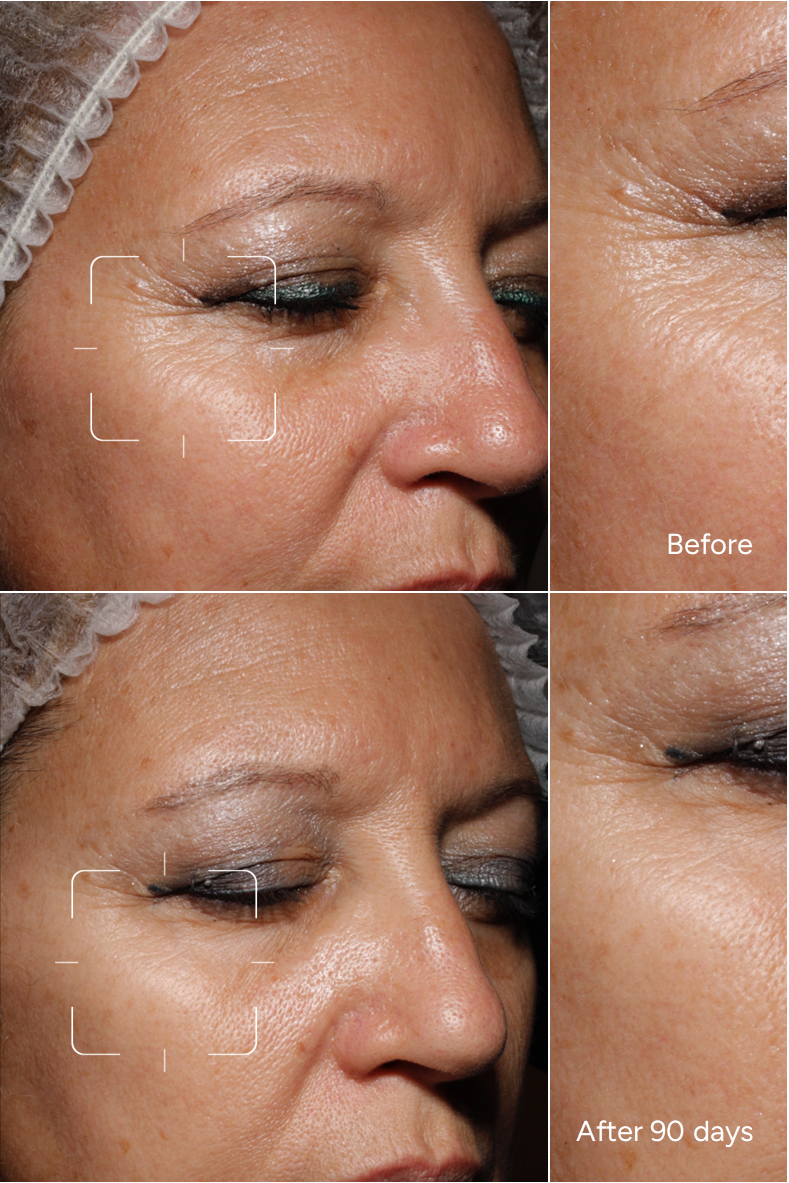
Consistency beats intensity: results build over months, not days. Studies on retinoids and vitamin C typically show visible improvement only after around three months of regular use, with the best results later still. For deeper static wrinkles or significant laxity, in-clinic options exist — but a considered topical routine is the foundation everyone should get right first, and it is where a professional assessment adds the most value.
Key ingredients that target aging and wrinkles
A handful of actives have the strongest evidence behind them. In a personalized formula they can be combined and dosed to suit your skin's tolerance and priorities.
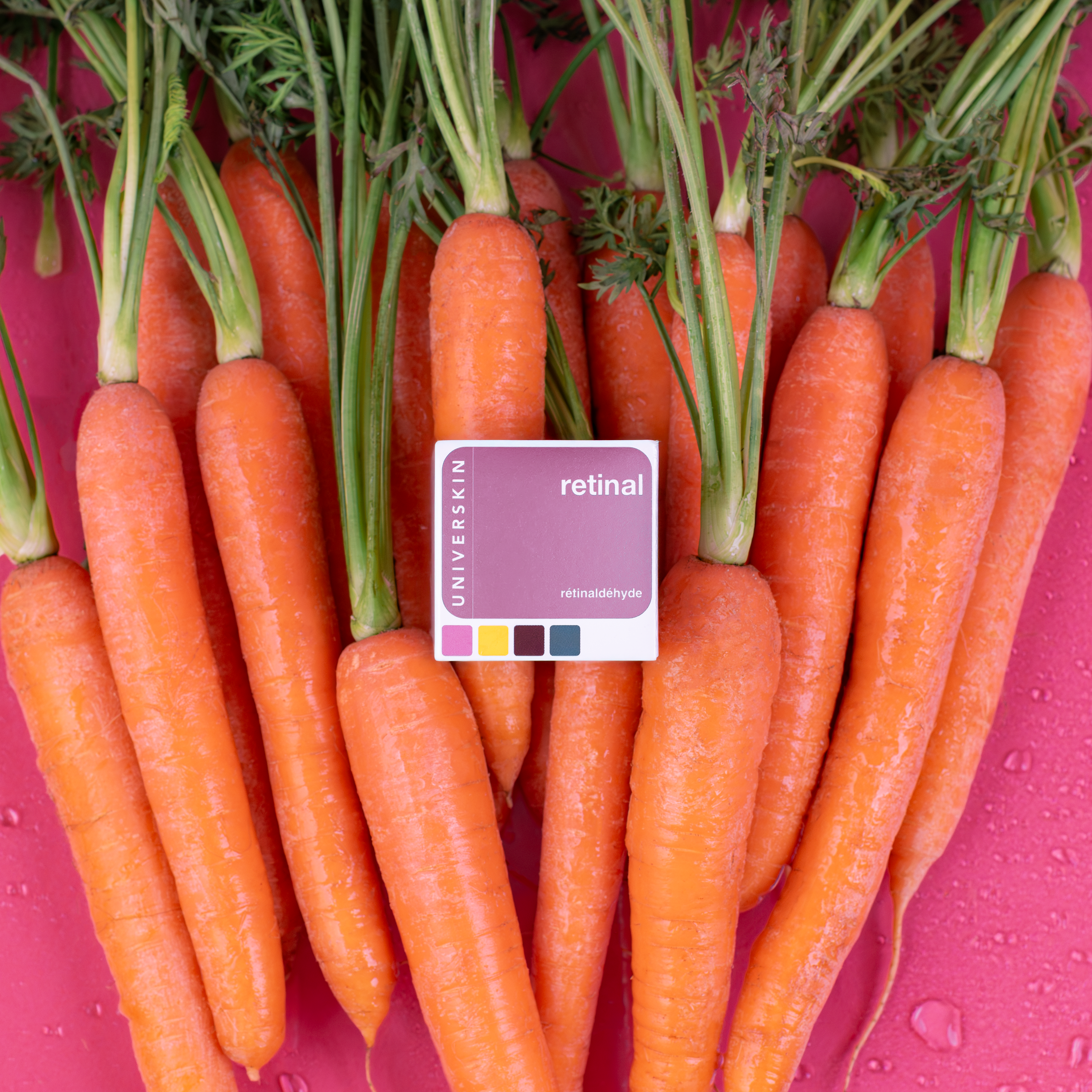
- Retinoids — the most studied anti-aging actives. Vitamin A derivatives like retinol and the more direct retinal boost collagen production and accelerate cell turnover, smoothing fine lines and refining texture over three to six months of regular use.
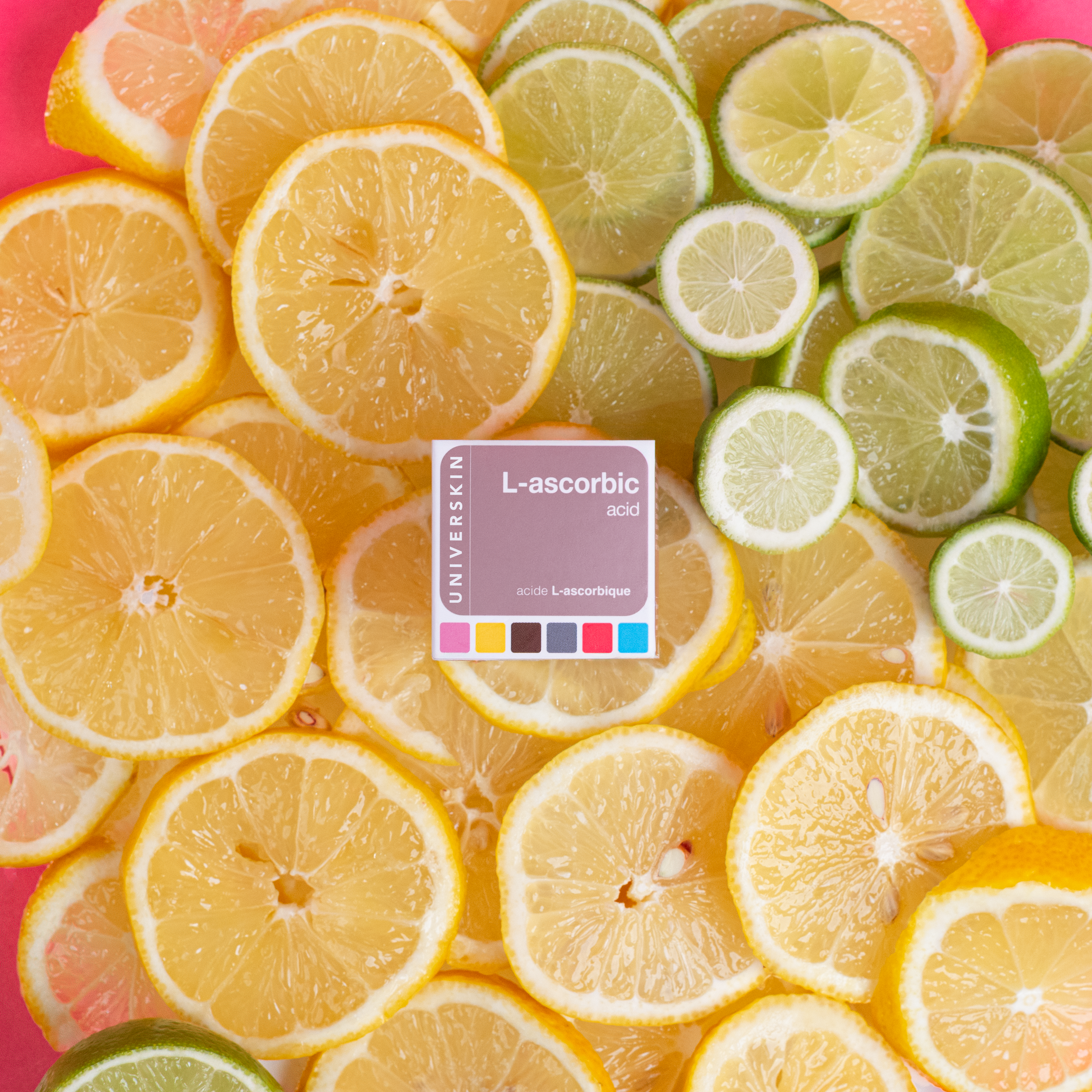
- Vitamin C — a potent antioxidant that helps defend against UV and pollution damage while supporting collagen synthesis for firmer, brighter skin. Explore vitamin C for tone and radiance.
- Ferulic acid — an antioxidant that neutralises free radicals and is often paired with vitamin C to stabilise it and extend its protective effect. Learn about ferulic acid as a daytime defender.
- Rutin — a plant-derived antioxidant that helps shield the skin from oxidative stress and supports microcirculation and vessel resilience. Read more about rutin .
- DMAE — valued for its firming, “tightening” feel, it is often included where loss of firmness and laxity are the main concern. See DMAE for firmness support.
Your personalized aging and wrinkles approach
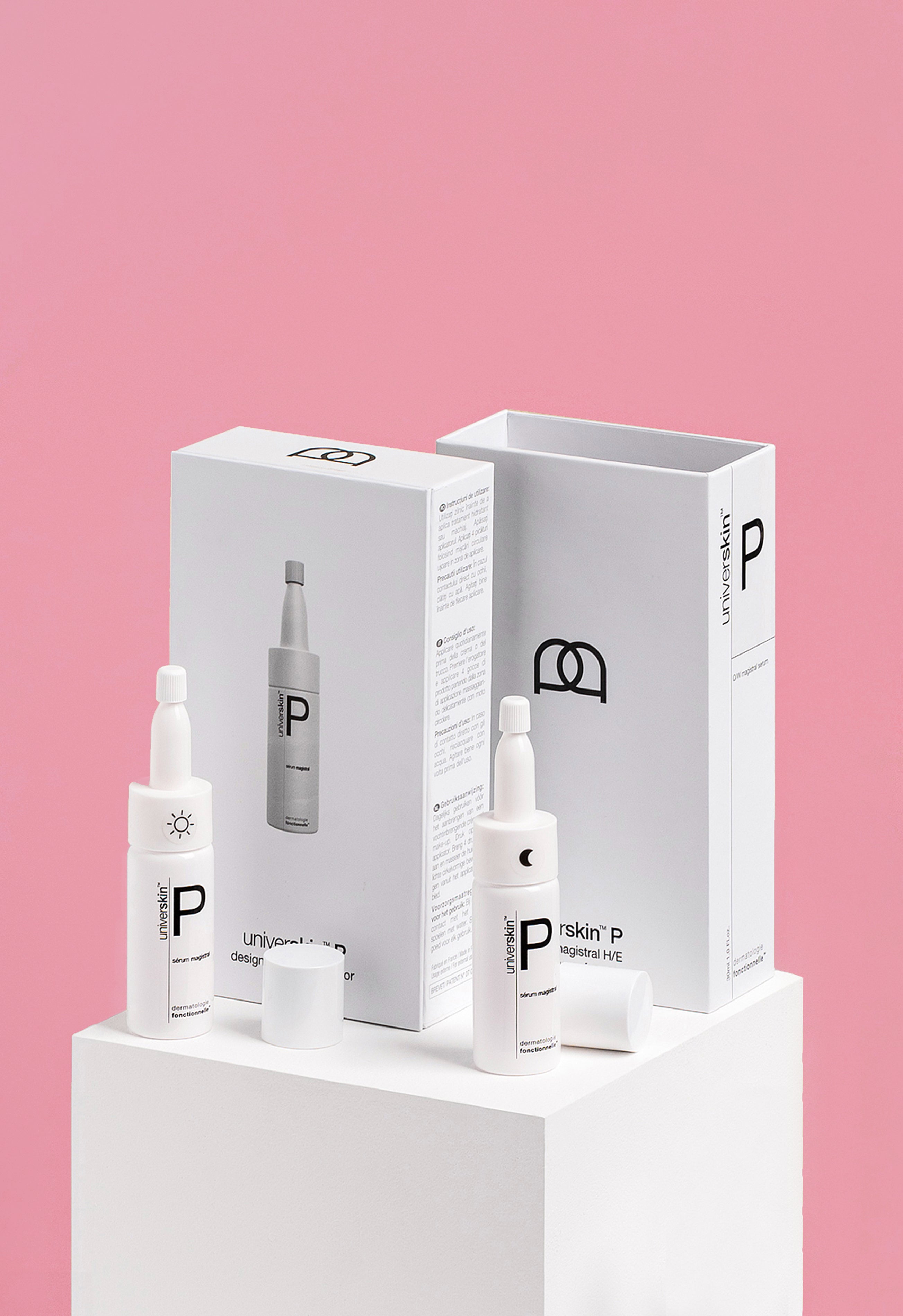
Aging shows up differently on every face — one person needs collagen-building retinoids for etched forehead lines, another needs antioxidant defense and firming support for early laxity. Generic anti-aging creams guess at an average; Universkin is built to match your skin instead.
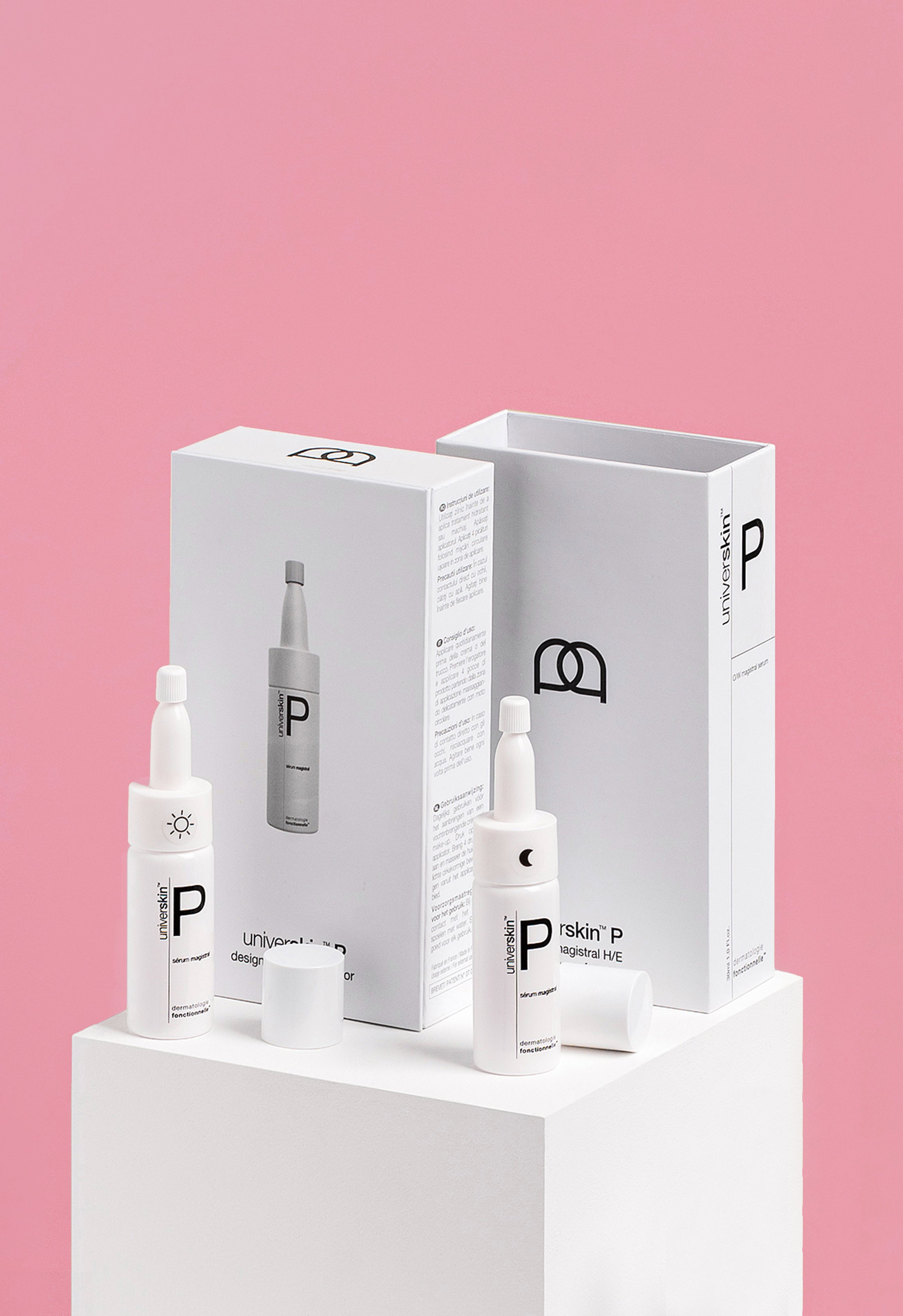
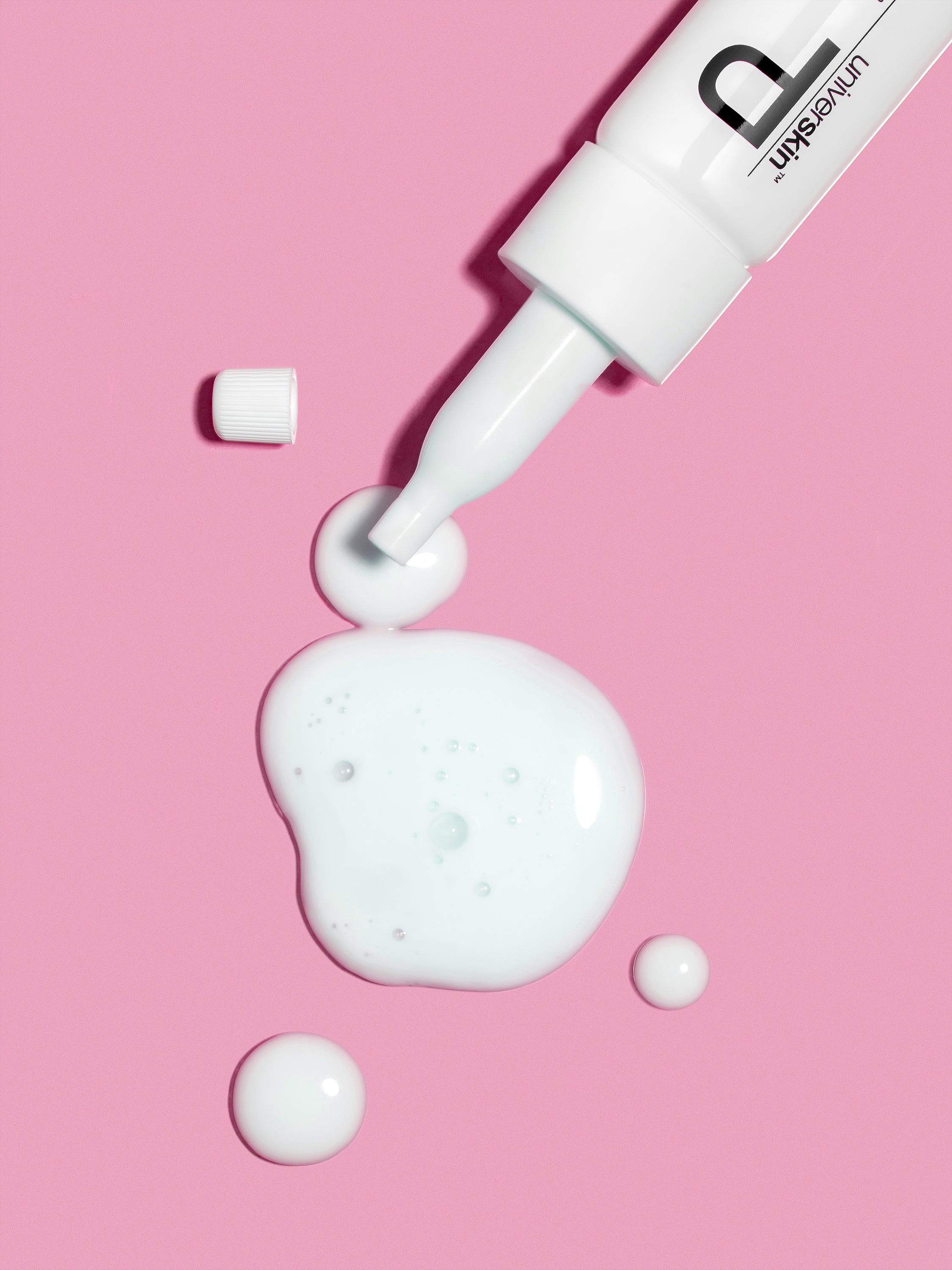
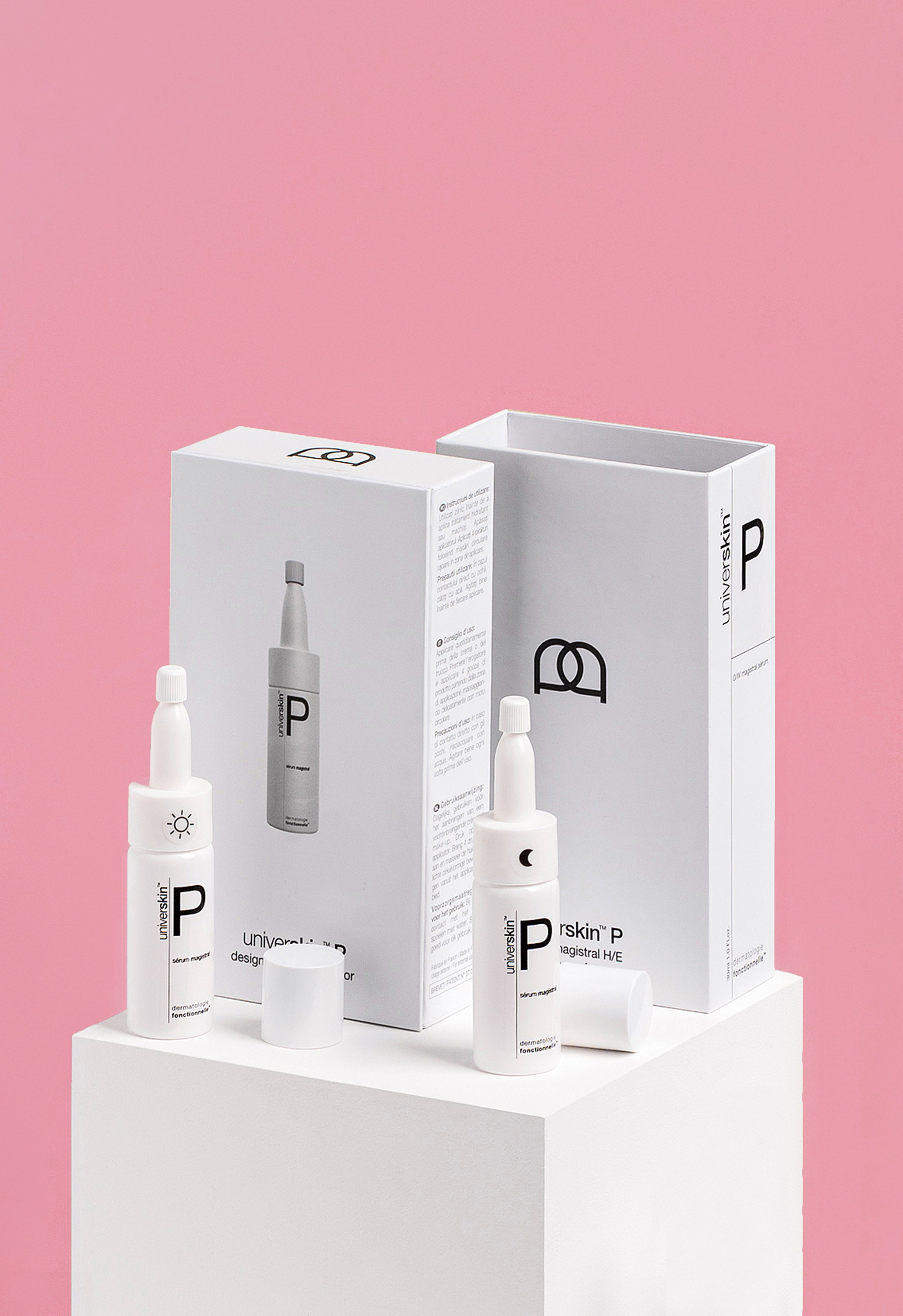
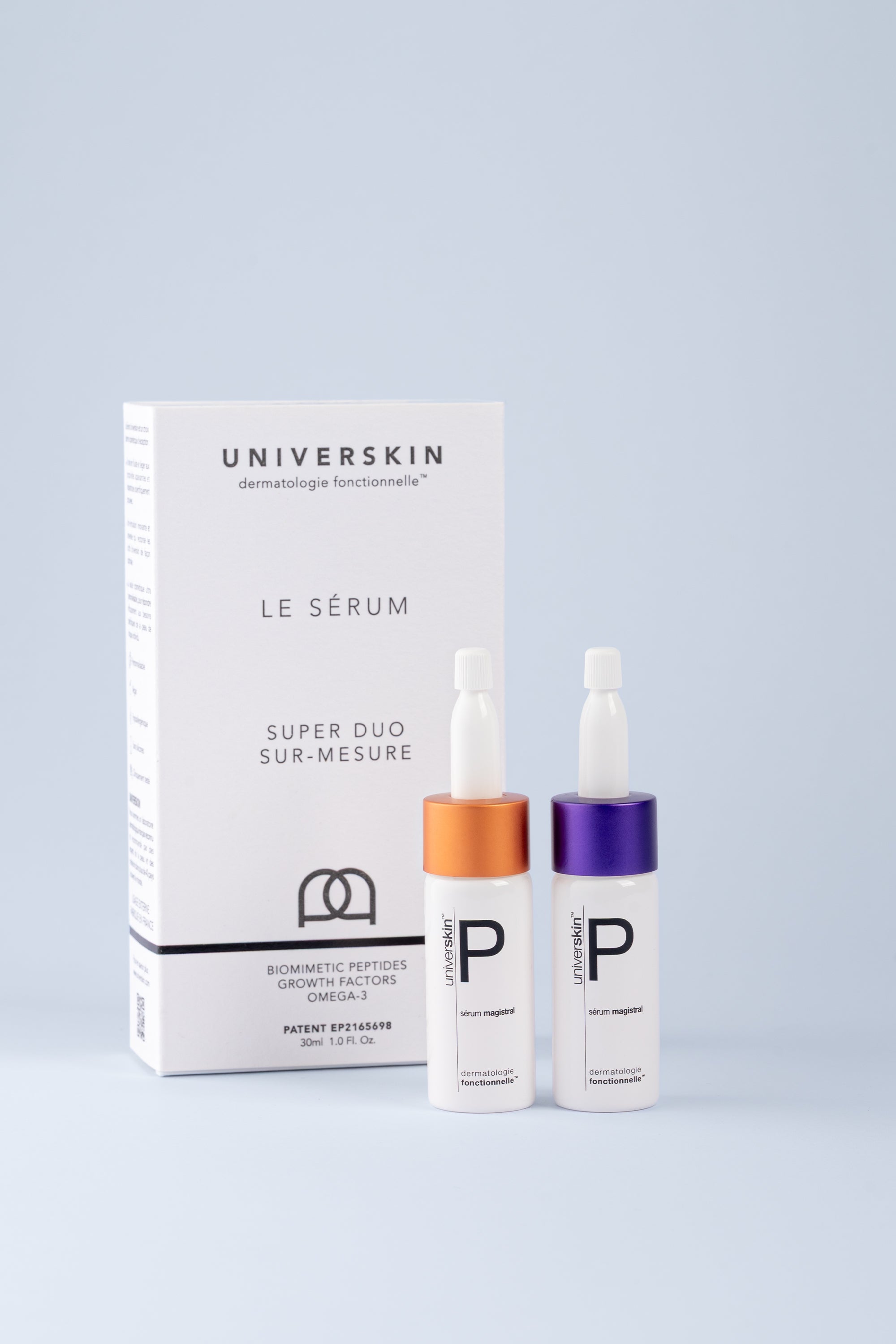
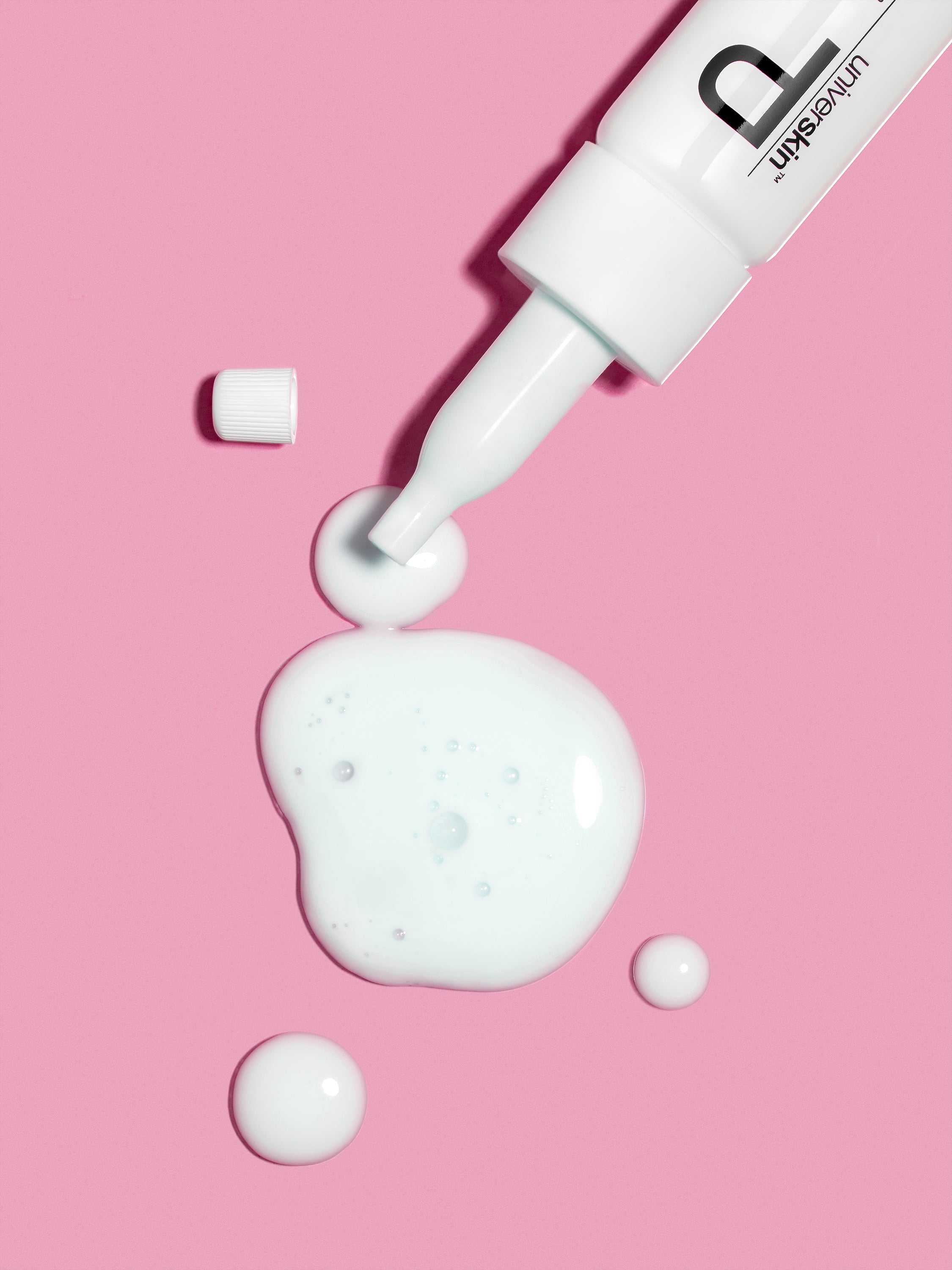
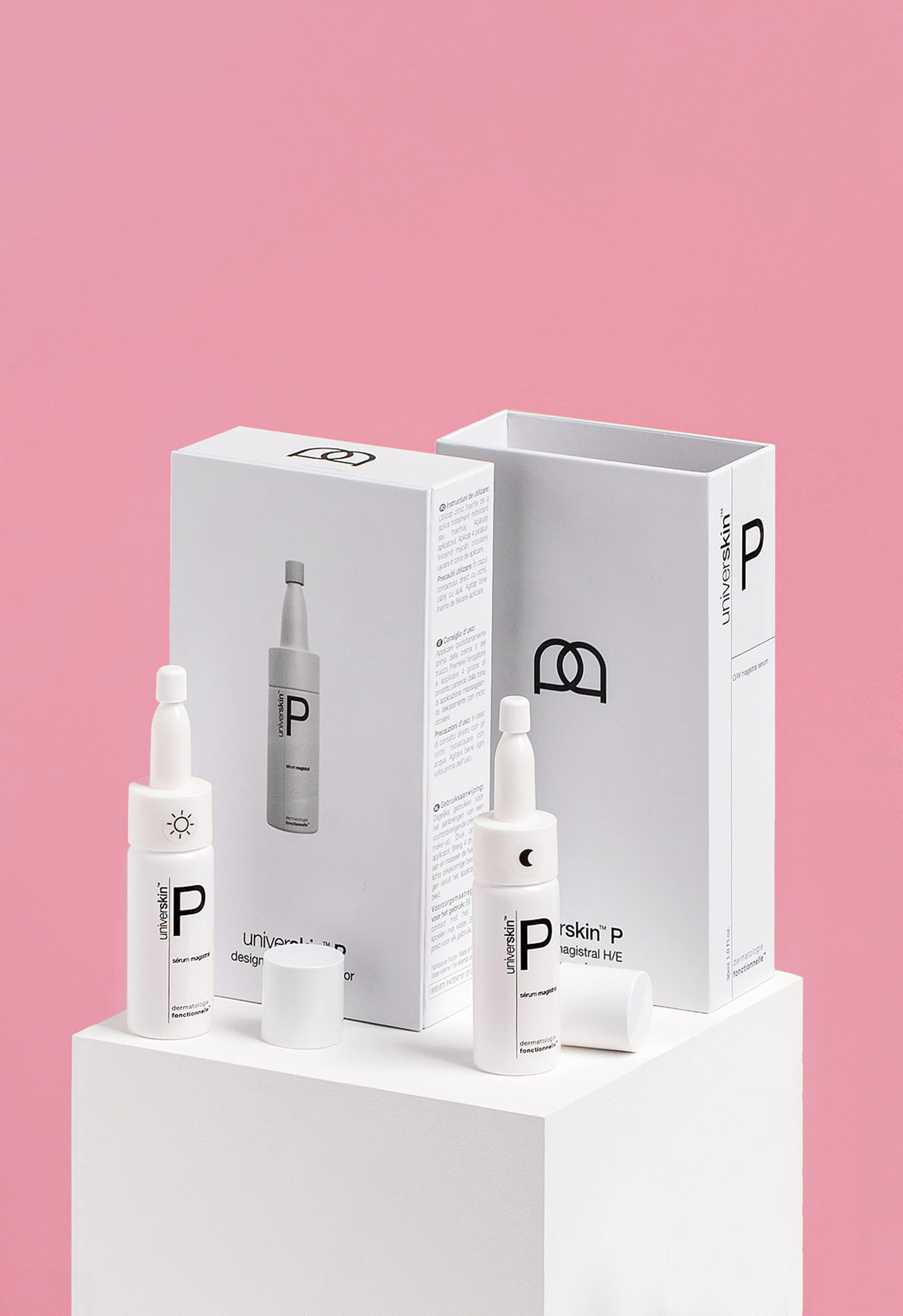
It starts with our AI skin analysis , which reads 71 parameters from your photos — including the depth and distribution of lines, firmness and skin quality in the aging (pink) zone. A doctor then interprets those results and designs a custom serum, selecting from 21 active ingredients dosed as individual capsules so the concentration of each active suits your skin's needs and tolerance. As your skin changes with the seasons or over time, the formula can be adjusted — it is skincare that evolves with you rather than a fixed product off a shelf.
You can explore the actives and formulas most relevant to this concern in our wrinkles collection , or begin with the skin analysis to receive a recommendation built specifically for your aging and firmness profile.
Frequently asked questions
At what age do wrinkles start?
Collagen production begins a slow decline from the mid-twenties, so the process starts well before lines are visible. Most people notice their first fine lines and expression lines in their thirties. Timing varies widely with genetics, sun exposure and lifestyle — which is why diligent sun protection early on pays off for decades.
Can wrinkles be reversed?
Aging cannot be fully reversed, but many signs can be genuinely improved. Well-chosen actives like retinoids and vitamin C, used consistently, can soften fine lines, refine texture and support firmness over several months. Early, superficial lines respond best; deep static wrinkles can be softened but rarely erased by topicals alone.
Do collagen creams and supplements work for wrinkles?
The evidence is modest and mixed. Collagen molecules in creams are generally too large to reach the deeper skin where structural collagen sits, so benefits are mostly surface hydration. Dermatologists typically see more reliable results from retinoids, vitamin C and daily sunscreen than from collagen-labelled products.
What makes wrinkles worse?
Unprotected sun exposure is the leading accelerator, followed by smoking, pollution, poor sleep, high-sugar diets and chronic stress — all of which increase oxidative stress and collagen breakdown. Dehydration and a compromised skin barrier make existing lines look more pronounced. Daily sunscreen and steady hydration counter most of these.
When should I see a professional about aging skin?
It is worth seeking guidance when over-the-counter products aren't delivering results, when irritation makes actives hard to tolerate, or when you want a plan matched to your specific skin rather than guesswork. A professional assessment — like Universkin's doctor-designed approach — helps you use the right actives at the right strength and avoid wasted time.
Related skin concerns
Skin concerns rarely come alone. Explore related concerns that may be affecting your skin:
Daily sun protection
UV exposure is one of the biggest drivers of visible skin damage. Whatever your concern, daily broad-spectrum SPF is the single most effective preventive step — explore our mineral sunscreen range of four textures for every skin type.

Universkin personalized approach to aging & wrinkles
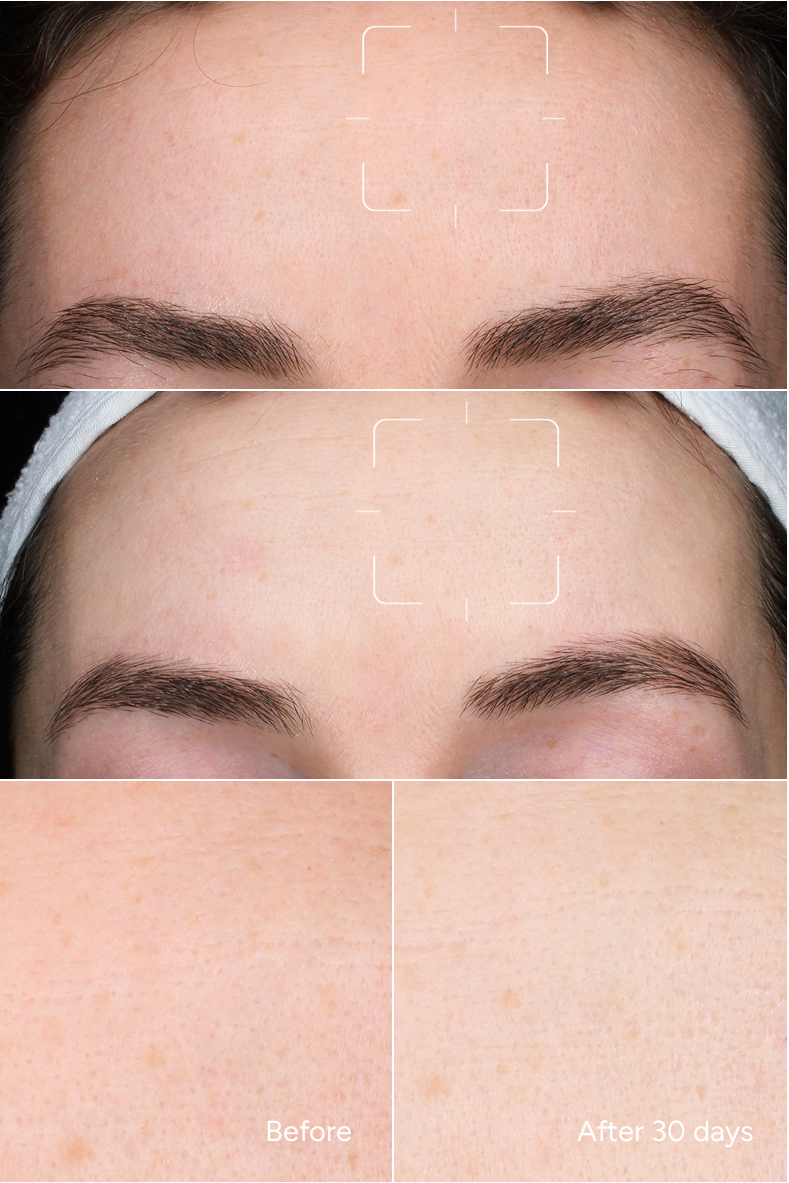
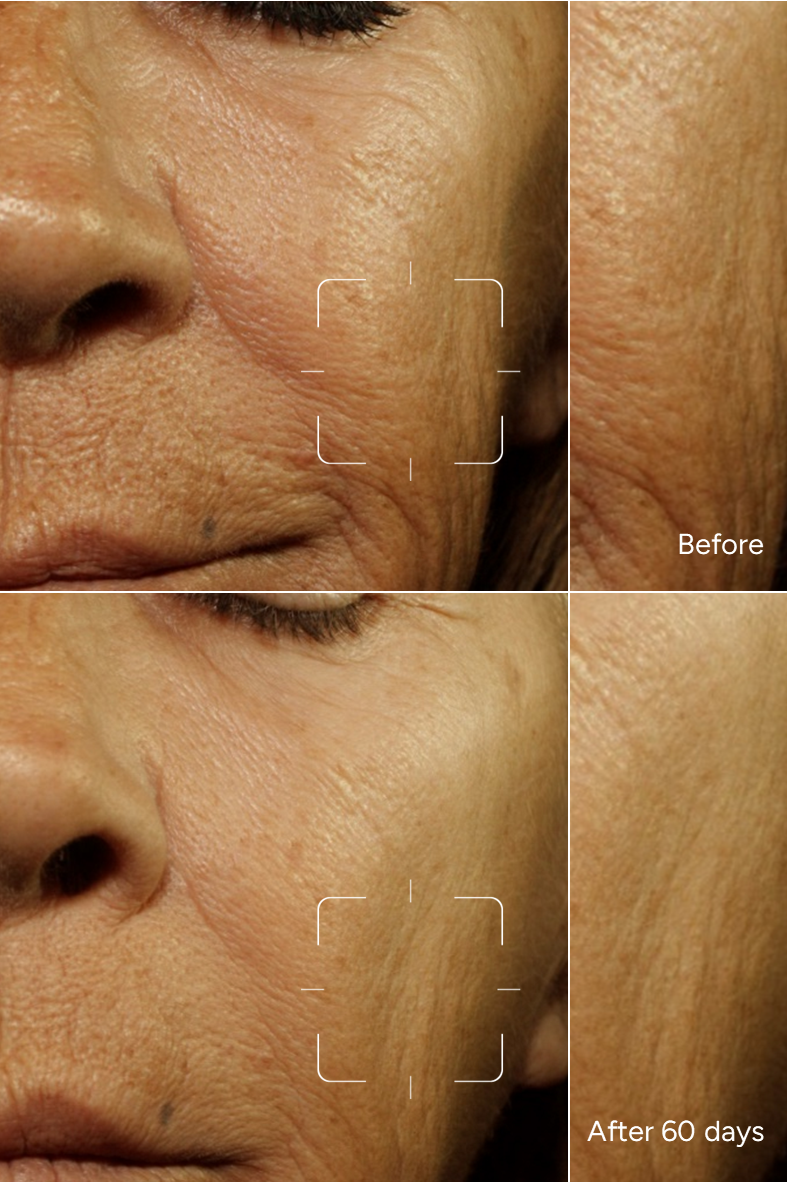
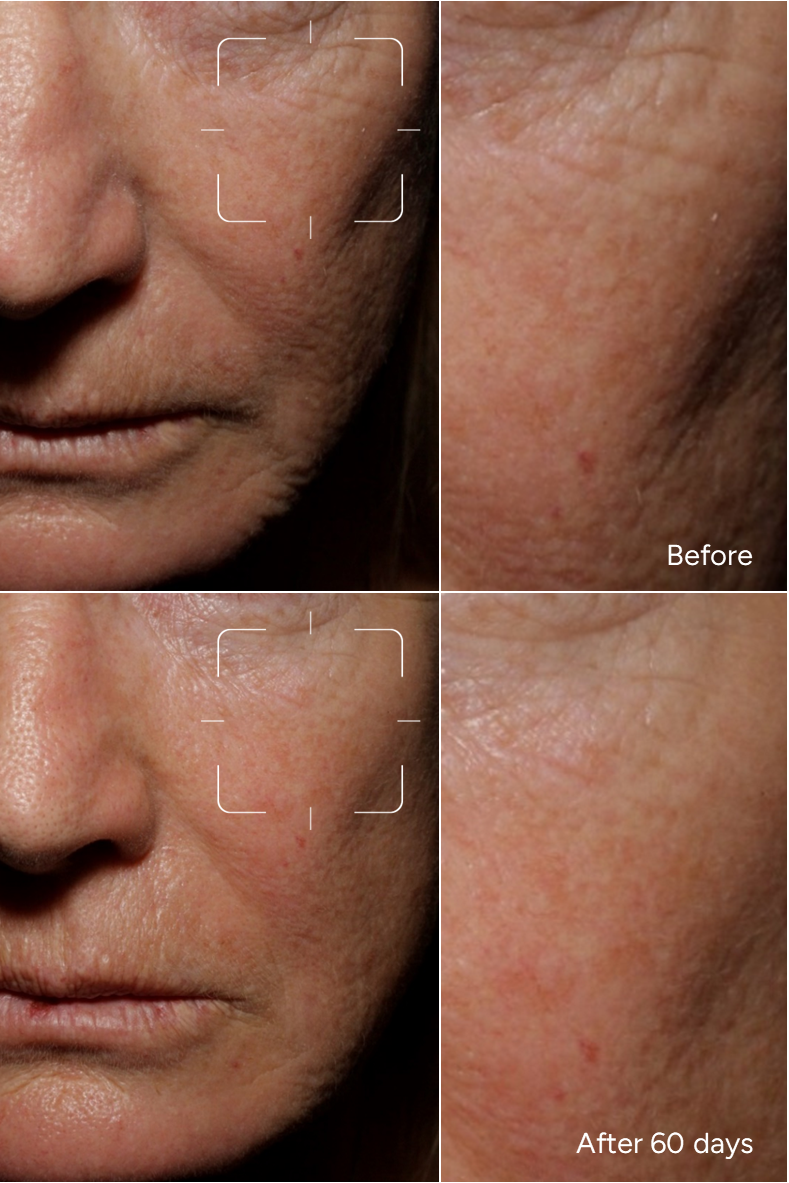
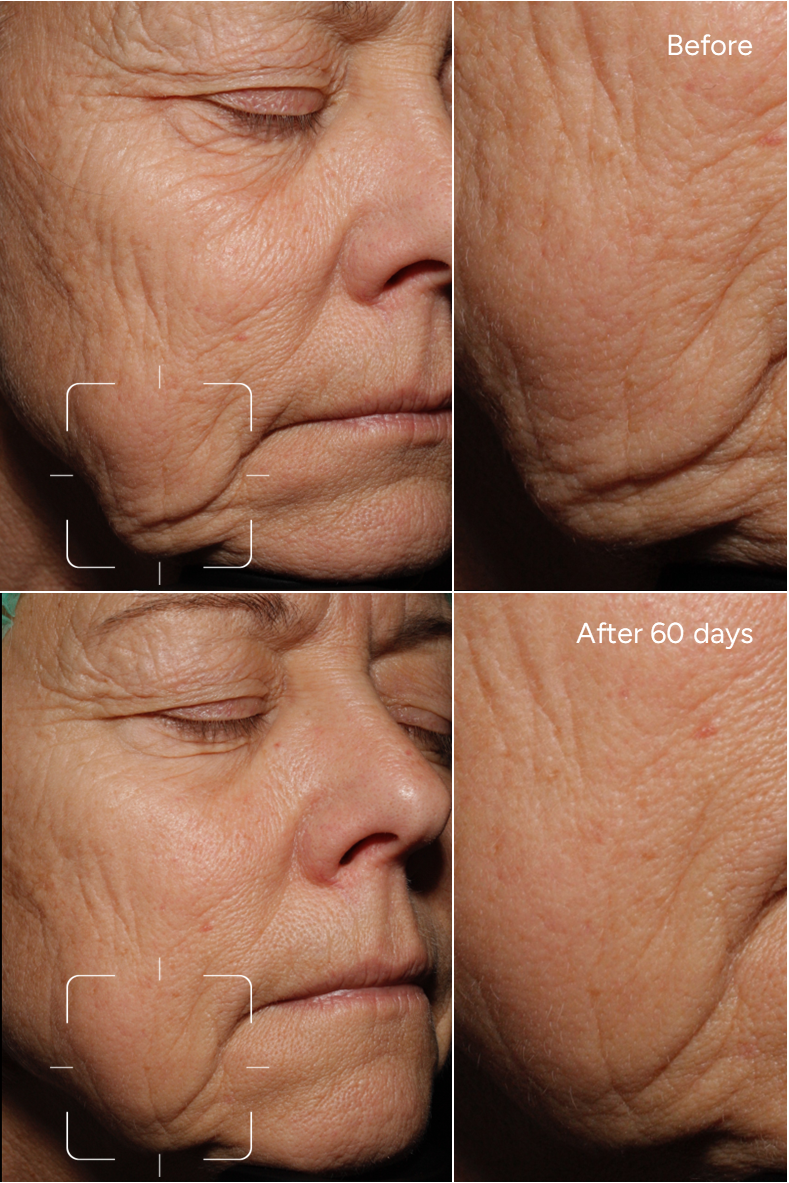
At Universkin, we understand the impact that wrinkles can have on your confidence and self-esteem. That's why we have created a solution to address this concern using a combination of active ingredients, including Vitamin C, Isoflavones, DMAE, Madecassoside, and Retinol. These ingredients work together to target the visible signs of aging and help restore your skin's youthful appearance.
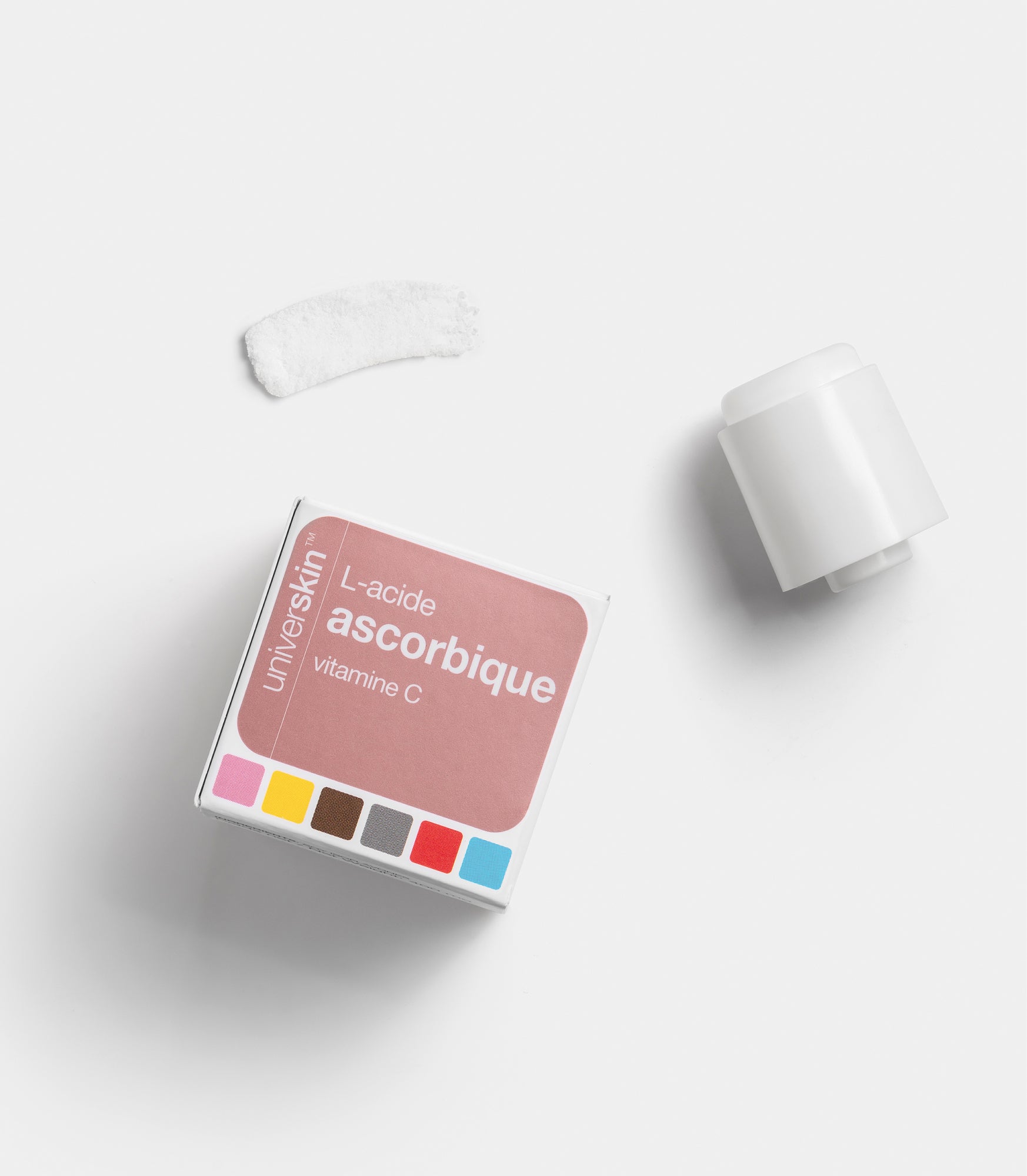
7% PER DOSE, UP TO 21%
VITAMIN C
Vitamin C is a potent skin booster and antioxidant. Vitamin C is a key active for treating and preventing photoaging, hyperpigmentation, skin redness, and skin dryness. It also has exfoliating properties.
learn more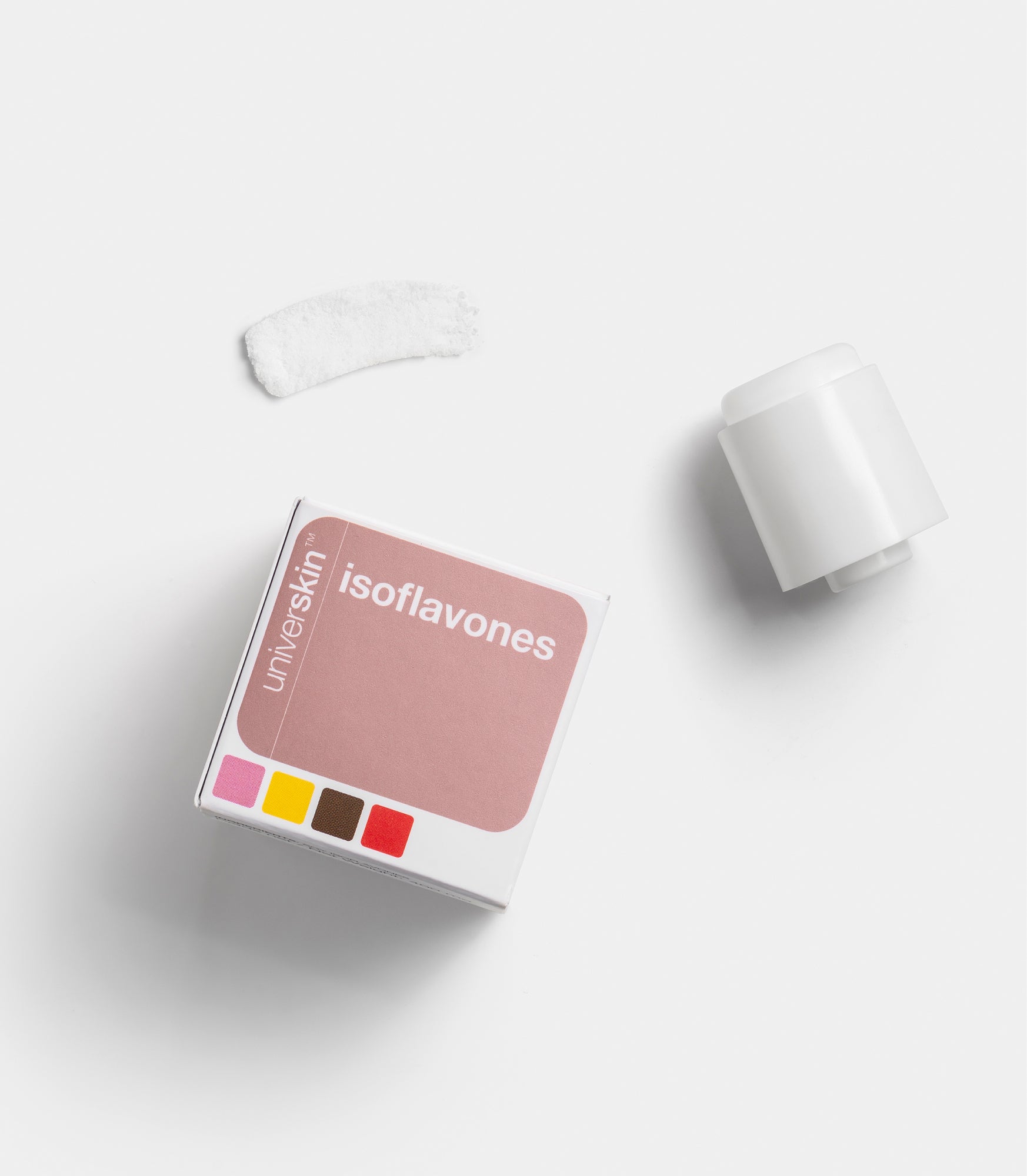
2% PER DOSE, UP TO 4%
ISOFLAVONES
The soy isoflavones known also as phytoestrogens is a natural skin booster that act on the signs of hormonal skin aging. It helps to improve the elasticity and firmness. Its antioxidant function helps regulate the pigmentation, and thus improve the radiance of the complexion.
learn more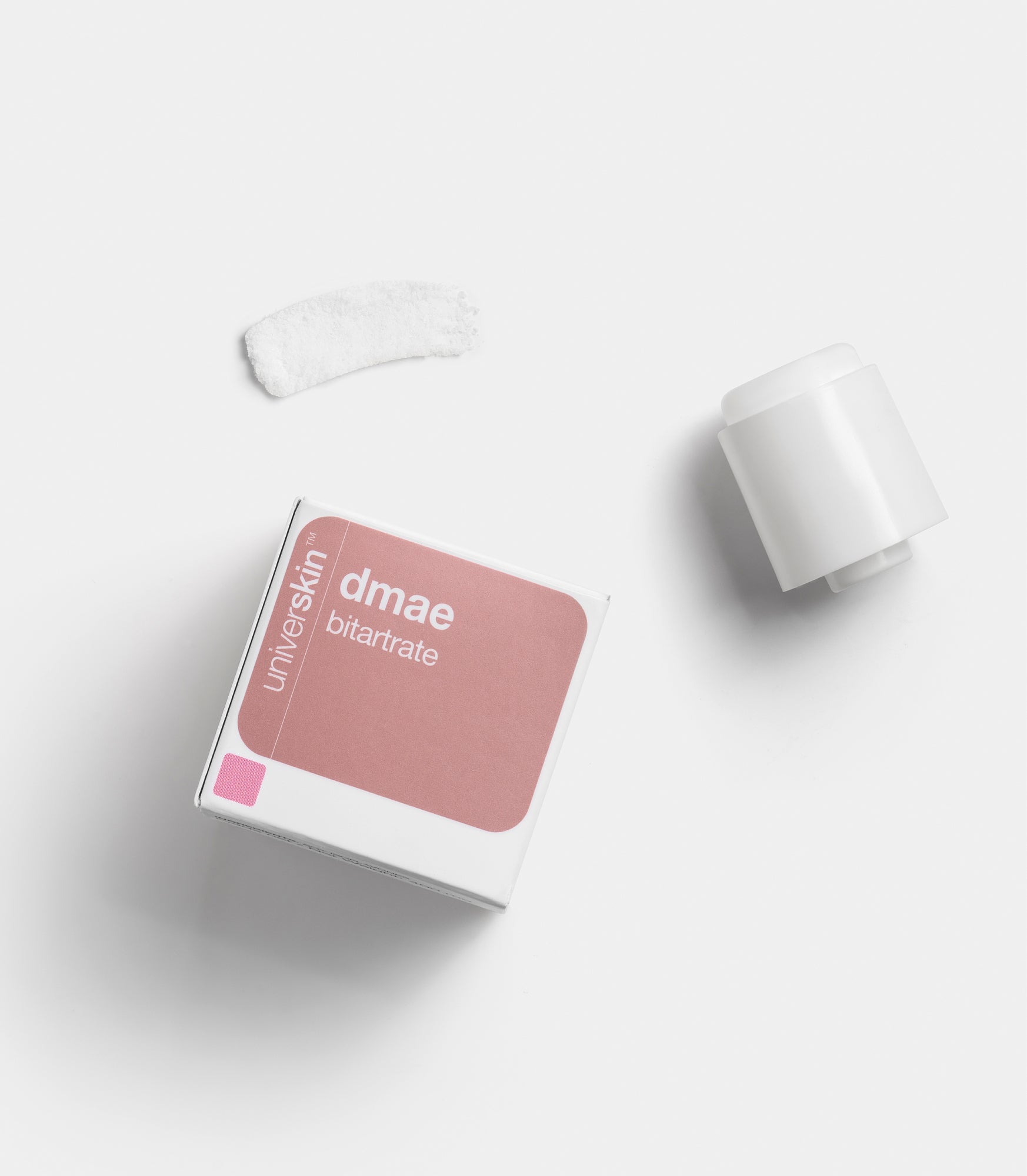
2% PER DOSE, UP TO 6%
DMAE
DMAE, or dimethylaminoethanol, is the natural precursor of acetylcholine (Ach) and serves as a skin tensor, producing a short-term "lifting effect" and in the long term, improves the firmness of the skin, reduces sagging, and decreases wrinkles.
learn more
1% PER DOSE, UP TO 3%
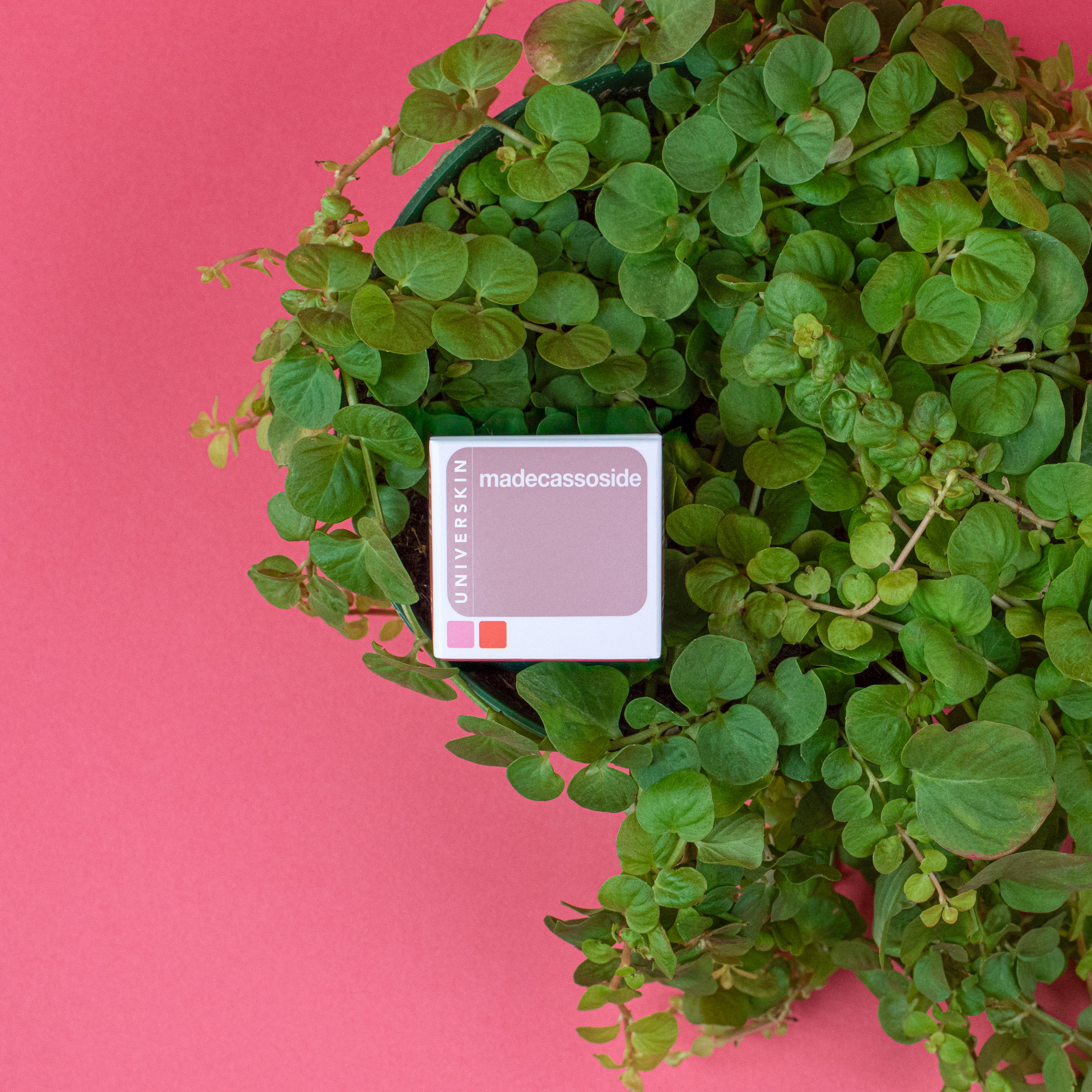
MADECASSOSIDE
An active ingredient extracted in a pure form from Centella asiatica, a medicinal plant that has been used for over 2000 years. Madecassoside is one of the most scientific evidenced skin booster to stimulate collagen synthesis and control inflammation. Ideal for sensitive skin.
learn more
0.2% PER DOSE
RETINAL
Retinal, a potent vitamin A derivative, is a next-level skincare ingredient. Clinically proven to accelerate cell renewal, boost radiance, and reduce visible signs of aging, it works even faster than retinol. Microencapsulated retinal delivers maximum effectiveness with minimal irritation, making it a must-try for transformative results.
learn more
0.2% PER DOSE, UP TO 0.4%
RETINOL
A derivative of Vitamin A, retinol stimulates collagen and elastic fibers synthesis, regulates hyperpigmentation, and helps to prevent dark spots. It also acts as a mild exfoliant. A hero skin booster.
learn moreL-ascorbic acid or Vitamin C is a collagen booster and a well-known powerful antioxidant that helps protect the skin from damaging free radicals, while also brightening and even out skin tone. Isoflavones, derived from soybeans, help to improve skin elasticity and firmness while even out the skin tone. DMAE, also known as dimethylaminoethanol, t helps to tighten and firm the skin, by stimulating muscles, reducing the appearance of sagging and wrinkles.
Madecassoside, extracted from the “Tiger Herb” Centella Asiatica, whose use originates from the Chinese Traditional Medicine helps to soothe and hydrate the skin, reducing the appearance of redness and inflammation signs. It's also known to improve skin firmness and elasticity, contributing to a youthful and healthy appearance and to promote skin repair. Retinol, a form of Vitamin A and THE gold standard molecules among the collagen boostersis well documented for its ability to improve skin texture, reduce the appearance of fine lines, wrinkles, and skin marks.
By combining these potent ingredients, our solution helps to target all the symptoms of skin appearance, including fine lines and wrinkles, sagging skin, loss of firmness and elasticity, dehydrated skin, sun spots and age spots, and more. Our goal is to help you achieve a youthful, healthy complexion and restore your confidence in your appearance.
Aging & Wrinkles