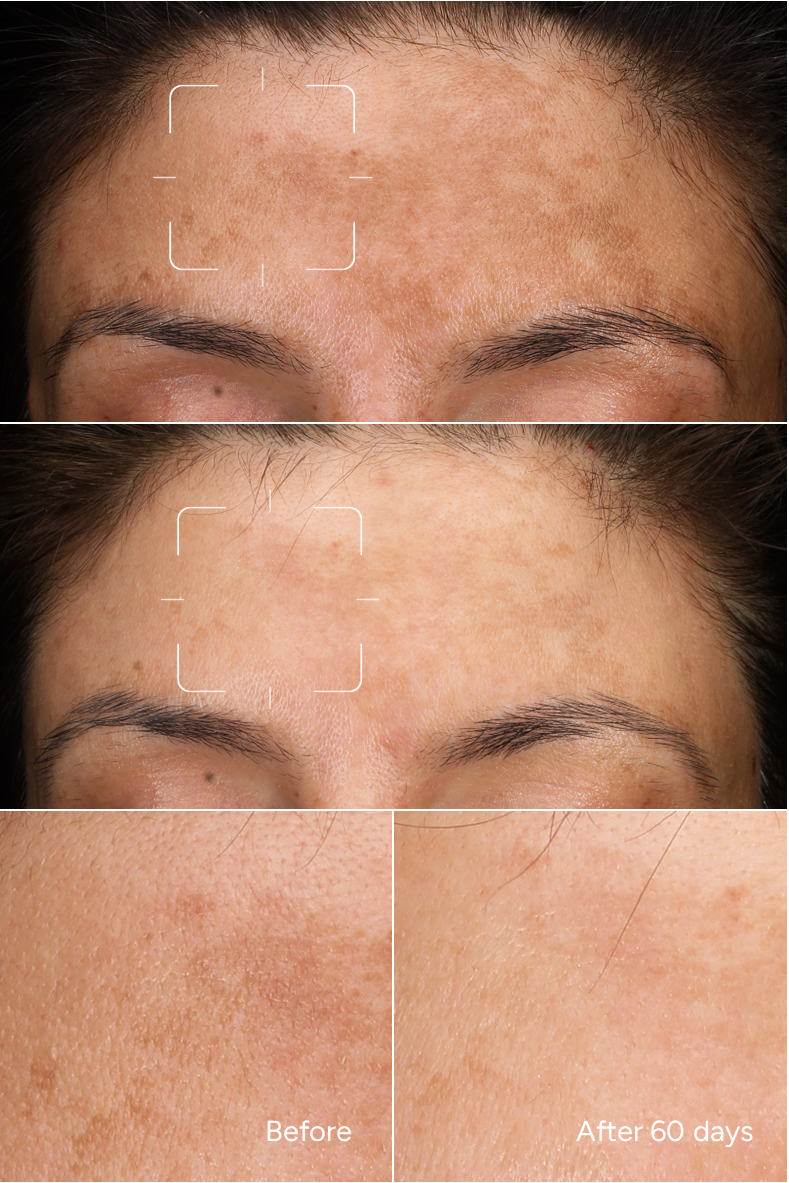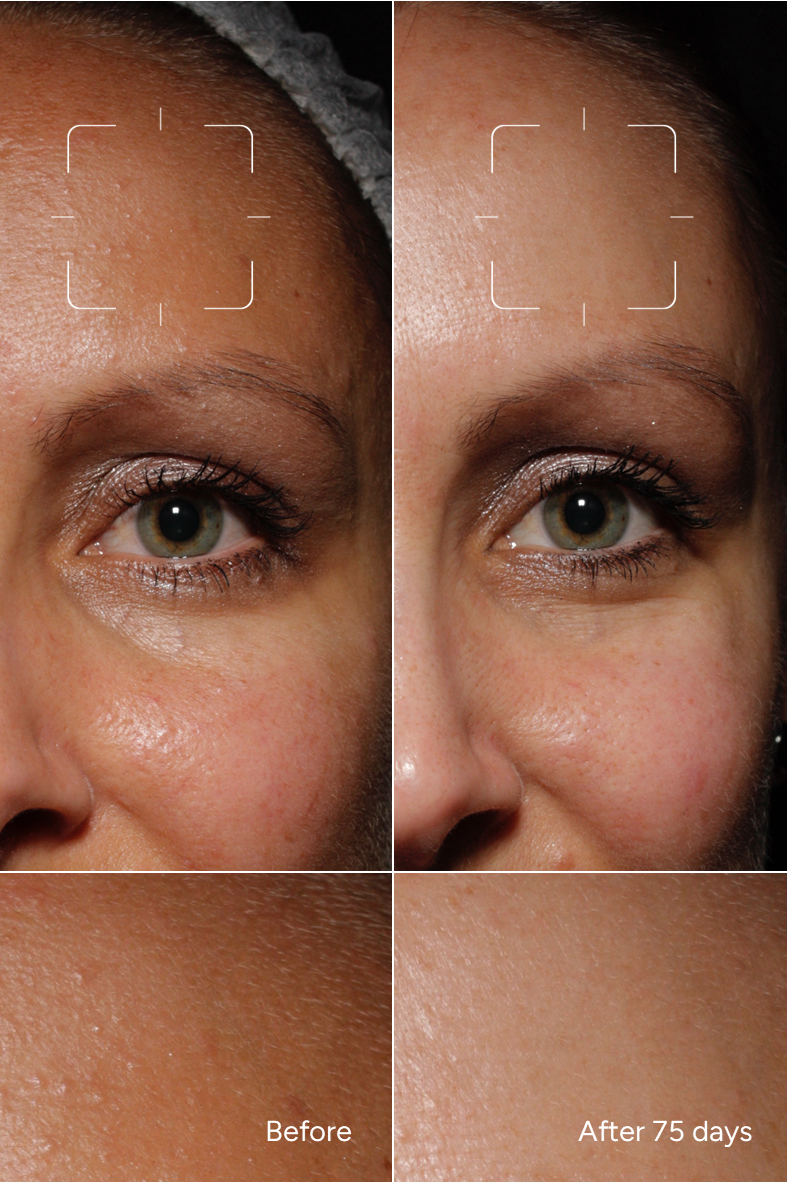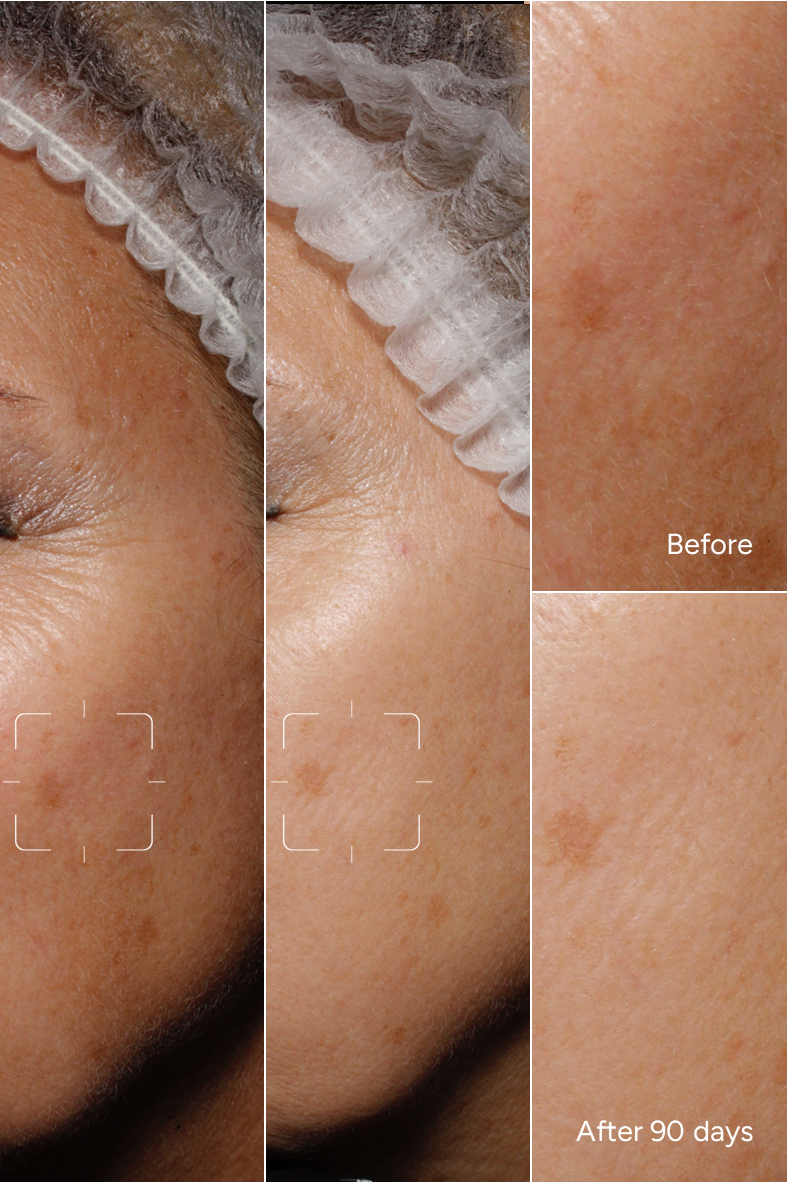
3% PER DOSE
ARBUTIN
ARBUTIN
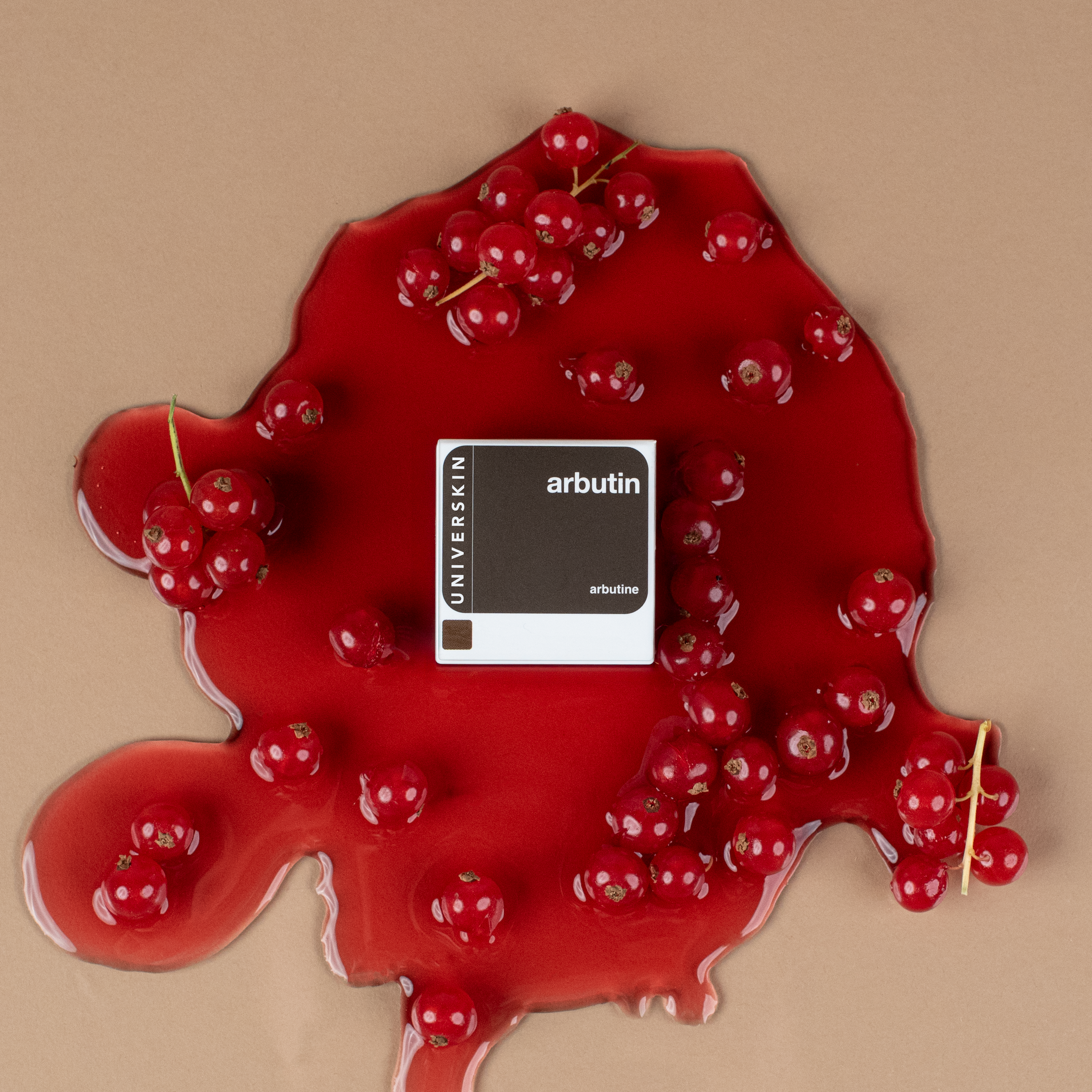
Arbutin is a naturally occurring compound found in plants such as bearberry, blueberry, and cranberry, where it has been valued for centuries in traditional skin-care remedies. In modern skincare it has become one of the most trusted ingredients for brightening the complexion and softening the look of brown spots and uneven patches, thanks to its measured, melanin-regulating action and its antioxidant profile.
It is highly appreciated for its ability to brighten and even skin tone, giving skin a radiant, healthy-looking finish. Because it is gentle even at low concentrations, it suits sensitive and reactive skin that cannot tolerate harsher lightening agents. With consistent use it can visibly even skin tone over time, revealing a clearer, more luminous complexion.
Concentration
The right concentration of arbutin depends on its chemical form, because arbutin exists in two isomers: alpha arbutin and beta arbutin. Both regulate melanin and improve the appearance of pigment spots and brown circles, but they behave differently in the skin. Cosmetic-safety assessments generally support arbutin at low single-digit percentages, where it stays well tolerated. Universkin uses pure alpha arbutin at 3% per dose — a fixed, single-capsule concentration built to work through daily consistency rather than escalating strength. You will find it as the star active across our arbutin-based serums and formulas.
Alpha Arbutin vs Beta Arbutin
Alpha arbutin and beta arbutin are two versions of the same molecule that differ only in how the glucose unit is attached to the hydroquinone core. That small difference matters: alpha arbutin is generally considered more stable and a more effective inhibitor of tyrosinase, the enzyme responsible for melanin production. Beta arbutin is the more traditional, plant-derived form with a long history in Asian remedies, but it tends to be less potent gram for gram. This is why Universkin selected alpha arbutin at 3% per dose, most visibly in Formula 41 - Alpha Arbutin 3% — a more consistent, predictable brightening action than a variable plant extract could deliver.
Who Should Use It
Arbutin is suitable for all phototypes and is ideal for anyone dealing with pigment spots and patches, sun-related marks, post-blemish darkening, brown circles under the eyes, and general dullness. Because it does not rely on aggressive exfoliation or high-strength acids, it is a particularly good option for melanin-rich skin (phototypes IV to VI), where harsher agents can sometimes trigger rebound pigmentation. If uneven tone is your main concern, arbutin sits at the heart of our pigmentation serums.

Can Be Used In Combination With
Arbutin is a team player. It works well alongside other brightening and antioxidant ingredients such as SOD, ferulic acid, niacinamide, vitamin C and kojic acid. These pairings tackle pigmentation from complementary angles: arbutin and kojic acid both calm tyrosinase, niacinamide interrupts the transfer of pigment, and vitamin C brightens while adding antioxidant defence. This is how our pigmentation blends are built — arbutin is paired with vitamin C and niacinamide in Formula 42 - Pigment Corrector, and with a targeted evening routine in Formula 45 - Age Spot Eraser.
Arbutin vs Other Brightening Ingredients
Arbutin is one of several ways to approach hyperpigmentation, often chosen for its balance of effectiveness and gentleness. Here is how it compares with the most common alternatives.
| Ingredient | How it works | Best for | Things to note |
|---|---|---|---|
| Arbutin | Slowly releases a hydroquinone-like active that inhibits tyrosinase | Even tone, dark spots, sensitive and melanin-rich skin | Gentle and gradual; results build over weeks |
| Hydroquinone | Directly and strongly inhibits melanin production | Stubborn, established pigmentation | Prescription-controlled in many regions; higher irritation risk |
| Kojic acid | Fermentation-derived tyrosinase inhibitor | Dark spots and uneven tone; pairs well with arbutin | Can be sensitising; works nicely in combination |
| Niacinamide | Reduces the transfer of pigment to surface skin cells | Overall tone, barrier support, oil balance | Very well tolerated; slower on established spots alone |
| Vitamin C | Antioxidant that brightens and supports collagen | Dullness, radiance, daytime antioxidant defence | Best used in the morning under sunscreen |
In short, arbutin offers much of the melanin-regulating logic of hydroquinone with a gentler profile, which is why it is a cornerstone of doctor-designed brightening routines.
How Often Can You Use It
How often you use arbutin depends on its concentration and on your skin type, but at the levels used in well-formulated serums it can generally be applied daily, in the morning and/or the evening. For pigmentation, consistency matters far more than intensity: a small daily dose over several weeks does more than occasional heavy use.
Two habits make the biggest difference. First, wear a broad-spectrum SPF every morning — UV exposure is the fastest way to darken existing spots and undo weeks of progress, so daily sunscreen is non-negotiable. Second, keep layering simple: apply arbutin to clean skin, let it absorb, then follow with moisturiser and (in the morning) sunscreen.
Don't Use It If
As with any skincare ingredient, some individuals may be more sensitive or allergic to arbutin than others. Anyone with a known allergy to arbutin or its derivatives should avoid it, and people with very reactive skin should introduce it gradually. In the absence of specific medical advice, arbutin should not be used by pregnant or lactating women.
It is always recommended to patch test before regular use: apply a small amount to the inner forearm and wait 24 to 48 hours to check for redness or irritation before applying it to the face. If you notice persistent stinging, redness, or discomfort, pause use and let the skin recover, then reintroduce more slowly or speak to your doctor. It is also sensible to pause active brightening while skin is healing from sunburn, procedures, or a compromised barrier.
Origins of the Ingredient

Arbutin is a naturally occurring, plant-derived ingredient that can be extracted from bearberry, mulberry, blueberry, and wheat, among others. These plants have been used in traditional remedies for centuries, particularly in Asia, for their skin-lightening properties. Universkin has selected a pure, synthetic alpha arbutin to provide a higher and more consistent concentration than a variable plant extract could.
Chemical Composition
Arbutin is a glycoside of hydroquinone, a skin-lightening agent that is only available by medical prescription in many regions. The hydroquinone component drives its skin-lightening properties, while the glucose component makes the molecule more stable and less irritating — in effect, a gentle delivery system that releases hydroquinone-like activity slowly rather than all at once.

Mechanism of Action
Arbutin is a glycoside of hydroquinone and is converted into hydroquinone in the skin through a process called hydrolysis. It works by inhibiting tyrosinase, an enzyme central to the formation of melanin. Unlike pure hydroquinone, arbutin is released slowly and steadily, providing a more gradual and gentler approach to regulating melanin.
By slowing the production of melanin, arbutin can help reduce the appearance of pigmented spots and even out skin tone. It is considered a gentler alternative to hydroquinone, which has a similar mechanism of action but is more aggressive and has been associated with potential side effects such as irritation.
Benefits
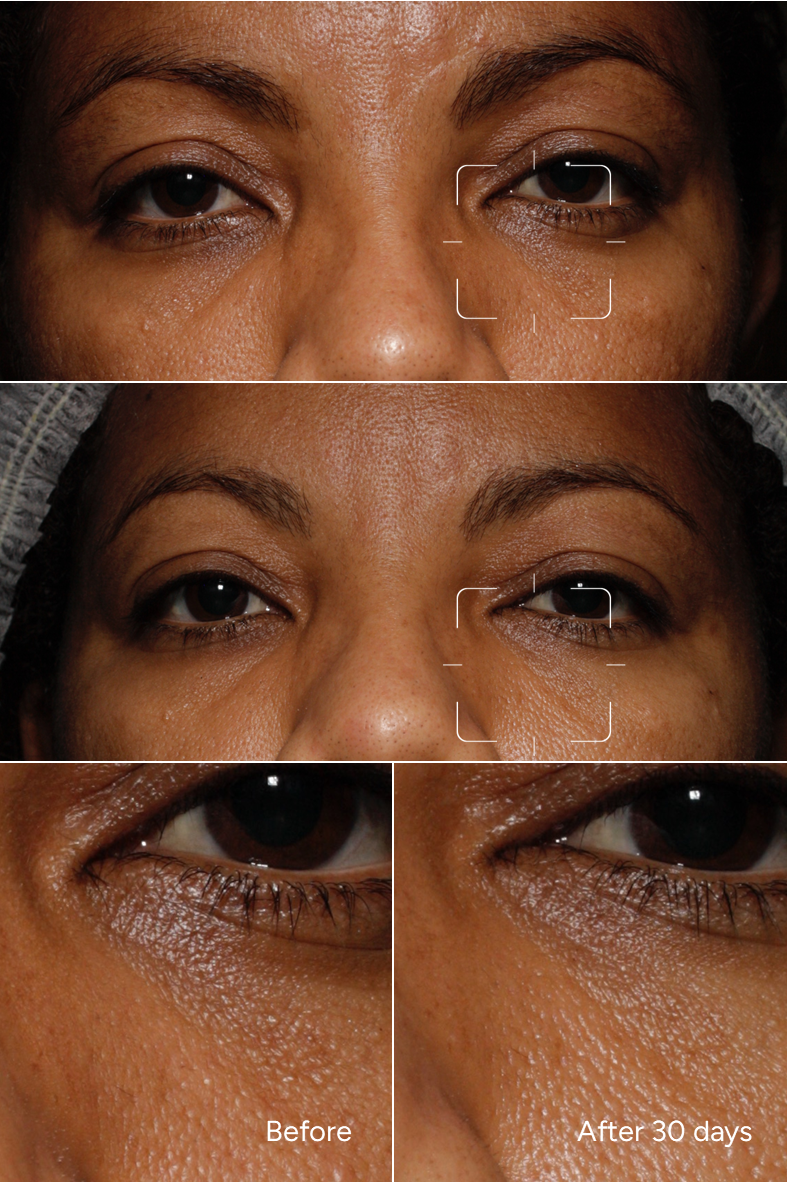
Arbutin is well known for its gentle skin-brightening properties and its ability to target hyperpigmentation such as age spots and patches. Some scientific evidence suggests it may also have antioxidant properties that help maintain a radiant appearance, and its melanin-regulating action makes it useful for reducing the look of dark circles under the eyes — an all-round ingredient for anyone chasing a brighter, more even skin tone.
Evidence & Results Timeline
Arbutin's brightening reputation rests on its well-documented ability to inhibit tyrosinase, the rate-limiting enzyme in melanin synthesis. Clinical and laboratory studies have shown that arbutin can reduce melanin production and improve the appearance of hyperpigmentation, with alpha arbutin regarded as an effective, well-tolerated tyrosinase inhibitor. Because it releases its active form slowly, results build gradually rather than overnight. With daily use, a typical timeline looks like this:
Weeks 1–2: No visible change yet. Skin is adjusting; this is the window to confirm tolerance with a patch test and lock in a consistent routine.
Weeks 3–4: Many people report a fresher, slightly more radiant complexion as overall tone begins to even out.
Weeks 6–8: Dark spots often start to look softer and less defined, and the skin appears more uniform.
Weeks 8–12: The most meaningful fading of established pigmentation usually appears in this window. Deeper or hormonal pigmentation may take longer.
Beyond 12 weeks: Continued use, paired with daily SPF, helps maintain results and prevents new spots from forming.
Stability
Arbutin is a stable ingredient, which is part of why it performs so reliably in a personalized serum. In conclusion, it offers a gentle, effective way to regulate melanin production and achieve a more even skin tone. Suitable for all phototypes and skin types, it rewards patience and consistency with a naturally brighter, more uniform complexion.
Arbutin in Your Personalized Formula
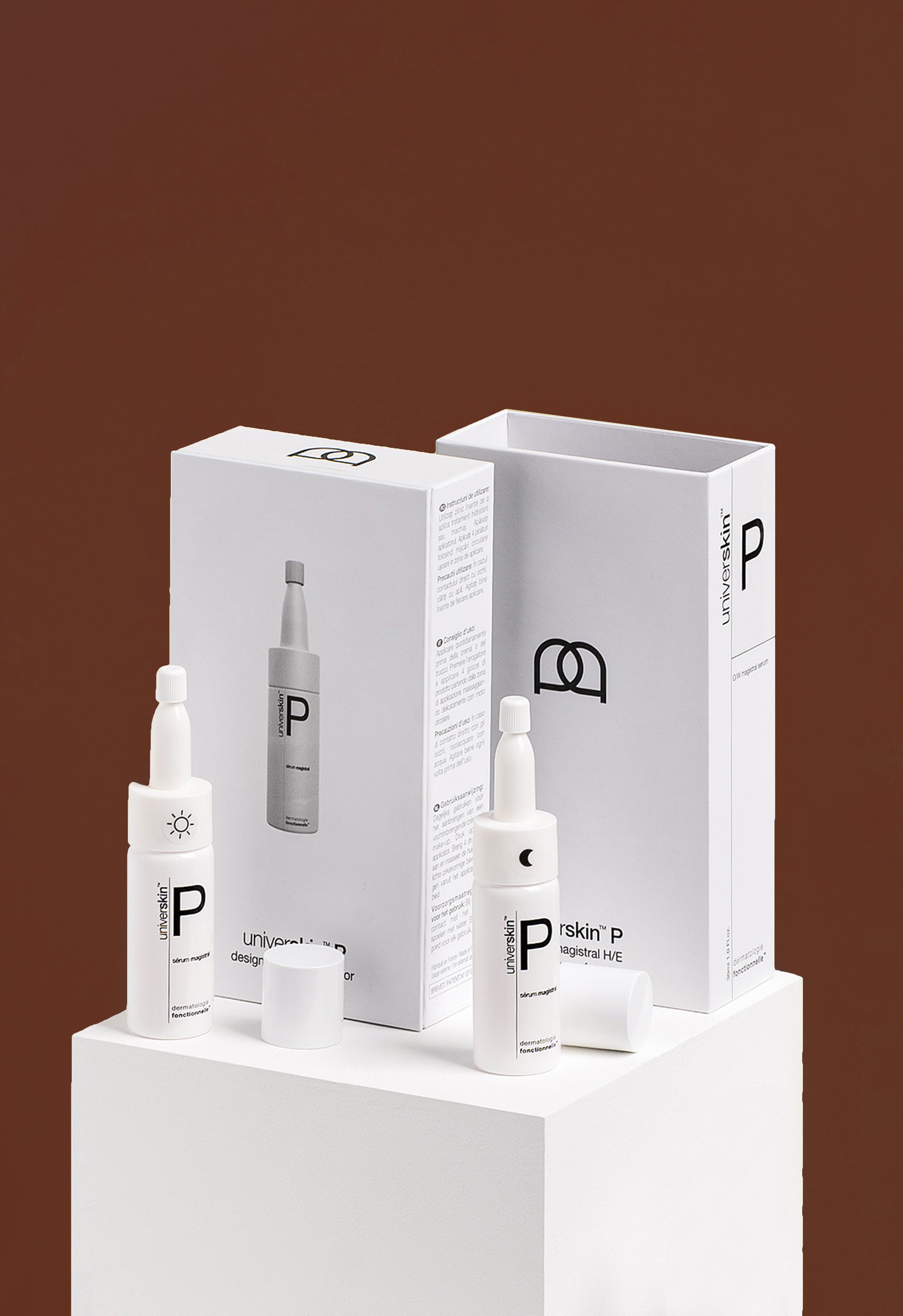
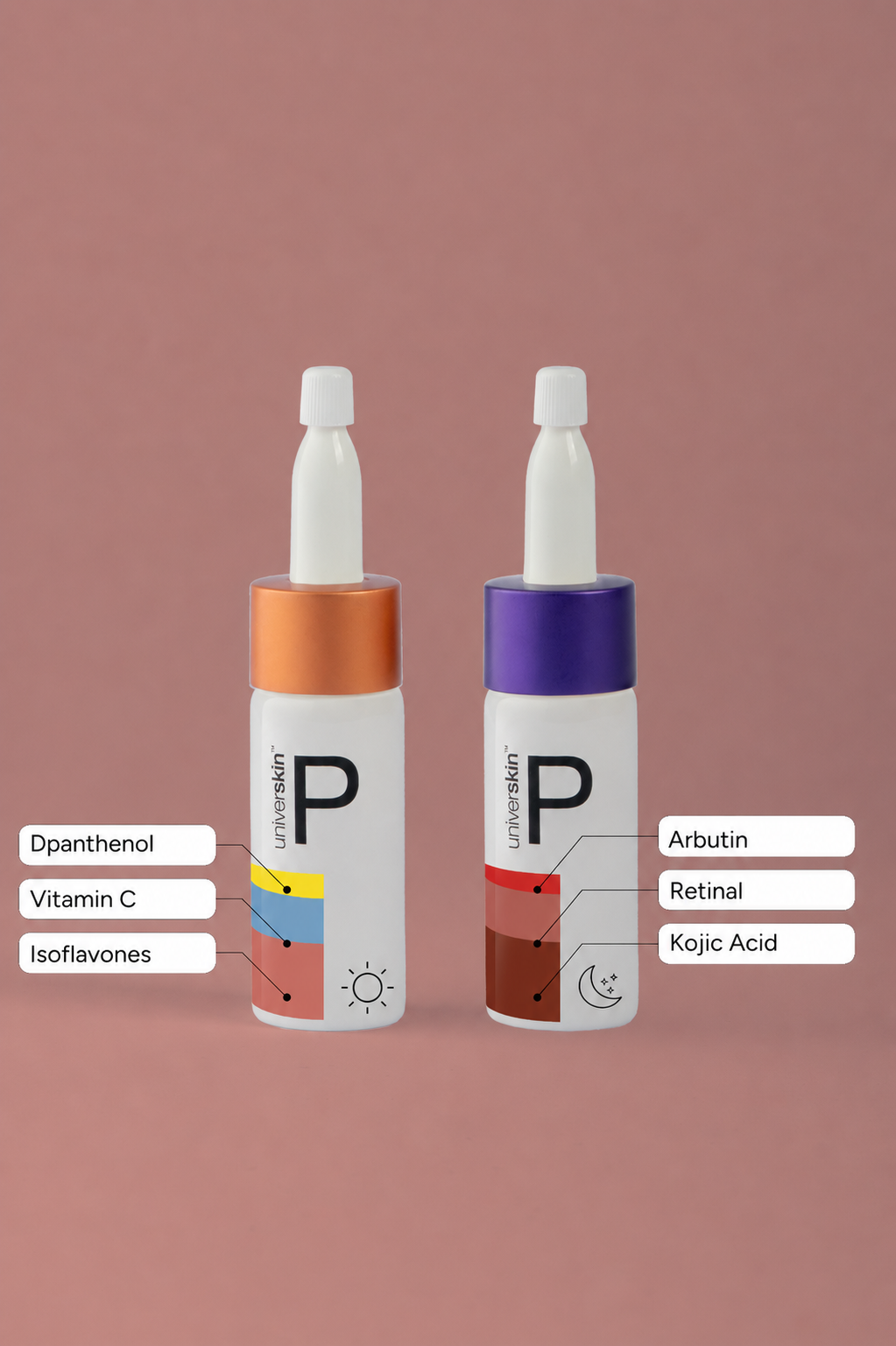
At Universkin, arbutin is never a one-size-fits-all product. It is a single-capsule active, delivered as alpha arbutin at 3% per dose, that your Universkin doctor can include in your custom serum when your skin points to pigmentation, uneven tone, sun damage, or dark circles. Because it is a single-capsule active, arbutin is added at its fixed per-dose concentration — its brightening power comes from consistent daily use and thoughtful pairing with complementary actives, not from a higher dose.
The process starts with your online skin analysis, which maps your pigmentation and other concerns so arbutin can be combined in a single formula with actives such as vitamin C, niacinamide or kojic acid. You can also explore ready-made options like Formula 41 - Alpha Arbutin 3% and pigmentation-focused blends such as Formula 42 and the eye-area Formula 52 for melanin-rich skin.
Frequently Asked Questions
What does arbutin do for your skin?
Arbutin helps fade dark spots and even out skin tone. It works by gently slowing tyrosinase, the enzyme that drives melanin production, so skin gradually looks brighter and more uniform. Because it releases its active form slowly, it is usually well tolerated, making it a popular choice for hyperpigmentation, sun-related marks, and dullness.
Is arbutin better or safer than hydroquinone?
Arbutin is often described as a gentler alternative to hydroquinone. As a hydroquinone glucoside, it releases its active form slowly, which generally means less irritation. Hydroquinone can act faster but is prescription-controlled in many regions and more likely to cause sensitivity, so significant or stubborn pigmentation is best reviewed by a doctor.
What is the difference between alpha arbutin and beta arbutin?
Alpha and beta arbutin are two forms of the same molecule that differ in how the glucose unit is attached. Alpha arbutin is generally considered more stable and a more effective tyrosinase inhibitor, while beta is the traditional plant-derived form. Universkin uses alpha arbutin at 3% per dose for consistent, reliable brightening.
How long does arbutin take to fade dark spots?
Arbutin works gradually. With daily use, most people notice a fresher, more even tone within four to eight weeks, while visible fading of established dark spots typically takes eight to twelve weeks or longer. Consistency and daily sunscreen make the biggest difference, since UV exposure can quickly undo progress on pigmentation.
Can I use arbutin with vitamin C, niacinamide or kojic acid?
Yes. Arbutin layers well with vitamin C, niacinamide, and kojic acid, and these combinations are widely used to target pigmentation from complementary angles. Universkin can pair them within a single personalized formula rather than layering many products. Introduce new actives gradually and pause if you notice persistent redness or irritation.
Skin concerns this ingredient can help with
In a personalized formula, this active is commonly used to help target:
Featured collection
Arbutin BASED SERUMS FORMULAS