2% PER DOSE, UP TO 6%
PHYTIC ACID
PHYTIC ACID
Phytic acid, also known as inositol hexaphosphate or IP6, is a natural substance found in plants. In skincare, it is often used as an exfoliant, skin brightener, and antioxidant. It is a gentle exfoliant and has been shown to help even out the complexion, giving the skin a brighter, more radiant appearance. As the gentlest alpha-hydroxy acid, phytic acid is a perfect addition to a daily beauty routine.
Concentration
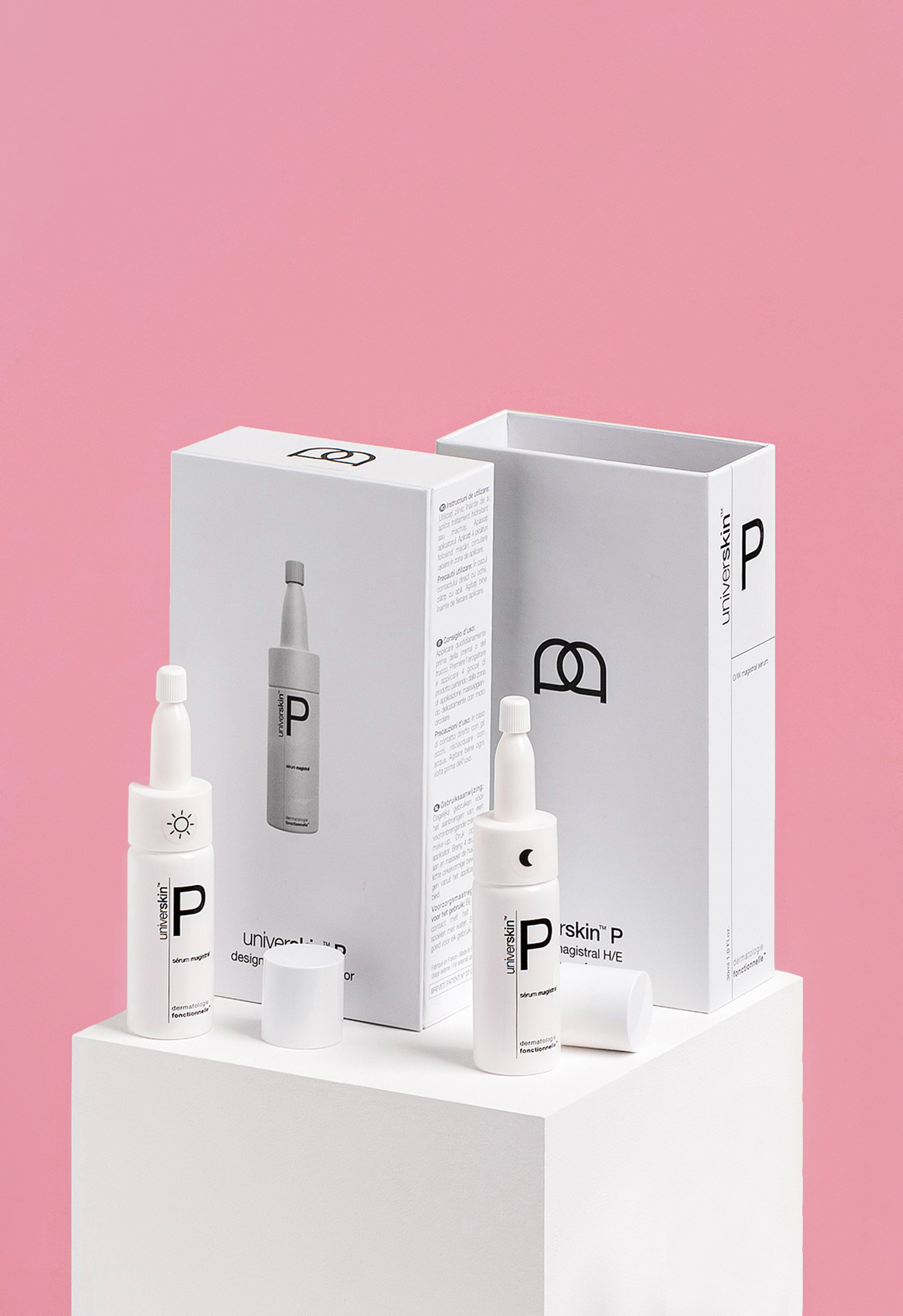
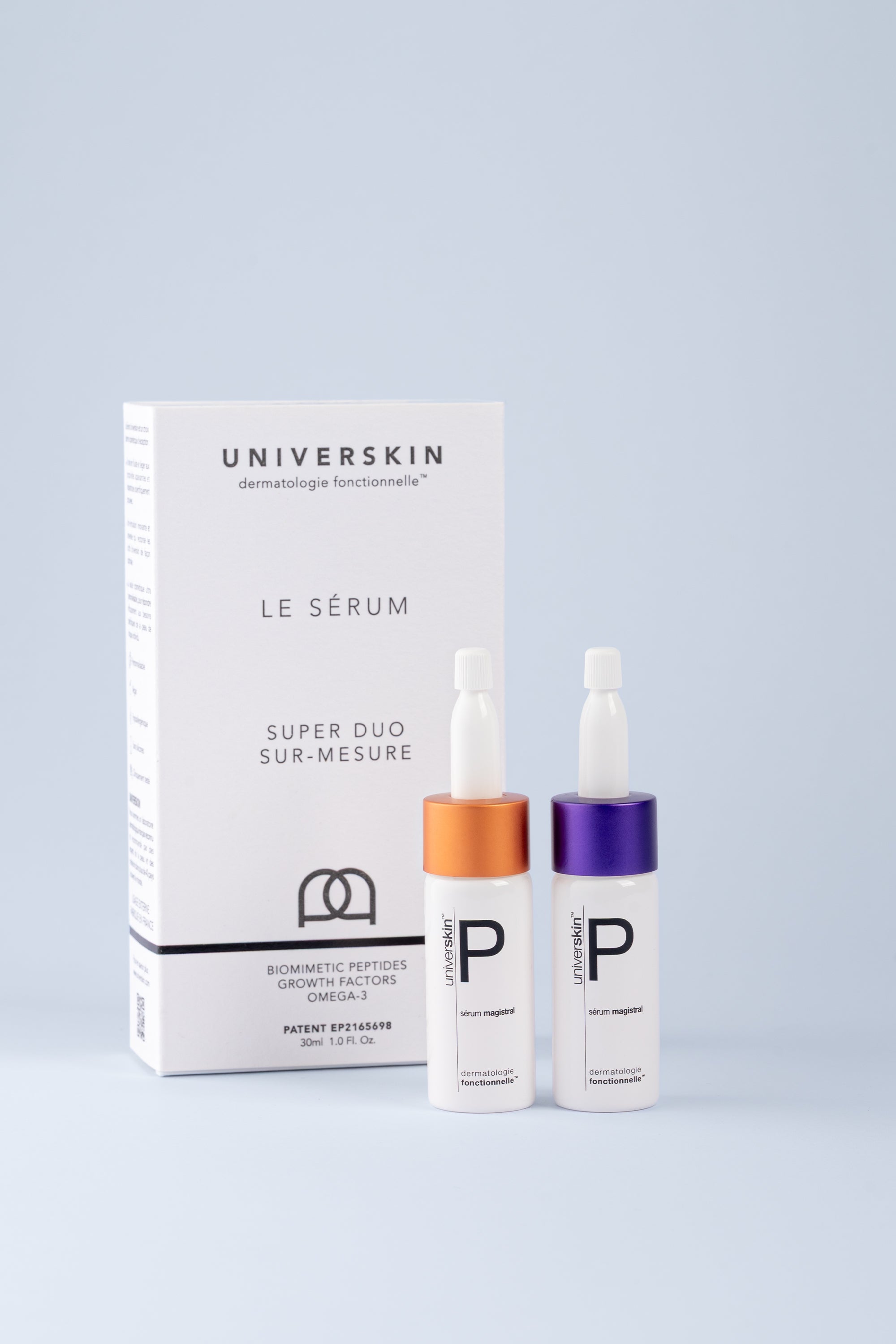
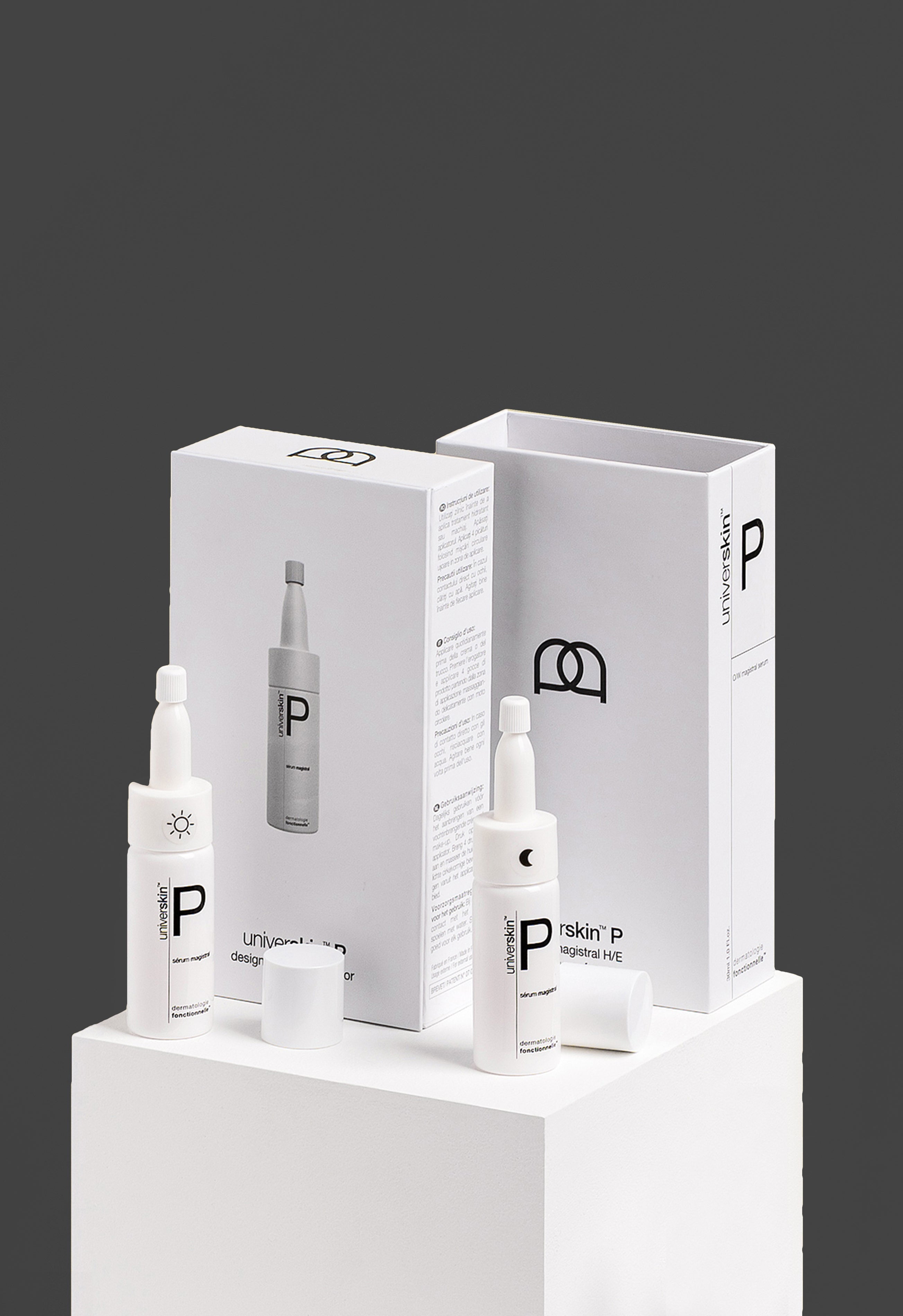
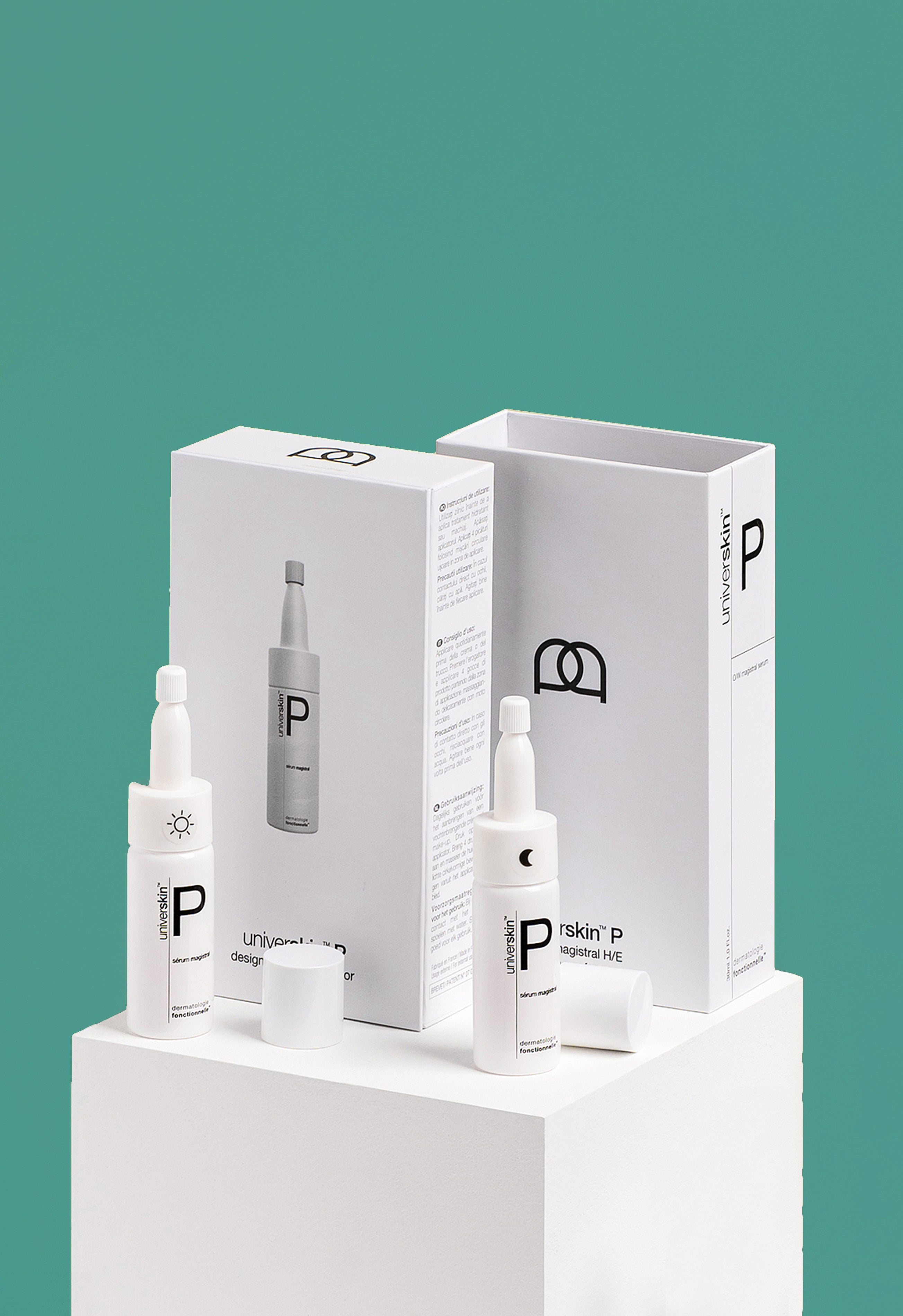
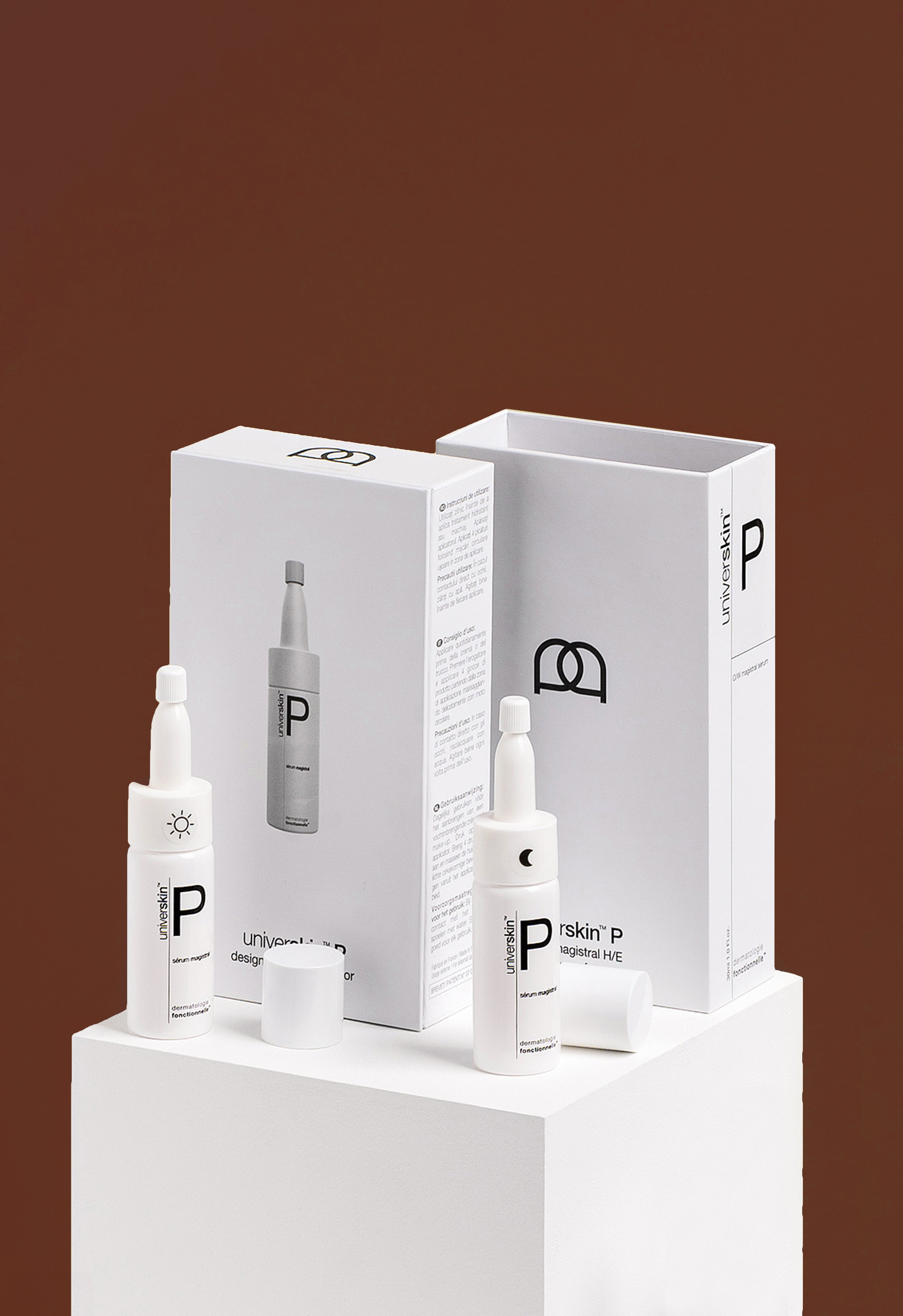
Phytic acid is commonly used in cosmetic products at concentrations ranging from 0.5% to 4%. The concentration used may vary depending on the intended use and the desired results. In general, higher concentrations of phytic acid may result in stronger exfoliating effects, while lower concentrations may be more suitable for those with sensitive skin. In cosmetic products, exfoliants with AHAs should have a concentration of AHAs no greater than 10% and the pH greater than 3.5. In salon products, no greater than 30% and a pH greater than 3.0. Universkin phytic acid is dosed at 2% per capsule, and because the formula is modular a doctor can add up to three capsules for a stronger effect. Patch test before first use and wear a daily broad-spectrum sunscreen, since AHAs increase sun sensitivity.
Who Should Use It
Phytic acid can be beneficial for a range of skin types and concerns, including oily or acne-prone skin, dull and rough skin, uneven skin tone (brown spots and patches), skin with aging signs like wrinkles and fine lines. It can be a gentler alternative to other exfoliating ingredients like alpha-hydroxy acids (AHAs).

Can Be Used In Combination With
Phytic acid can be used in combination with other ingredients to enhance its effects, including arbutin, niacinamide or isoflavones, vitamin C (in a separate serum) to improve skin brightening, and with azelaic acid in individuals prone to acne and post inflammatory hyperpigmentation.
How Often Can You Use It
Phytic acid is preferably used in the evening. As a start, phytic acid can be used every 2 days in the evening, and gradually every night, increasing the frequency as tolerated by the skin. Overuse of phytic acid can cause irritation, so it is important to use it with caution. Because it is an AHA, wear an SPF each morning, and pause for a few days if skin turns tight, flaky or reactive, or after waxing, peels or laser.
Don't Use It If
Phytic acid is the gentlest AHA and is well tolerated by most skin types, including many sensitive skins. Even so, those with highly reactive skin or a known allergy should patch test first and introduce it gradually. It is also important to avoid using phytic acid on broken or irritated skin, as this can cause further irritation and increase the risk of skin sensitization. As a precaution, pregnant and lactating women should consult a healthcare provider before using phytic acid. When layering, avoid stacking it with other strong exfoliants or high-strength retinoids until you know how your skin responds; alternating evenings is gentler.
Origins of the Ingredient

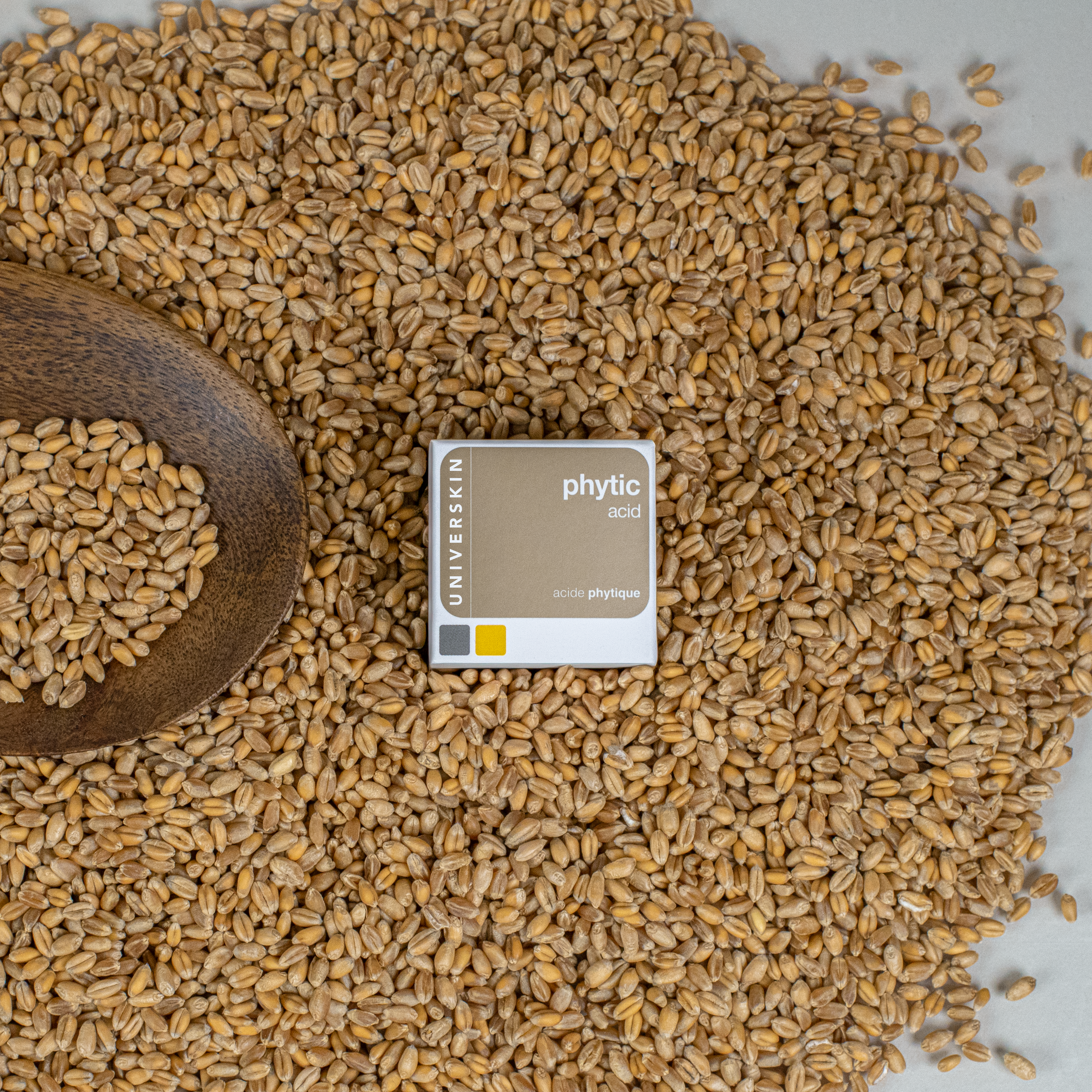
Phytic acid is a naturally occurring ingredient found in a variety of plant-based foods, including nuts, seeds, and grains. It was discovered in the early 20th century by researchers who were studying the composition of plant seeds and found that the substance responsible for inhibiting the absorption of certain minerals was a molecule containing phosphorus. He named this molecule "phytin" and later it was renamed "phytic acid". Universkin provides synthetic and high purity grade of phytic acid.
Chemical Composition
It is also known as inositol hexaphosphate (IP6) and is a type of phytate, which is a compound that serves as a storage form of phosphorus in plants. Its chemical structure consists of six phosphate groups attached to an inositol molecule. This structure is what gives phytic acid its chelating properties and makes it an effective ingredient in cosmetic products. Phytic acid is a white crystalline powder.

Mechanism of Action
Phytic acid is a natural antioxidant and has a range of potential benefits for skin health. Despite its ability to absorb certain minerals, which may seem like a disadvantage at first, phytic acid's chelating properties can benefit the skin in various ways. By absorbing iron molecules in the skin, phytic acid can reduce the negative impact of specific minerals on the skin. Phytic acid is a mild Alpha-Hydroxy Acid (AHA) with a plethora of benefits for the skin. By chelating minerals such as iron, zinc, and calcium, which are essential for the growth and survival of many bacteria, phytic acid interferes with the spread of bad bacteria. It effectively exfoliates the skin and promotes a brighter, smoother complexion. In addition, some studies have suggested that phytic acid also helps to reduce the formation of pigment spots by inhibiting the activity of tyrosinase, an enzyme that plays a role in melanin synthesis.
Benefits
Phytic acid is a gentle exfoliant that helps even out the complexion by removing dead skin cells. It can brighten the skin and improve its overall appearance, making it look more radiant. Phytic acid has antioxidant properties, which can protect the skin from oxidative stress caused by environmental factors such as UV exposure and pollution. It also helps regulate the production of melanin, which can prevent further discoloration. Phytic acid can be combined with other ingredients, such as glycolic acid, arbutin, isoflavones, and vitamin C, to enhance its benefits and improve the overall appearance of the skin.
Stability
Phytic acid is a stable ingredient.
How Phytic Acid Compares to Glycolic, Lactic and Salicylic Acid
In short, phytic acid trades speed for gentleness. Glycolic acid is the smallest AHA, penetrating fastest and resurfacing most strongly, while phytic acid is larger, works more slowly and calmly, and doubles as an antioxidant and chelator. Lactic acid sits in between and also hydrates, while salicylic acid is an oil-soluble BHA that clears the pore lining.
| Acid | Type | How it behaves | Best suited to | Irritation risk |
|---|---|---|---|---|
| Phytic acid | AHA (also antioxidant and chelator) | Slow, mild exfoliation plus brightening | Sensitive, dull or uneven skin; pigmentation | Low |
| Glycolic acid | AHA (smallest molecule) | Fast, deep resurfacing | Resilient skin, rough texture, fine lines | Higher |
| Lactic acid | AHA (mid-sized) | Moderate exfoliation with added hydration | Dry skin wanting a gentle glow | Low to moderate |
| Salicylic acid | BHA (oil-soluble) | Penetrates and clears the pore lining | Oily, acne-prone, congested skin | Moderate |
Which should you pick? Reactive or radiance-focused skin points to phytic acid; glycolic acid for stronger resurfacing, lactic acid when dryness meets dullness, salicylic acid when clogged pores dominate.
Evidence and What to Expect: A Results Timeline
Phytic acid's behaviour rests on well-described chemistry. As an inositol phosphate it is a strong chelator of metal ions — confirmed extensively in biochemistry — binding iron and copper. By binding iron it limits the metal-catalysed reactions that generate free radicals, which is why it is called an antioxidant. And because the pigment enzyme tyrosinase depends on copper, laboratory studies indicate that phytic acid can lower tyrosinase activity and melanin formation, the basis for using it on dark spots and post-inflammatory hyperpigmentation. Clinical studies of phytic-acid peels have reported gradual improvement in melasma and uneven tone with good tolerability, usually alongside other actives. Individual results vary.
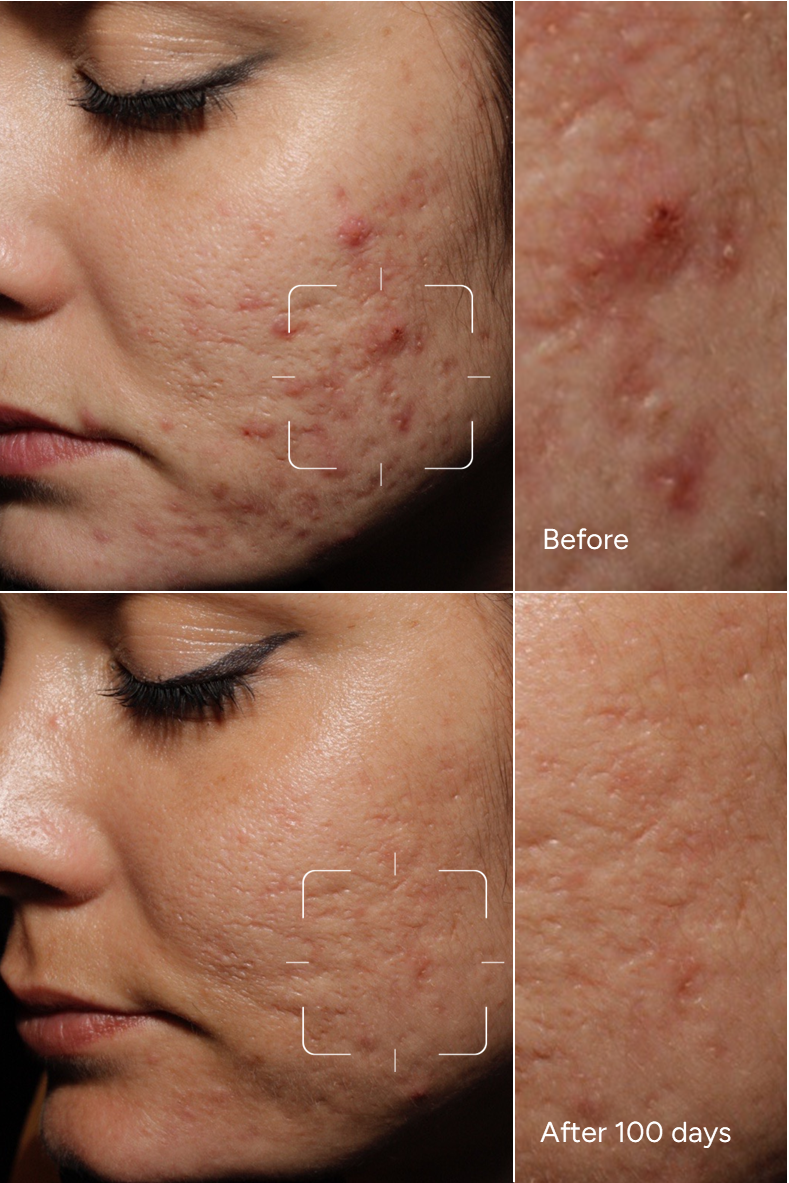
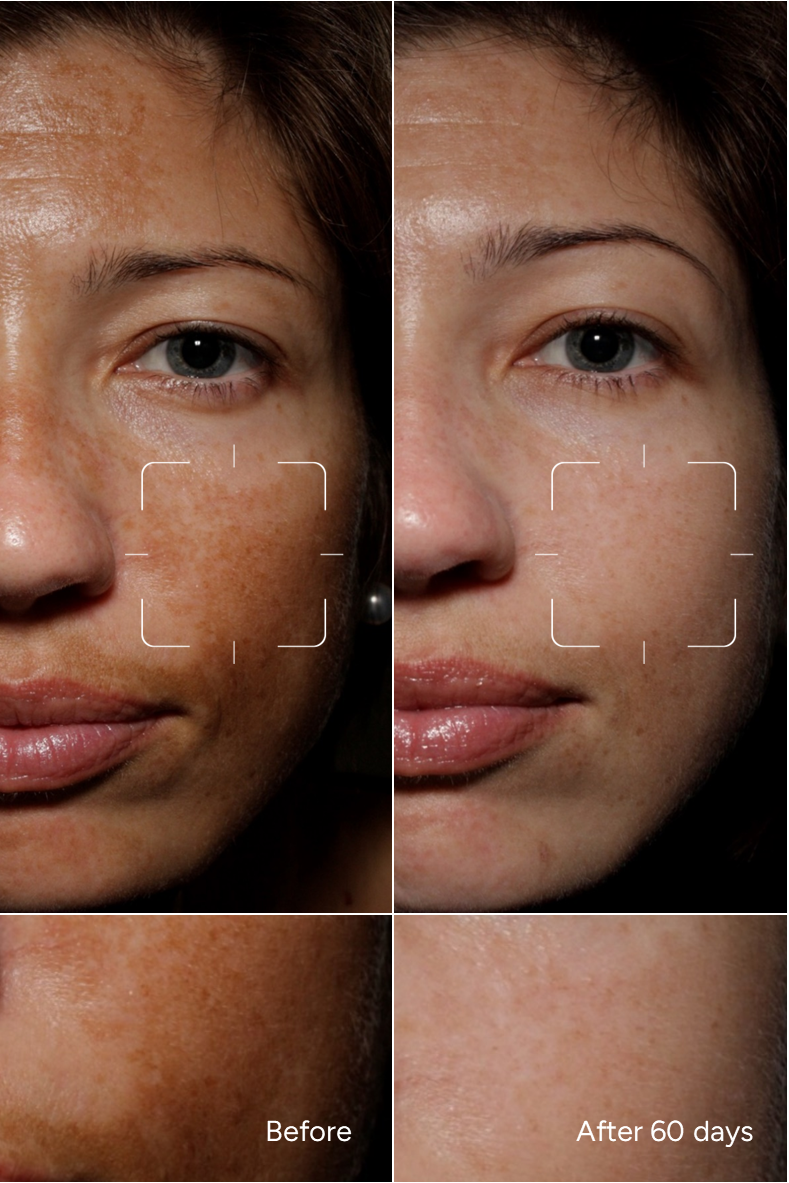
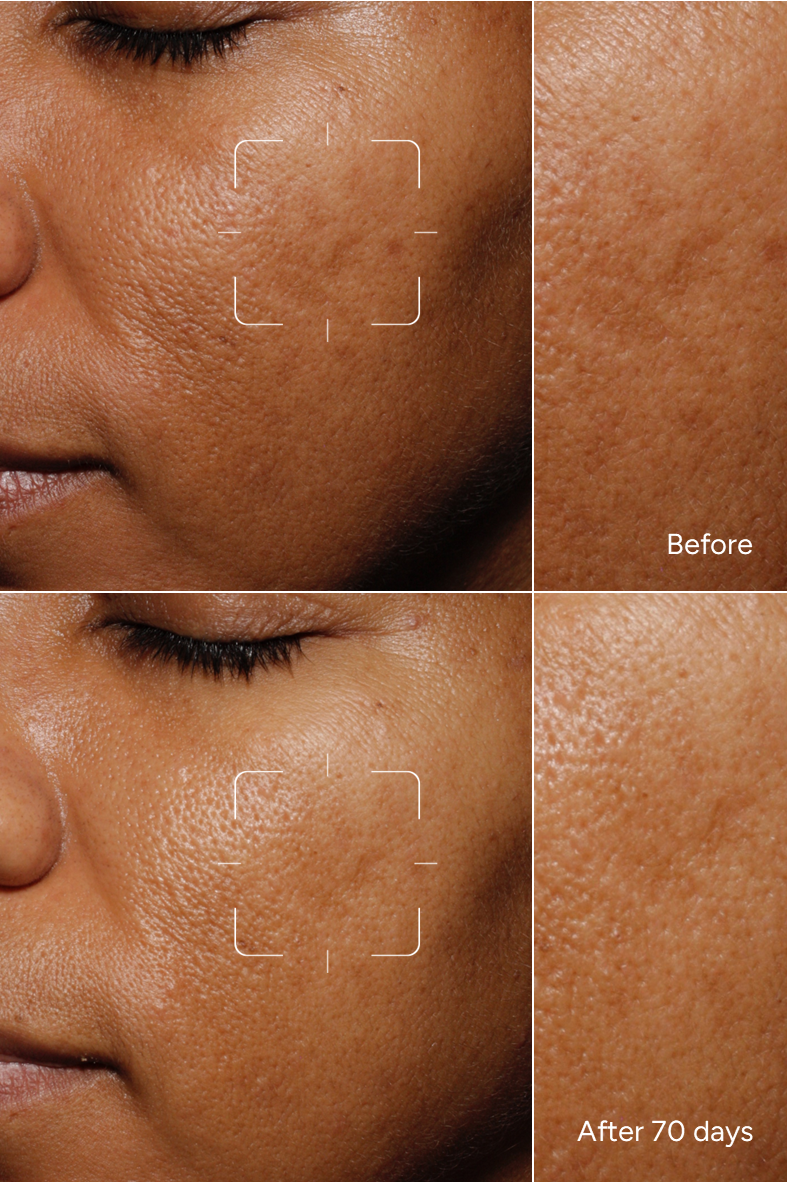
Phytic acid works gently, so results build over time. A realistic timeline, with daily evening use and a morning SPF, is roughly this: in the first one to two weeks skin feels smoother and slightly more radiant; by weeks three to four, tone looks fresher and makeup sits more evenly; and the changes most people want — softer dark spots, more even post-acne marks and a clearer complexion — usually appear between about four and eight weeks, refining further through twelve. Pigmentation is slow to shift, so patience and sun protection matter more than higher strengths.
Frequently Asked Questions
Is phytic acid an AHA, and how does it compare to glycolic acid?
Yes — phytic acid is an alpha-hydroxy acid, but the gentlest one. Unlike glycolic acid, the smallest and fastest-penetrating AHA that resurfaces strongly but can sting, phytic acid also acts as an antioxidant and chelator and exfoliates more slowly. Many people who find glycolic acid too harsh tolerate it comfortably.
Can I use phytic acid every day?
Often, yes, but build up gradually. Start two or three evenings a week, then move toward nightly as your skin adapts. Because it is mild, daily use suits many people, yet overuse can still cause dryness or irritation, so ease off if skin feels tight or flaky.
Does phytic acid fade dark spots and post-acne hyperpigmentation?
It can help gradually. Phytic acid exfoliates pigmented surface cells and is thought to inhibit tyrosinase, the enzyme behind melanin, which may soften dark spots, uneven tone and post-acne marks over several weeks. Results are subtle and cumulative, and daily sunscreen is essential to prevent new pigmentation.
Can phytic acid be combined with vitamin C, niacinamide, or retinol?
Generally, yes. Vitamin C is best in a separate serum or at another time of day, niacinamide layers comfortably alongside, and retinol can be combined but raises irritation risk — so introduce it slowly, alternate evenings if needed, and let a professional guide the balance.
Is phytic acid safe for sensitive skin and during pregnancy?
As the gentlest AHA, phytic acid suits most sensitive skin, though a patch test and slow introduction are wise, and it should never go on broken or irritated skin. Pregnancy and breastfeeding safety data are limited, so if you are pregnant or nursing, ask your doctor first.
In conclusion, Phytic acid is a powerful ingredient that can gently exfoliate and even out the complexion, making it an excellent addition to any skincare routine. However, it should be used with caution on sensitive and reactive skin. Phytic acid can be used in combination with other ingredients for even greater benefits. Whether you are looking to revive dull skin or address pigment spots, Phytic acid can be an effective solution for many skin concerns.
Phytic Acid in Your Personalized Universkin Formula
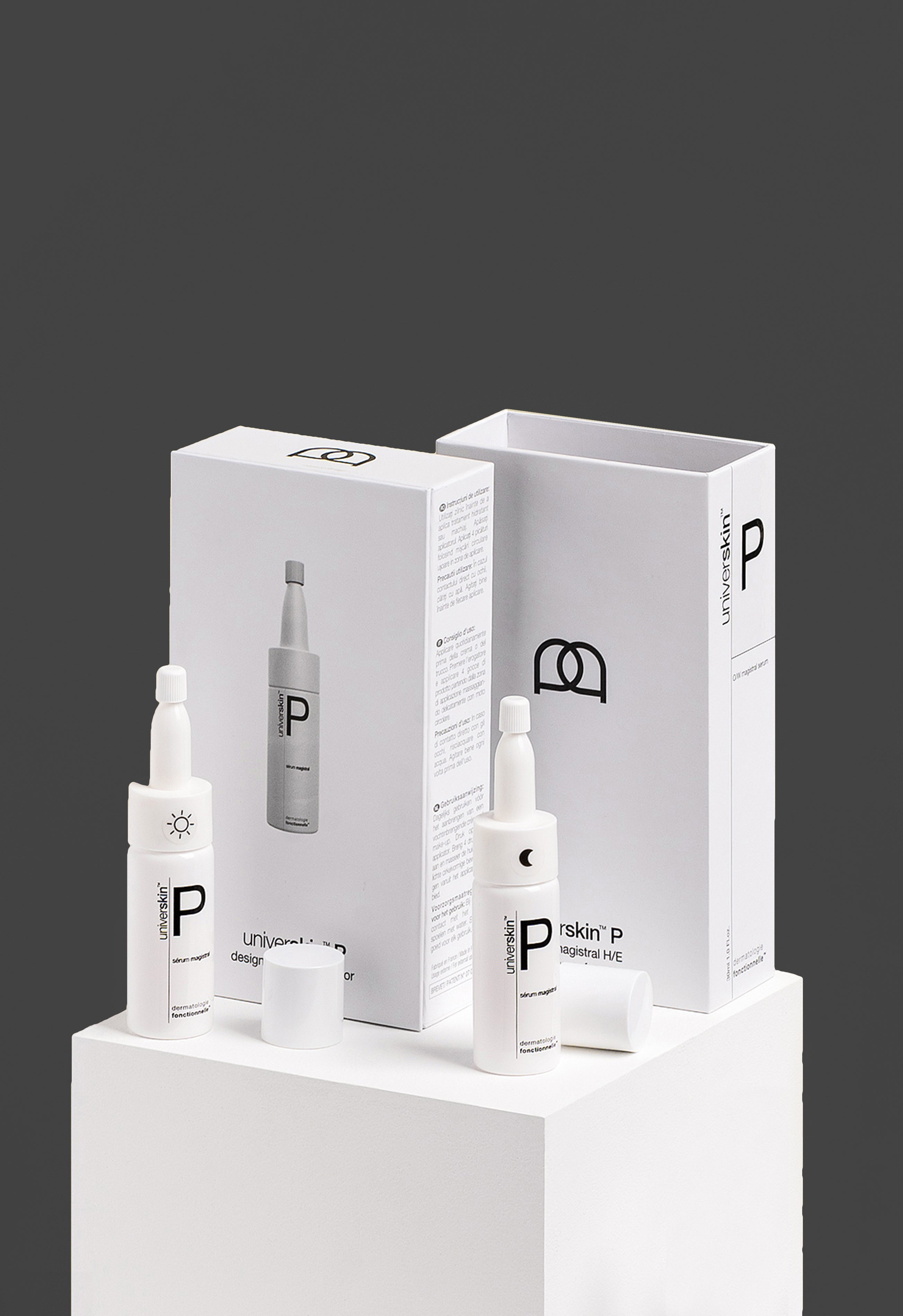
At Universkin, phytic acid is not off-the-shelf but one active a doctor weaves into a serum made for your skin. It starts with an online AI skin analysis, reviewed by a professional. Phytic acid is then dosed at 2% per capsule, and because the base is modular your doctor can add up to three capsules for stubborn pigmentation while keeping it gentle where skin is reactive, often beside actives such as arbutin, niacinamide or azelaic acid. For most people, four to eight weeks of consistent evening use — always with a morning SPF — is a fair window to judge the difference. Explore the full range of active ingredients to see how phytic acid fits.
Skin concerns this ingredient can help with
In a personalized formula, this active is commonly used to help target:
Featured collection
Phytic Acid BASED SERUMS FORMULAS