2% PER DOSE
SALICYLIC ACID
SALICYLIC ACID
Salicylic acid is a beta hydroxy acid (BHA) widely used in skincare, particularly for oily and combination skin. Because it is oil-soluble, it penetrates into the pores and exfoliates from within, making it well suited to concerns including comedones, blackheads and enlarged pores. It also has purifying properties, a natural choice for skin prone to breakouts and acne.
Concentration
The concentration of salicylic acid in leave-on cosmetic products is regulated and capped at 2%. At Universkin, salicylic acid is dosed at 2% per dose — the maximum permitted cosmetic strength and the concentration in Formula 30, our dedicated salicylic acid serum. The percentage is not the whole story: stability, the base's pH, daily consistency and the paired actives all shape the outcome. A well-formulated, doctor-selected 2% dose worn consistently does the work people expect from a BHA. Patch test before first use.
Who Should Use It
Salicylic acid is ideal for those with oily, combination, thickened or acne-prone skin. It helps improve breakouts, blackheads, whiteheads and other blemishes, and reduces the appearance of enlarged pores while refining texture and tone. Because it works inside the pore, not just on the surface, it suits congested skin that feels rough or looks dull. Very dry, sensitive or reactive skin should introduce it slowly and avoid the eye area.

Can Be Used In Combination With
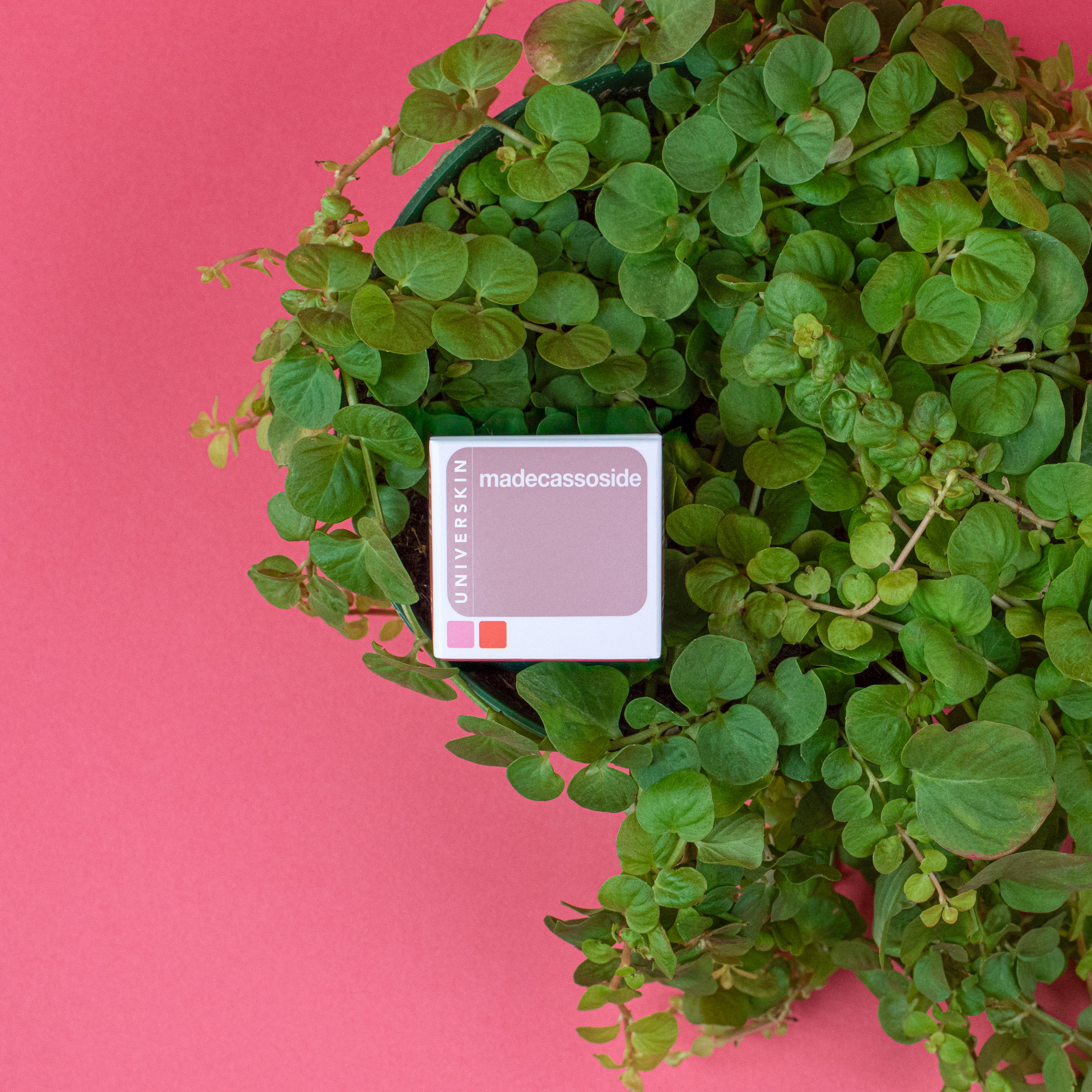
Salicylic acid can be combined with a range of other actives, including madecassoside and niacinamide (vitamin B3), which help soothe skin irritated by exfoliation while supporting the barrier and improving uneven tone. Niacinamide is a particularly natural partner: it balances oil and reduces redness while salicylic acid clears congestion. Salicylic acid can also increase the absorption of other ingredients, so introduce one active at a time to see how your skin responds.
How Often Can You Use It
Salicylic acid is preferably used in the evening. Apply it every second evening at first, then build to nightly use as your skin tolerates. Overuse can cause dryness, tightness or irritation, so consistency matters more than intensity. Like other exfoliating acids, it can make skin more sensitive to the sun, so a daily broad-spectrum SPF is important, protecting exfoliated skin and preventing post-breakout marks from darkening. Pause for a few days if skin becomes flaky, stinging or persistently red.
Don't Use It If
Individuals with sensitive and reactive skin, and anyone allergic to aspirin (a related salicylate), should avoid salicylic acid or use it only under professional guidance. Avoid applying it to already irritated, broken or sunburned skin, as this can worsen irritation and increase the risk of sensitization. A patch test on a small area, such as the inner elbow, is sensible before daily use. Pregnant and breastfeeding women should check with a healthcare provider before use.
Origins of the Ingredient
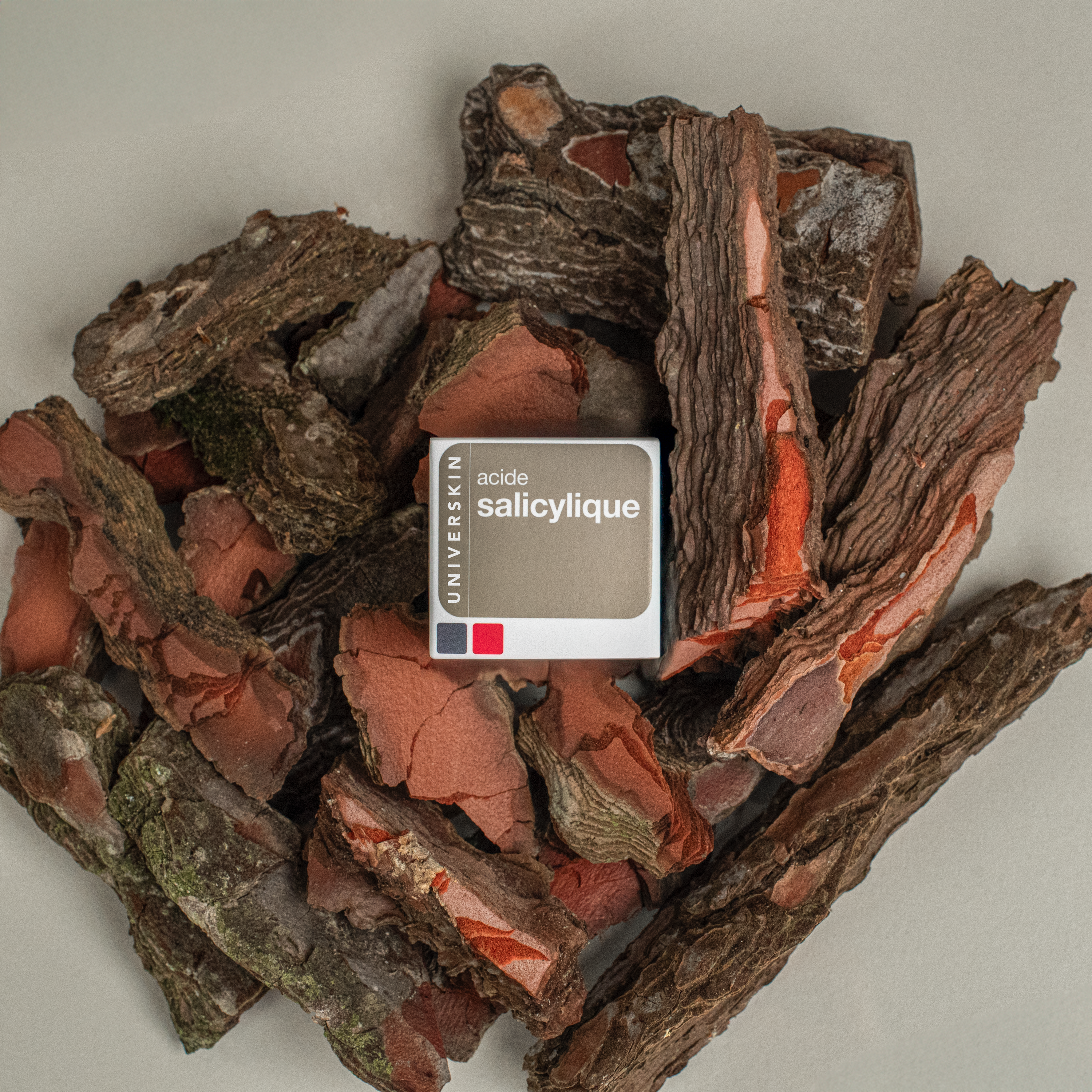
Salicylic acid is a naturally occurring compound found in plants, particularly in willow trees (genus Salix) and meadowsweet (Filipendula ulmaria). The use of willow bark to treat pain and fever dates back to ancient times, with Hippocrates and the ancient Egyptians being among the first to describe its medicinal properties. The active ingredient salicin in willow bark was identified in the early 19th century. Later, in 1853, the French chemist CF Gerhardt converted salicin into its active form, salicylic acid, by hydrolysis. Universkin provides a pure synthetic salicylic acid.

Chemical Composition
Salicylic acid is commonly referred to as a beta-hydroxy acid (BHA) in the skincare industry. This is because of its chemical structure, which includes a hydroxyl (-OH) group attached to the second carbon atom (beta position) of the molecule. Salicylic acid powder is usually white or pale yellow in colour and has a fine, powdery texture.

Mechanism of Action
As a BHA, salicylic acid penetrates into the pores, where it dissolves excess oil, exfoliates dead skin cells and helps unclog the pore lining. It is also known to inhibit pro-inflammatory cytokines — molecules central to the inflammatory response — and to have antimicrobial properties. Together these actions make it highly effective for acne-prone skin and other breakouts, while supporting cell turnover for a more even, radiant complexion.
Benefits
Salicylic acid's key benefits include its ability to exfoliate and purify, reduce the severity of breakouts and blemishes, and improve overall texture and appearance. By removing dead skin cells and unclogging pores, it helps prevent new blemishes, leaving skin clearer and more radiant. These overlapping benefits are why it appears throughout our serums for acne and blemishes, oily skin and uneven, congested texture.
Stability
Salicylic acid is a stable ingredient, resistant to degradation, which makes it reliable in a well-formulated serum. It is poorly soluble in water, so the quality of its base matters for comfort and performance.
Evidence & Results Timeline
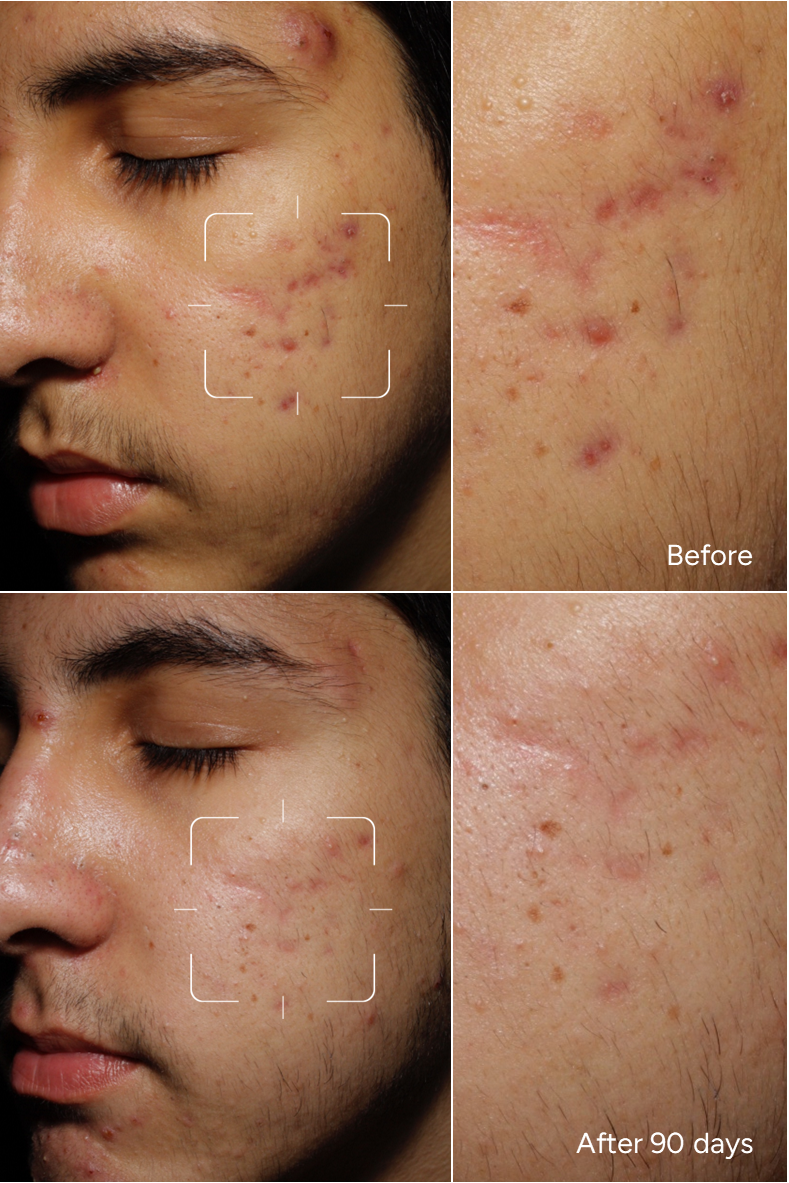
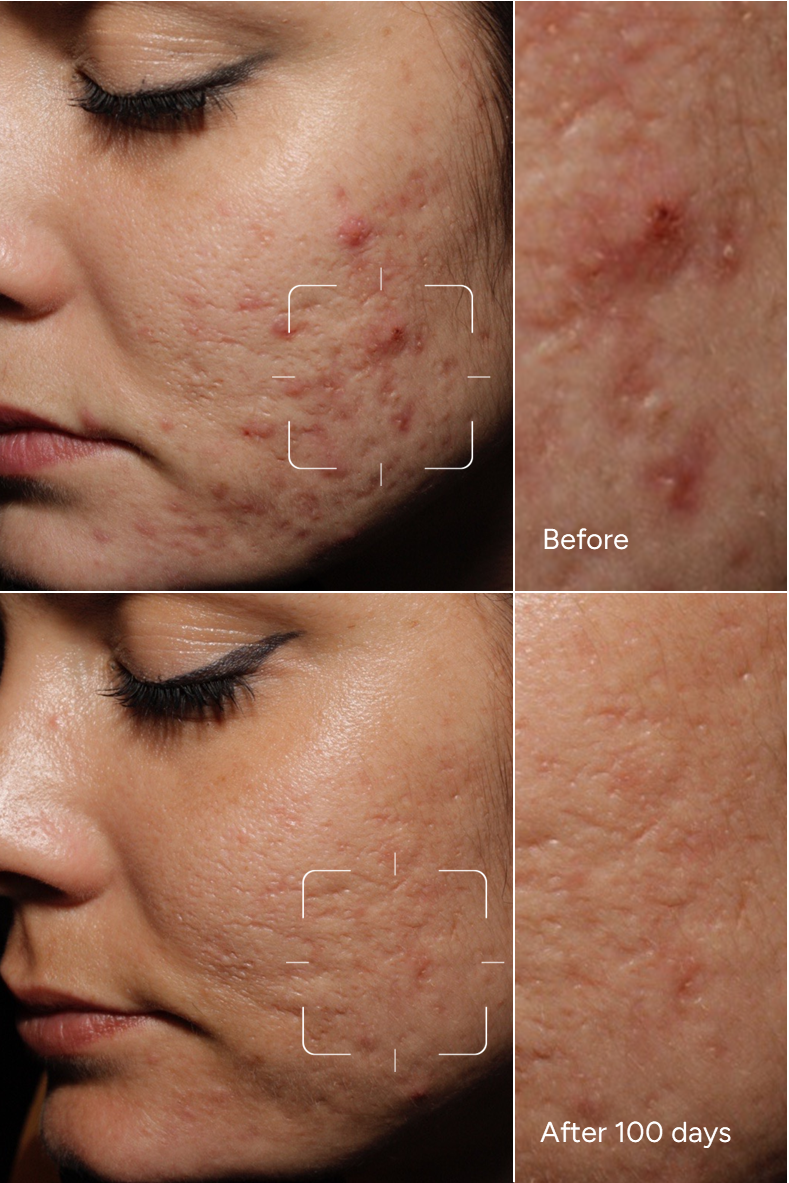
Salicylic acid is one of the most established exfoliating actives in dermatology and the reference beta hydroxy acid for oily, blemish-prone skin. Clinical studies have shown that topical salicylic acid can reduce comedones and inflammatory acne lesions and improve the look of enlarged pores. Its comedolytic and keratolytic action — clearing the pore lining and loosening dead cells — is well documented, though cosmetic leave-on strengths such as 2% work more gradually than professional peels. Results vary with skin type, the severity of congestion and consistency of use.
Results build with regular use. The timeline below is a realistic guide, including the possible purging phase; response varies from person to person:
| Timeframe | What to expect |
|---|---|
| Day 1 onward | Exfoliation inside the pore begins immediately; skin may feel slightly smoother, and some initial dryness is normal. |
| Weeks 1–2 | Some skins go through a short "purging" phase as existing congestion surfaces faster; this is usually temporary. |
| Weeks 2–4 | Fewer new blackheads and whiteheads, less visible congestion, and pores that look clearer. |
| Weeks 4–8 | More even texture and tone, with breakouts typically reduced in frequency. |
| Weeks 8–12 | Sustained clarity and refinement — a sensible point to review progress with your doctor. |
Consistency and daily sun protection matter more than pushing the frequency too fast.
Salicylic Acid vs Glycolic Acid: BHA vs AHA
Salicylic acid and glycolic acid are the two most common exfoliating acids, and the choice comes down to solubility. Salicylic acid is an oil-soluble BHA, so it travels into the pore and clears congestion from within — ideal for oily, blackhead-prone and acne-prone skin. Glycolic acid is a water-soluble AHA, so it works mainly on the surface, resurfacing rough texture, dullness and fine lines, but tends to be more sun-sensitizing. Niacinamide is a calming companion to either, not a competitor.
| Active | Type | Best suited to | Notes |
|---|---|---|---|
| Salicylic acid | BHA (oil-soluble) | Clogged pores, blackheads, oily and acne-prone skin | Clears the pore from within; capped at 2% |
| Glycolic acid | AHA (smallest molecule) | Rough texture, dullness, uneven tone, fine lines | Fast surface resurfacing; more sun-sensitizing |
| Niacinamide | Vitamin B3 | Oil control, redness, barrier support | Gentle partner; layers with either acid |
If your main concern is congestion, oiliness and breakouts, salicylic acid is usually the better choice; if it is texture, dullness and tone, glycolic acid often wins — you can explore that side of the range in our skin texture serums. In a personalized serum, a doctor selects whichever suits your skin.
How to Use Salicylic Acid in Your Routine
Evening (preferred): Cleanse, apply salicylic acid to clean, dry skin, then moisturise to buffer any dryness. Start every second evening and build to nightly as tolerated. If you also use a retinoid or an AHA, alternate them on separate nights rather than layering, and keep it away from the eye area and lips.
Morning: If you use it in the morning, always finish with a broad-spectrum SPF, since exfoliated skin is more vulnerable to UV. Whichever time you choose, reduce frequency at the first sign of persistent stinging, flaking or redness.
Frequently Asked Questions
Can I use salicylic acid every day?
Many people can, but not from day one. Start every second evening and build to nightly use only as your skin tolerates it. Daily use suits oilier, resilient skin; drier or sensitive skin often does better a few times a week. If you notice tightness, flaking or stinging, reduce the frequency and let your skin recover.
What does salicylic acid purging mean and how long does it last?
Purging describes a short phase where salicylic acid speeds up cell turnover, bringing already-forming clogs to the surface sooner, so breakouts can briefly appear in your usual problem areas. It typically settles within a few weeks, around one skin-renewal cycle. Breakouts in new areas, or lasting irritation, are more likely a reaction than purging — ease off and consult your doctor.
Can I combine salicylic acid with niacinamide or retinol?
Salicylic acid pairs well with niacinamide, which calms redness and supports the barrier while the BHA clears congestion. It can also be used with retinol, but that combination is more active, so introduce it slowly and alternate them on separate evenings to limit dryness. Moisturise well and add one active at a time.
Is salicylic acid safe during pregnancy?
Low-strength topical salicylic acid on limited areas is often considered low-risk, but guidance varies and oral salicylates and strong salicylic acid peels are generally avoided. Because no cosmetic is universally risk-free while pregnant or breastfeeding, check with your obstetrician-gynaecologist or doctor before using it, or any new active.
Does salicylic acid help with blackheads and enlarged pores?
Yes — this is one of its core strengths. As an oil-soluble BHA, salicylic acid penetrates into the pore, dissolves the oil and dead cells behind blackheads and whiteheads, and helps keep pores clear. Over time, less congestion can make pores look smaller. Pores do not physically shrink, but consistent use keeps them visibly cleaner.
In conclusion, salicylic acid is a well-established, effective ingredient, particularly for oily and combination skin prone to imperfections and acne. Its exfoliating and purifying properties help clear congestion and refine the skin, leaving it clearer, brighter and more even — especially when it is dosed and balanced for your skin rather than bought off the shelf.
Salicylic Acid in Your Personalized Formula
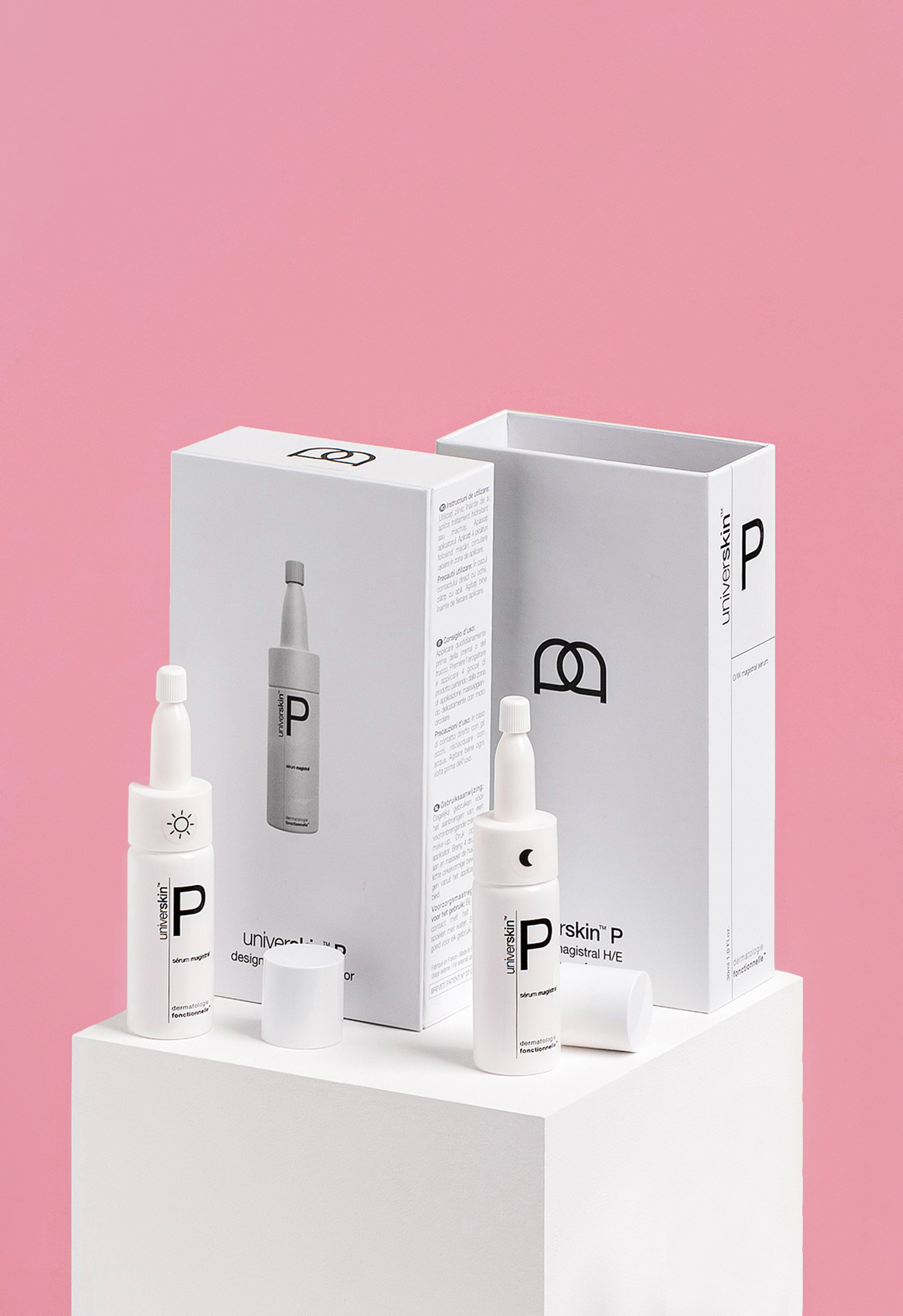
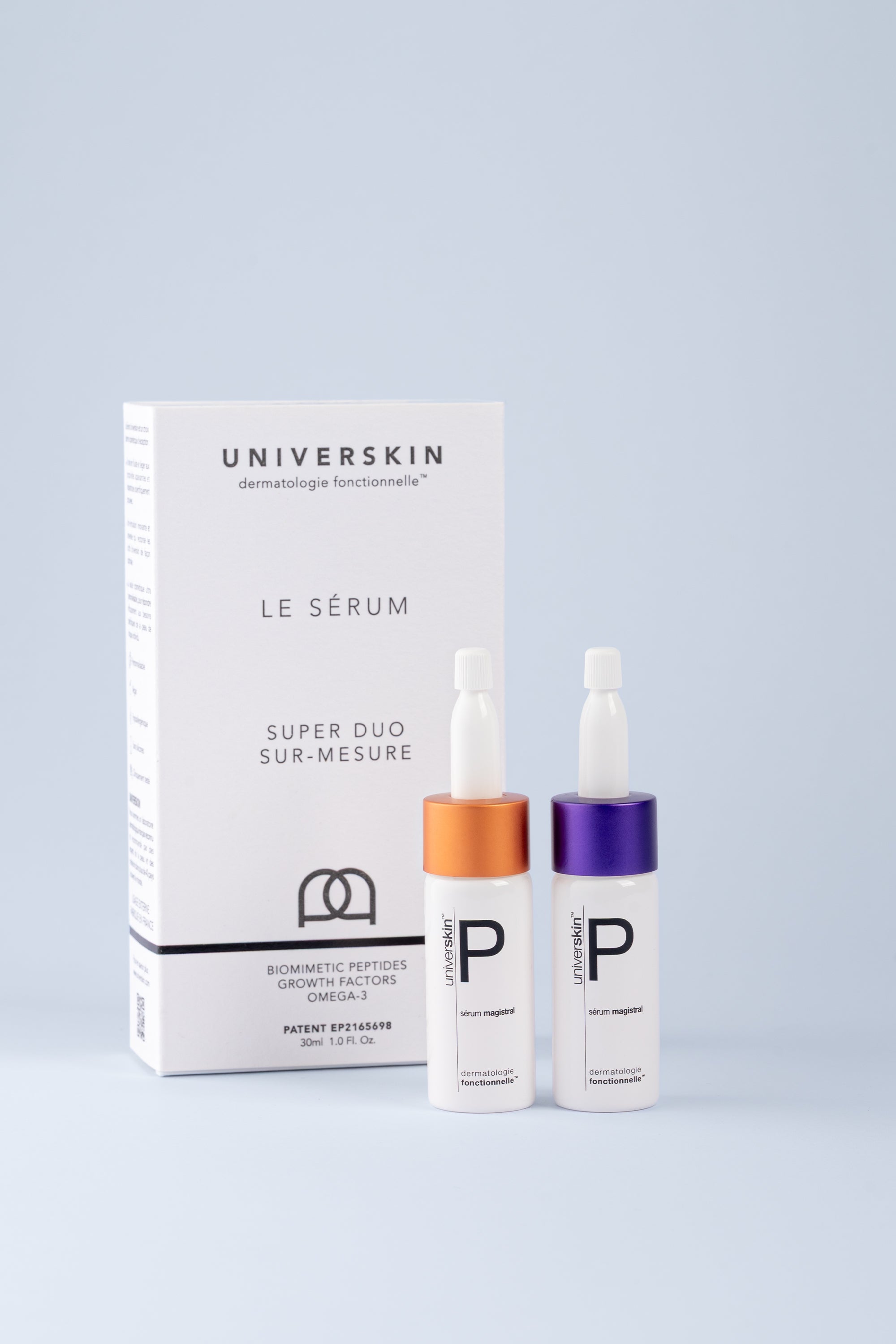
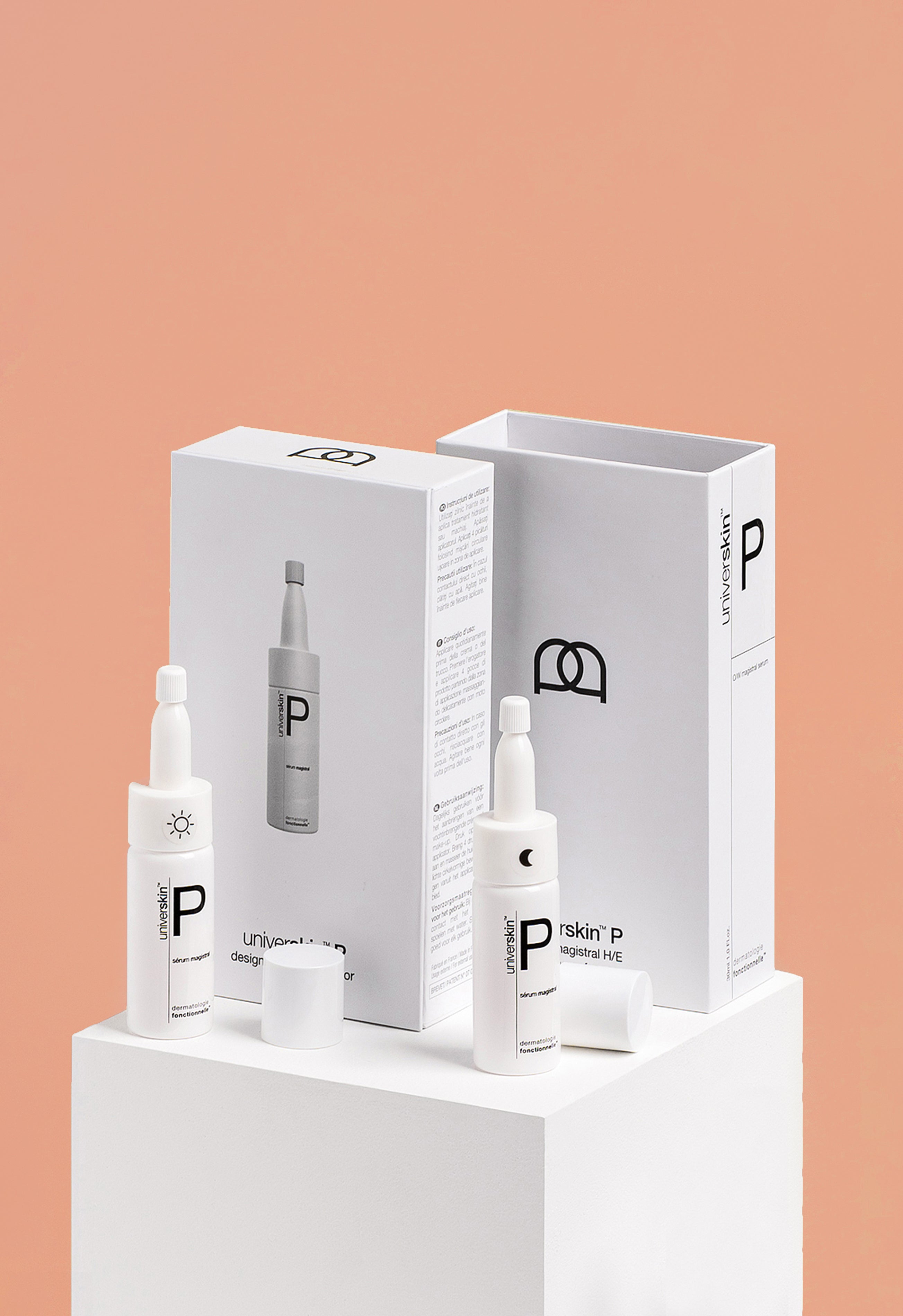
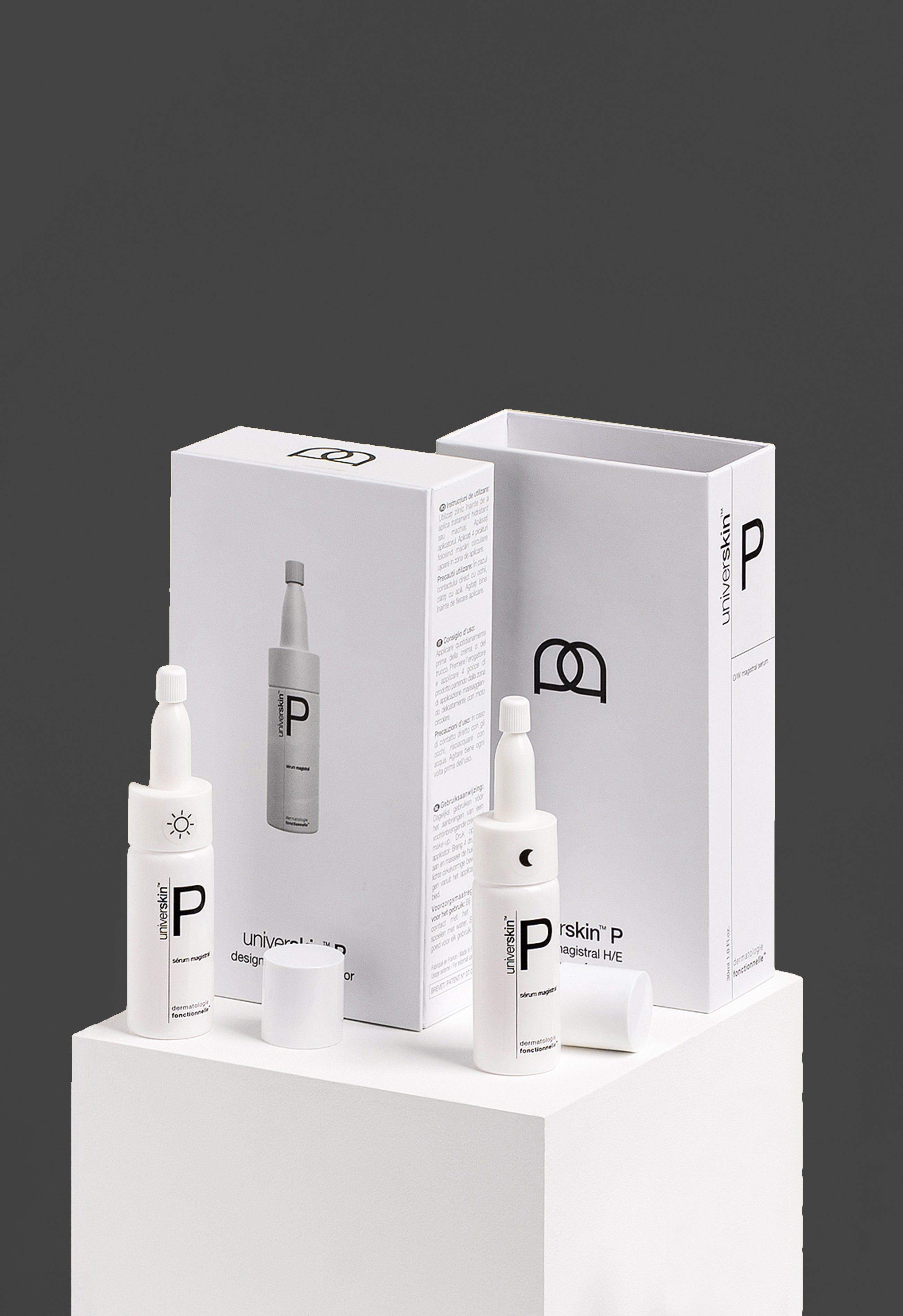
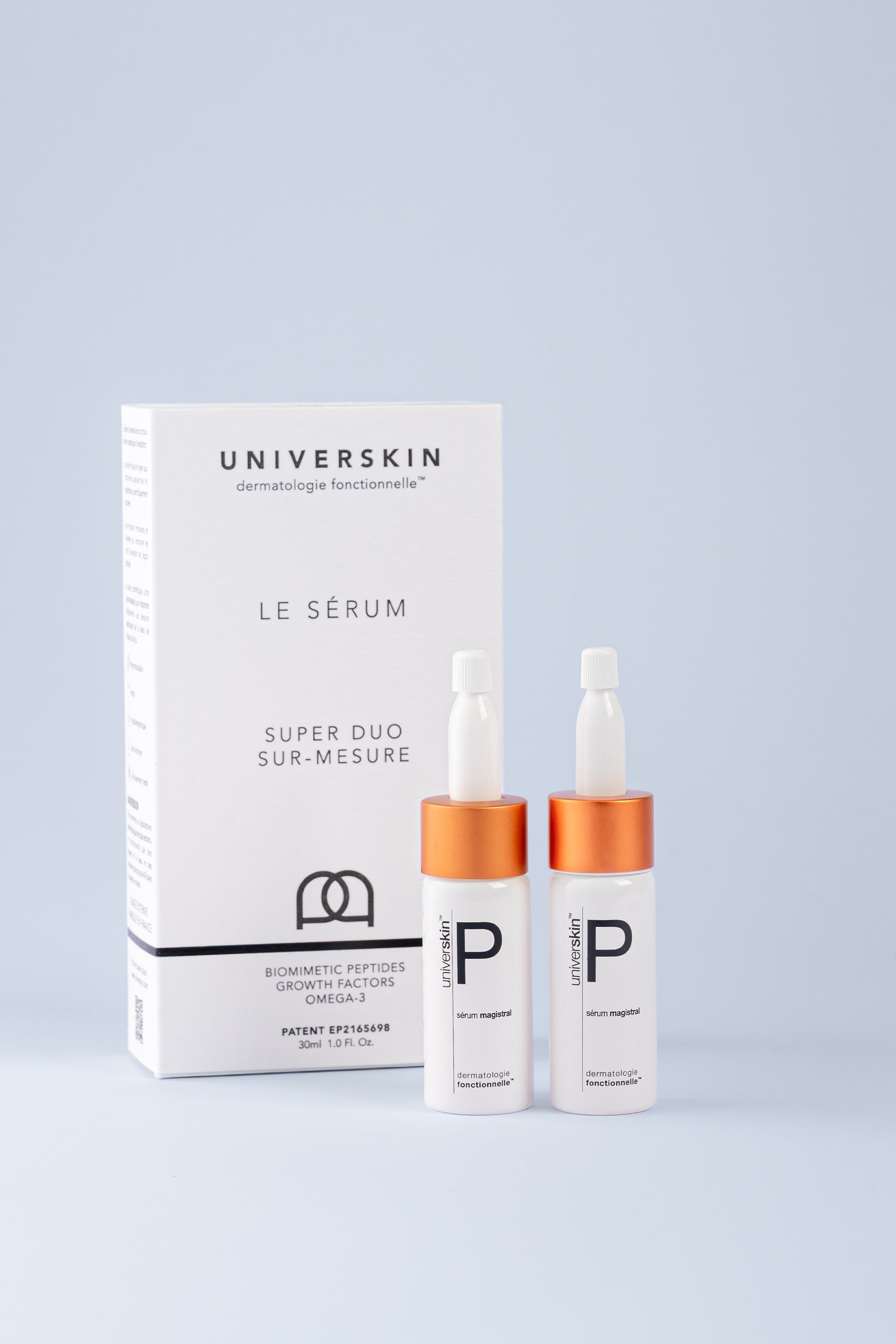
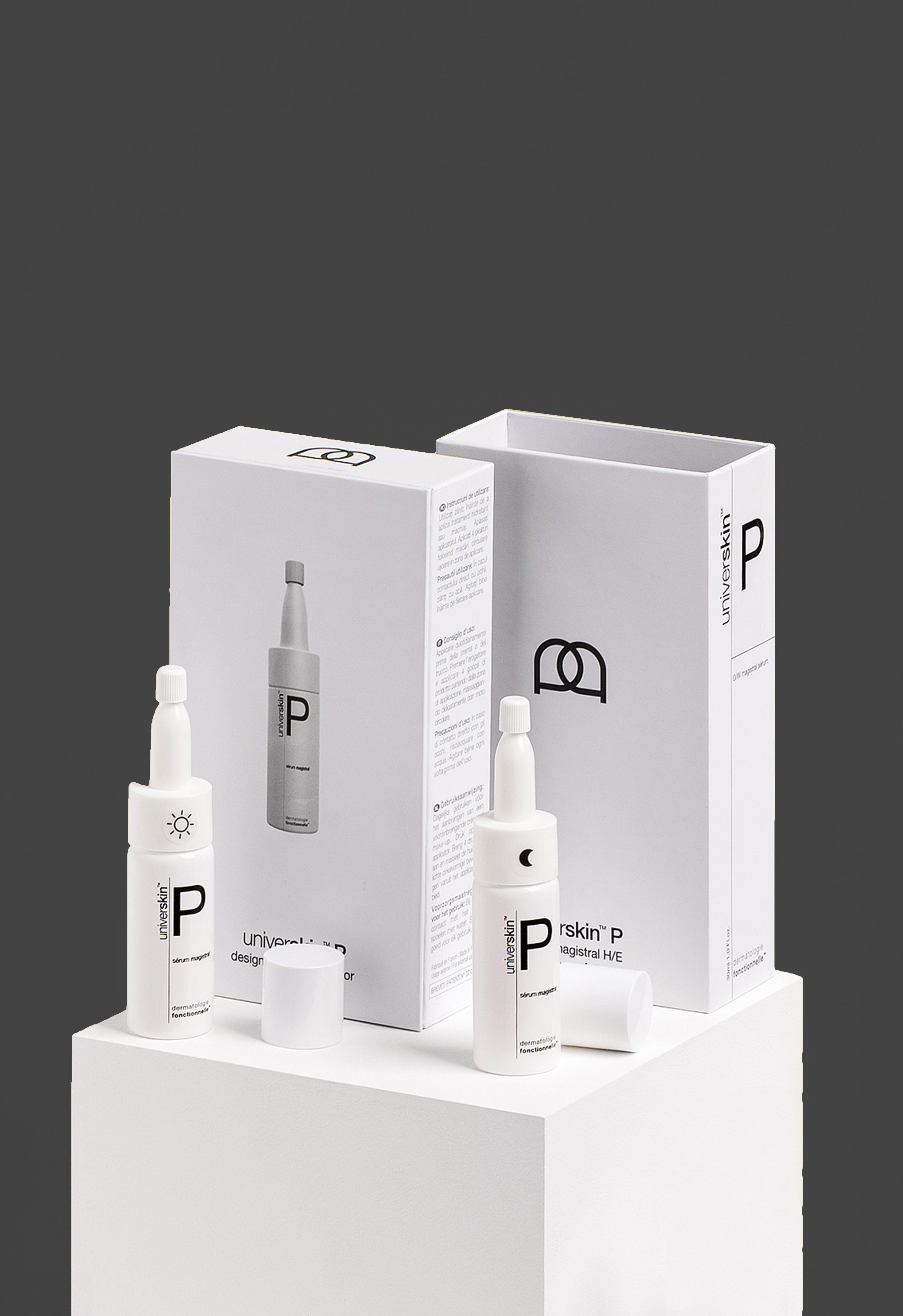
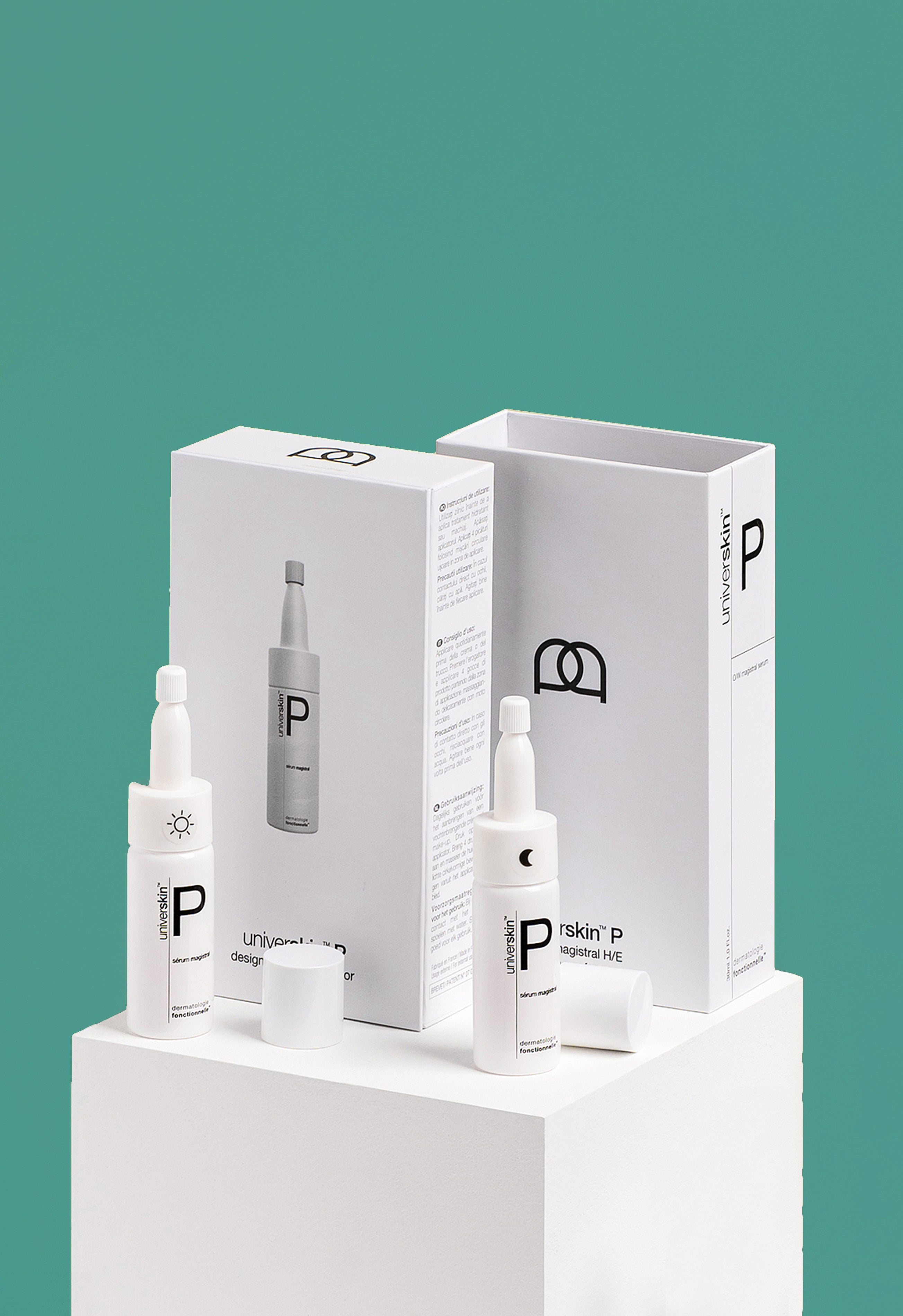
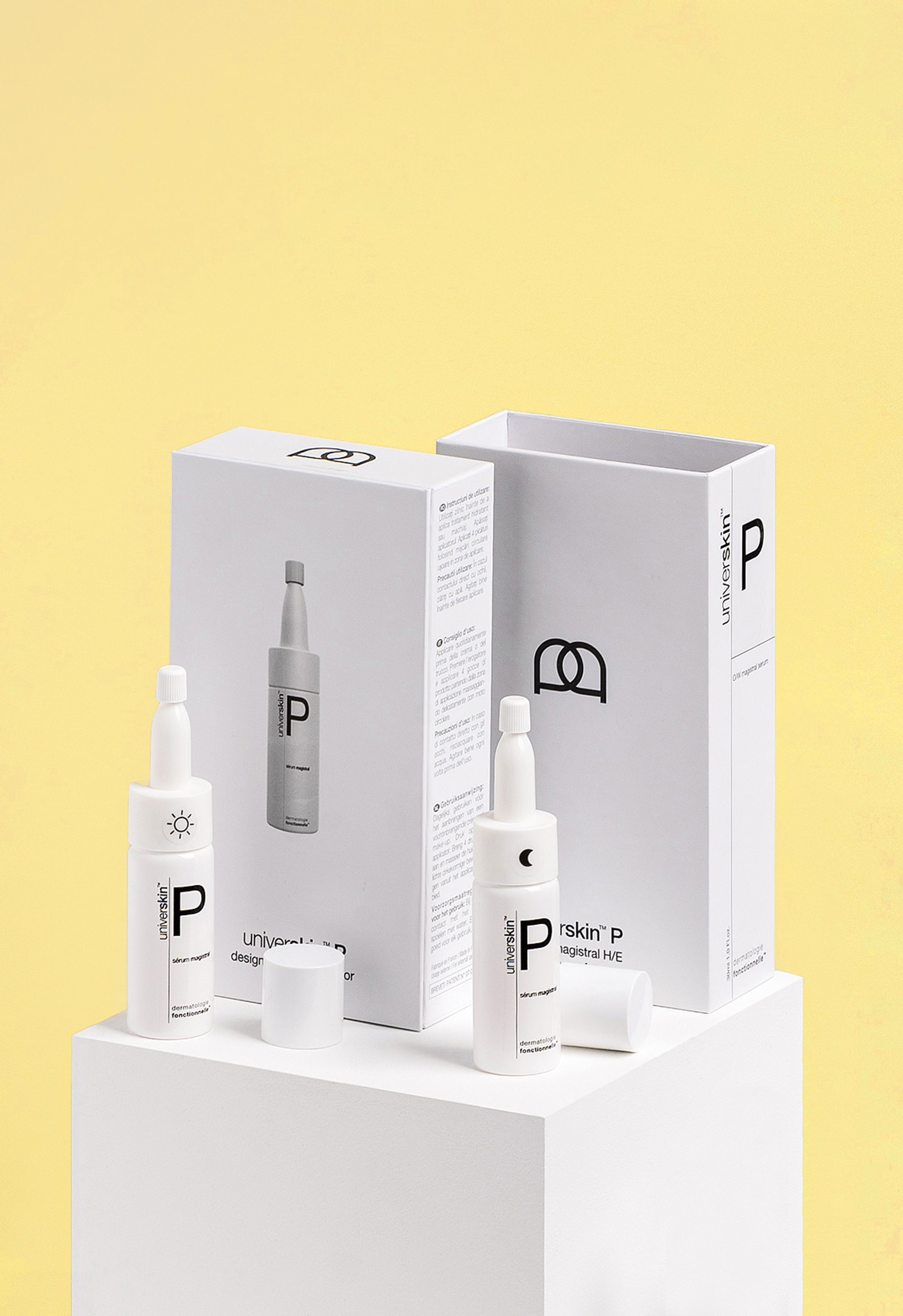
At Universkin, salicylic acid is not an off-the-shelf product — it is included as a single capsule at 2% per dose and blended into a serum base chosen for your skin. It is a single-capsule active dosed at the maximum permitted cosmetic strength, so its performance comes from the quality of the formulation and the actives it is paired with, rather than from stacking more of it. The starting point is a free, photo-based AI skin analysis, reviewed by a professional, which reads your skin across dozens of parameters and recommends the actives suited to you. See it at work in Formula 30 and across our serums for acne and blemishes, or explore the full range of active ingredients.
Skin concerns this ingredient can help with
In a personalized formula, this active is commonly used to help target:
Featured collection
Salicylic Acid BASED SERUMS FORMULAS