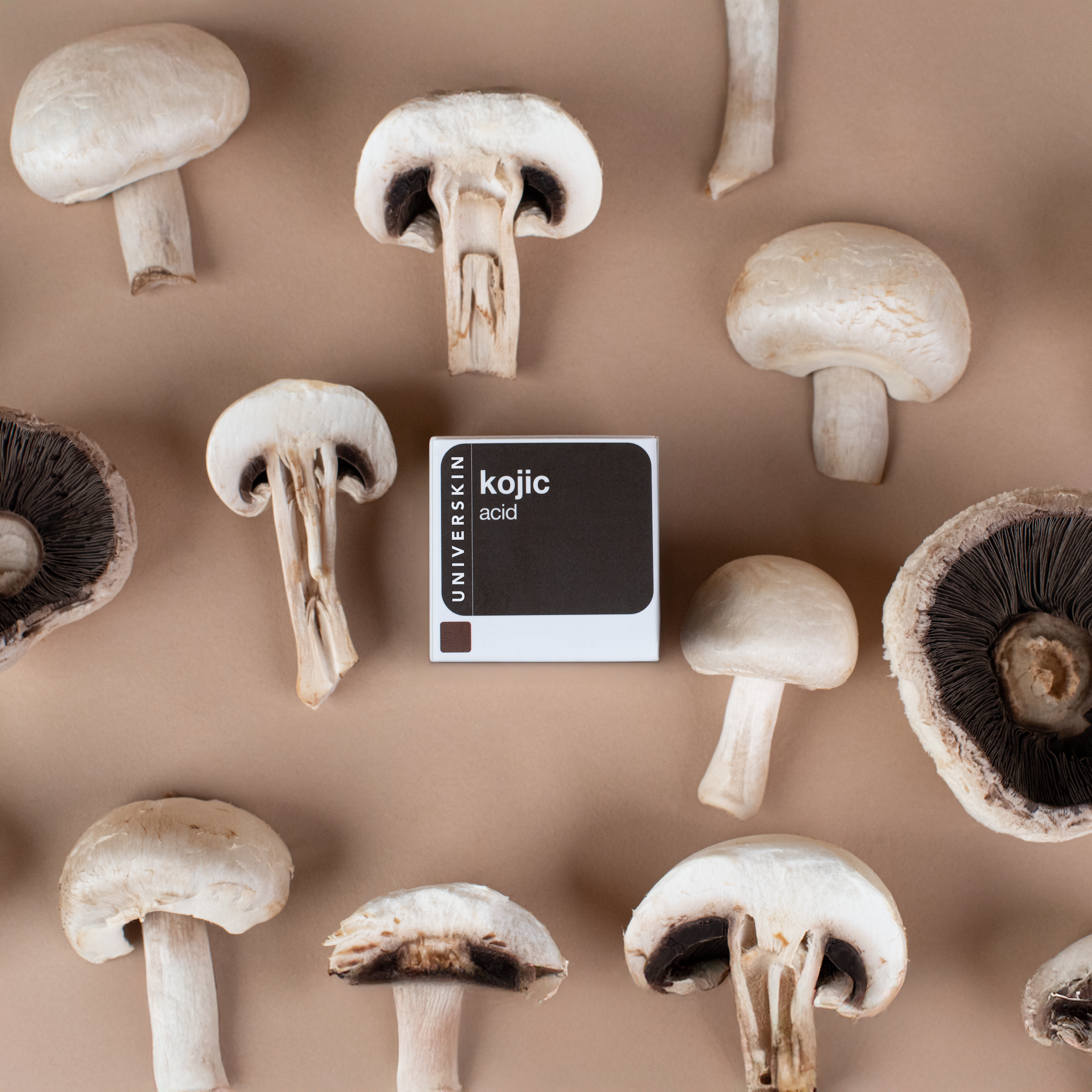
1% PER DOSE
KOJIC ACID
KOJIC ACID
Kojic acid is a popular ingredient in skincare products in Asia, particularly in Japan and other East Asian countries. Kojic acid is a traditional skin-lightening agent in Japan, where it has been used for centuries to improve the appearance of age spots, and other forms of hyperpigmentation.
Today it is valued worldwide as a gentle, fermentation-derived way to fade dark spots and even out skin tone by slowing the production of excess melanin.
Concentration
The concentration of Kojic Acid in skincare products can vary, but it is usually present in concentrations of 1% or less. Higher concentrations mainly raise the risk of irritation, so formulations — including Universkin's — favor a well-tolerated dose around 1% used consistently.
Who Should Use It
Kojic acid may be suitable for individuals who are looking to improve the appearance of hyperpigmentation, dark spots and patches, and post-inflammatory hyperpigmentation. It can be used by individuals of all skin types and phototypes, but it may be particularly beneficial for those with darker skin tones. Kojic acid can also be used as a preventative measure for individuals who are at risk of developing hyperpigmentation, such as those who spend a lot of time in the sun or who have a family history of hyperpigmentation.

Can Be Used In Combination With
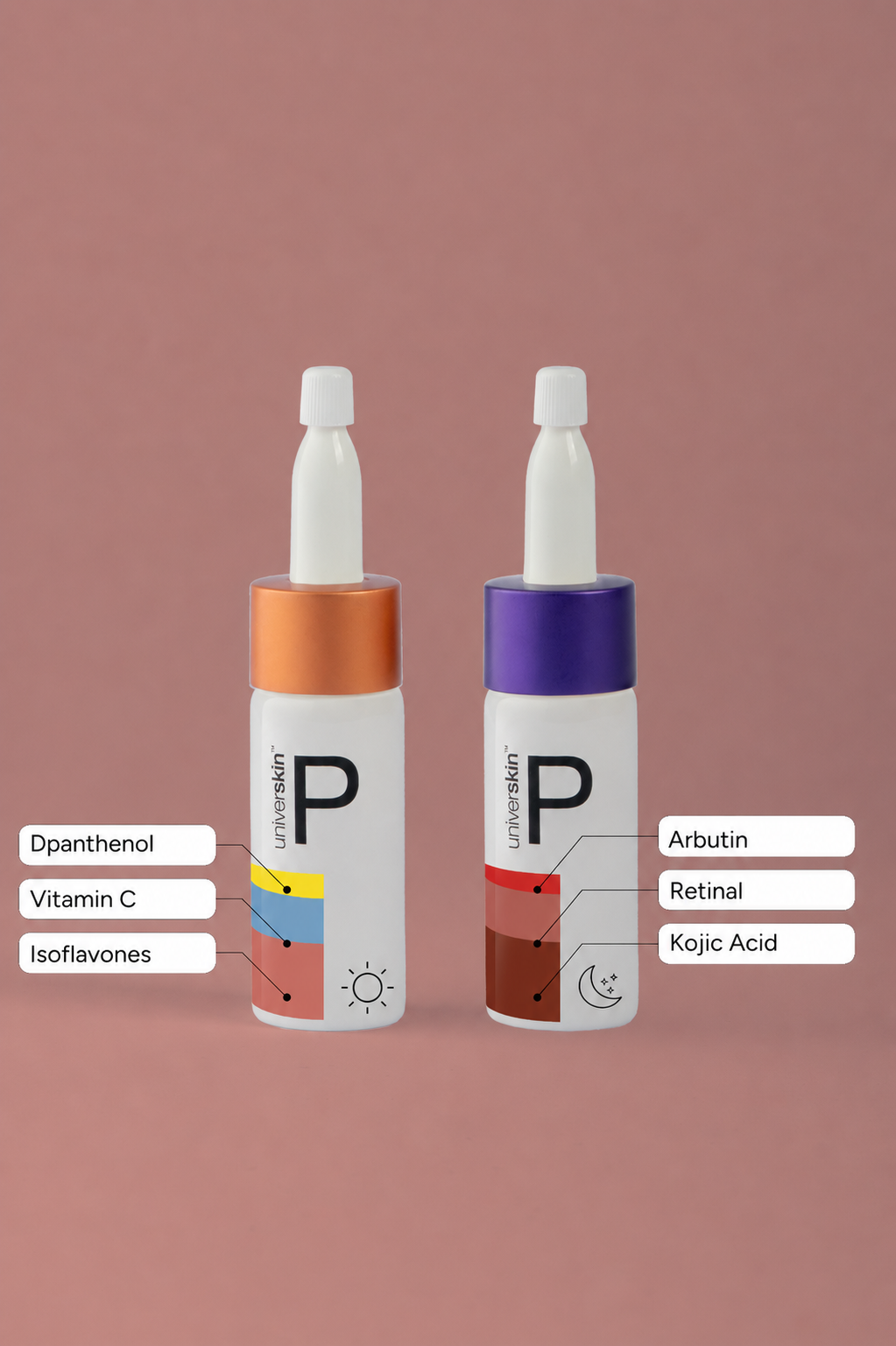
Kojic Acid works well in combination with other ingredients, including SOD, Ferulic Acid, Niacinamide, and Arbutin. These are complementary — the antioxidants help protect the result while niacinamide and arbutin even tone through different mechanisms, so thoughtfully combined actives often outperform any single ingredient alone.
How Often Can You Use It
The frequency of use depends on the individual's skin type and conditions. It can be used daily in the morning and/or in the evening, though skin new to active brighteners should begin once a day and build up as tolerance allows.
Because kojic acid works on pigment while sunlight drives it, daily broad-spectrum sun protection (SPF 30–50) is essential — without it, UV keeps stimulating melanin and undoes much of the progress. It can be layered with retinoids (retinol or retinal) and acids like glycolic acid, but combining several actives at once increases irritation risk; introduce one at a time and alternate rather than applying everything together. If redness, stinging, or flaking appears, pause for a few days and resume less often once skin settles.
Don't Use It If
As with any skincare ingredient, some individuals may be more sensitive or allergic to kojic acid than others. In general, individuals who have a known allergy or sensitivity to kojic acid or any of its derivatives should avoid using products containing it. It is also important to note that some individuals may be more prone to skin irritation or adverse reactions than others, particularly those with sensitive skin. In the absence of recommendations, kojic acid should not be used by pregnant or lactating women.
It is always recommended to test products on a small skin area before using on the face. To patch test, apply a small amount to the inner forearm or behind the ear daily for a few days and watch for redness, itching, or swelling. Skin that is sensitive or actively inflamed — for example during an eczema or rosacea flare — is best left to settle first, and anything causing ongoing discomfort should be stopped.
Origins of the Ingredient

Kojic acid is a naturally occurring substance that is derived from certain species of fungi and mushrooms. It was first isolated in 1907 and later approved as a quasi-drug ingredient in Japan in 1988, and has since been widely used in cosmetics, particularly in skin lightening products. The process of extracting kojic acid from the fungi involves the use of fermentation and filtration techniques. It is an organic molecule produced during the fermentation of certain foods. Kojic acid has gained popularity in the cosmetic industry due to its ability to regulate melanin production in the skin and even out the complexion. Universkin offers a synthetic and pure kojic acid.
Chemical Composition
Kojic acid is a natural compound that belongs to the class of organic compounds known as pyranones. Kojic acid is derived from a type of fungus called Aspergillus oryzae, which is commonly used in the production of fermented foods like soy sauce and miso. It is a white or cream-colored crystalline powder that is soluble in water and alcohol. It can also be obtained by chemical synthesis.

Mechanism of Action
Kojic acid works by inhibiting the activity of tyrosinase, the enzyme responsible for the production of melanin in the skin. By reducing the production of melanin, kojic acid helps to lighten and even out the complexion.
It is important to note that while kojic acid can be effective in reducing hyperpigmentation and even out the skin tone, it can also be irritating to some people, especially those with sensitive skin. Therefore, it is important to use kojic acid products with caution.
Benefits
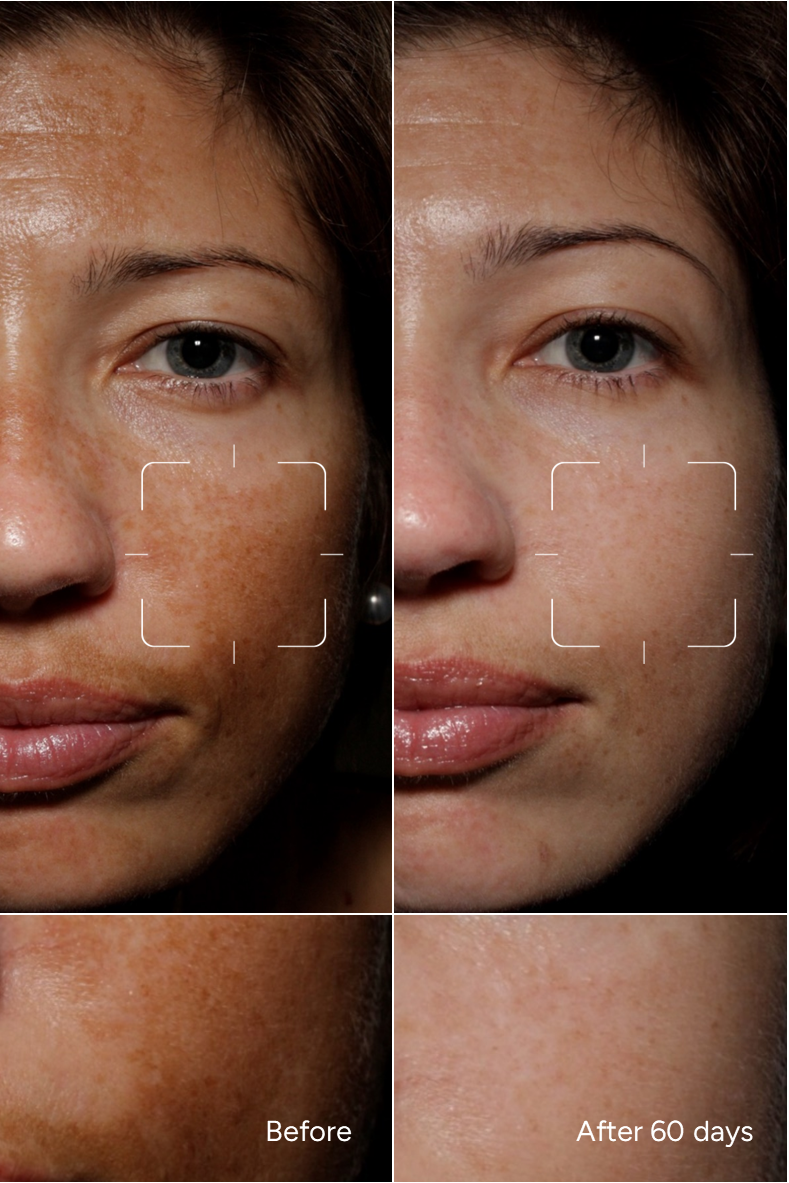
Kojic acid is known for its ability to regulate melanin production in the skin, which can help to even out the complexion and reduce the appearance of pigment spots, like age brown spots, UV-related dark spots, and more. It is often used in skincare products aimed at addressing hyperpigmentation and uneven skin tone.
Evidence & Results Timeline
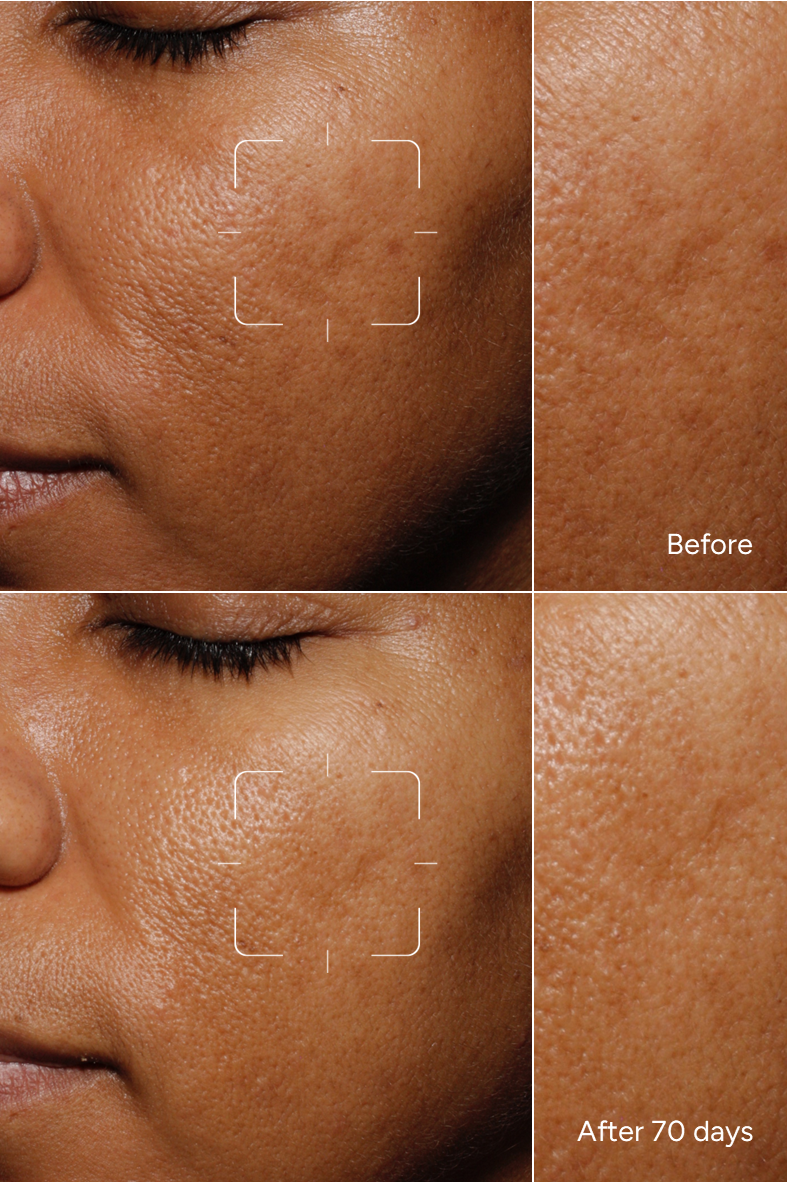
Kojic acid's brightening effect is grounded in its role as a tyrosinase inhibitor, and it has been studied both on its own and — more often — within combination treatments for melasma and stubborn hyperpigmentation. A frequently cited example is a 1996 split-face study by Garcia and Fulton, which found that adding kojic acid to a glycolic acid and hydroquinone gel improved melasma clearance compared with the same gel without it. More broadly, clinical studies have shown that topical kojic acid, at around 1–2%, can meaningfully reduce hyperpigmentation, with results improving the longer it is used.
Brightening is gradual. As a general guide for a well-tolerated ~1% dose used daily with sun protection:
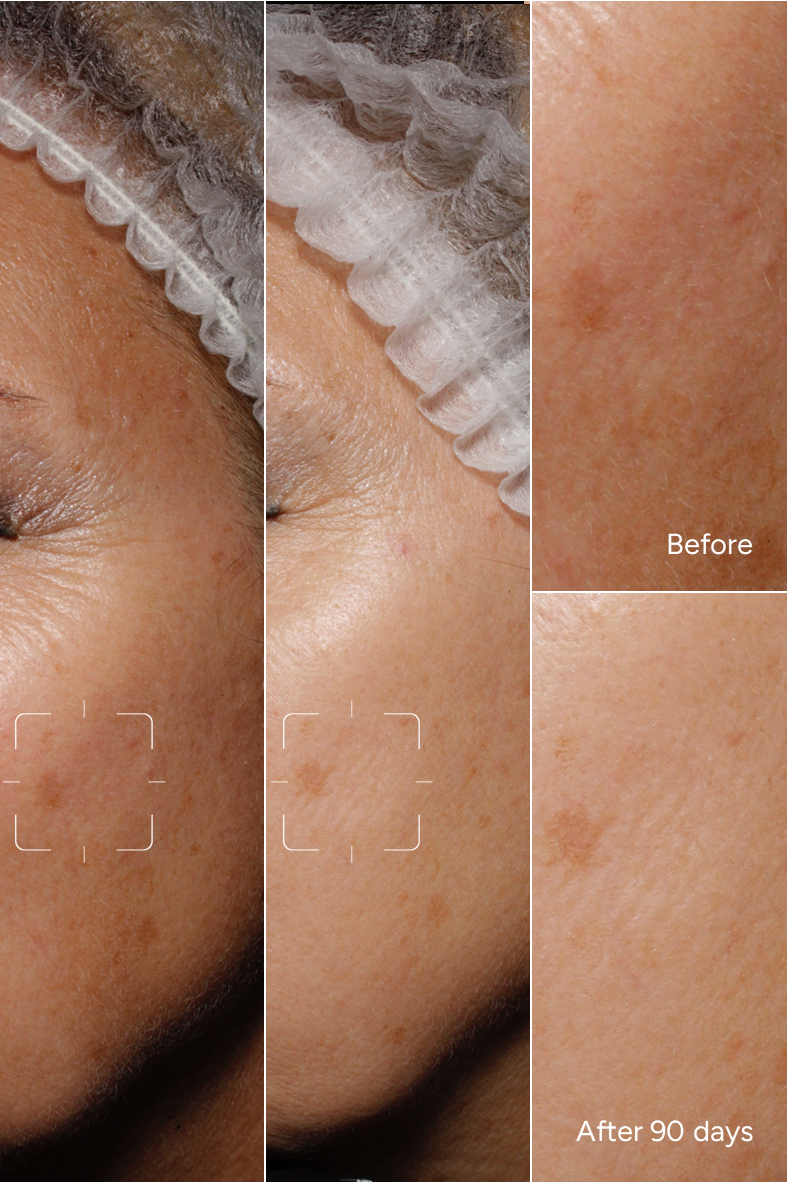
Weeks 1–4: Little visible change while the ingredient slows new melanin production; existing spots remain. Focus on consistency and daily SPF.
Weeks 4–8: Many people notice that new spots form more slowly and overall tone looks slightly more even, especially for superficial, sun-related pigmentation.
Weeks 8–12: The window in which visible fading of existing dark spots is most commonly reported. Recent sun spots and post-inflammatory marks respond faster than older or hormonally driven pigmentation such as melasma, which can take several months and usually benefits from a combination approach. Because pigment cells are easily re-stimulated by UV, results are best seen as ongoing maintenance rather than a one-time fix.
How Kojic Acid Compares to Other Brightening Ingredients
Kojic acid is one of several ingredients that target excess pigment. None is universally "best" — the right choice depends on your skin's sensitivity, the type of pigmentation, and availability.
| Ingredient | Relative strength | Irritation profile | Availability | Often chosen by |
|---|---|---|---|---|
| Kojic acid | Moderate tyrosinase inhibitor | Low to moderate; can sensitize at higher doses | Widely available | A gentle, non-prescription, naturally derived brightener |
| Hydroquinone | High; the clinical benchmark | Moderate; long-term use risks irritation and, rarely, ochronosis | Prescription or restricted in many regions | Stubborn pigmentation, under medical supervision |
| Arbutin | Mild to moderate; releases hydroquinone slowly | Low; well tolerated | Widely available | Sensitive skin; gradual brightening |
| Vitamin C | Mild brightening plus antioxidant action | Low to moderate; can sting sensitive skin | Widely available | Everyday radiance and antioxidant protection |
In practice, arbutin and kojic acid suit those wanting a gentler, non-prescription route and a gradual result, while vitamin C adds antioxidant benefits alongside milder brightening. Hydroquinone is the most potent option but is regulated or prescription-only in many regions and reserved for shorter, supervised courses. Because these ingredients act on melanin through the same pathway, combining complementary agents — as our doctors do — often gives a more even result than any one at a high dose.
Kojic Acid in Your Personalized Formula
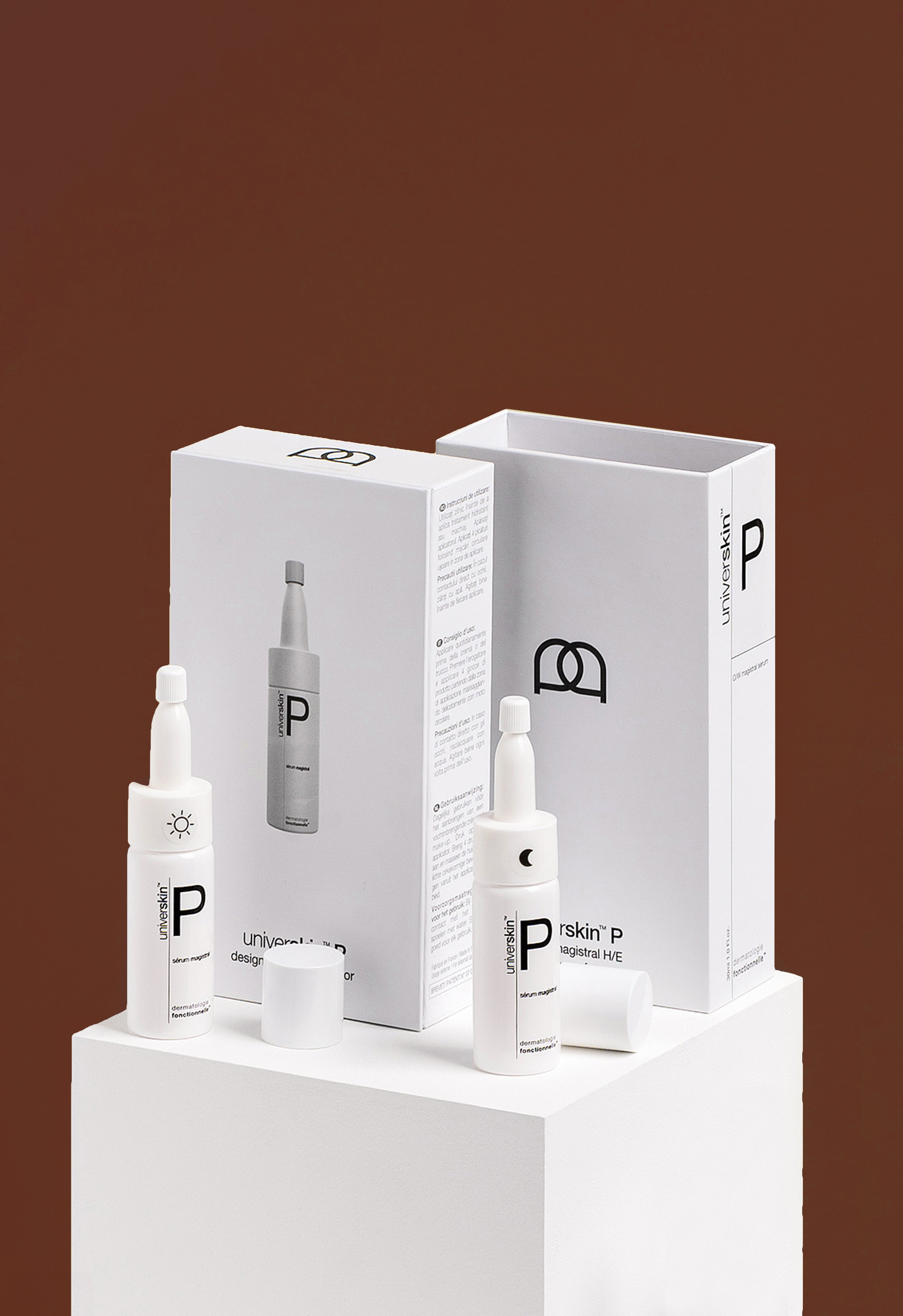
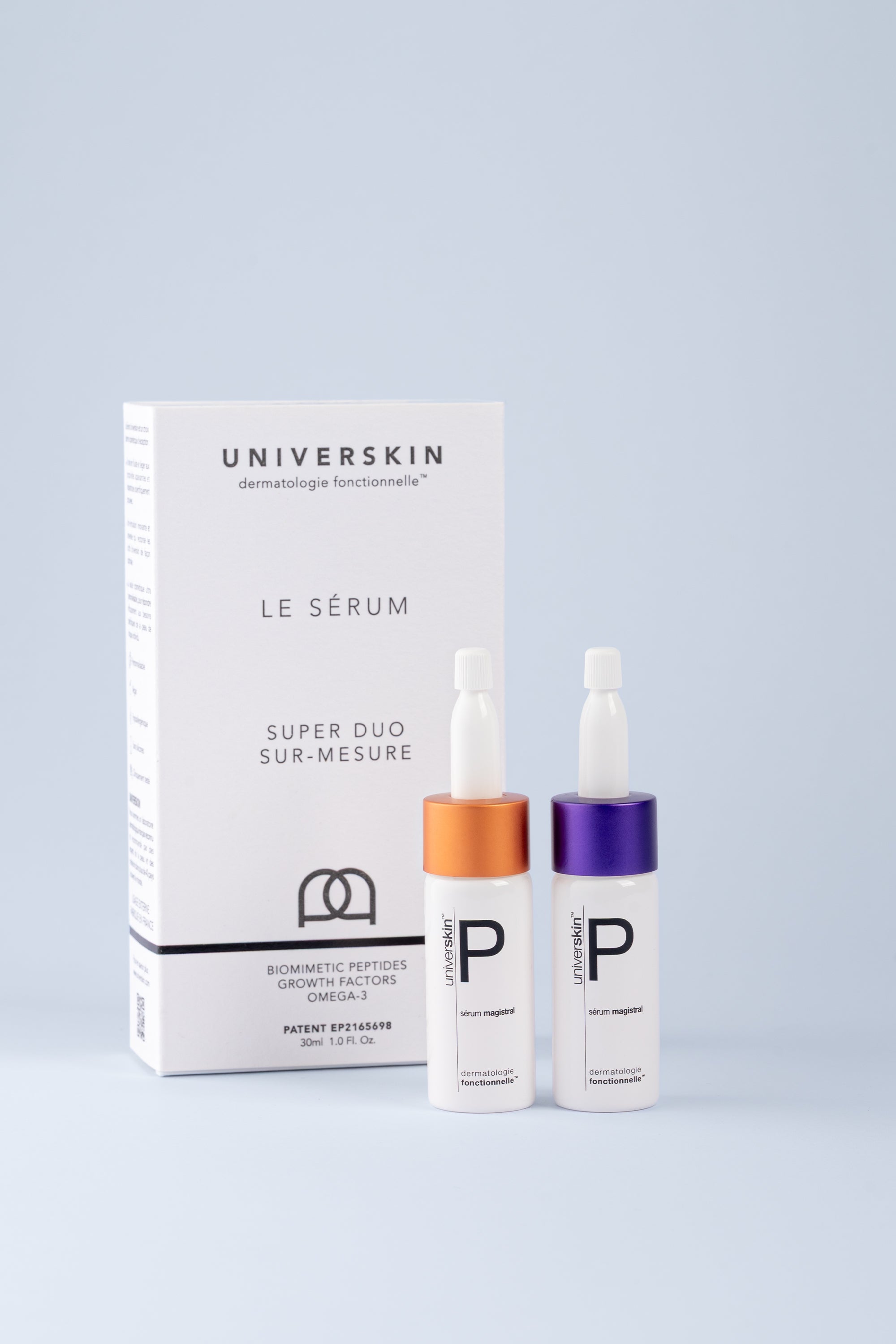
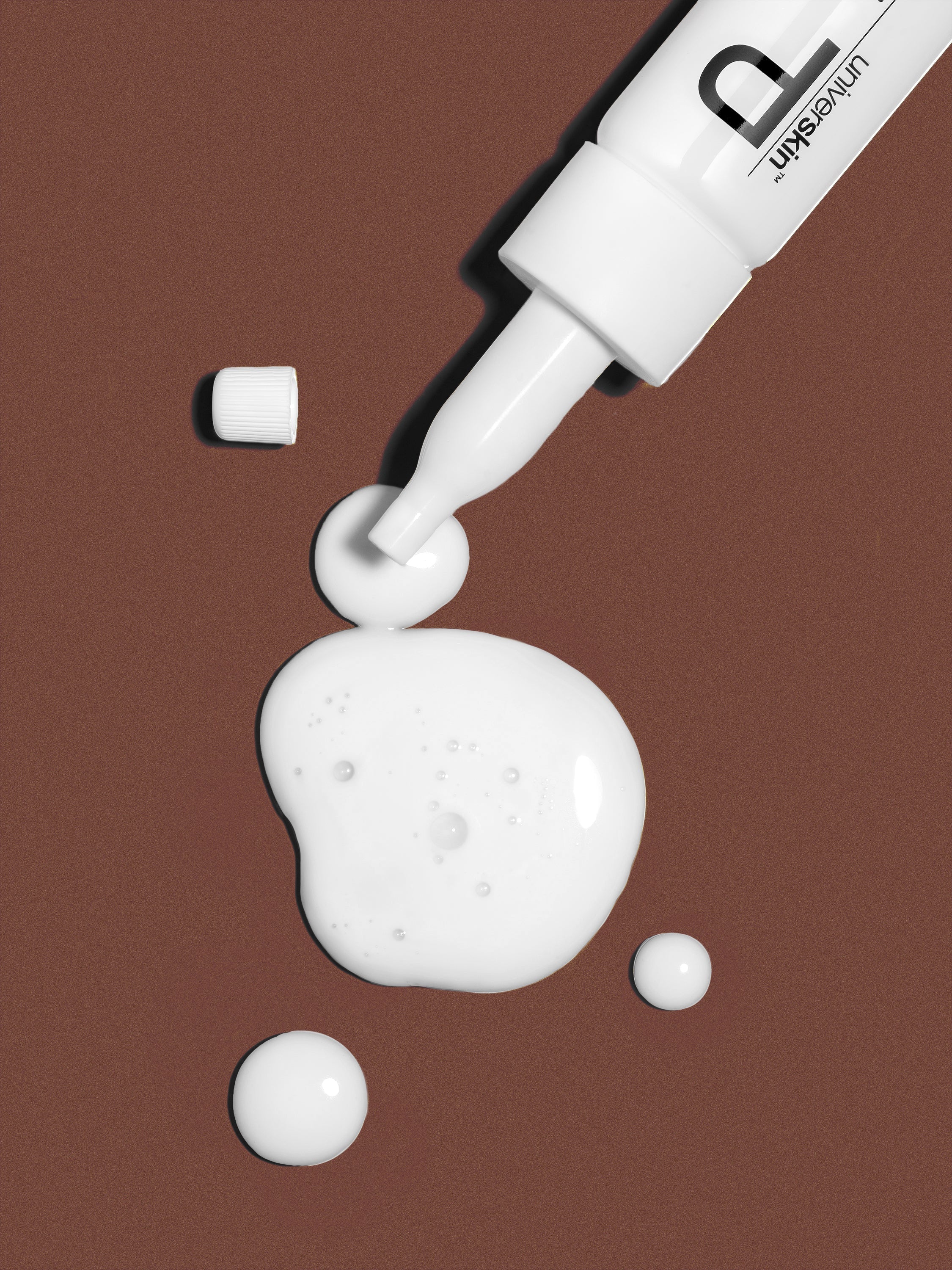
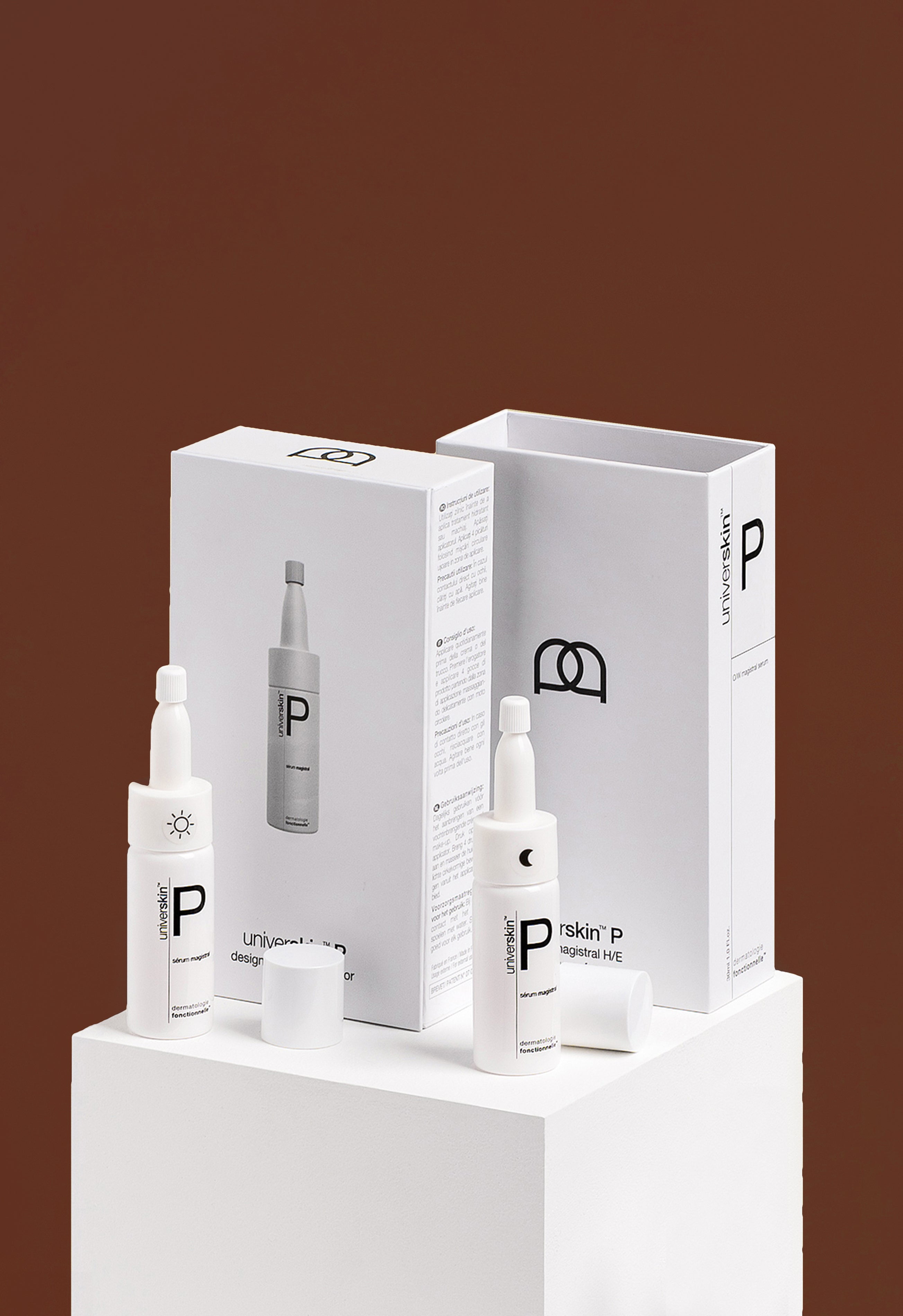
At Universkin, kojic acid is not sold as a fixed, off-the-shelf cream. It is one of the active ingredients a doctor can dose into a serum made specifically for your skin, included at 1% per dose — a level chosen to balance visible brightening with good tolerability — and paired, as needed, with complementary actives such as arbutin, niacinamide, or antioxidants.
The process begins with an AI skin analysis: photographs are assessed across dozens of parameters, including pigmentation, so a doctor can decide whether kojic acid — and in what combination — is right for you. If uneven tone or dark spots are a primary concern, explore our pigmentation serums and kojic-acid-based formulas, including Formula 43, Formula 44 (for melanin-rich skin), and Formula 45.
Stability
Kojic acid is a stable ingredient.
In conclusion, Kojic Acid is a highly effective ingredient for regulating melanin production and even skin complexion but it is best to avoid it on sensitive and reactive skin.
Frequently Asked Questions
Is kojic acid safe to use every day?
For most people, kojic acid at a low concentration around 1% can be used daily, morning and/or evening. It is still wise to start once a day, patch test first, and pair it with daily sunscreen. If your skin is sensitive, use it less often and pause at the first sign of persistent redness or stinging.
How long does kojic acid take to fade dark spots?
Brightening is gradual. With consistent daily use and sun protection, many people see a more even tone within about 8 to 12 weeks. Superficial, sun-related spots and post-inflammatory marks respond faster, while older or hormonally driven pigmentation such as melasma can take several months and often needs a combination of ingredients. Results vary.
Kojic acid vs hydroquinone: which is better for hyperpigmentation?
Hydroquinone is more potent and is often the clinical benchmark, but it is regulated or prescription-only in many regions and can be more irritating over time. Kojic acid is a gentler, non-prescription alternative through the same pathway, often used in combination. Which is "better" depends on your skin, tolerance, and medical guidance.
Can I use kojic acid with vitamin C or retinol?
Yes. Kojic acid pairs well with vitamin C, which adds antioxidant and brightening benefits, and with retinol, which supports cell turnover. Because layering several actives raises irritation risk, introduce them one at a time, consider alternating across the day or week, and always use sunscreen. If irritation appears, simplify and reintroduce gradually.
Does kojic acid lighten skin permanently or do dark spots come back?
Kojic acid does not permanently lighten skin. It works by slowing melanin production, so its effect lasts while you keep using it and protecting your skin from the sun. If treatment stops and pigment triggers remain — especially UV exposure or hormones — dark spots can gradually return. Ongoing sun protection and maintenance are key to keeping results.
Skin concerns this ingredient can help with
In a personalized formula, this active is commonly used to help target:
Featured collection
Kojic Acid BASED SERUMS FORMULAS