Acne-Prone Skin & Blemishes: Causes, Treatment & Care
If you have acne-prone skin, you already know the pattern: pores that clog easily, breakouts that show up before an event, and blemishes that seem to linger long after the spot itself has gone. Whether you call them pimples, spots, breakouts or zits, they all trace back to the same place — a pore that has become blocked and inflamed. Acne is one of the most common skin concerns in the world, and it affects far more than teenagers. Many people first develop breakouts, or find them getting worse, well into their 20s, 30s and 40s.
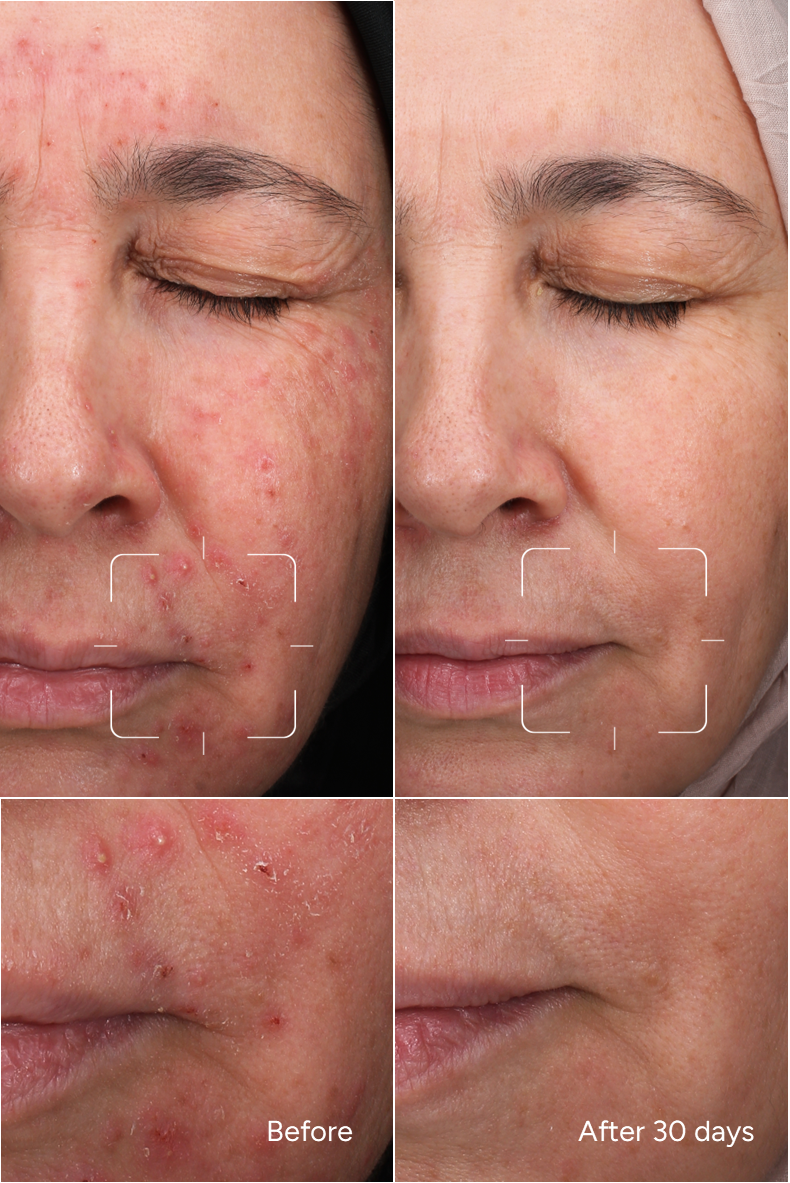
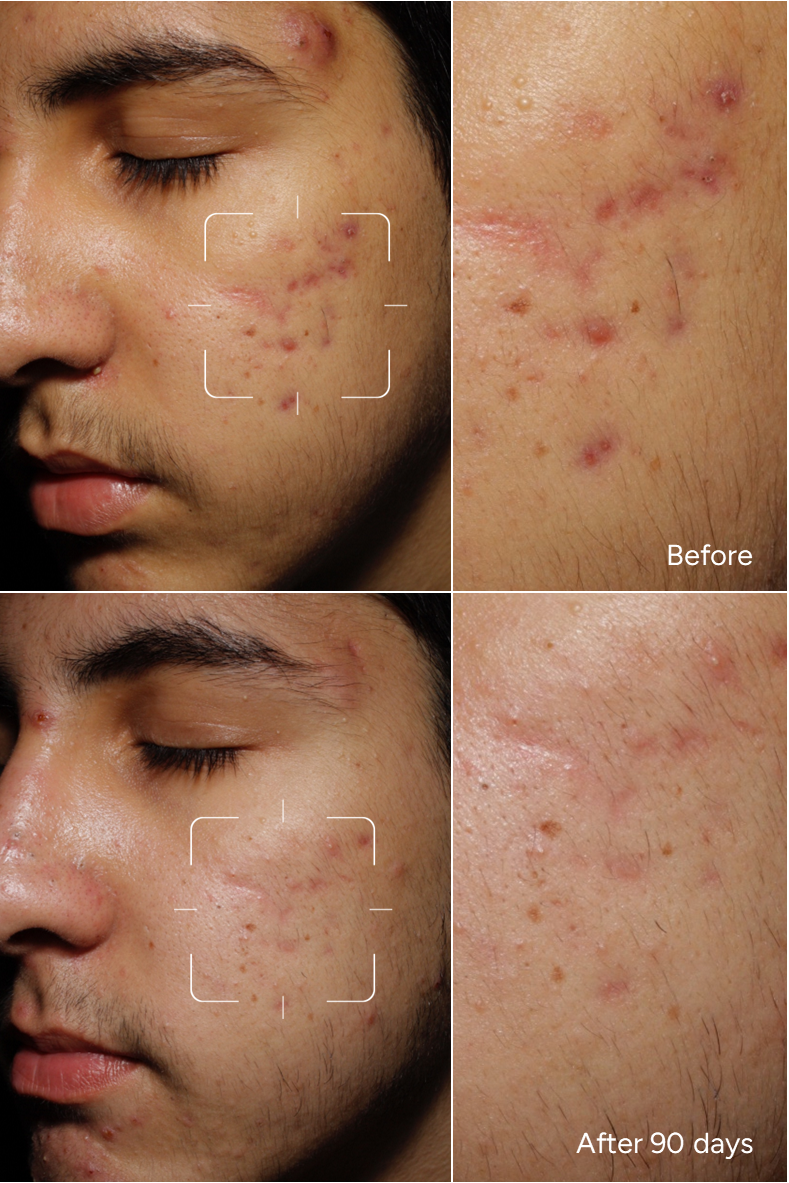
Blemishes show up in different forms: tiny blackheads and whiteheads (clogged pores), raised red papules and pustules (inflamed spots), and deeper, tender cysts or nodules. Many people also live with the aftermath — post-blemish marks and uneven tone that can outlast the breakout for weeks. Breakouts most often appear on the face, but the chest, back and shoulders are common too, since these areas also have plenty of oil glands. Understanding what is happening beneath the surface is the first step toward calmer, clearer skin — and toward a routine that treats the cause rather than just chasing individual spots.
What causes acne and blemishes?
A blemish begins inside the pore. When excess oil (sebum), dead skin cells and naturally occurring bacteria build up together, the pore becomes blocked. If the blockage stays near the surface you get a blackhead or whitehead; if the pore wall breaks and inflammation sets in, you get a red, swollen spot. Genetics strongly influence how reactive your pores are, which is why acne often runs in families.
Several factors commonly drive or worsen breakouts:
- Hormones. Androgens increase oil production, which is why breakouts flare during puberty, around the menstrual cycle, in pregnancy, and with conditions such as PCOS. Adult hormonal acne often clusters on the lower face, jawline and chin.
- Excess oil and clogged pores. Skin that produces more sebum, or sheds cells unevenly inside the pore, clogs more readily.
- Stress. Raised cortisol can stimulate oil glands and inflammation, which is why breakouts often appear during demanding periods.
- Products and friction. Heavy, pore-clogging (comedogenic) products, as well as repeated rubbing from phones, helmets or masks, can trigger localised blemishes.
- Diet, for some people. Evidence is strongest for high-glycaemic foods and, in some individuals, dairy. Diet is one piece of the puzzle rather than the whole cause — and not everyone is affected.
It is worth clearing up a common myth: acne is not a sign of poor hygiene, and over-washing does not fix it. Scrubbing hard or cleansing constantly tends to irritate the skin barrier and can make breakouts worse, not better.
How to manage and treat acne and blemishes
Acne responds best to a consistent, gentle and patient approach rather than aggressive treatment. The goal is to keep pores clear, calm inflammation and protect the skin barrier at the same time. A sensible routine usually looks like this:
- Cleanse gently, twice a day. Use a mild cleanser with your fingertips — morning, evening and after heavy sweating. Avoid harsh scrubs and abrasive brushes.
- Introduce targeted actives. Ingredients that unclog pores, reduce oil and calm inflammation (covered below) are the workhorses of blemish care. Introduce one at a time so your skin can adjust.
- Do not pick or squeeze. Popping a spot pushes contents deeper, increases inflammation and raises the risk of scarring and dark marks.
- Moisturise and use sunscreen. A light, non-comedogenic moisturiser supports the barrier, and daily SPF helps prevent post-blemish marks from darkening.
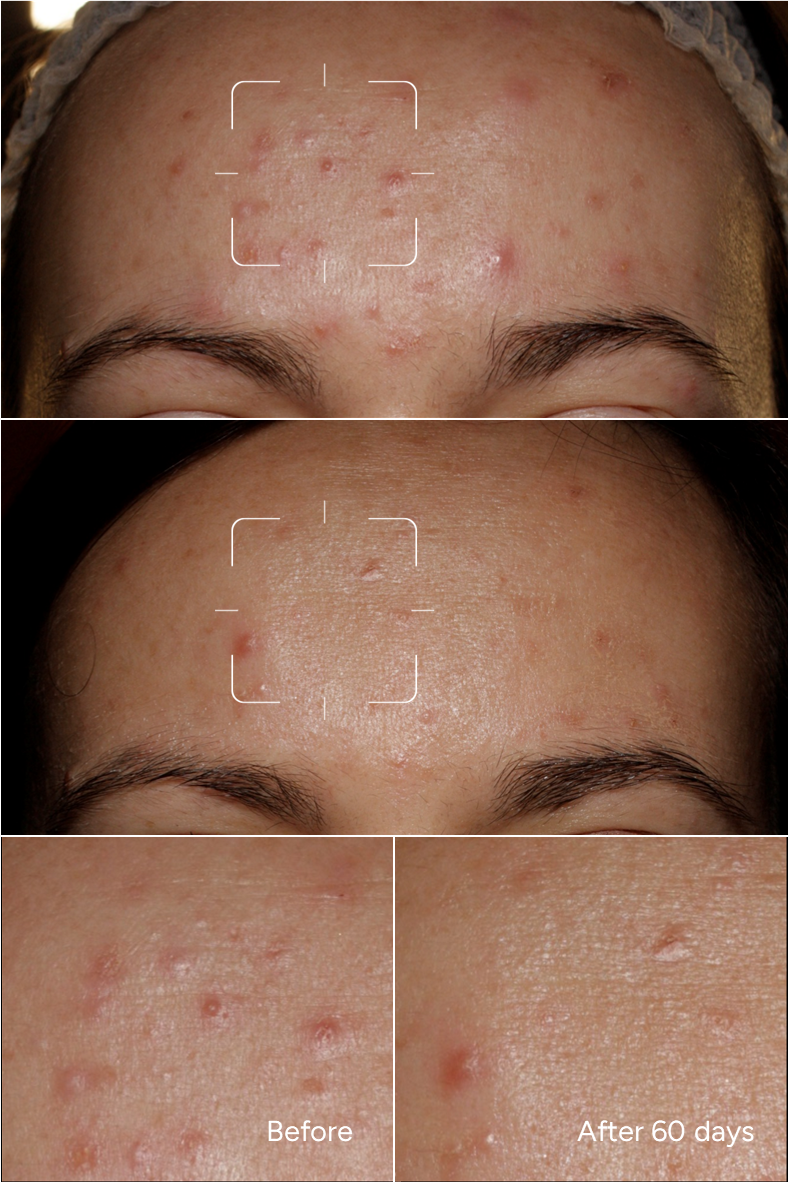
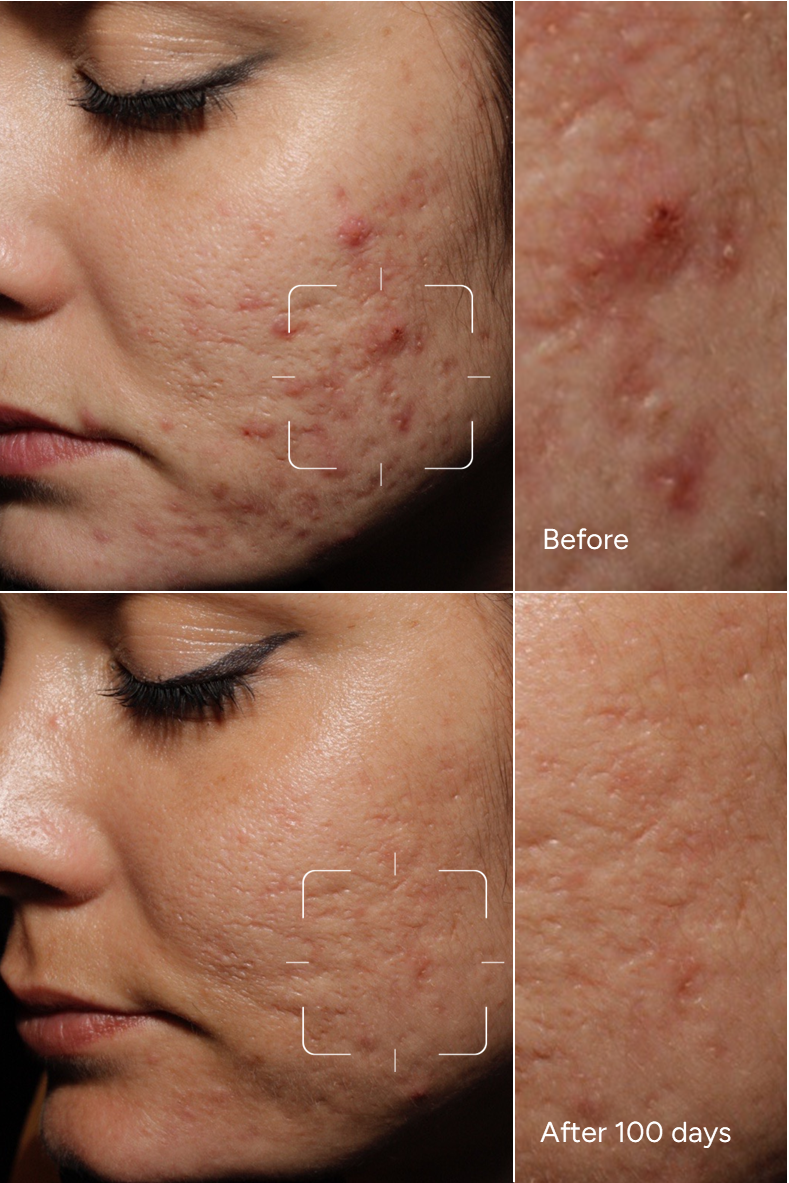
- Give it time. Most actives take 6 to 8 weeks to show meaningful improvement, and two to three months for fuller clearing. Switching products constantly rarely helps.
A common mistake is treating only the visible spot while ignoring the skin around it. Blemish-prone skin usually does better when the whole routine — cleansing, actives, moisturiser and sunscreen — is designed to work together, rather than layering on strong spot treatments that dry out and irritate the surface.
If breakouts are widespread, painful, leaving scars, or simply not responding after a few months of consistent care, that is the point to seek professional help. A qualified clinician can assess what is driving your acne and tailor stronger options to your skin.
Key ingredients that target acne and blemishes
Several well-studied actives address different parts of the blemish cycle. The most effective routine often combines a pore-clearing ingredient with something to calm inflammation and even out tone.
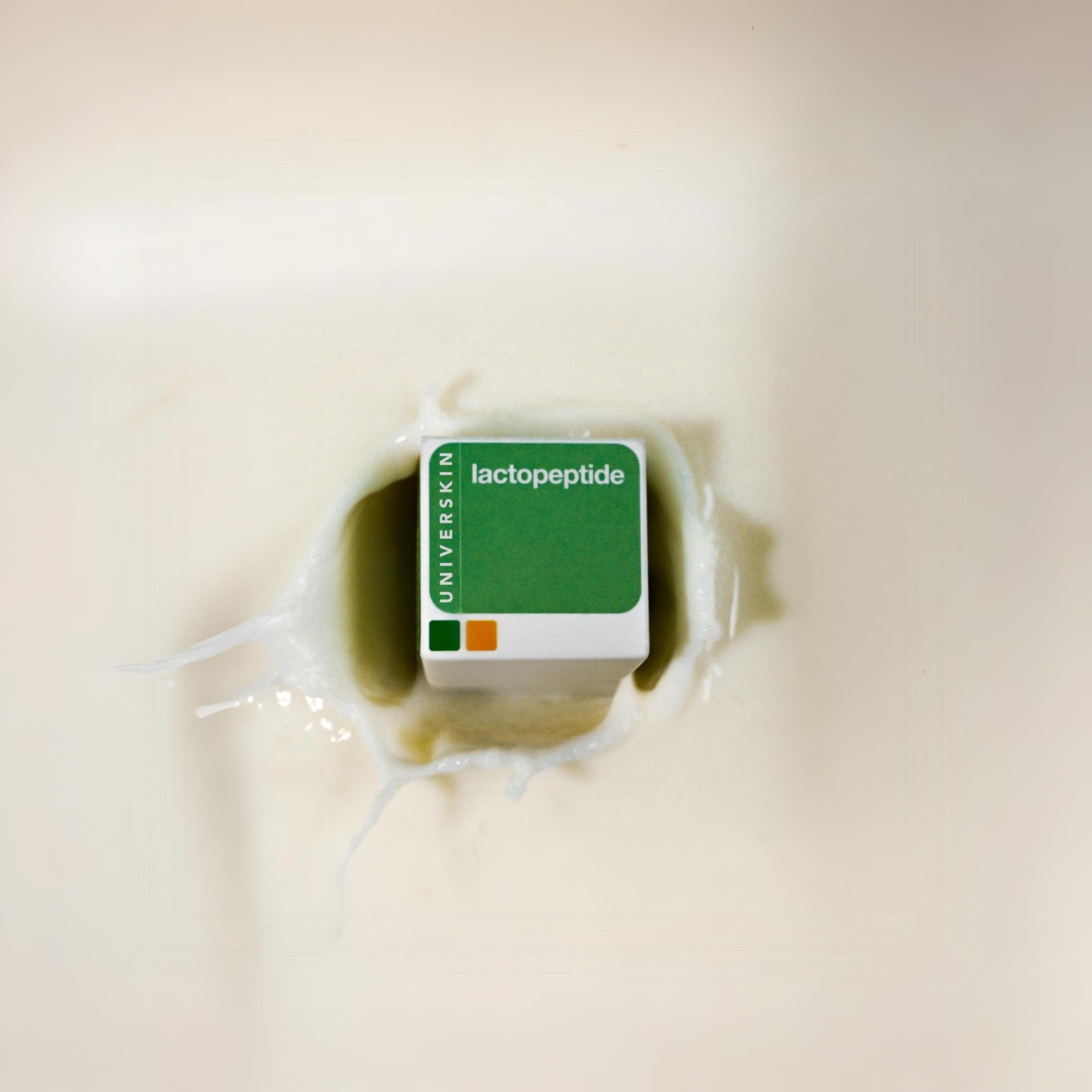
- Lactopeptide is a natural antimicrobial peptide (from fermented Lactococcus lactis) that targets acne-causing bacteria directly — disrupting them with broad-spectrum action and, unlike antibiotics, without the risk of resistance. Because it is gentle and non-exfoliating, it suits reactive, blemish-prone skin and pairs well with other actives. Discover lactopeptide and how it calms breakouts at the source.
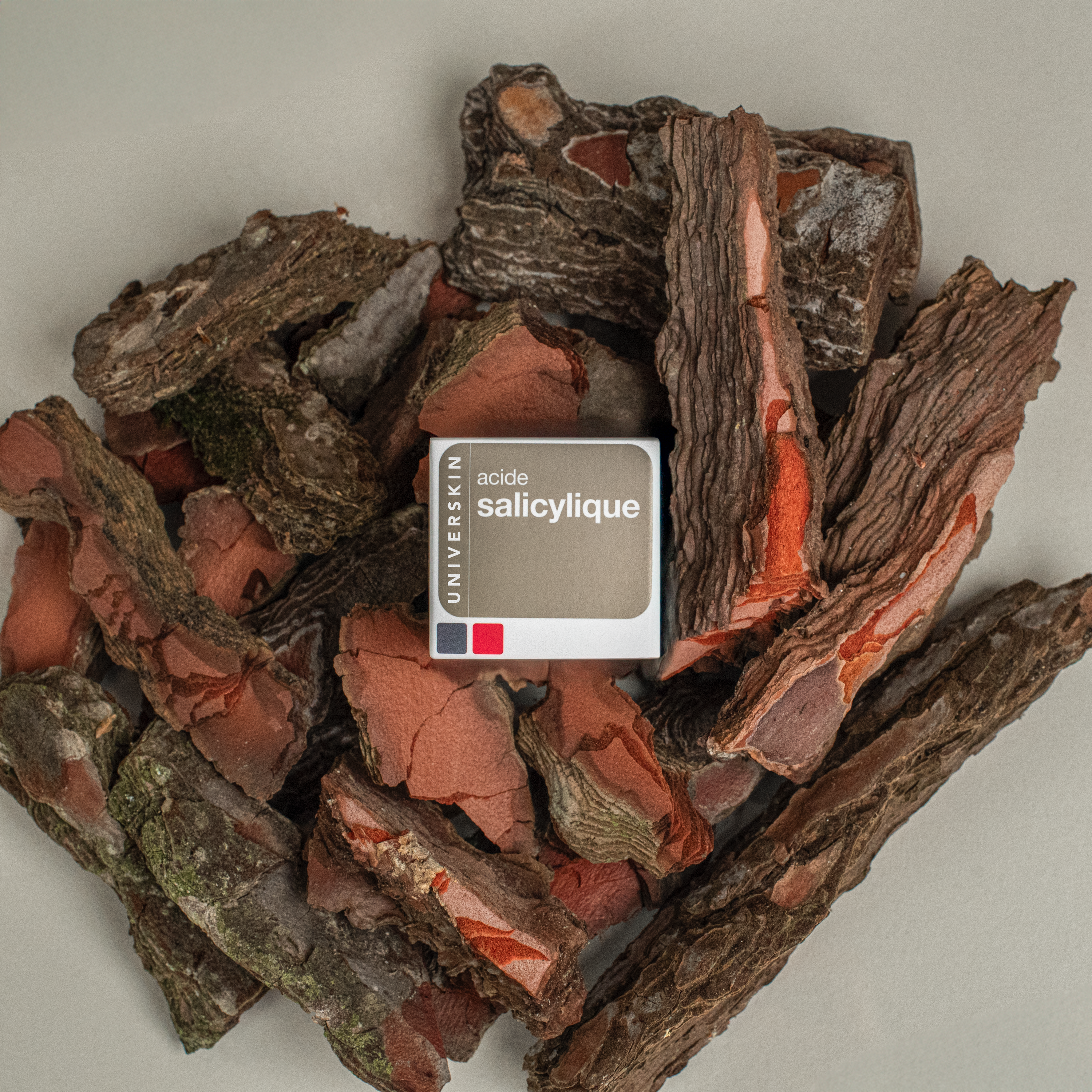
- Salicylic acid is an oil-soluble exfoliant (a BHA) that works inside the pore, dissolving the mix of oil and dead cells that causes blackheads, whiteheads and clogged pores. A cornerstone for oily, congested skin — learn more about salicylic acid and how it clears pores.
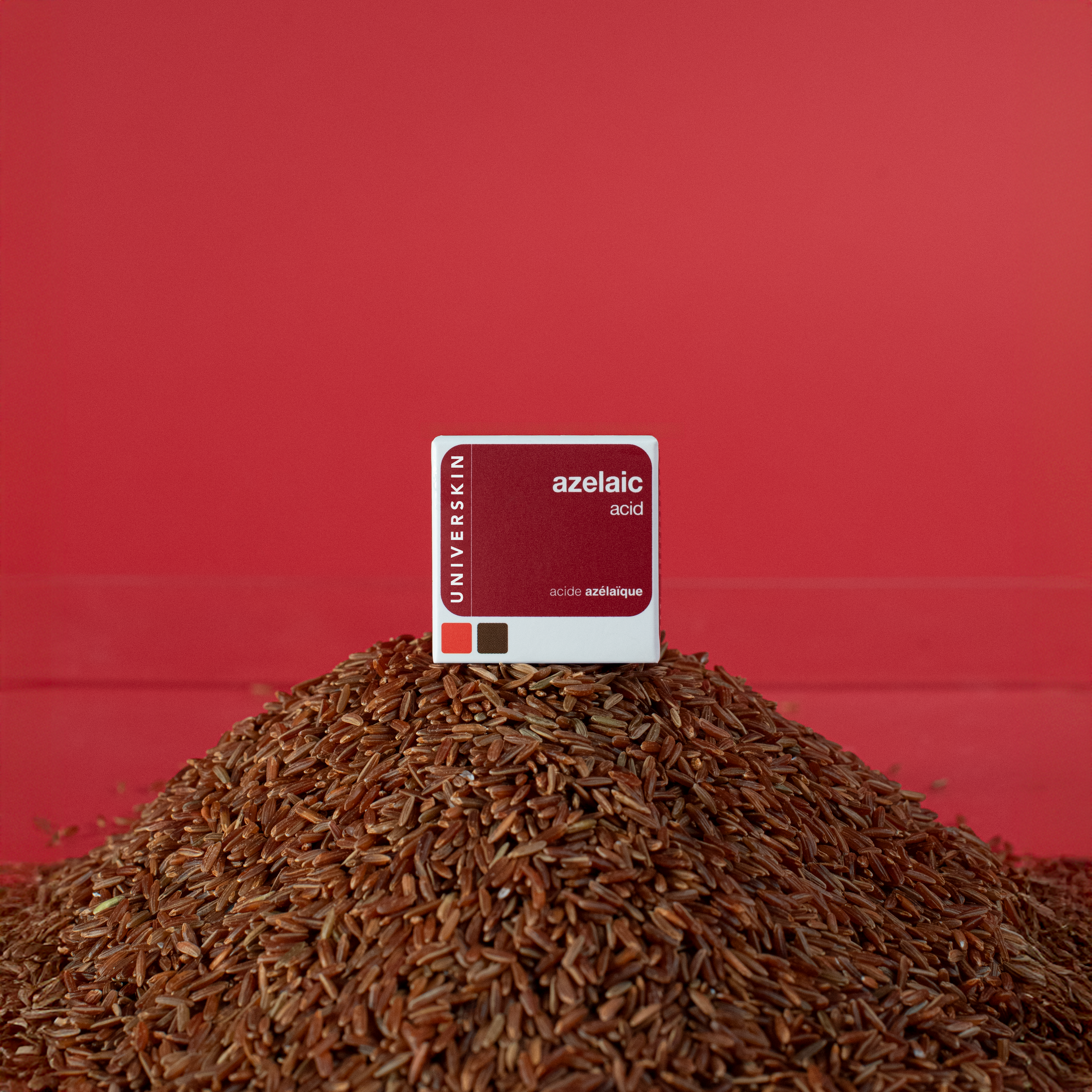
- Azelaic acid tackles several things at once: it calms inflammation, helps clear blocked pores and fades the post-blemish marks acne leaves behind, making it a versatile choice for reactive skin. Read about azelaic acid and its role in blemish care.
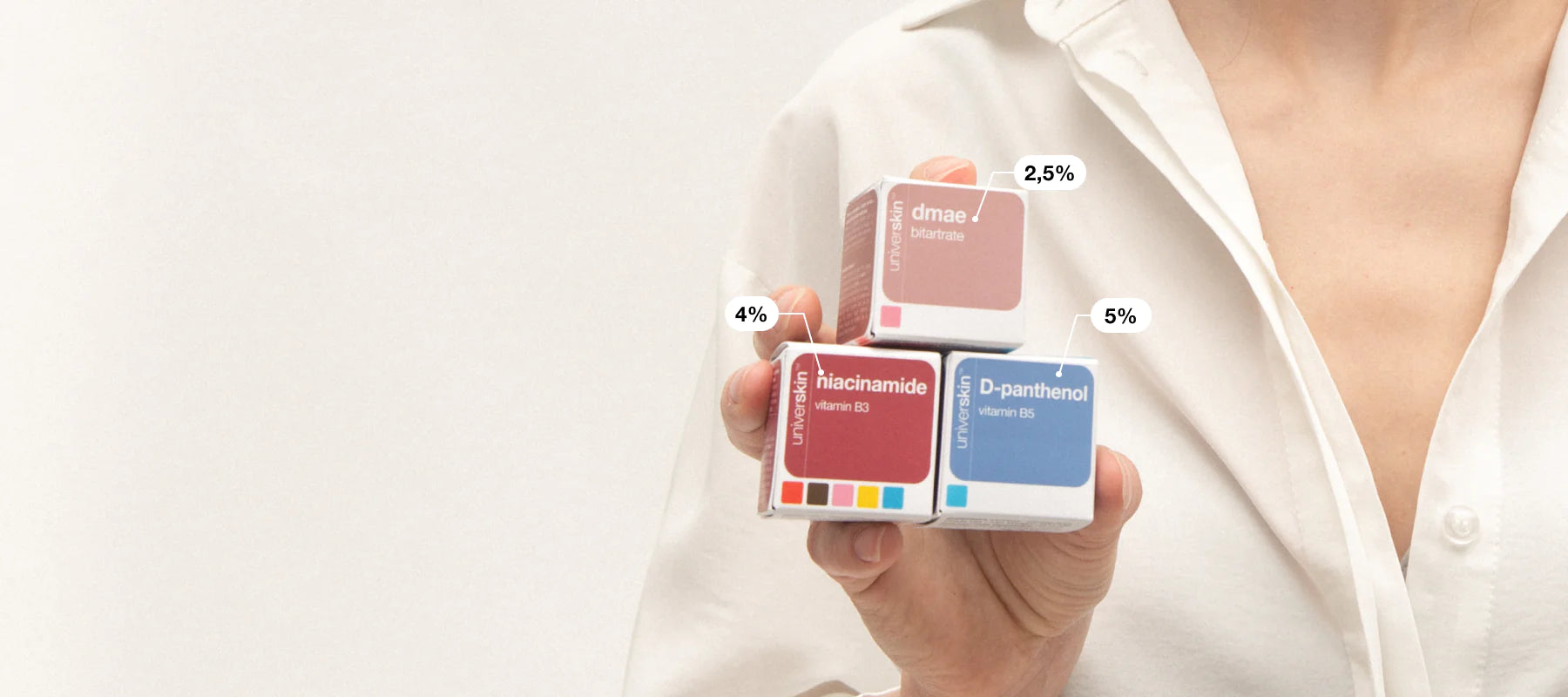
- Niacinamide helps regulate oil, reduce redness and support the skin barrier, so blemish-prone skin looks calmer and less shiny over time. Explore niacinamide for oil balance and soothing.
- Zinc has soothing, oil-regulating properties that can help quieten inflamed, congested skin. See how zinc supports blemish-prone complexions.
- Glycolic acid is a surface exfoliant (an AHA) that lifts away dead cells, smooths texture and helps fade the uneven tone and marks left after breakouts. Discover glycolic acid for renewal and clarity.
These actives are powerful, but the right combination and strength depend entirely on your skin — its oiliness, sensitivity and the type of blemishes you get. Using too many at once, or too high a concentration, is a common reason routines backfire.
Your personalized acne and blemishes approach
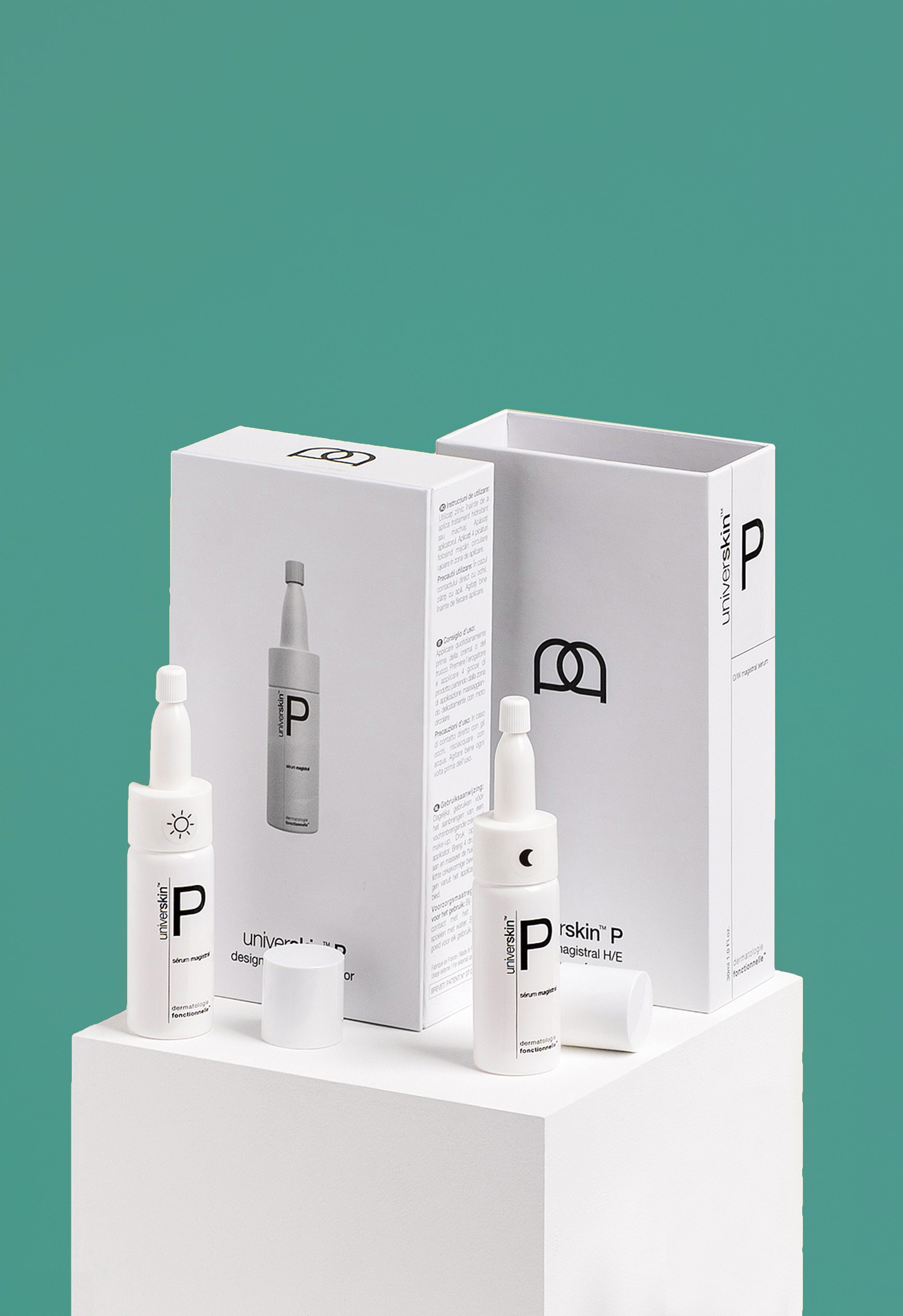
Because no two cases of acne are the same, generic products often over-treat one aspect and ignore another. Universkin takes a different route: we start by understanding your skin, then build a formula around it.
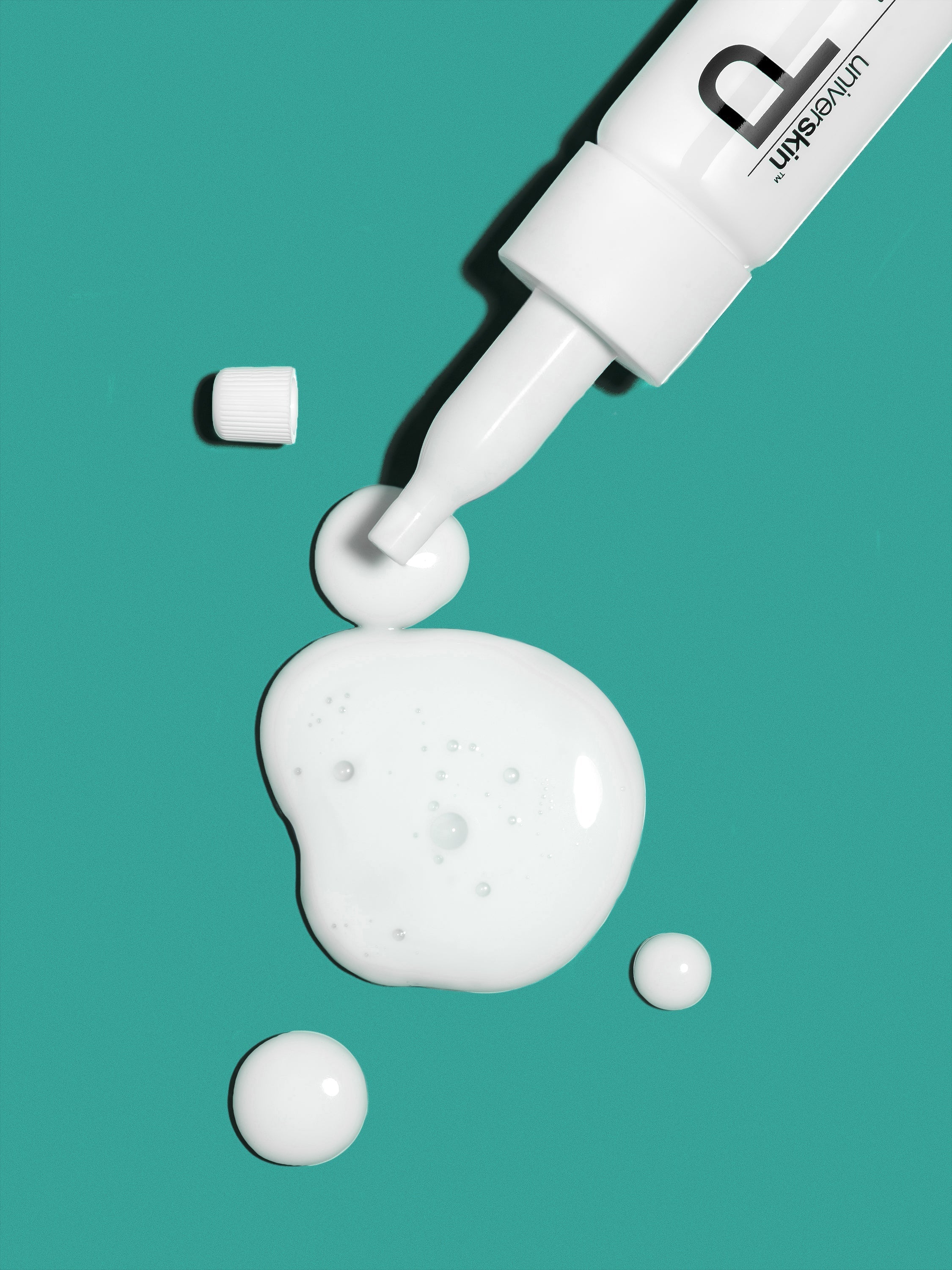
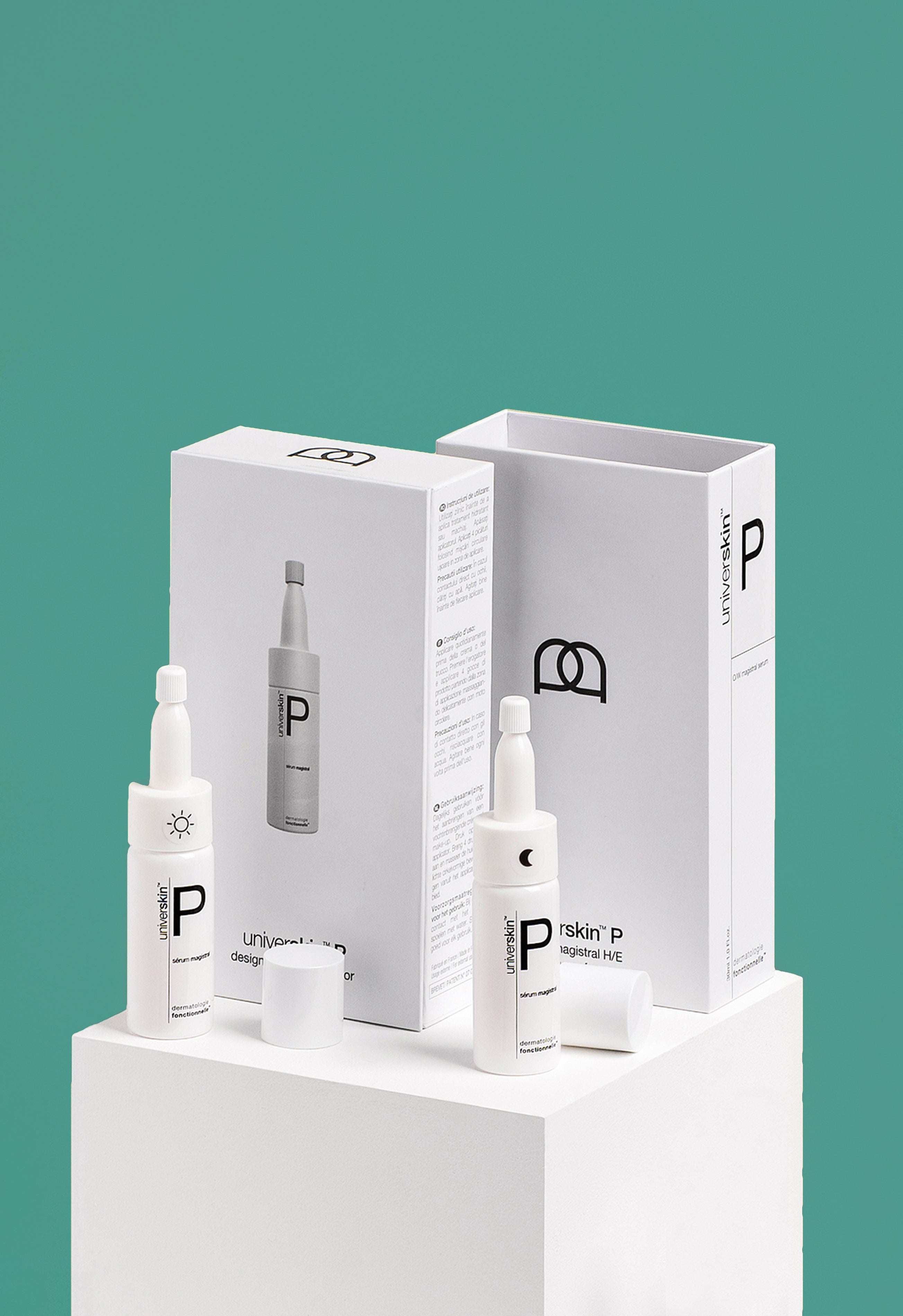
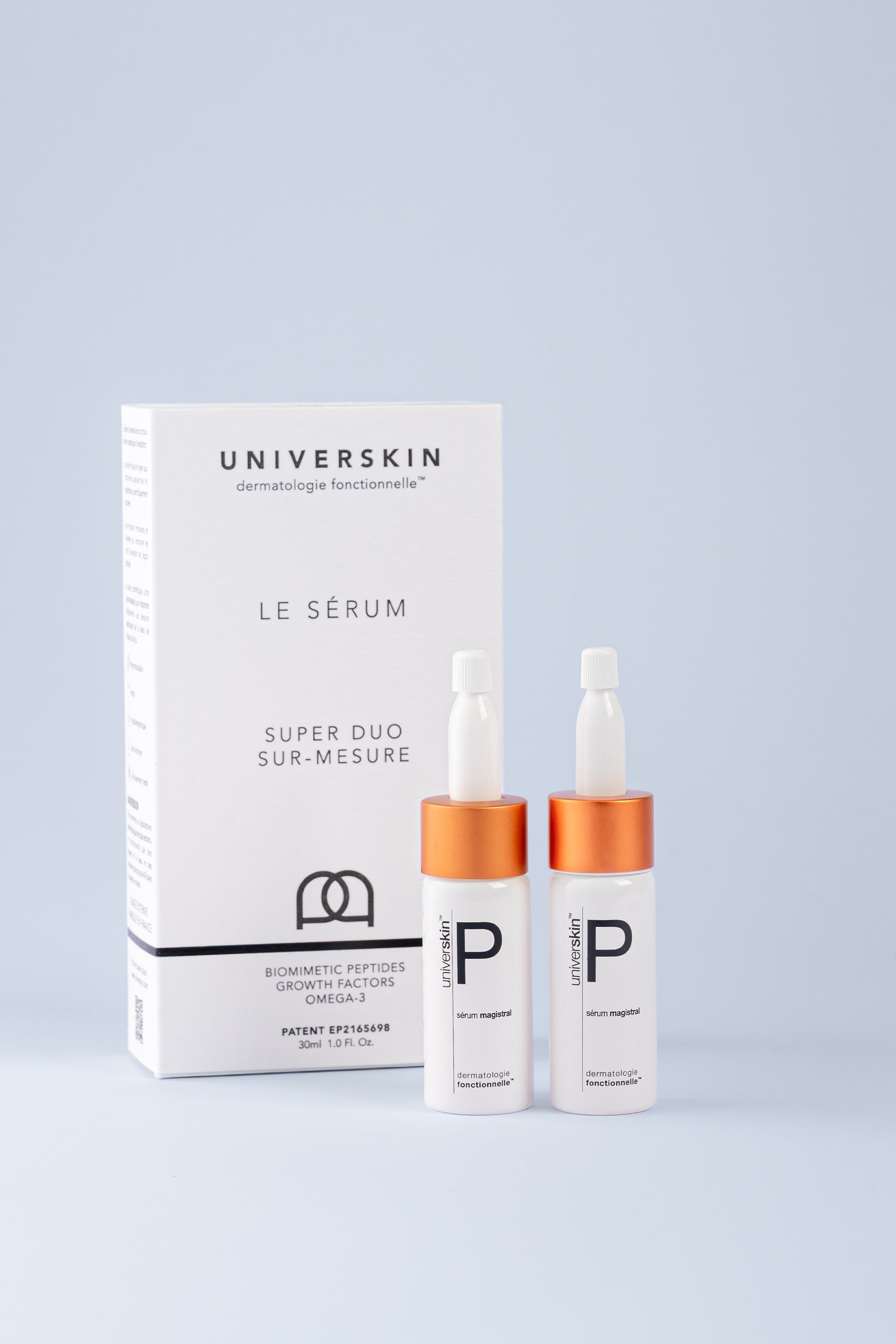
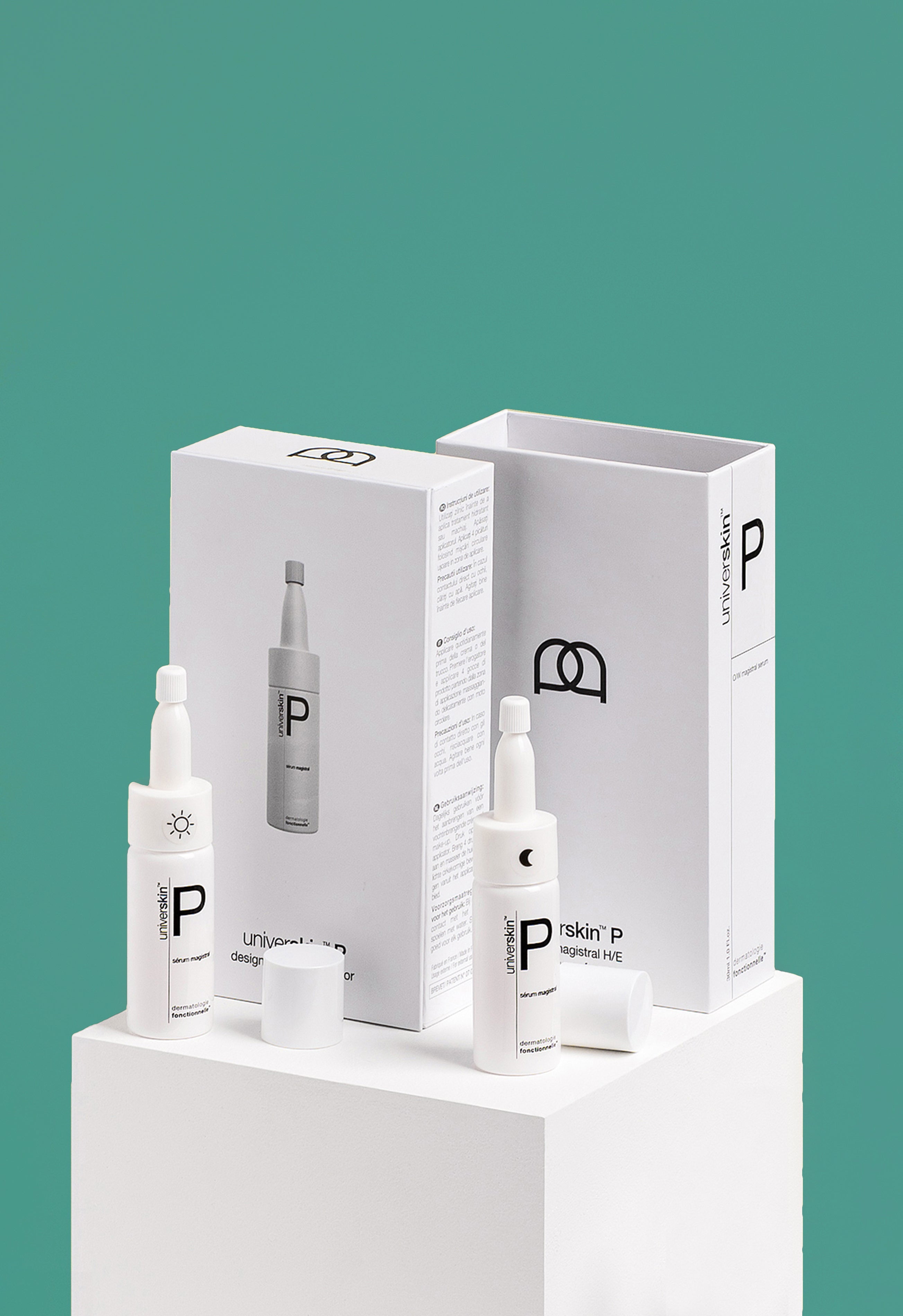
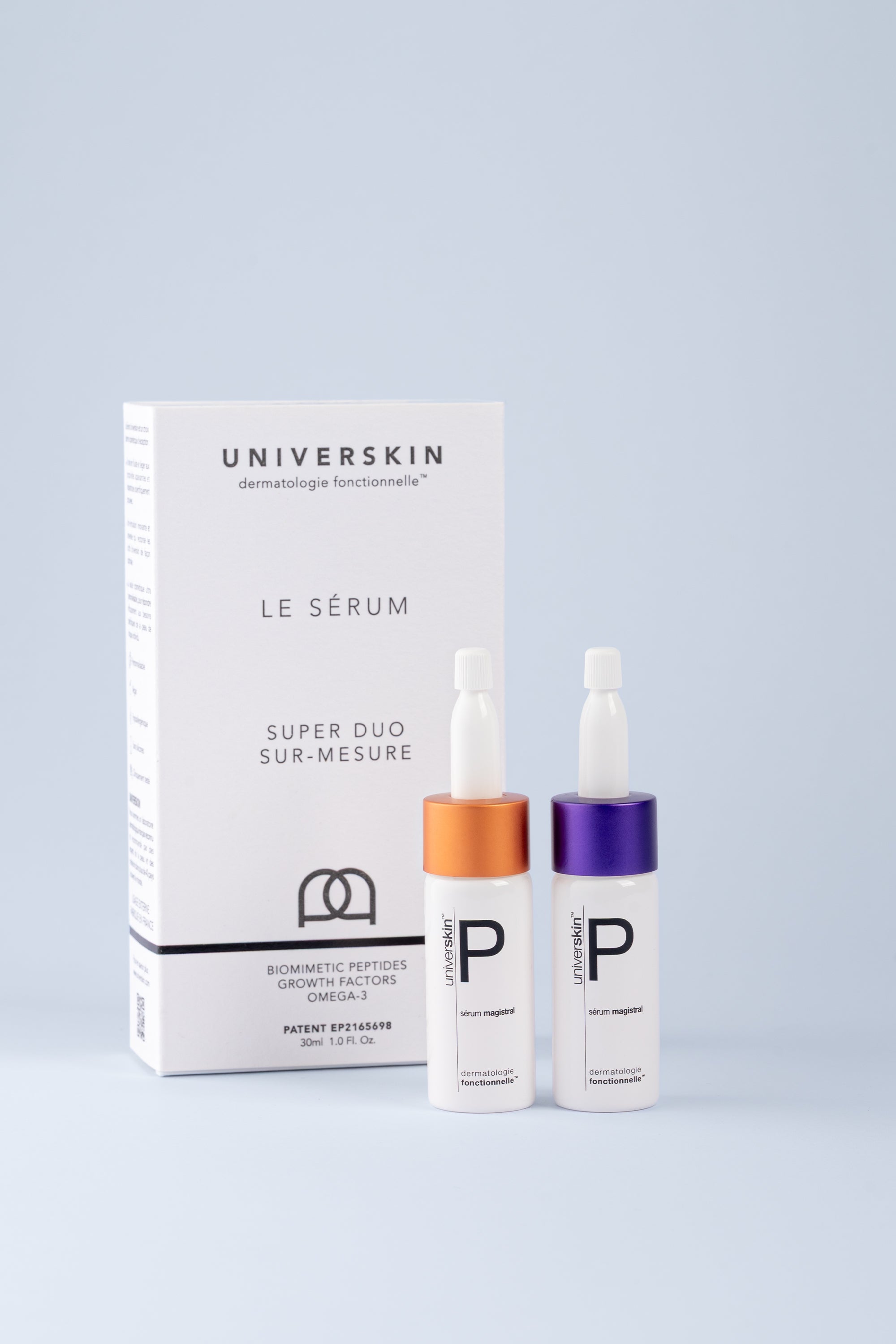
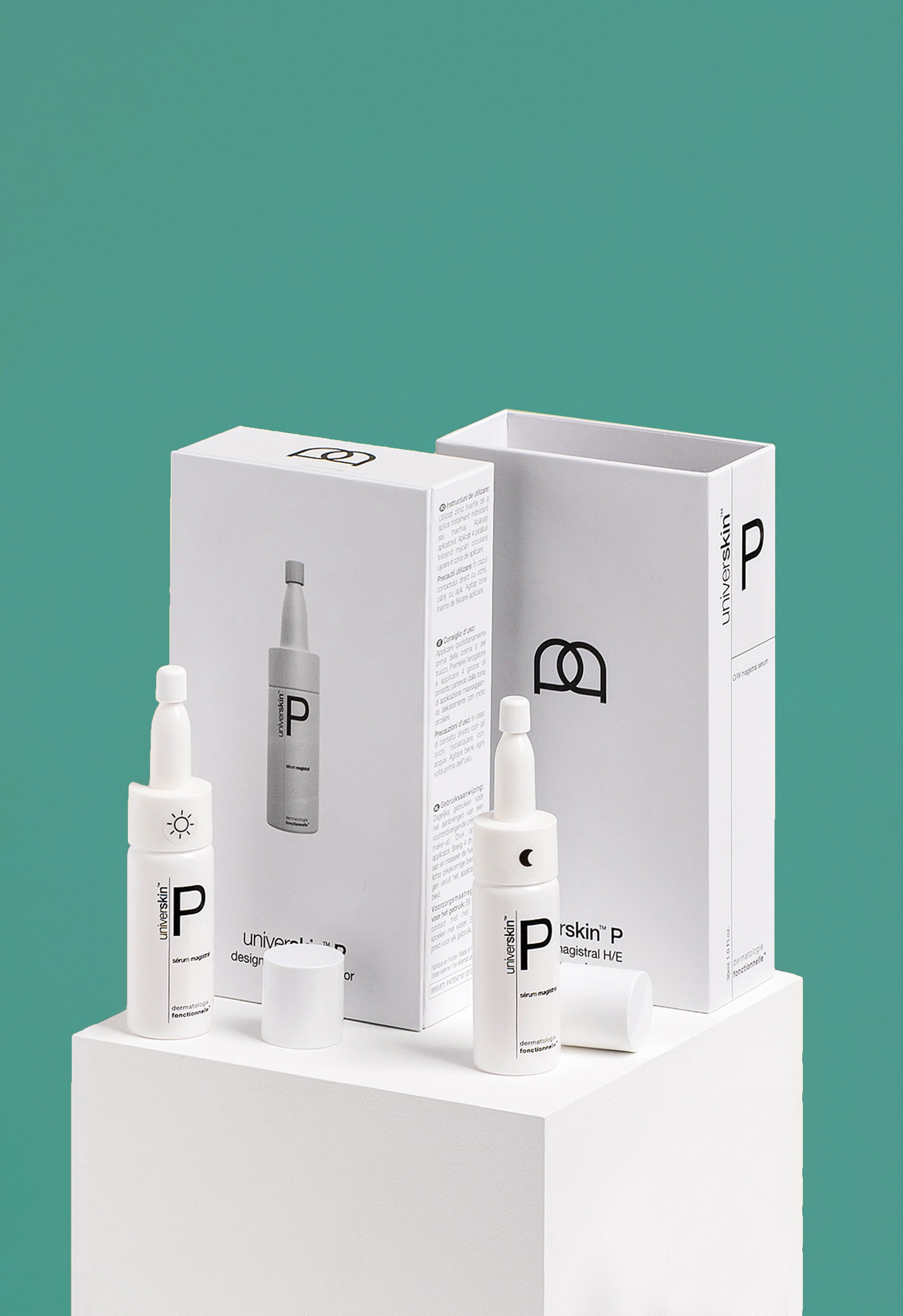
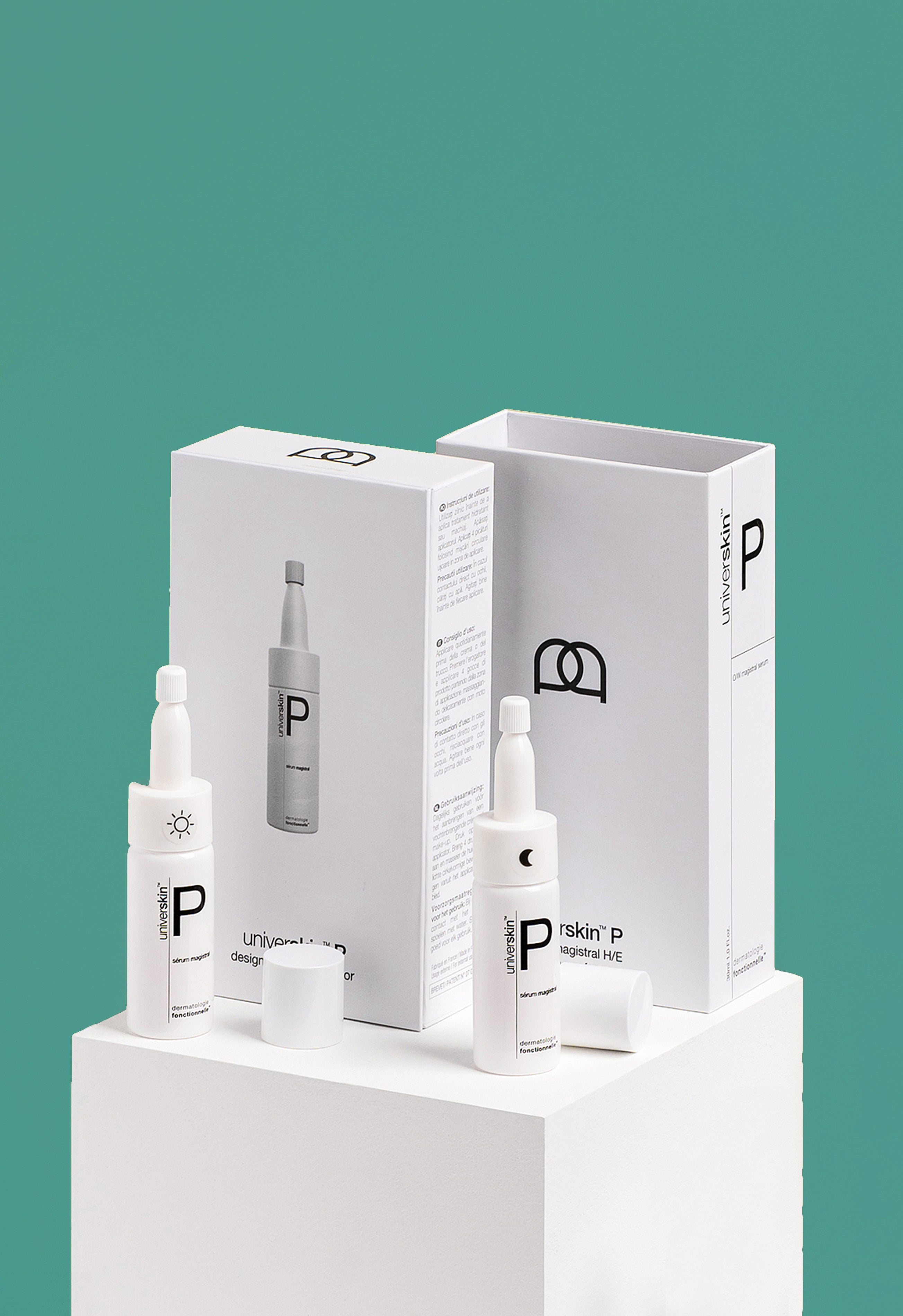
It begins with an AI skin analysis that reads dozens of skin parameters — including oiliness, congestion, inflammation and tone — to map where your skin actually needs support. From there, a doctor designs a custom serum, choosing from 21 active ingredients dosed as individual capsules and combined at the right strength for your skin. That means blemish-targeting actives such as salicylic acid, azelaic acid, niacinamide, zinc and glycolic acid can be brought together in one formula, calibrated to your breakouts rather than a one-size-fits-all recipe.
You can start your skin analysis to see how a personalized formula would approach your skin, or explore our acne & blemish solutions to understand the options. It is skincare built around your skin, guided by science and reviewed by a doctor — without the guesswork of trial and error.
Frequently asked questions
What is the difference between blackheads, whiteheads and pimples?
They are all clogged pores at different stages. A whitehead is a pore blocked just under the surface; a blackhead is an open, clogged pore that darkens as its contents meet the air — not dirt. A pimple, or spot, is what happens when a clogged pore becomes inflamed, turning red, raised and sometimes tender.
How long does it take to clear breakouts?
Patience matters. Most targeted actives take around 6 to 8 weeks of consistent daily use to show clear improvement, and two to three months for fuller results. Some ingredients may cause a brief adjustment period at first. Switching products every few days rarely helps and can irritate the skin, so give a routine time to work.
Does diet cause acne?
For most people, diet is one contributing factor rather than the root cause. The strongest evidence points to high-glycaemic foods, and in some individuals dairy, potentially worsening breakouts. If you notice a consistent pattern with certain foods, it is reasonable to cut back — but diet changes alone are not a reliable treatment for acne.
Is it bad to pop pimples?
Yes. Squeezing a spot can push its contents deeper into the skin, increase inflammation and significantly raise the risk of scarring and lasting dark marks. It often makes the blemish more noticeable and slower to heal. It is far better to treat the spot with a targeted active and let it settle on its own.
When should I see a professional about my acne?
Consider seeking help if your breakouts are widespread or painful, are leaving scars or dark marks, are affecting your confidence, or have not improved after a few months of consistent, gentle care. A qualified clinician can identify what is driving your acne and tailor a stronger, more targeted plan to your skin.
Related skin concerns
Skin concerns rarely come alone. Explore related concerns that may be affecting your skin:
Universkin's personalized approach to Acne and Blemishes
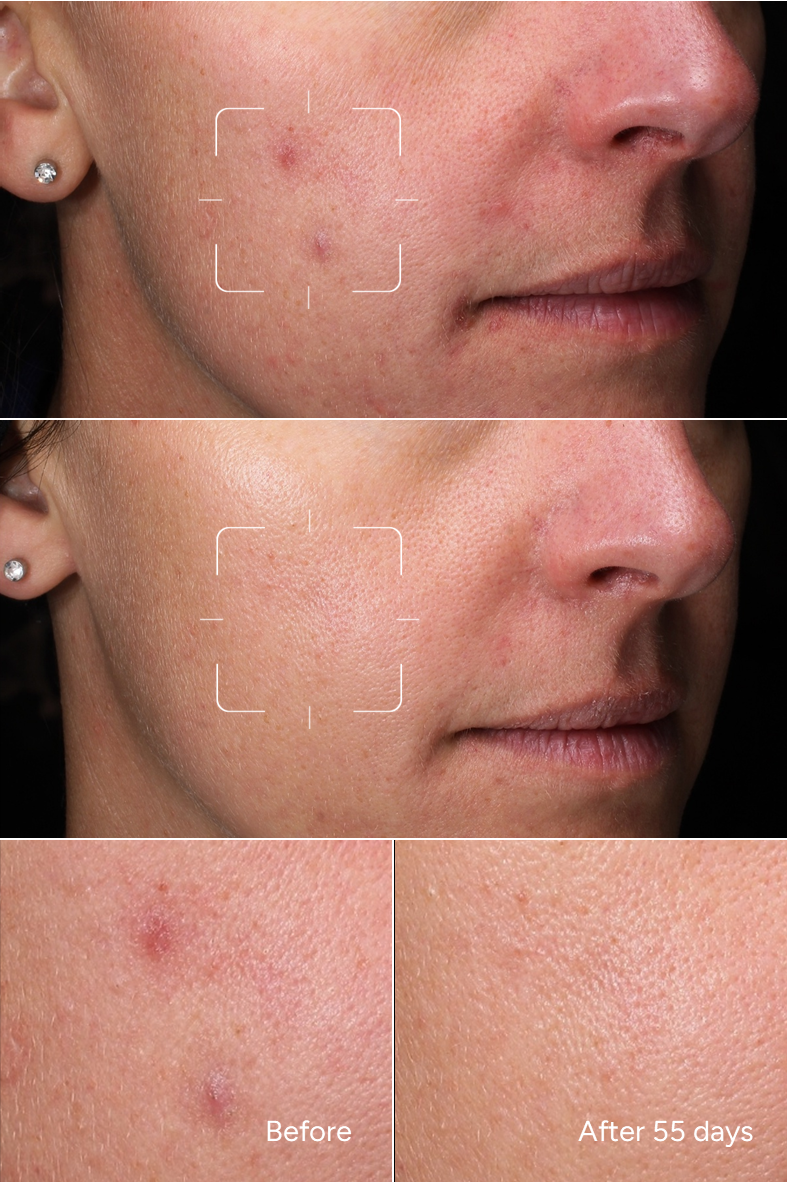
At Universkin, we understand the frustration that skin bumps and pimples can bring. That's why we have developed a personalized skincare solution to help soothe and clear the skin. Our key active ingredients target the root causes of skin bumps and restore a healthy, clear complexion. Say goodbye to skin breakouts and hello to a clear, glowing complexion with Universkin.
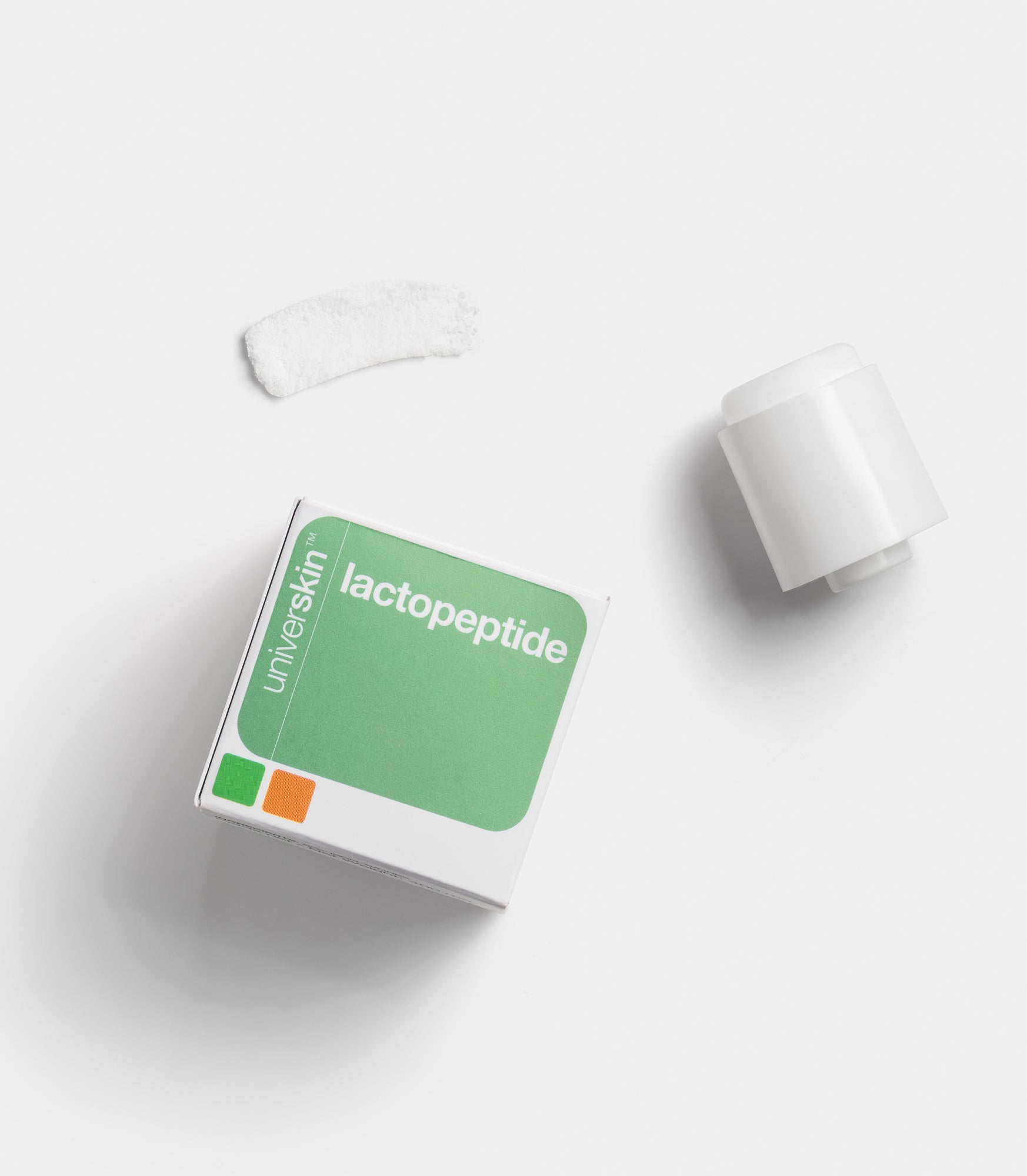
3.5% PER DOSE, UP TO 10.5%
LACTOPEPTIDE
Lactopeptide is a natural antibiotic peptide derived from probiotics. It has antibacterial, anti-inflammatory and sebum regulating actions. It rebalances the cutaneous flora.
learn morePimples and skin prone to breakouts can be frustrating and damaging to your confidence. At Universkin, we understand the impact that pimples can have on your skin and your overall well-being. That's why we've developed personalized skincare solutions that are specifically designed to help improve the appearance of pimple-prone skin.
Our products are formulated with key active ingredients, including lactopeptide, salicylic acid, azelaic acid, and niacinamide, that have been shown to effectively address pimple-prone skin. These ingredients work by fighting against bad bacteria, unclogging
pores, reducing inflammation signs, and promoting a clearer complexion. Lactopeptide, in particular, helps effectively to reduce the appearance of pimples and prevent new breakouts from forming.
By using our personalized skincare solutions, you can enjoy smoother, clearer skin that is less prone to breakouts. Say goodbye to pimples and hello to a brighter, more confident complexion with Universkin.
Acne & Blemishes