Oily Skin & Enlarged Pores: Causes, Treatment & Care
If your face looks shiny by midday, your make-up slides off, or you notice enlarged pores across your nose, forehead and cheeks, you are dealing with what dermatologists call oiliness and visible pores — in Universkin's skin analysis, the orange zone. It is one of the most common concerns people search for: "why is my skin so oily," "how to get rid of large pores," "shiny face all day," "blackheads that keep coming back." You are not alone, and you have not done anything wrong.
Oiliness happens when the skin's sebaceous (oil) glands produce more sebum than the skin needs. A little sebum is healthy — it keeps the skin barrier supple and protected. Too much leaves a greasy film, a persistent shine, and pores that look stretched and obvious. Because excess oil can mix with dead skin cells and clog the pore opening, oiliness often travels with blackheads, congestion and occasional breakouts. It tends to be most visible in the T-zone (forehead, nose and chin), where oil glands are most concentrated.
Oily and pore-prone skin can affect anyone, but it is especially common in the teens and twenties, when hormones are most active, and it often continues well into adulthood. Some people have oiliness across the whole face; others have a shiny T-zone with drier cheeks — sometimes called combination skin. Whichever pattern sounds like yours, the encouraging news is that oiliness and visible pores are among the most manageable skin concerns once you understand what is driving them.
What causes oiliness and enlarged pores
Pore size and oil flow are driven by a mix of factors, and most of them are not about "dirty" skin:
- Genetics. This is the single biggest factor. If your parents had oily skin and prominent pores, you are more likely to as well. Naturally oily skin tends to have larger, more active oil glands.
- Hormones (androgens). Androgen hormones such as testosterone signal the oil glands to produce more sebum. This is why oiliness often spikes in the teens, around the menstrual cycle, during pregnancy, and at times of high stress.
- Clogged, stretched pores. When sebum and dead skin cells build up inside a pore, the pore wall stretches and the opening looks larger. Trapped, oxidised sebum at the surface shows up as a blackhead.
- Age and sun damage. Over time the skin loses collagen and elasticity, so pores lose their "spring" and appear wider. Long-term sun exposure accelerates this and thickens the skin around each pore.
- Climate and lifestyle. Heat and humidity, high stress, and rich or occlusive products can all make oil more noticeable day to day.
A myth worth clearing up: over-washing does not fix oily skin — it often makes it worse. Stripping the skin with harsh cleansers can damage the barrier and trigger a rebound where the glands produce even more oil. Oiliness is also not caused by "greasy" food sitting in your pores; it is mostly hormones and genetics.
How to manage oiliness and pores
You cannot permanently shrink a pore — its size is largely genetic — but you can make pores look markedly smaller and control shine by keeping them clear and supporting the skin's structure. A calm, consistent routine beats aggressive scrubbing every time.
- Cleanse gently, twice a day. Use a mild cleanser morning and night (and after sweating). The goal is to lift excess oil without stripping the barrier — skip harsh scrubs and squeaky-clean foams.
- Do moisturise. Oily skin still needs hydration. A light, non-comedogenic moisturiser keeps the barrier healthy so it does not overcompensate with more oil.
- Exfoliate inside the pore. A well-chosen chemical exfoliant a few times a week clears the sebum and dead cells that stretch pores, rather than scrubbing the surface.
- Regulate oil at the source. Certain actives signal the glands to produce less sebum over time, which is more effective than blotting shine after the fact.
- Wear sunscreen daily. Protecting collagen keeps skin firm, which helps pores stay tighter and less visible. Choose an oil-free or gel formula.
- See a professional for stubborn cases. If oiliness comes with persistent acne, or in-office options like peels, lasers or prescription retinoids appeal to you, a dermatologist can tailor stronger treatment safely.
Give any routine time. Oil control is often noticeable within a couple of weeks, while visible improvements in pore appearance and congestion typically build over four to eight weeks of consistent use.
Key ingredients that target oiliness and pores
A handful of well-studied actives do the heavy lifting for oily, pore-prone skin. In a personalised Universkin serum, these can be dosed and combined to match your skin:
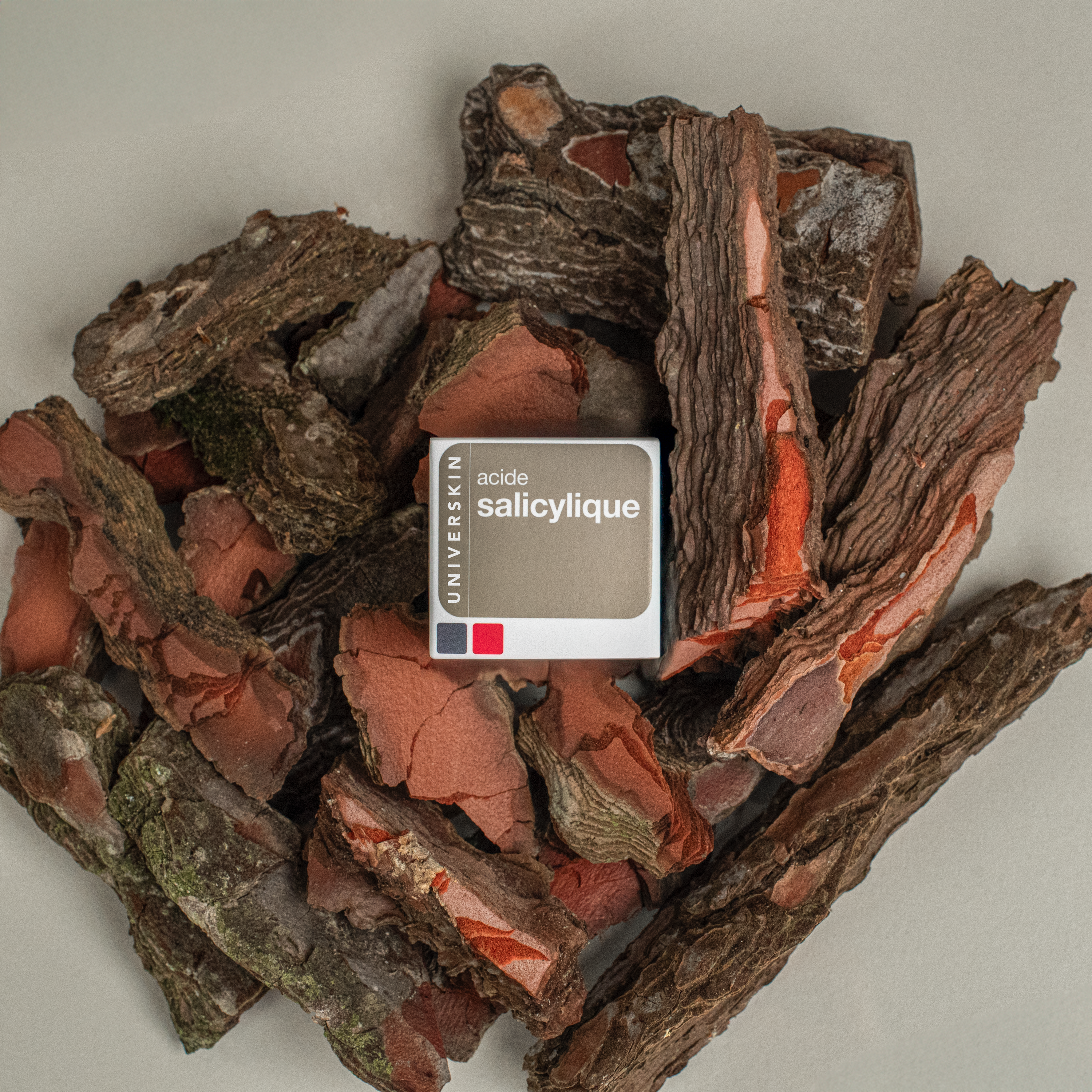
- Salicylic acid — a beta-hydroxy acid (BHA) that is oil-soluble, so it dissolves into sebum and exfoliates inside the pore, clearing the congestion behind blackheads and stretched pores. A cornerstone for oily, clog-prone skin. Learn more about salicylic acid and how it works.
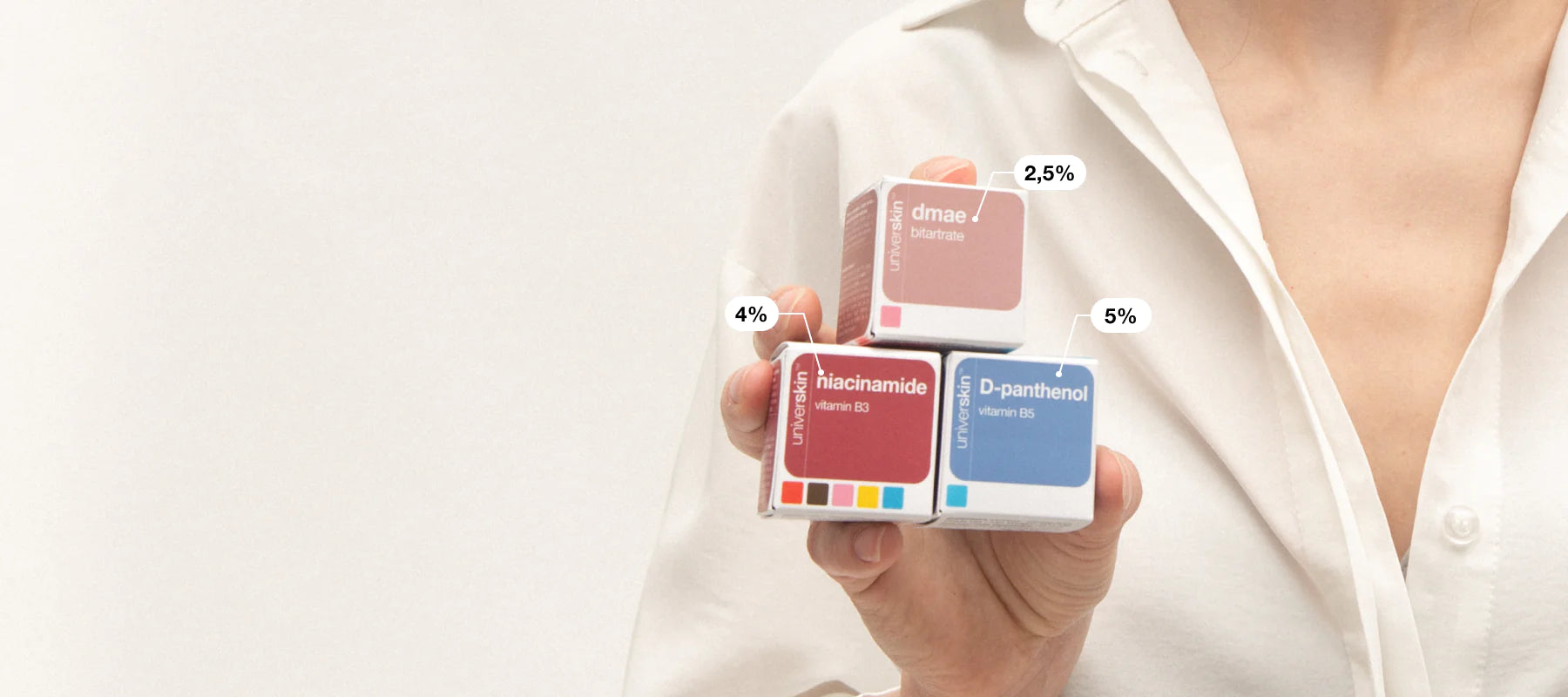
- Niacinamide — vitamin B3 that helps regulate sebum at the gland level and, with consistent use, reduces the look of enlarged pores while supporting the skin barrier. A gentle, well-tolerated all-rounder; read more about niacinamide for oil control.
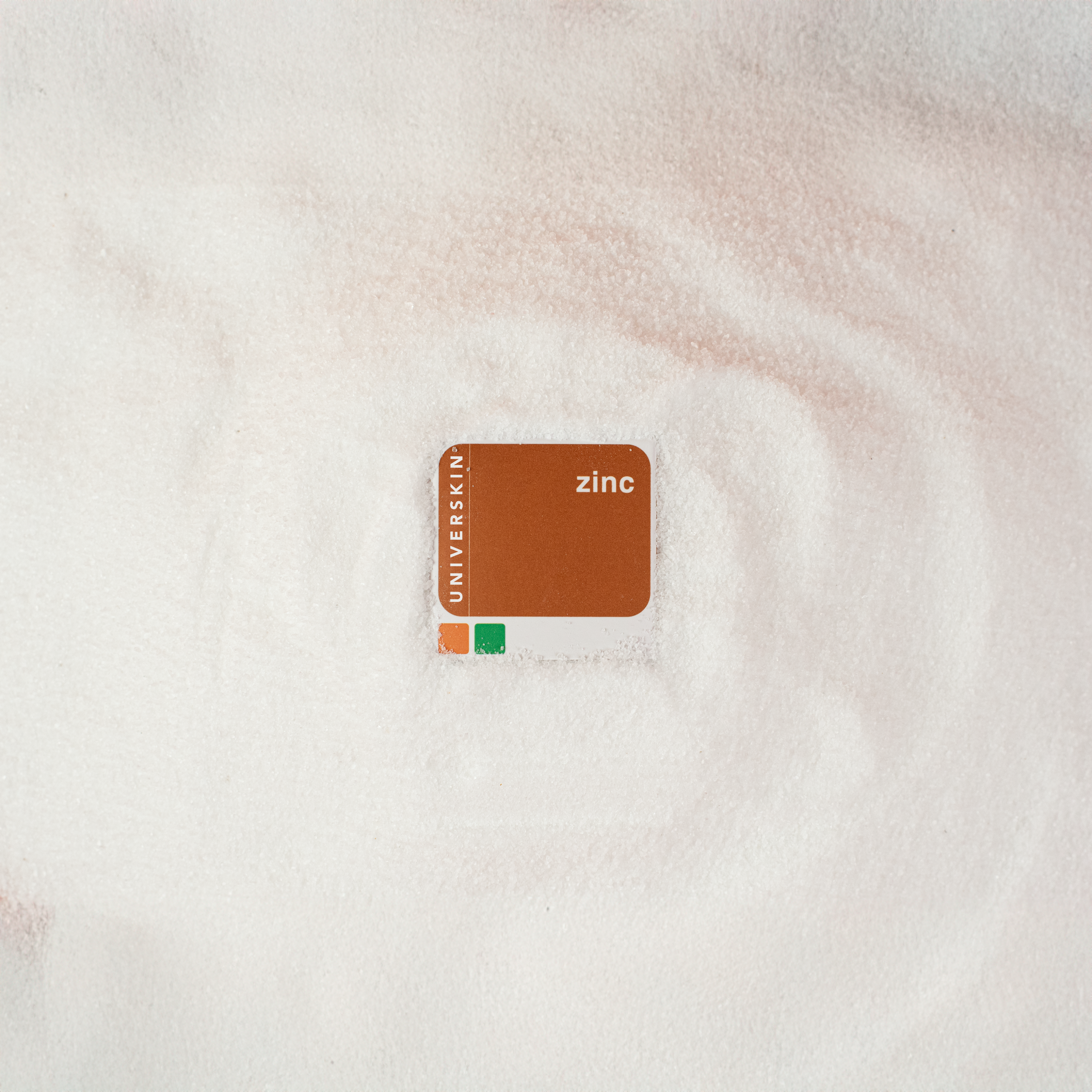
- Zinc — a sebum-regulating mineral with soothing properties that pairs well with niacinamide to help calm oiliness and reduce shine. Explore zinc in skincare.
- Glycolic acid — an alpha-hydroxy acid (AHA) that exfoliates the skin's surface, smooths texture and helps refine the look of pores by keeping dead cells from accumulating around the opening. See how glycolic acid can help.
Actives work best when they are matched to your skin's tolerance and used in sensible combinations — not layered all at once. That is exactly where personalisation makes the difference.
Your personalized oiliness and pores approach
Generic "for oily skin" products treat everyone the same. Your skin is not everyone's. Universkin starts with an AI skin analysis that reads your skin in detail — including the orange oiliness-and-pores zone — alongside your other concerns, so nothing is treated in isolation.
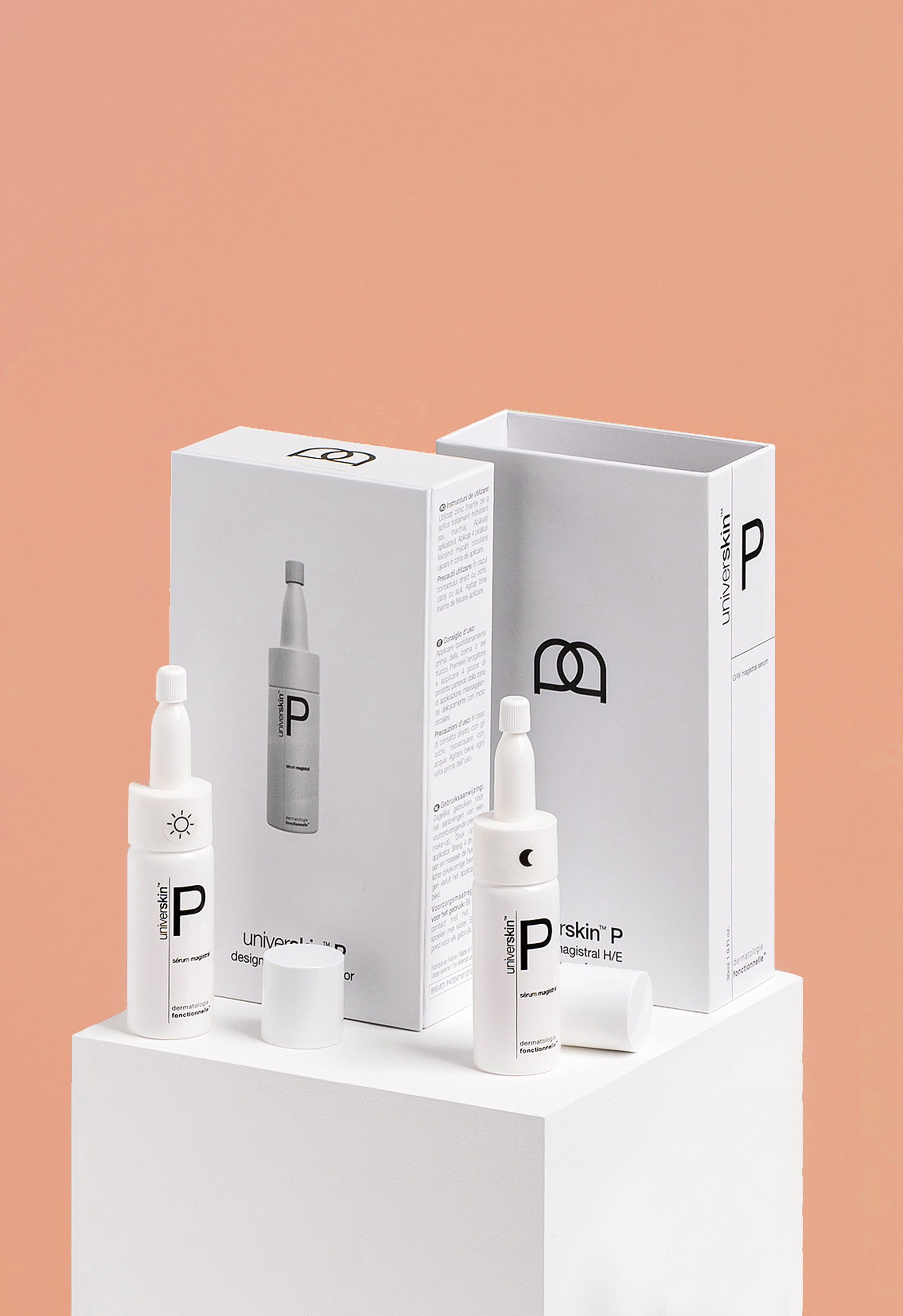
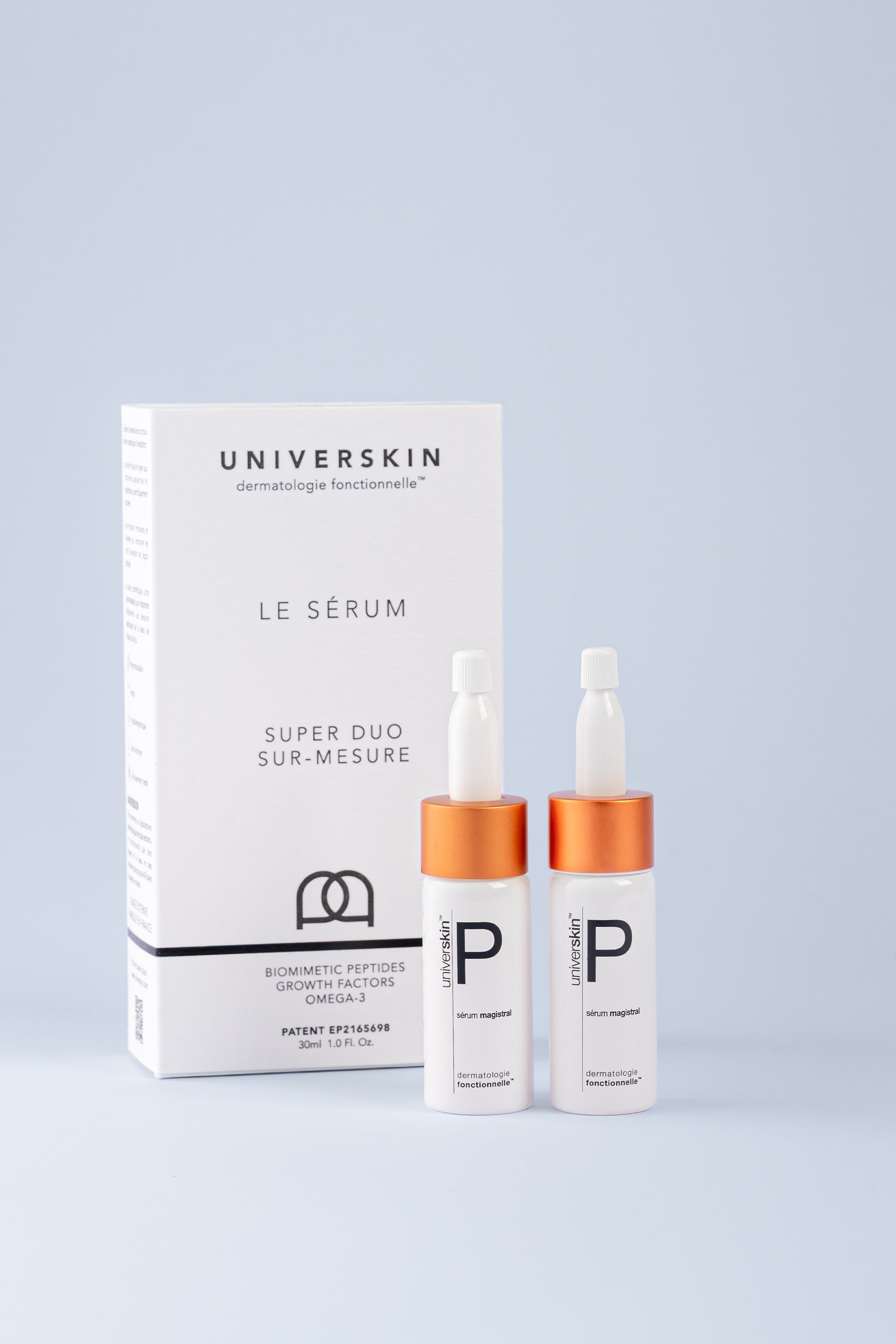
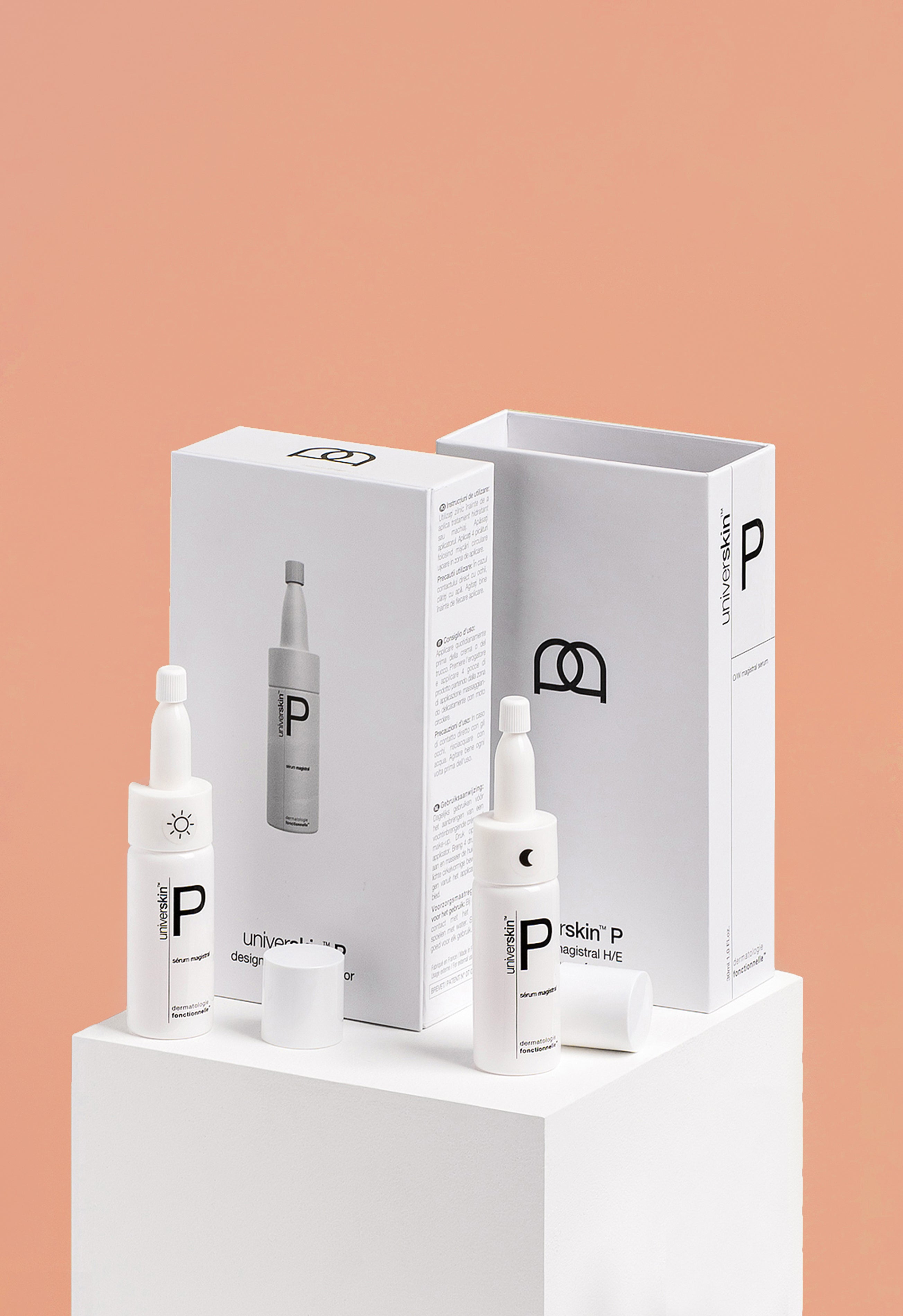
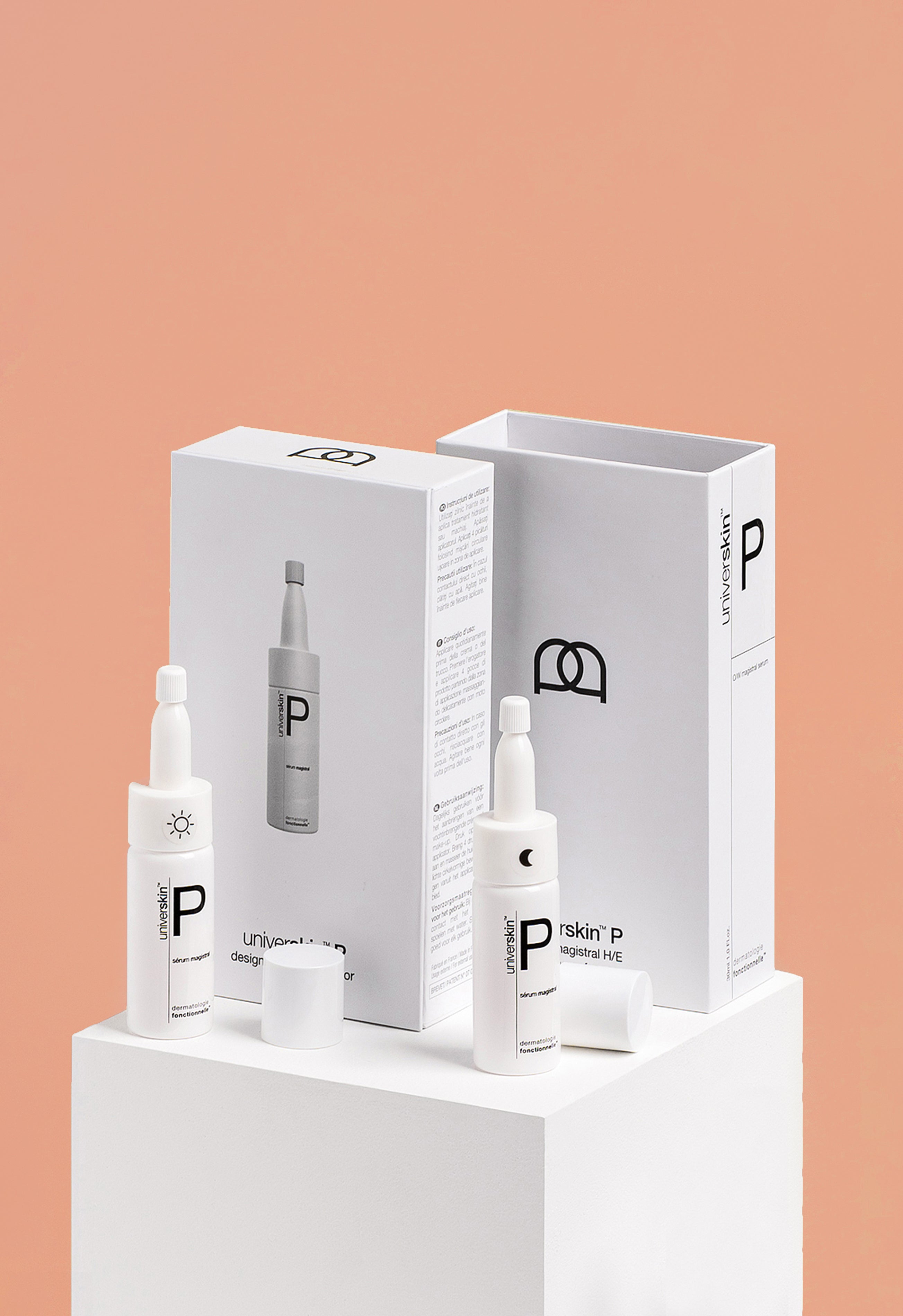
From that reading, a doctor designs a custom serum built from individually dosed active-ingredient capsules, chosen from a library of 21 actives. Instead of a one-size cream, your formula can combine the right concentration of oil-regulating and pore-refining actives with ingredients that protect your barrier — so you tackle shine and congestion without over-drying and triggering more oil. This balance is the part most off-the-shelf oily-skin products get wrong: they push hard on stripping oil and neglect the barrier, which is what fuels the rebound greasiness so many people experience. As your skin changes with the seasons, with hormones or over time, your formula can be reviewed and adjusted — so the routine keeps pace with your skin instead of staying frozen at day one.
You can start your free skin analysis to see how your oiliness and pores are assessed, and explore the oiliness collection to understand the actives most often chosen for this concern.
Frequently asked questions
Can I permanently shrink my pores?
Not permanently — pore size is largely determined by genetics, and you cannot close a pore for good. What you can do is make pores look significantly smaller by keeping them clear of oil and debris and supporting collagen with the right actives and daily sun protection. Consistency matters more than any single product.
Does oily skin still need moisturiser?
Yes. Skipping moisturiser can backfire: a dehydrated barrier may prompt the glands to produce even more oil. Choose a lightweight, non-comedogenic (won't-clog-pores) moisturiser or gel. The aim is balanced, hydrated skin — not stripped skin, which tends to look greasier by the afternoon.
Why do I get blackheads even though I wash my face?
Blackheads form when sebum and dead skin cells collect inside a pore and the surface oxidises and darkens — they are not trapped dirt, so more washing won't remove them. Oil-soluble exfoliants like salicylic acid work better because they clear congestion from inside the pore. Avoid harsh scrubbing, which can irritate skin.
How long until I see less oil and smaller-looking pores?
Many people notice less shine within one to two weeks of a consistent routine. Visible improvements in pore appearance, texture and congestion usually build over four to eight weeks, since skin cell turnover takes time. Give any new active a fair trial before judging it, and introduce one change at a time.
When should I see a dermatologist?
Consider professional help if oiliness comes with persistent or painful acne, scarring, or if a consistent at-home routine isn't helping after a couple of months. A dermatologist can offer options such as prescription retinoids, in-office peels or laser treatments, and rule out any underlying factors driving the oil.
Related skin concerns
Skin concerns rarely come alone. Explore related concerns that may be affecting your skin:
Universkin's personalized approach to Oiliness and Pores
At Universkin, we understand the struggle of dealing with oily skin and offer personalized skincare solutions to help balance and control oil production. Our products are specifically formulated with key active ingredients that have been shown to help regulate oil production, reduce shine, and minimize the appearance of pores.
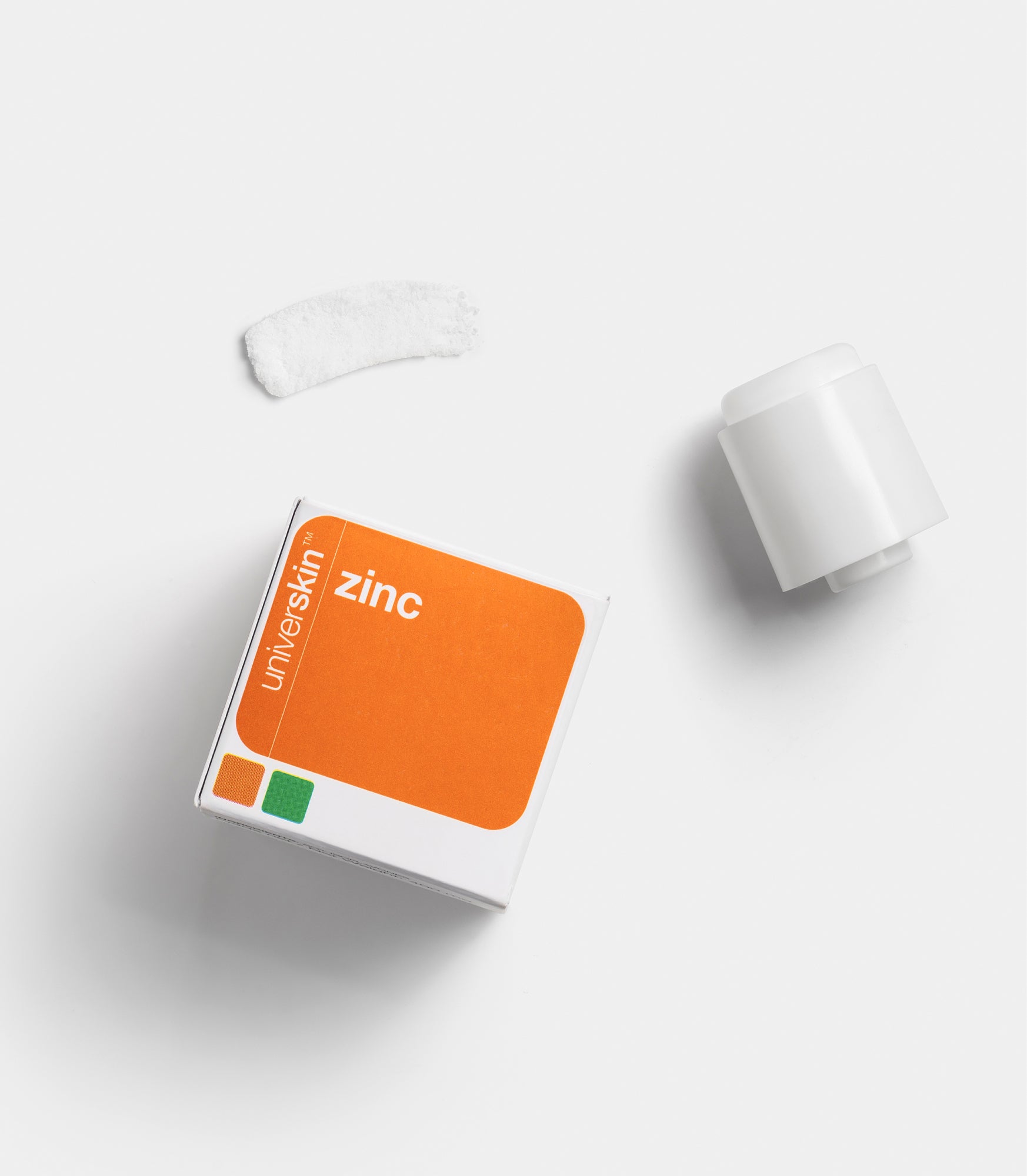
2.5% PER DOSE
ZINC
Zinc has been shown to actively regulate sebum production and efficiently purify the skin and reduce open pores and oiliness.
learn moreAt Universkin, we understand the frustration and embarrassment that comes with having oily skin. That's why we have developed a targeted skincare solution specifically designed to address oiliness and promote a clear, radiant complexion. Our solution uses the powerful active ingredients Zinc and niacinamide known for their ability to regulate oil production, minimize the appearance of pores, and help control breakouts.
Our products containing Zinc and niacinamide are carefully formulated to provide gentle yet effective treatment for oily skin, leaving it feeling refreshed and hydrated. These ingredient works by regulating oil production, reducing the appearance of pores and helping to control breakouts. Other active ingredients like retinol or salicylic acid will help keep pores tighter so that they create and emit less oil. This results in a more even skin texture, a clearer complexion, and a reduction in the appearance of oiliness.
By using our products containing Zinc, you can help to restore the balance of your skin, leaving it looking and feeling refreshed, revitalized and clear. Say goodbye to shiny, greasy skin and hello to a clear, radiant complexion.
Oiliness