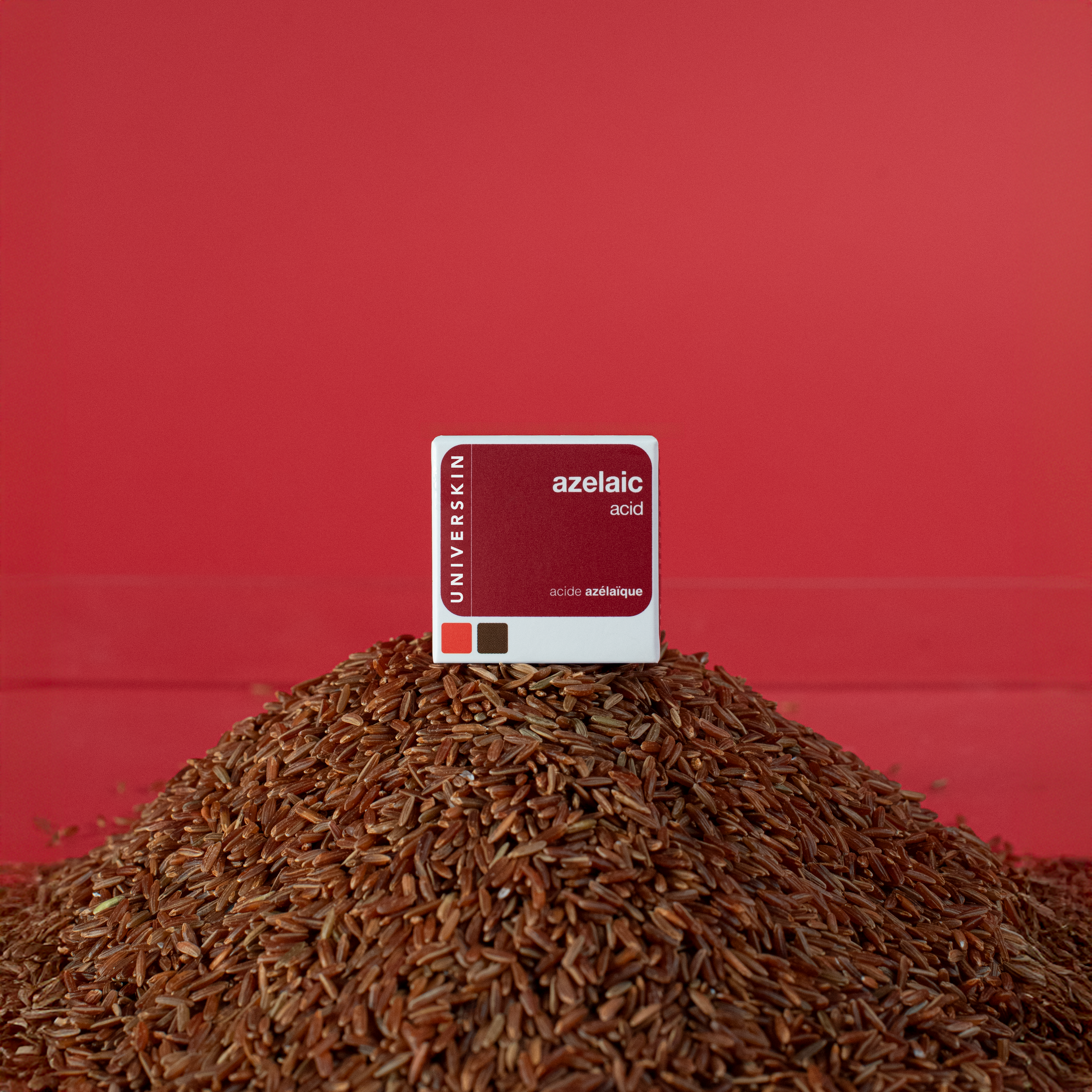
5.4% PER DOSE
AZELAIC ACID
AZELAIC ACID
Azelaic acid is a highly effective and versatile ingredient found in many skincare products. It is naturally found in the plant environment and can be produced on the surface of healthy skin by Malassezia furfur. When used topically, azelaic acid has been shown to be beneficial in treating a wide range of skin concerns, including acne, rosacea and post-inflammatory hyperpigmentation.
Concentration
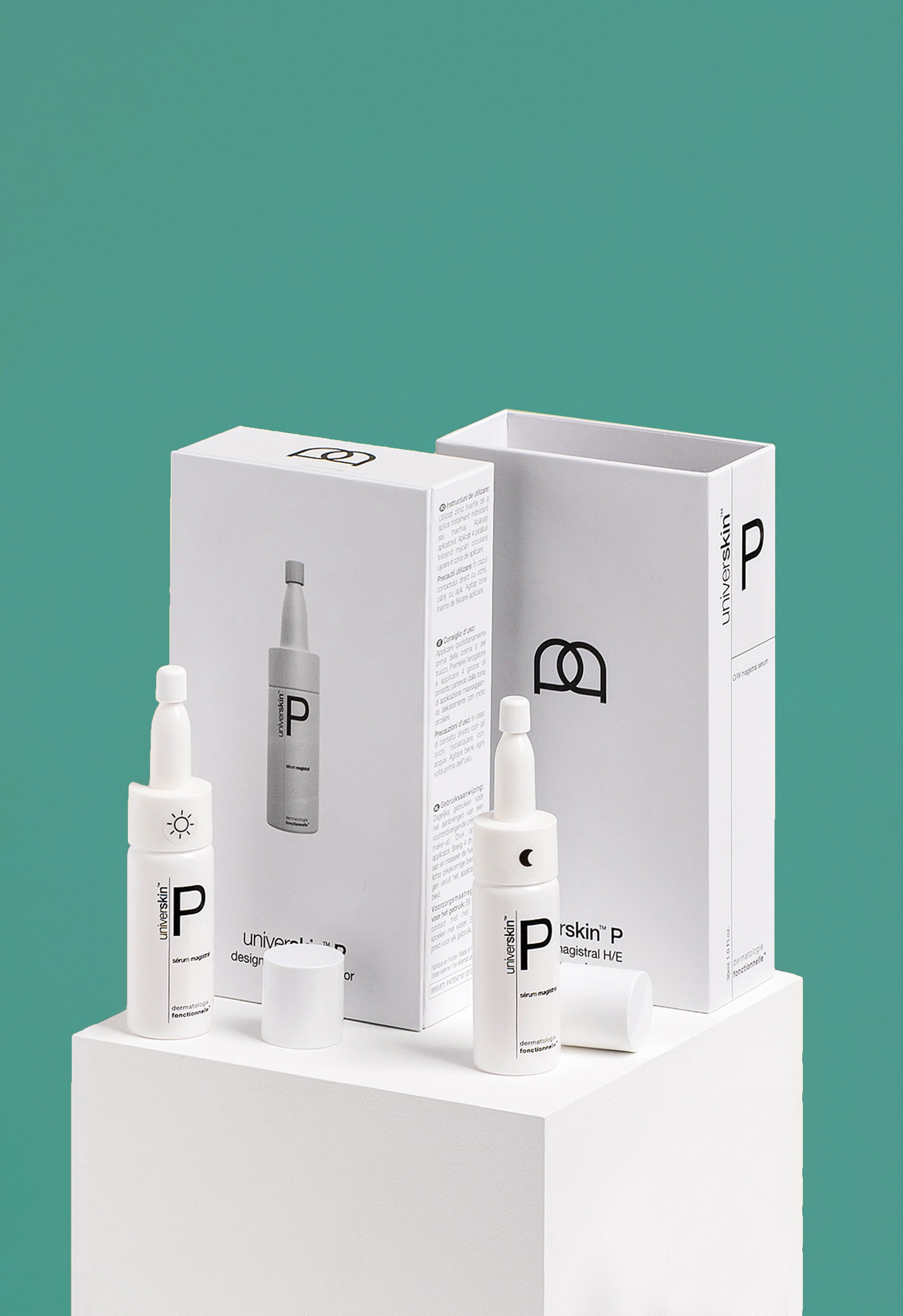
Over-the-counter azelaic acid is usually formulated at around 10%, while prescription strengths are higher, typically 15% to 20%. At Universkin, azelaic acid is dosed at 5.4% per dose — the concentration in Formula 18, our dedicated azelaic acid serum, and across our azelaic acid serums. The headline number is not the whole story: stability, the base's pH and quality, daily consistency and the paired actives all shape results. A well-formulated, doctor-adjusted 5.4% dose worn every day can do much of the work people expect from a generic 10% over-the-counter cream. Patch test before first use.
Who Should Use It
Azelaic acid is right for practically everyone, and is great for oily and combination skins. It can be a good alternative for anyone whose skin is not compatible with stronger actives against acne, rosacea or post-inflammatory hyperpigmentation. Apply it with care on sensitive skin, on the eye contour and around the lips. Topical azelaic acid is well tolerated compared with standard anti-acne agents.
It can be used by pregnant or breastfeeding women, but Universkin recommends checking with an obstetrician-gynecologist first. Unlike other anti-acne actives, azelaic acid does not bleach clothing or towels, and unlike other acids it does not make the skin sensitive to the sun.

Can Be Used In Combination With
Azelaic acid can be combined with other actives such as niacinamide, arbutin and superoxide dismutase (SOD) to enhance its effectiveness. Together they can reduce acne, rosacea and PIH while brightening the skin and improving texture and tone. Niacinamide is a particularly natural partner: it calms redness and supports the barrier, balancing azelaic acid's clarifying action. Introduce one new active at a time to see how your skin responds.
How Often Can You Use It
Azelaic acid should be used as part of a consistent routine, most often once a day in the evening, though it can be used morning or evening and built up to twice daily as tolerated. Unlike AHAs, it does not make the skin more sensitive to the sun, but a daily broad-spectrum sunscreen still matters when fading dark spots or calming rosacea, since UV drives both. Pause for a few days if skin becomes tight, flaky or persistently irritated.
Don't Use It If
Azelaic acid should be used with care on thin, supersensitive, reactive or irritated skin. It may be worth a patch test on a small area, such as the inner elbow crease, before daily use.
Azelaic acid is not effective on freckles and age spots.
Universkin does not recommend layering azelaic acid with Alpha or Beta Hydroxy Acids, as this increases the risk of dryness and irritation; if you use both, alternate them on different evenings. Introduce it slowly alongside retinoids for the same reason. In pregnant and breastfeeding women, consult a gynecologist before use.
Origins of the Ingredient

Azelaic acid is found in the plant environment, in wheat, rye, and barley for example, where it forms part of the defense system against certain pathogens. Some fungi in the normal skin flora of the genus Pityrosporum (Malassezia furfur, also known as Pityrosporum ovale), are capable of synthesizing azelaic acid. Universkin has selected a pure grade of synthetic azelaic acid.
Chemical Composition
The name azelaic acid comes from the fact that it was originally produced by the oxidation of oleic acid with nitric acid. Azelaic acid is a naturally occurring saturated dicarboxylic acid chemically known as 1,7-heptane dicarboxylic acid. Azelaic acid is a white crystalline powder.

Mechanism of Action
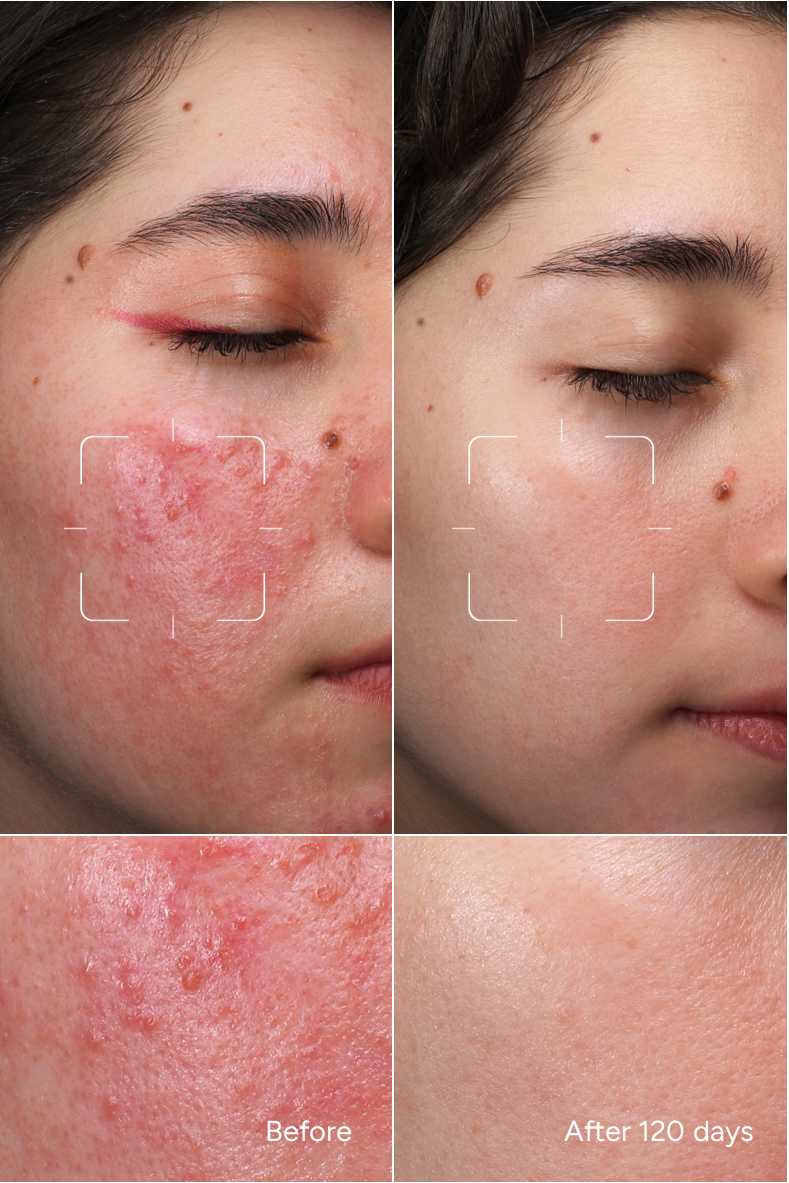
Azelaic acid possesses antibacterial, keratolytic, comedolytic and anti-oxidant activity. It reduces acne by lowering sebum and inhibiting Propionibacterium acnes (P. acnes) — the bacteria responsible for acne — and Staphylococcus epidermidis, via its effect on microbial protein synthesis. It also has a direct anti-inflammatory effect via its scavenging of free oxygen radicals, helping reduce the redness and irritation associated with acne and rosacea. Its keratolytic and comedolytic effects come from thinning the stratum corneum and reducing keratohyalin granules and the distribution of filaggrin in the epidermis. It exfoliates gently and helps avoid clogged pores. It has proven depigmenting activity, effective on post-inflammatory hyperpigmentation from acne and in darker skin.
Benefits
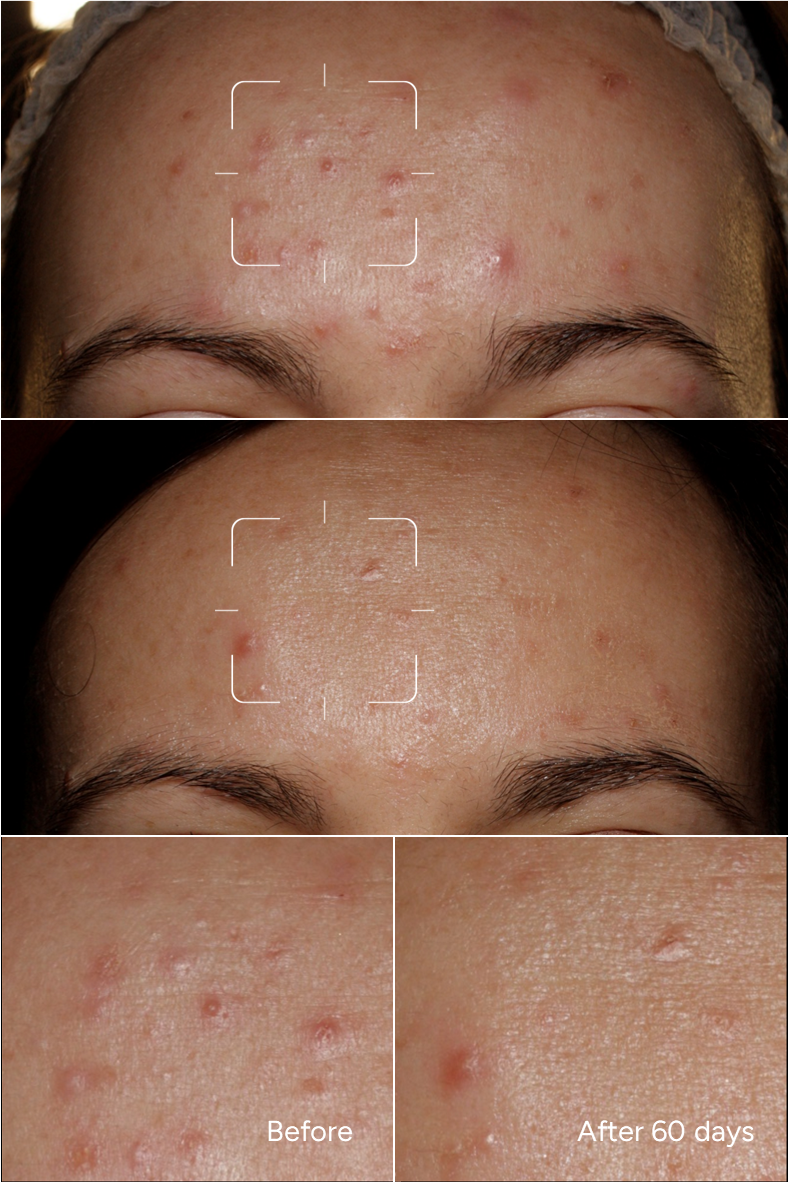
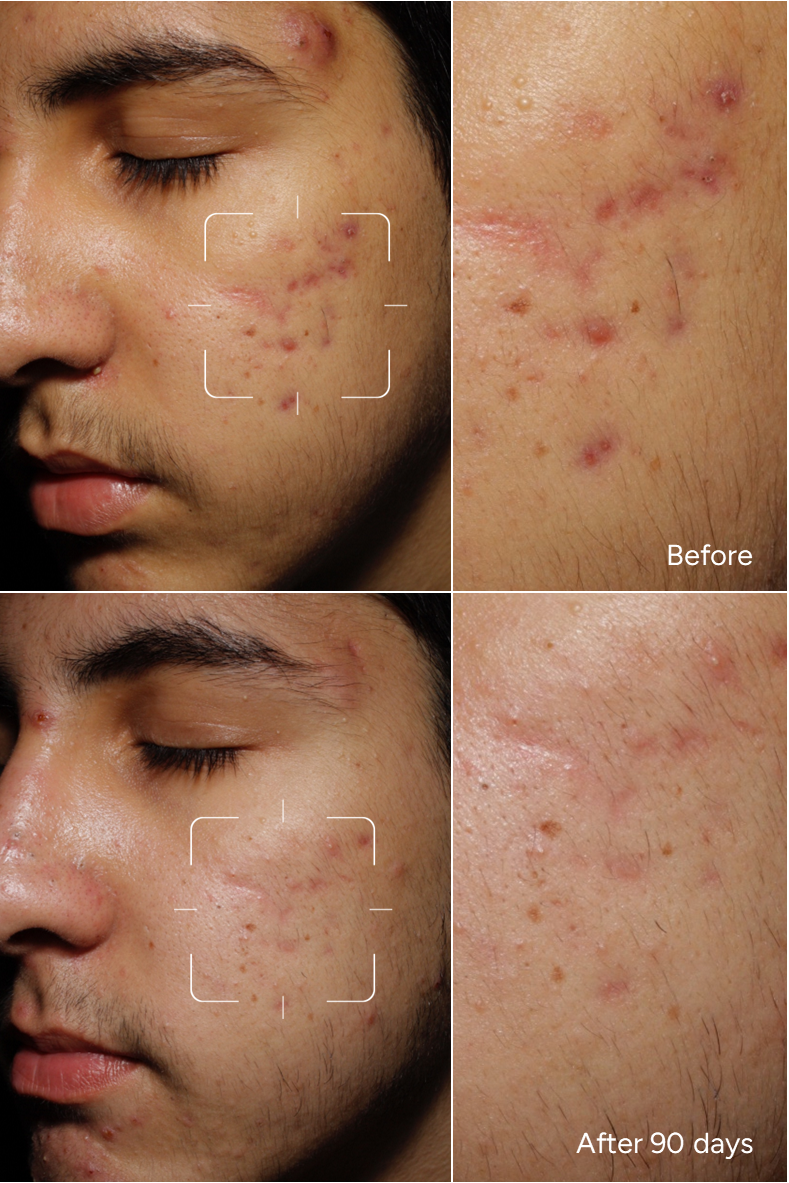
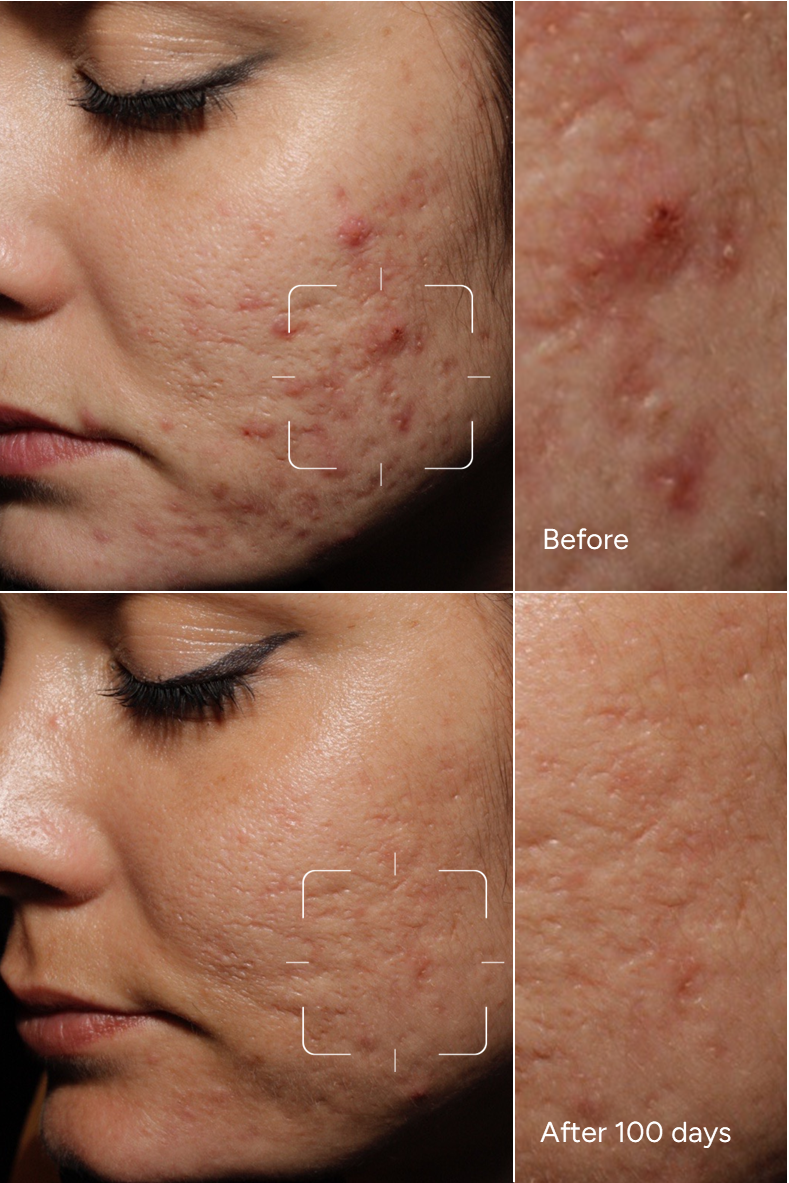
Azelaic acid is a multi-functional ingredient with numerous benefits for the skin. It is highly effective against pimples and blemishes, thanks to antibacterial properties that help eliminate the bacteria behind breakouts. It also reduces redness and inflammation from cutaneous eruptions and is particularly effective at reducing hyperpigmentation. It also helps regulate sebum and gently exfoliates, a great choice for oily and dull skin. These overlapping benefits are why it appears throughout our serums for pigmentation and dark spots, redness and sensitivity and acne and blemishes, and across our azelaic acid serums.
Stability
Azelaic acid is a highly stable ingredient, resistant to oxidation and degradation, making it reliable and long-lasting. It is poorly soluble in water and can be supplied in suspension.
Evidence & Results Timeline
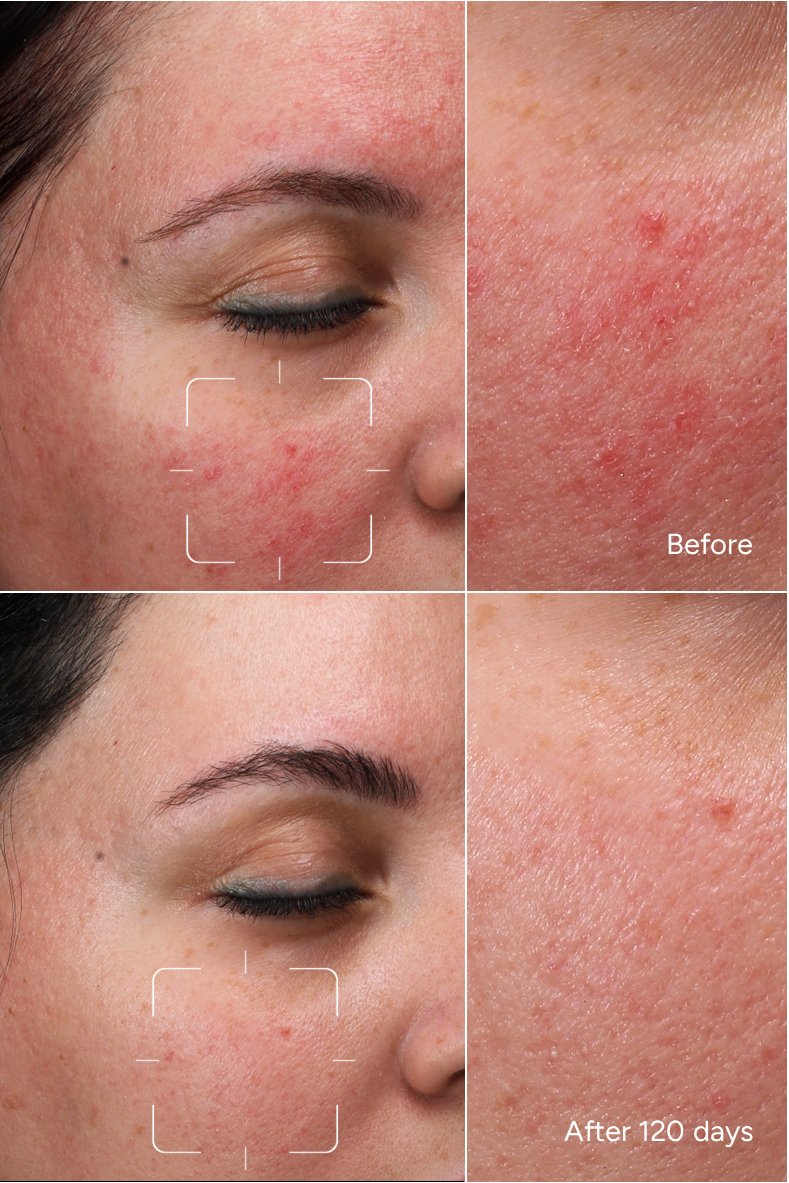
Azelaic acid is one of the better-studied dermatological actives. Prescription formulations, typically 15% to 20%, treat the papules and pustules of rosacea and manage acne, and clinical studies have shown that azelaic acid can reduce inflammatory acne lesions and calm rosacea-related redness. For pigmentation, studies comparing a 20% azelaic acid cream with hydroquinone in melasma have reported broadly comparable improvement, with azelaic acid often better tolerated — one reason it is valued for post-inflammatory hyperpigmentation, especially in deeper skin tones, where it avoids hydroquinone's risk of paradoxical darkening. Individual results vary, and cosmetic strengths work more gradually than prescription ones.
Because it works cumulatively, results build with consistent use. The timeline below is a realistic guide; response varies with skin type and routine:
| Timeframe | What to expect |
|---|---|
| Day 1 onward | Antibacterial and anti-inflammatory action begins straight away, before any visible change on the surface. |
| Weeks 2–4 | Skin often feels smoother and less congested, with early calming of redness and fewer new breakouts. |
| Weeks 4–8 | Inflammatory spots and rosacea-related redness typically look calmer, and texture becomes more even. |
| Weeks 8–12 | Dark spots and post-acne marks fade most noticeably here — a sensible point to review progress with your doctor. |
Pigmentation shifts slowest, so consistency and daily sun protection matter most.
How Azelaic Acid Compares to Niacinamide, Salicylic Acid and Glycolic Acid
Azelaic acid overlaps with several better-known actives but occupies its own niche as a gentle multitasker. Where salicylic acid is an oil-soluble BHA that clears congestion inside the pore, and glycolic acid is a fast, resurfacing AHA, azelaic acid works more calmly across acne, redness and pigmentation at once. Niacinamide is its closest companion rather than a competitor.
| Active | Type | Best suited to | Notes |
|---|---|---|---|
| Azelaic acid | Dicarboxylic acid (antibacterial, anti-inflammatory, brightening) | Acne, rosacea, post-inflammatory hyperpigmentation | Gentle multitasker; not photosensitizing |
| Niacinamide | Vitamin B3 | Redness, barrier support, oil control | Calming partner; layers easily with azelaic acid |
| Salicylic acid | BHA (oil-soluble) | Clogged pores, blackheads, oily skin | Clears the pore lining from within |
| Glycolic acid | AHA (smallest molecule) | Rough texture, dullness, fine lines | Fast resurfacing; higher irritation and sun sensitivity |
For sensitive, rosacea-prone skin that also breaks out and marks easily, azelaic acid is often the most forgiving single choice — and in a personalized serum it rarely works alone.
How to Use Azelaic Acid in Your Routine
Morning: After cleansing, apply azelaic acid to clean, dry skin, then a moisturiser, and finish with a broad-spectrum SPF. It layers comfortably under niacinamide and hydrating serums.
Evening: Cleanse, apply azelaic acid, then moisturise. If you also use a retinoid or an AHA/BHA, alternate them on separate evenings rather than layering. Start once daily, build to twice as your skin adapts, and keep it away from the immediate eye area and lips.
Frequently Asked Questions
Is azelaic acid good for rosacea and redness?
Yes. Azelaic acid suits rosacea-prone and redness-prone skin, with anti-inflammatory and antioxidant action that helps calm papules, pustules and flushing. Prescription strengths treat rosacea medically, while gentler cosmetic doses support the skin daily. It is not a cure, so pair it with your doctor's advice.
Can I use azelaic acid with niacinamide or retinol?
Yes to both. Azelaic acid and niacinamide are a natural pairing — niacinamide calms redness and supports the barrier while azelaic acid clarifies. It can also be used with retinol, but that combination is more active, so introduce it slowly, alternate evenings if needed, and moisturise well. Patch test first.
Is azelaic acid safe during pregnancy?
Azelaic acid is often considered one of the more suitable actives during pregnancy, and it lacks the cautions of retinoids. Even so, no cosmetic is universally risk-free while pregnant or breastfeeding, so check with your obstetrician-gynaecologist or doctor before adding it, or any new active.
How long does azelaic acid take to fade dark spots and acne marks?
Expect a gradual response. Breakouts and redness often settle within the first few weeks, while dark spots and post-acne marks usually fade more noticeably between about eight and twelve weeks of consistent use. Pigmentation is slow to shift, so daily sunscreen matters more than a higher percentage.
What concentration of azelaic acid is effective for skin?
Over-the-counter products are usually around 10%, and prescription strengths sit near 15% to 20%. At Universkin, azelaic acid is dosed at 5.4% per dose in a stable, doctor-adjusted serum. Because formulation, pH and daily consistency shape results as much as the number, a well-made lower dose can perform beyond its percentage.
In conclusion, azelaic acid is a highly effective and versatile ingredient with numerous benefits for the skin. Whether you are addressing acne or rosacea, improving hyperpigmented skin, or refining an uneven, congested complexion, it is a valuable addition to any routine — especially dosed and balanced for your skin rather than sold off the shelf.
Azelaic Acid in Your Personalized Formula
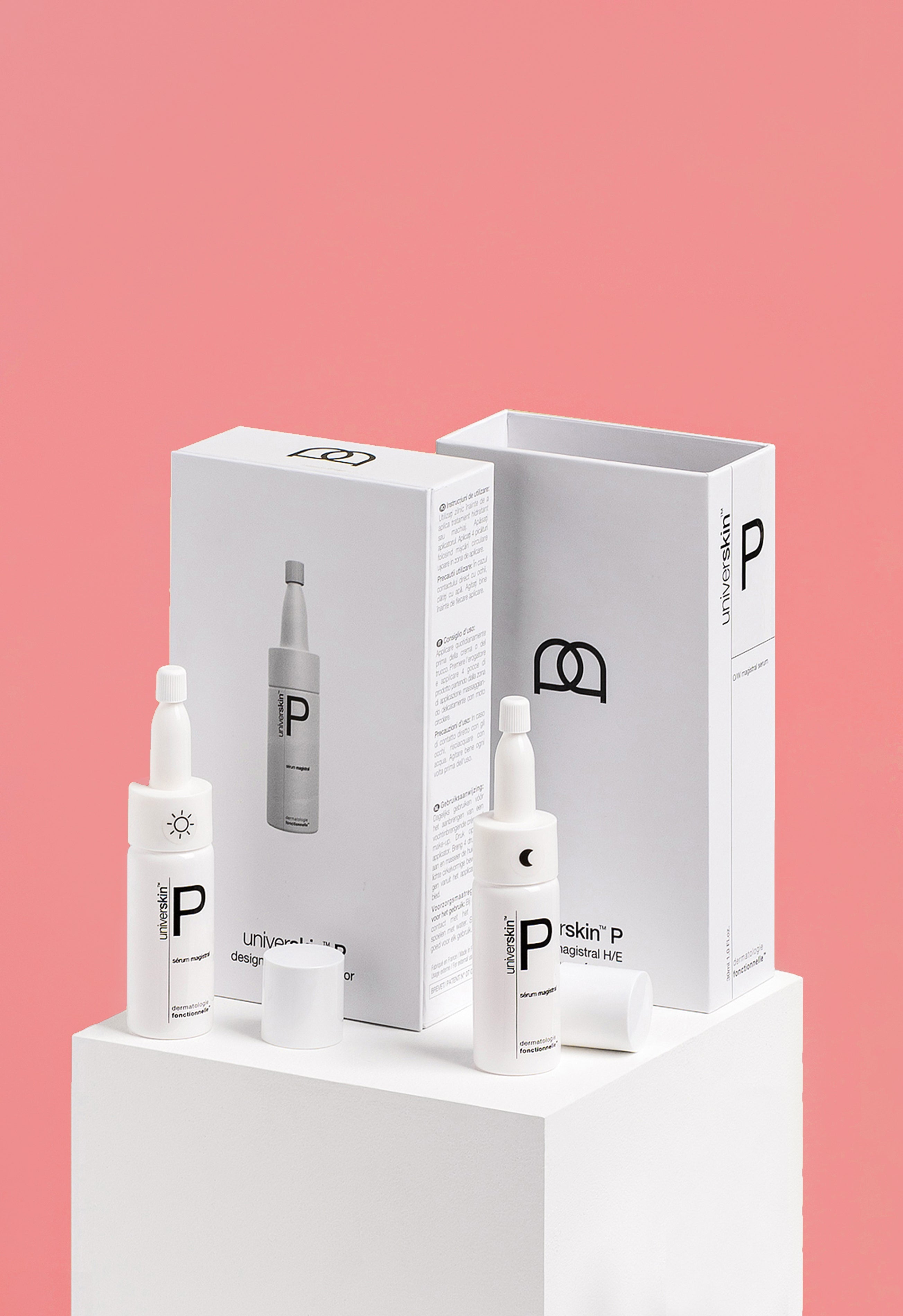
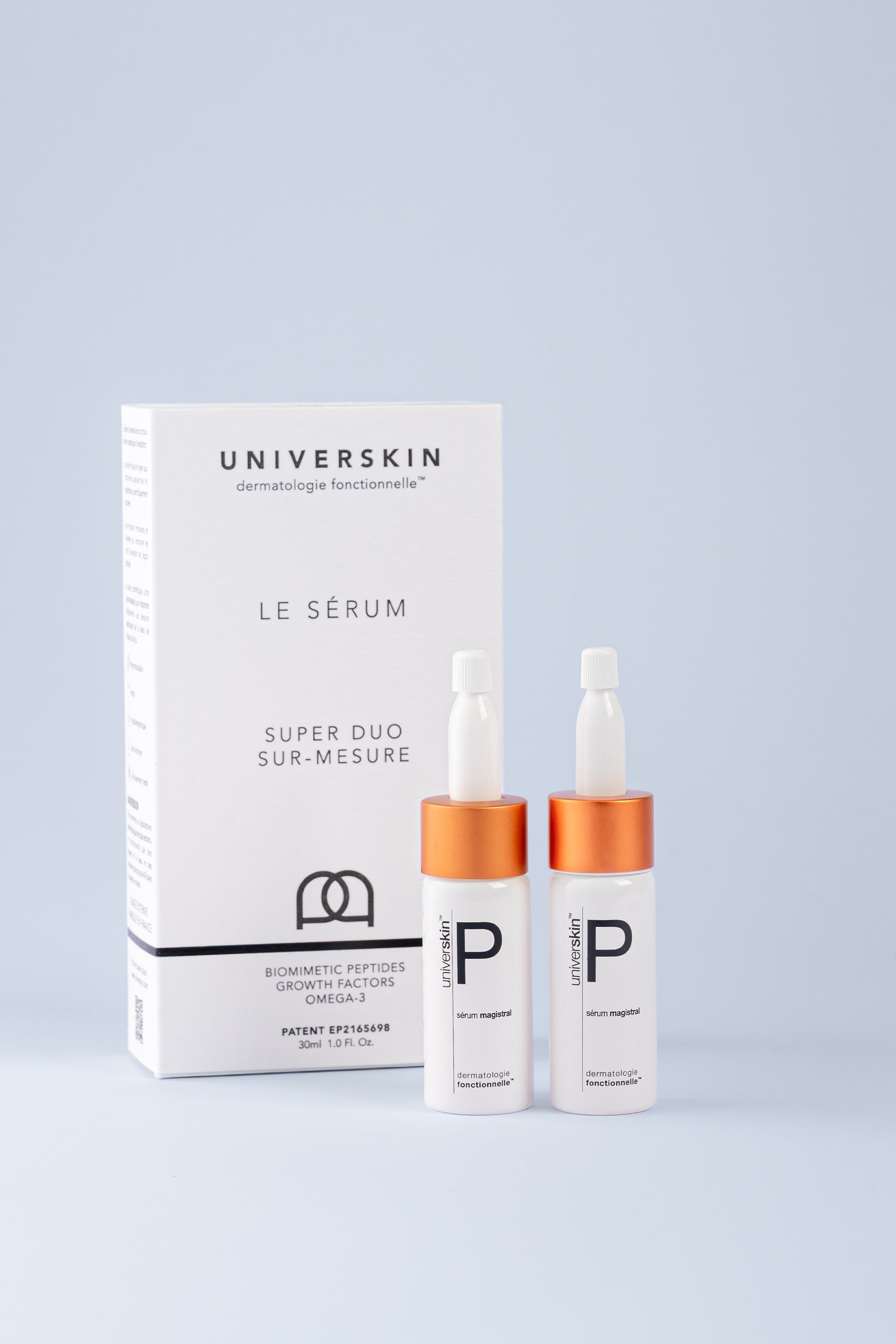
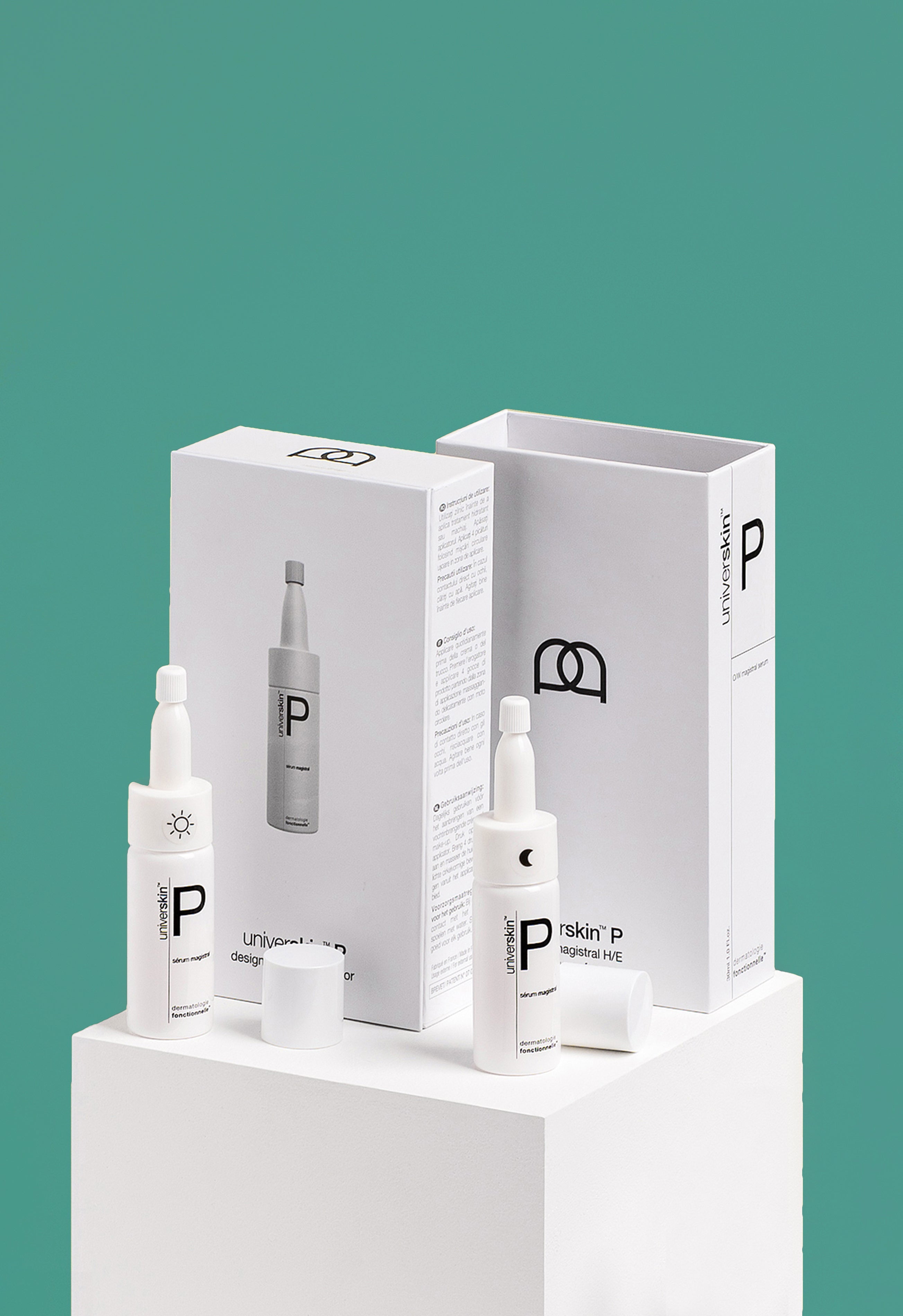
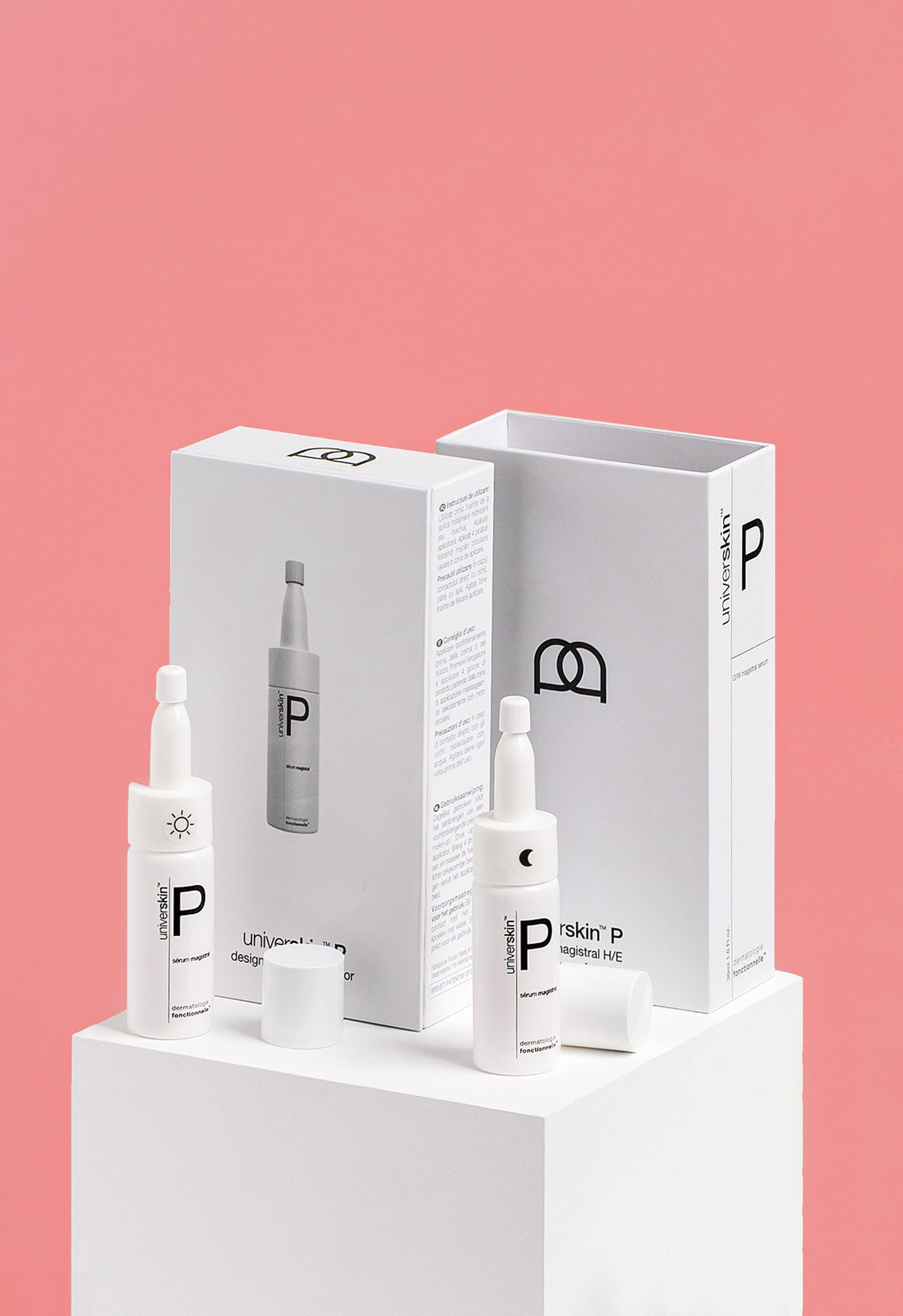
At Universkin, azelaic acid is not an off-the-shelf product — it is dosed as a single capsule at 5.4% per dose and blended into a serum base chosen for your skin. It is a single-capsule active, so its strength comes from the quality of the formulation and the actives it is paired with rather than from stacking more capsules. The starting point is a free, photo-based AI skin analysis, reviewed by a professional, which reads your skin across dozens of parameters and recommends the actives best suited to you. You can see it at work in Formula 18 and across our azelaic acid serums, or explore the full range of active ingredients.
Skin concerns this ingredient can help with
In a personalized formula, this active is commonly used to help target:
Featured collection
Azelaic Acid BASED SERUMS FORMULAS