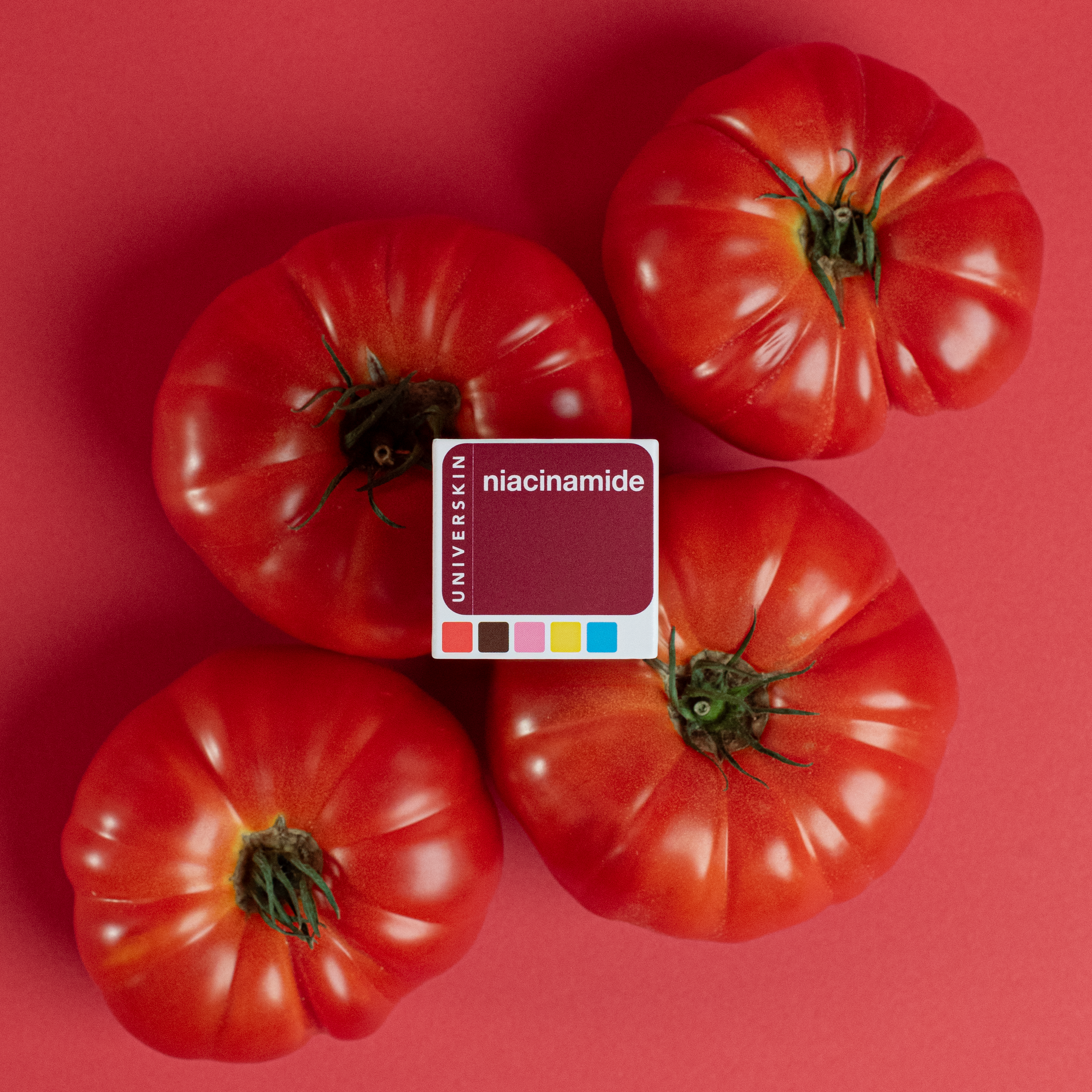
4% PER DOSE, UP TO 8%
NIACINAMIDE
NIACINAMIDE
Niacinamide, also known as nicotinamide, vitamin B3 or even vitamin PP, is the active form of niacin that is necessary for the proper functioning of the body by helping to convert nutrients into energy. Niacinamide is one of the most powerful ingredients in skincare today. It's a versatile active ingredient that can provide a wide range of benefits for skin, from reducing inflammation and pigmentation to improving elasticity and moisture levels. It's an especially good choice for those with sensitive, irritated, acne-prone, aging, or dry skin.
Concentration
The concentration of niacinamide in skincare products varies, but it is typically found in concentrations from 2% to 20%. Universkin provides niacinamide at 4% and 8%: the 4% concentration is a gentle daily essential well suited to sensitive or redness-prone skin, while the 8% concentration delivers faster, visible results.
Which Strength: 4% or 8%?
The right concentration comes down to your skin's sensitivity and goals. Formula 16 – Niacinamide 4% is the gentle everyday option: a single 4% dose that suits sensitive, redness-prone or first-time users. For visible pigmentation, redness or oiliness, Formula 17 – Niacinamide 8% doubles the active to its maximum strength for faster results. If you are unsure, let a personalized skin analysis recommend the right strength for you.
Who Should Use It
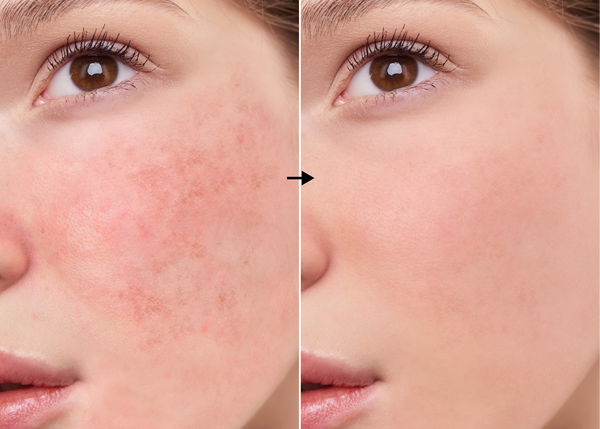
Niacinamide is suitable for all skin types, including those with sensitive and reactive skin. It can be used by anyone looking to improve the overall health and appearance of their skin, including those with acne, increased oil production, dryness, dullness, dark spots, and wrinkles. For those with irritated, sensitive, and reactive skin, niacinamide can help reduce redness, inflammation, and discomfort. In addition, those with acne-prone skin can use niacinamide to help regulate oil production and balance the skin's pH level.
Can Be Used In Combination With
Niacinamide works synergistically with other active ingredients to target various skin concerns; when combined with ingredients like vitamin C, kojic acid, or arbutin, it helps improve brown spots and patches. In the fight against skin aging, niacinamide can be paired with retinol, vitamin C, isoflavones, peptides, SOD, ferulic acid, madecassoside, for example. For those struggling with excess oil production, acne and opened pores, niacinamide can be used in conjunction with ingredients like azelaic acid, salicylic acid, and zinc.
How Often Can You Use It
Niacinamide can be used daily in the morning and/or at night. It is gentle and non-exfoliating, so it suits long-term daily use; if your skin is new to active ingredients, begin once a day and build up as it adapts.
How to Use It in Your Routine
Niacinamide is lightweight and compatible with almost everything, so it is easy to place in a routine: apply it to clean skin before heavier creams and oils. In the morning it layers well with vitamin C, under moisturiser and a broad-spectrum SPF — daily sun protection is essential if you are using niacinamide to fade dark spots, since UV exposure will otherwise undo that progress. At night it pairs well with retinol, helping offset the dryness retinol can cause.
Don't Use It If
Niacinamide is suitable for all skin types. If you have very sensitive skin or allergies, it is always recommended to test products on a small skin area before using them on the face. To patch test, apply a small amount behind the ear or on the inner forearm for a few days and check for a reaction before using it on your face. There is rarely a need to stop niacinamide, but if your barrier is compromised — after a strong peel, sunburn or a flare of irritation — pause actives until the skin settles. If you are pregnant, breastfeeding or under a dermatologist's care, check with your doctor before adding any new active.
Origins of the Ingredient

Niacinamide or Vitamin B3, is a water-soluble vitamin that is naturally occurring in many foods including yeast, meat, fish, and cereal grains. It was first isolated from liver in 1937 and has since been recognized for its numerous benefits for the human body and skin. In the cosmetic industry, niacinamide is widely used in skincare products due to its unique properties and effectiveness in addressing various skin concerns.
Universkin experts know that not all niacinamide raw materials are created equal. It is why they have selected the best available grade of niacinamide to avoid any risk of residual nicotinic acid, a potential skin irritant.
Chemical Composition
Niacinamide is a derivative of Vitamin B3 and is chemically represented as pyridine-3-carboxamide. Its molecular formula is C6H6N2O and its molecular weight is 122.12 g/mol. Niacinamide is a colorless and odorless crystalline powder that is soluble in water, ethanol, and methanol.

Mechanism of Action
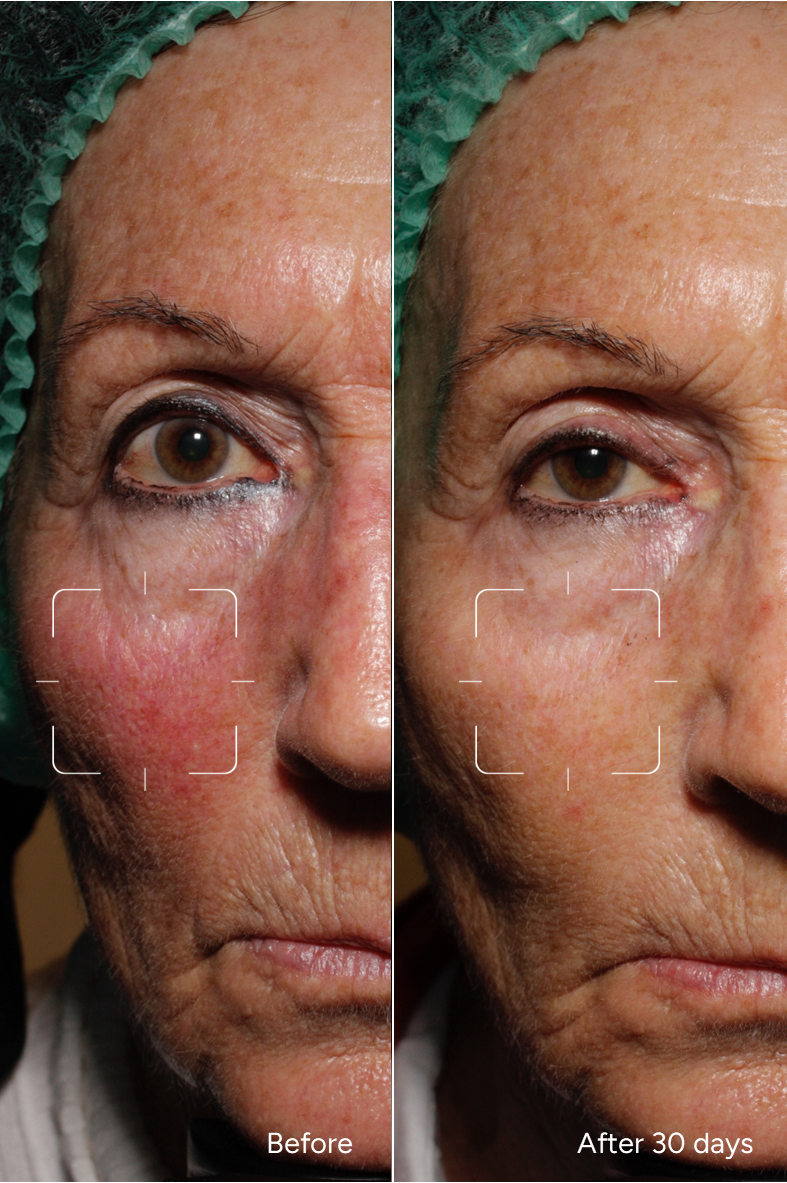
Niacinamide works by boosting the production of ceramides and fatty acids, which are essential components of the skin's natural protective barrier. It also helps to improve the skin's elasticity and firmness, reducing the appearance of fine lines and wrinkles. Additionally, niacinamide has been shown to reduce redness and improve the overall appearance of the skin by increasing the production of collagen and regulating the transfer of melanin to the upper skin layers.
Benefits
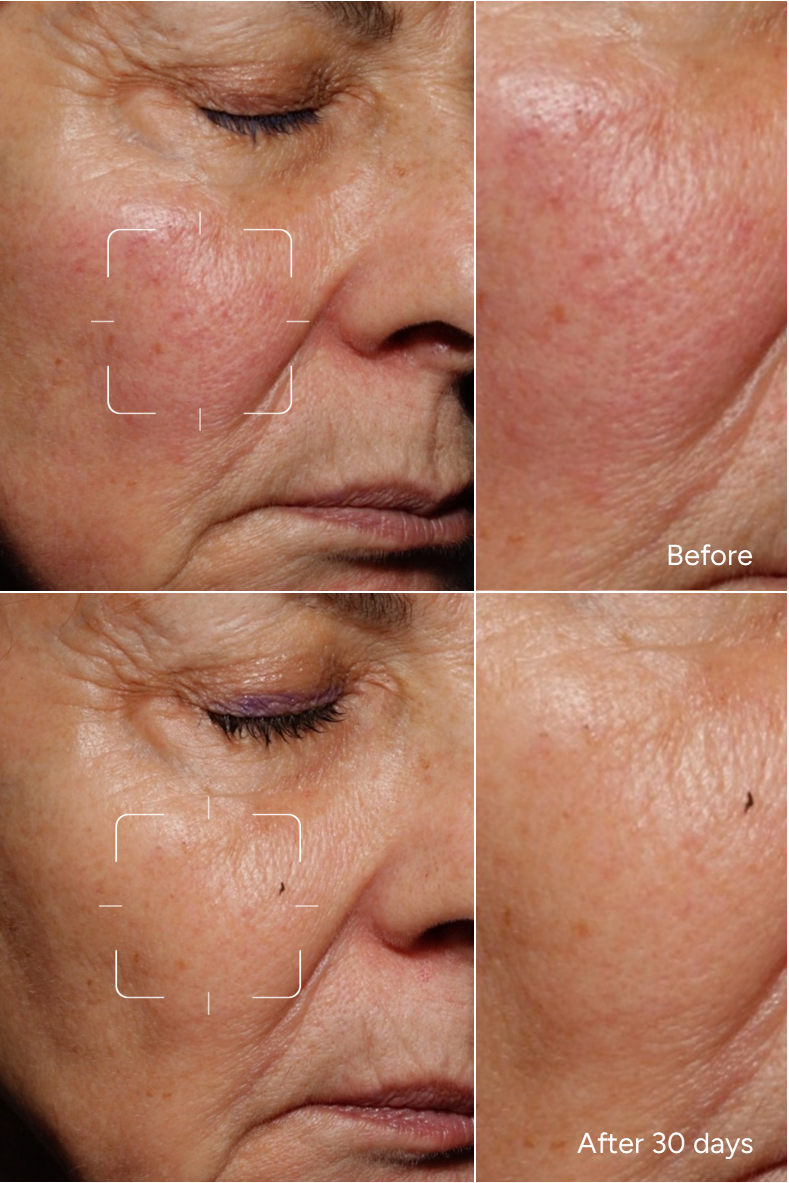
Niacinamide has a range of benefits for the skin. It helps to reduce redness, minimize the appearance of dilated pores, and improve the skin's overall tone and texture by reducing the production of melanin and increasing the production of collagen. It also helps protect the skin against oxidative stress and hydrates, improving overall radiance.
Evidence & Results Timeline
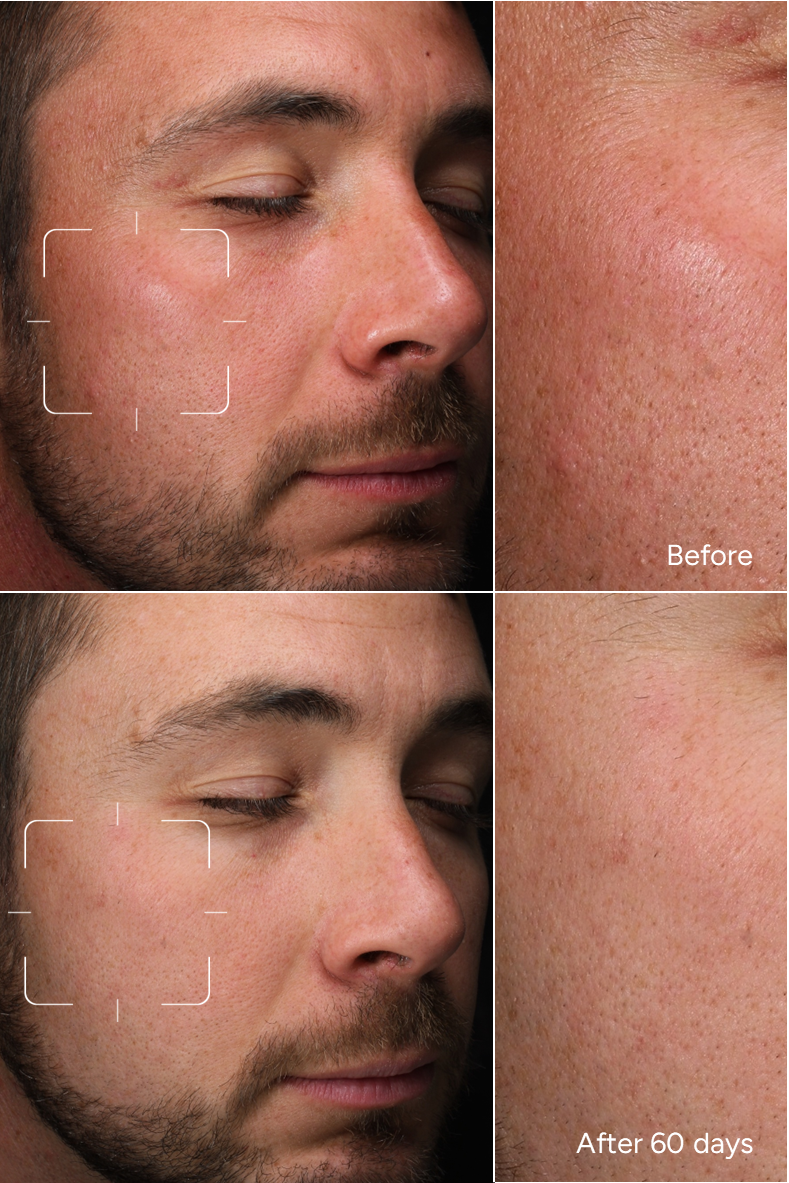
Niacinamide is one of the most studied vitamins in dermatology, which is part of why it appears in so many doctor-designed formulas. A 2002 study by Hakozaki and colleagues in the British Journal of Dermatology found that topical niacinamide reduced the appearance of hyperpigmentation and increased skin lightness, in part by suppressing the transfer of melanosomes (pigment packets) to surrounding skin cells. A 2005 study by Bissett and colleagues in Dermatologic Surgery reported visible improvements in fine lines, blotchiness and uneven tone over twelve weeks of twice-daily use. Work by Tanno and colleagues, also in the British Journal of Dermatology, showed that niacinamide raises the skin's own ceramide and barrier-lipid production, strengthening the moisture barrier and reducing water loss. Further clinical studies have shown it can help moderate sebum (oil) production.
Because niacinamide works cumulatively, results build over weeks, with different benefits on different timelines:
Weeks 1–2: skin feels more comfortable and better hydrated as the barrier is supported.
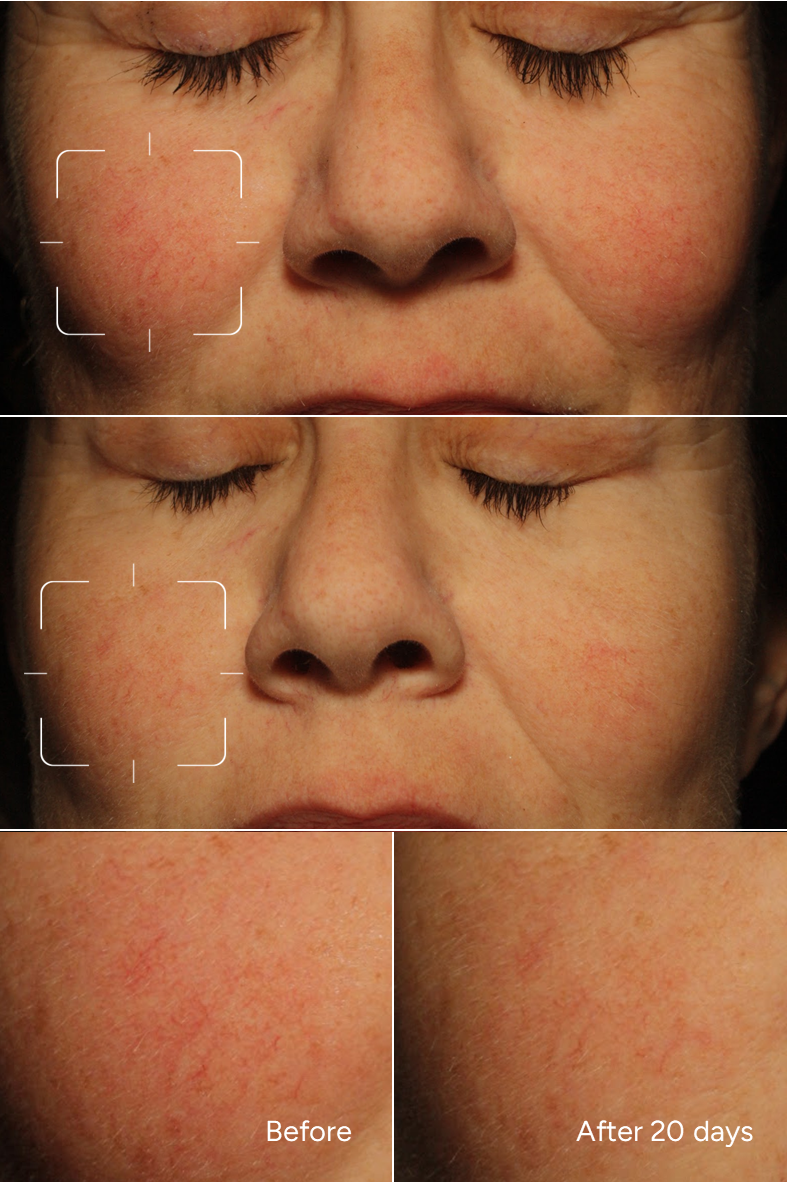
Weeks 3–4: redness looks calmer, texture feels smoother, and pores can appear more refined.
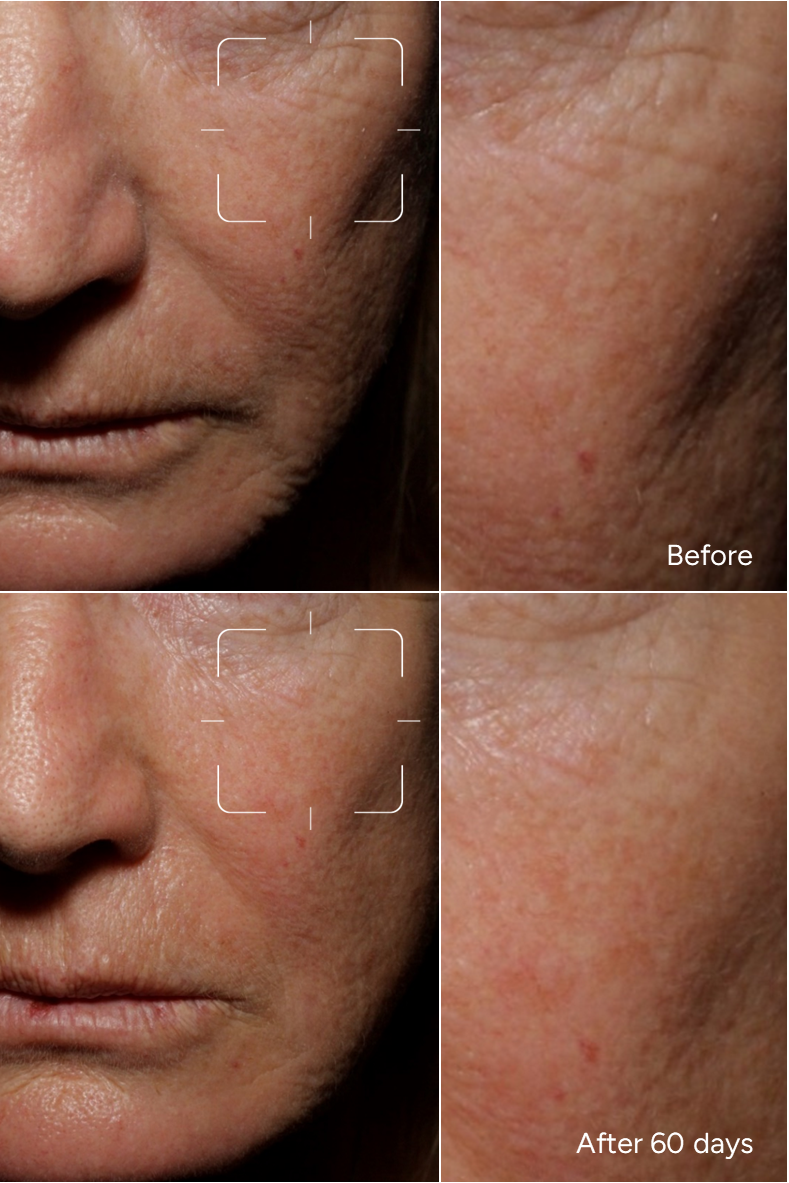
Weeks 4–8: tone looks more even, mild dark marks may start to fade, and oilier skin feels more balanced.
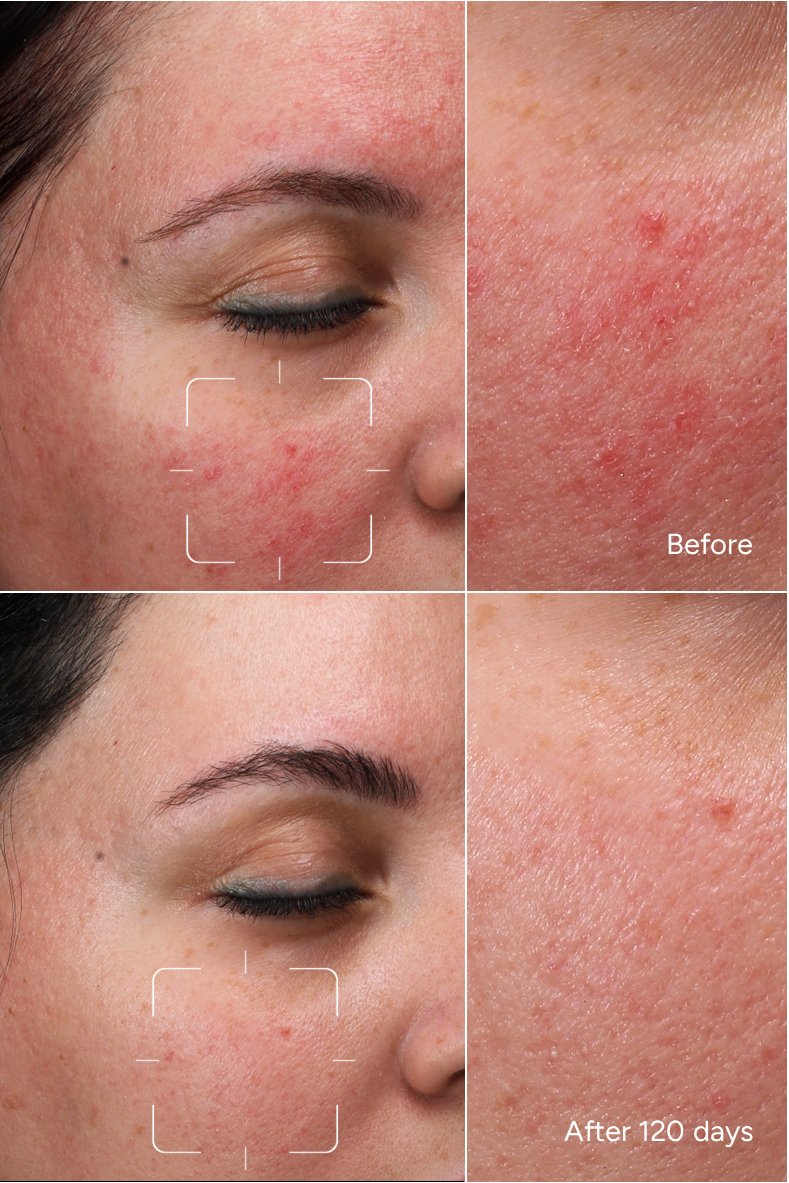
Weeks 8–12 and beyond: tone, stubborn pigmentation and fine lines keep improving. Pigmentation is slowest to respond, so daily SPF is essential to see and keep results.
How Niacinamide Compares to Other Actives
Niacinamide overlaps with several well-known actives, but each has a different strength, and in a personalized serum they are often combined. Versus vitamin C, both brighten and fight oxidative stress, but vitamin C is the stronger antioxidant while niacinamide is gentler, so the two are commonly layered. Versus azelaic acid, both calm redness, but azelaic acid is more targeted for breakouts and can tingle, whereas niacinamide is milder. Versus retinol, retinol is stronger for fine lines but more likely to dry the skin, and niacinamide pairs with it to buffer irritation. Dedicated brighteners such as arbutin or kojic acid focus purely on dark spots, while niacinamide brightens more gently and adds barrier and oil benefits too. For oil, exfoliants such as salicylic acid and zinc act more directly, while niacinamide regulates how much is produced.
Stability
In addition to its benefits, niacinamide is also highly stable.
In conclusion, niacinamide is an extraordinary and versatile cosmetic ingredient offering a wide range of cutaneous benefits. Thanks to its well-tolerated nature and lack of degradation, it can be used in products suitable for both young and mature skin, making it a reliable and effective choice.
Niacinamide in Your Personalized Formula
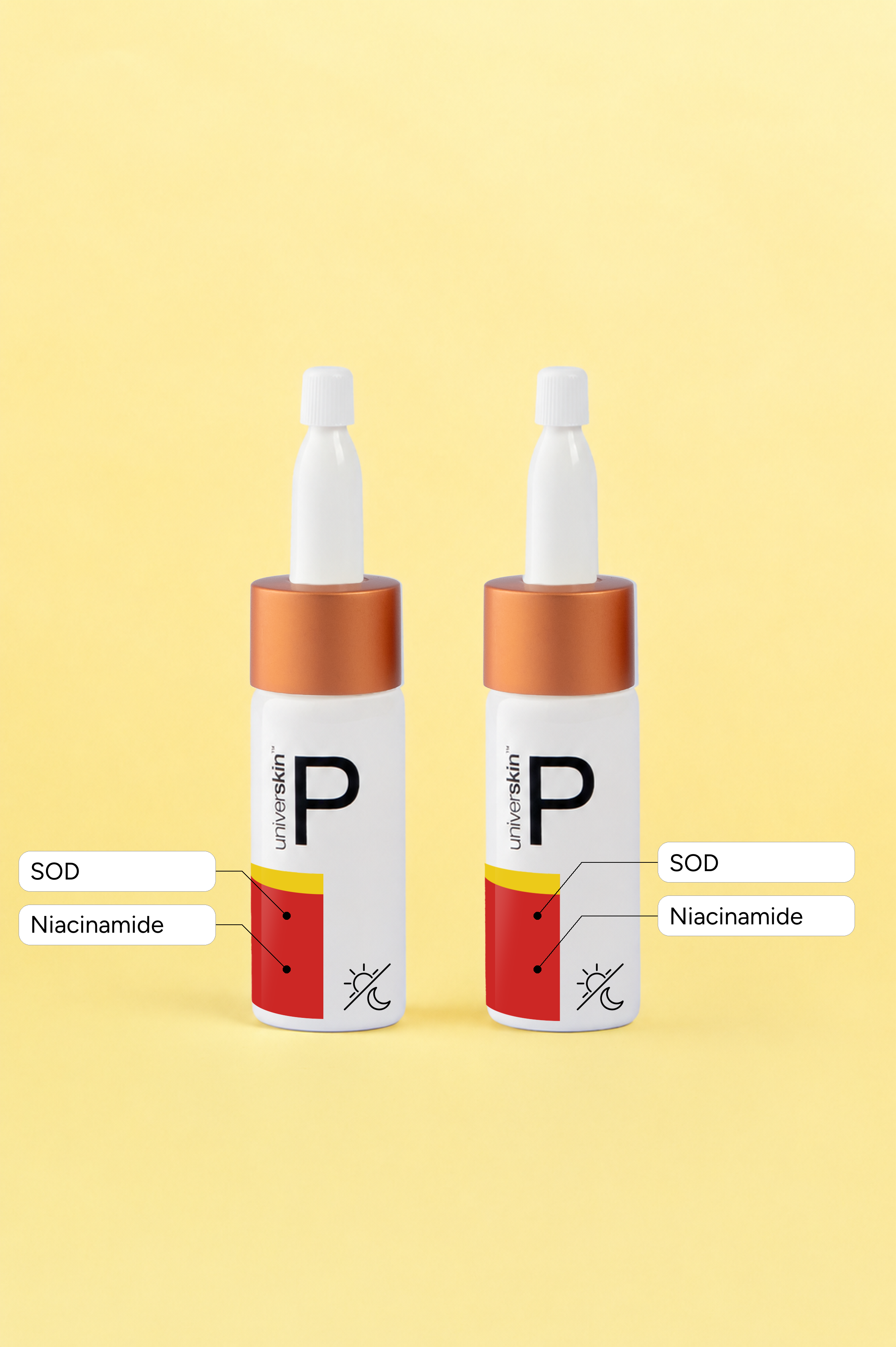
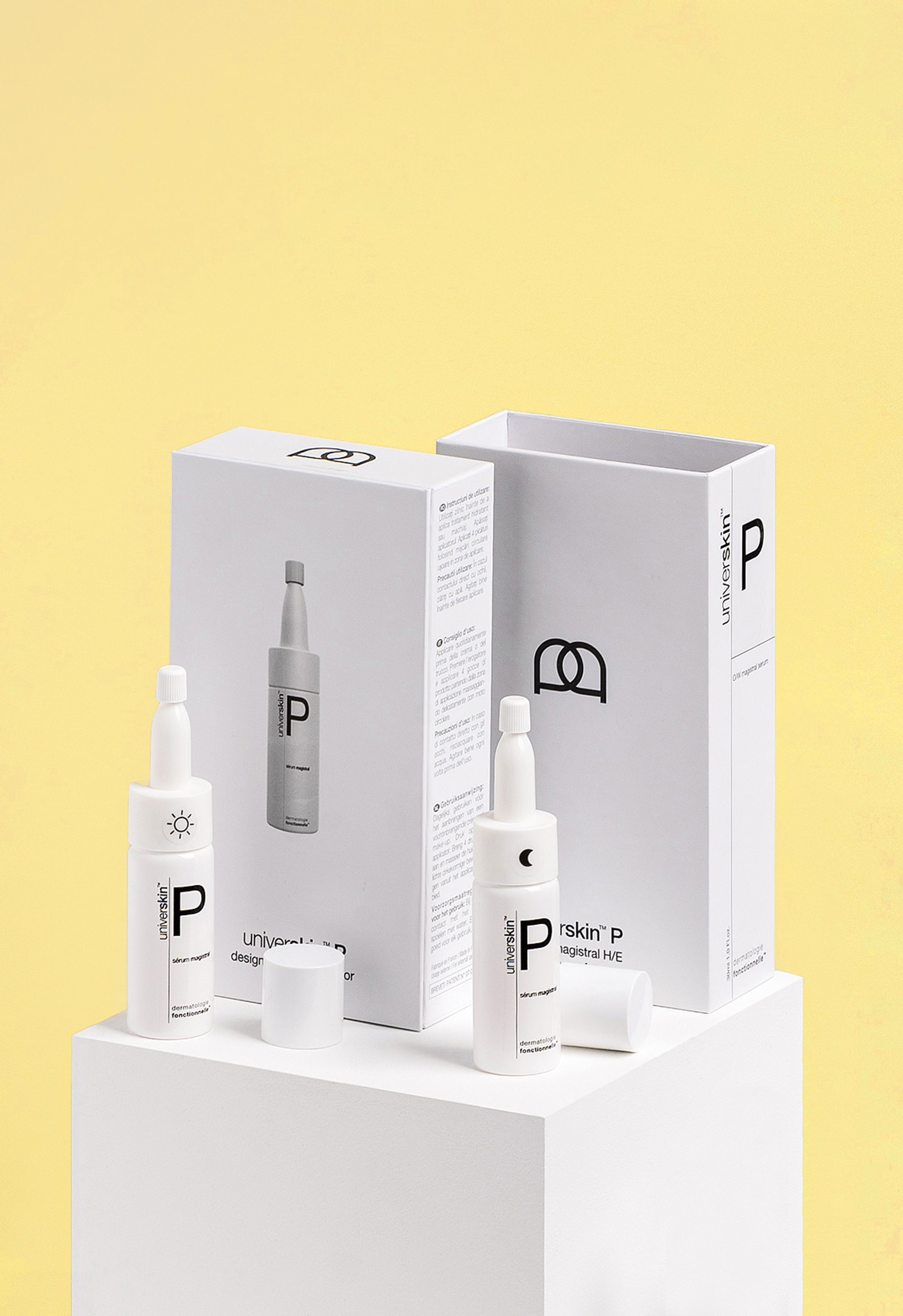
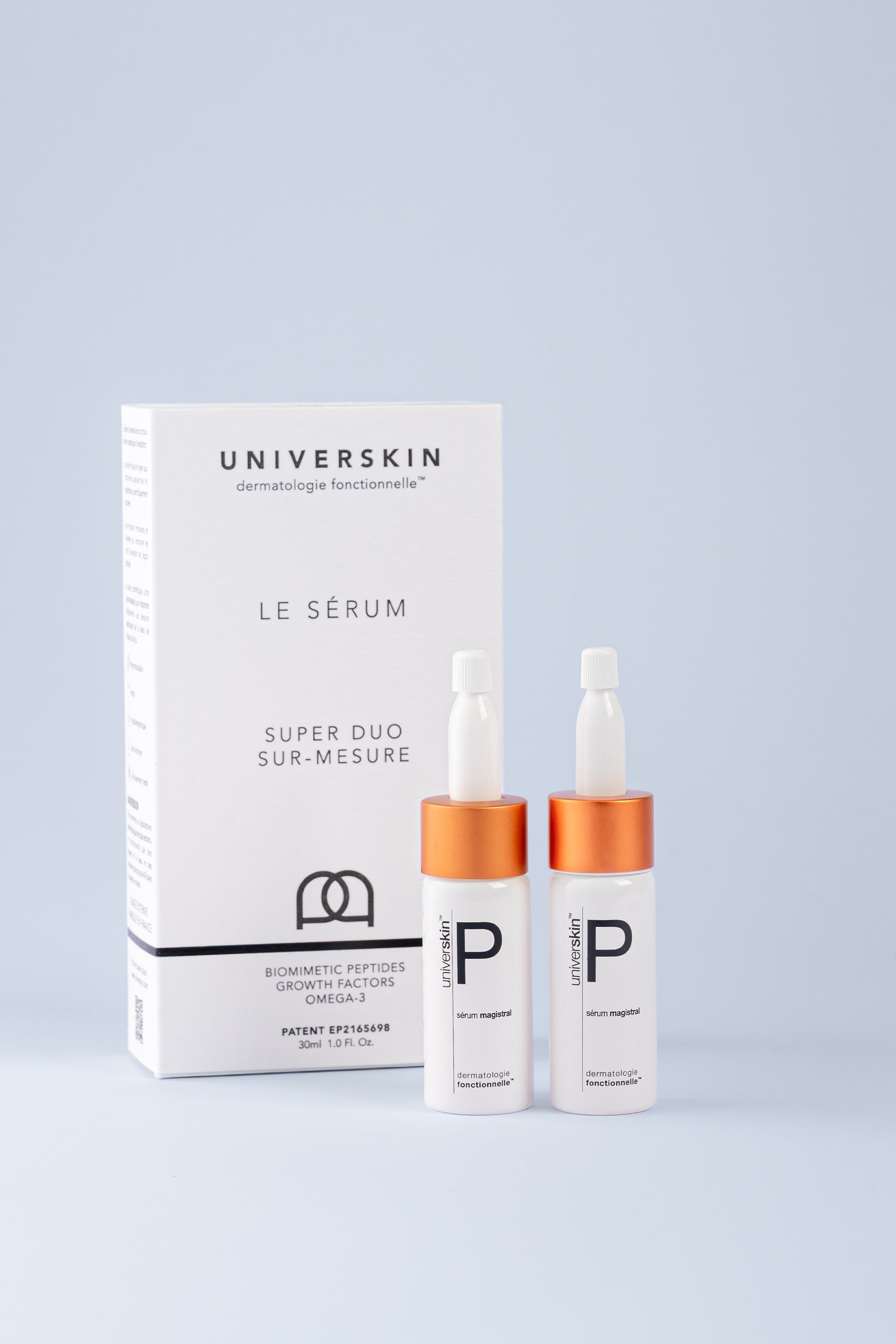
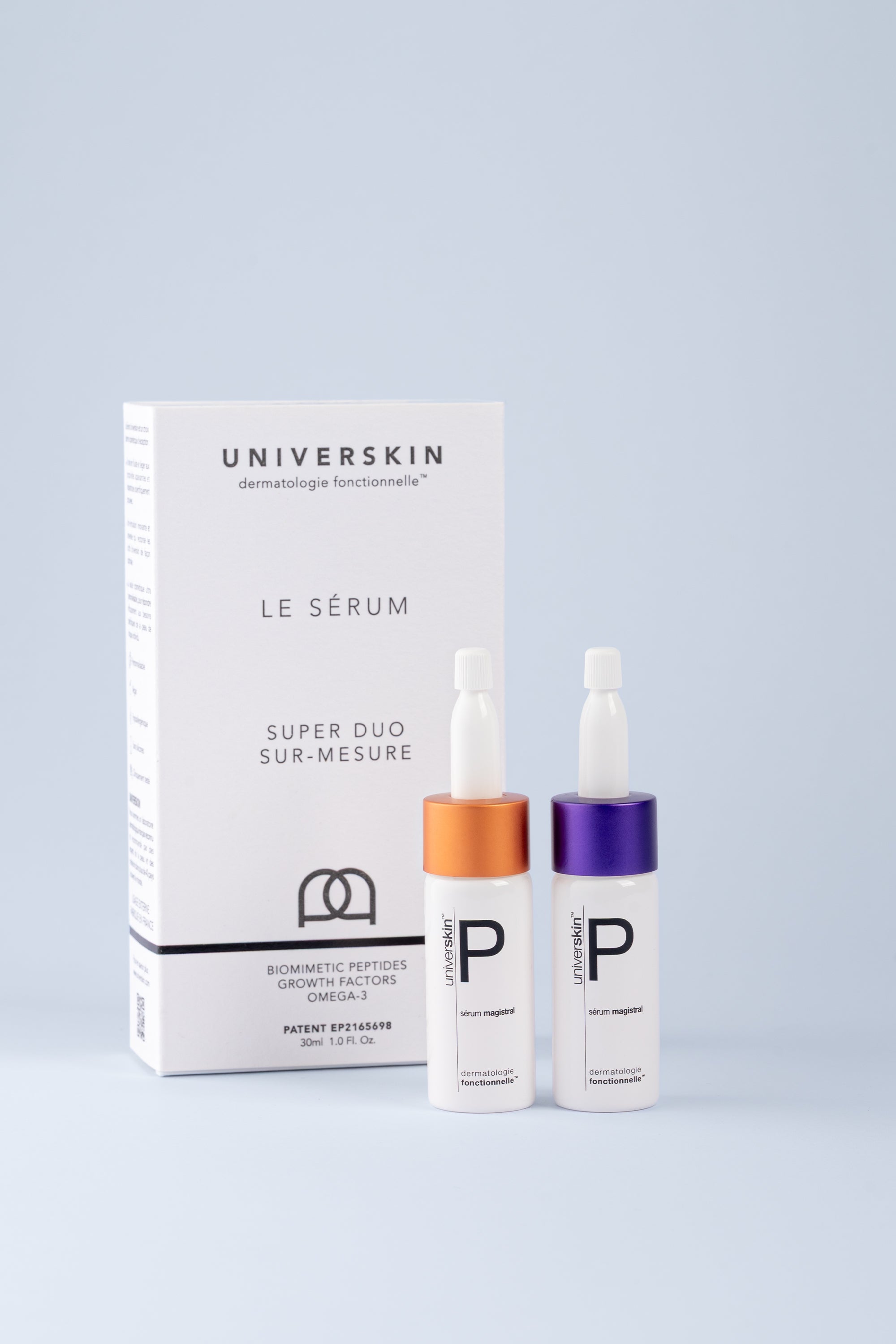
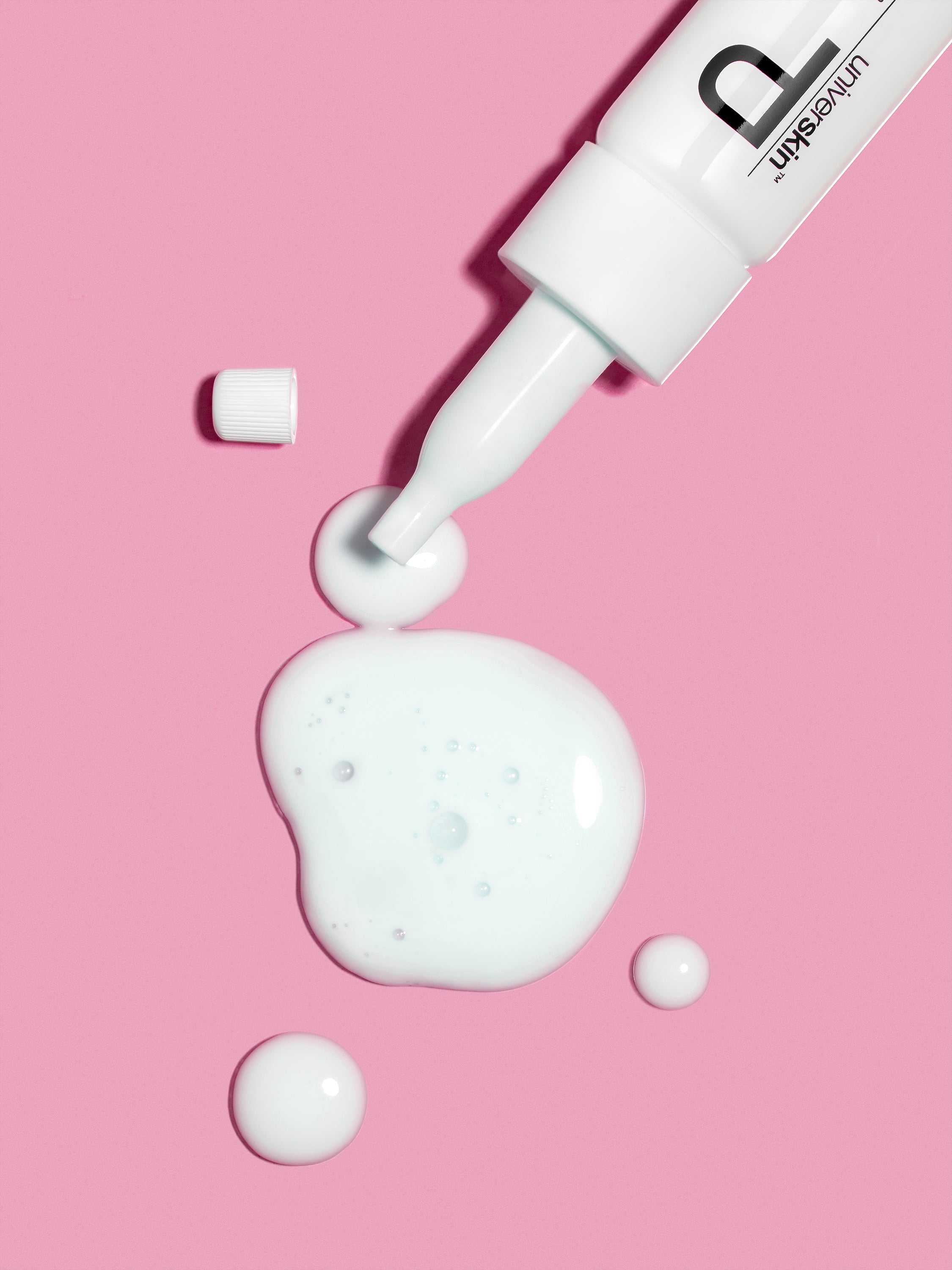
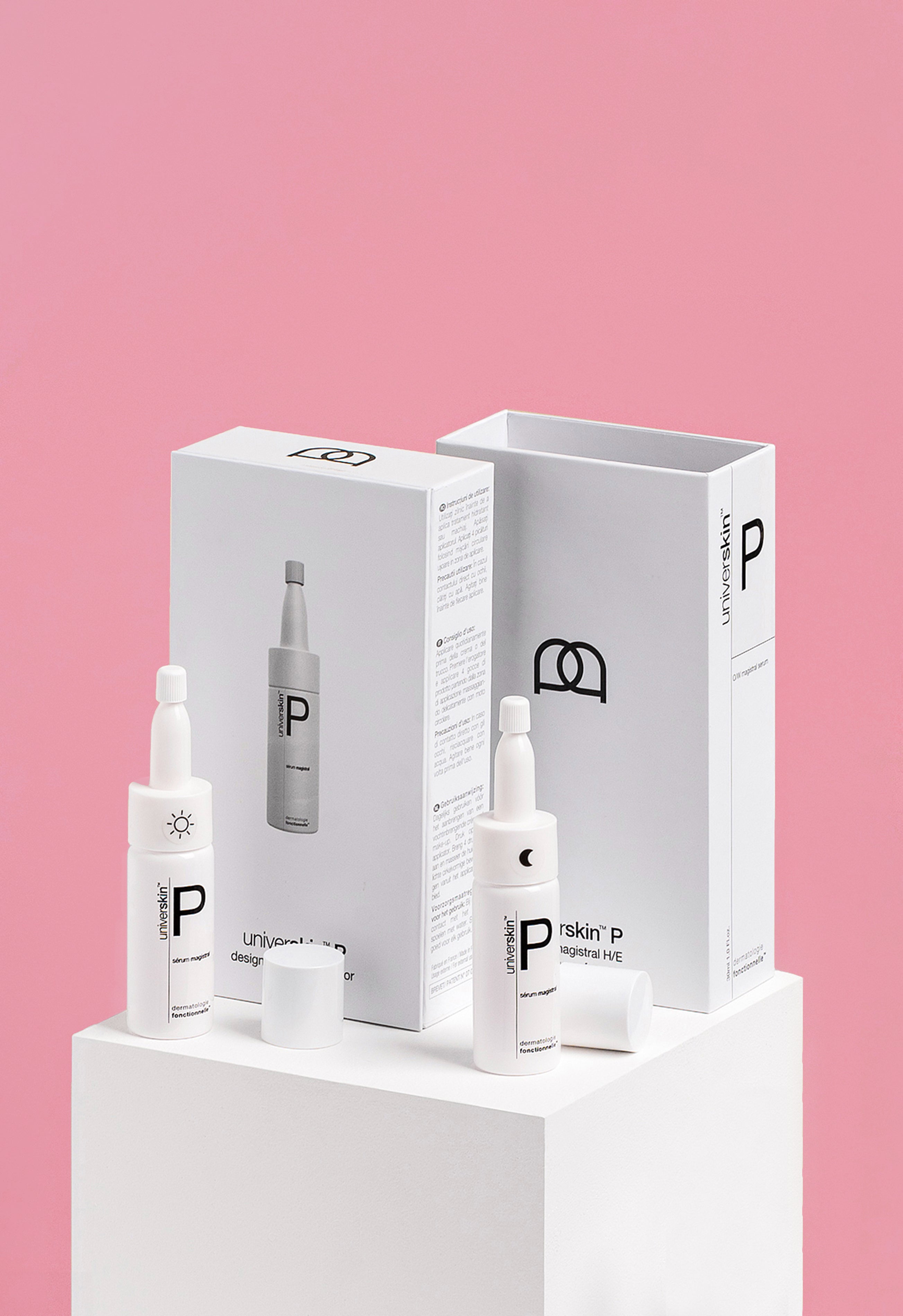
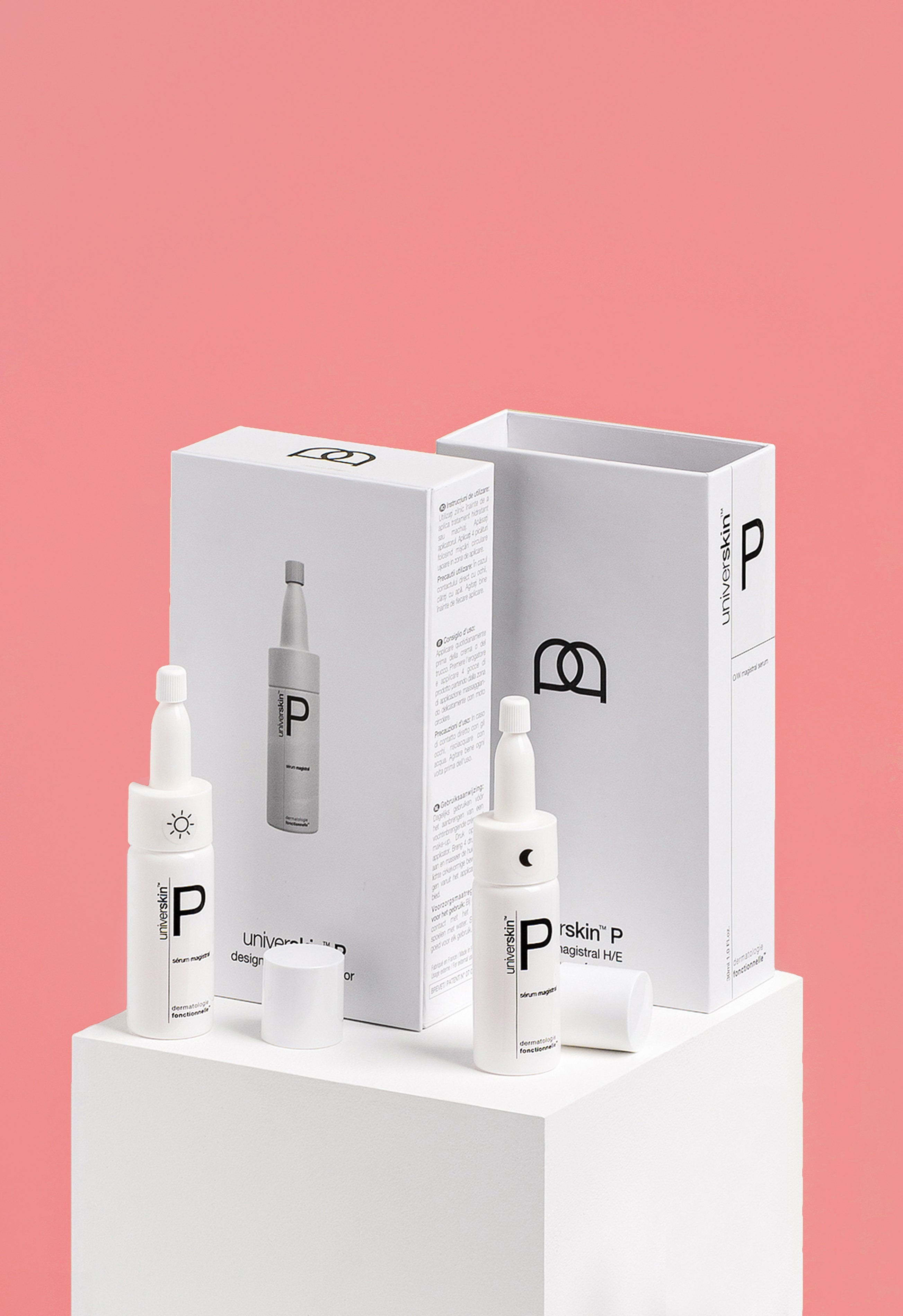
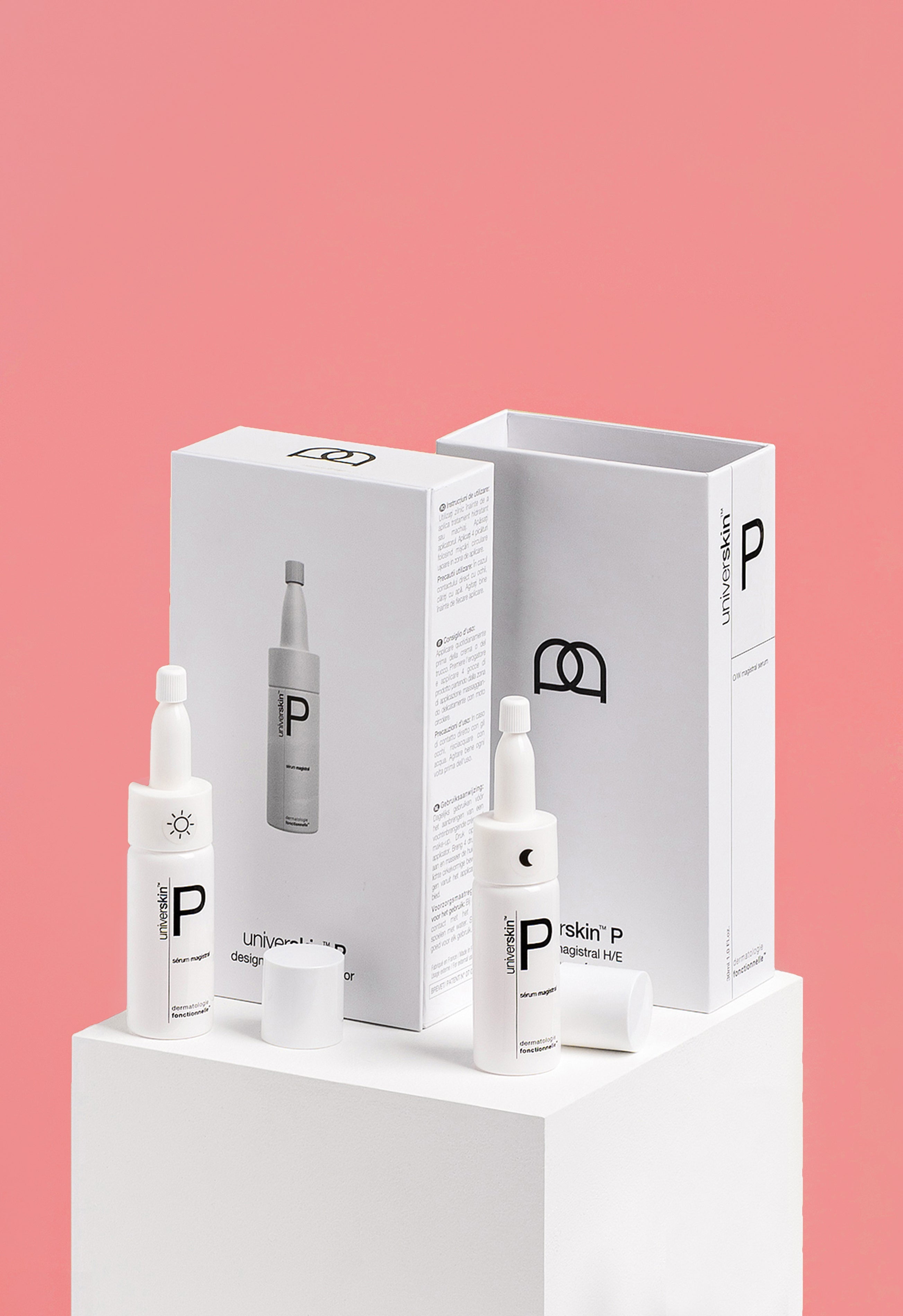
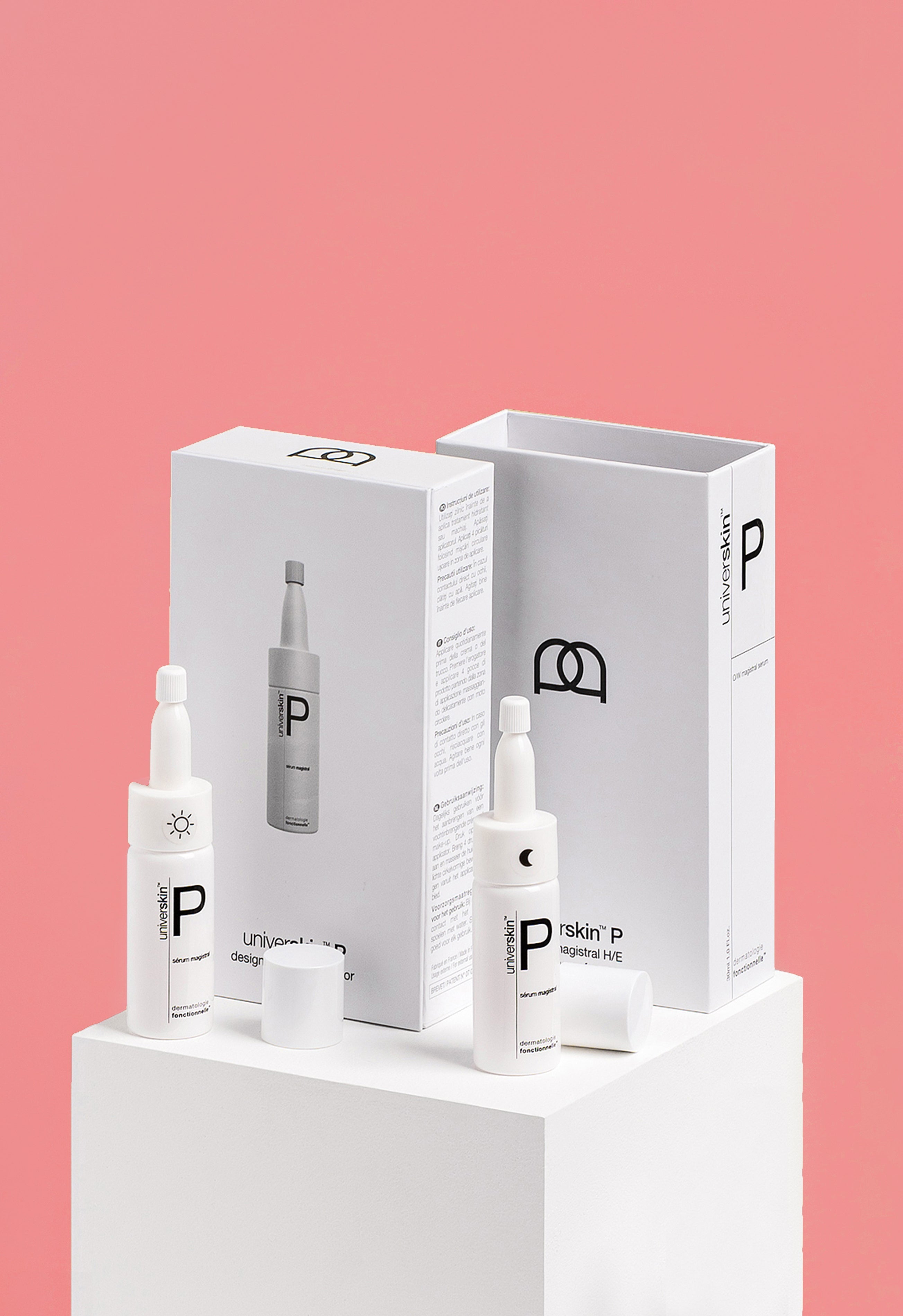
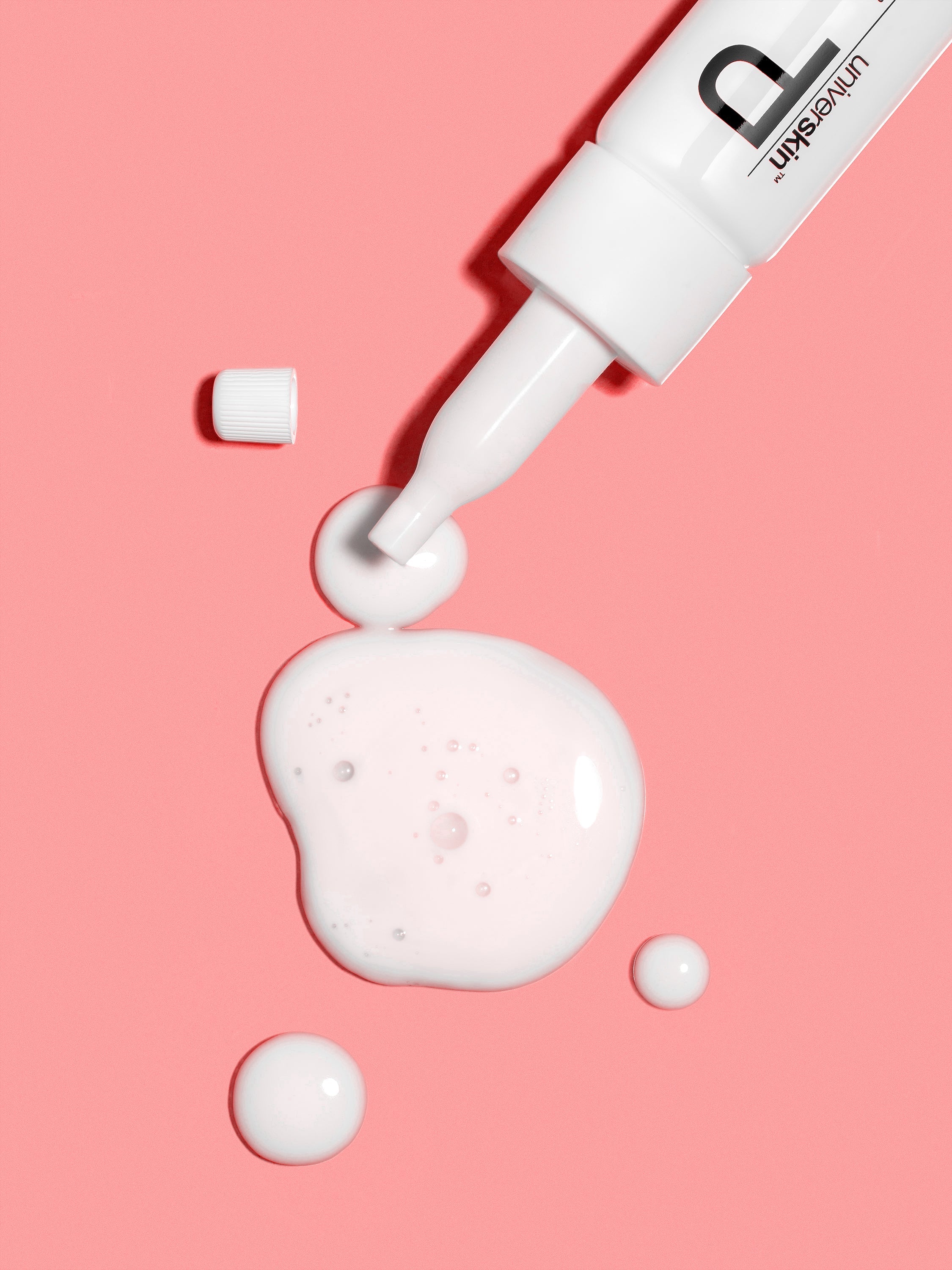
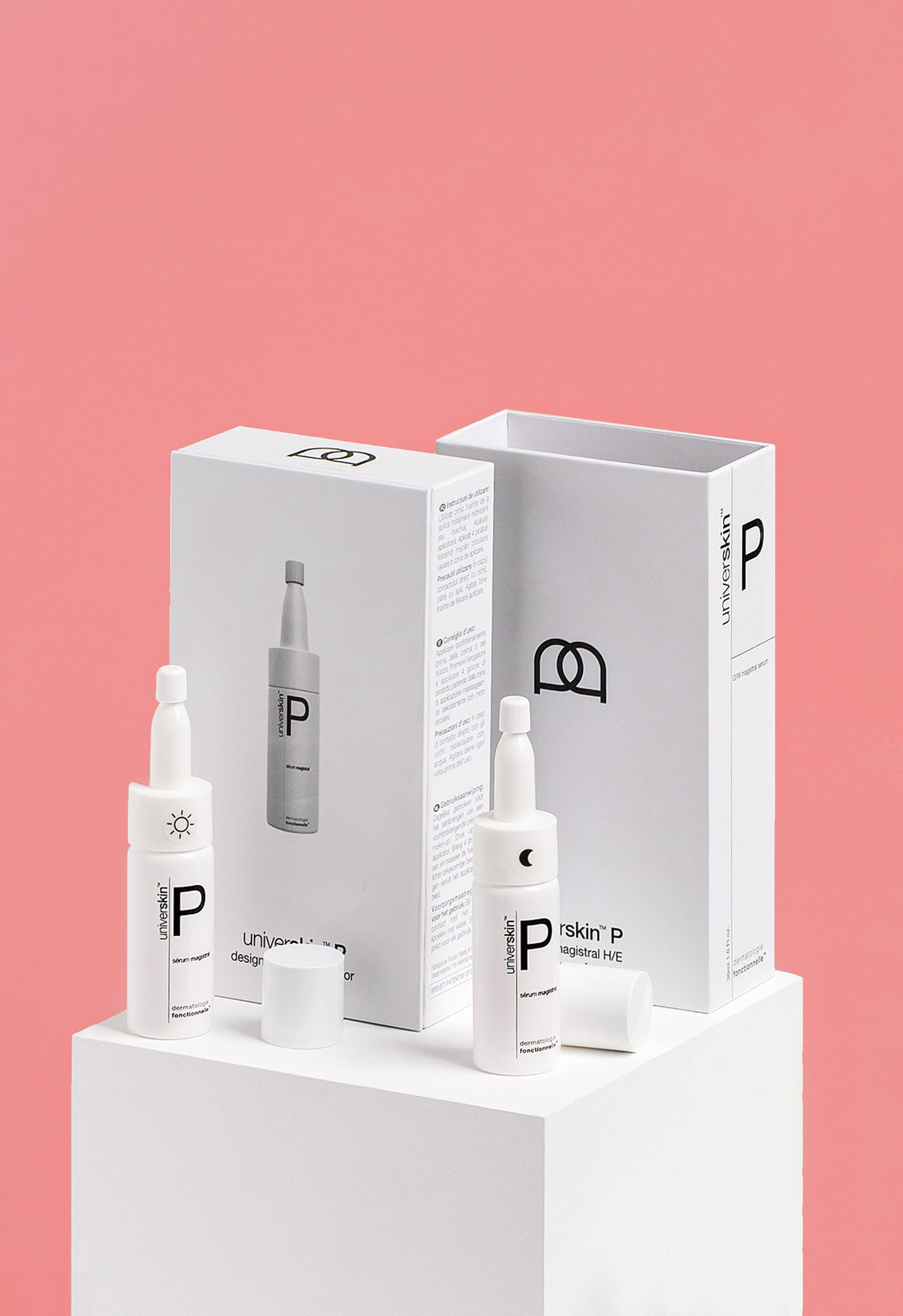
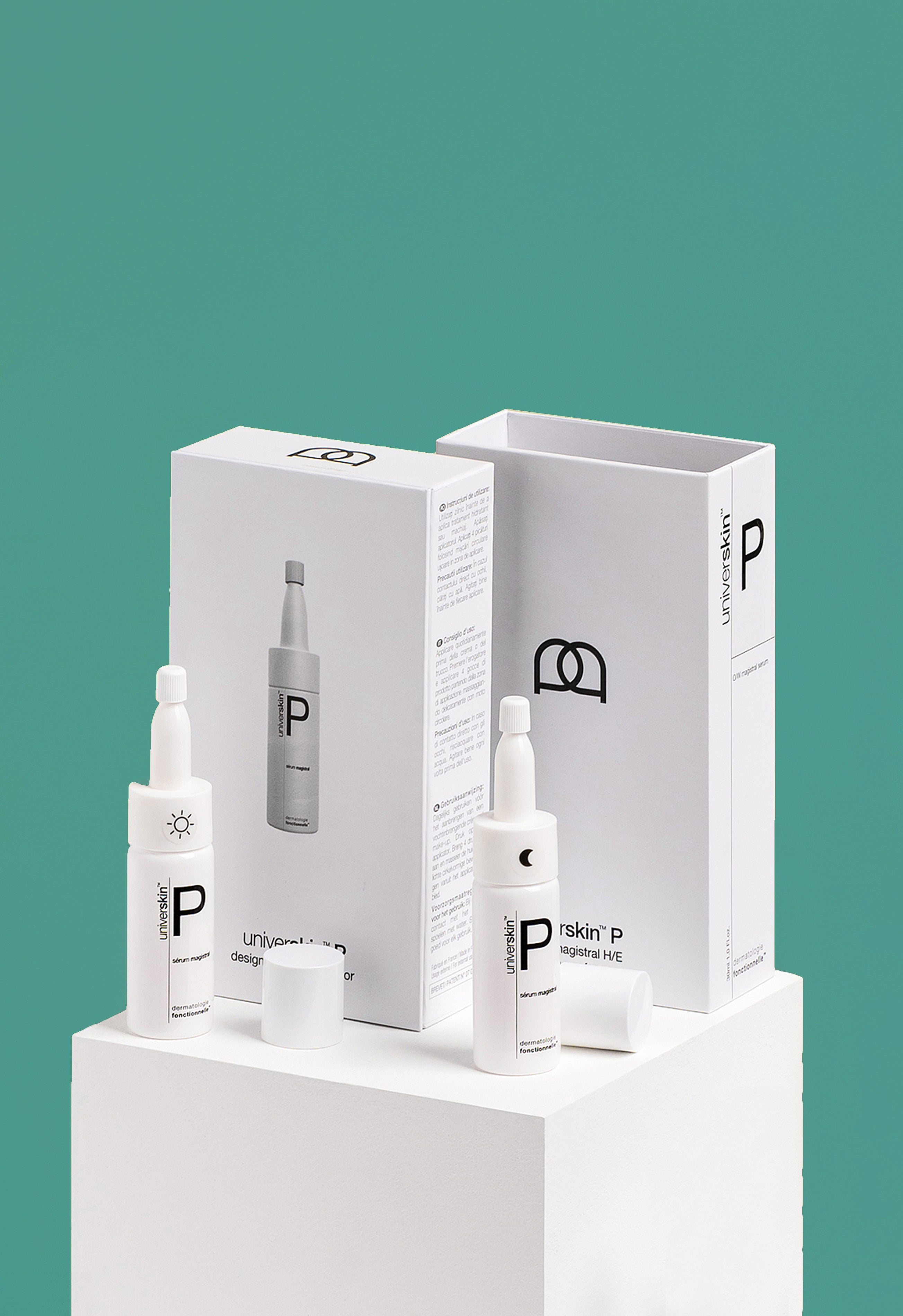
At Universkin, niacinamide is not a one-size-fits-all bottle; it is dosed as an active into a serum built around your skin. It is a two-capsule active: a single dose delivers 4%, and a doctor can build it up to a maximum of 8% with a second capsule when a stronger concentration is needed. That "4% per dose, up to 8%" range lets the formula stay gentle for reactive skin or step up for more visible pigmentation, redness or oil concerns — without pushing beyond what the ingredient is designed to deliver.
Which strength suits you, and which other actives niacinamide is paired with, is decided from your skin analysis, so it works alongside complementary actives, not alone. You can also explore the niacinamide-based serums collection.
Frequently Asked Questions
What does niacinamide do for your skin?
Niacinamide (vitamin B3) is a multitasker. It supports the moisture barrier by boosting ceramide production, calms redness and the look of inflammation, refines the appearance of enlarged pores, helps even out tone and fade dark spots, and can moderate excess oil. Because it is gentle, it suits most skin types, including sensitive skin.
Should I use 4% or 8% niacinamide?
Both are effective; the difference is strength. A 4% dose (Formula 16) is the gentle everyday choice for sensitive, redness-prone or first-time users. An 8% concentration (Formula 17) is niacinamide's maximum strength, better for visible pigmentation, redness or oiliness. If you are unsure, start at 4% and build up, or let a skin analysis guide you.
Can I use niacinamide with vitamin C or retinol?
Yes. Niacinamide is stable and layers well with most actives. It pairs with vitamin C for brightening and antioxidant defence, and works especially well with retinol at night, where it helps reduce the dryness and irritation retinol can cause. Introduce one active at a time, and if your skin feels sensitive, apply them at different times of day.
How long does niacinamide take to work on pores and dark spots?
Niacinamide works gradually. Barrier comfort and hydration often improve within one to two weeks, while calmer redness and a more refined look to pores typically appear over three to four weeks. Pigmentation and dark spots are the slowest, usually taking eight to twelve weeks of consistent use — and daily SPF is essential to see and keep those results.
Does niacinamide have side effects or cause purging?
Niacinamide is one of the best-tolerated actives and does not cause purging, because it does not speed up skin cell turnover the way exfoliating acids or retinoids can. Side effects are uncommon but can include mild, temporary redness or tingling, usually at higher strengths. Patch test first, and pause use if persistent irritation occurs.
Skin concerns this ingredient can help with
In a personalized formula, this active is commonly used to help target:
Featured collection
Niacinamide BASED SERUMS FORMULAS