Hyperpigmentation & Dark Spots: Causes and Treatment
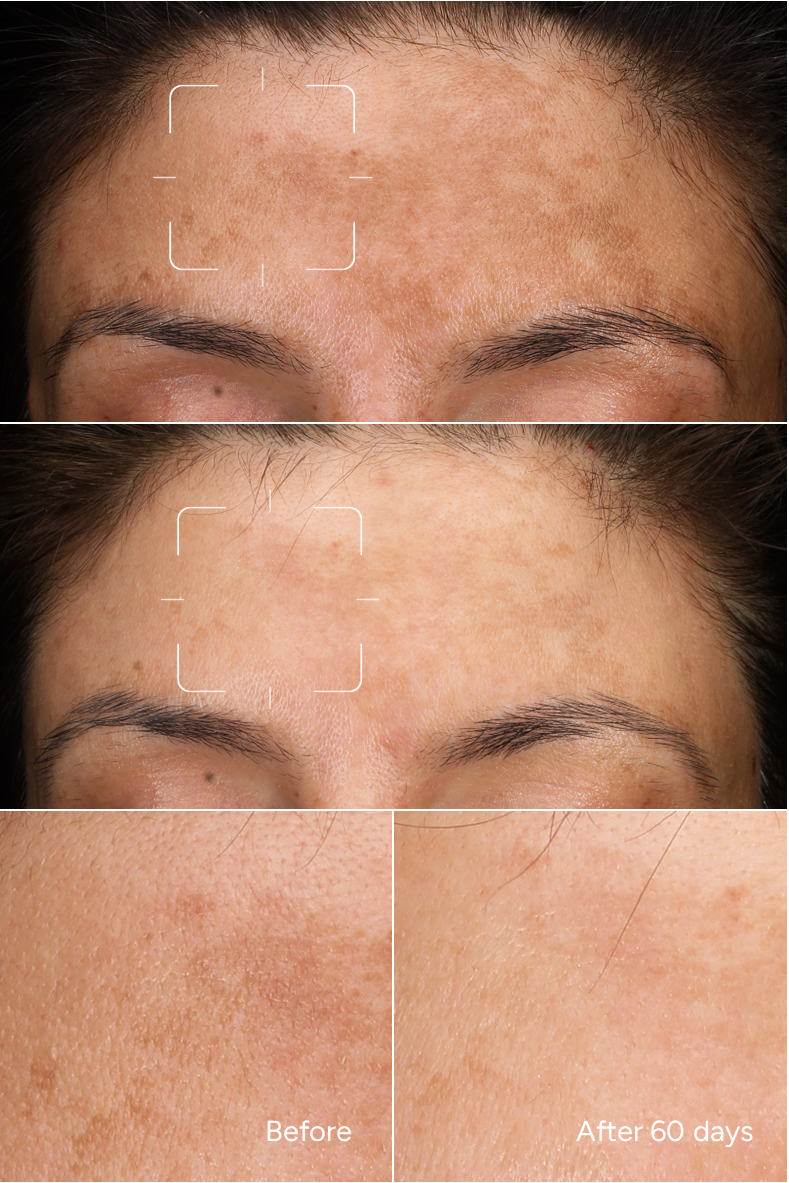
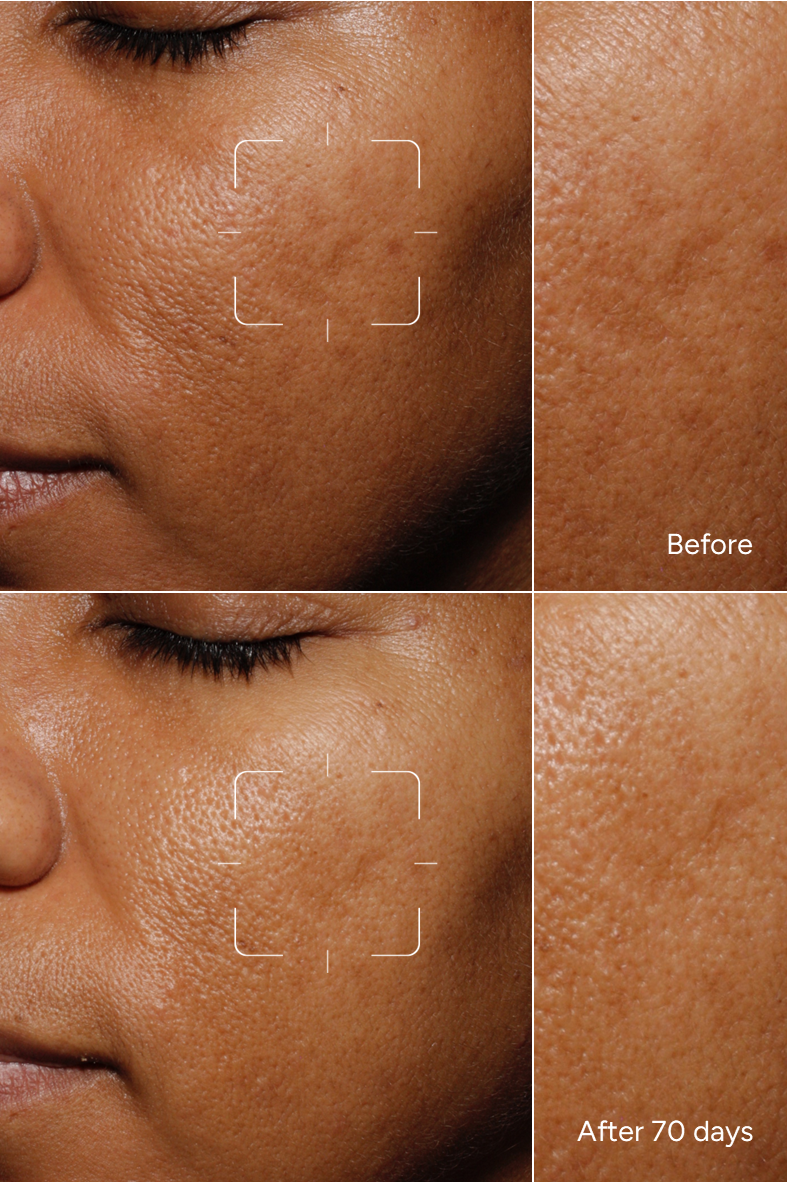
If you have noticed dark spots, brown patches or an uneven skin tone that will not budge, you are describing hyperpigmentation — one of the most common reasons people search for help with their skin. It shows up as flat areas that are darker than the skin around them, ranging from small freckle-like age spots to larger cheek-and-forehead patches. It is not raised, it does not usually itch, and it is almost always harmless. What it does do is make skin look tired, blotchy or older than it feels.
Hyperpigmentation happens when certain areas of skin make extra melanin, the pigment that gives skin its colour. It can affect every skin tone, though it tends to be more visible and longer-lasting on medium-to-deep skin. People describe it in many ways — dark marks, sun spots, liver spots, brown spots, discolouration, melasma or simply patchy skin — but the underlying story is the same: pigment-producing cells have been switched into overdrive.
It is one of the most-searched skin concerns for a reason: it is extremely common, it creeps up slowly, and it can be frustratingly slow to shift. The good news is that pigmentation responds well to the right, patient approach — and understanding what is really going on is the first step to treating it effectively rather than wasting money on products that were never going to work.
What causes hyperpigmentation and dark spots?
Excess melanin is the common thread, but the trigger differs from person to person. Understanding which type you have matters, because it shapes what will actually help. The main forms are:
- Sun-induced spots (solar lentigines / age spots). Years of accumulated UV exposure are the single biggest driver of dark spots. These tend to have clear, defined edges and appear on the face, hands, chest and shoulders — the areas that catch the most sun.
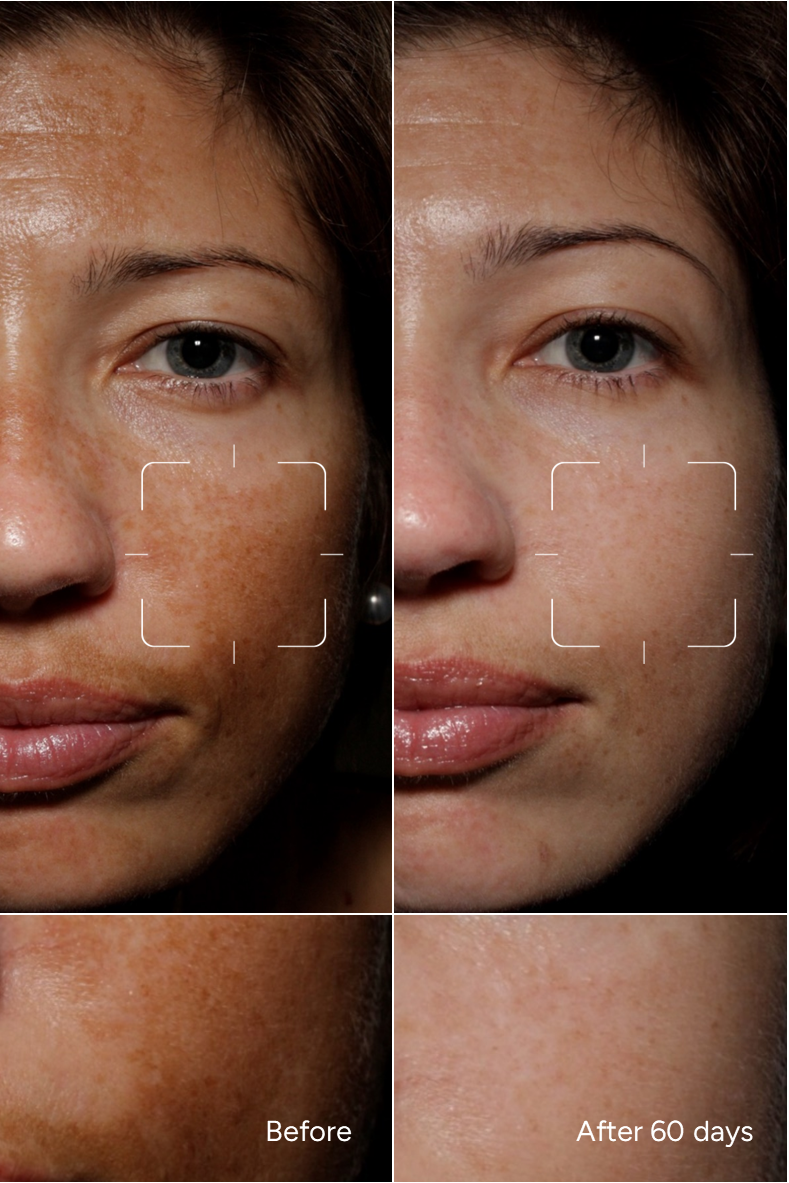
- Melasma. Larger, blurry, often symmetrical patches on the cheeks, forehead or upper lip. Melasma is driven from the inside by hormones — pregnancy, the contraceptive pill, hormonal shifts — working together with UV light on genetically prone skin. It is stubborn and prone to returning.
- Post-inflammatory hyperpigmentation (PIH). The dark mark left behind after a spot, a scratch, a burn or any irritation heals. The skin over-produces melanin as part of its repair response. PIH is especially common after acne and on deeper skin tones.
Other contributors include certain medications, friction from clothing or rubbing, heat, and aggressive skincare that inflames the skin. Genetics and natural skin tone also play a role in how readily your skin produces pigment and how long marks linger. Whatever the type, two things reliably make pigmentation worse: unprotected sun exposure and picking, scrubbing or over-treating the skin. Telling the types apart matters — sharp-edged spots on sun-exposed areas point to UV damage, while soft, symmetrical facial patches that flare with sun or hormones point to melasma, which needs a gentler, more sustained strategy.
How to manage and treat hyperpigmentation
There is no overnight fix, and honest expectations help. Most pigmentation improves gradually over months of consistent care, not days. A sensible, dermatologist-aligned approach layers a few things together rather than chasing a single miracle product.
- Protect first. Daily broad-spectrum SPF 30–50 is the non-negotiable foundation. Without it, UV keeps re-triggering the pigment and every other effort is undone. Reapply through the day and add a hat or shade when you can.
- Be gentle. Resist the urge to scrub, over-exfoliate or pick. Harsh treatment causes inflammation, and inflammation makes pigmentation deeper and more persistent — particularly on darker skin.
- Use targeted actives consistently. Brightening ingredients work by calming melanin production or by helping pigmented cells turn over. They need daily use over 8–12 weeks or more before results are clear.
- Consider professional help. For stubborn melasma or deep spots, a doctor or dermatologist can add prescription-strength options, chemical peels or laser — ideally supervised, because the wrong intensity can worsen pigment.
Skip the internet folk remedies: lemon juice does not fade dark spots. It is acidic, irritating, and can cause a light-triggered reaction (phytophotodermatitis) that leaves more pigmentation behind. Similarly, harsh at-home peels and abrasive scrubs often backfire — they inflame the skin and can trigger fresh pigment, the opposite of what you want. Consistency and restraint beat intensity every time. A calm, well-designed routine used daily for a few months will almost always outperform an aggressive one abandoned after a fortnight.
Key ingredients that target hyperpigmentation
Because pigmentation forms through several steps, the most effective routines combine actives that work at different points. These are the evidence-backed brighteners, each explained in depth on its own page:
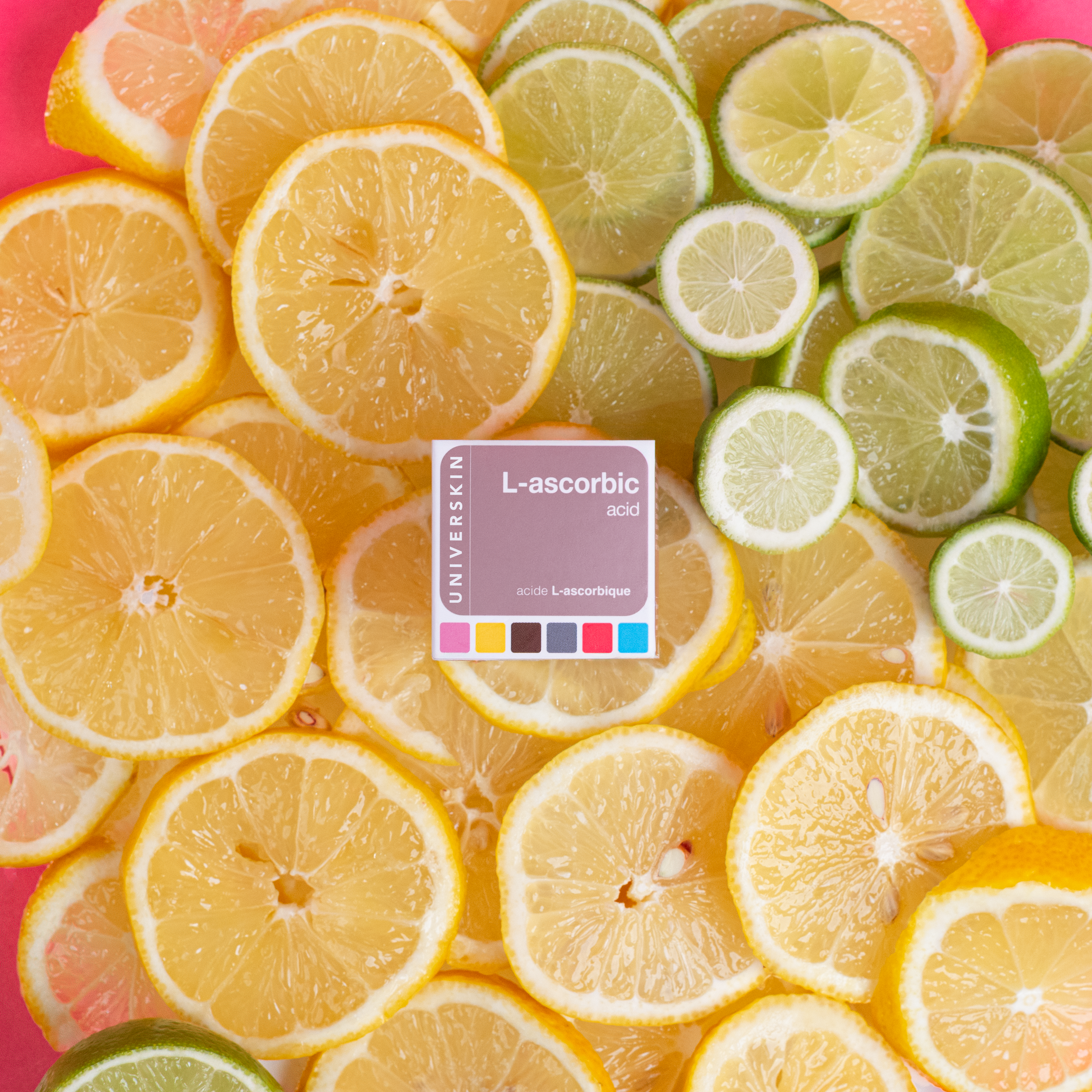
- Vitamin C — an antioxidant that helps fade mild discolouration, evens tone and supports daytime sun defence. A reliable everyday brightener like vitamin C pairs well with sunscreen.
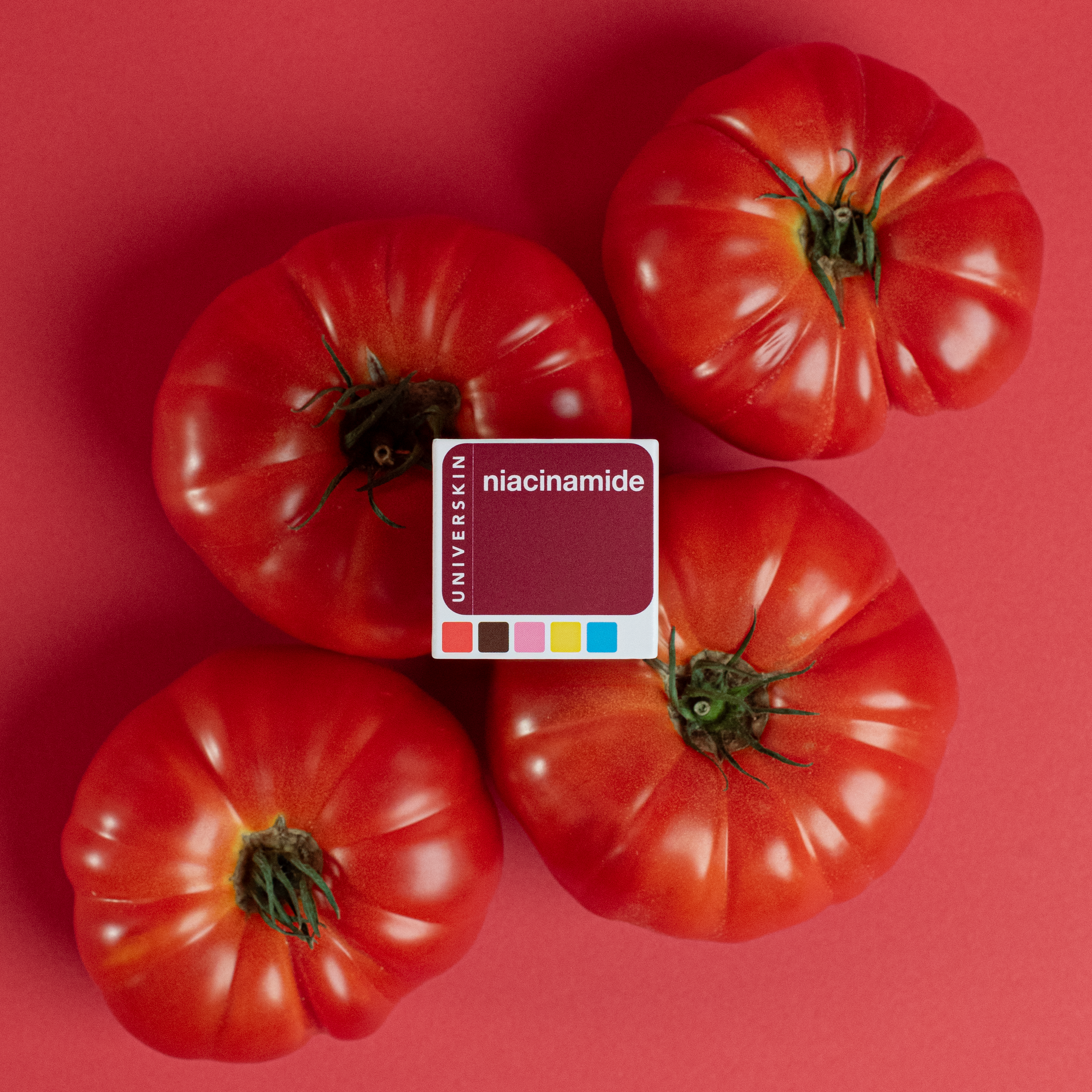
- Niacinamide — interrupts the transfer of pigment to skin cells while strengthening the barrier, so it suits sensitive skin. Well-tolerated niacinamide is a versatile team player.
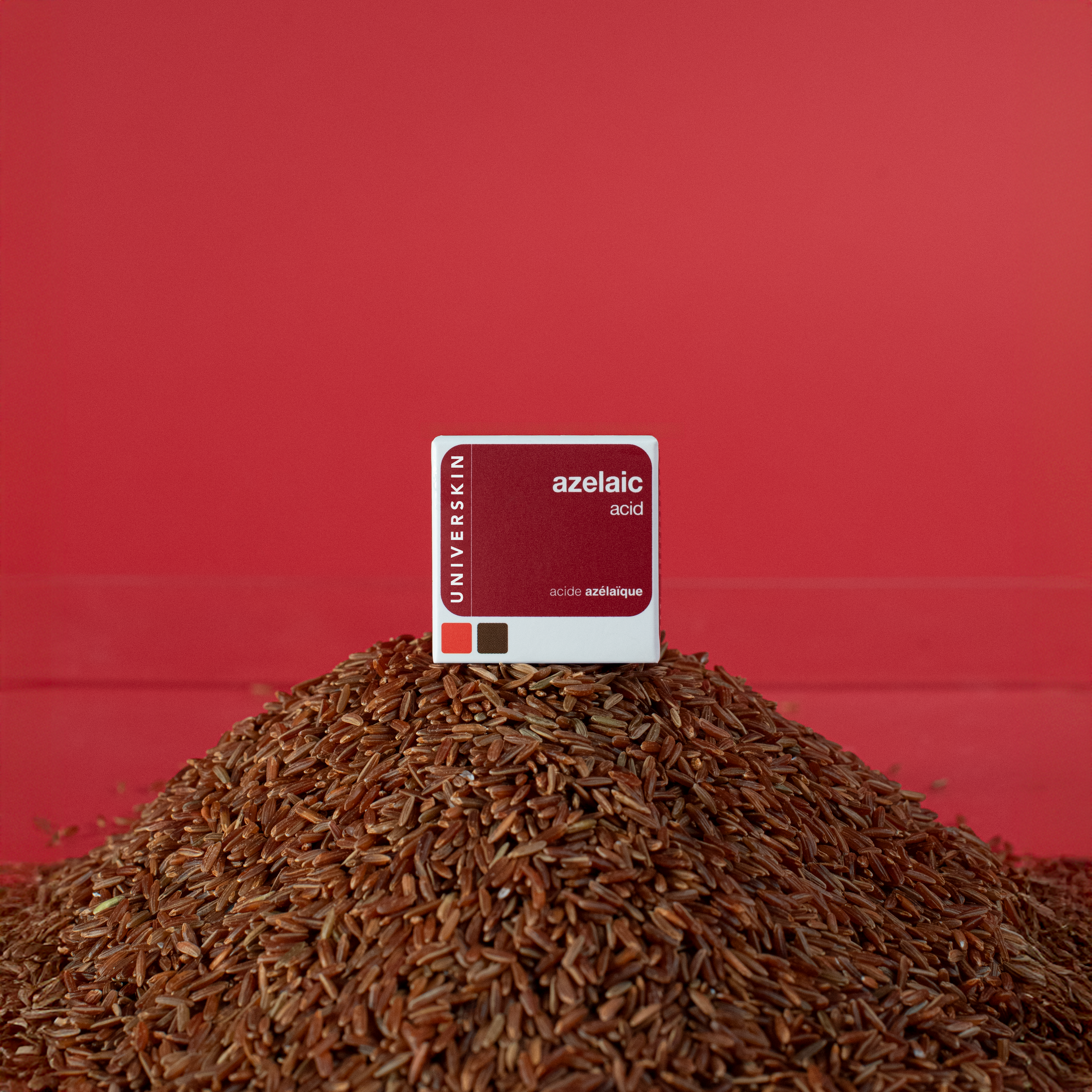
- Azelaic acid — calms inflammation while fading marks, making azelaic acid a strong choice for acne-prone skin and post-acne dark spots.
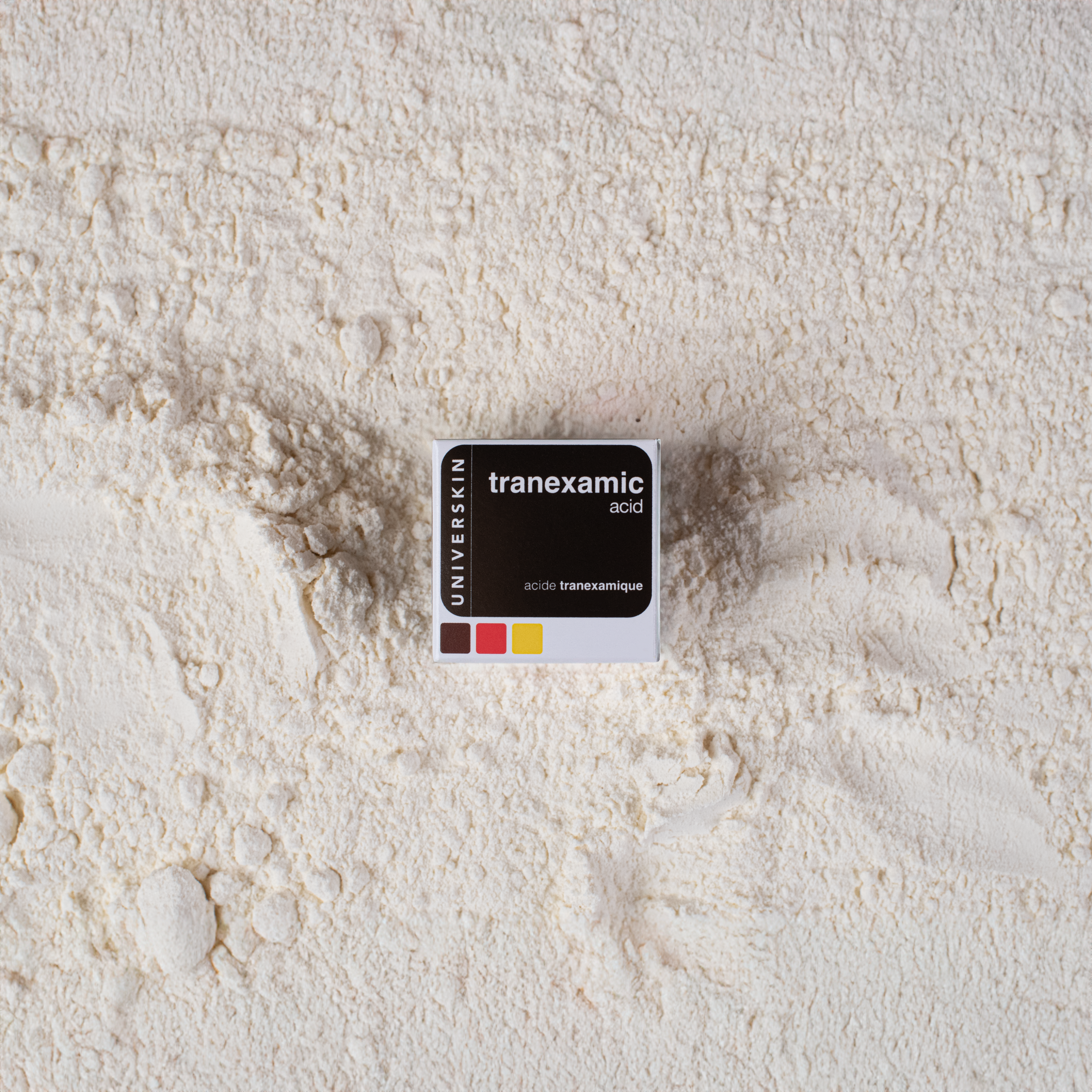
- Tranexamic acid — targets the over-activation of pigment cells and is considered a go-to for melasma specifically; tranexamic acid also helps stubborn, recurring patches.
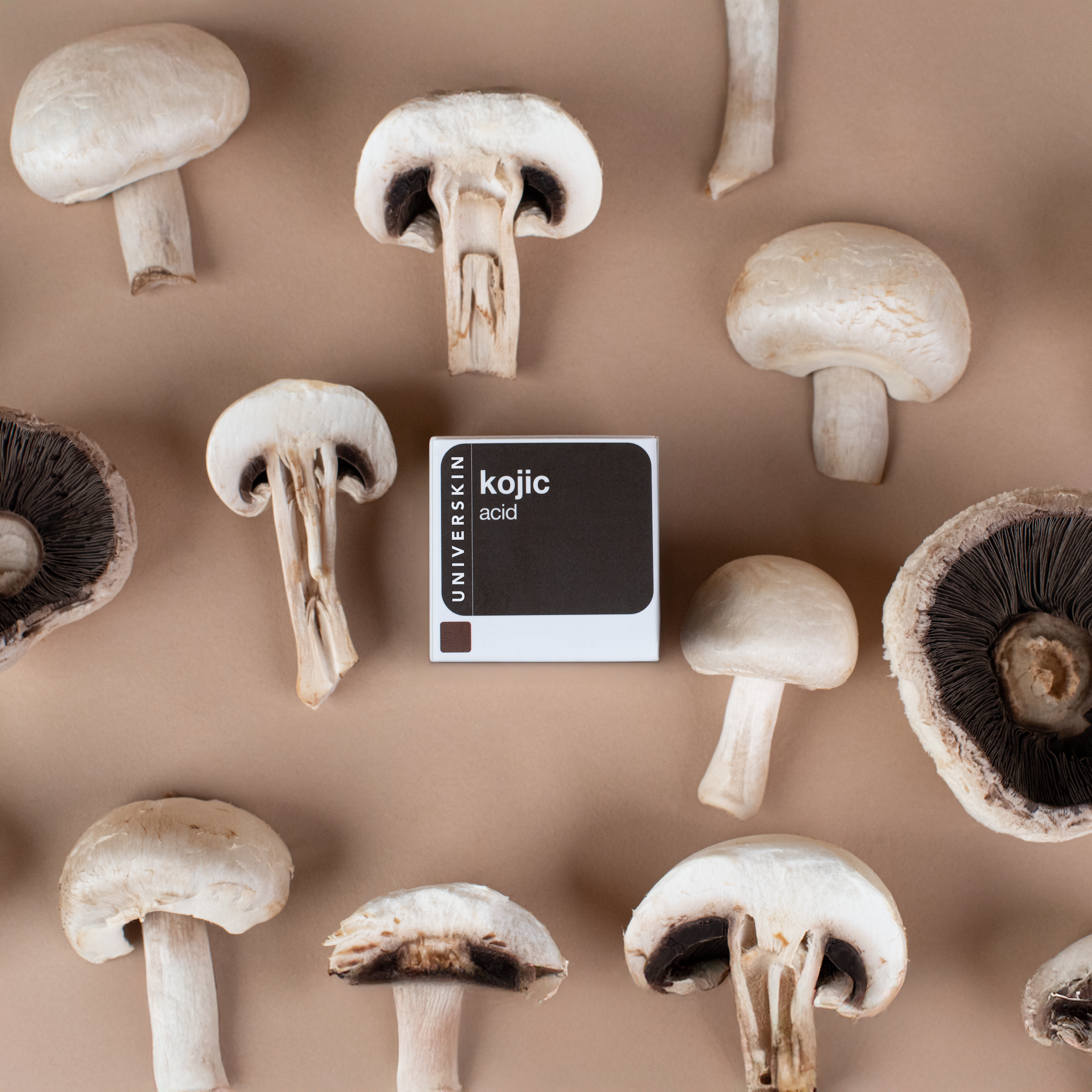
- Kojic acid — blocks tyrosinase, a key enzyme in melanin production, so kojic acid helps lighten established dark patches.
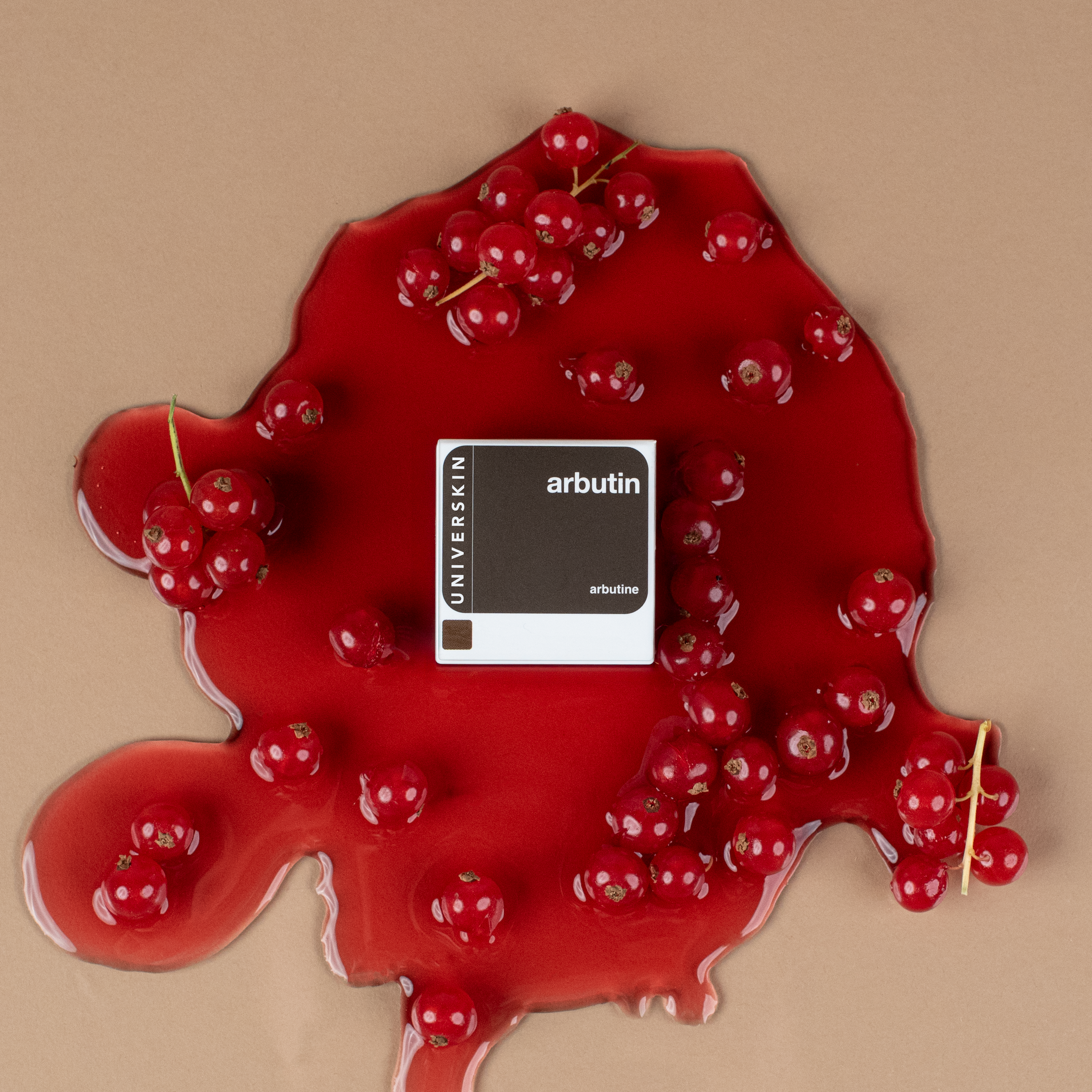
- Arbutin — a gentle, naturally derived tyrosinase inhibitor; arbutin offers brightening with a low risk of irritation.
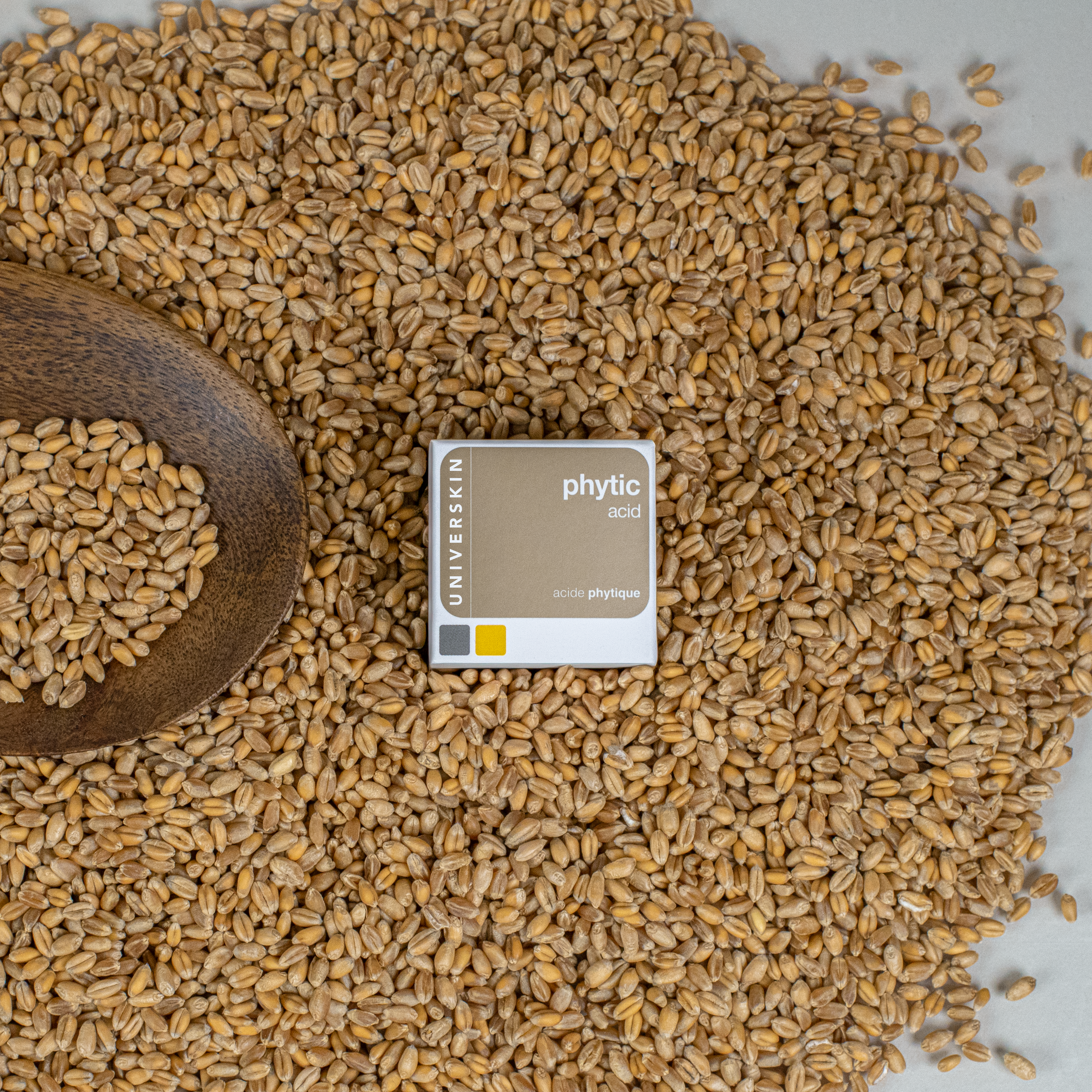
- Phytic acid — provides mild exfoliation plus brightening, and phytic acid helps lift surface pigment gradually without harsh peeling.
No single ingredient addresses every mechanism, which is exactly why the right combination — matched to your skin and used at sensible doses — tends to outperform any one hero product.
Your personalized hyperpigmentation approach
The hard part of treating pigmentation is knowing which type you have and which actives, at which strengths, are right for your skin. Guessing from a shelf of one-size-fits-all products often means under-treating, over-irritating, or combining things that clash.
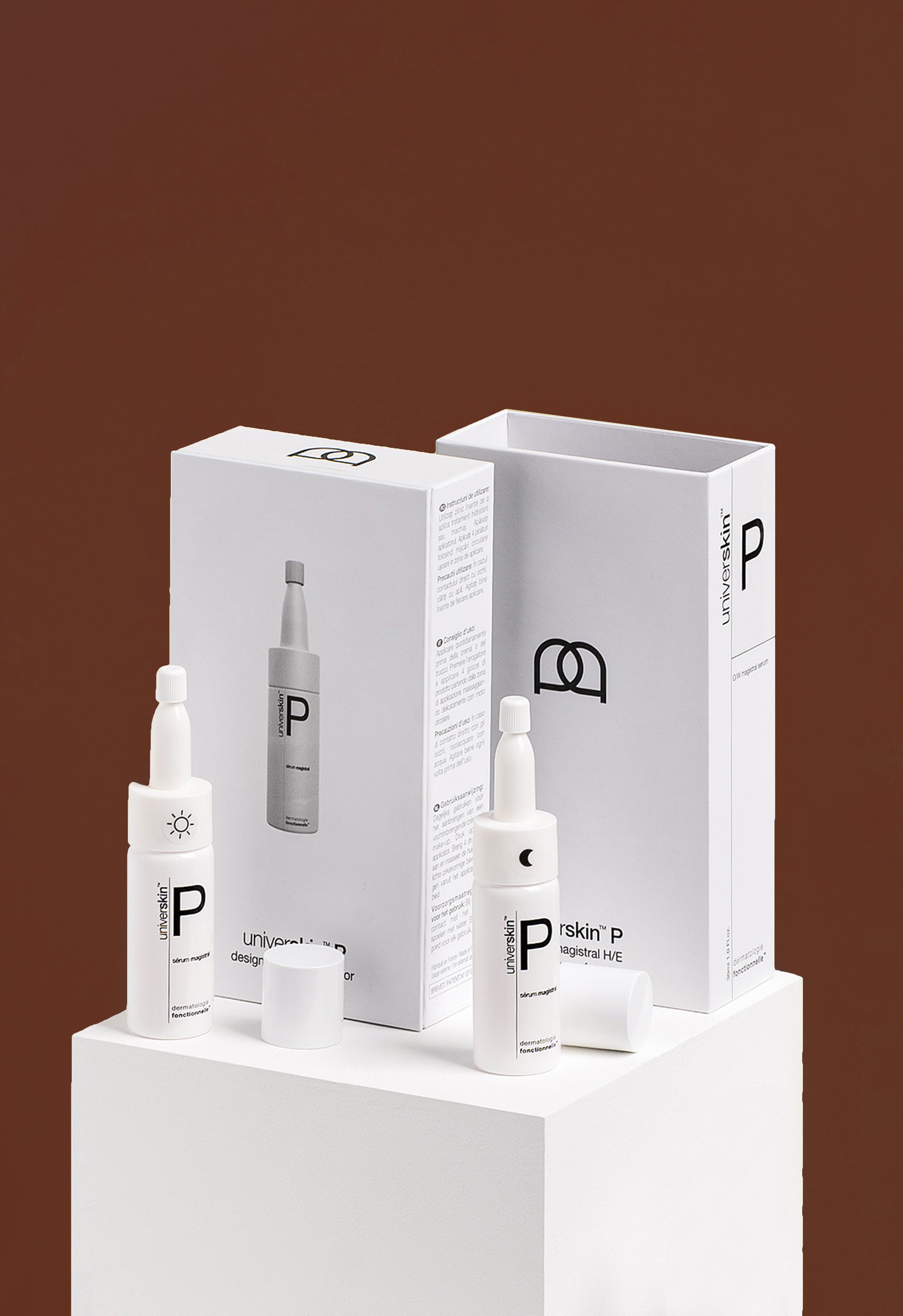
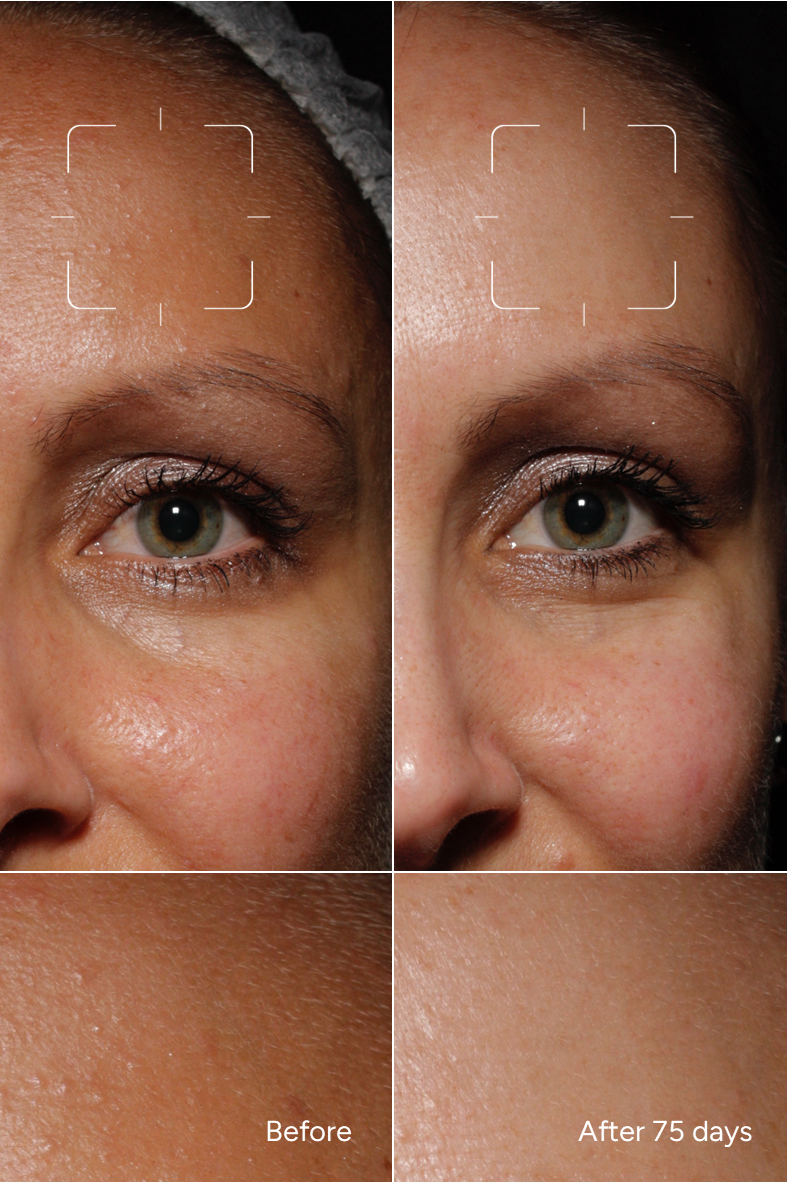
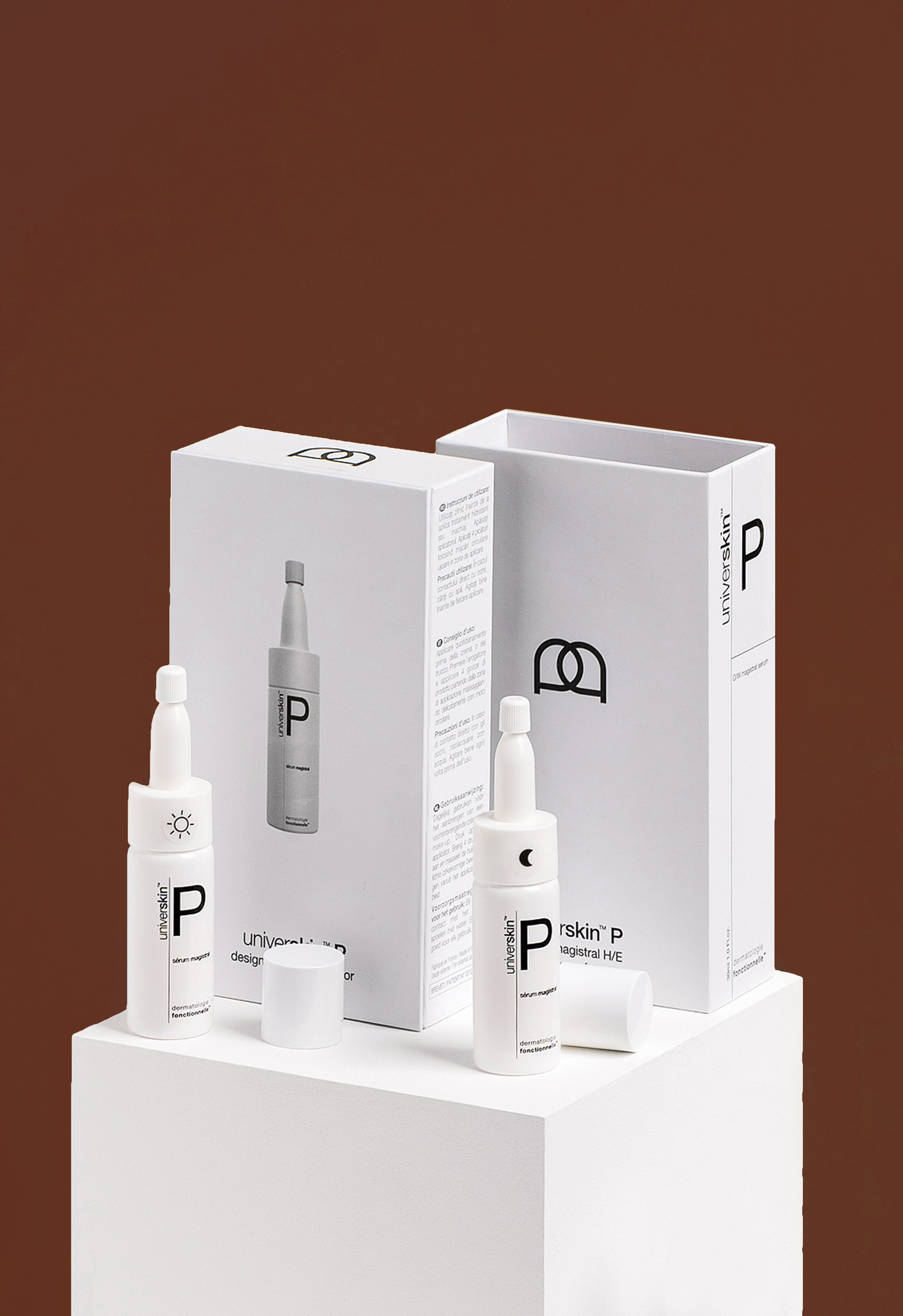
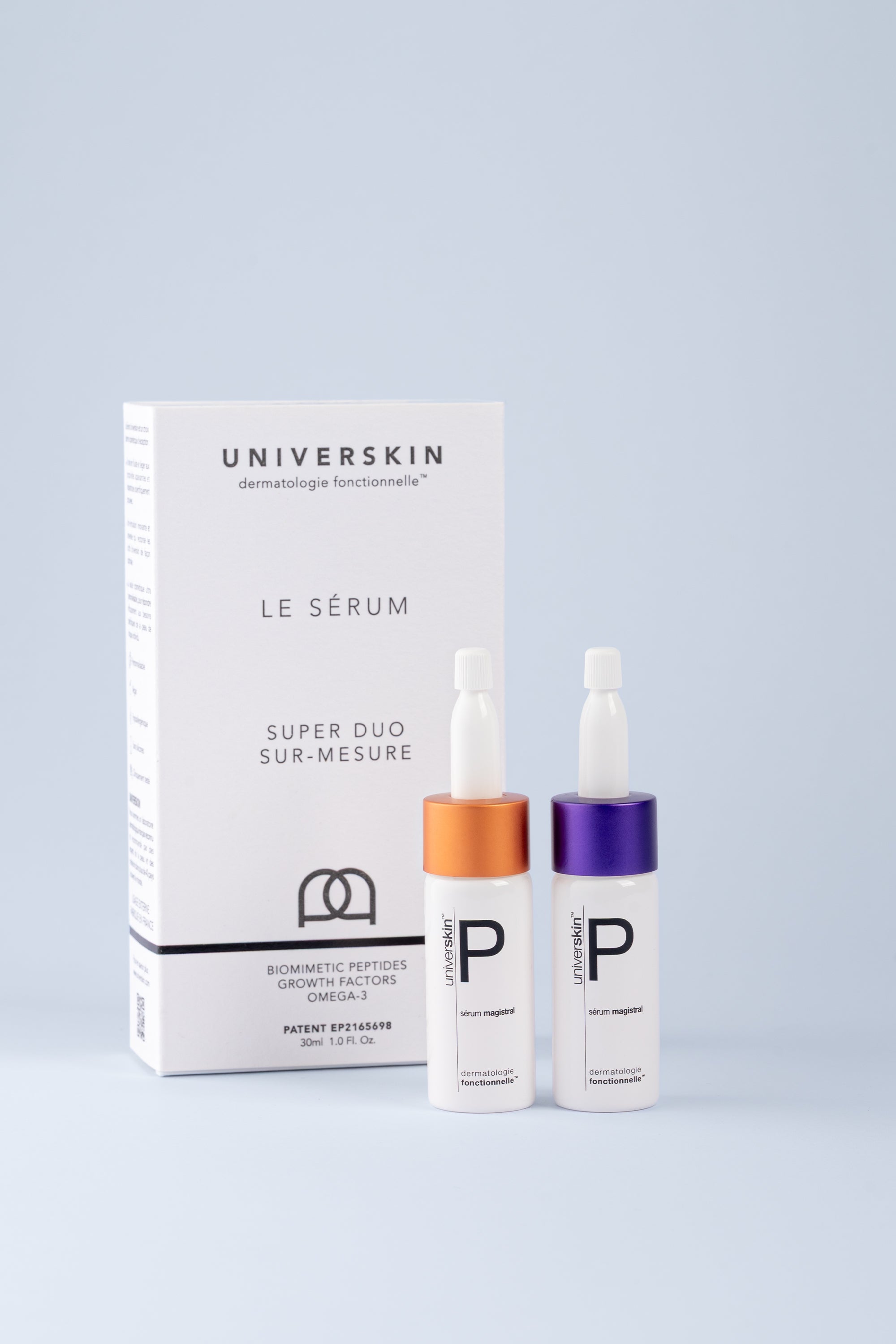
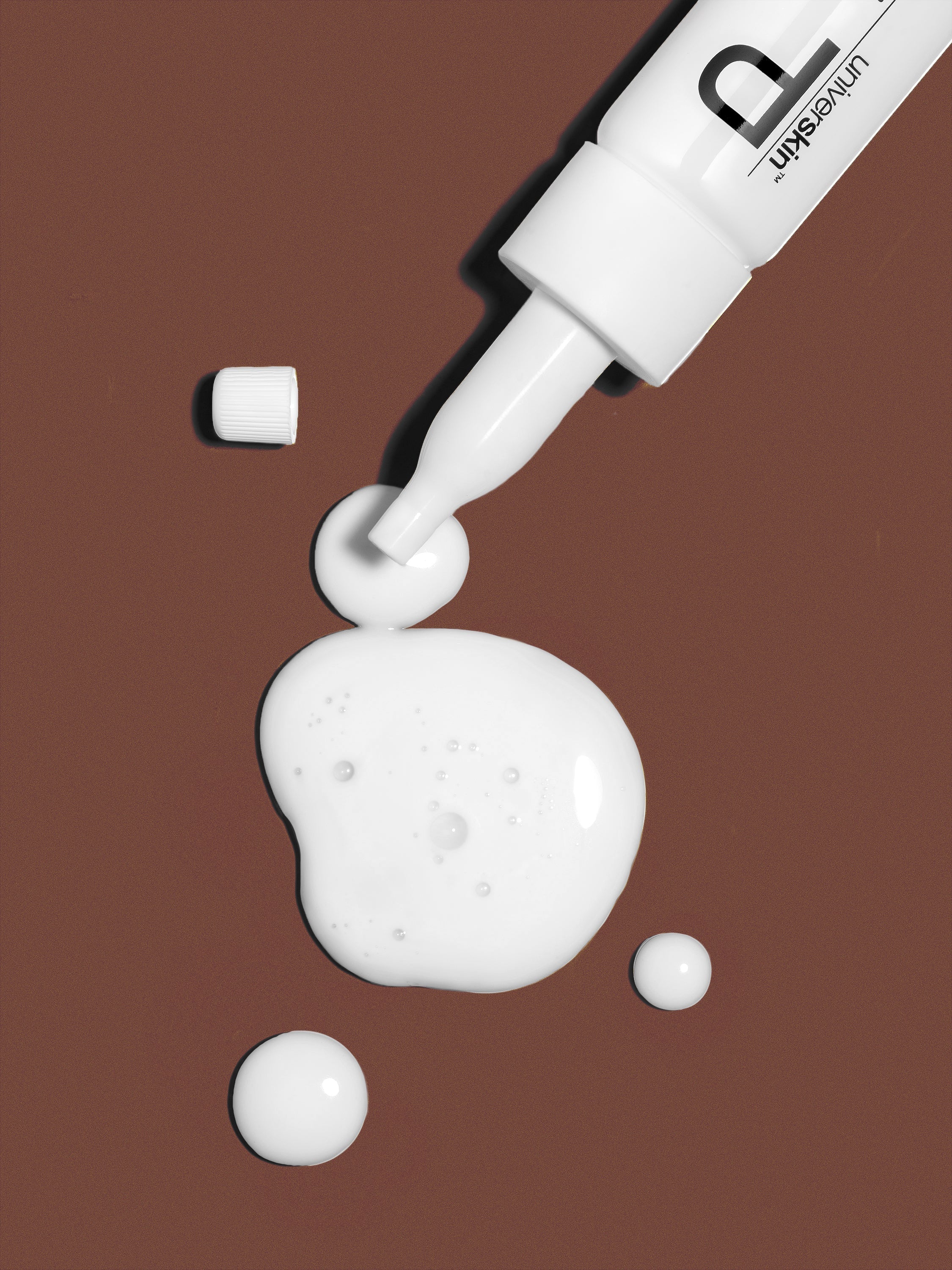
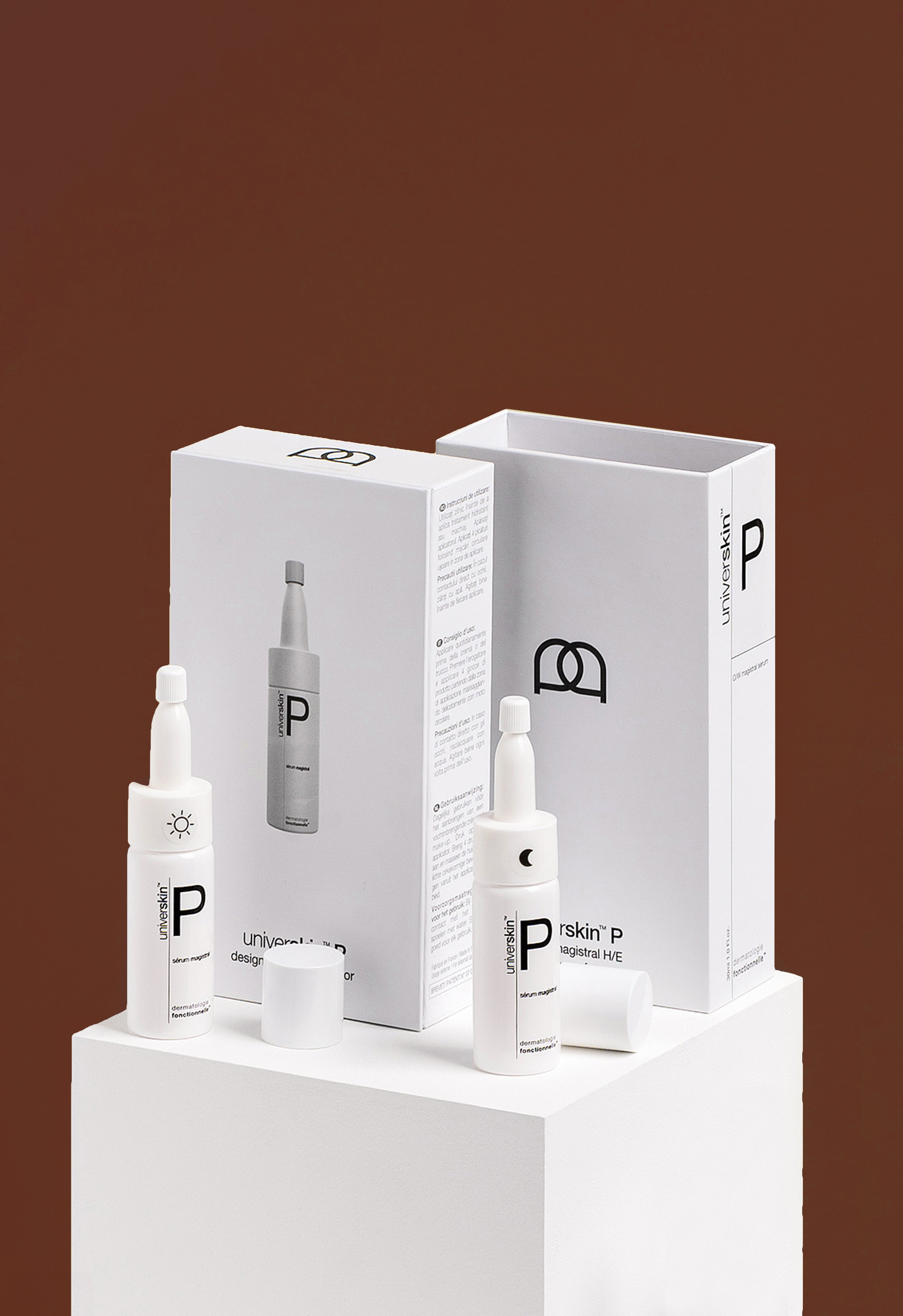
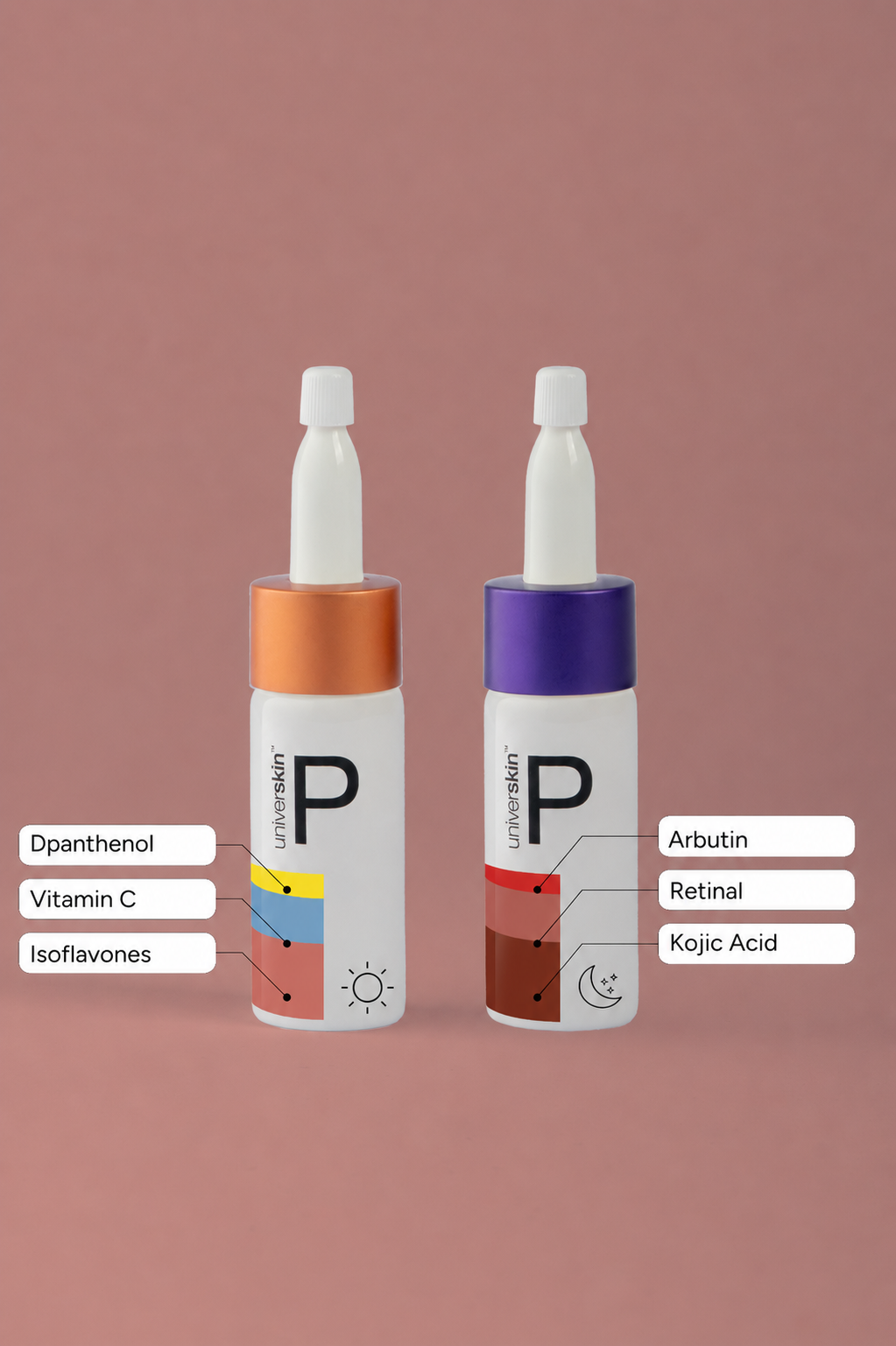
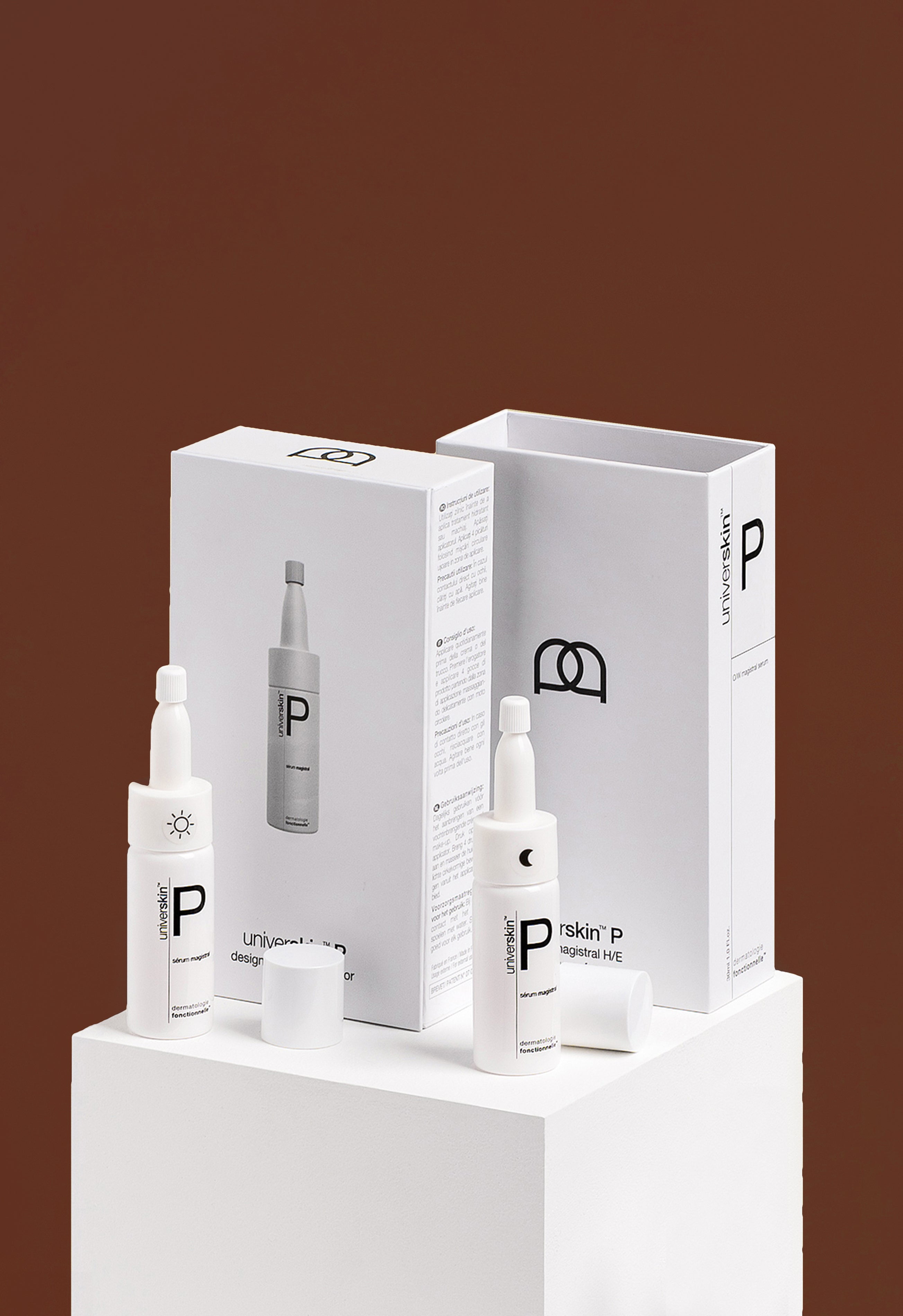
Universkin takes a different, doctor-led route. Our AI skin analysis reads your skin from your photos and answers, mapping pigmentation (our “brown” concern) alongside factors like inflammation, sun damage and sensitivity that influence how your marks behave. A doctor then designs a personalized serum, choosing from 21 active ingredients dosed as individual capsules — so your formula can pair, for example, tranexamic acid with niacinamide and vitamin C at strengths suited to your skin, and adapt as your skin changes.
Because the formula is built for your skin and reviewed by a professional, you avoid the two most common pigmentation mistakes: doing too little to see any change, and doing too much and inflaming the skin into darker marks. And because you can re-analyse your skin as it evolves, the approach stays matched to where your pigmentation actually is — not where it was months ago.
It is a science-first way to target dark spots and uneven tone precisely, rather than hoping a generic cream is the right match. Explore our pigmentation serums or start with the skin analysis to see what your skin actually needs.
Frequently asked questions
How long does hyperpigmentation take to fade?
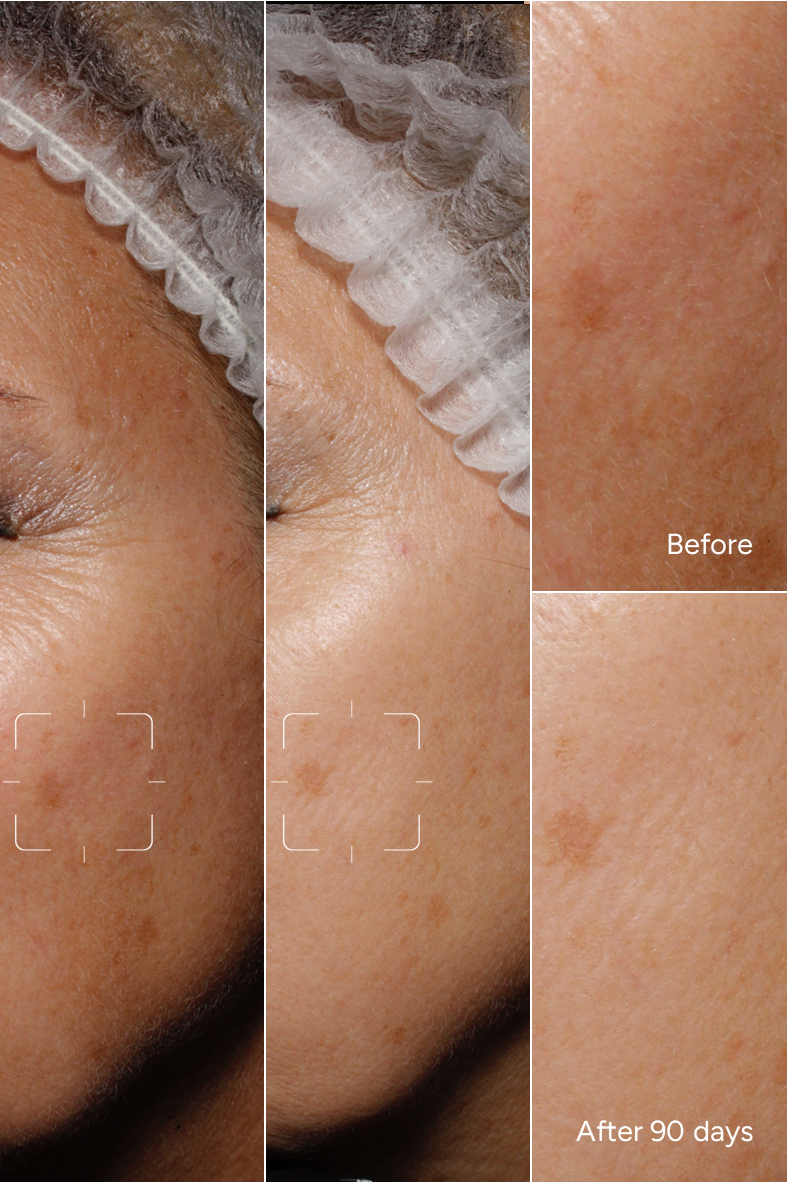
It depends on the type and depth. Mild, recent marks may soften within 3–6 months of consistent care, while deeper pigmentation or melasma can take a year or more. Daily sun protection and sticking with your routine are the biggest factors in how quickly — and whether — spots improve.
Can hyperpigmentation be cured permanently?
Many spots can fade significantly, but “permanent cure” is the wrong frame. Melasma in particular tends to return with sun or hormonal triggers, so it is better thought of as managed than cured. Ongoing sun protection and maintenance keep results in place and help prevent new pigmentation.
What makes dark spots worse?
Unprotected UV exposure is the number-one aggravator — it re-triggers pigment even on a cloudy day. Picking at spots, harsh scrubbing, over-exfoliating and skin irritation can all deepen marks, especially on darker skin. Skipping sunscreen is the fastest way to undo months of progress.
Do I really need sunscreen if I stay mostly indoors?
Yes. UVA passes through windows and daylight reaches your skin even indoors, and it is a key driver of pigment. Daily broad-spectrum SPF is the single most effective step for both fading existing dark spots and preventing new ones, whatever your routine looks like.
When should I see a doctor or dermatologist?
Seek professional advice if spots change shape, size or colour, bleed, or look unusual — this rules out anything more serious. It is also wise for stubborn melasma or widespread pigmentation, where supervised treatments and a tailored plan work far better than trial-and-error with over-the-counter products.
Related skin concerns
Skin concerns rarely come alone. Explore related concerns that may be affecting your skin:
Daily sun protection
UV exposure is one of the biggest drivers of visible skin damage. Whatever your concern, daily broad-spectrum SPF is the single most effective preventive step — explore our mineral sunscreen range of four textures for every skin type.

Universkin's personalized approach to Pigmentation & Dark Spots
At Universkin, we understand the impact of skin pigmentation and hyperpigmentation on your overall appearance and confidence. That's why we've developed a personalized skincare solution that targets these concerns. Our products are formulated with key active ingredients which have been shown to effectively address hyperpigmentation, age spots, hormonal brown spots, post-inflammatory hyperpigmentation, and under-eye circles.
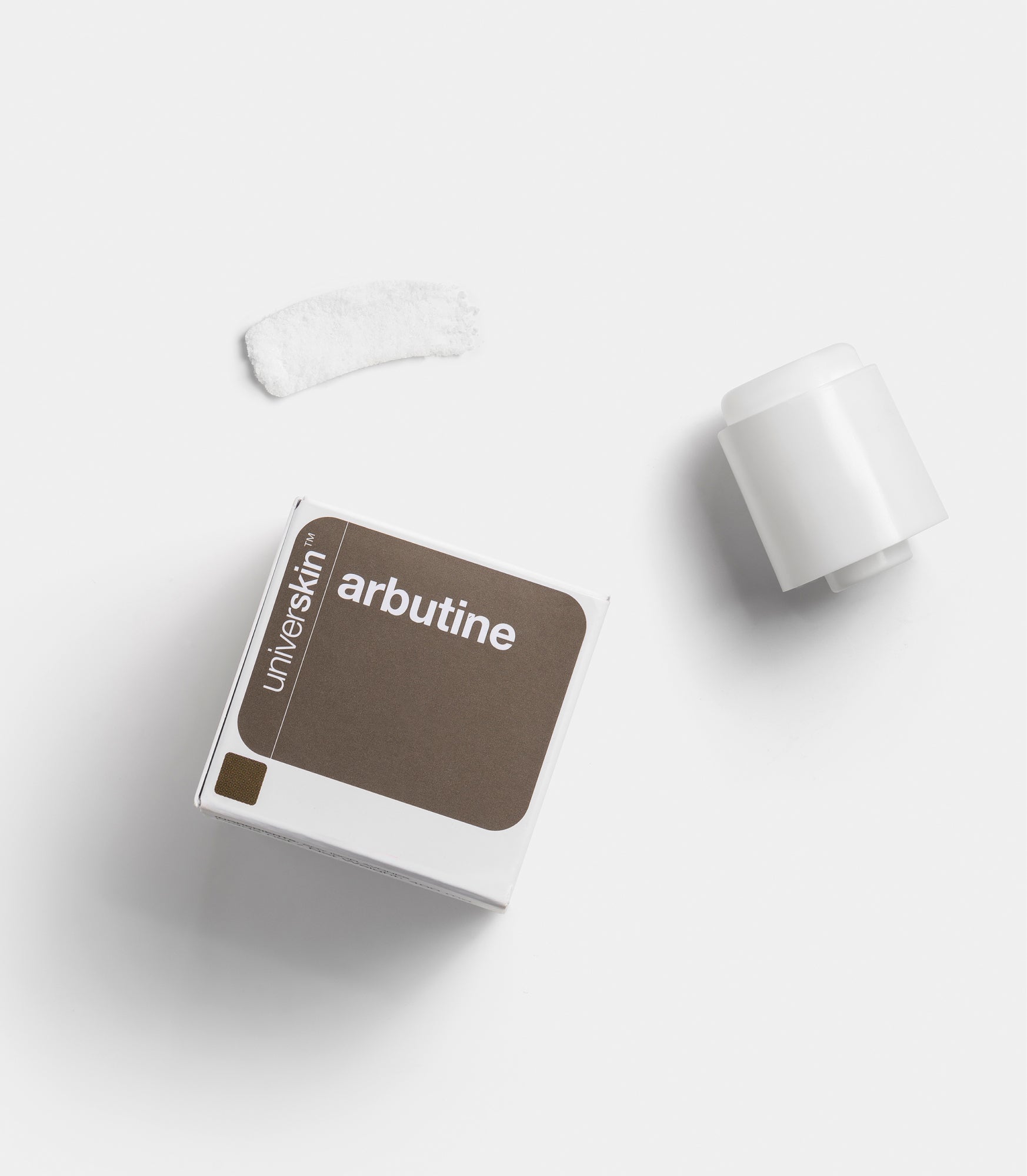
3% PER DOSE
ARBUTIN
Arbutin is an active ingredient that reduces melanin synthesis by inhibiting tyrosinase. A reference active effective against discoloration.
learn more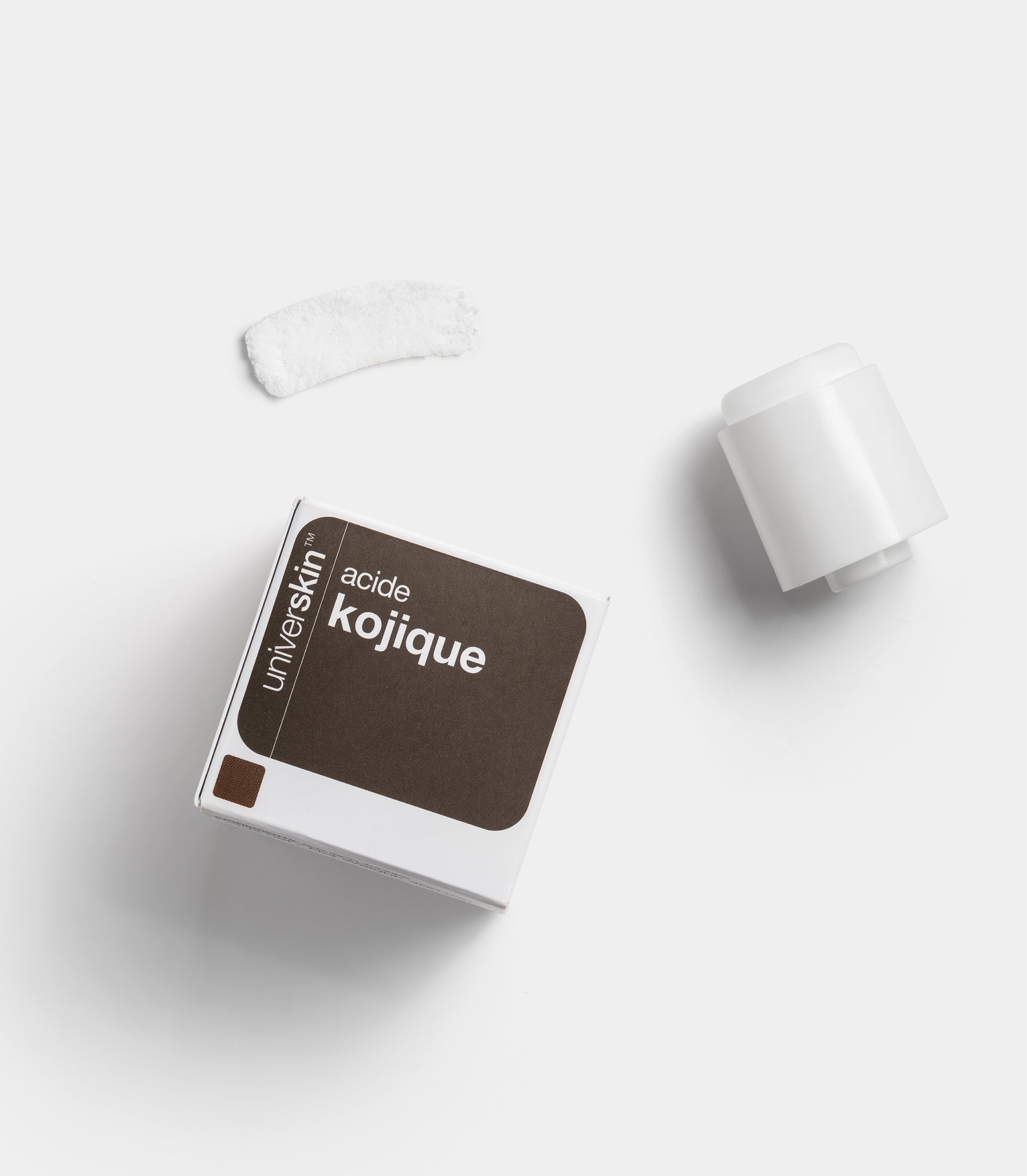
2% PER DOSE
KOJIC ACID
Kojic acid deeply penetrates the skin to limit melanin production and minimize the appearance of dark spots, hyperpigmentation, and post-breakout scars.
learn more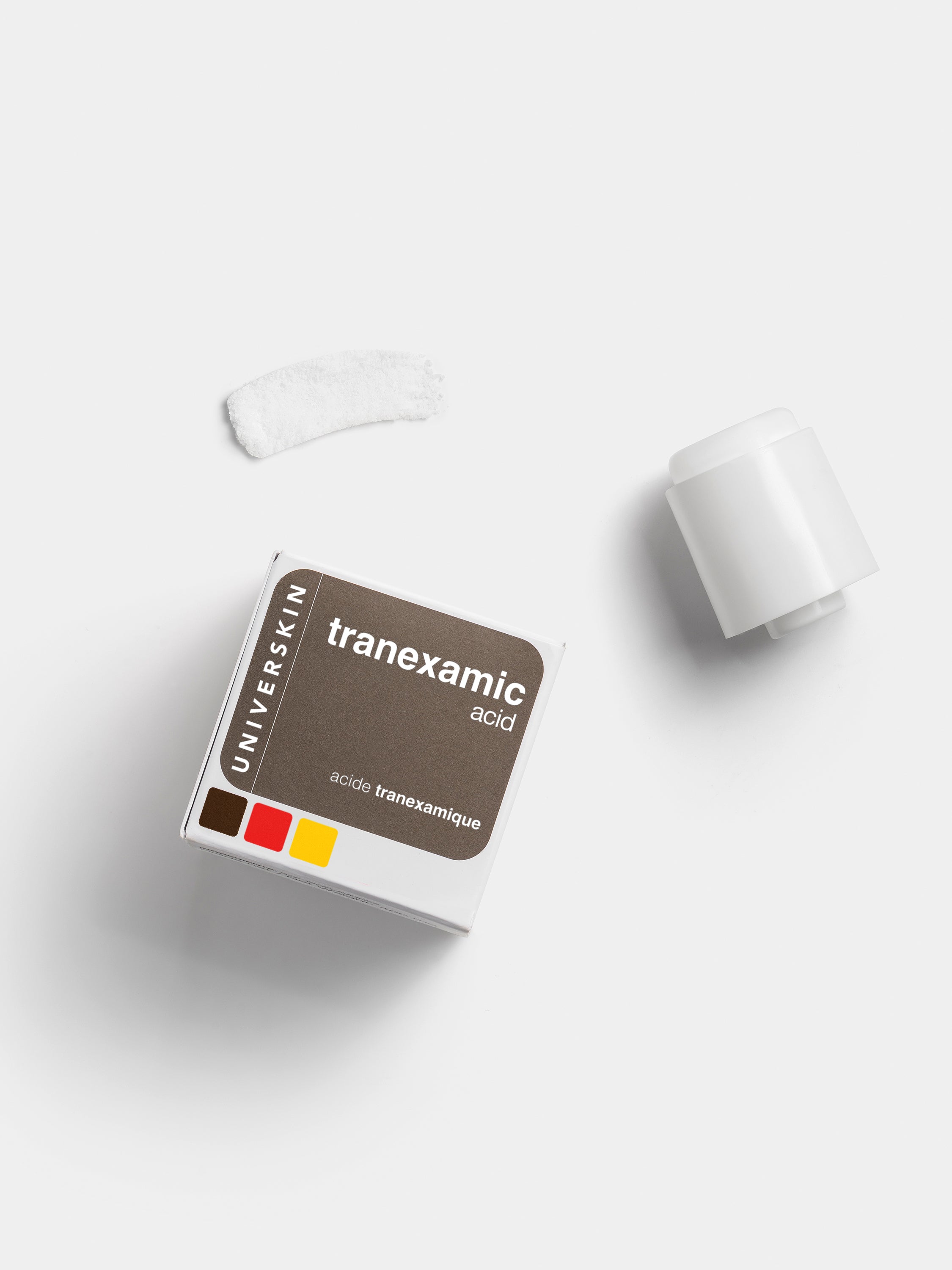
4% PER DOSE
TRANEXAMIC ACID
Tranexamic acid is a powerhouse ingredient for brightening and evening out skin tone. Clinically proven to reduce dark spots, hyperpigmentation, and redness, it inhibits excess melanin production. Gentle yet effective, it helps restore skin clarity and radiance, making it a must-try for a luminous, even complexion.
learn moreHyperpigmentation can be a frustrating and persistent skin concern, affecting the overall appearance of the skin. At Universkin, we understand the impact that skin pigmentation can have on your confidence and well-being. That's why we offer personalized skincare solutions that are specifically designed to target hyperpigmentation and promote even skin tone.
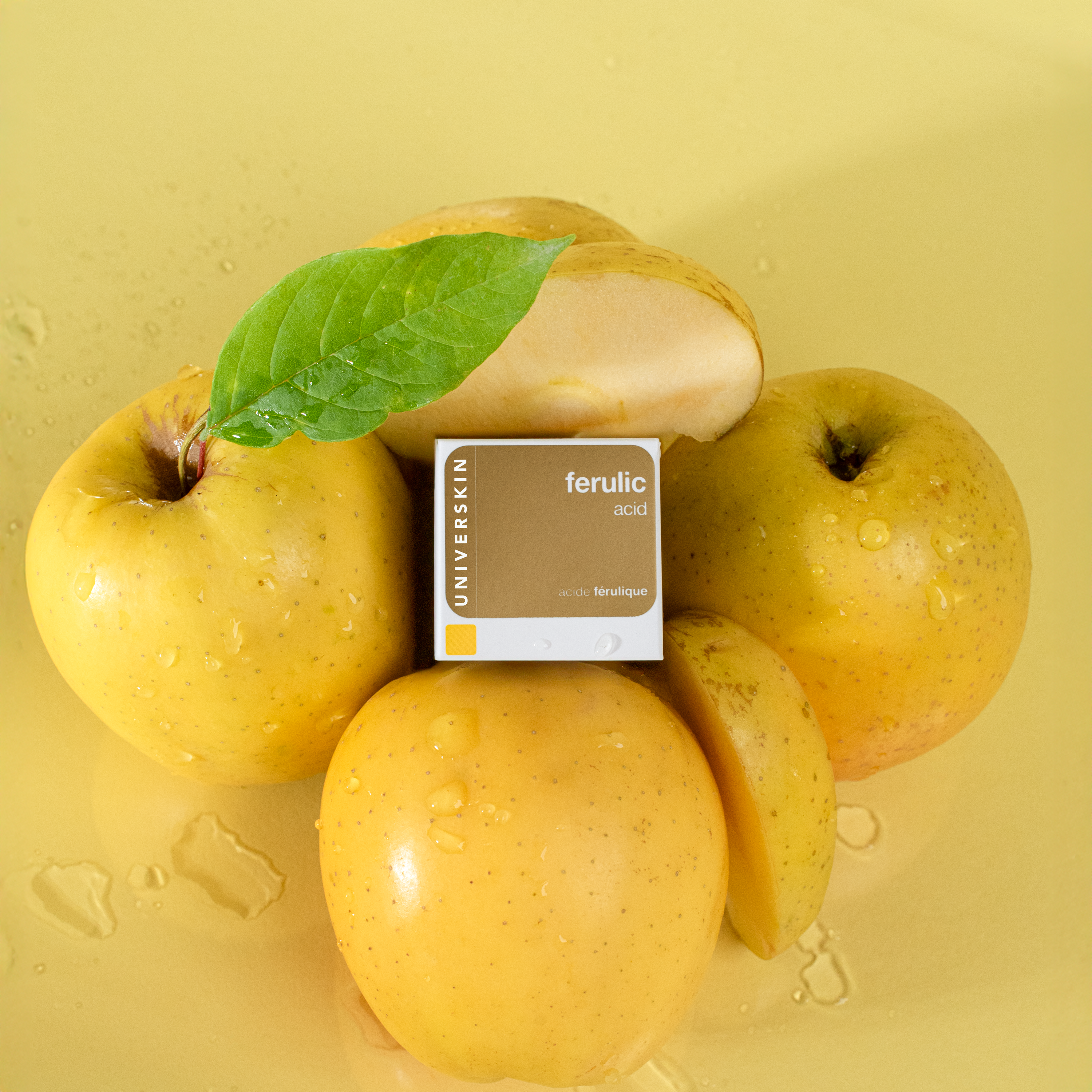
Our products are formulated with key active ingredients, including arbutin, kojic acid, azelaic acid, retinol, isoflavones, ferulic acid, SOD, L-ascorbic acid, niacinamide, glycolic acid and phytic acid that have been shown to effectively lighten and brighten the skin. Arbutin, kojic acid, azelaic acid work by regulating the production of melanin, the pigment responsible for skin darkening, leading to a clearer, brighter complexion while niacinamide reduce the transfer of the created melanin at the surface of the skin additionally, vitamin C, ferulic acid and SOD reduces free radicals formation andhelp to brighten the skin and protect it from environmental stressors that can contribute to hyperpigmentation. Glycolic acid and phytic acid reduce visible darker skin areas by exfoliation and cell turnover promotion. Isoflavones are very efficient in reducing age related brown spots and illuminating mature skins.
With our personalized skincare solutions, you can achieve a brighter, more even-toned complexion that radiates health and confidence. Say goodbye to hyperpigmentation and hello to a clearer, brighter complexion with Universkin.
Pigmentation & Dark Spots