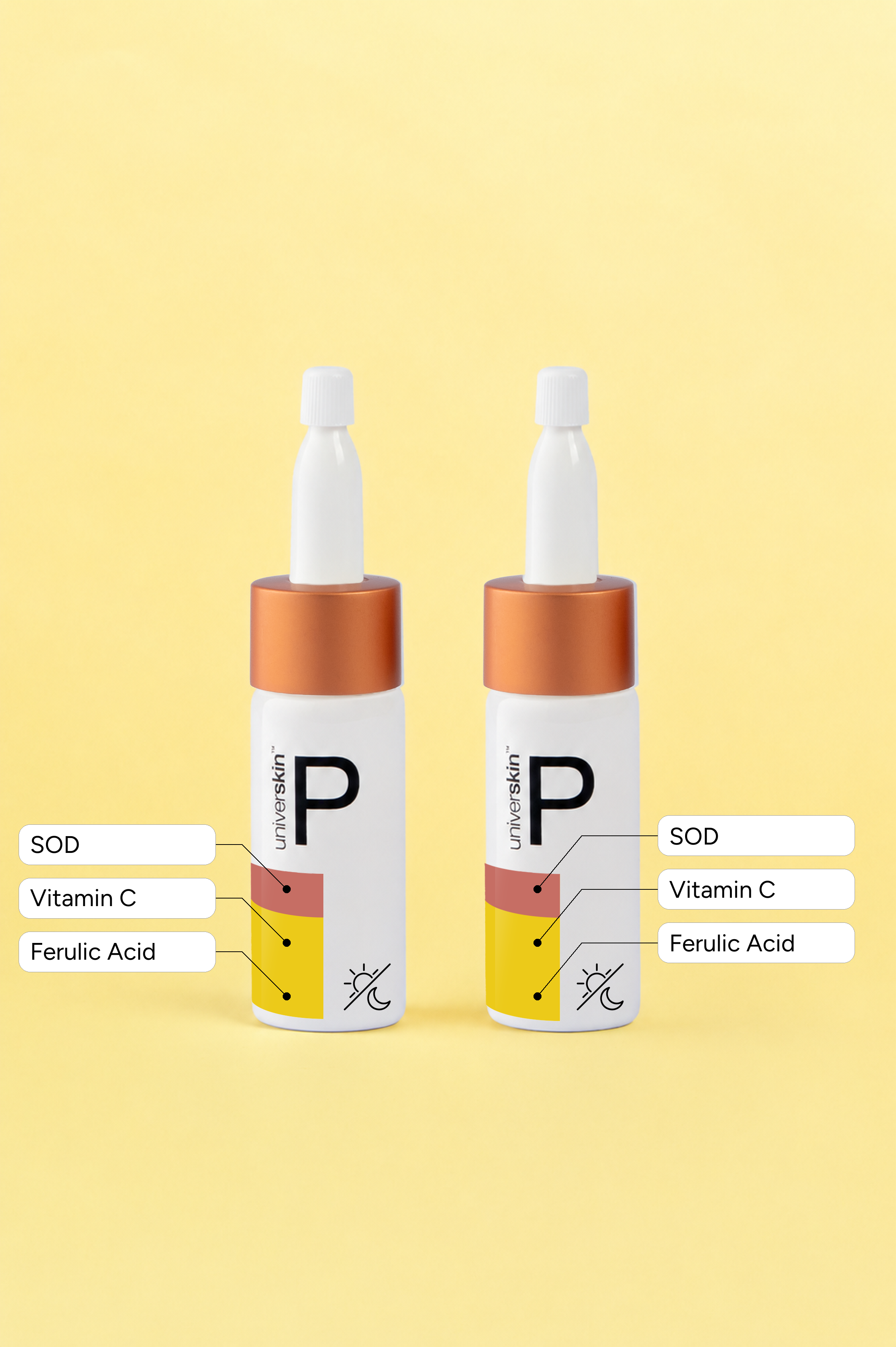
1% PER DOSE, UP TO 3%
FERULIC ACID
FERULIC ACID
Ferulic acid is a common, plant-derived antioxidant. It is widely used in skincare for its antioxidant, brightening and anti-redness properties, and it is a powerhouse ingredient against photoaging. Found naturally in grains, seeds and many plants, it is one of nature's own defences against oxidative stress, a role that carries over to the skin when it is formulated well and kept fresh.
Concentration
The recommended dosage for effective topical use of ferulic acid is typically above 0.5%. Below that threshold the antioxidant effect is hard to measure, while very high concentrations offer diminishing returns. At Universkin the strength is dosed by your doctor and matched to your skin, rather than fixed in a mass-market tube.
Who Should Use It
Because the ingredient is mild and gentle, ferulic acid can benefit all skin types, even sensitive skin, when introduced at the lowest suitable concentration. Applied daily, it helps protect against sun damage and everyday pollutants. It is particularly useful for skin showing signs of aging such as wrinkles, fine lines, brown spots or sun damage, as well as redness and dryness.

Can Be Used In Combination With
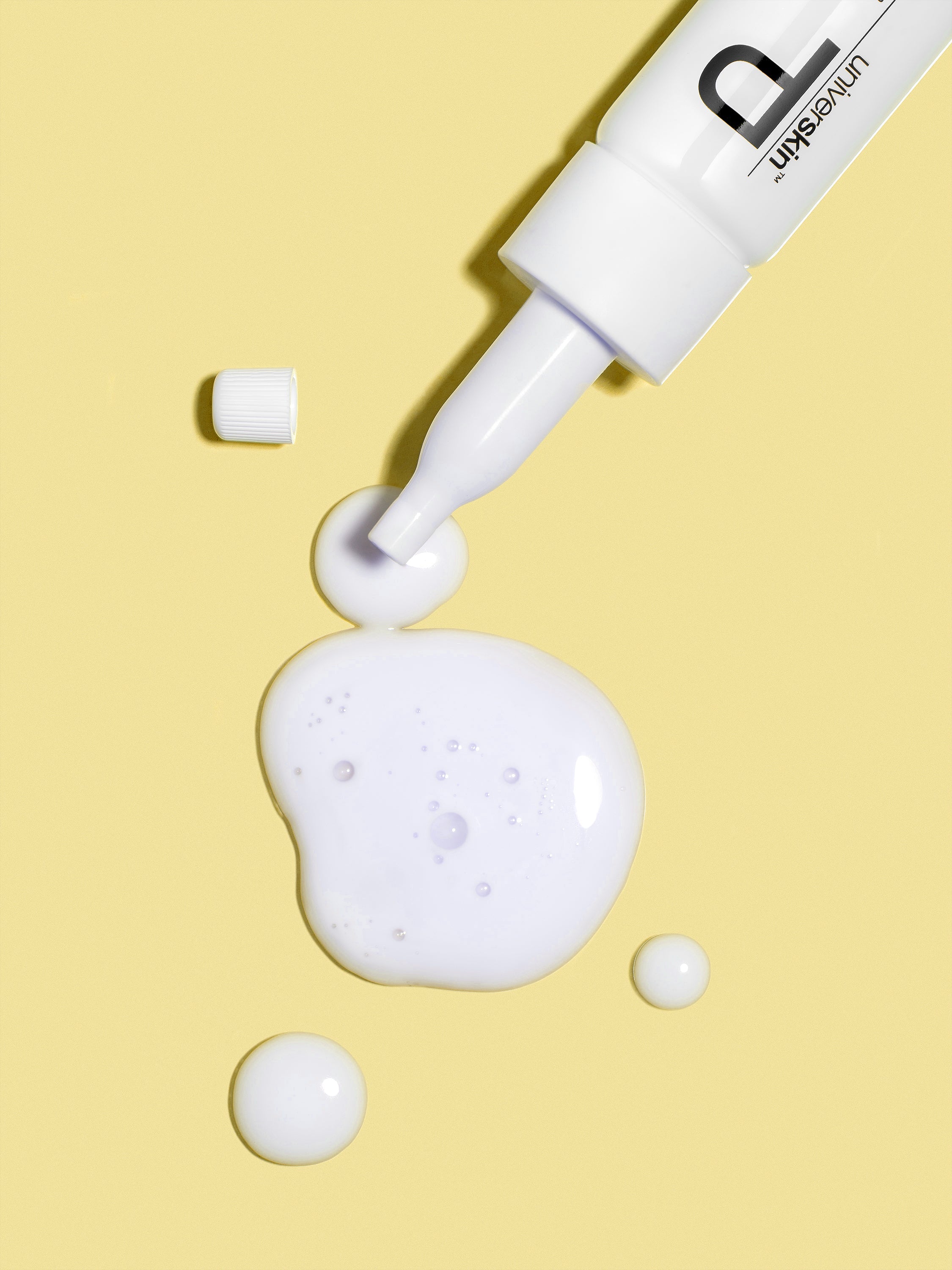
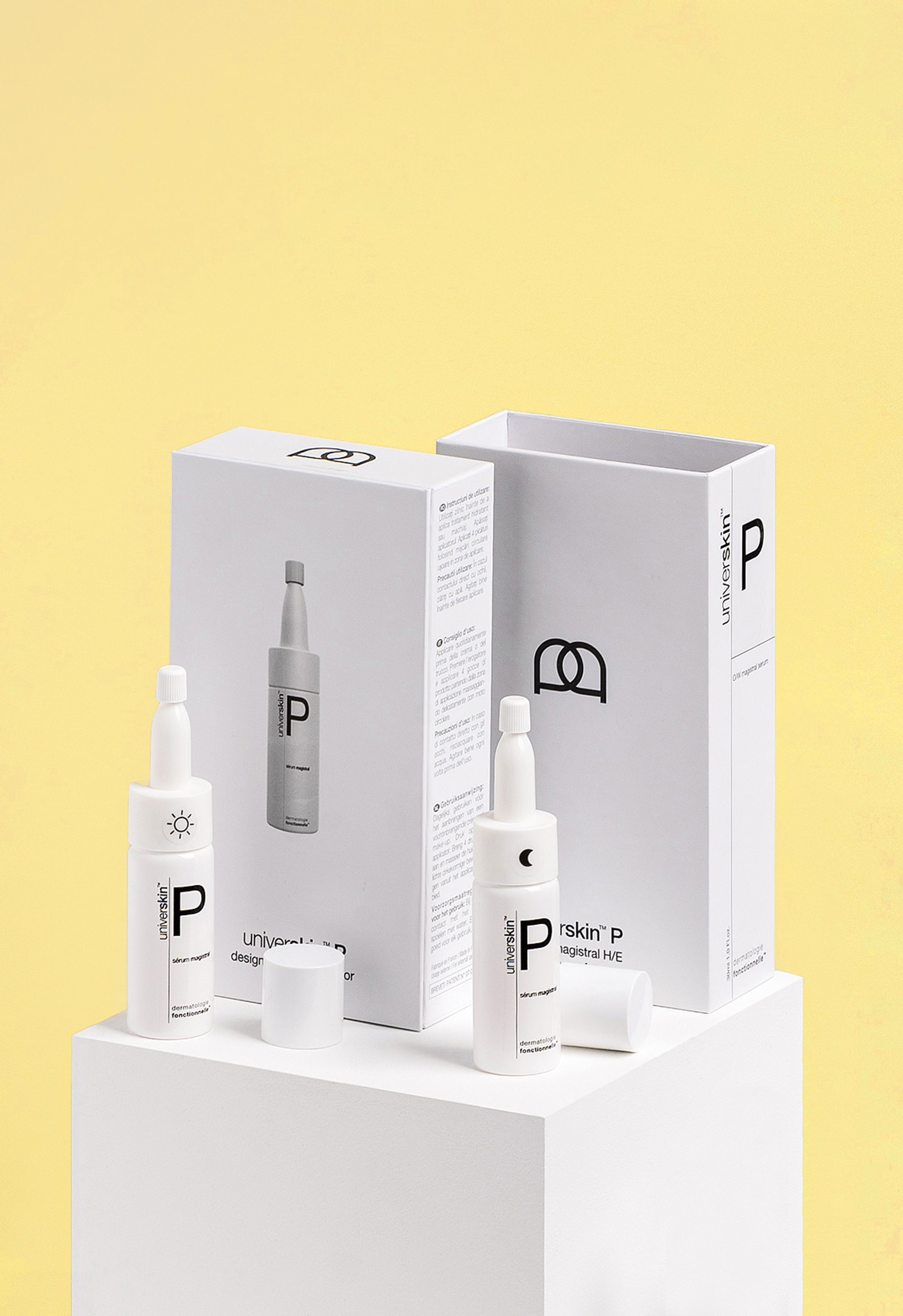
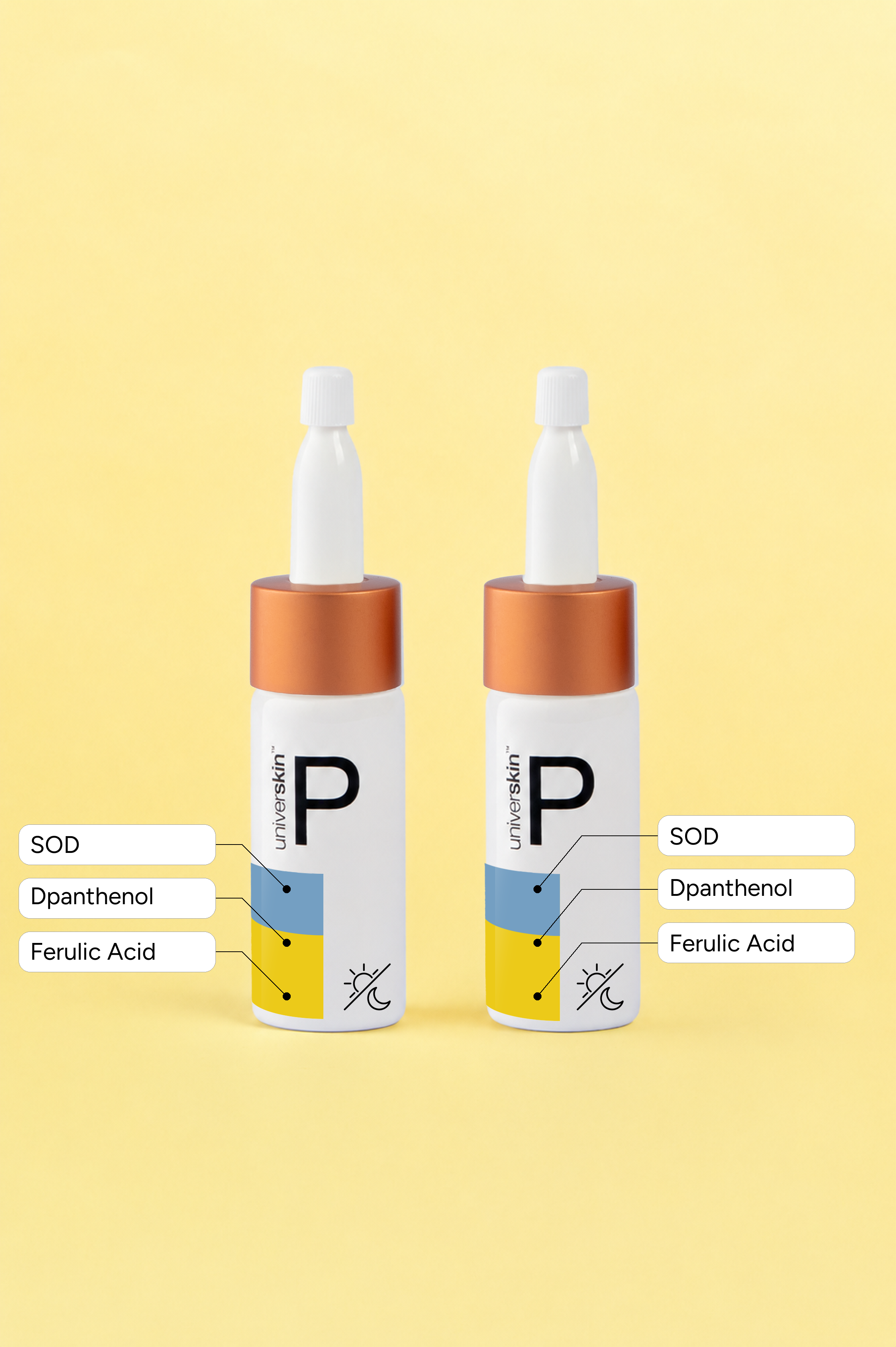
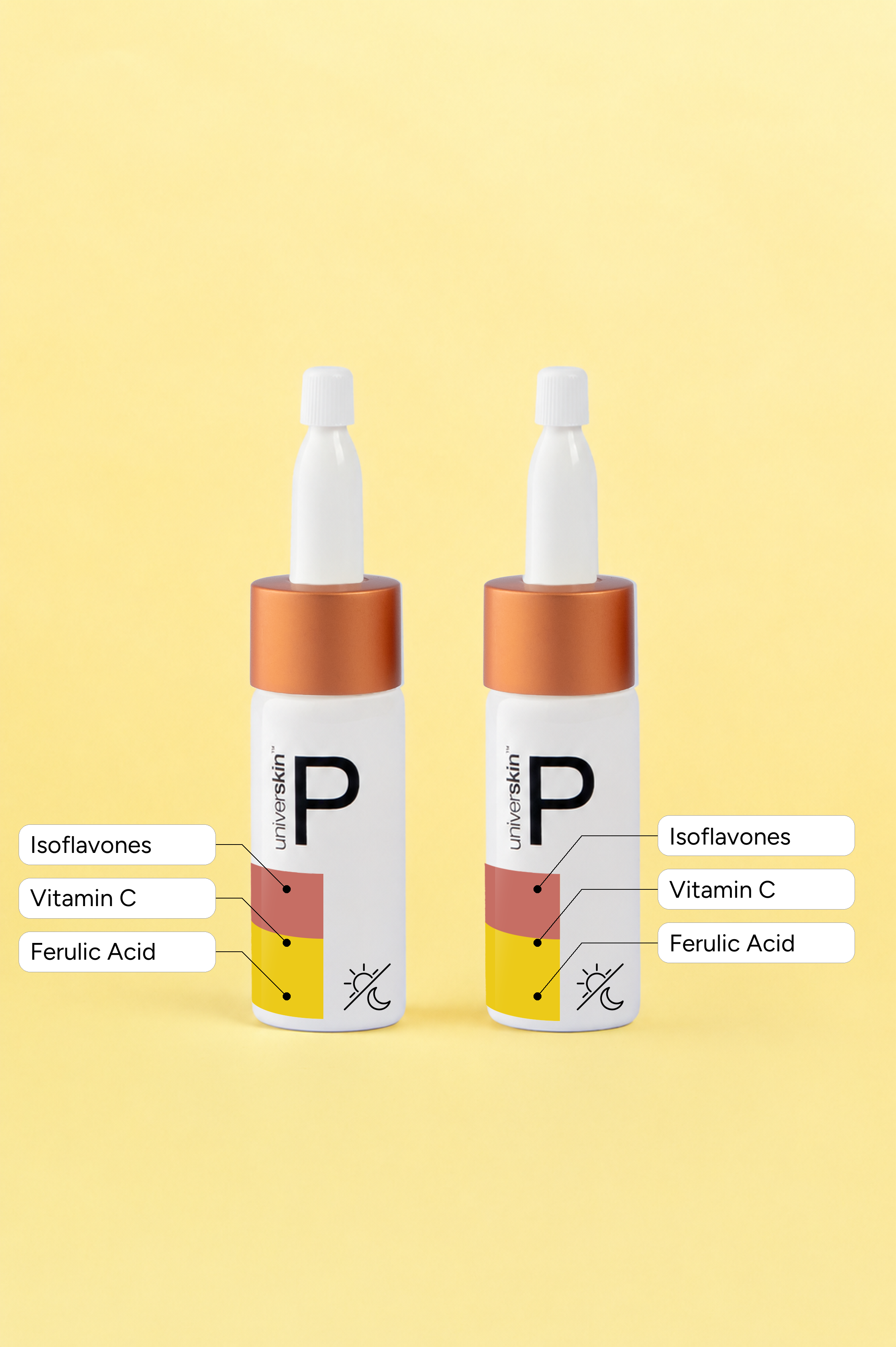
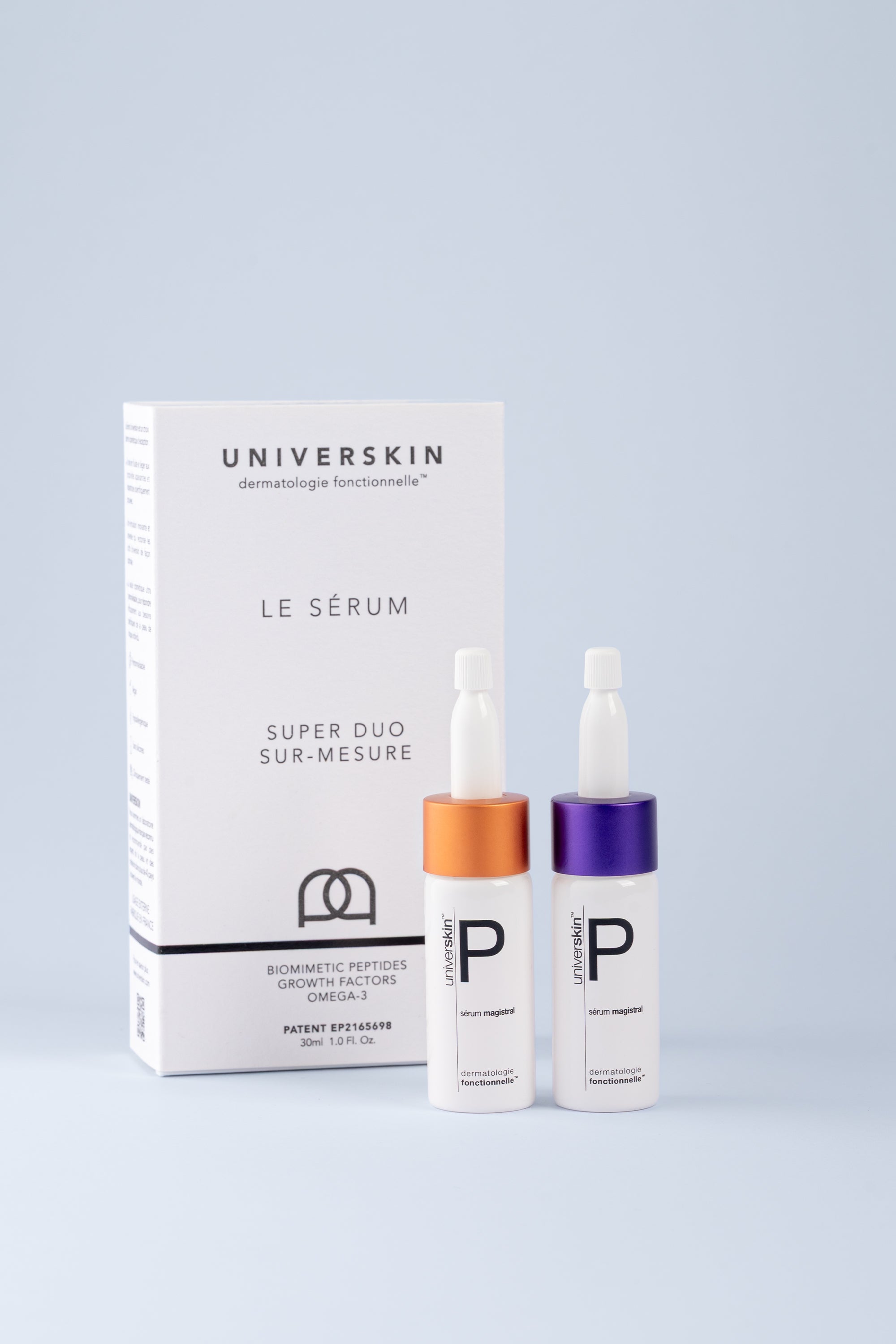
Ferulic acid works wonders when combined with other antioxidants, such as SOD, vitamin A and vitamin C, and vitamin E (contained in Universkin serum P), enhancing those vitamins and achieving significant synergy in protecting the skin against environmental aggressors while brightening the complexion. It also pairs well with other actives, for example niacinamide (vitamin B3), to improve skin texture.
The Vitamin C, Vitamin E and Ferulic Acid Trio
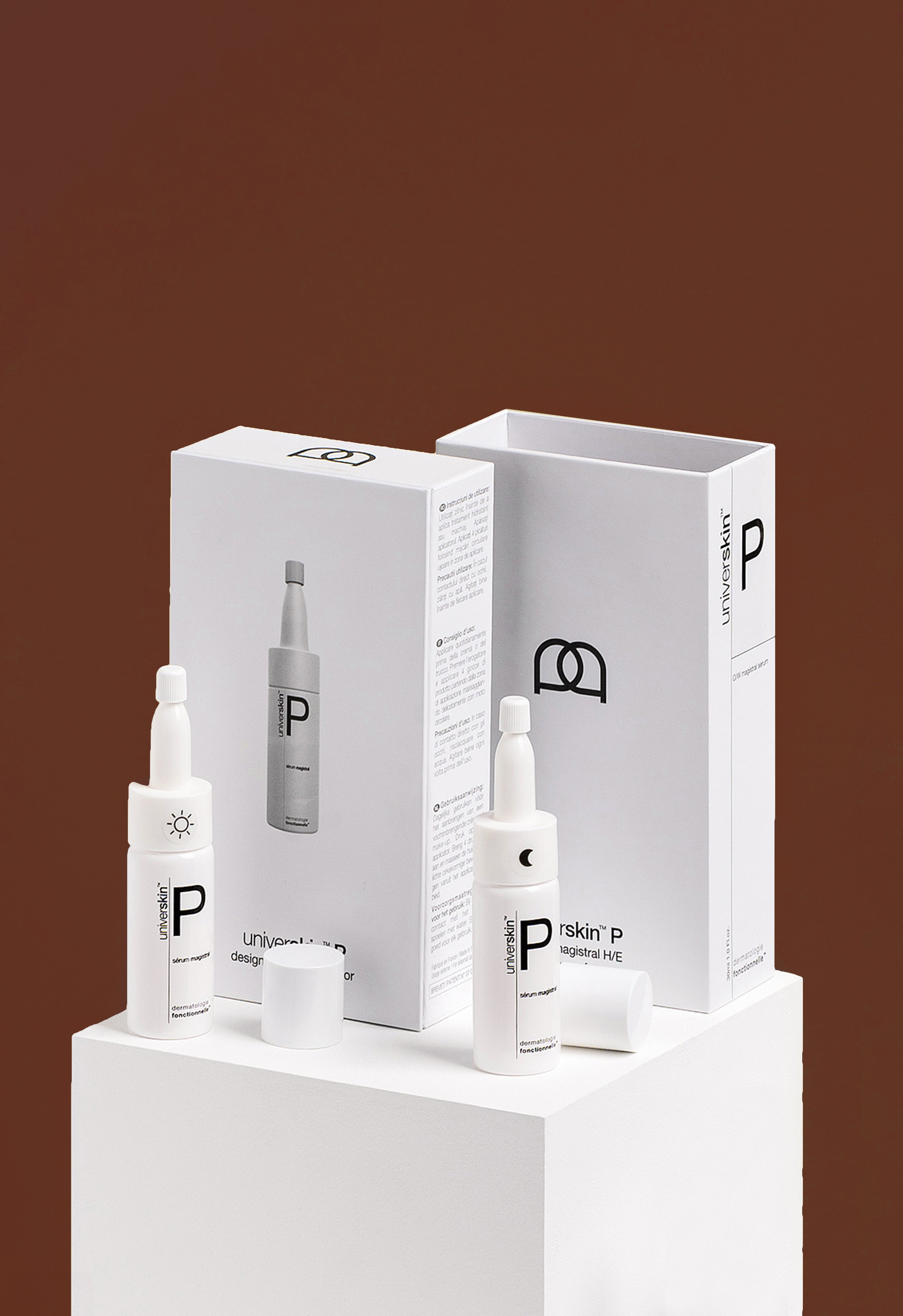
The most researched way to use ferulic acid is alongside vitamin C and vitamin E. The three form a classic antioxidant network: vitamin C and vitamin E neutralize different free radicals, and ferulic acid stabilizes and regenerates them, protecting the skin far better than any single antioxidant alone. The catch is that this trio is unstable: pure vitamin C oxidizes quickly, which is why so many off-the-shelf serums turn brown and lose potency. Universkin's answer is to prepare the formula fresh, adding the capsules to your base serum at the point of use. You will find this trio at the heart of Formula 5 and Formula 7, built on the vitamin-E-rich serum P base.
How Often Can You Use It
Ferulic acid can be used daily, in the morning or the evening. Many people prefer the morning, because its main job is antioxidant defence against daytime UV and pollution. Used this way it complements, but never replaces, a broad-spectrum sunscreen: the antioxidant mops up free radicals that slip past your SPF, while the SPF blocks the UV itself.
Don't Use It If
If you have very sensitive skin or known allergies, patch test on a small area (for example the inner forearm) before applying a new product to the face. Introduce it on its own before layering with other actives, so that if a reaction occurs you know the cause, and pause use if you notice persistent redness or stinging.
Origins of the Ingredient

Ferulic acid is found naturally in grasses, grains, vegetables, fruits, leaves, beans and seeds; the most abundant sources are sugar-beet pulp, popcorn, whole-grain rye bread, oat flakes and sweet corn. It was first isolated from the Ferula foetida plant, from which it takes its name, and was chemically synthesized and structurally confirmed in 1925.
Universkin uses synthetic ferulic acid to guarantee consistent composition and quality; it is purer and more concentrated than plant-extracted material.
Chemical Composition
Ferulic acid is 4-hydroxy-3-methoxycinnamic acid, a naturally occurring phenolic acid. A key role of phenolic acids, especially cinnamic acid derivatives, is their antioxidant activity, which depends mainly on the hydroxyl and methoxy groups on the phenyl ring. It is a white, crystalline solid.

Mechanism of Action
Ferulic acid neutralizes free radicals, defending the skin from damage by UV radiation and pollution. It has been shown to help prevent collagen degradation and may support collagen synthesis, aiding skin repair. It also has tyrosinase-inhibitory properties, which is how it helps even out tone; the strength of this brightening effect varies with concentration and individual skin.

Benefits
Beyond antioxidant protection, ferulic acid helps soften wrinkles and fine lines and brightens skin tone, particularly in photoaged skin. It protects collagen from degradation to support firmness, and may help regulate oiliness in acne-prone skin.
Stability
Ferulic acid is a fairly stable molecule, except at extreme pH or heat. It is susceptible to oxidation, which can cause it to break down and lose potency. Preparing a formulation just before use limits its exposure to those factors, which is exactly how Universkin protects it: your capsules are blended into the base serum only when your formula is made, ensuring full potency.
Evidence & Results Timeline
Ferulic acid is one of the better-studied cosmetic antioxidants. Research consistently points in the same direction: it scavenges free radicals, helps shield skin from UV-induced oxidative stress, and stabilizes companion antioxidants such as vitamins C and E. A frequently cited study by Lin and colleagues, published in the Journal of Investigative Dermatology in 2005, reported that adding ferulic acid to a topical vitamin C and vitamin E solution improved its stability and roughly doubled its photoprotection against UV damage.
A realistic timeline for daily, well-formulated use looks roughly like this:
- Weeks 1–2: protection begins at once at a molecular level; visible change is minimal, though skin can look a little fresher.
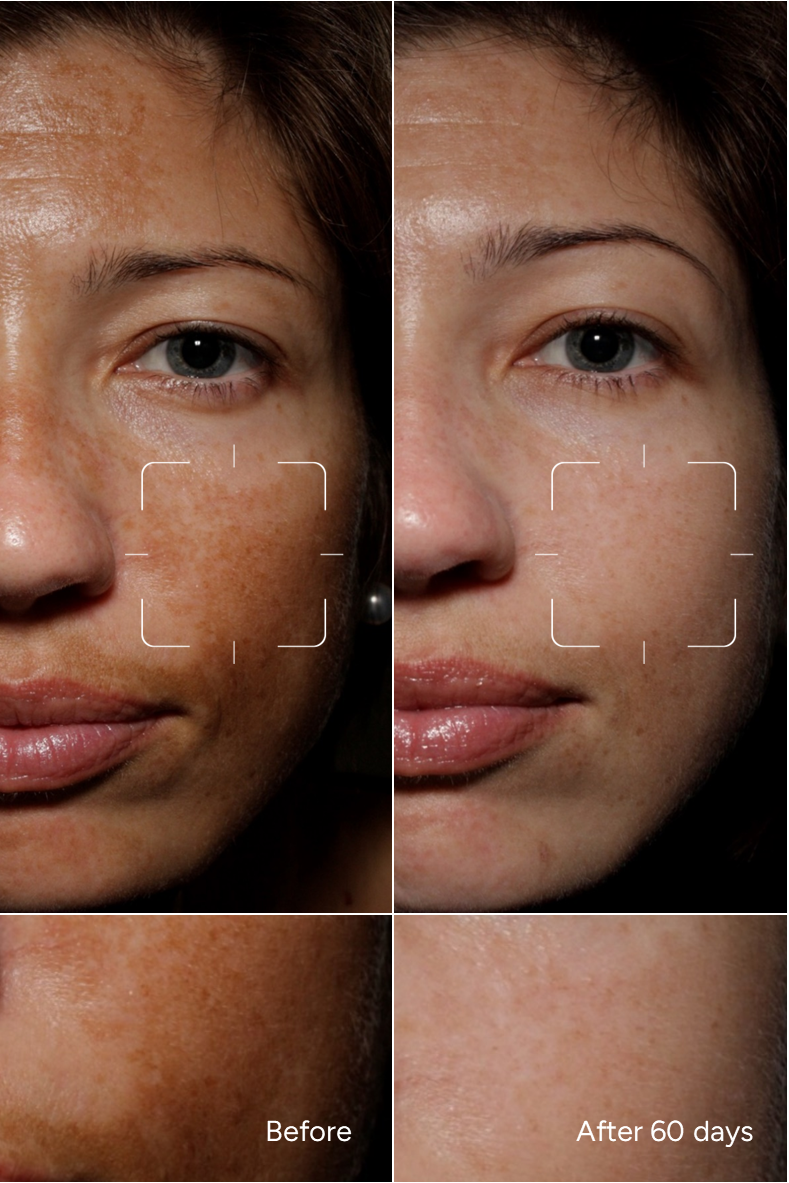
- Weeks 3–6: with consistent use and daily sunscreen, dullness and uneven tone often soften and the complexion looks brighter.
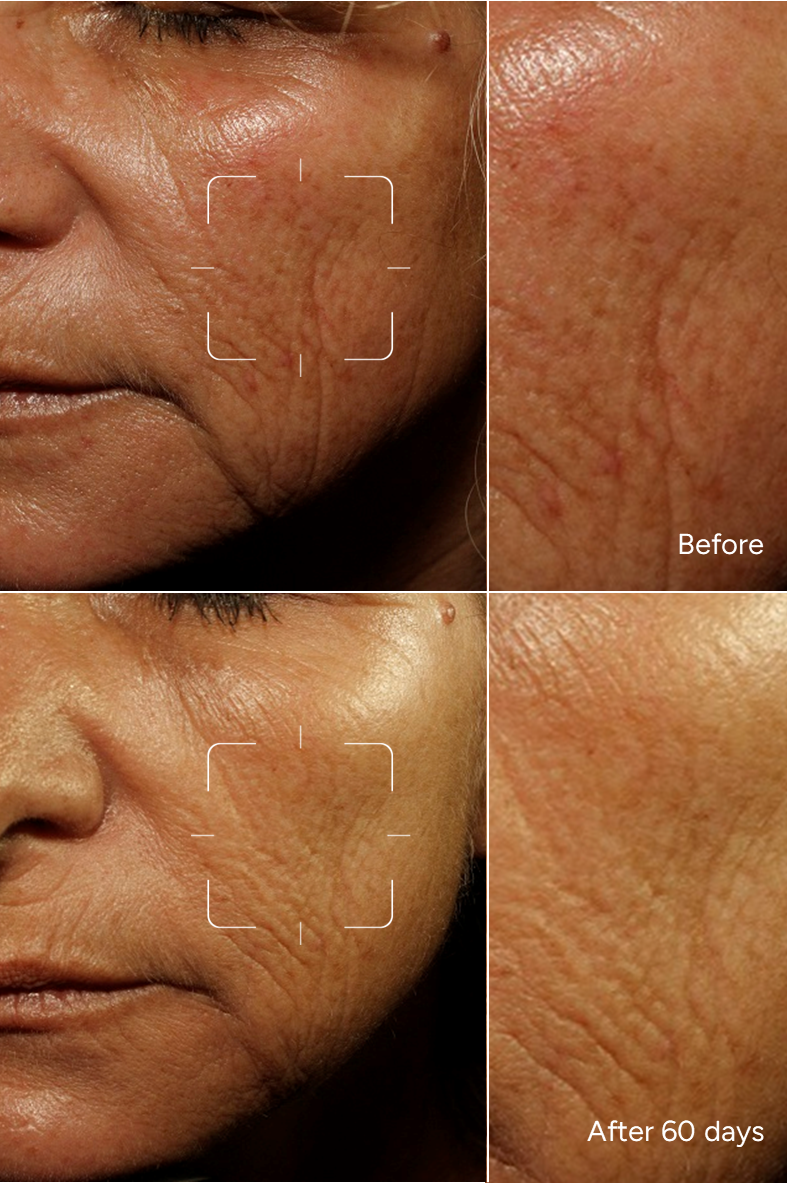
- Weeks 8–12: photoaging benefits become easier to see, with more even tone and smoother-looking fine lines as collagen is better protected.
- Beyond 12 weeks: the value is cumulative – ferulic acid is best seen as a long-term daily defence.
Results vary with skin type, concentration and sun exposure, so a doctor-guided formula tends to outperform a one-size-fits-all serum.
How Ferulic Acid Compares
Ferulic acid is rarely an either/or choice; it works best as a team player that makes other antioxidants perform better. Here is how it compares:
| Ingredient | Main role | How it compares to ferulic acid |
|---|---|---|
| Ferulic acid | Broad antioxidant and stabilizer | Gentle and well tolerated; excels at stabilizing and boosting vitamins C and E. |
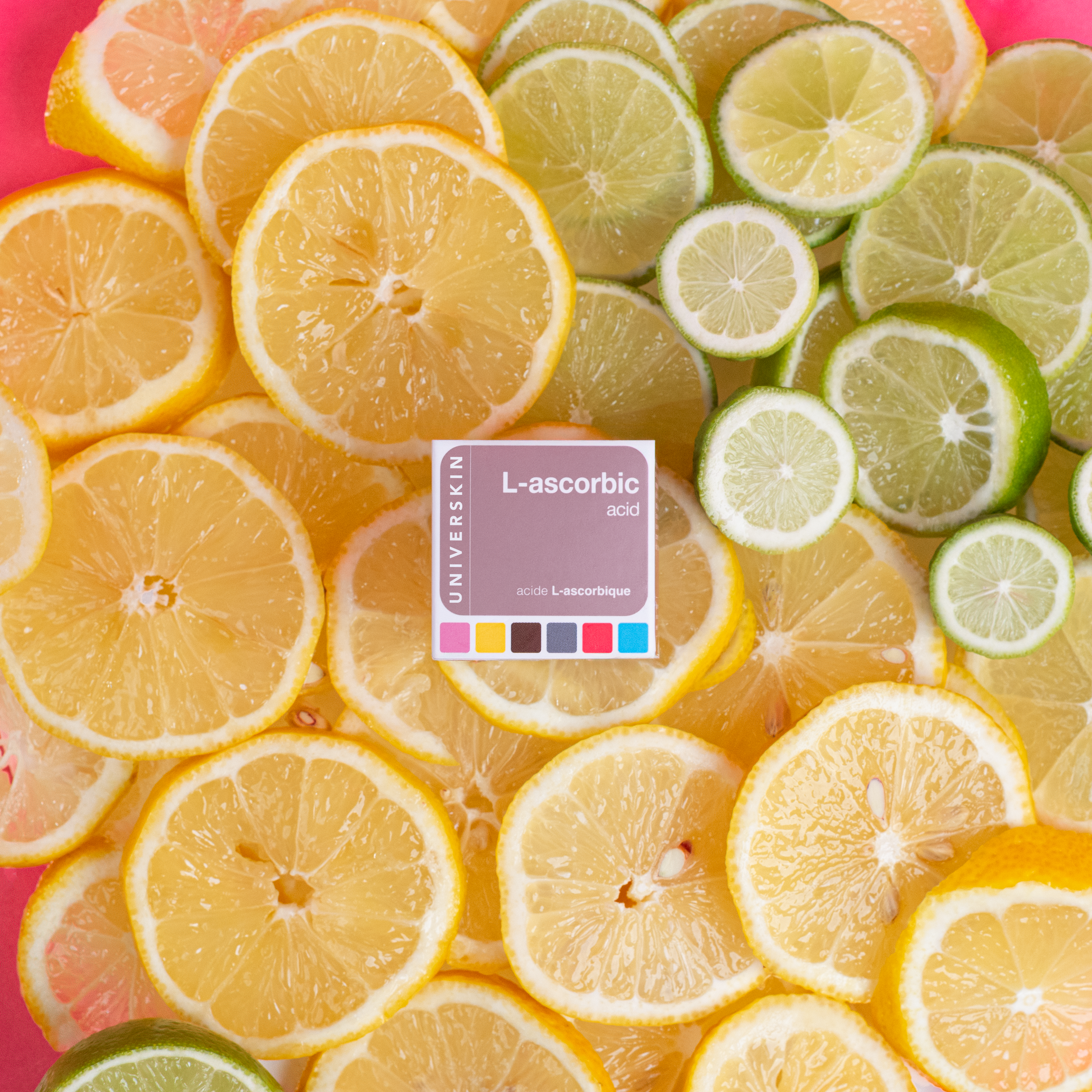
| Vitamin C | Antioxidant, brightening | More powerful brightener but far less stable; ferulic acid is often added to protect it. |
| Vitamin E | Lipid-soluble antioxidant | Works in the skin's oils and membranes; ferulic acid and vitamin C help regenerate it. |
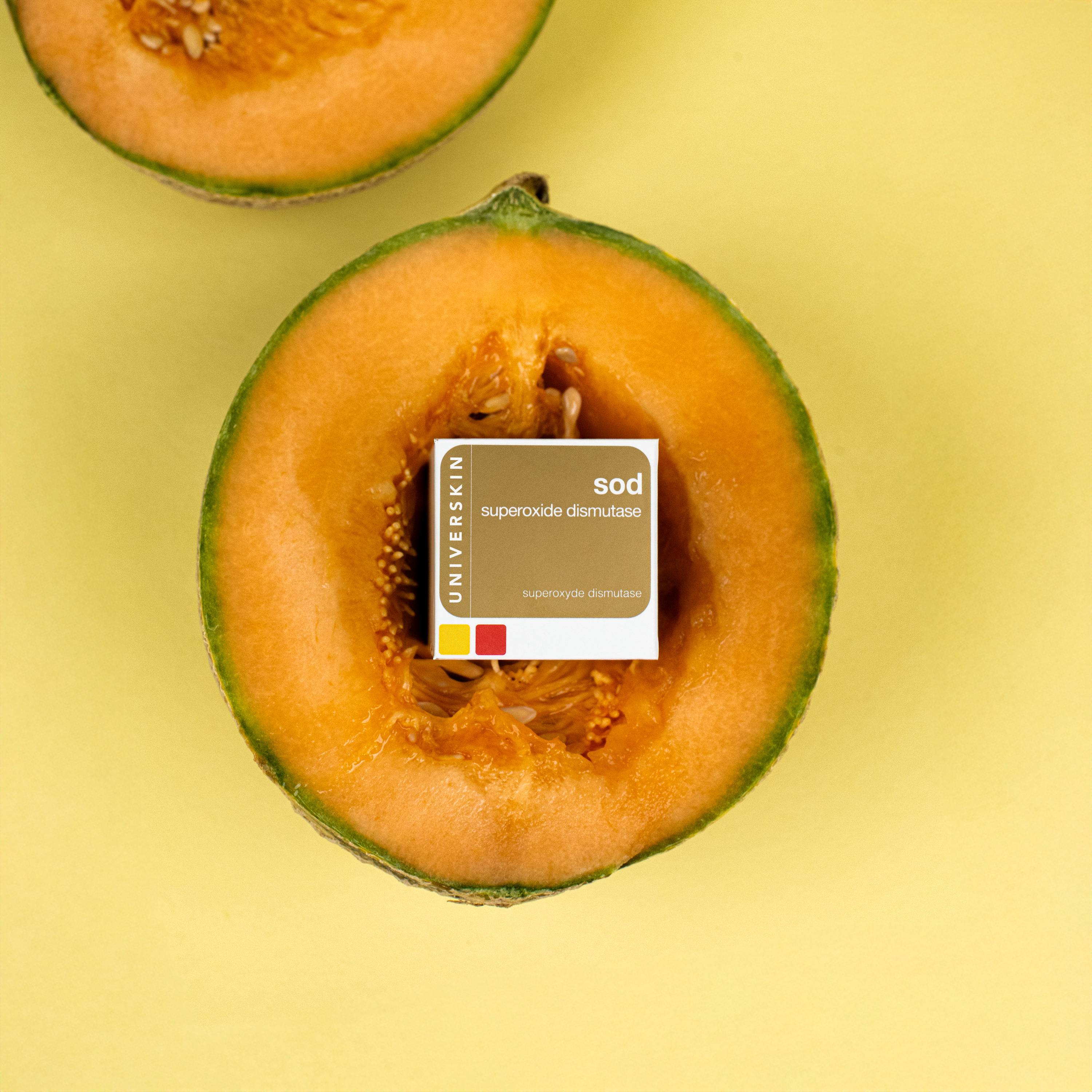
| SOD | Enzymatic defence | Targets one free radical (superoxide); complements ferulic acid's broader scavenging. |
| Niacinamide | Barrier, tone, oil | A different mechanism; layers well with ferulic acid, not a substitute for it. |
The takeaway: if you already use vitamin C, ferulic acid is one of the most logical additions you can make.
How to Use Ferulic Acid
For most people, mornings are ideal. A simple daytime order is: cleanse, apply your ferulic-acid serum to clean, dry skin, follow with moisturizer, and finish with a broad-spectrum SPF. Ferulic acid is an antioxidant, not a sunscreen, so daily SPF is non-negotiable if you want its photoaging benefits.
When layering, the general rule is thinnest to thickest, water-based before oil-based. Ferulic acid pairs comfortably with vitamin C in the same step, with niacinamide, and with hydrators such as hyaluronic acid. If you also use a retinoid or exfoliating acids, keep those for the evening.
Side Effects and Cautions
Ferulic acid is considered gentle and is generally well tolerated, including by many people with sensitive skin. Side effects are uncommon but can include mild redness, tingling or transient irritation, most often at higher strengths or with several other actives at once. To stay comfortable: patch test first, start low, introduce one new active at a time, and avoid stacking too many exfoliating or retinoid products while your skin adjusts. If you are pregnant or breastfeeding, have a diagnosed skin condition, or use prescription topicals, check with your doctor first. Pause use if irritation persists.
Ferulic Acid in Your Personalized Formula
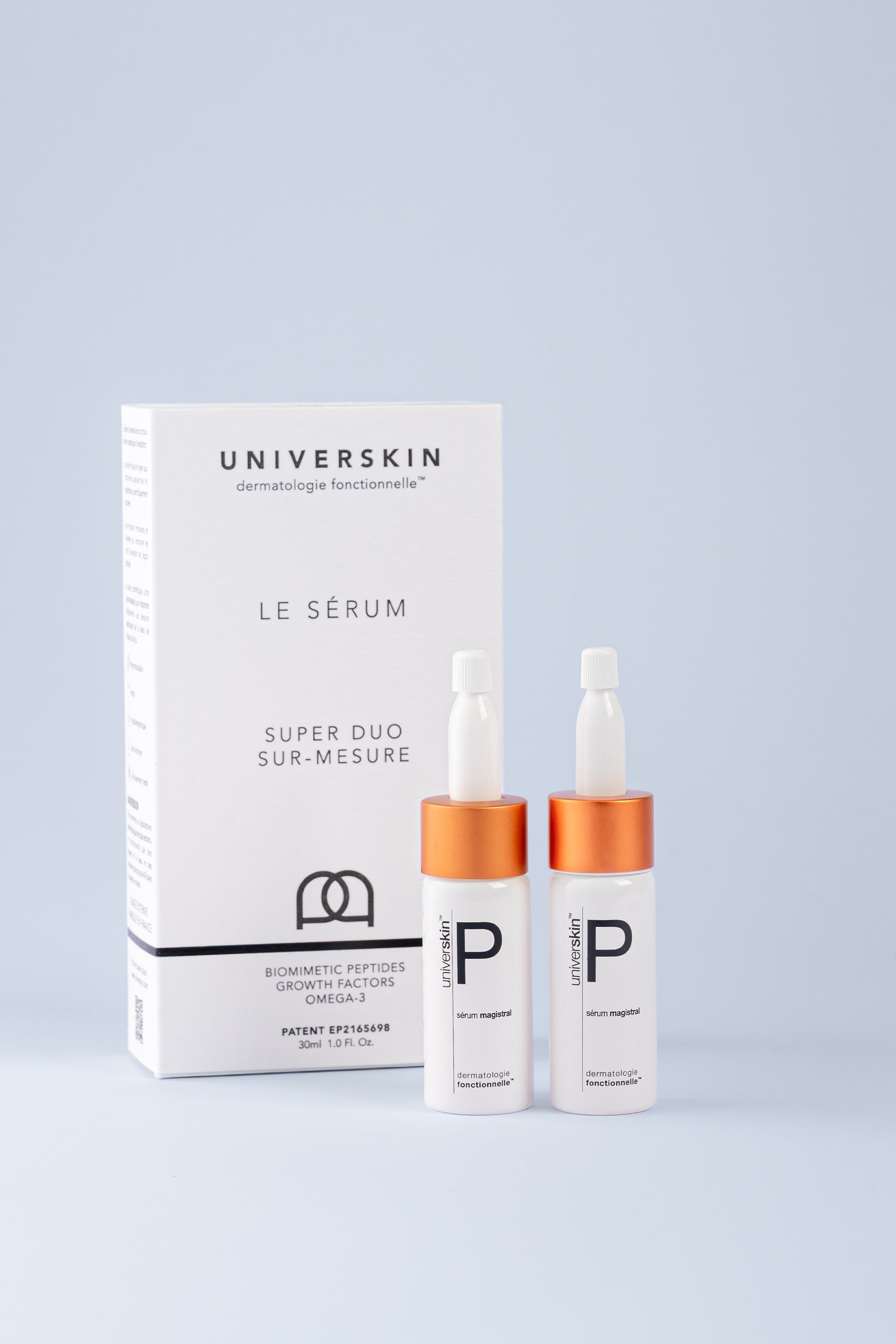
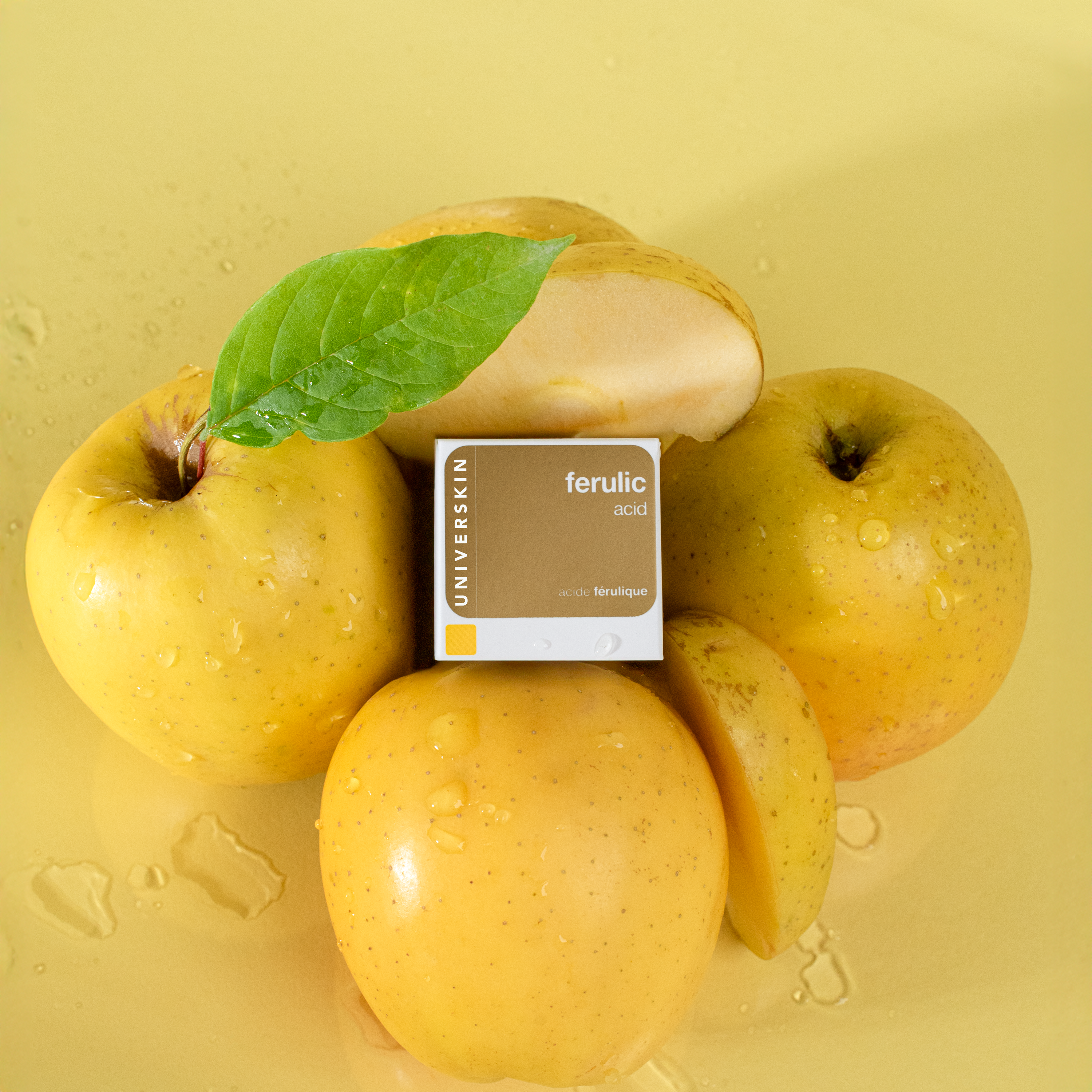
At Universkin, ferulic acid is not sold as a fixed, pre-mixed serum. It is dosed as capsules that your prescribing doctor adds to your personalized base serum after your skin analysis. Each dose delivers 1% ferulic acid, and your doctor can build up to 3% (three capsules) depending on your skin's needs. This buildable approach means the strength is tailored to you, and the antioxidant is blended fresh, reaching your skin at full potency instead of degrading on a shelf. Explore ready-designed options in the ferulic acid collection, including Formula 5 and Formula 7.
Frequently Asked Questions
What does ferulic acid do for your skin?
Ferulic acid is a plant-derived antioxidant. It neutralizes free radicals from UV light and pollution, limiting the oxidative stress that drives photoaging. In doing so it supports a brighter, more even tone, helps protect collagen from breakdown, and stabilizes other antioxidants such as vitamins C and E. It is best used daily, under a broad-spectrum sunscreen.
Can I use ferulic acid together with vitamin C and niacinamide?
Yes. Ferulic acid is frequently paired with vitamin C, where it improves stability and boosts antioxidant photoprotection, and it layers comfortably with niacinamide to support tone and texture. These combinations are generally well tolerated. If your skin is sensitive, introduce one active at a time and let a doctor guide the concentrations in your formula.
Should I apply ferulic acid in the morning or at night?
Ferulic acid can be used morning or evening, but many people apply it in the morning because its main job is antioxidant defence against daytime UV and pollution. Applied under a broad-spectrum SPF, it complements sunscreen rather than replacing it. Consistent daily use matters more than the exact time you choose.
Is ferulic acid safe for sensitive skin and what are the side effects?
Ferulic acid is generally gentle and suits most skin types, including sensitive skin, especially at lower concentrations. Side effects are uncommon but can include mild redness, tingling or irritation, usually when it is combined with other actives. Patch test first, start low, and pause if irritation develops. Anyone with known allergies should consult a doctor first.
What concentration of ferulic acid is effective in skincare?
Research suggests ferulic acid becomes meaningfully active for topical use above roughly 0.5%, with many formulas working in the 0.5–1% range per layer. At Universkin, each capsule dose delivers 1%, and a doctor can build the concentration up to 3% based on your skin analysis. Higher is not always better; the right level depends on your skin and goals.
In conclusion, ferulic acid is a powerful antioxidant that protects the skin from environmental damage, stabilizes companion antioxidants and improves the complexion's overall appearance.
It's always important to consult a skincare professional or a dermatologist if you have any concerns about using ferulic acid.
Skin concerns this ingredient can help with
In a personalized formula, this active is commonly used to help target:
Featured collection
Ferulic Acid BASED SERUMS FORMULAS