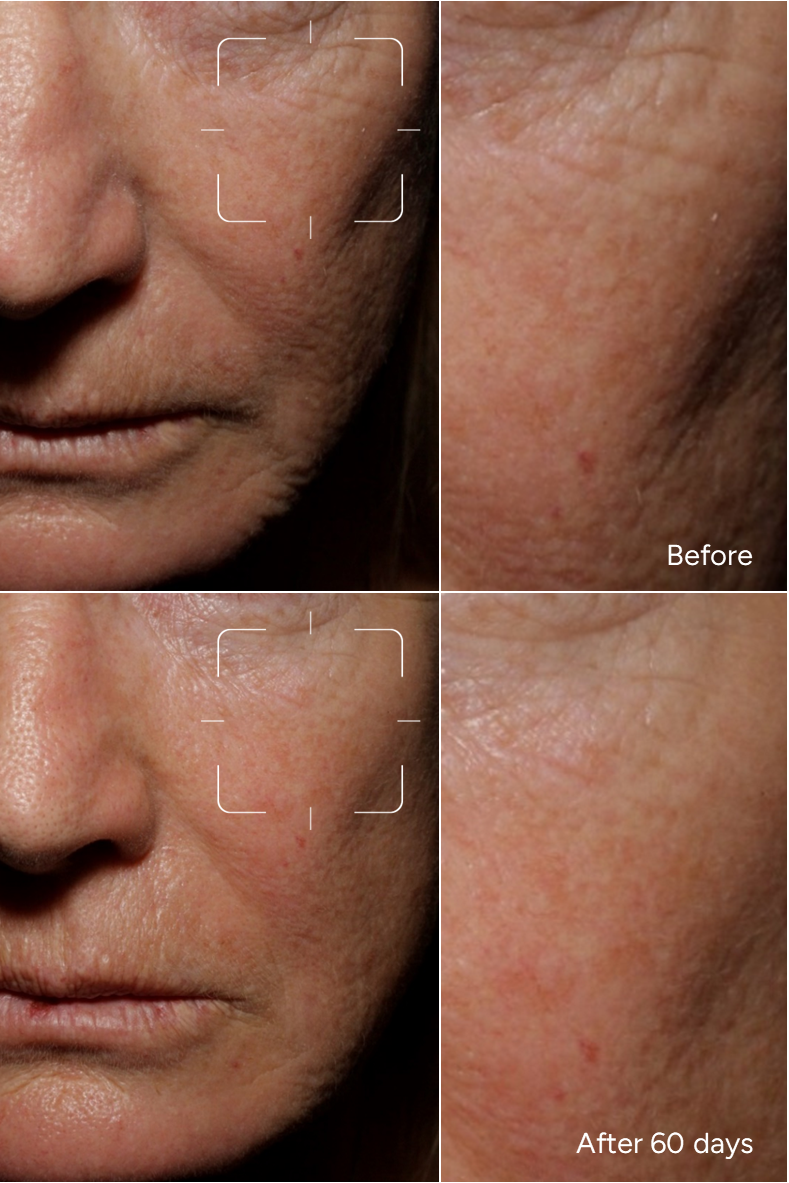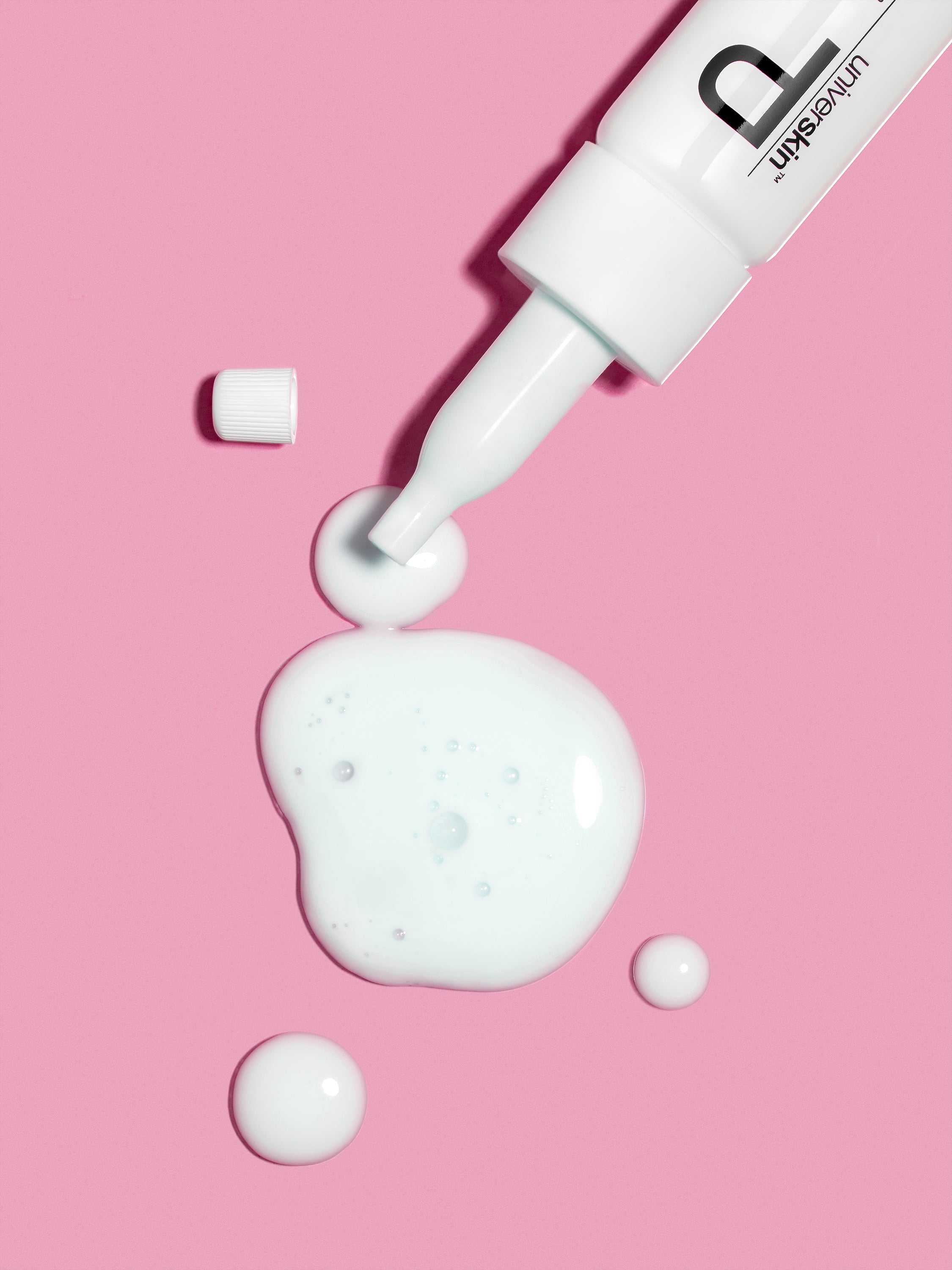
5.4% PER DOSE, UP TO 16.2%
ALOE VERA
ALOE VERA
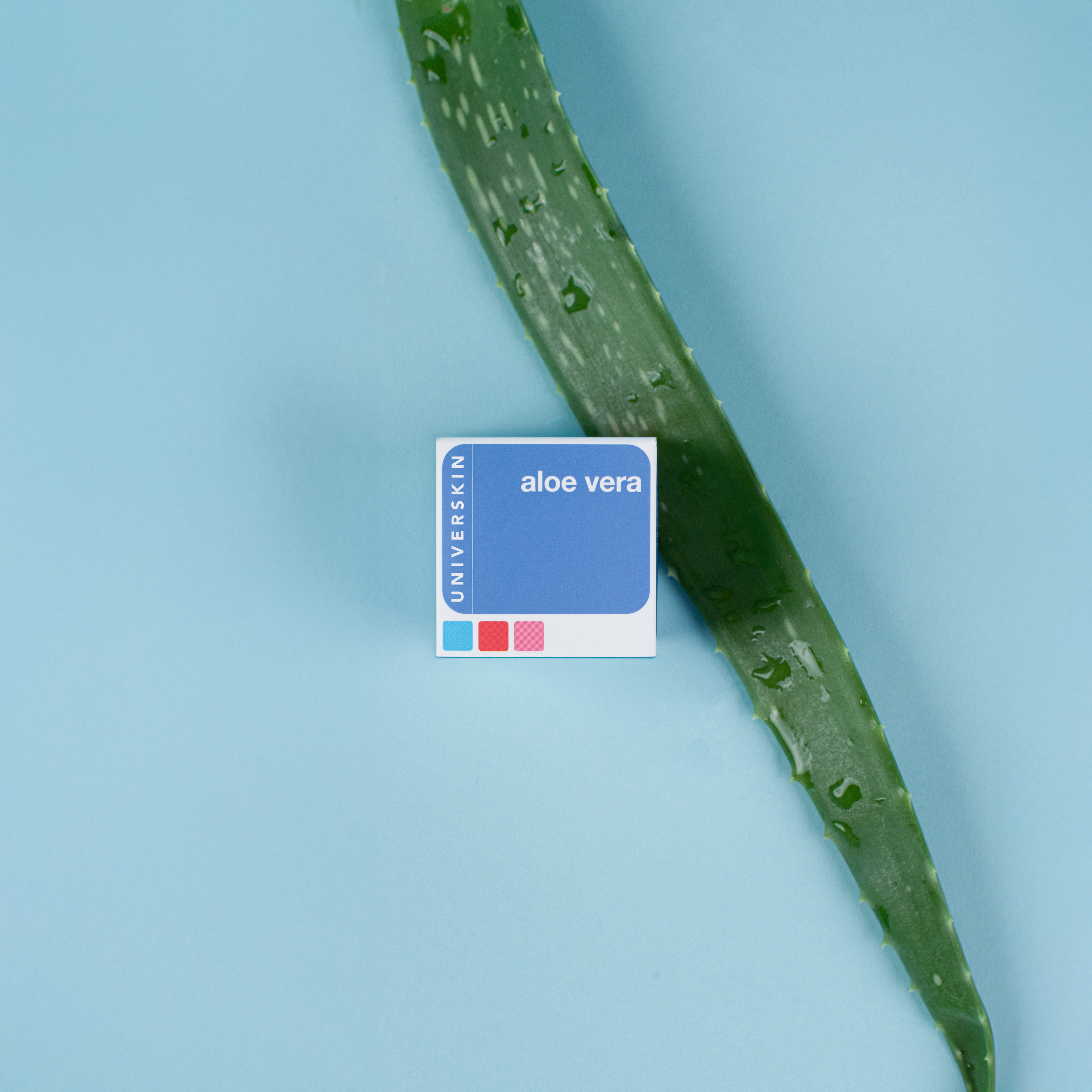
Aloe Vera, also known by its botanical name Aloe barbadensis and its INCI designation Aloe Barbadensis Leaf Juice, is a succulent plant that has been used for centuries for its medicinal and skincare properties and is traditionally used to improve skin integrity. It has been used by various cultures for medicinal purposes, with the Greeks calling it a universal panacea and the Egyptians dubbing it "the plant of immortality". Aloe vera is known for its anti-inflammatory, skin protection, antibacterial, antiviral, antiseptic, and repair properties. In a Universkin formula it is chosen primarily as a soothing, moisture-binding active for reactive, dry or compromised skin.
Concentration
The concentration of Aloe Vera in skincare products typically ranges from 0.5-10% but can be used in different concentrations depending on the intended use and the formulation. It is a versatile ingredient that can be found in a wide range of personal care and cosmetic products. For example, aloe vera gel, which is extracted from the plant's leaves, can be used in concentrations ranging from 1% to 100%. A higher percentage is not automatically better: the right level depends on your skin's needs and the other actives, which is why professional dosing matters.
Aloe Vera in Your Personalized Formula
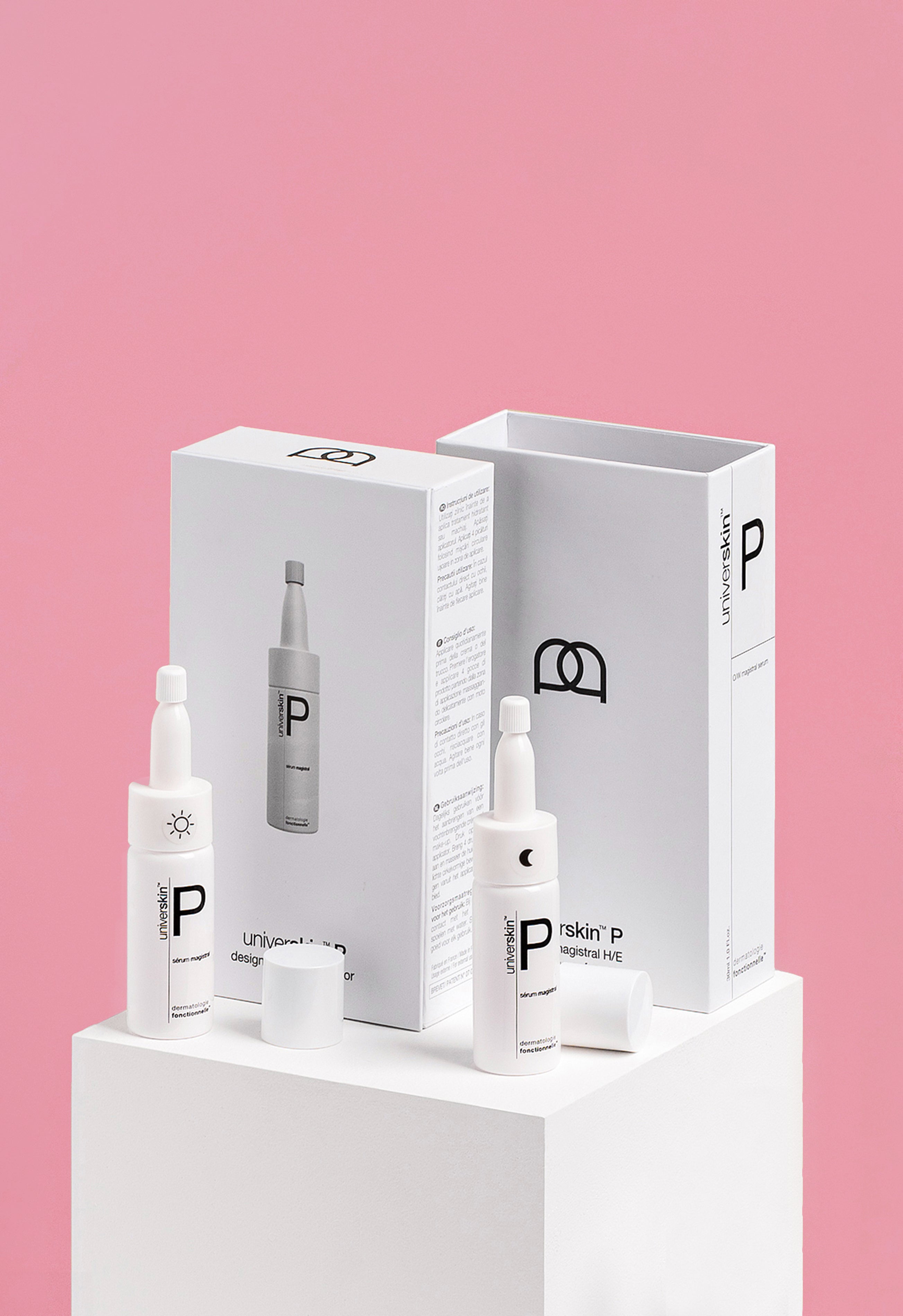
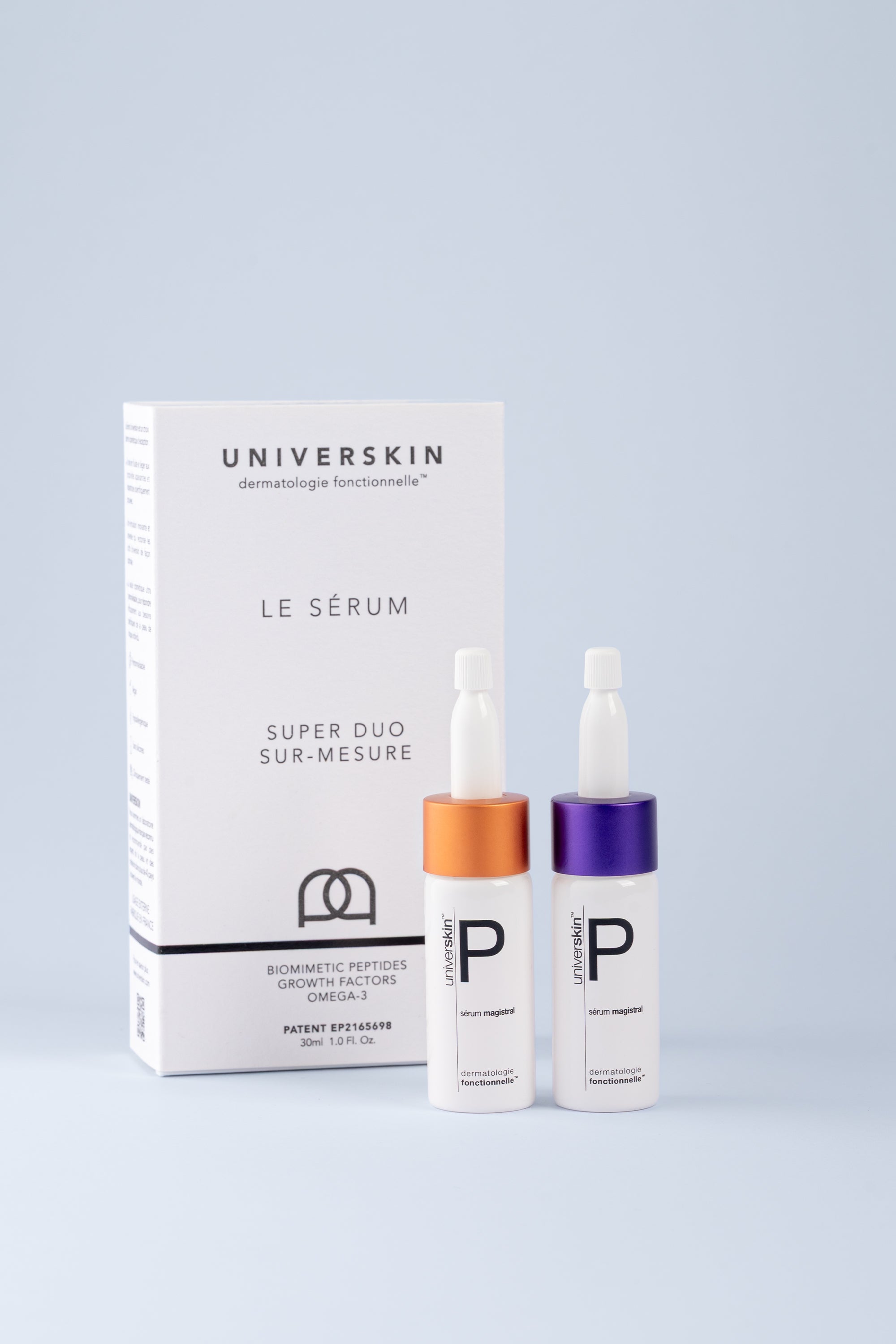
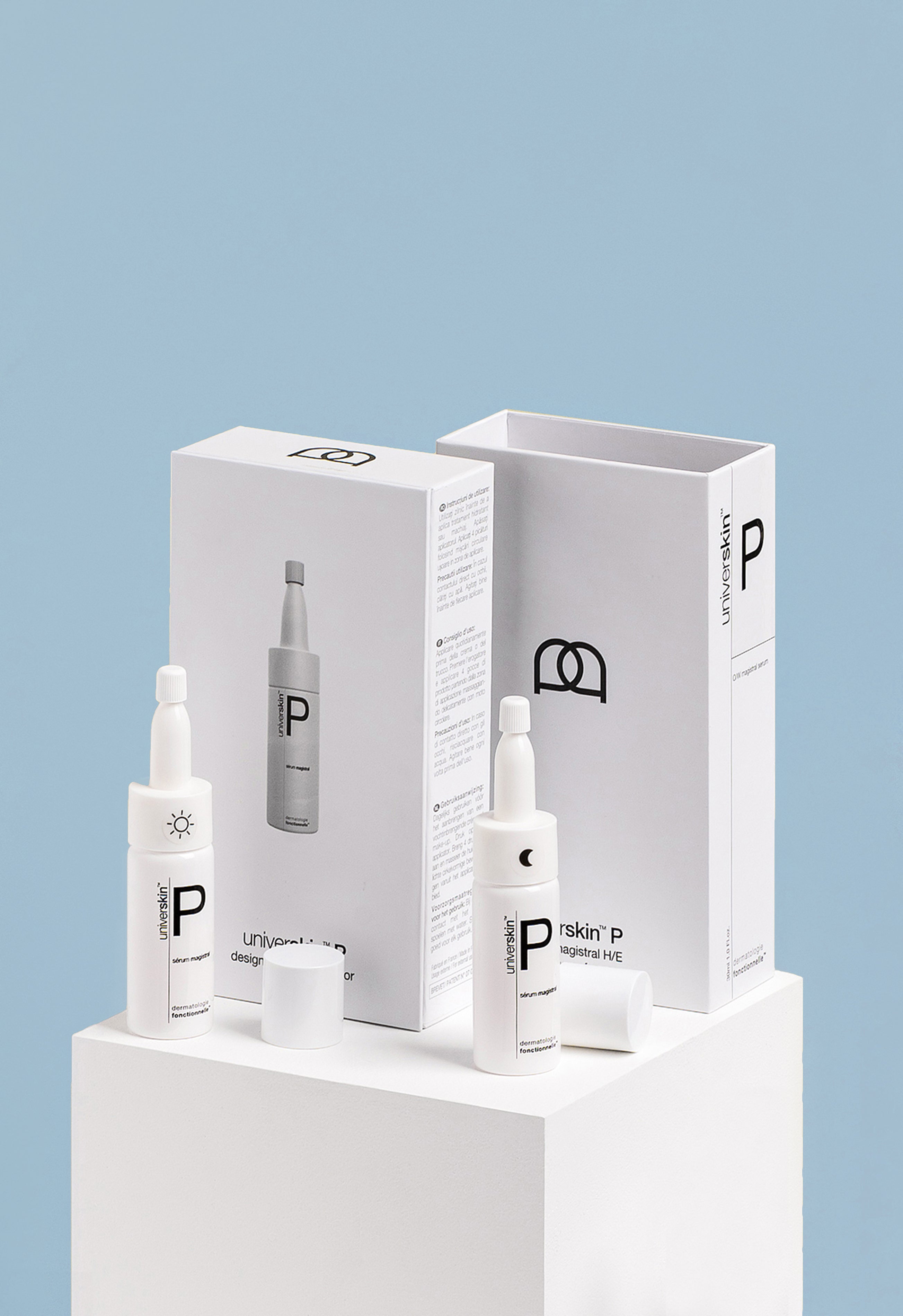
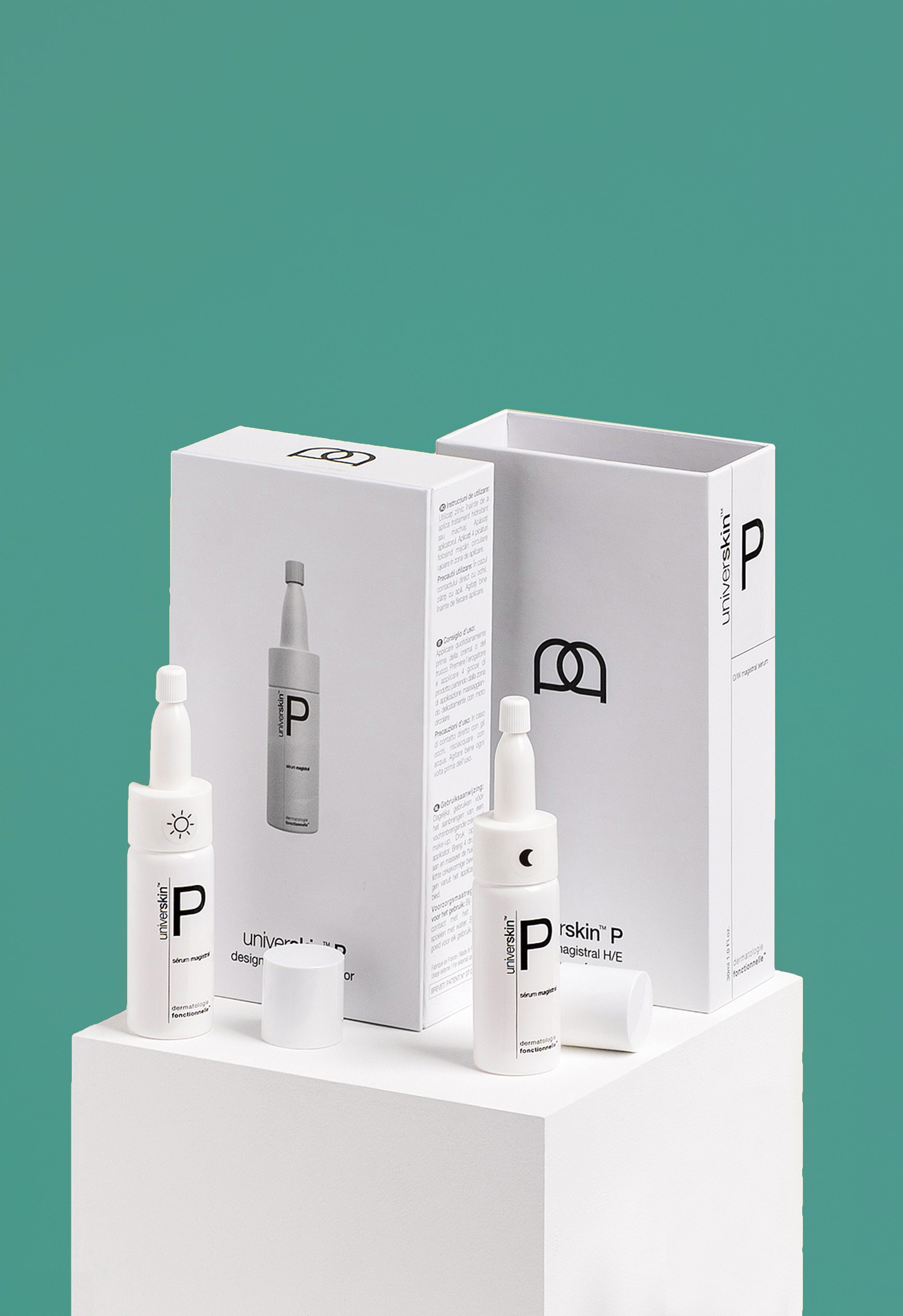
Unlike a mass-market gel, a Universkin serum is built dose by dose by a skincare professional. Aloe vera is a three-capsule active: each capsule (dose) delivers 5.4%, and a prescribing doctor can build it up to three capsules for a maximum of 16.2% in a single formula. This buildable range lets the concentration be matched to how reactive or dry your skin is, from a lighter single dose to a fuller build for more intensive soothing. The starting point is a skin analysis, which maps your skin so aloe vera is dosed alongside the other actives your skin needs.
Who Should Use It
Aloe Vera can be beneficial for all skin types but is particularly useful for those with dry, sensitive, irritated or sunburned skin. It can help to soothe and moisturize the skin and reduce redness. Its humectant and anti-inflammatory action helps replenish surface moisture and visibly calm redness linked to dryness. Oily and combination skin can use it too, as it hydrates without a heavy, occlusive finish.

Can Be Used In Combination With
Aloe Vera can be used in combination with other moisturizing ingredients to enhance its hydrating effects. It is a natural companion to D-panthenol (pro-vitamin B5), which reinforces its hydrating and soothing effect, and it sits comfortably alongside niacinamide, helping to buffer any initial sensitivity. Because it is calming by nature, aloe vera is also a useful partner for stronger actives such as retinol or vitamin C, where its soothing properties help offset the dryness they can cause. Your doctor decides which combinations belong in the same formula.
How Often Can You Use It
Aloe Vera can be used daily in the morning or evening, or both. It layers easily under other treatment steps and sits well beneath moisturizer and sunscreen. Because it is frequently used as an after-sun ingredient, it is a comfortable choice after sun exposure, but soothing sunburn is never a substitute for prevention, so continue to apply a broad-spectrum SPF every morning. When you layer, apply lighter textures before richer ones and let each absorb.
Don't Use It If
Aloe vera is suitable for almost all skin types, but it is important to avoid it in case of a known allergy to the plant or to related species. If you have very sensitive skin or a history of allergies, it is always recommended to patch-test a new product on a small area for a couple of days before applying it to the face. Pause use if you notice persistent stinging, itching, rash or increased redness, and let irritated skin settle before reintroducing the product. If a reaction continues, or if you are treating a medical skin condition, speak to your doctor or pharmacist before continuing.
Origins of the Ingredient

Aloe Vera is native to tropical and subtropical regions in Africa, but it is now widely cultivated around the world. The use of Aloe Vera for medicinal and skincare purposes dates to ancient Egypt, where it was used to treat skin wounds and burns. Universkin has selected a pure aloe vera *CO2 extract (*method of extraction) to offer a more concentrated, potent, and pure product with a longer shelf life and minimal impact on the environment.

Chemical Composition
Aloe vera contains around 75 potentially active constituents like vitamins, enzymes, minerals, sugars, anthraquinones, fatty acids, hormones, amino acids, and salicylic acid. Much of its soothing, moisture-binding activity is attributed to its polysaccharides, chief among them acemannan, a long-chain sugar that helps hold water in the skin and support its natural repair. It is also a source of antioxidant vitamins A, C and E, which is part of why aloe vera behaves as a gentle multi-tasker. Universkin Aloe vera is a beige powder.

Mechanism of Action
Aloe Vera works by penetrating the skin and increasing the water content of the epidermis. It also works as an anti-inflammatory and a moisturizer. Aloe vera has a multitude of health benefits due to its various mechanisms of action. It stimulates fibroblast activity and collagen synthesis, making it effective for skin repair and smoothing. Aloe vera gel also has a protective effect against radiation damage and anti-inflammatory properties, by inhibiting inflammation pathways and molecules. Aloe vera is also rich in vitamins A, C, and E, and it is also a good source of antioxidants, which help to protect the skin from environmental damage. Aloe vera also has antiseptic effects thanks to 6 antiseptic agents: lupeol, salicylic acid, urea nitrogen, cinnamonic acid, phenols, and sulfur. Its mucopolysaccharides help to bind moisture into the skin, making it effective for moisturizing and against aging signs.
Benefits
Aloe Vera can help to soothe and hydrate the skin, reduce redness and inflammation, and promote healing of the skin. It also has antioxidant properties, which can help to protect the skin from damage caused by free radicals. It can also help to improve the overall health and appearance of the skin. Additionally, it has been known to be an excellent ingredient to be used in skincare products as an after-sun treatment as its hydrating and soothing properties can help to soothe sunburned skin and reduce redness and inflammation.

Evidence & Results Timeline
Aloe vera is a well-researched botanical. Clinical studies have shown that it can increase the water content of the stratum corneum, calm inflammation, and support the healing of minor wounds and burns, effects generally attributed to its polysaccharides, including acemannan. It works best as a supportive soothing and hydrating active rather than a primary anti-ageing or pigment treatment, so set expectations accordingly.
- First applications: an immediate cooling, soothing sensation and relief of tightness; irritated or sun-exposed skin feels more comfortable.
- Weeks 1-2: skin generally feels softer and less reactive, with dryness-related redness often looking calmer.
- Weeks 4-6: with consistent daily use, hydration and comfort become more sustained and the barrier feels more resilient.
- Weeks 8-12: cumulative soothing and moisture support as part of a complete, professionally dosed routine.
Results vary with skin type, concentration and the other actives in your formula.
Aloe Vera vs. Other Soothing Hydrators
Aloe vera is often compared with other calming, hydrating ingredients. Each has a slightly different job.
| Ingredient | Main strength | How it compares to aloe vera |
|---|---|---|
| Aloe vera | Light hydration plus soothing | Calms and adds water-based moisture with a gentle, non-greasy feel |
| D-panthenol (B5) | Barrier repair and humectant | More focused on reinforcing the barrier; pairs well with aloe |
| Niacinamide (B3) | Barrier, tone and oil balance | A more active multi-tasker; aloe is gentler and purely soothing |
| Hyaluronic acid | Intense water-binding | Holds more water per molecule; aloe adds soothing that hydration alone does not |
A Universkin doctor can combine the right soothing and hydrating actives, for example aloe vera with D-panthenol or niacinamide, at concentrations matched to your skin.
Stability
Aloe vera gel is highly perishable and should be stored in a cool place, away from light and heat, to maintain its effectiveness, whereas aloe vera powder is stable. The standardized aloe vera powder can therefore be dosed accurately and holds its activity in your serum. Keep your formula tightly closed, away from direct sunlight and extreme temperatures, and use it within the period-after-opening indicated on the packaging.
Frequently Asked Questions
What does aloe vera do for your skin?
Aloe vera is a soothing, hydrating ingredient. It draws water into the skin's surface, helps calm redness and irritation, and supports the skin's natural repair processes. Rich in polysaccharides, vitamins and antioxidants, it is often used to comfort dry, sensitive or sun-exposed skin and leaves the complexion feeling softer, calmer and more balanced.
Can I use aloe vera on my face every day?
Yes. Aloe vera is gentle and generally well tolerated, so it can be used daily, morning and evening, as part of your routine. It layers easily under moisturizer and sunscreen. If your skin is very sensitive, introduce it gradually and patch-test first, and pause use if you notice any persistent irritation.
Which skin types benefit most from aloe vera?
Aloe vera suits all skin types but is especially helpful for dry, sensitive, reactive, irritated or sunburned skin, where its soothing and moisture-binding properties help most. Oily and combination skin can use it too, as it hydrates with a light, non-greasy feel. Those with a known aloe allergy should avoid it.
Can aloe vera be combined with other actives like niacinamide or retinol?
Yes. Aloe vera pairs well with niacinamide and can help buffer the dryness or tightness sometimes caused by stronger actives such as retinol or vitamin C. In a personalized Universkin formula, your doctor decides which actives are combined and at what dose, so they work together safely rather than competing.
Does aloe vera have any side effects on skin?
Aloe vera is considered very safe and side effects are uncommon. The main risk is an allergic reaction in people sensitive to the plant, which can cause stinging, itching or redness. To reduce this risk, patch-test any new product before applying it to your face, and stop use if irritation persists or worsens.
In conclusion, Aloe vera is a versatile and beneficial ingredient for skincare. Its hydrating, soothing, and anti-inflammatory properties make it a great ingredient for dry, irritated, and sunburned skin. It can be used as a daily moisturizer or as an after-sun treatment to soothe and hydrate the skin. It is also a good source of antioxidants, which helps to protect the skin from environmental damage. Its antiseptic properties help in improving acne-prone skin. Incorporated into a personalized formula and dosed to your needs, aloe vera helps you achieve moisturized, soothed, healthy-looking, and youthful skin.
Skin concerns this ingredient can help with
In a personalized formula, this active is commonly used to help target:
Featured collection
Aloe Vera BASED SERUMS FORMULAS