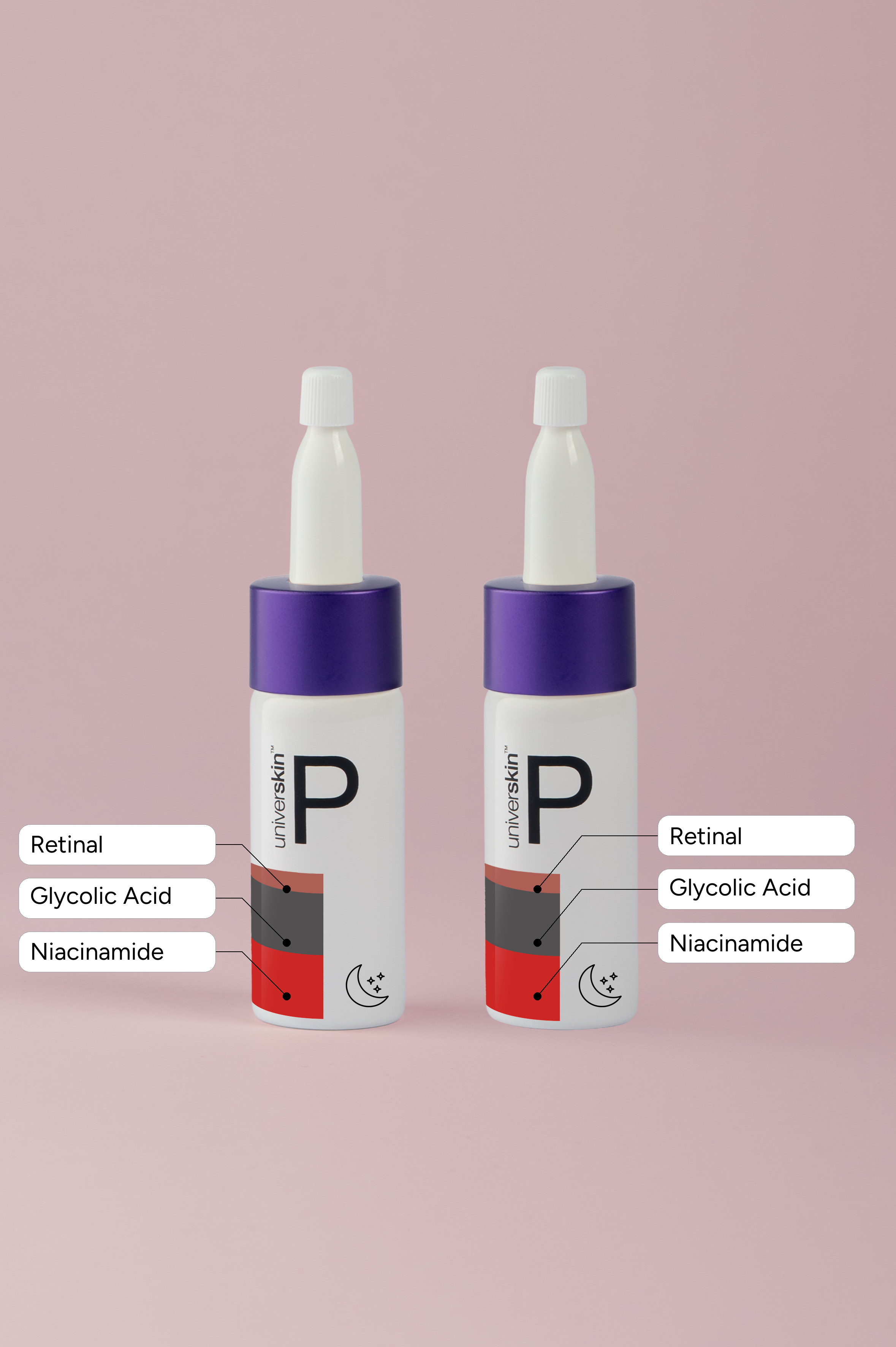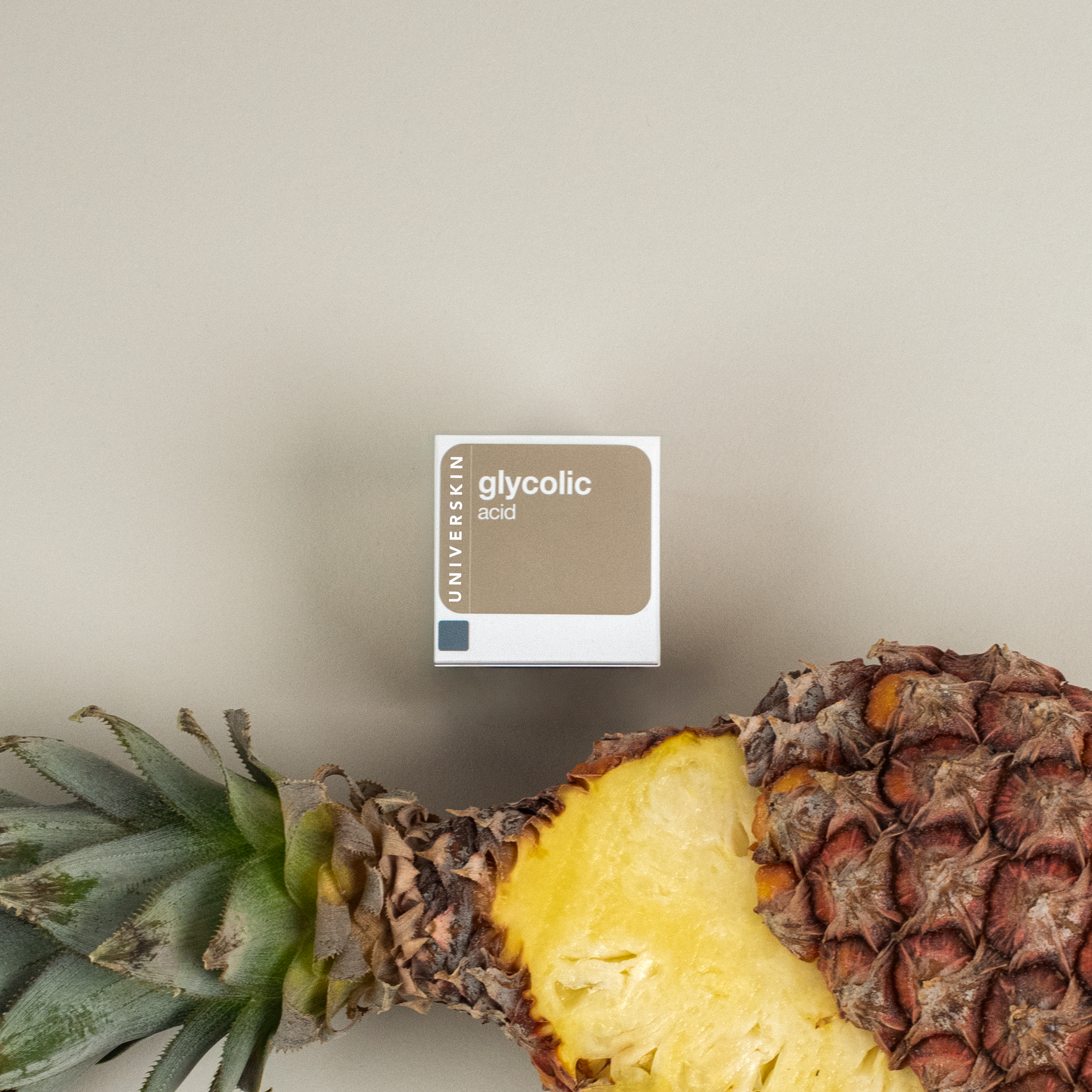
7% PER DOSE
GLYCOLIC ACID
GLYCOLIC ACID
Glycolic acid is one of the most widely used exfoliating actives in skincare — a fruit acid, or alpha-hydroxy acid (AHA), prized for loosening and lifting away dead surface cells and encouraging healthy cell turnover. Because it is the smallest AHA molecule, it penetrates readily and works efficiently, targeting rough or dull skin, uneven tone, superficial marks and early signs of ageing like fine lines.
Concentration
In cosmetic products, glycolic acid is typically formulated between 1% and 10% at a pH of 3.5 or higher; salon peels go higher, up to around 30%. At Universkin, glycolic acid is dosed at 7% per dose. The headline number is not the whole story: stability, the base's pH, daily consistency and the actives it is paired with all shape the result. A well-formulated, doctor-adjusted 7% dose worn as directed can do much of the work of a stronger over-the-counter exfoliant, with less irritation. Patch test before first use.
Who Should Use It
Glycolic acid can benefit many skin types, but it is particularly useful for oily or blemish-prone skin, and for anyone dealing with fine lines, rough texture, dullness or uneven tone. It can also help dry, tired-looking skin, though there it is best introduced gradually and paired with good hydration. If your skin is naturally sensitive or reactive, use it cautiously and build up slowly.

Can Be Used In Combination With
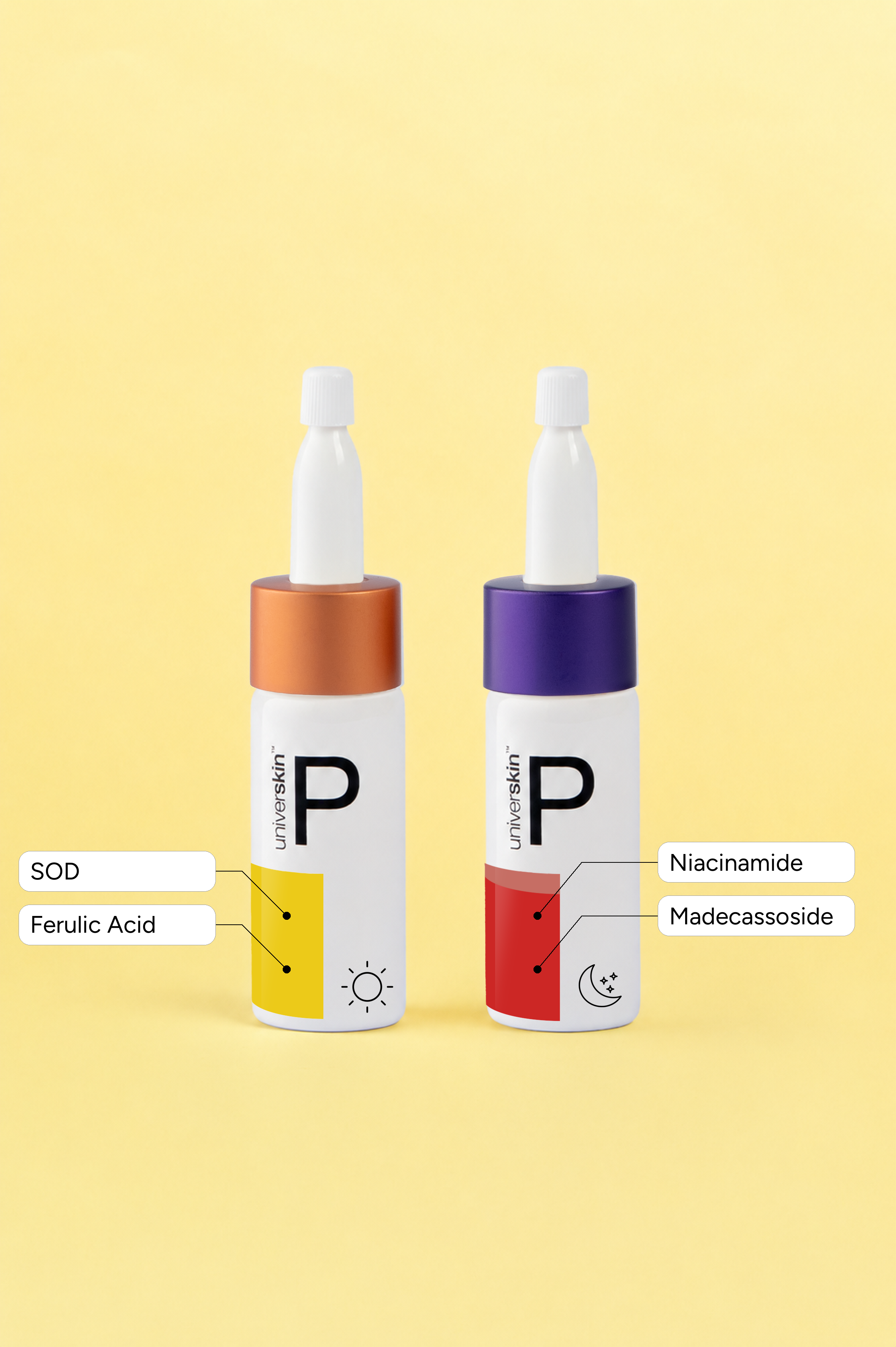
7% glycolic acid pairs well with other actives such as madecassoside and niacinamide, which calm and support the skin barrier while glycolic acid resurfaces, helping offset potential dryness. Introduce one new active at a time to see how your skin responds.
How Often Can You Use It
Glycolic acid should be used in the evening only. To start, apply it every second evening, then gradually increase towards nightly use as your skin adapts. Overusing it can cause stinging, tightness or flaking, so build frequency slowly rather than all at once. Because AHAs make the skin more sensitive to UV, a daily broad-spectrum sunscreen of at least SPF 30 is essential while you use it. If skin becomes tight, red or persistently irritated, pause for a few nights and resume less often.
Don't Use It If
Glycolic acid should be avoided by those with very sensitive or reactive skin, and used with caution by anyone with thin skin, redness, broken skin, active allergies, or high daily UV exposure. Always test the product on a small area, such as the inner elbow crease, before applying it to the face, and pair daily use with a sunscreen of SPF 30 minimum. Pregnant and breastfeeding women should avoid glycolic acid unless advised otherwise by a healthcare provider.
Origins of the Ingredient

Glycolic acid occurs naturally in sugar cane, from which its identity as a fruit-derived alpha-hydroxy acid comes. To guarantee purity and consistency, Universkin uses a pure synthetic grade of glycolic acid.
Chemical Composition
Glycolic acid is classed as an alpha-hydroxy acid (AHA) because of its chemical structure, which carries a hydroxyl (-OH) group on the first carbon atom — the alpha position — of the molecule. With just two carbon atoms, it is the smallest AHA, which is why it penetrates the skin more easily than larger acids. In its raw form, glycolic acid is a white to off-white powder with a fine crystalline texture.

Mechanism of Action
Glycolic acid works by weakening the bonds that hold dead cells together at the skin's surface, so they shed more readily and cell turnover speeds up. This gentle, controlled exfoliation smooths the surface and helps address dullness, rough texture and the look of fine lines. With sustained use, AHAs have also been associated with renewal deeper in the skin, supporting a firmer, more even appearance over time.
Benefits
By clearing away the outer layer of dead cells, glycolic acid leaves the skin looking smoother, brighter and more radiant, and softens the appearance of fine lines, superficial marks and skin that has lost some of its lustre. A second, often overlooked benefit is that this same exfoliating action improves how well the actives applied afterwards absorb, making the rest of a routine more effective. Over time it helps refine texture and even out tone, which is why glycolic acid features across our serums for pigmentation and dark spots and for uneven, rough-textured skin.
Stability
Glycolic acid is a highly stable ingredient, which makes it reliable and long-lasting in a well-made formula.
Evidence & Results Timeline
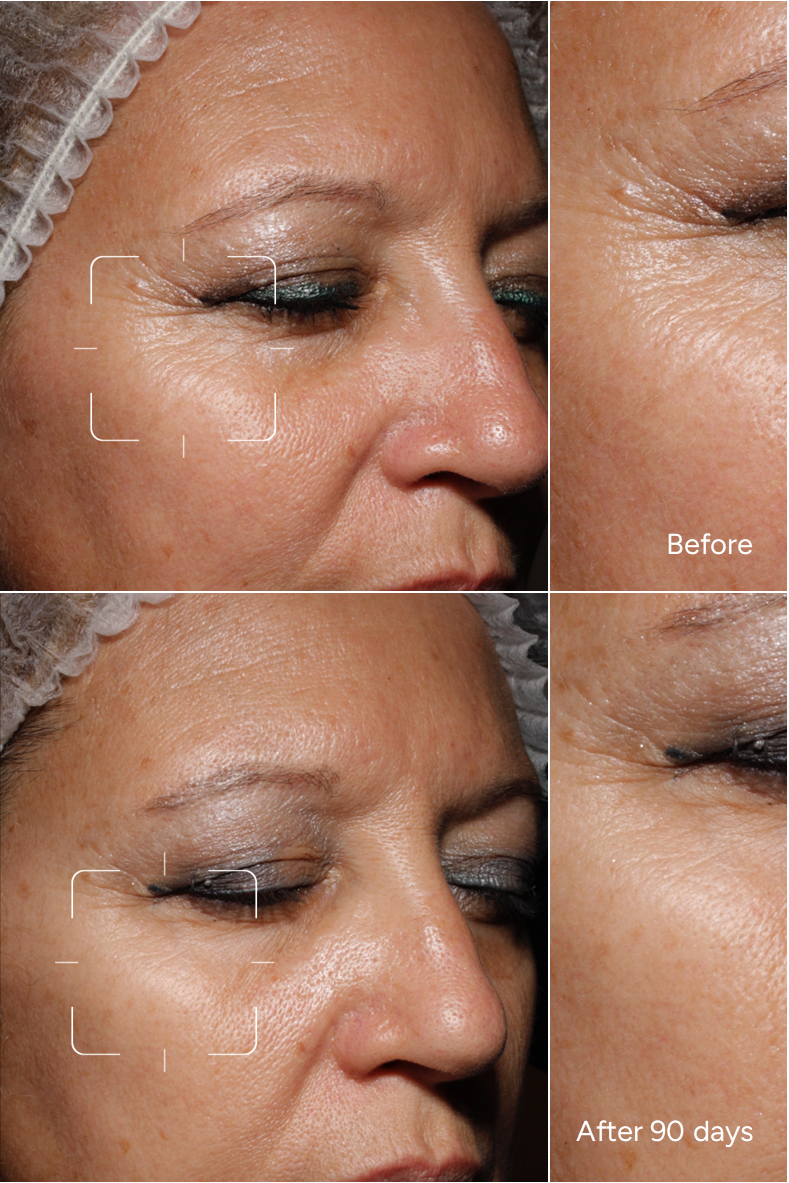
Glycolic acid is among the better-studied cosmetic actives. Its exfoliating, or keratolytic, action on the outer skin layer is well established, and clinical studies have shown that regular use can improve texture, radiance and the appearance of fine lines and uneven tone. In a frequently cited early study, Ditre and colleagues (Journal of the American Academy of Dermatology, 1996) reported that alpha-hydroxy acids applied to photoaged skin were associated with a thicker epidermis and dermis and increased collagen and glycosaminoglycans — though that work used concentrations higher than a cosmetic 7% dose, so everyday results are more gradual and individual response varies.
Because glycolic acid works cumulatively, results build with consistent evening use. The timeline below is a realistic guide:
| Timeframe | What to expect |
|---|---|
| First few uses | Exfoliation begins immediately at the surface; skin may feel slightly tingly and look a little brighter the next morning. |
| Weeks 1–2 | The surface usually feels smoother and softer, with a fresher, more even radiance as dead cells shed more efficiently. |
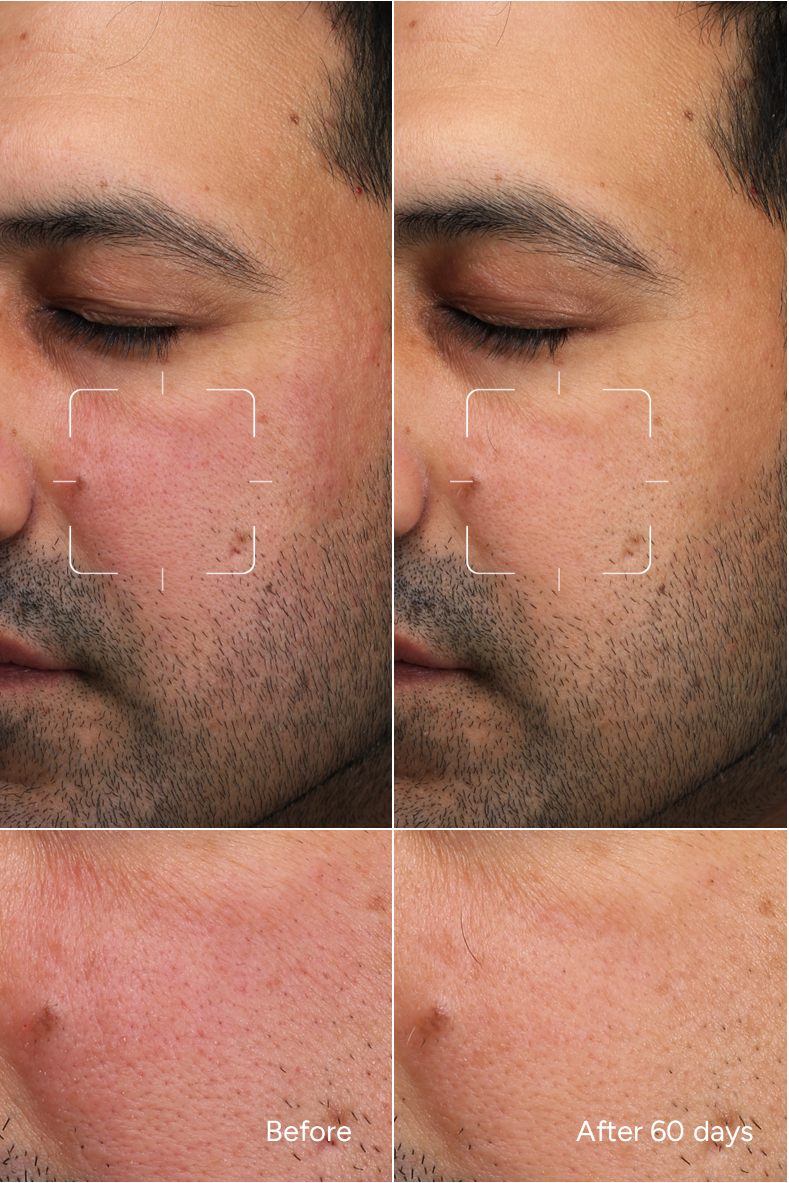
| Weeks 4–8 | Texture looks more refined, fine lines appear softened, and dullness and superficial marks begin to fade. |
| Weeks 8–12+ | Tone and superficial pigmentation typically look most even here — a sensible point to review progress with your doctor. |
Pigmentation and deeper signs of ageing shift slowest, so consistency and daily sun protection matter more than a higher percentage.
How Glycolic Acid Compares to Lactic and Salicylic Acid
Shoppers often weigh glycolic acid against lactic and salicylic acid. All three exfoliate, but they suit different skins. Glycolic and lactic acid are both AHAs that work on the surface; glycolic is the smaller, faster-acting molecule, while lactic is larger, milder and more hydrating. Salicylic acid is a different class — an oil-soluble BHA that works inside the pore, which makes it better for congestion than for surface polish.
| Active | Type | Best suited to | Notes |
|---|---|---|---|
| Glycolic acid | AHA — smallest molecule (2-carbon) | Rough texture, dullness, fine lines, uneven tone | Fastest, deepest-penetrating AHA; more potential for tingling and sun sensitivity |
| Lactic acid | AHA — larger molecule | Drier or more sensitive skin wanting gentle resurfacing | Milder and more hydrating; slower but usually better tolerated |
| Salicylic acid | BHA — oil-soluble | Clogged pores, blackheads, oily and blemish-prone skin | Clears the pore lining from within rather than polishing the surface |
As a rule of thumb: choose glycolic acid for surface renewal and glow, lactic acid if your skin is drier or more sensitive, and salicylic acid for congestion. In a personalized serum, glycolic acid rarely works alone.
How to Use Glycolic Acid in Your Routine
Evening: Cleanse, then apply your glycolic acid serum to clean, dry skin, followed by a moisturiser. Start every second night, then build towards nightly use as your skin adapts. To keep things comfortable, pair it with calming, barrier-supporting actives like niacinamide or madecassoside rather than stacking several strong exfoliants together.
Morning: Glycolic acid is an evening active, so in the morning the priority is protection — cleanse, moisturise and finish with a broad-spectrum SPF 30 or higher, every day. Daily sunscreen is not optional with AHAs: it protects the fresh skin you are revealing and is what makes results on tone and pigmentation hold.
Frequently Asked Questions
What does glycolic acid do for your skin?
Glycolic acid is an exfoliating alpha-hydroxy acid. It loosens the bonds between dead cells on the skin's surface so they shed more easily, which smooths texture, boosts radiance, softens the look of fine lines and helps even out tone. By clearing that outer layer, it also helps the actives applied afterwards absorb better, making a well-designed routine more effective.
Is 7% glycolic acid strong enough to see results?
Yes. Within a stable, well-formulated serum at the right pH, a 7% per-dose concentration is enough to smooth texture, brighten and even tone with consistent evening use. The percentage is only part of the picture — formulation quality, pH and daily consistency matter as much. A balanced 7% dose is also less likely to irritate than a harsher over-the-counter exfoliant.
Can I use glycolic acid every day?
Eventually, many people can, but you should not start there. Begin every second evening and build towards nightly use only as your skin adapts, always in the evening. If you notice tightness, redness or flaking, cut back the frequency and give your skin time to recover. Daily use also means daily SPF 30 or higher is non-negotiable.
Can you use glycolic acid with retinol or vitamin C?
It is possible but needs care. Glycolic acid can be combined with retinol or vitamin C, but layering strong actives on the same night raises the risk of irritation. Many people prefer to alternate them on different evenings, or have them balanced within one personalized serum. Introduce one active at a time and patch test before combining.
Who should not use glycolic acid?
Glycolic acid is best avoided by those with very sensitive, reactive, broken or sunburned skin, and used cautiously by anyone with thin skin, redness or high daily UV exposure. Pregnant and breastfeeding women should avoid it unless a healthcare provider advises otherwise. If in doubt, patch test first and introduce it slowly under professional guidance.
In conclusion, glycolic acid is a highly effective exfoliating active for smoother, brighter and more even-looking skin — but it rewards a measured approach. Used in the evening, built up gradually and paired with daily sun protection, it is a valuable part of a routine, especially when dosed and balanced for your skin rather than bought off the shelf.
Glycolic Acid in Your Personalized Formula
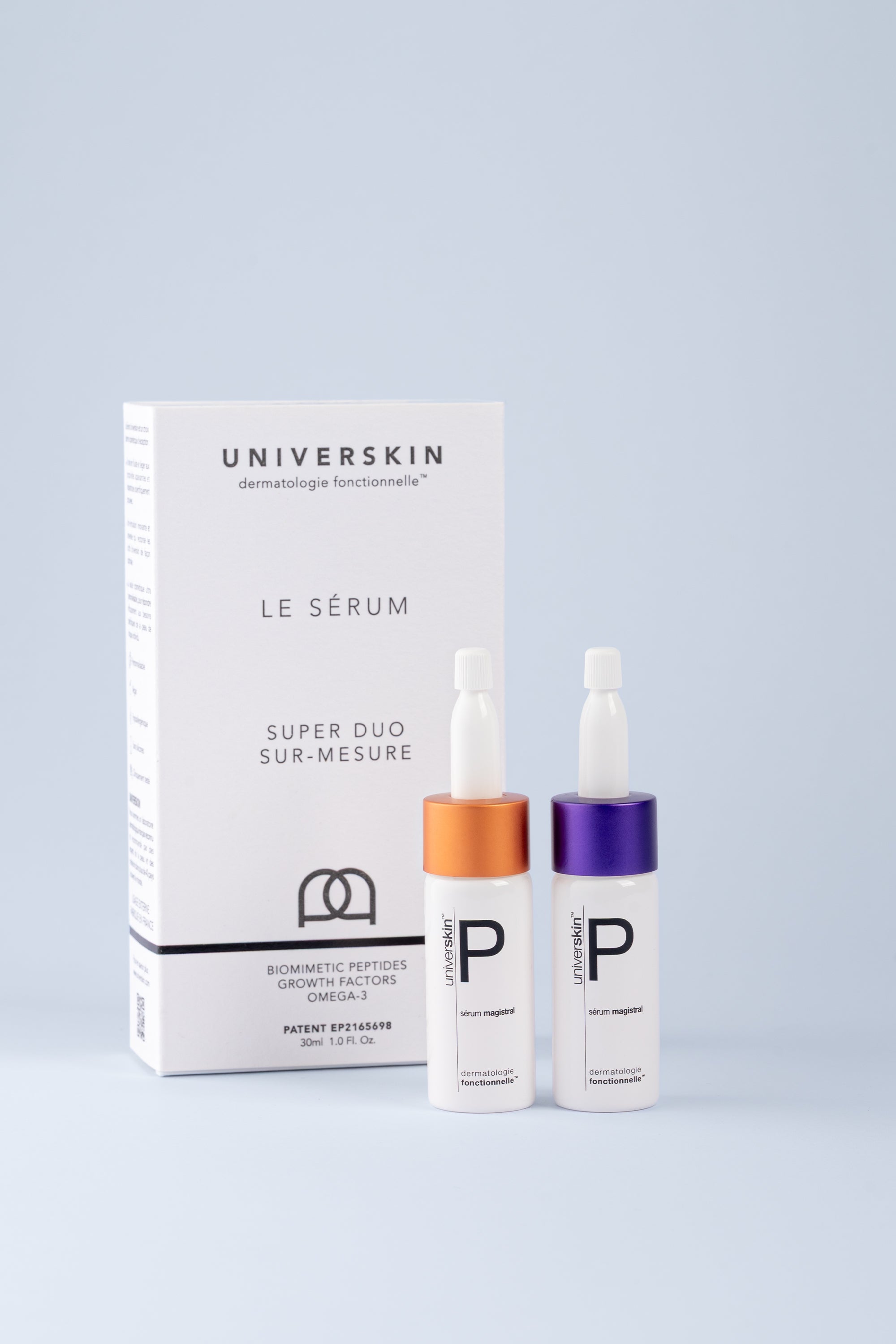
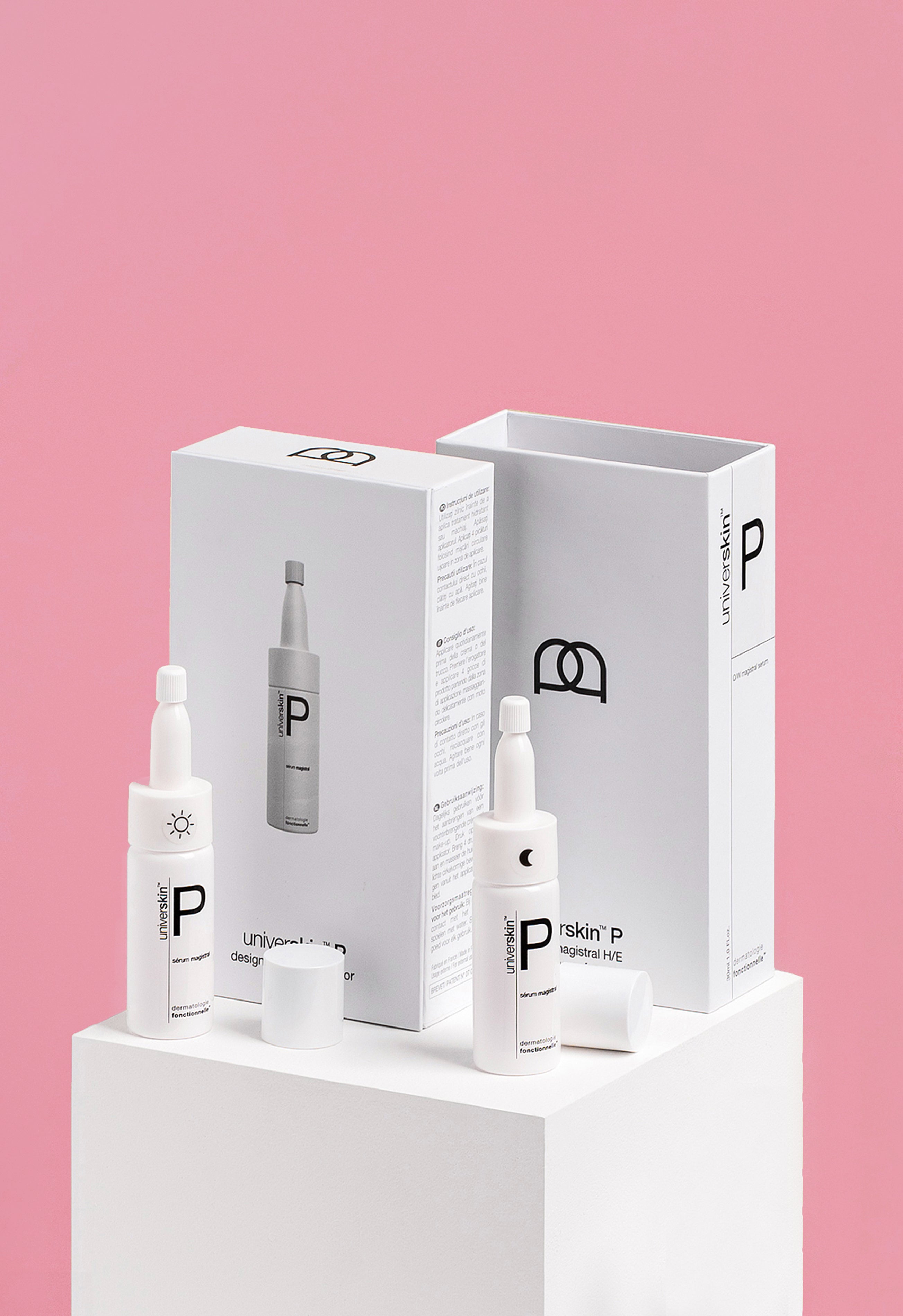
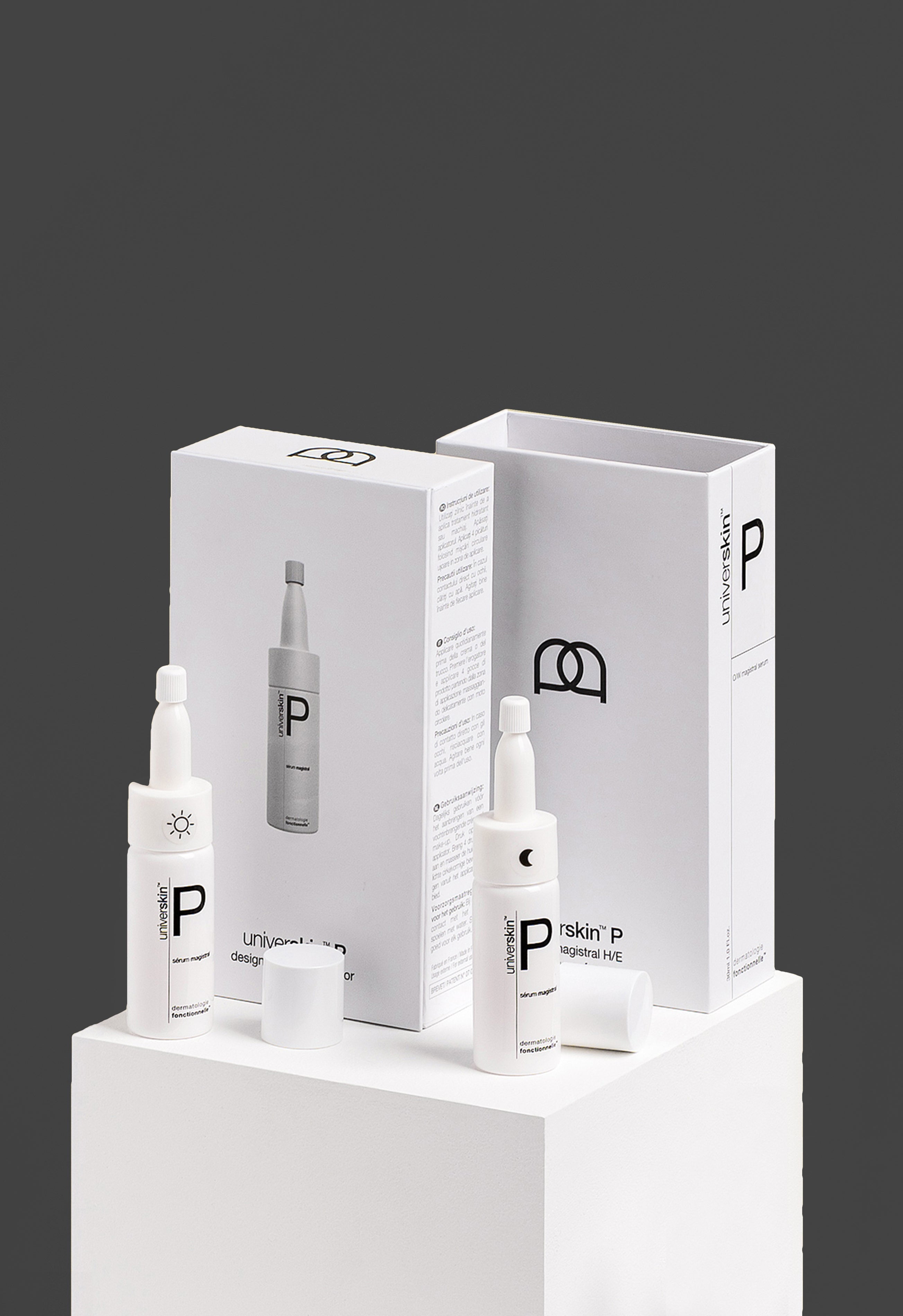
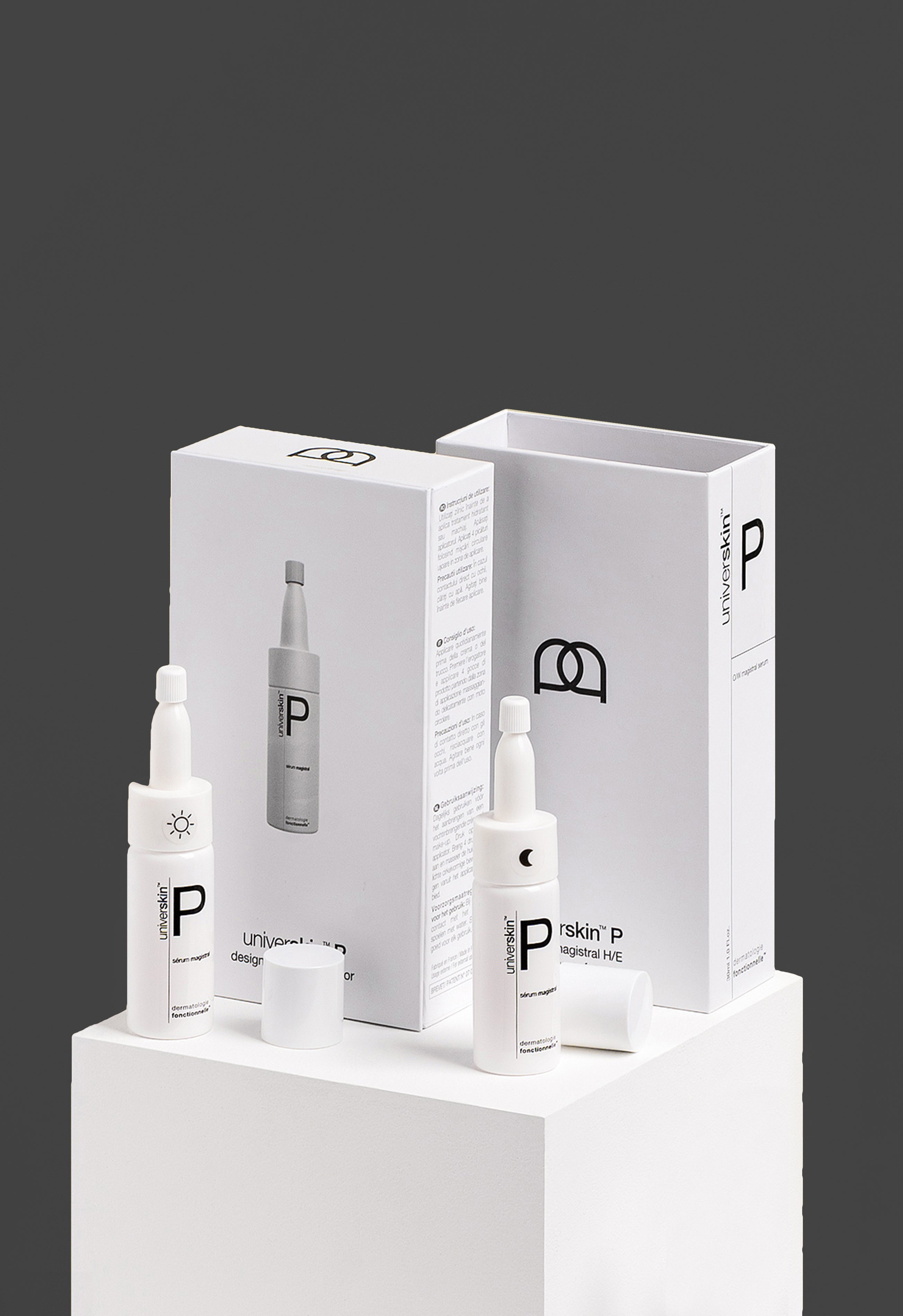
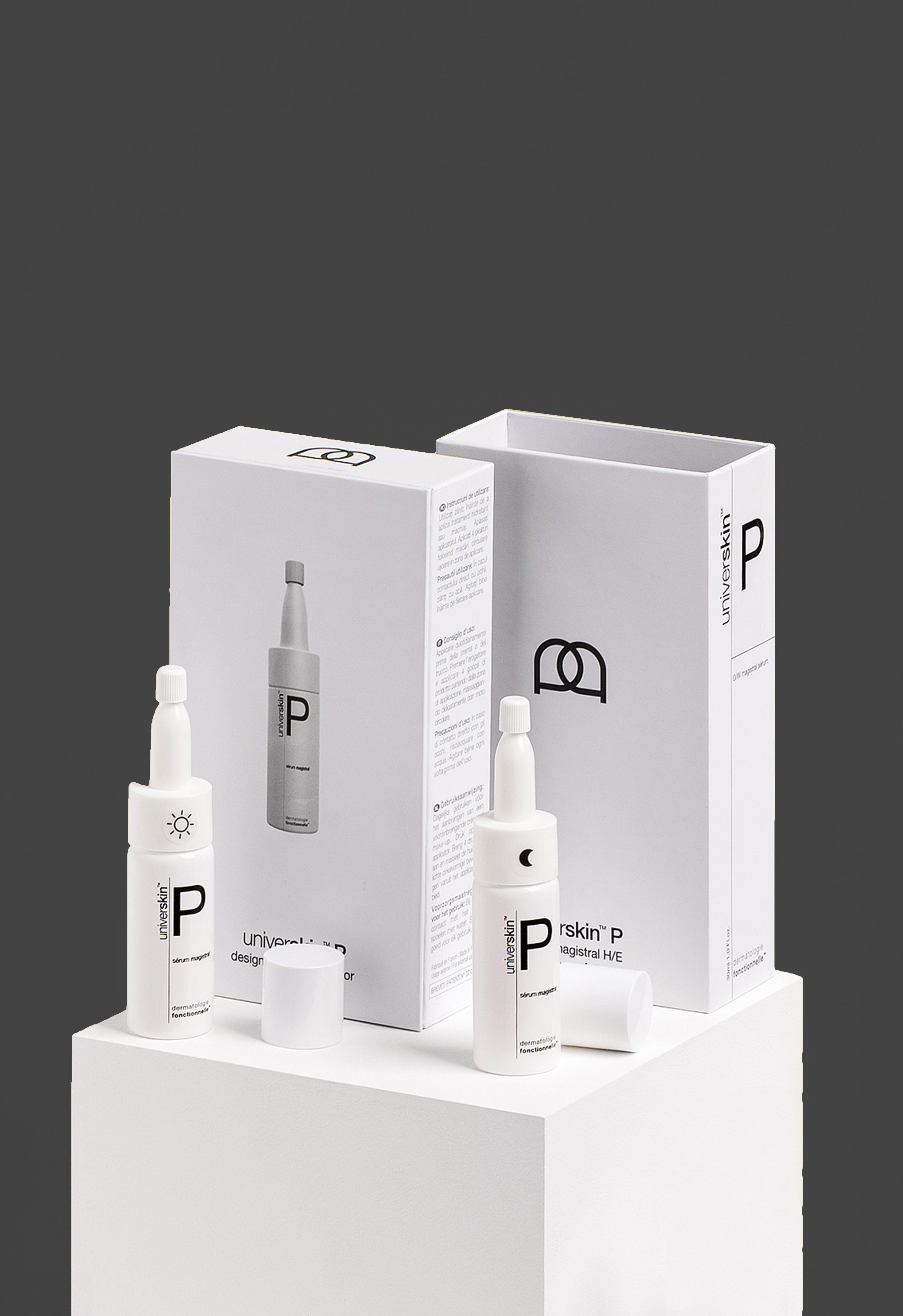
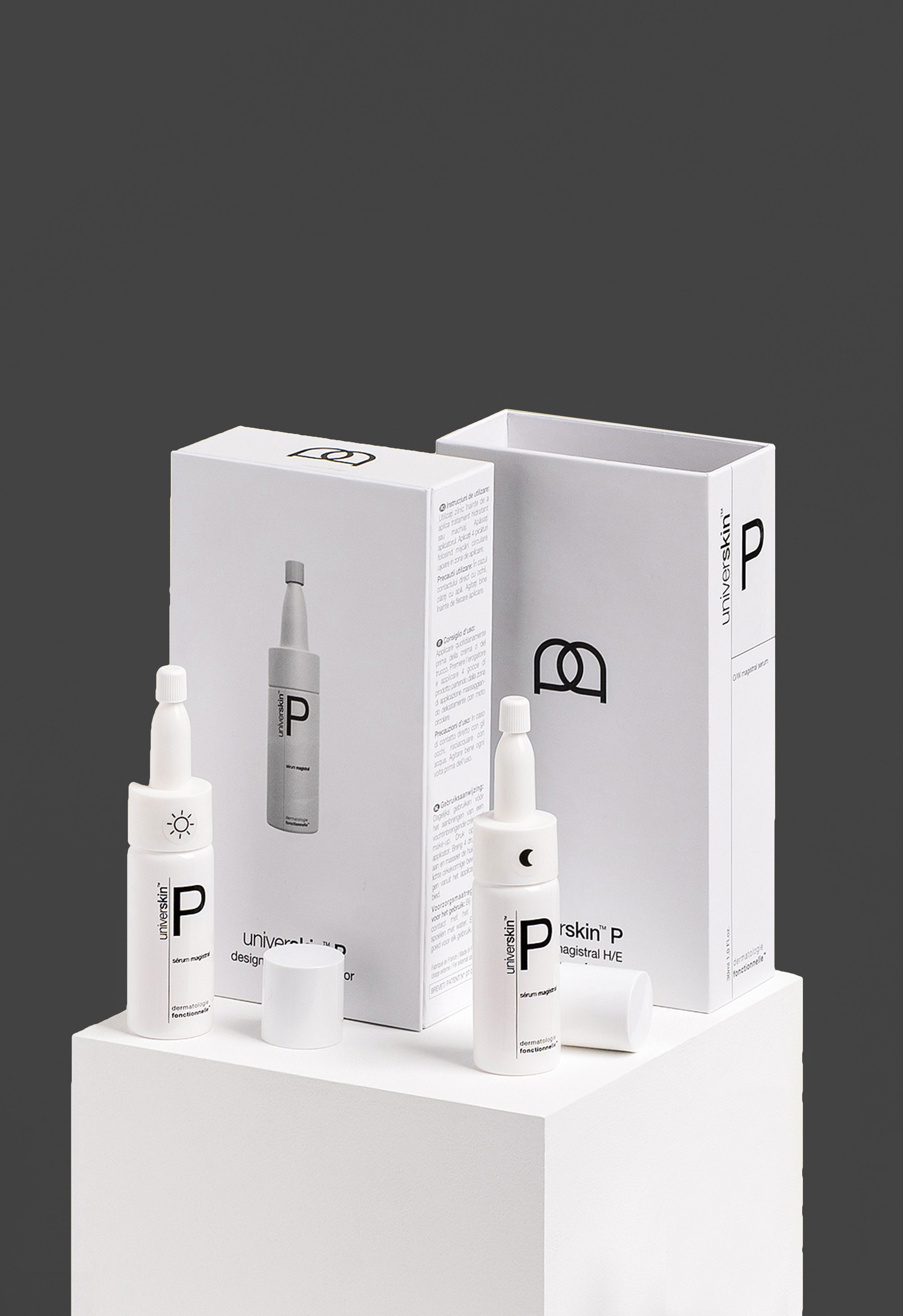
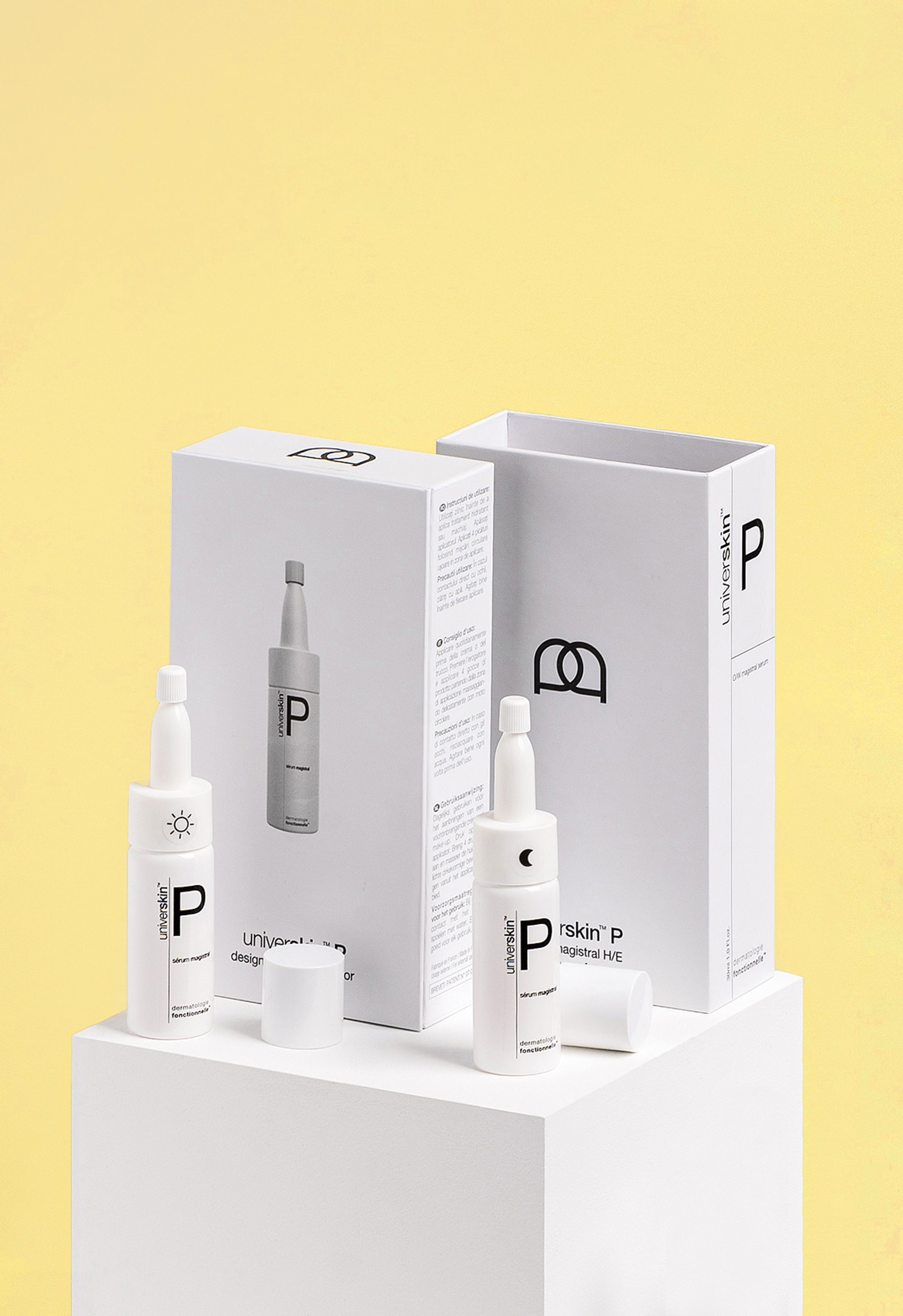
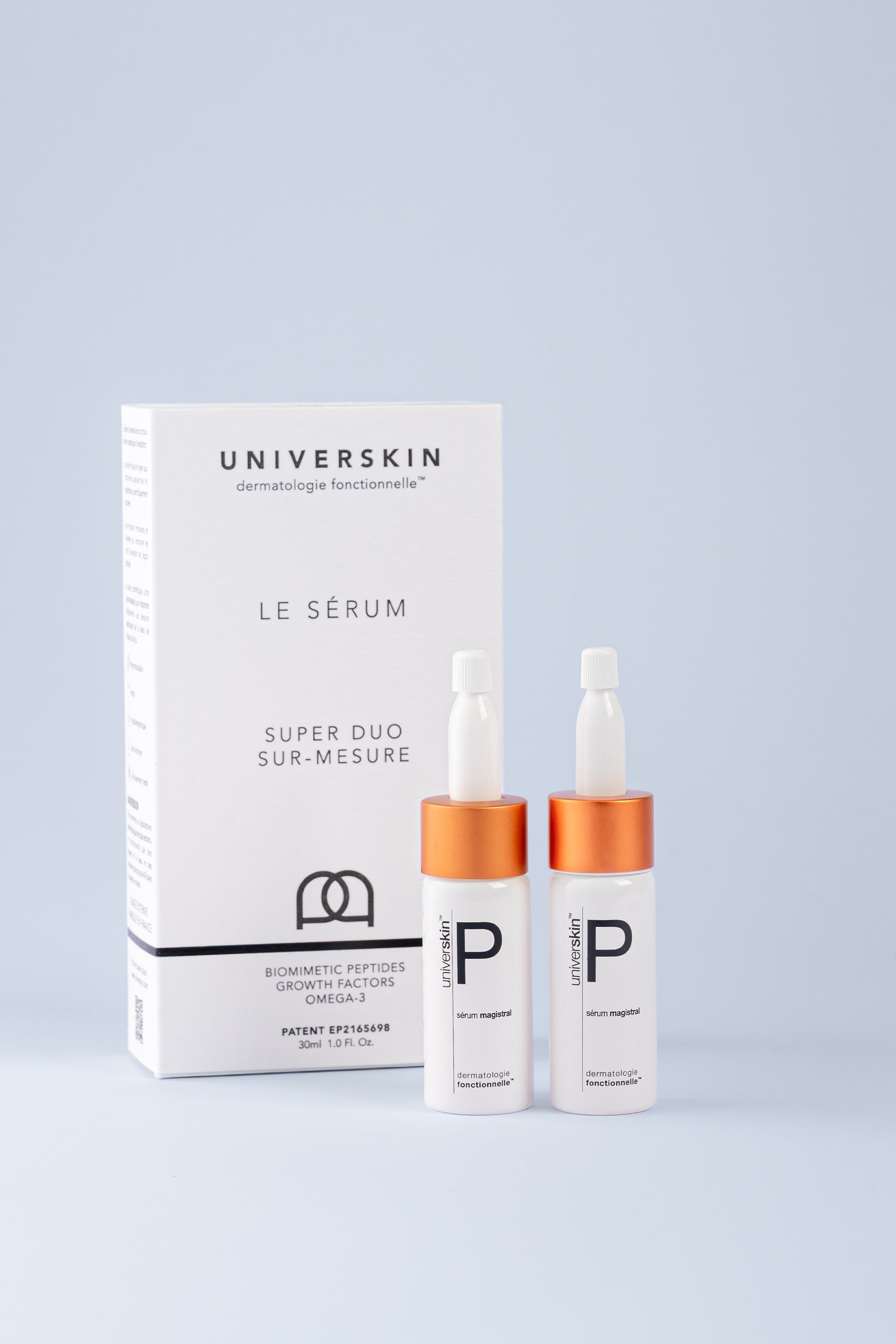
At Universkin, glycolic acid is not an off-the-shelf product — it is dosed as a single capsule at 7% per dose and blended into a serum base chosen for your skin. It is a single-capsule active, so its effectiveness comes from the quality of the formulation, the right pH and the actives it is paired with, rather than from stacking more capsules to push the concentration higher. The starting point is a free, photo-based AI skin analysis, reviewed by a professional, which reads your skin across dozens of parameters and recommends the actives best for you. You can see glycolic acid at work across our glycolic acid serums, including our resurfacing formula, Formula 34 The Resurfacer, or explore the full range of active ingredients.
Skin concerns this ingredient can help with
In a personalized formula, this active is commonly used to help target:
Featured collection
Glycolic Acid BASED SERUMS FORMULAS