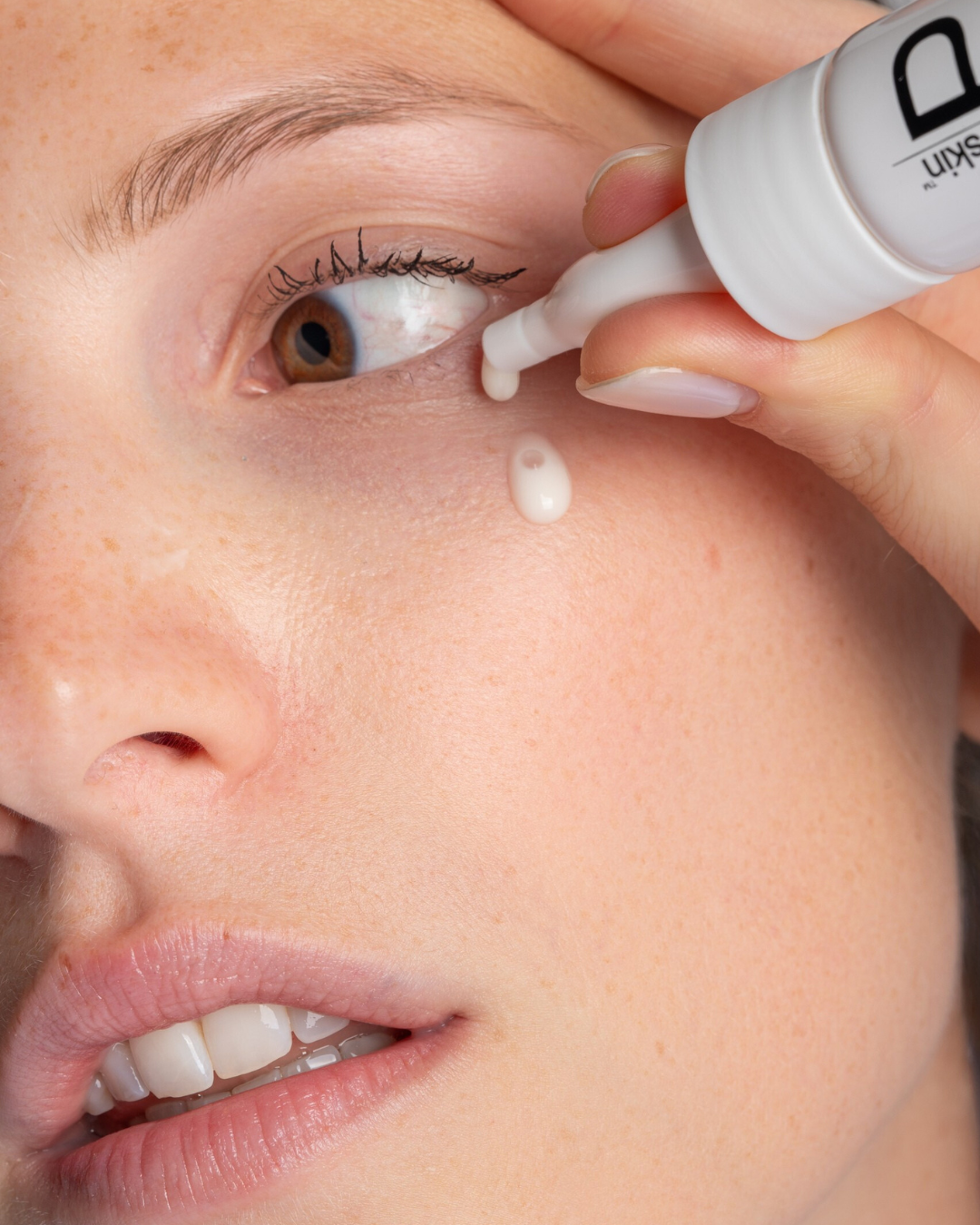
0.2% PER DOSE, UP TO 0.4%
Retinol
RETINOL
Retinol is a form of Vitamin A widely used in skincare as the gold standard for fighting the signs of aging — fine lines and wrinkles, pigmented spots, and lost volume and elasticity. It works with the skin's own biology: once absorbed, it converts into retinoic acid, the active form that drives renewal, supports collagen, and refines texture and tone. The trade-off is that it rewards a patient, gradual approach — exactly how it is dosed inside a Universkin personalized serum.
Concentration
Retinol is usually present in low to medium concentrations. The optimal level to balance irritation against effectiveness has never been precisely defined; concentrations in cosmeceuticals range from 0.01% to 1.0%. It is best to start low and build up as the skin adapts.
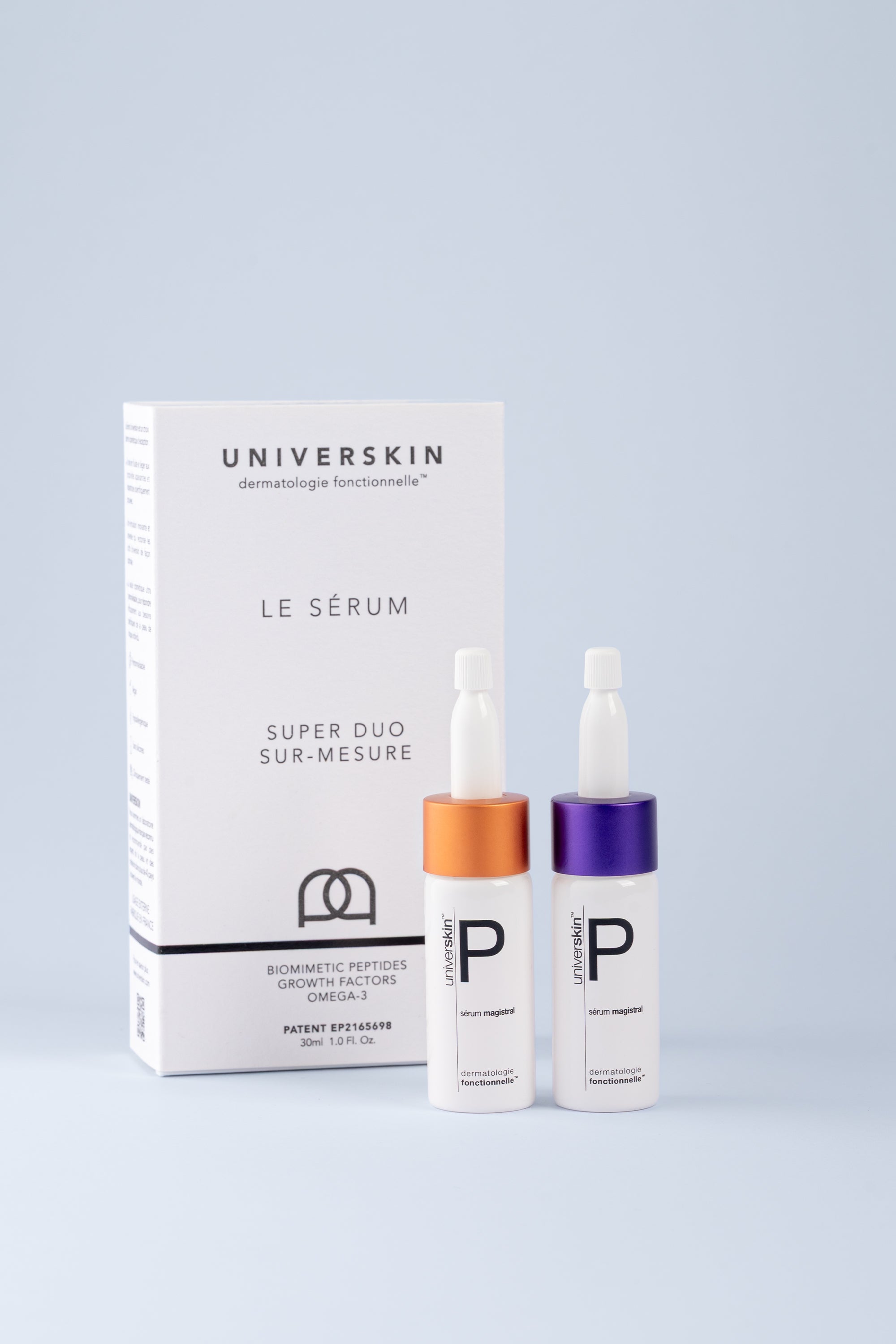
Universkin retinol is proposed at 0.2 to 0.4% strengths, the ultimate balance between efficacy and tolerance, with the lowest strength letting very sensitive skin get started. In practice it is a two-capsule active: every dose begins at a gentle 0.2%, and your doctor can add a second capsule up to a maximum of 0.4% once your skin has adapted. This gradual, doctor-guided approach is the logic behind our retinol-based serums and formulas.
Who Should Use It
Retinol suits anyone seeking anti-aging results, and is especially straightforward for those who have used it before and tolerate it. It fits early fine lines, uneven texture, dullness, and blemish-prone skin, where faster turnover keeps pores clear. Thin, very sensitive, or reactive skin can still benefit, but with caution and at the lowest dose, ideally with a doctor's guidance.

Can Be Used In Combination With
Retinol can be paired with other actives, but timing matters more than the pairing. Because it works best at night and can be destabilised by certain ingredients, its partners are best used separately across the AM and PM serums. Exfoliating acids (glycolic, phytic, salicylic) complement its renewing action, while vitamin C in the morning adds antioxidant defence. Niacinamide supports the barrier and buffers dryness, and DMAE is often chosen alongside it to firm and smooth.
Retinol vs Retinal vs Tretinoin
Retinol is one of several retinoids. They all convert into retinoic acid in the skin; what differs is how many steps that takes, how fast they act, and how much they irritate.
| Ingredient | How it works | Profile |
|---|---|---|
| Retinol | Converts to retinoic acid in two steps | Effective and balanced; non-prescription; the gold-standard starting point |
| Retinal (retinaldehyde) | Converts in a single step | Acts faster than retinol; also non-prescription; a natural next step |
| Tretinoin (retinoic acid) | Needs no conversion | Strongest and fastest; prescription-only; higher irritation risk |
For most people, retinol is the sweet spot — strong enough for real results, gentle enough for at-home use without a prescription. If your skin adapts well, retinal is a logical next step; tretinoin stays doctor-prescribed for stronger needs.
How Often Can You Use It
Retinol can be applied daily in the evening, but the right frequency depends on the concentration and your tolerance, so start low and build up as skin adapts. If you are new to it, begin at the lowest 0.2% strength, evenings only, two to three times a week: a pea-sized amount on clean, dry skin, avoiding the eyes, nostrils, and lips, then moisturiser, with broad-spectrum SPF every morning without fail. Once comfortable, move gradually to nightly use before considering the second 0.4% capsule with your doctor.
Side Effects and How to Avoid Them
Retinol's side effects are usually mild and temporary. Many people go through a short adjustment phase, called retinization, in the first two to six weeks — dryness, flaking, redness, or tightness as skin adapts to faster turnover. You may also see brief purging, where blemishes surface a little sooner than usual. Both settle with time.
To minimise this: start at the lowest strength and only a few nights a week, always moisturise, and buffer with moisturiser before your serum if skin feels overwhelmed. Patch test any new formula on the inner forearm for 24 to 48 hours, and pause around sunburn, waxing, or peels until skin recovers. Because retinol raises sun sensitivity, daily broad-spectrum SPF is essential, and persistent or severe irritation is a signal to stop and see your doctor.
Don't Use It If
Pregnant and breastfeeding women should not use topical retinoids, at any strength, as a precaution. Retinol is also best avoided, or introduced only with medical guidance, on very sensitive or reactive skin. And it should not be combined in the same serum with vitamin C, DMAE, glycolic acid, phytic acid, or salicylic acid — not because it is dangerous, but to preserve stability and keep irritation low, which is why Universkin keeps these partners in separate morning and evening formulas.
Origins of the Ingredient

Retinol belongs to the retinoids, the natural and synthetic analogues of vitamin A, which also include retinal, tretinoin, and retinyl esters. It shares the same biological features as vitamin A and is known as vitamin A1. Because the body cannot make vitamin A, it must come from the diet — from retinyl esters and beta-carotene in foods like carrots, eggs, and sweet potatoes.

The use of substances similar to vitamin A dates back some 3,000 years to ancient Egypt, where liver was used to treat endemic night blindness.

Vitamin A's role in the skin emerged during World War I, when deficiency was linked to dryness and follicular hyperkeratosis. It was first synthesized in 1947. Tretinoin treated acne from the 1960s, while retinol entered over-the-counter products in the 1980s and remains the most popular retinoid today.
Chemical Composition
Chemically, retinol is a 20-carbon molecule made up of a cyclohexenyl ring, a side chain with four double bonds (all in the trans configuration), and an alcohol end group — hence the name all-trans-retinol.

Because it is oil-soluble and low in molecular weight (under 400 g/mol), retinol penetrates the stratum corneum easily and reaches the dermis to a small extent, though it is found mainly in the epidermis. Its instability limits its use: it is sensitive to oxygen, heat, light, acids, alkali, and heavy metals, making it very challenging to keep stable in a formulation.
Mechanism of Action
Tretinoin, or retinoic acid, is the most bioactive retinoid — roughly 20 times more powerful than retinol — but requires a prescription, while retinyl esters are the weakest. Retinol sits in between, becoming active only after the skin converts it into retinoic acid.
That conversion takes two oxidation steps: retinol dehydrogenases turn retinol into retinal, then retinaldehyde dehydrogenases turn retinal into retinoic acid. The retinoic acid enters the nucleus and binds to the retinoic acid receptors (RARs) and retinoid X receptors (RXRs), which act on a DNA sequence called the RA-response element to regulate the genes driving renewal, collagen, and pigment control.
Benefits
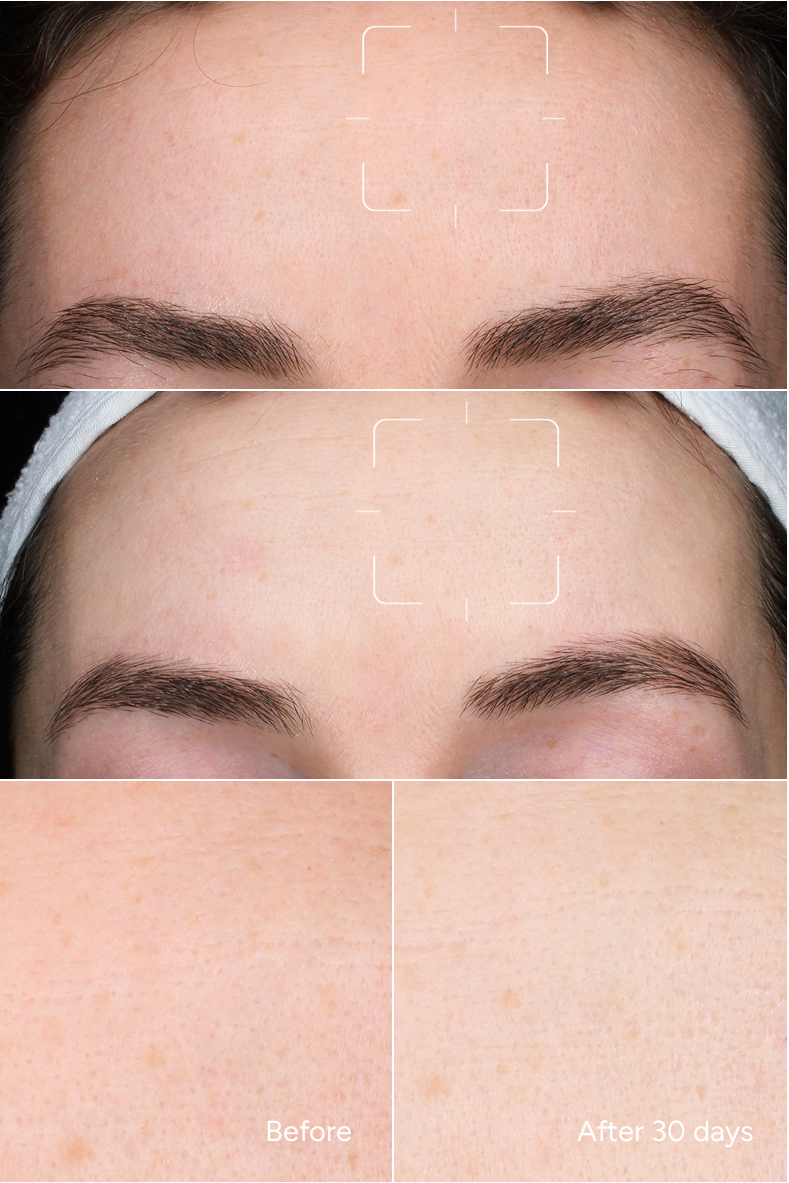
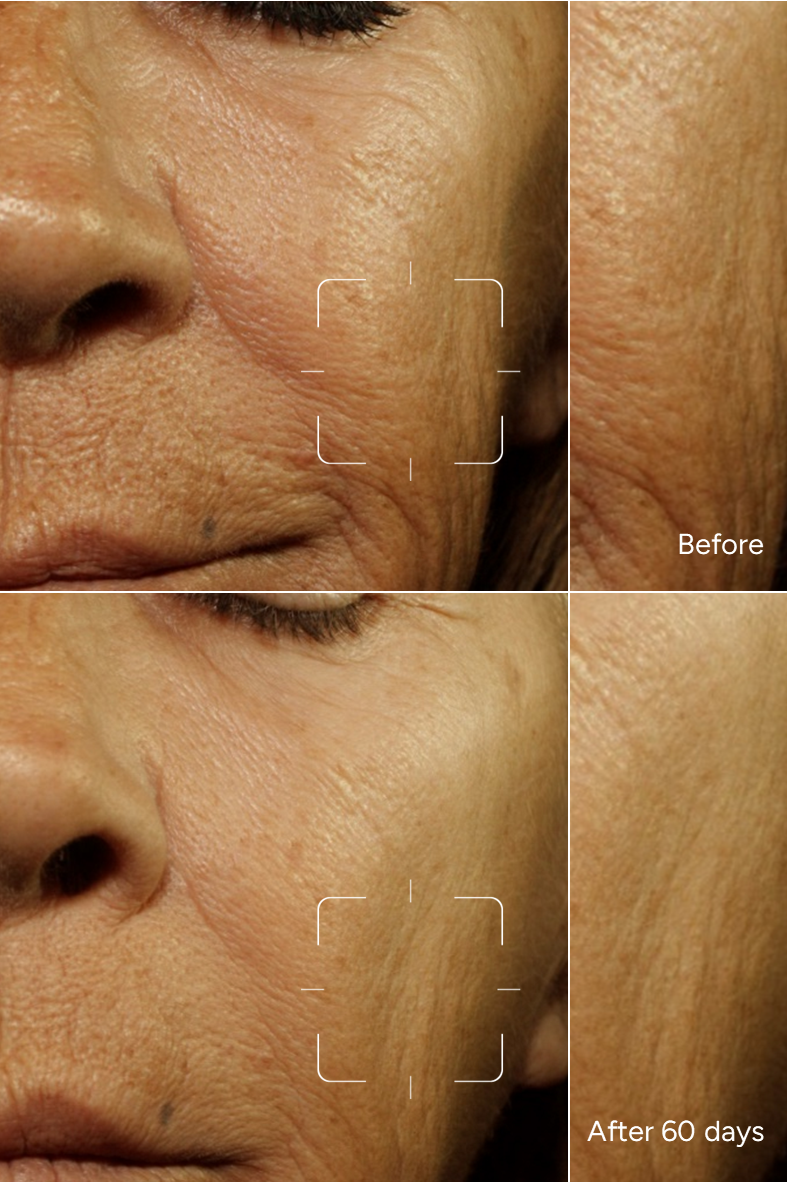
Retinol is prized for its anti-aging effects: it softens fine lines and wrinkles, reduces pigmented spots, restores volume and elasticity, and refines texture and radiance.
Evidence & Results Timeline
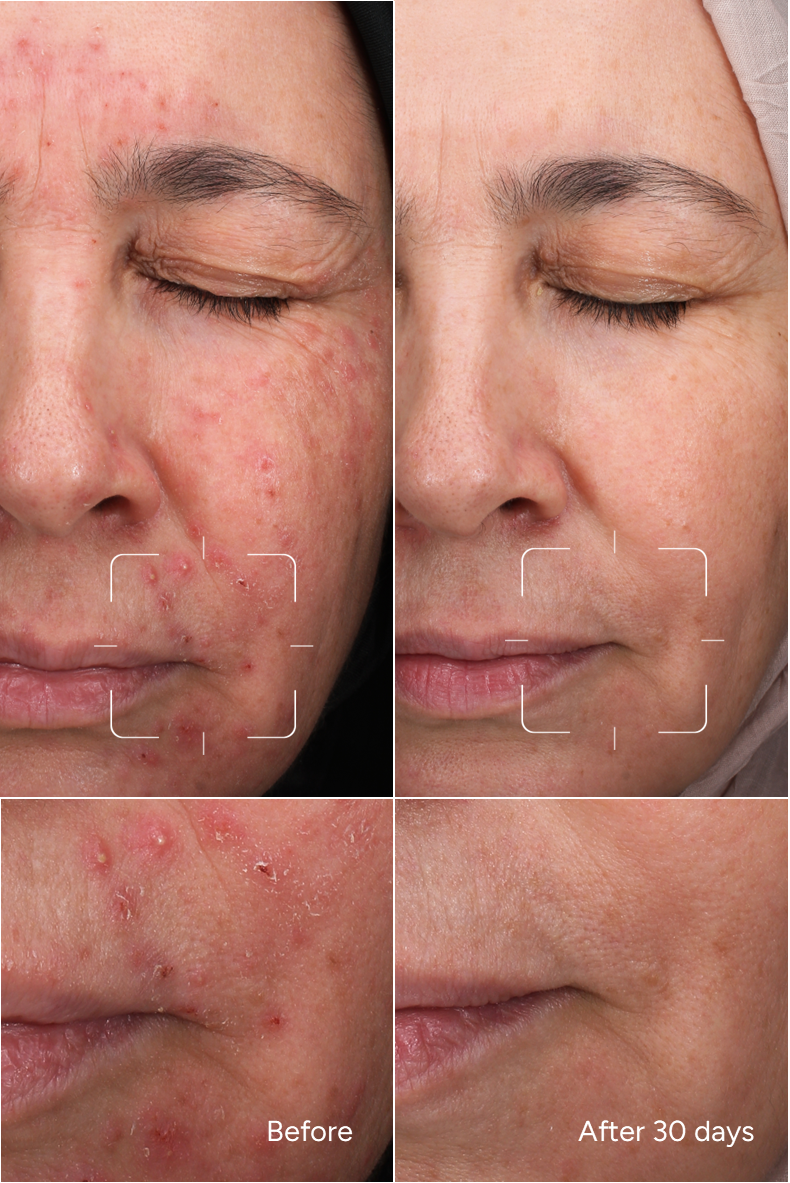
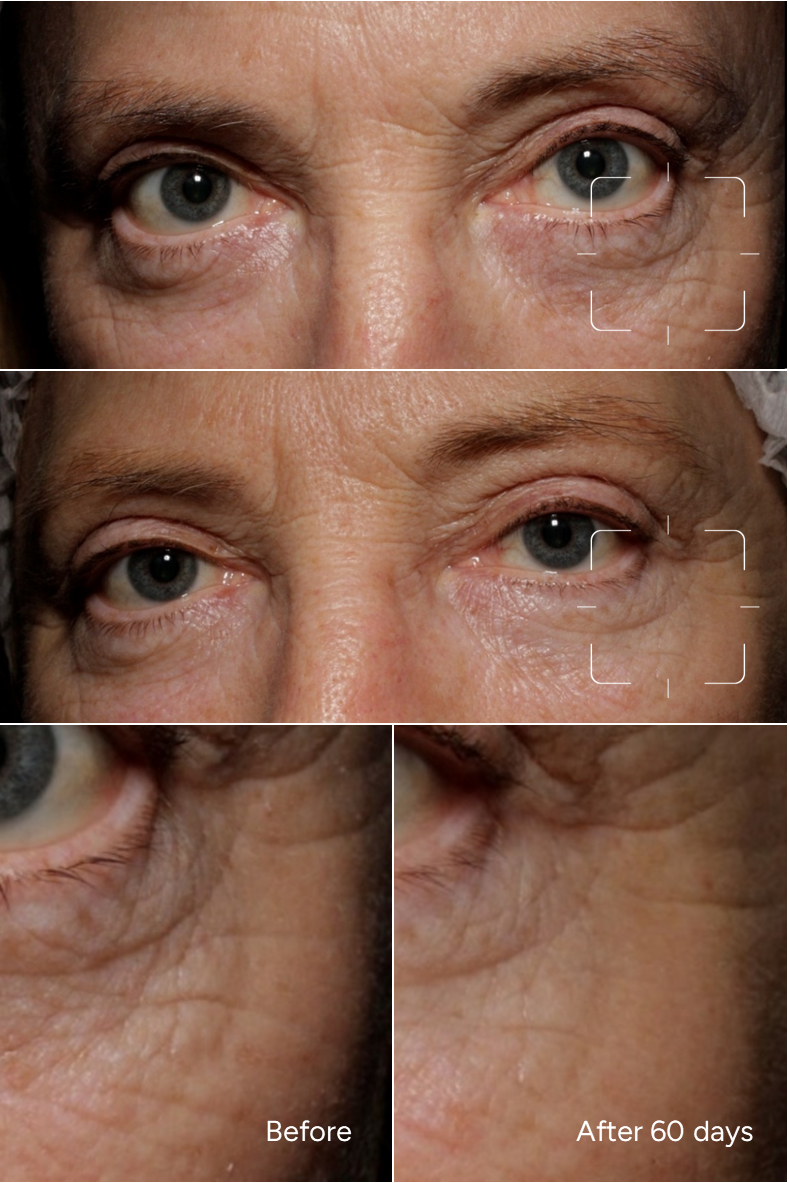
Retinol is one of the most extensively studied cosmetic actives. In a well-known University of Michigan study (Kafi and colleagues, Archives of Dermatology, 2007), topical 0.4% retinol improved the appearance of fine wrinkles in older adults' skin over several months. More broadly, clinical studies have shown that regular use supports cell turnover and collagen and improves texture, tone, and pigmentation. The message is consistent: results build gradually over months of steady use.
Weeks 1–2: No visible change yet, and possibly some dryness or flaking as skin adjusts (retinization).
Weeks 3–6: Skin often looks smoother and fresher as turnover picks up.
Weeks 6–12: Tone evens out, pores can look refined, and early purging settles — a good point to discuss the second 0.4% capsule.
Weeks 12–24: The most meaningful changes — softer fine lines, a firmer feel — emerge as collagen builds.
Beyond 24 weeks: Continued use with daily SPF maintains results and helps prevent new signs of aging.
Stability
Because it degrades rapidly, retinol is one of the most challenging molecules to formulate. Universkin chose a micro-encapsulated form of pure retinol rather than retinyl esters: the microcapsules keep it stable and fully effective while being gentler than non-stabilized retinol. It is best introduced slowly, at a low strength, and avoided during pregnancy and breastfeeding.
Retinol in Your Personalized Formula
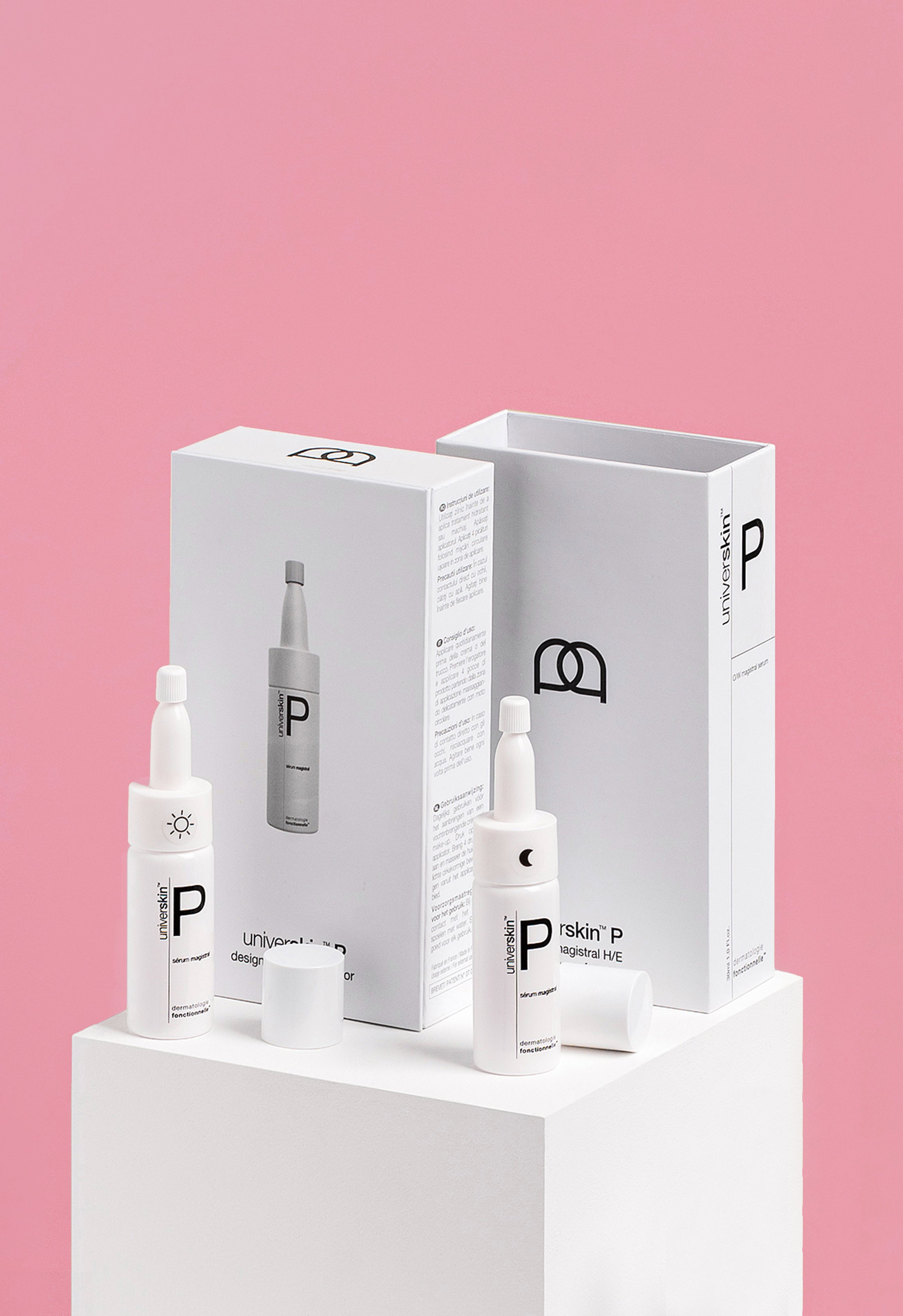
At Universkin, retinol is never one-size-fits-all. It is a two-capsule active, delivered at 0.2% per dose and buildable up to a maximum of 0.4%, that your doctor can include in your custom serum for fine lines, loss of firmness, uneven texture, or early aging.
It begins with your online skin analysis, which maps your concerns so retinol can be paired thoughtfully — for example with morning vitamin C and barrier-supporting niacinamide — rather than layered as separate products. You can also explore our retinol-based serums and formulas and the wider aging and wrinkles range.
Frequently Asked Questions
How long does retinol take to show results on wrinkles and dark spots?
Retinol works gradually. Most people notice smoother texture and a fresher look within four to six weeks, while visible softening of fine lines and fading of dark spots usually takes twelve weeks or more of consistent, nightly use. Daily sunscreen is essential, since UV quickly undoes progress on both.
What retinol strength should a beginner start with?
Beginners should start low. At Universkin, retinol begins at 0.2% per dose — a gentle entry strength — used in the evening two to three times a week before building to nightly use. Only once your skin has adapted should you consider the second capsule, up to a maximum of 0.4%, with your doctor.
Can I use retinol together with vitamin C or niacinamide?
Yes, with sensible timing. Apply vitamin C in the morning for antioxidant protection and reserve retinol for the evening. Niacinamide pairs especially well because it supports the barrier and buffers retinol's dryness. Universkin keeps such partners in separate morning and evening serums rather than one formula, which protects stability and limits irritation.
What are the side effects of retinol and how can I avoid irritation and purging?
Common side effects are temporary dryness, flaking, redness, and an early breakout phase known as purging. To minimise them, start at the lowest strength, use it only a few nights a week at first, always moisturise, and buffer with moisturiser before your serum. Wear daily SPF and pause if irritation is persistent or severe.
Can I use retinol while pregnant or breastfeeding?
No. As a precaution, topical retinol and other retinoids are not recommended during pregnancy or breastfeeding, at any strength. If you are pregnant, trying to conceive, or nursing, pause retinol and speak with your doctor, who can suggest gentler alternatives to keep your routine safe.
Skin concerns this ingredient can help with
In a personalized formula, this active is commonly used to help target:
Featured collection
Retinol BASED SERUMS FORMULAS