3.5% PER DOSE, UP TO 10.5%
LACTOPEPTIDE
LACTOPEPTIDE
Lactopeptide contains a natural antimicrobial peptide that is derived from the fermentation of the lactic acid bacteria, Lactococcus lactis. This ingredient is known for its broad-spectrum antibacterial properties without the risk of resistance. It is suitable for use on a variety of skin types and has the potential to provide a natural and effective solution for a variety of skin concerns.
What Lactopeptide Does for Your Skin
If you are dealing with breakouts, redness or reactive skin, here is what lactopeptide brings to a routine at a glance:
- Clears and helps prevent breakouts by targeting the bacteria involved in acne
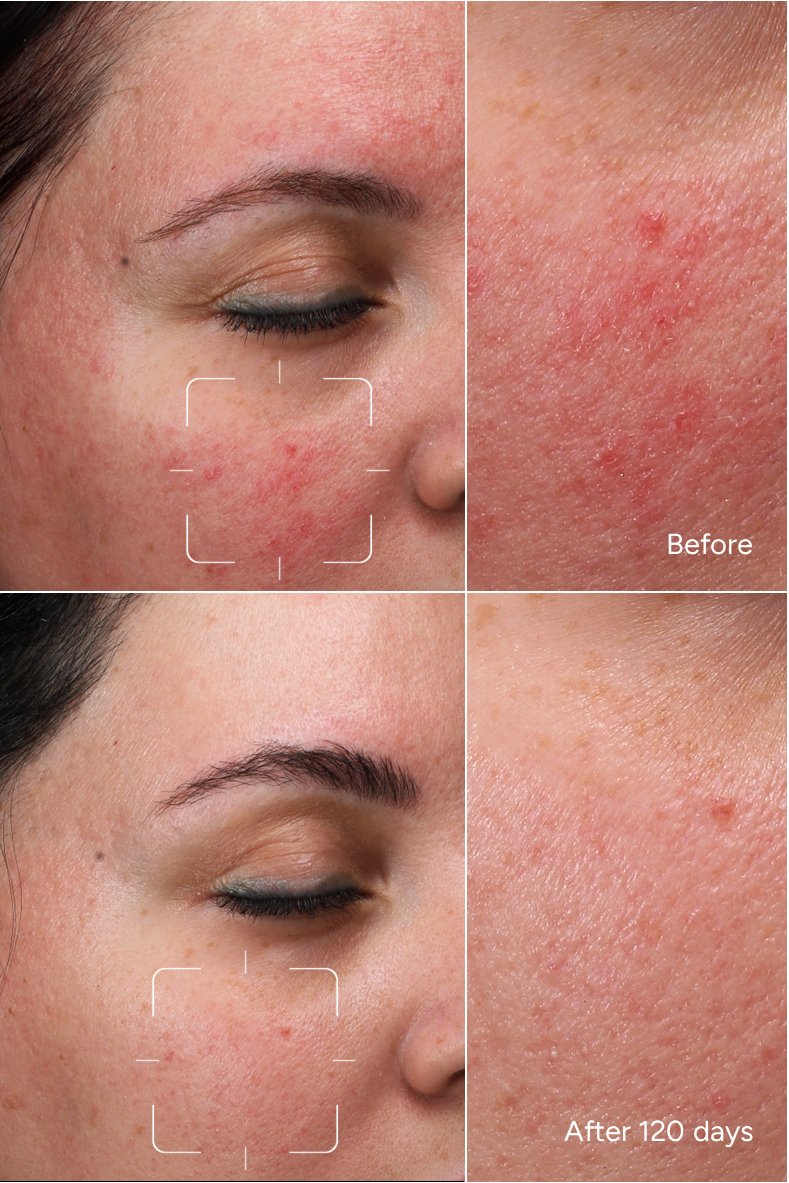
- Calms visible redness and the look of inflammation
- Rebalances the skin's natural flora, or microbiome
- Works without driving the antibiotic resistance linked to conventional antibiotics
- Gentle enough for sensitive, weakened and pregnancy-era skin
The sections below explain how it achieves this, how to use it, what the research shows, and how it is dosed inside a personalized Universkin serum.
Concentration
Lactopeptide is provided at 2.5% strength which means 500 000UI of antimicrobial agent.
Who Should Use It
Lactopeptide is suitable for all skin types. It is especially beneficial for skin with imperfections like pimples, acne-prone skin, redness, and an imbalance of the skin flora with the risk of infections like sensitive, weakened, or atopic prone skin. It can also be applied to the skin before a medical procedure to reduce the risk of infection.

Can Be Used In Combination With
Lactopeptide can be used in combination with other active ingredients like zinc, azelaic acid, superoxide dismutase (SOD) and ferulic acid for enhanced benefits. Because these actives work through different, complementary mechanisms, your doctor can combine them in a single personalized serum to target bacteria, excess sebum, inflammation and post-blemish marks at the same time.
How to Use Lactopeptide
Inside a Universkin serum, lactopeptide is applied to clean skin as part of your personalized blend, so there is no separate product to layer. As a guide: cleanse, apply your serum, then follow with a moisturizer. Lactopeptide is gentle enough to use both morning and evening, and daily use is what keeps the skin's bacterial balance steady over time.
In the morning, always finish with a broad-spectrum SPF. Blemish-prone skin is often also using exfoliating or brightening actives, and unprotected sun exposure darkens the brown marks that breakouts leave behind. If your skin is very reactive, begin once a day and build to twice daily as it adjusts. There is no need to pause lactopeptide around most other actives, but if your skin becomes irritated from an overloaded routine, simplify back to the essentials and reintroduce products one at a time.
Don't Use It If
There is no known restriction for the use of lactopeptide but if you have a very sensitive skin or allergies, it is always recommended to test products on a small skin area before using on the face.
To patch test, apply a small amount to the inner forearm or behind the ear and wait 24 hours before using it on your face. Stop use and speak to your doctor if you notice a persistent rash, swelling or discomfort. Because lactopeptide is well tolerated and non-exfoliating, most people do not need to pause it before or after other treatments, but always follow your doctor's advice around in-clinic procedures.
Origins of the Ingredient

The active ingredient of Lactopeptide is produced by Gram-positive bacteria and belongs to the bacteriocin. It was first identified in early 20th from fermented milk cultures and sold as a bio-preservative in England in the middle of the century due to its ability to inhibit pathogen growth. It can be found in natural and bio-engineered variants, either obtained by extraction from Lactococcus or Streptococcus strains, or bio-engineered from genetically modified strains to enhance its inhibitory effects against Gram-negative pathogens.
Chemical Composition
It is a natural antimicrobial peptide produced by the bacterium Lactococcus lactis. It is a small peptide consisting of 34 amino acid residues, which is classified as a “lantibiotic”, a type of peptide that contains the unusual amino acids that give its properties.

Mechanism of Action
The unusual amino acids in the antimicrobial peptide play a crucial role in its antimicrobial activity by enabling it to bind to and disrupt the cell membranes of target bacteria. Thanks to its structure, the peptide can easily insert into the bacterial membrane and form pores, which disrupt the membrane and cause the cell to lyse or burst.
Benefits
Lactopeptide has several benefits for the skin, including: Broad-spectrum antibacterial properties without the risk of resistance, improving the appearance of acne-prone skin and reducing redness, and balancing the skin flora and reducing the risk of infections.
Evidence & Results Timeline
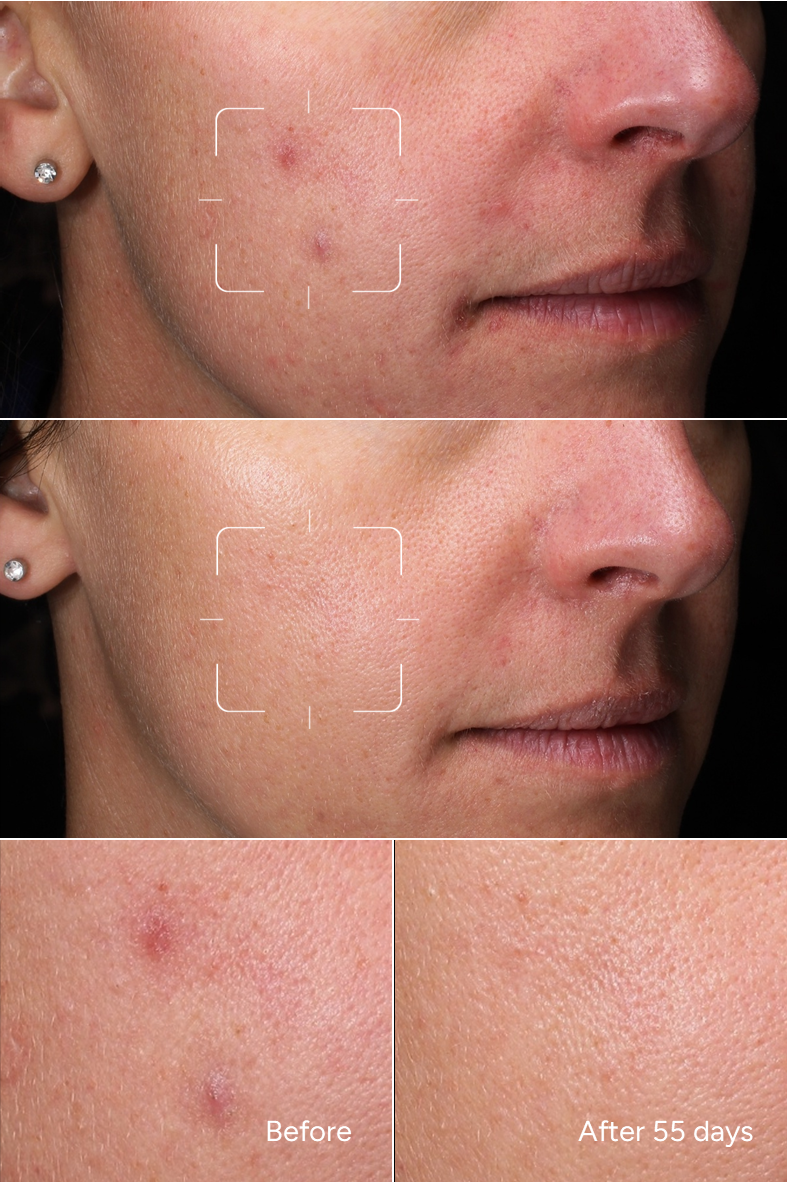
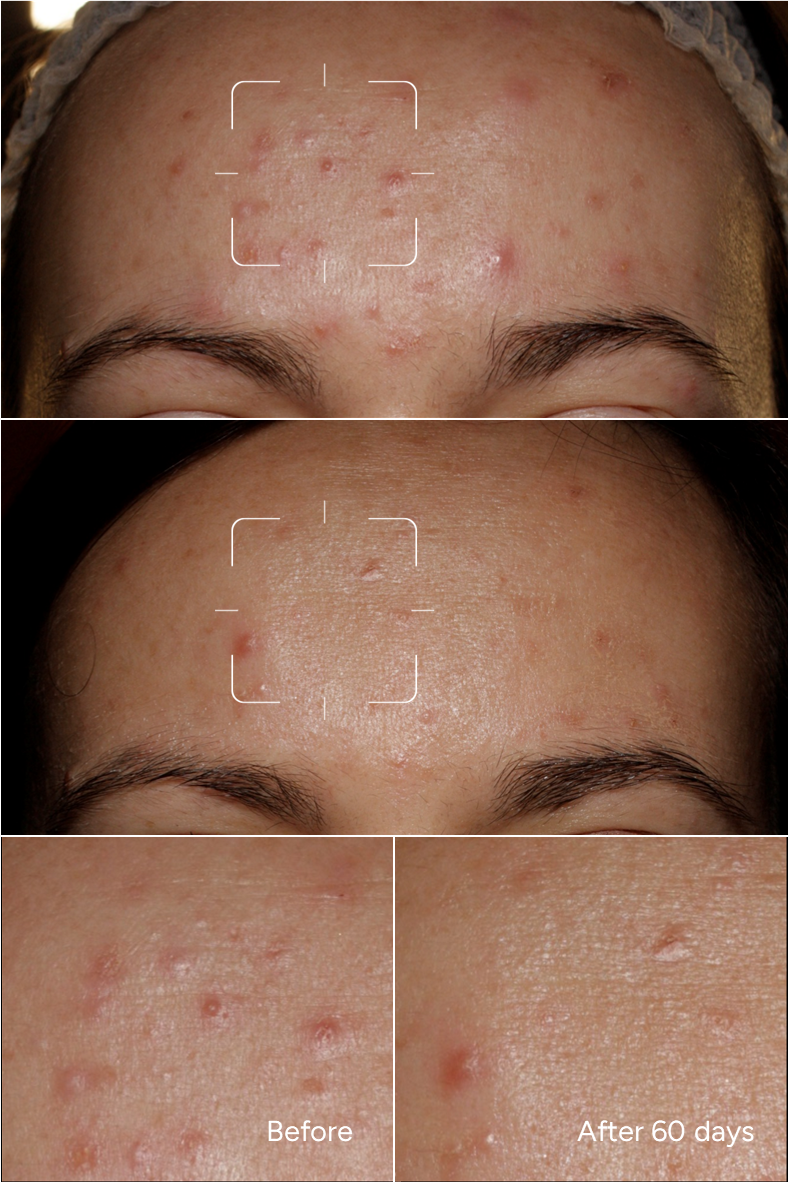
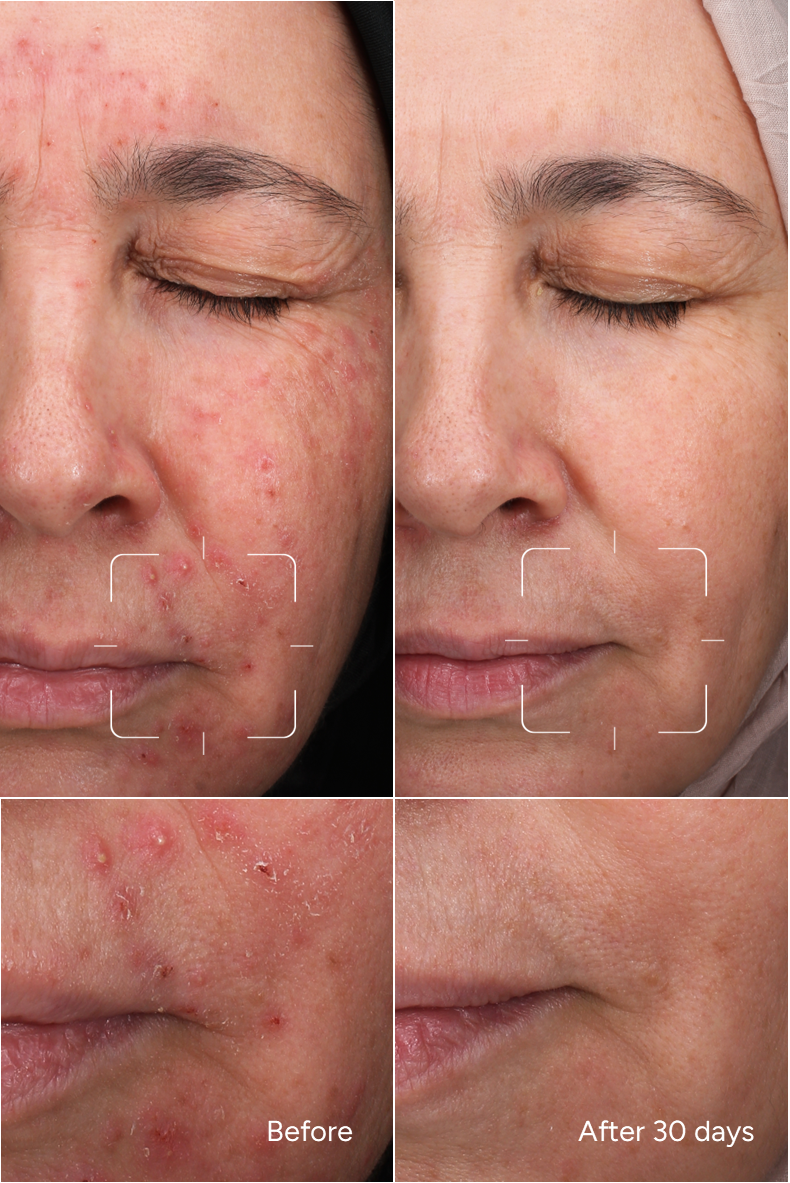
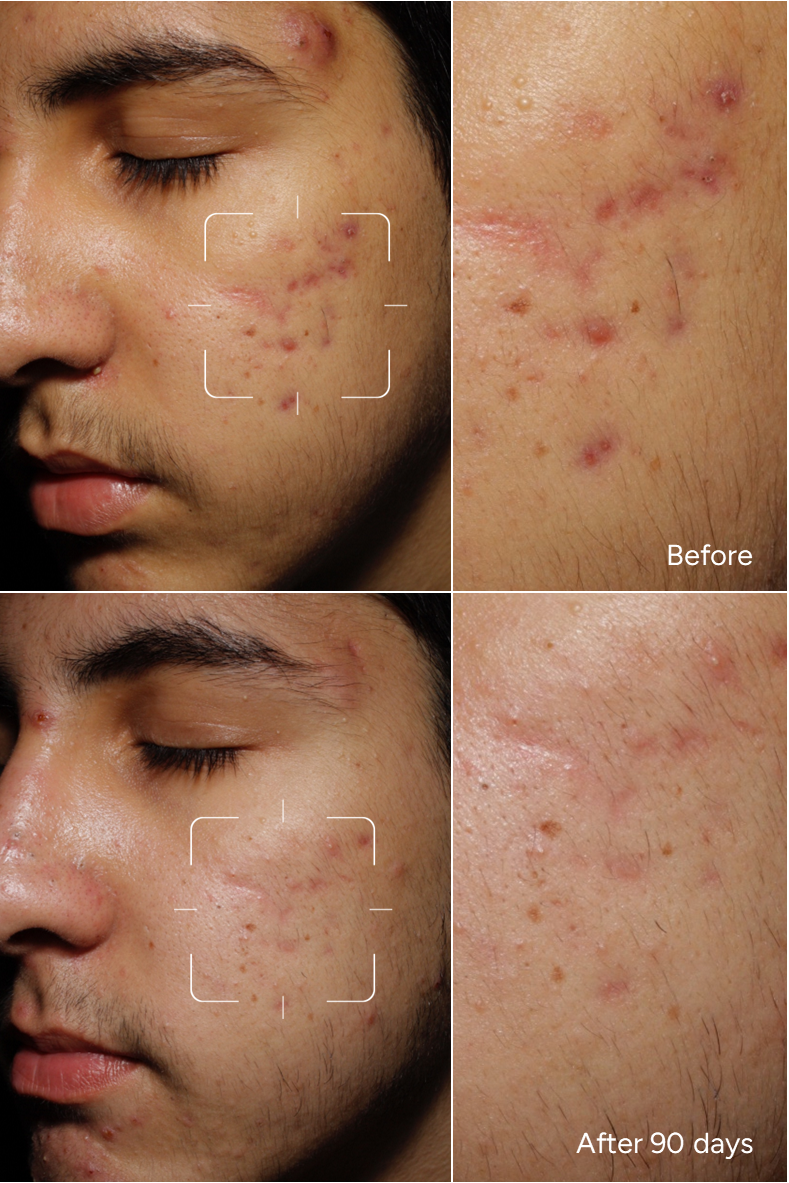
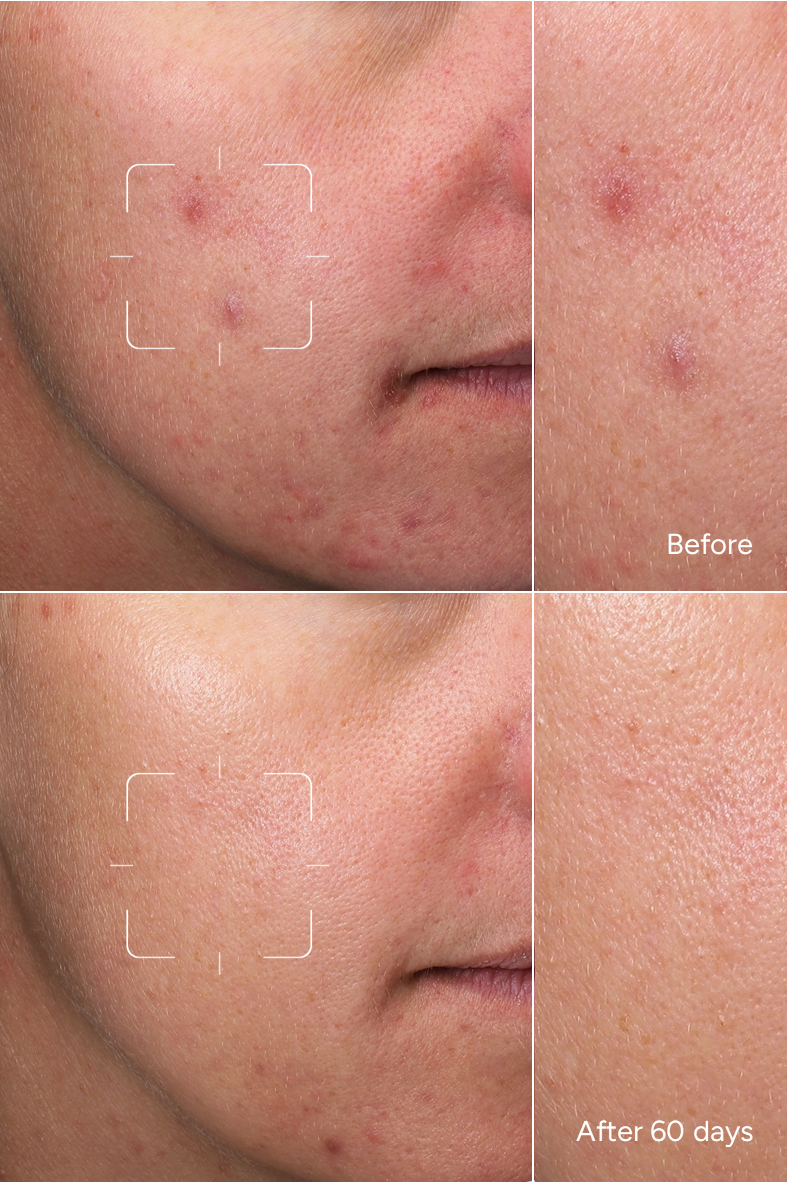
Lactopeptide is the cosmetic name for one of the most extensively studied natural antimicrobial peptides. Laboratory studies have repeatedly demonstrated that it is active against the Gram-positive bacteria involved in skin congestion, and it carries a long, well-documented safety record from decades of use as a natural food preservative. For skin specifically, clinical and laboratory studies have shown that it can reduce bacterial load and help calm the redness that accompanies inflamed blemishes, without the resistance concerns tied to conventional antibiotics.
Skincare results build gradually. The timeline below is a realistic guide to what people typically notice rather than a guaranteed schedule; individual results vary with skin type, severity and the rest of your routine:
- Weeks 1-2: Skin adjusts to the formula. You may notice less new congestion, though little visible change is normal this early.
- Weeks 3-4: Fewer new breakouts and a calmer, less reactive look as the bacterial balance improves.
- Weeks 6-8: Clearer, more even and more comfortable skin. This is a good point to retake your skin analysis so your formula can be adjusted.
- Week 12 and beyond: Maintained balance, fewer flare-ups and steadier results with continued daily use.
Lactopeptide vs. Other Blemish-Fighting Actives
Most anti-blemish ingredients work by reducing acne-related bacteria, but they differ in how they do it, how likely they are to encourage resistance, and how well skin tolerates them. The table below places lactopeptide alongside the most common alternatives.
| Active | How it works | Antibiotic-resistance risk | Typical tolerance |
|---|---|---|---|
| Lactopeptide | Antimicrobial peptide that disrupts bacterial cell membranes | Low; does not drive antibiotic resistance | Generally well tolerated, including on sensitive skin |
| Benzoyl peroxide | Releases oxygen that kills acne-causing bacteria | Low | Can cause dryness, stinging and fabric bleaching |
| Topical antibiotics (e.g. clindamycin) | Block bacterial protein synthesis | Higher; usually prescribed alongside other agents to limit resistance | Generally tolerated; prescription only |
| Azelaic acid | Antibacterial and anti-inflammatory; also fades pigmentation | Low | Mild tingling possible early on |
Lactopeptide's main point of difference is that it is antibacterial without behaving like a conventional antibiotic, so it is a useful choice when repeated antibiotic use is a concern. It is also frequently chosen for reactive or pregnancy-era skin, where harsher options are often avoided. Within Universkin formulas it is commonly paired with zinc to help regulate sebum, with azelaic acid to fade post-blemish marks, and with niacinamide to strengthen the skin barrier.
Stability
Lactopeptide ingredient is a stable ingredient and does not degrade easily.
Lactopeptide in Your Personalized Formula
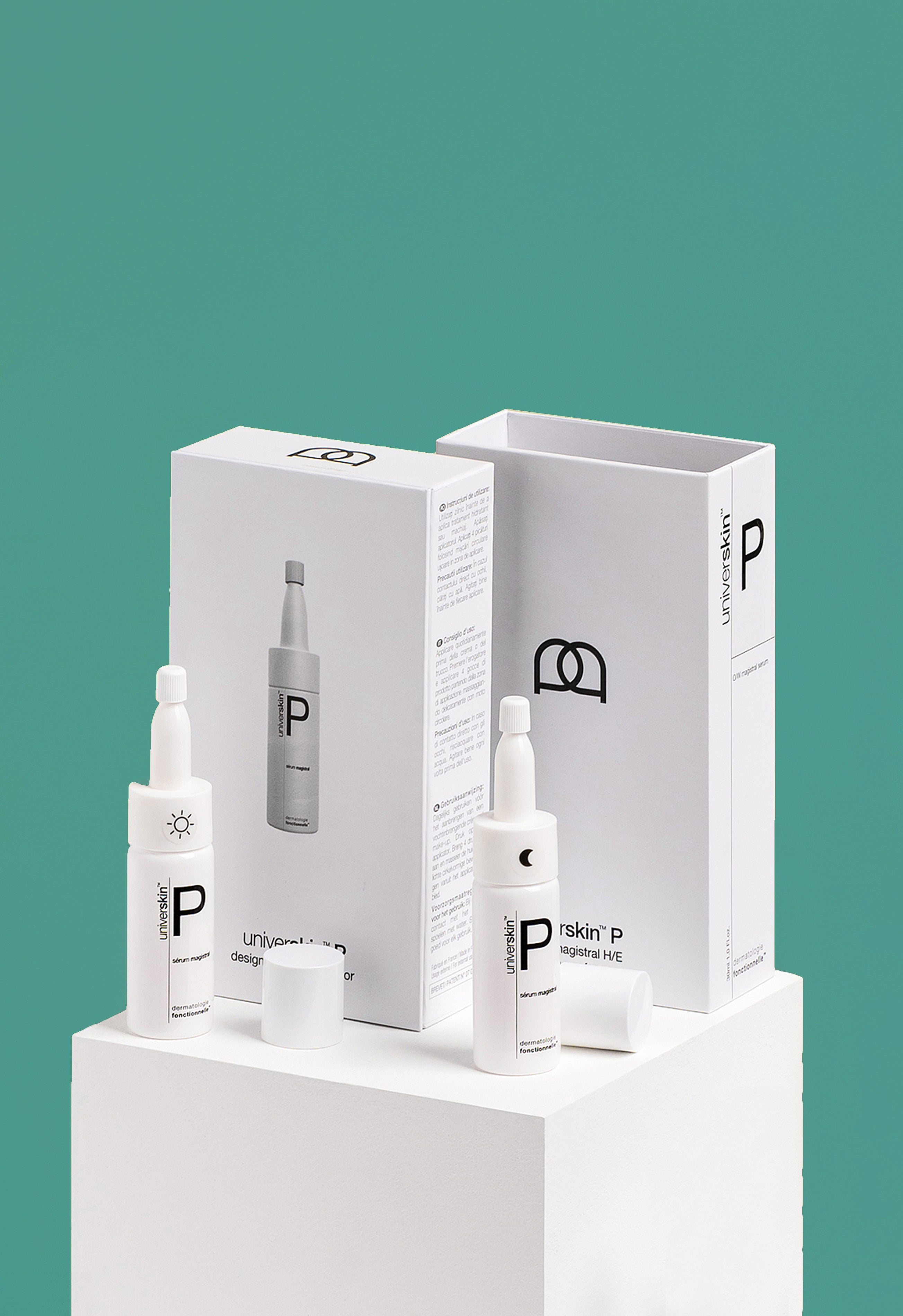
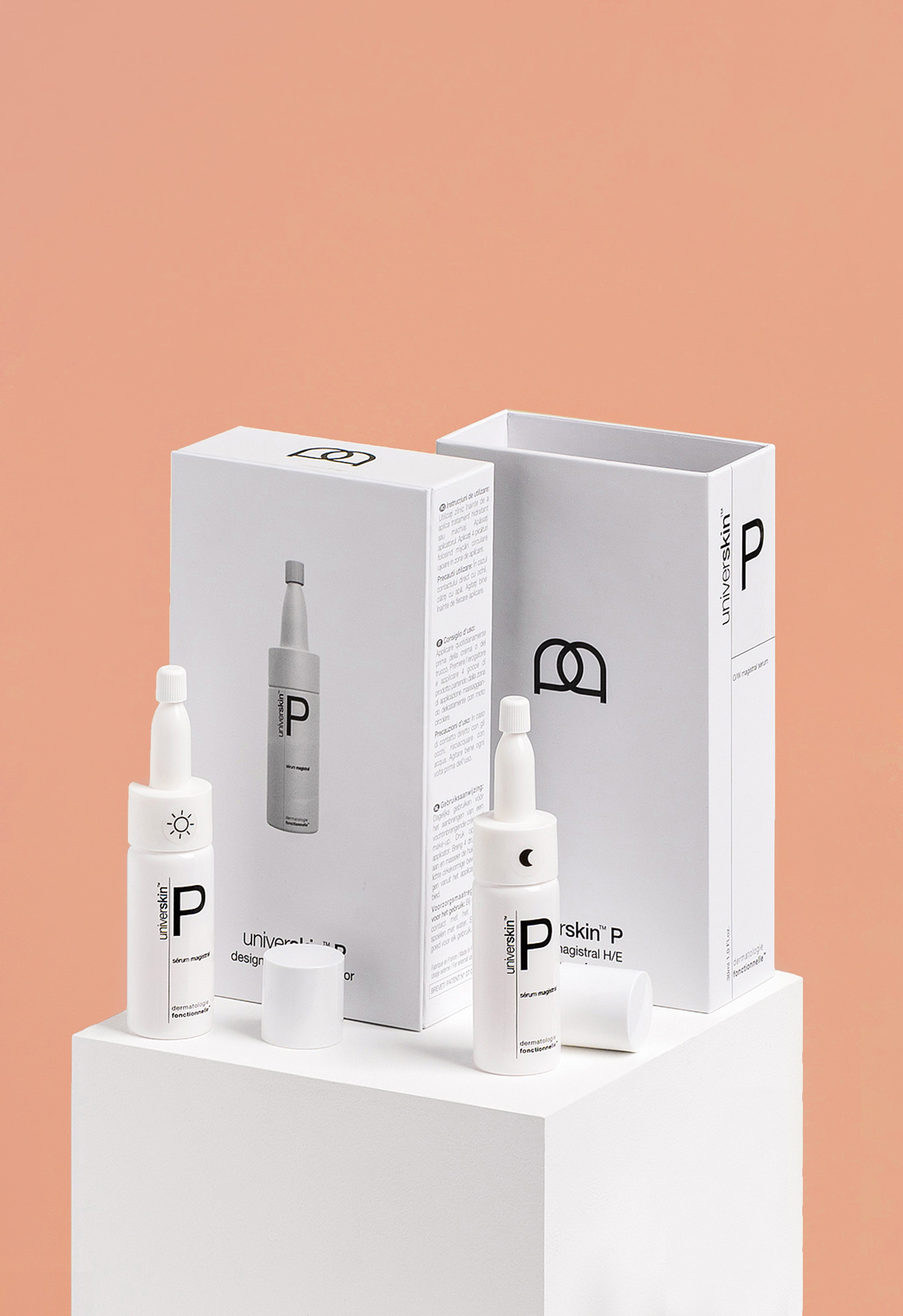
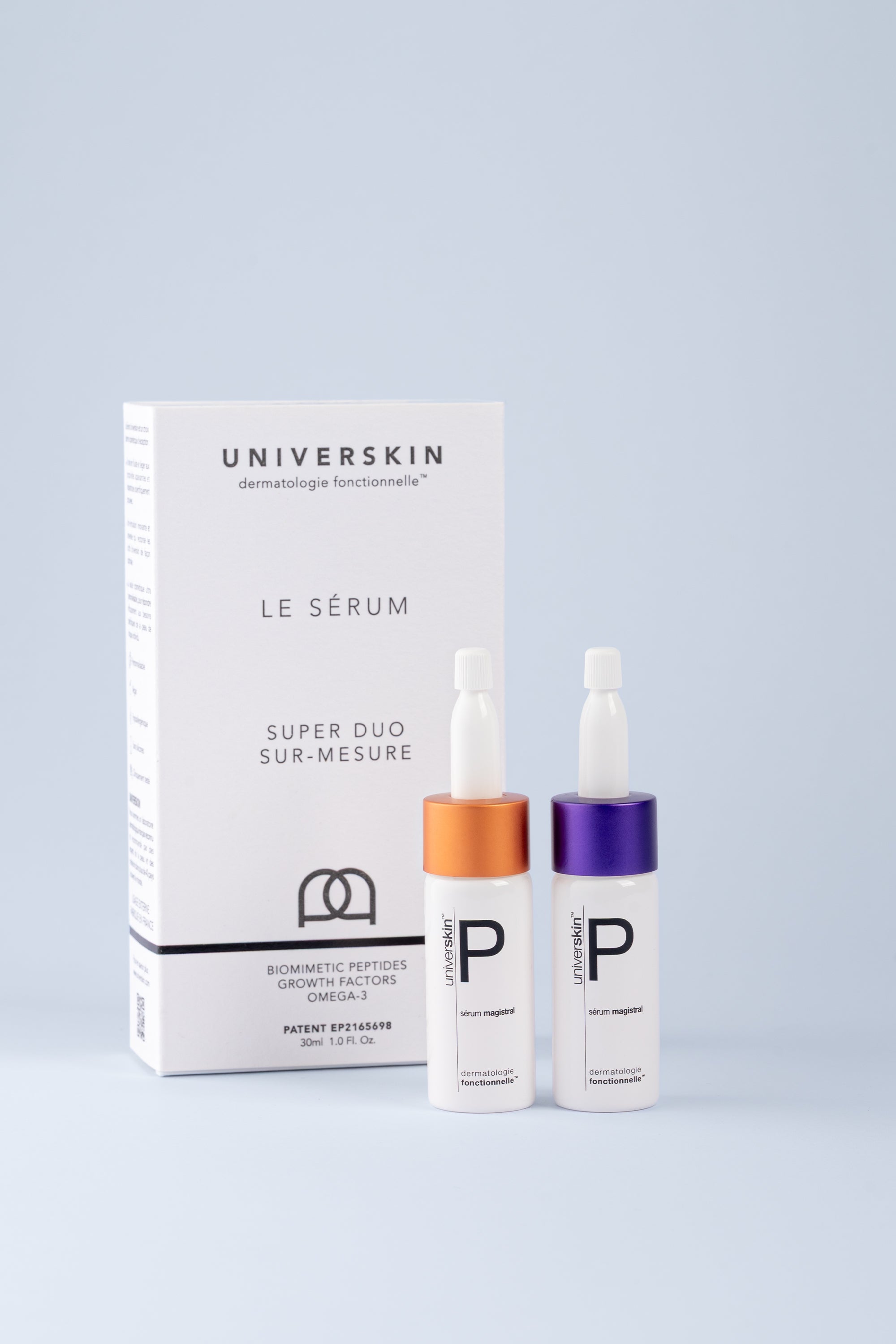
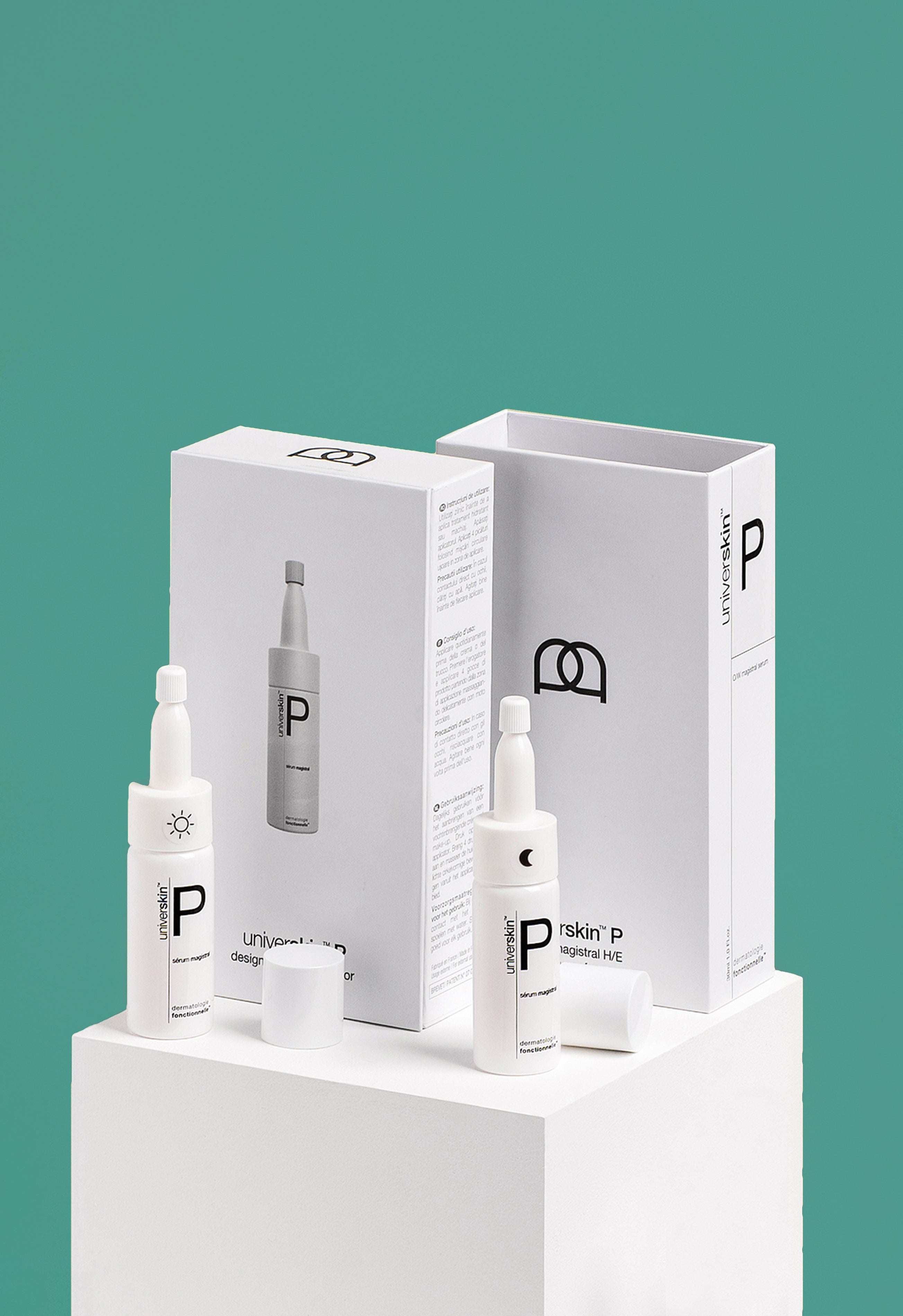
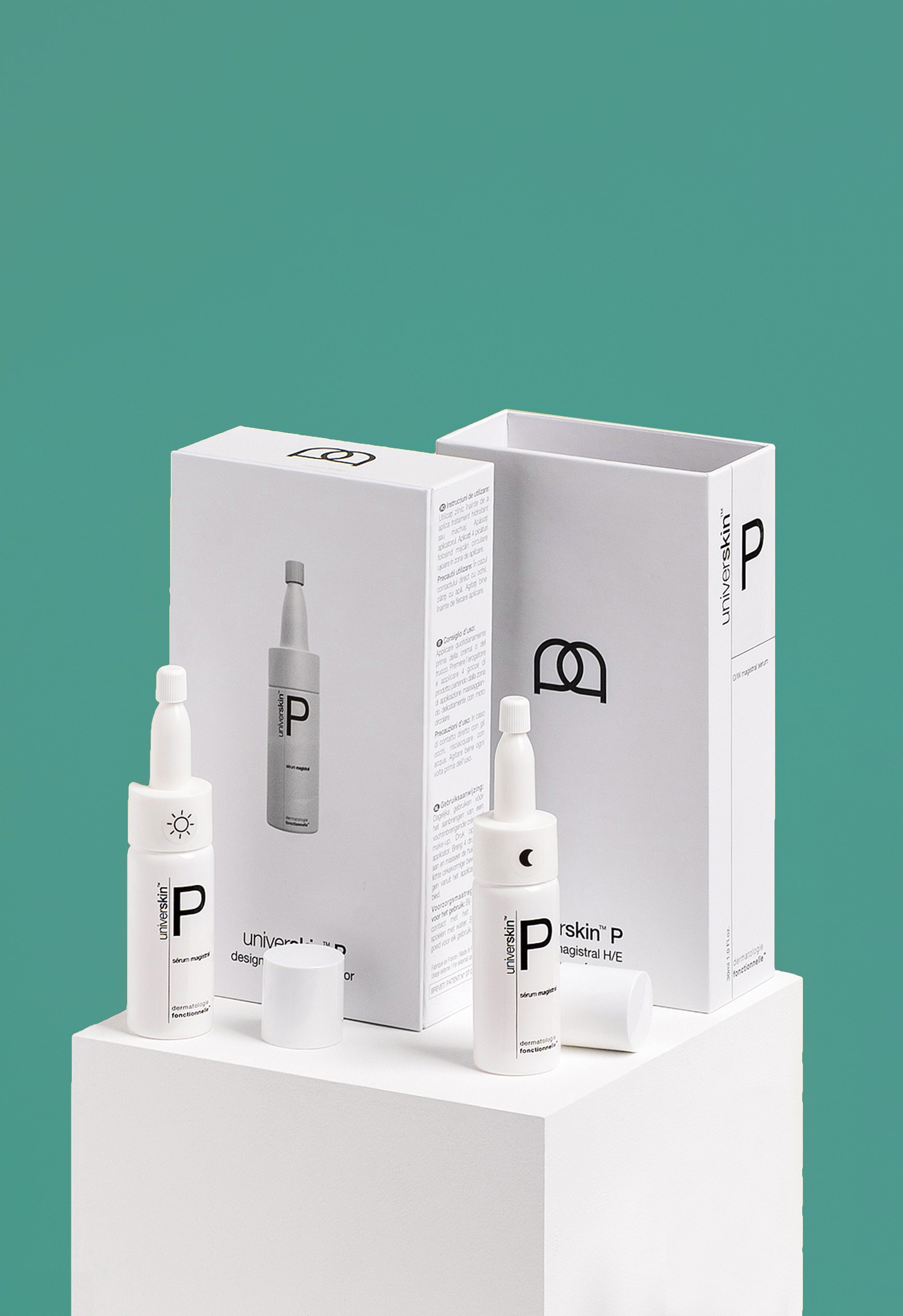
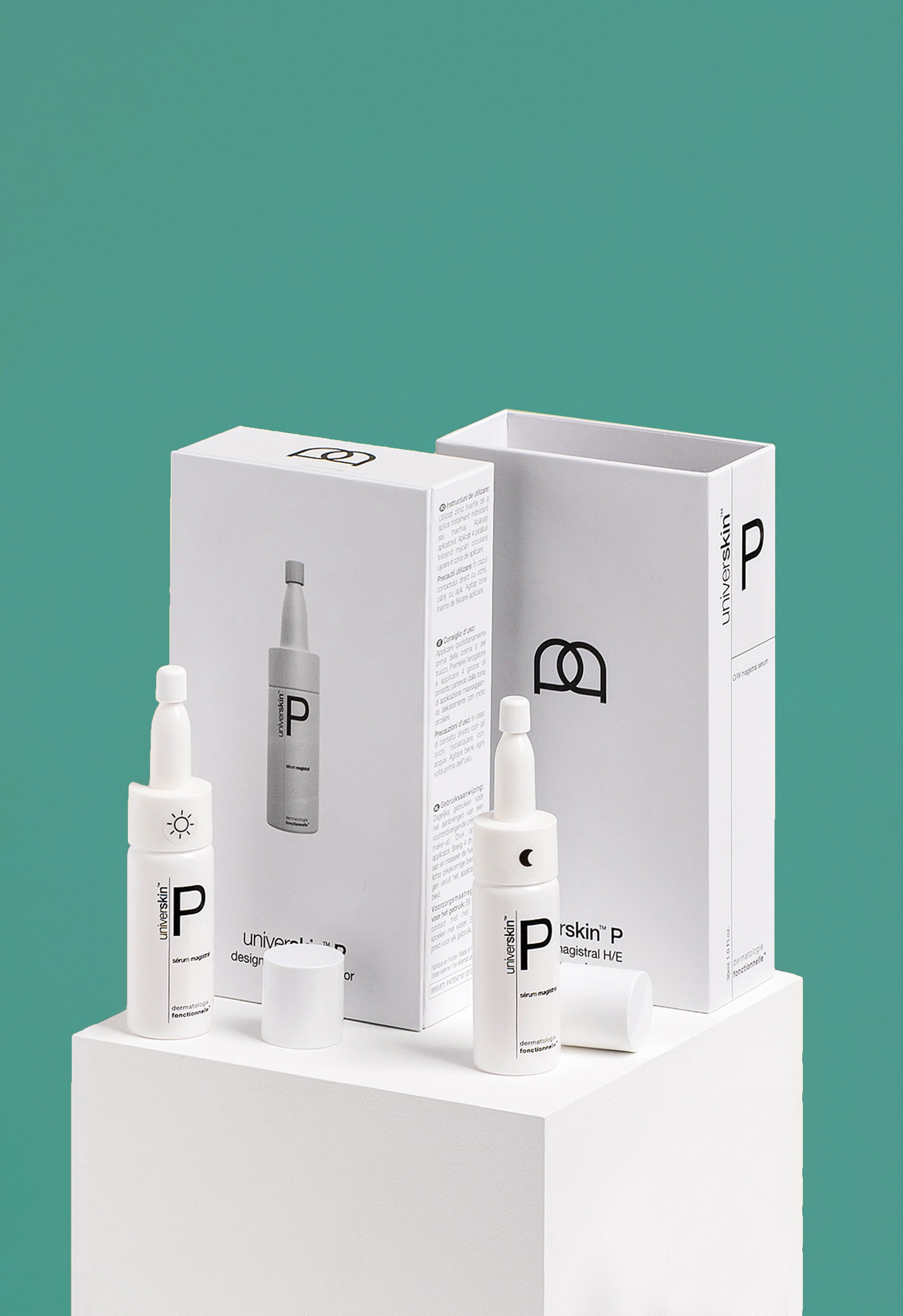
Universkin does not sell lactopeptide as a fixed, off-the-shelf product. Instead, it is dosed into a serum that is built around your skin. Lactopeptide is a capsule-based, or dose-based, active: each dose adds 3.5% to your formula, and your doctor can build up to three doses for a maximum of 10.5%. The number of capsules is chosen from your skin analysis and how reactive your skin is, so a calm complexion needing light support and a congested, inflamed one receive very different strengths.
Higher is not automatically better. Your doctor selects the smallest effective dose, balances lactopeptide with complementary actives in the same serum, and can adjust it as your skin changes. To find the right strength for you, start with a free skin analysis so your formula can be matched to your skin's current needs and reviewed as it improves.
In conclusion, Lactopeptide is an effective ingredient. Its broad-spectrum antibacterial properties, skin-balancing benefits, and compatibility with other active ingredients make it an excellent choice for those looking to improve the appearance of their skin. Its safe use by pregnant and lactating women and its stability make it a popular choice in products that work to promote healthy and clear skin.
Frequently Asked Questions
What is lactopeptide and what does it do for skin?
Lactopeptide is a natural antimicrobial peptide produced by fermenting the lactic-acid bacterium Lactococcus lactis. On skin, it targets the bacteria linked to breakouts, helps calm visible redness and rebalances the skin's natural flora. Because it works by disrupting bacterial membranes rather than as a conventional antibiotic, it delivers these benefits without encouraging bacterial resistance, which makes it a gentle option for blemish-prone and sensitive skin.
Is lactopeptide good for acne and breakouts?
Yes. Lactopeptide targets the Gram-positive bacteria involved in acne and helps reduce the redness that accompanies inflamed blemishes, which is why it appears in many of Universkin's acne-focused formulas. It is best viewed as one part of a complete routine rather than a stand-alone cure. For persistent or cystic acne, have your skin assessed so your doctor can pair it with complementary actives.
Is lactopeptide safe to use during pregnancy?
Lactopeptide is widely used as a food preservative and is generally considered low-risk for topical use during pregnancy and breastfeeding, which is one reason it is often chosen over ingredients that are avoided in these periods. Even so, every pregnancy is different, so confirm your full routine with your doctor or midwife before starting any new skincare active.
What concentration of lactopeptide is effective?
In a Universkin serum, lactopeptide is dosed by the capsule: each dose adds 3.5%, and your doctor can build up to three capsules for a maximum of 10.5%. The right strength depends on your skin analysis and how reactive your skin is. Higher is not automatically better; your doctor selects the smallest effective dose and can adjust it at your next review.
Can lactopeptide be combined with niacinamide, zinc or azelaic acid?
Yes. Lactopeptide layers well with niacinamide, zinc, azelaic acid, SOD and ferulic acid, and these pairings are common in personalized blemish-and-redness formulas. Combining a bacteria-targeting peptide with sebum-balancing and anti-inflammatory actives addresses several drivers of breakouts at once. Within a Universkin serum your doctor blends these into a single, compatible formula, so you do not need to layer several products yourself.
Skin concerns this ingredient can help with
In a personalized formula, this active is commonly used to help target:
Featured collection
Lactopeptide BASED SERUMS FORMULAS