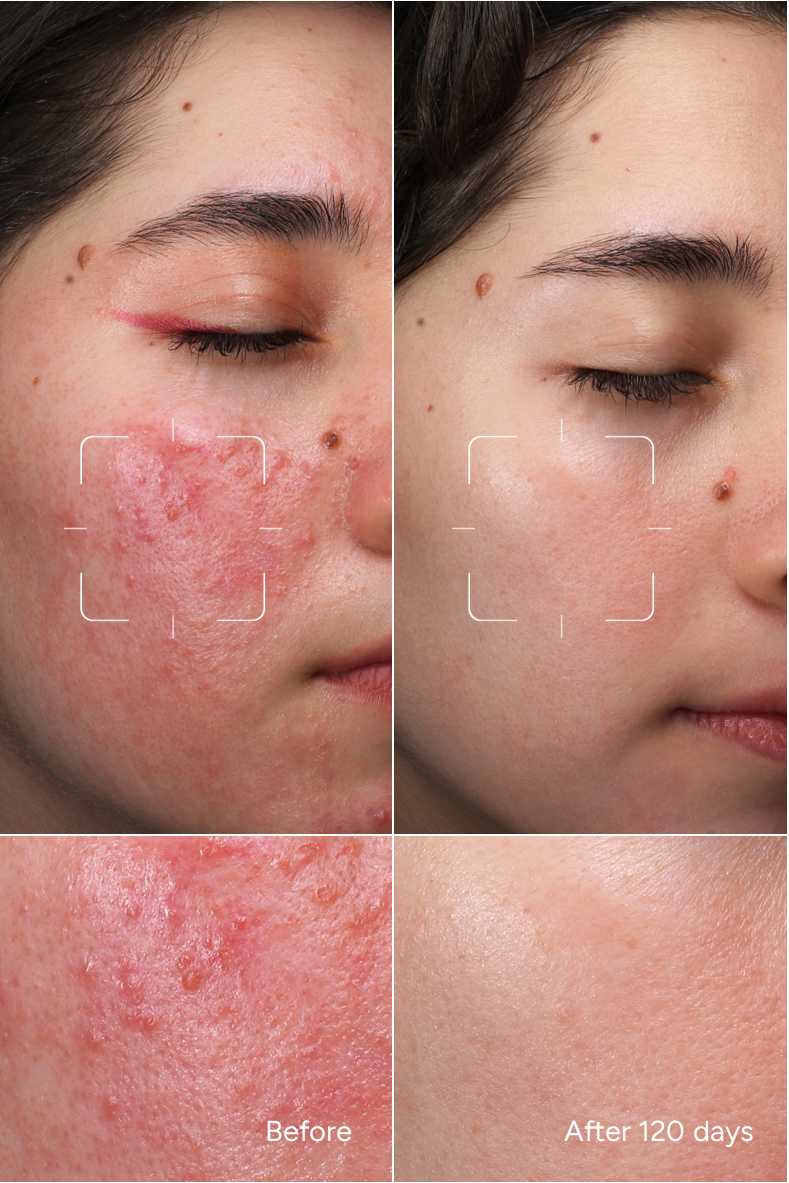
Facial Redness & Sensitive Skin: Causes & Treatment
If your cheeks flush at the first sign of heat, wine, or a new cream — or your skin stings, burns, and turns blotchy for no obvious reason — you are describing redness and sensitivity, one of the most common reasons people search for help with their skin. It shows up as facial redness that won't settle, visible little veins across the cheeks and nose (often called couperose or spider veins), sudden flushing, dry rough patches, and a tight, reactive feeling where products that suit everyone else seem to sting you.
Sensitive, redness-prone skin affects a huge share of adults, and it is especially common in fairer skin types. For some people it is occasional irritation; for others it edges into rosacea, a chronic condition where persistent central-face redness, bumps, and flushing come and go in flares. Whatever the label, the everyday experience is the same: skin that feels easily provoked and looks red more often than you'd like.
People describe it in many ways — "my face goes red for no reason," "my cheeks are always blotchy," "everything stings," "I have broken veins on my nose," or simply "reactive skin." If any of those sound like you, you're in the right place. Below we break down what's actually happening in the skin, what tends to trigger it, and the evidence-based ways to bring it back under control.
What causes redness and sensitivity
Redness and sensitivity usually trace back to two connected problems: a weakened skin barrier and an over-reactive inflammatory response. When the outer barrier is compromised, water escapes more easily and irritants get in more easily — so the skin dries out, reacts to things it should tolerate, and flushes red.
Common contributors and triggers include:
- A damaged or thin skin barrier — from over-cleansing, over-exfoliating, or stacking too many strong actives at once.
- Rosacea and couperose — where blood vessels near the surface dilate easily, causing flushing and lasting redness. The exact cause isn't fully understood, but genetics, an over-active immune response, and Demodex mites are thought to play a role.
- Environmental triggers — sun exposure, wind, heat and cold, and pollution.
- Lifestyle triggers — alcohol, spicy food, hot drinks, intense exercise, and stress can all set off flushing.
- Harsh or unsuitable products — high-strength retinoids, strong acids, benzoyl peroxide, fragrance, and hot water or foaming, high-pH cleansers.
It also helps to recognise the different types of redness, because they respond to different care. Transient flushing comes and goes with heat, emotion, or food. Persistent redness lingers across the central face even at rest. Vascular redness, or couperose, is the fine visible veins that develop as capillaries weaken. And reactive redness flares in direct response to a product or environmental irritant. Many people have a mix of these at once.
Importantly, redness is a symptom with many causes. Occasional post-cleanse pinkness is different from persistent rosacea, and both are different from an allergic reaction. Identifying your pattern of triggers is the first real step toward calmer skin.
How to manage and treat redness and sensitivity
There is no overnight fix, and reputable dermatology sources are clear that chronic redness like rosacea can be well-controlled but not permanently cured. The good news: with a consistent, gentle approach most people see meaningful improvement. A sensible plan looks like this:
- Simplify and calm first. Strip your routine back to a gentle non-foaming cleanser, a barrier-supporting moisturiser, and daily sunscreen. Removing the aggressors is often half the battle.
- Protect the barrier every day. Lukewarm water, minimal scrubbing, and a fragrance-light moisturiser help rebuild the barrier so skin reacts less.
- Wear broad-spectrum SPF. Sun is one of the most consistent redness triggers, so daily protection is non-negotiable for redness-prone skin.
- Introduce soothing actives slowly. Add one at a time, patch test, and give any new product several weeks before judging it. Dermatologists typically suggest sticking with a redness therapy for around 8 to 12 weeks before deciding if it works.
- Track your triggers. A simple note of what preceded each flare (weather, food, alcohol, stress, a product) helps you avoid the ones you can control.
- Get professional input for persistent redness. If you have lasting central-face redness, visible vessels, or inflamed bumps, a doctor can confirm whether it's rosacea and offer prescription options or in-clinic treatments such as laser and IPL for visible veins.
A common mistake is doing too much, too fast — piling on "calming" products, then abandoning them within days when skin doesn't transform overnight. Redness-prone skin rewards patience and restraint far more than aggression. Consistency with a small number of well-chosen, well-tolerated products almost always beats a cupboard full of half-used trials.
Key ingredients that target redness and sensitivity
Several well-studied actives can calm inflammation and strengthen the barrier. In a personalised formula these are chosen and dosed for your skin rather than delivered in one-size-fits-all strengths:
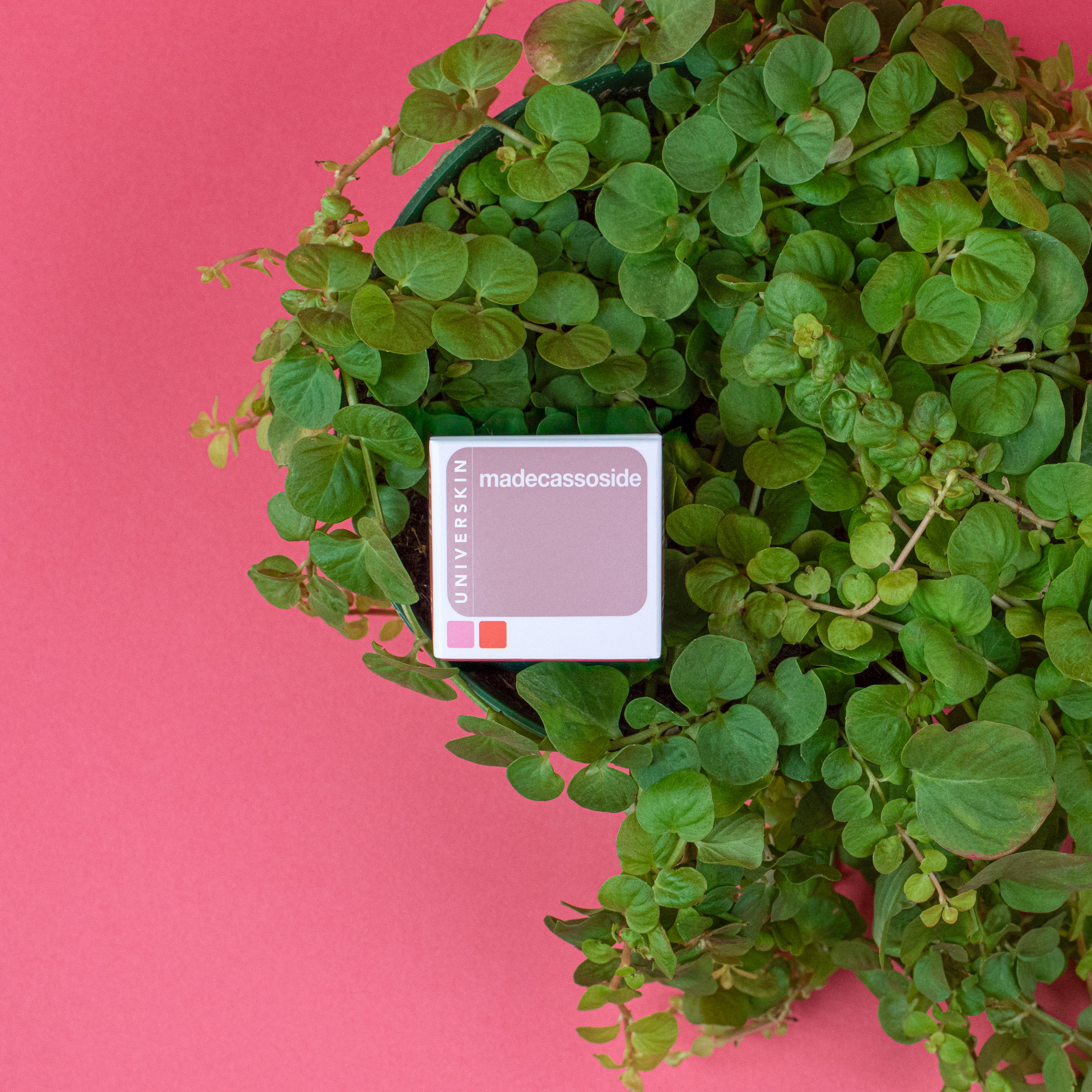
- Madecassoside — a soothing compound derived from Centella asiatica (cica), valued for calming visible irritation and supporting the skin's repair processes. Explore madecassoside for reactive, easily-flushed skin.
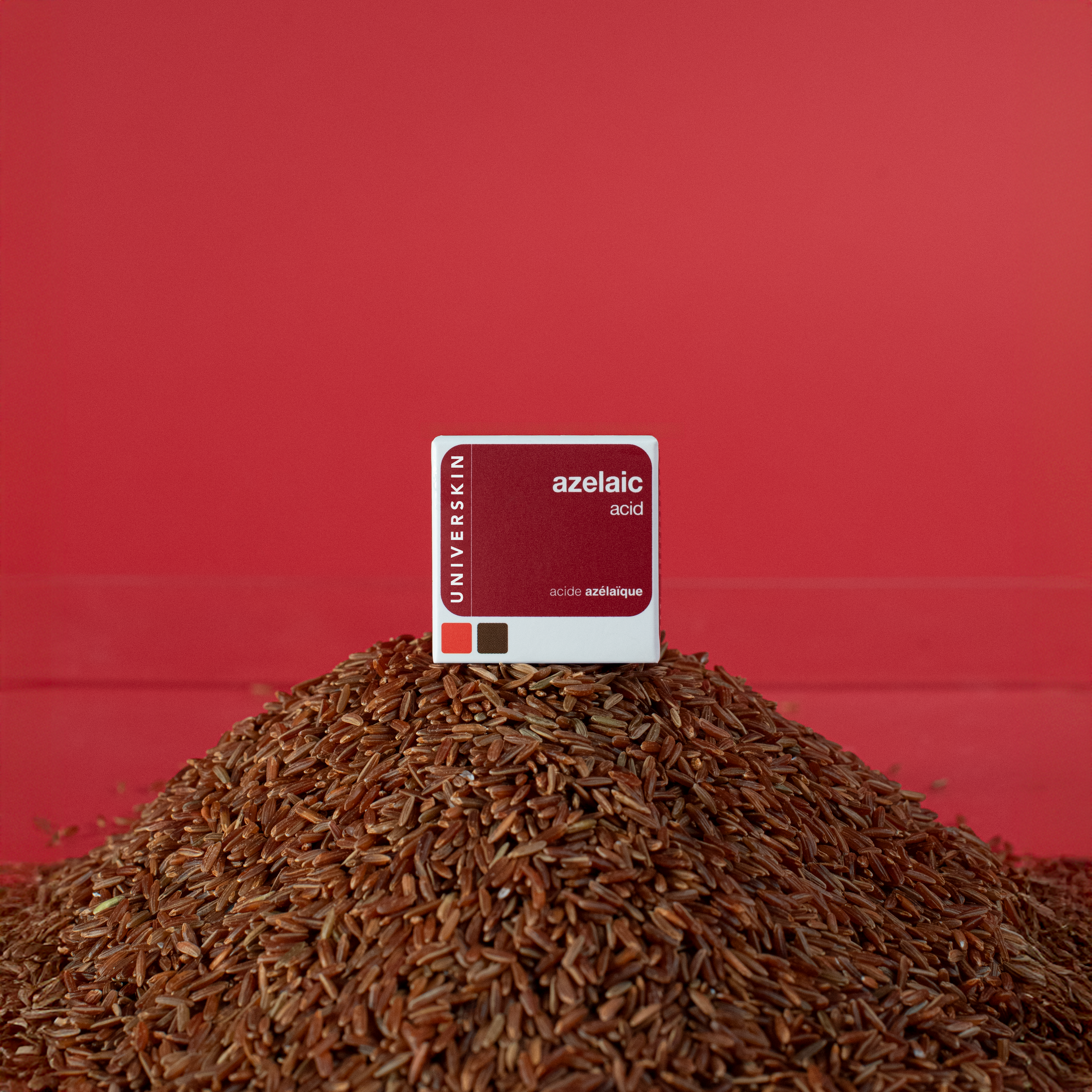
- Azelaic acid — one of the most dermatologist-recommended actives for redness-prone and rosacea-prone skin, working to calm inflammation and even out tone. Learn more about azelaic acid and how it targets redness at the source.
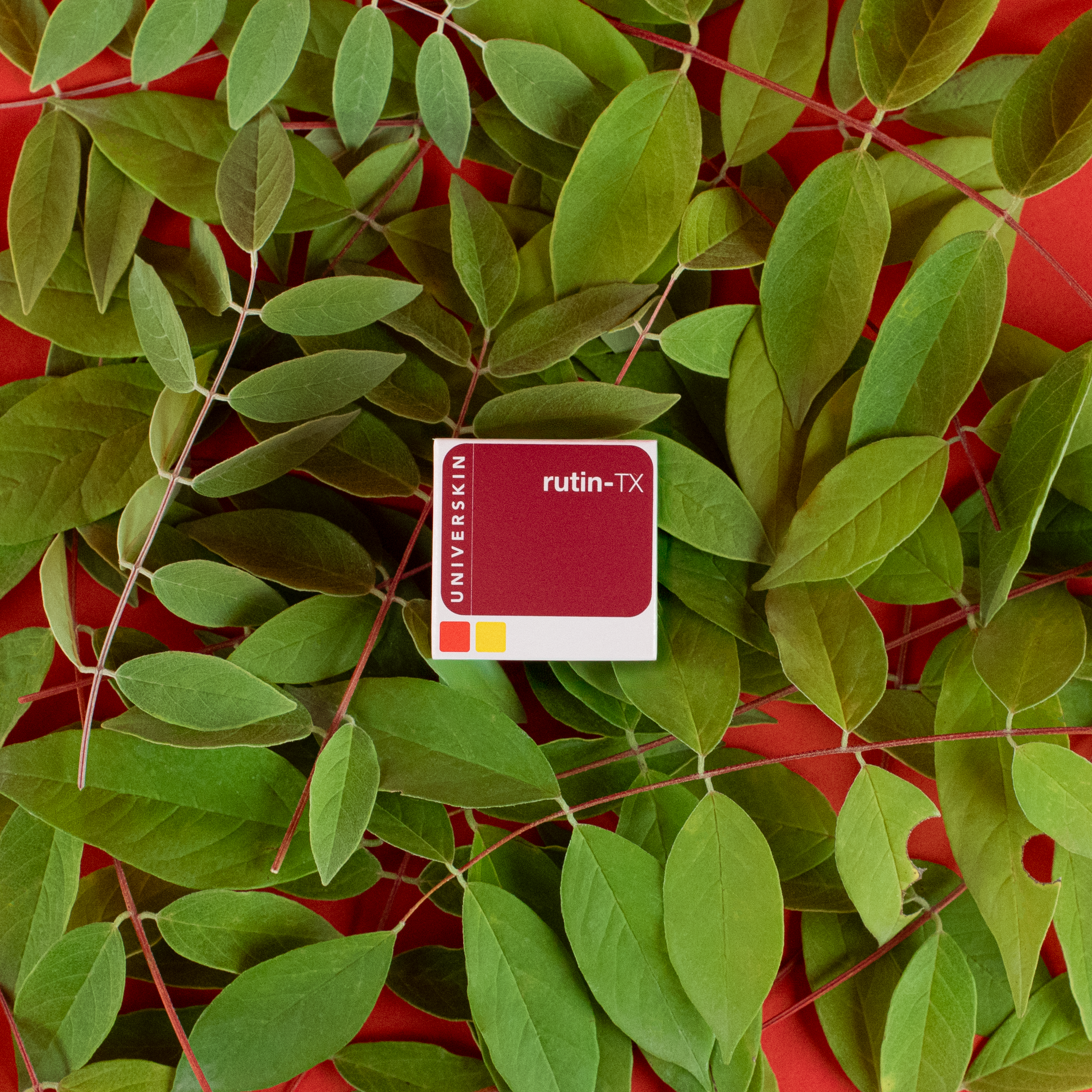
- Rutin — a plant-derived flavonoid with antioxidant properties that helps support the appearance of fragile capillaries and vascular-looking redness. See how rutin fits into a couperose-focused approach.
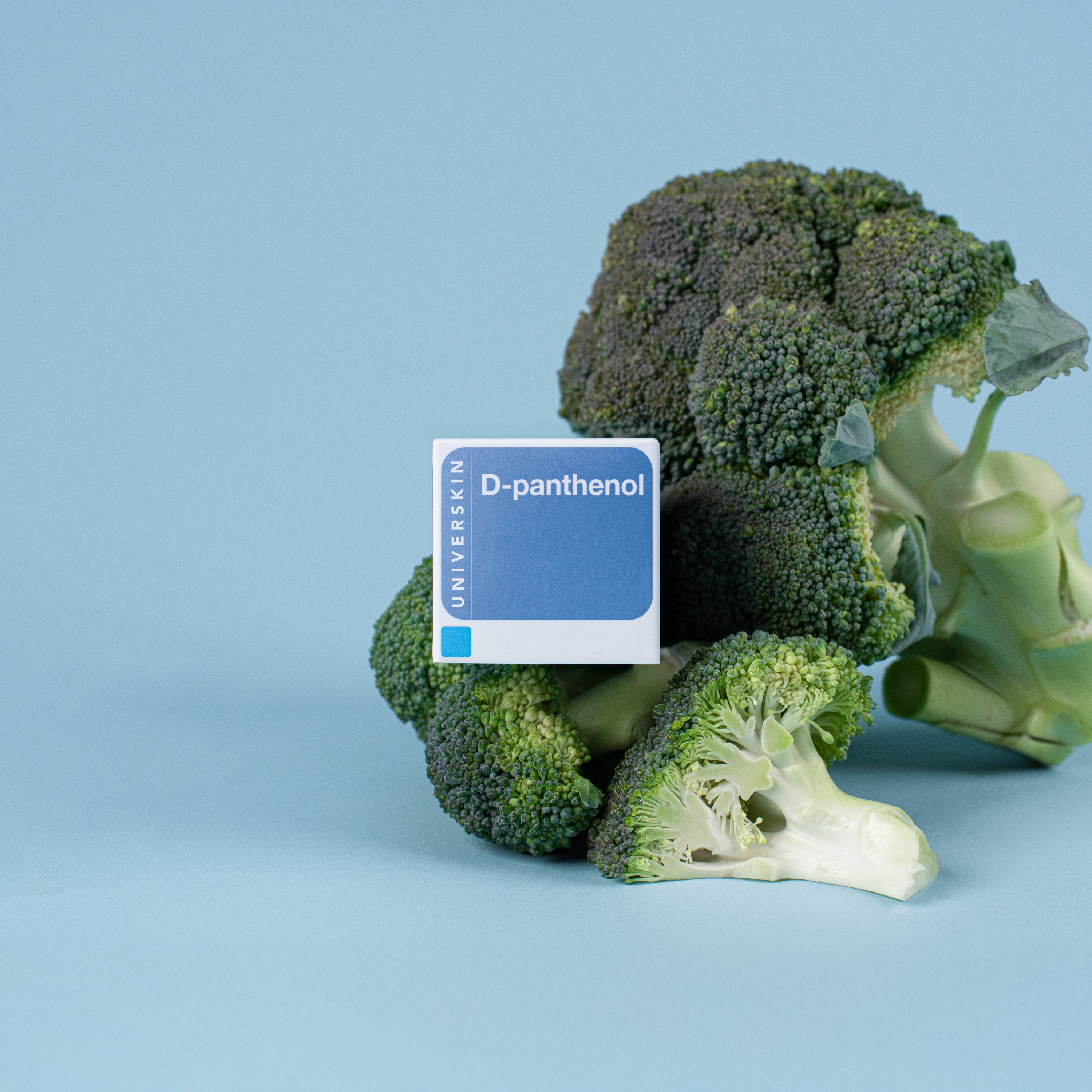
- D-panthenol — provitamin B5, a classic barrier-soother that boosts hydration and eases the tight, irritated feeling of a compromised barrier. Read about D-panthenol for comfort and recovery.
- Superoxide dismutase (SOD) — a powerful antioxidant enzyme that helps neutralise the free radicals involved in inflammation and environmental stress. Discover SOD as part of a calming, protective formula.
Your personalized redness and sensitivity approach
The reason generic "anti-redness" products so often disappoint is that redness and sensitivity are not one problem — they are a pattern that differs from person to person. Your triggers, your barrier strength, and the type of redness you have are unique to you, so the actives (and their doses) that calm your skin should be too.
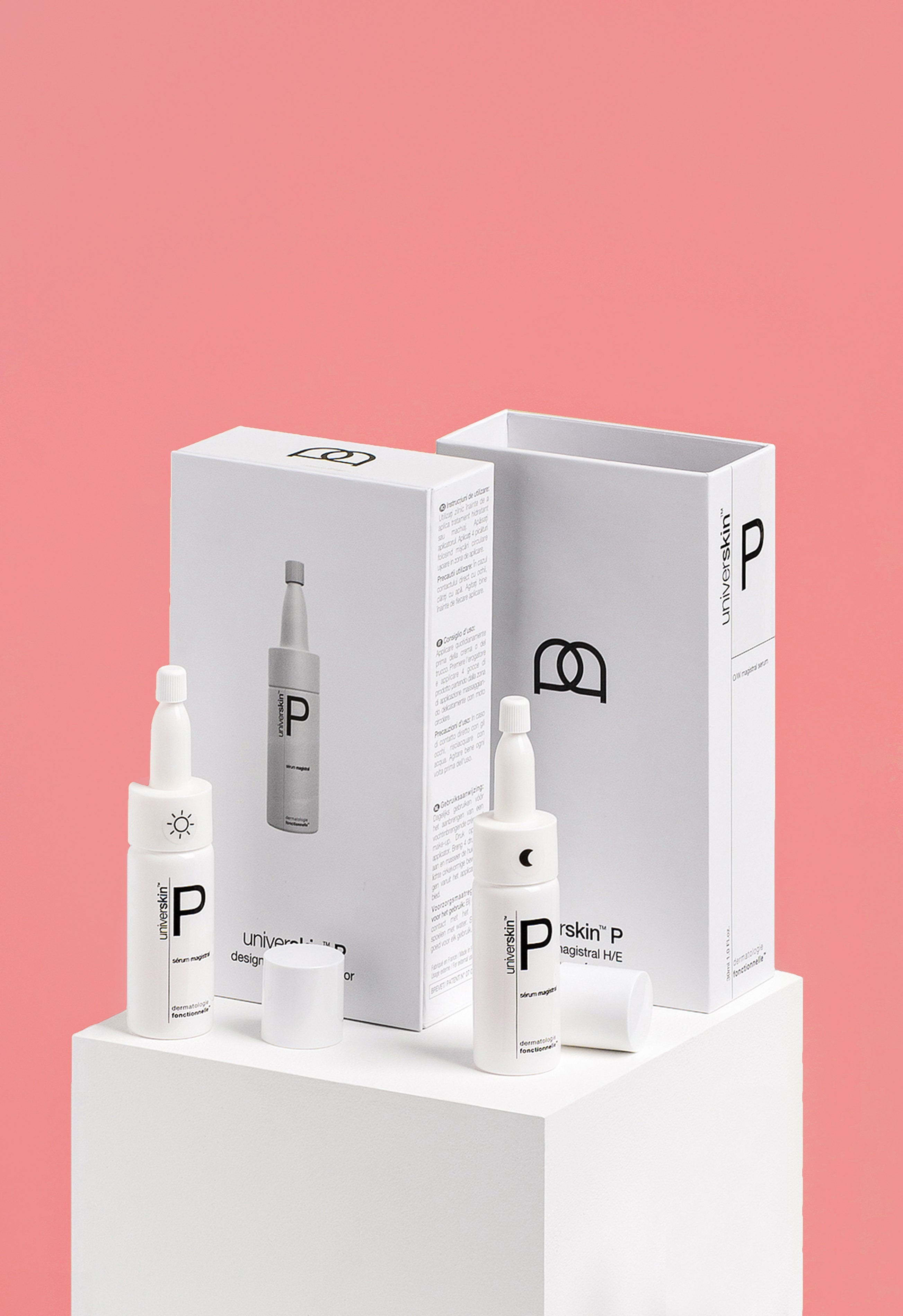
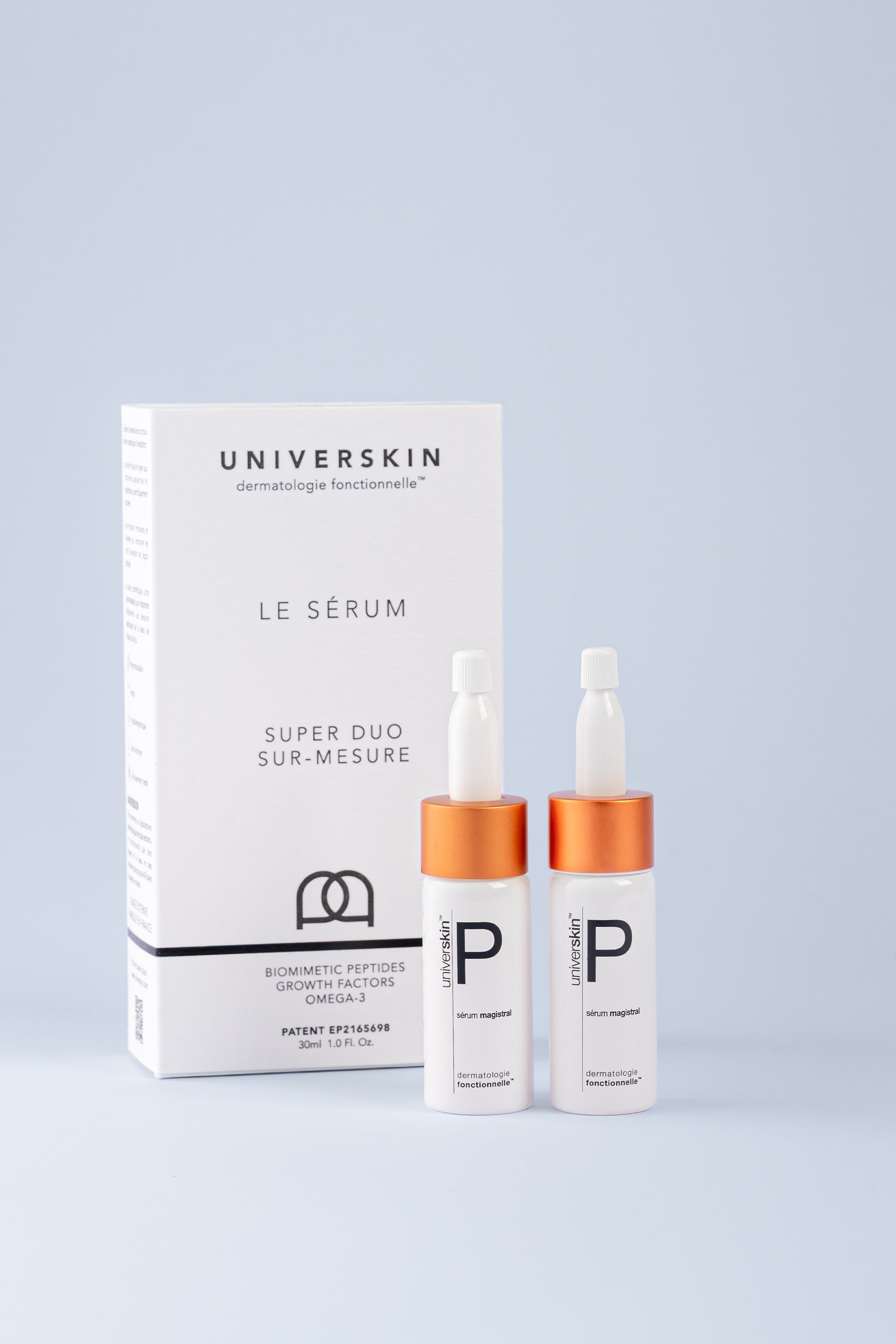
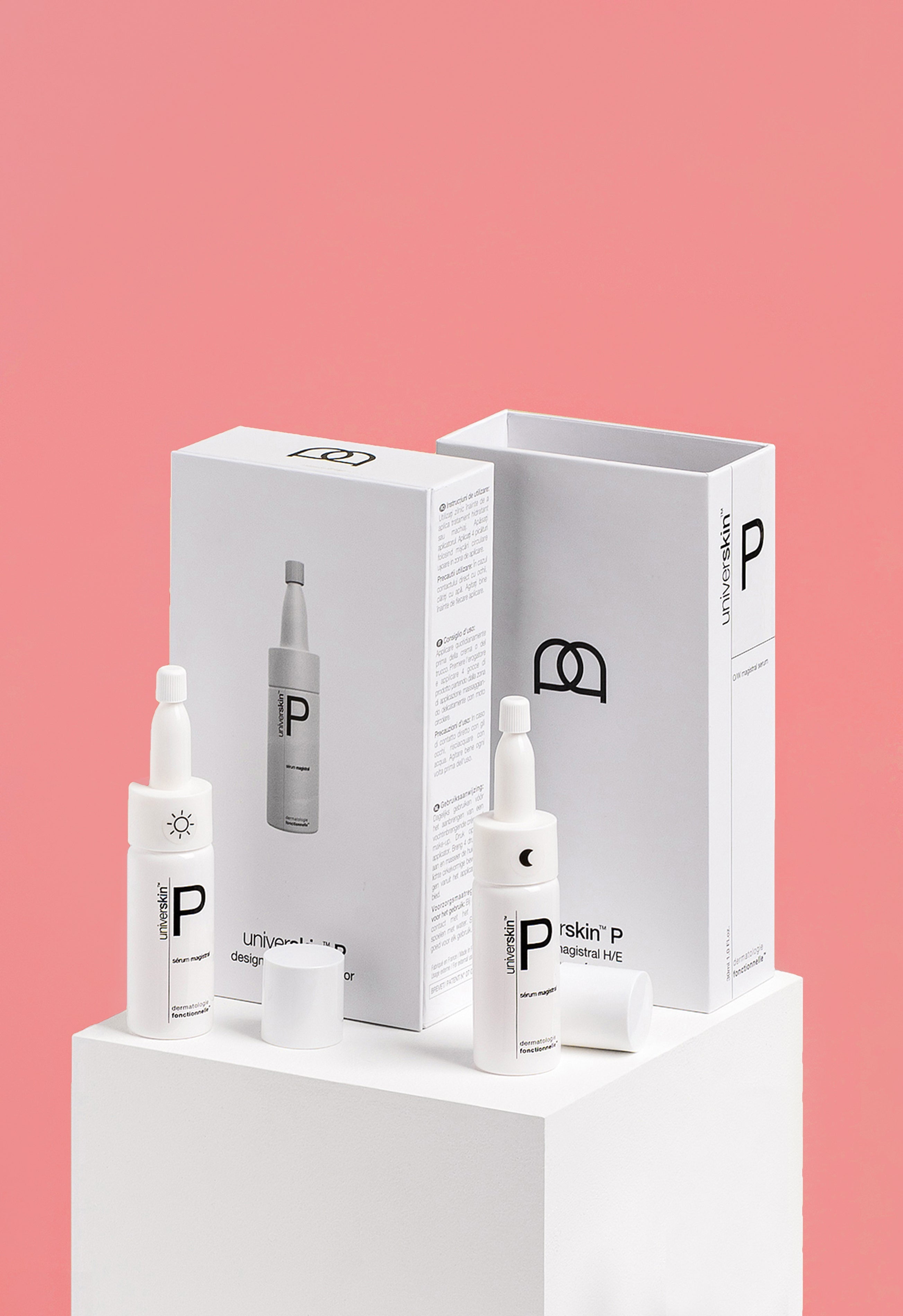
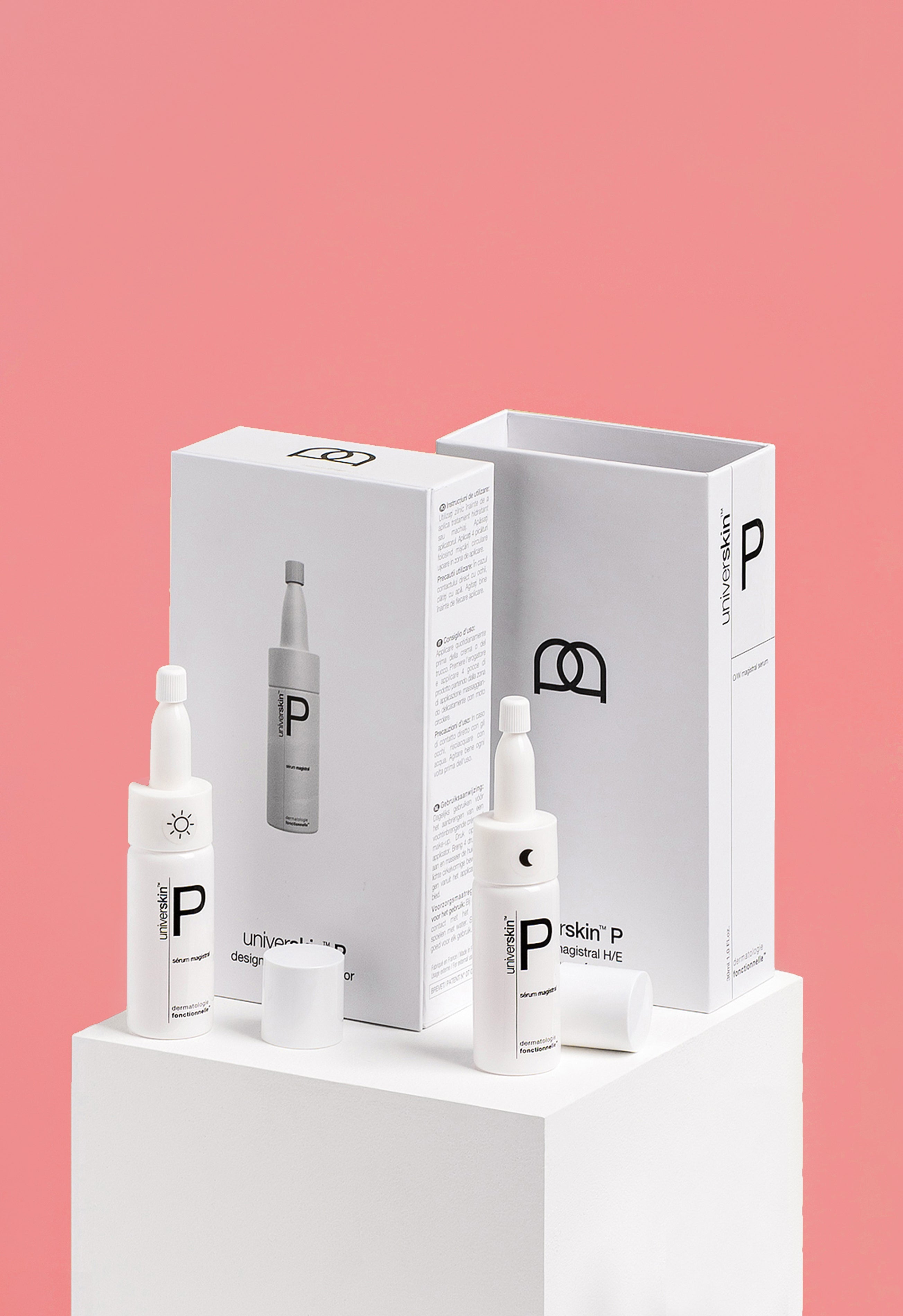
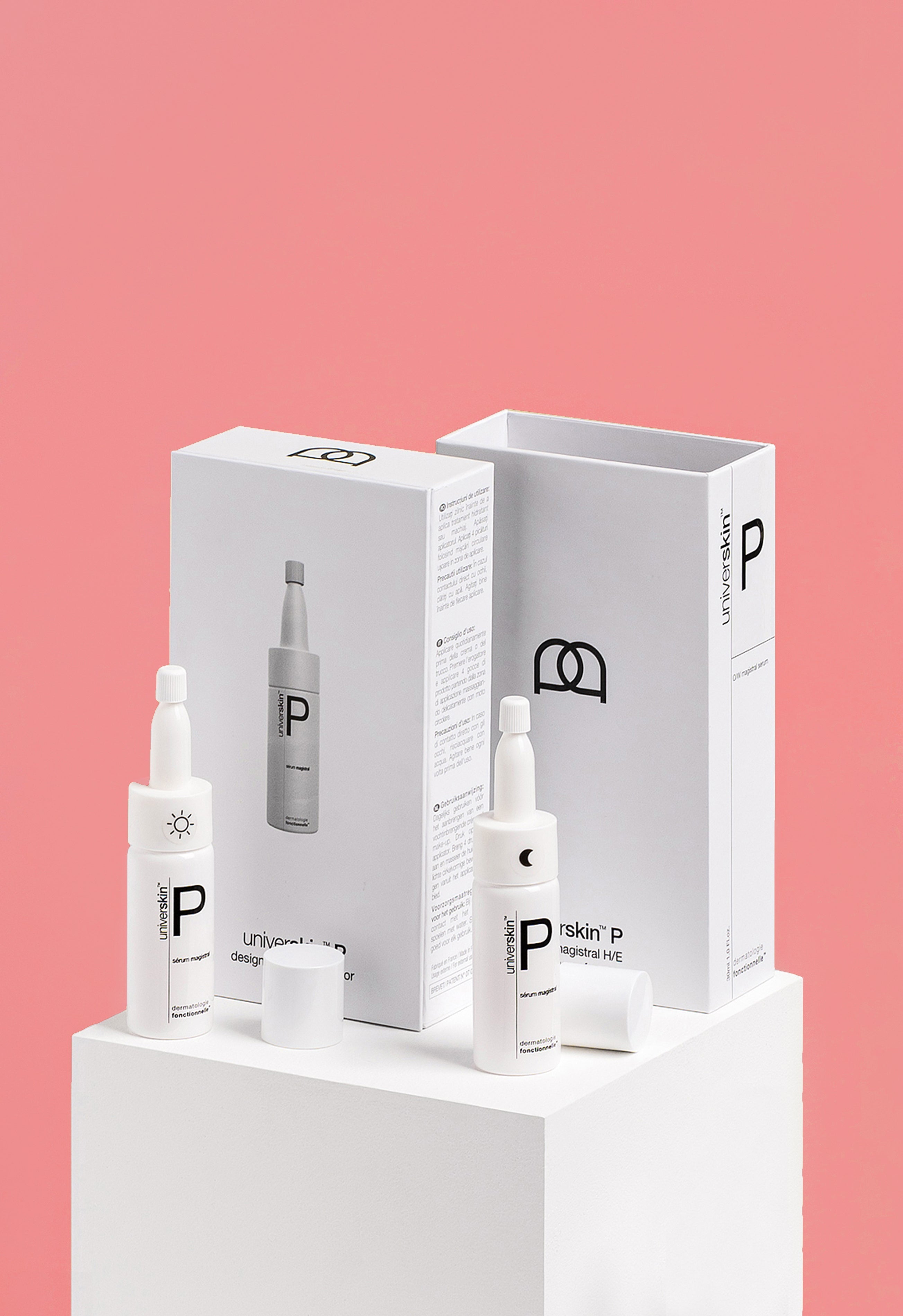
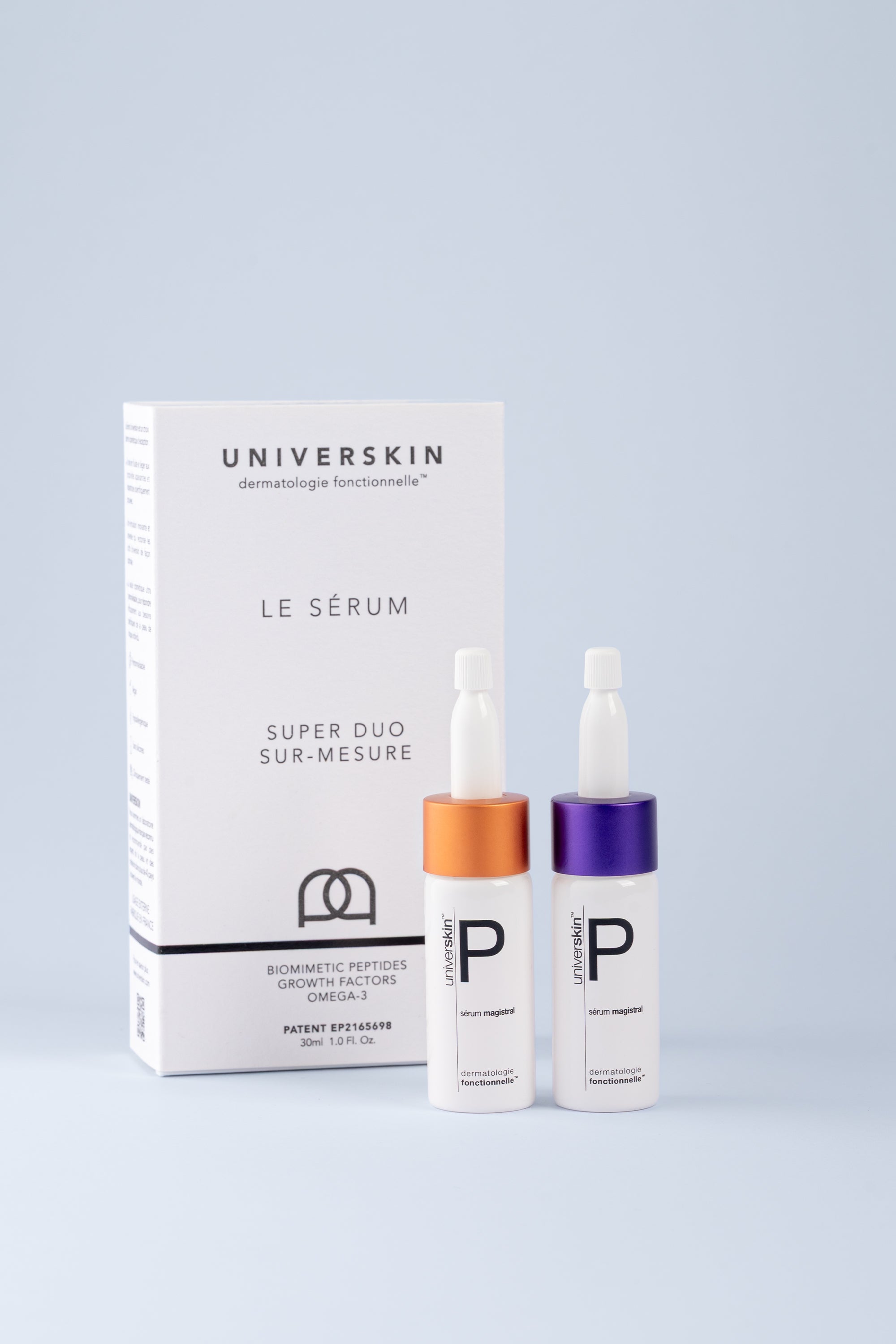
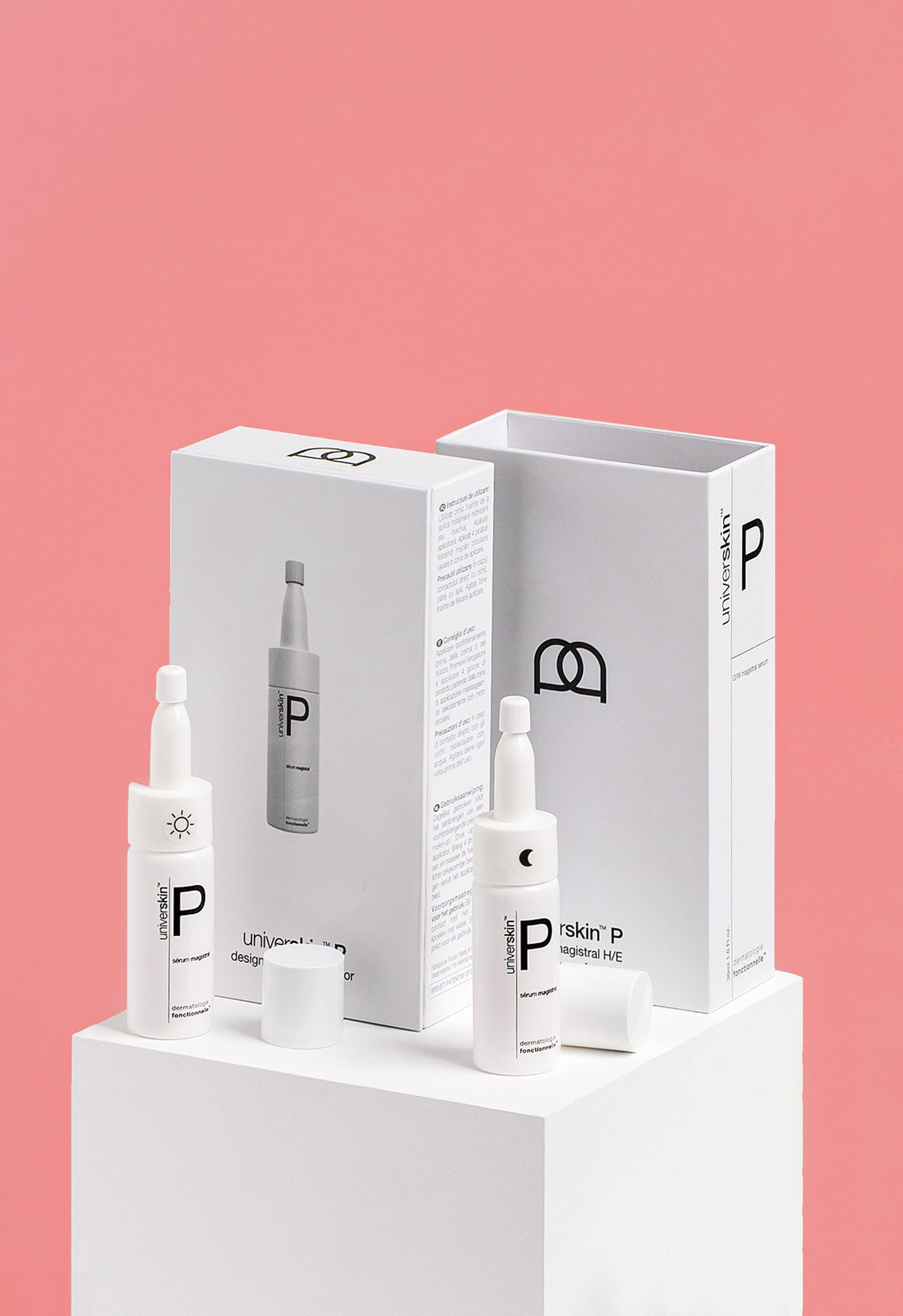
Universkin starts with an AI skin analysis that reads your skin across many parameters, including redness and sensitivity signals. A doctor then reviews the analysis and designs a custom serum from a palette of active ingredients — combining soothing and barrier-supporting actives like those above, dosed as capsules at the strengths your skin can actually tolerate. Rather than guessing between shelves of products, you get one formula built around your face.
You can explore our redness and sensitivity collection to see the approach, or begin with the skin analysis to receive a personalised, doctor-designed recommendation. It's a science-first way to work with reactive skin instead of against it — no hype, no absolute promises, just a considered plan for calmer, more comfortable skin over time.
Frequently asked questions
What's the difference between sensitive skin and rosacea?
Sensitive skin describes skin that reacts easily — stinging, burning, or flushing in response to products or the environment. Rosacea is a specific chronic condition involving persistent central-face redness, flushing, and sometimes bumps. Many people with rosacea have sensitive skin, but not all sensitive skin is rosacea. A doctor can help tell them apart.
How long does it take to reduce facial redness?
There's no instant fix. Gentle, consistent care usually brings gradual improvement, and dermatologists often suggest giving a new redness routine or active around 8 to 12 weeks before judging results. Chronic redness like rosacea can be well-managed with ongoing care, though flares may still come and go over time.
What makes redness worse?
Common triggers include sun exposure, heat and cold, wind, alcohol, spicy food, hot drinks, intense exercise, and stress. Skincare aggressors matter too: over-exfoliation, high-strength actives, fragrance, and hot or foaming cleansers can all provoke flushing. Tracking your personal triggers is one of the most effective ways to keep redness calmer.
Which ingredients should I avoid if my skin is redness-prone?
Many reactive skins struggle with high-strength retinoids, strong exfoliating acids, benzoyl peroxide, added fragrance, and harsh foaming cleansers — especially when several are used at once. That doesn't mean they're always off-limits, but they should be introduced slowly, one at a time, ideally under professional guidance. A personalised formula helps by dosing actives to your tolerance.
When should I see a doctor about my redness?
It's worth seeking professional advice if you have persistent central-face redness, visible small veins, inflamed bumps, or redness that keeps returning despite gentle care. Early input can help confirm whether it's rosacea and open up prescription or in-clinic options. Sudden, severe, or painful reactions with swelling should always be checked promptly.
Related skin concerns
Skin concerns rarely come alone. Explore related concerns that may be affecting your skin:
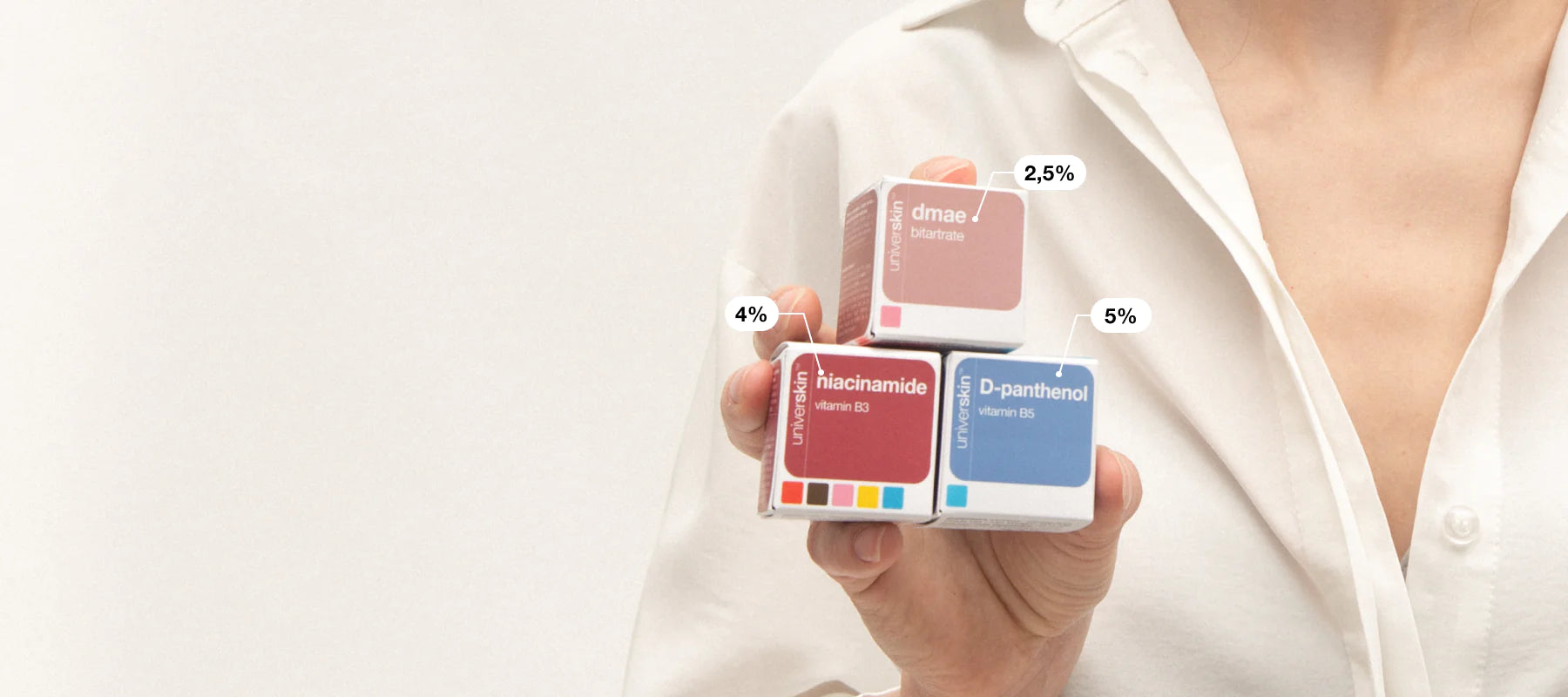
Universkin's personalized approach to redness and sensitivity
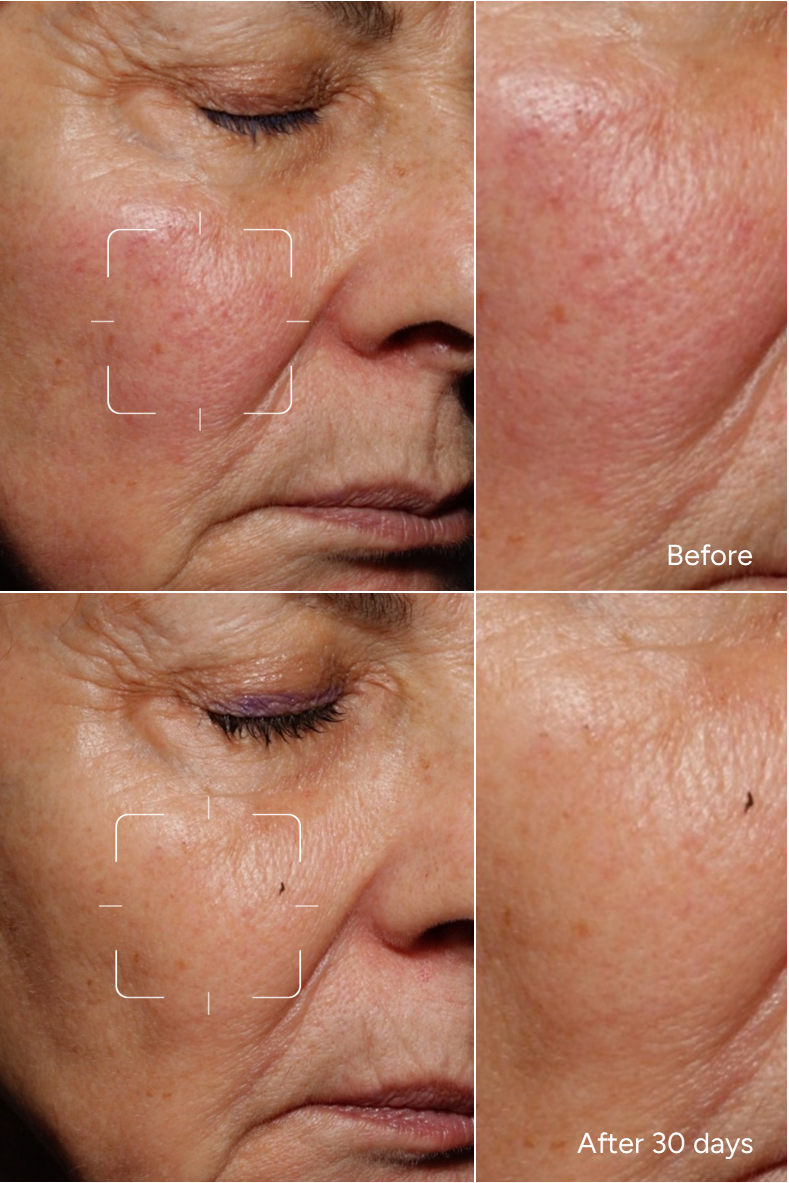
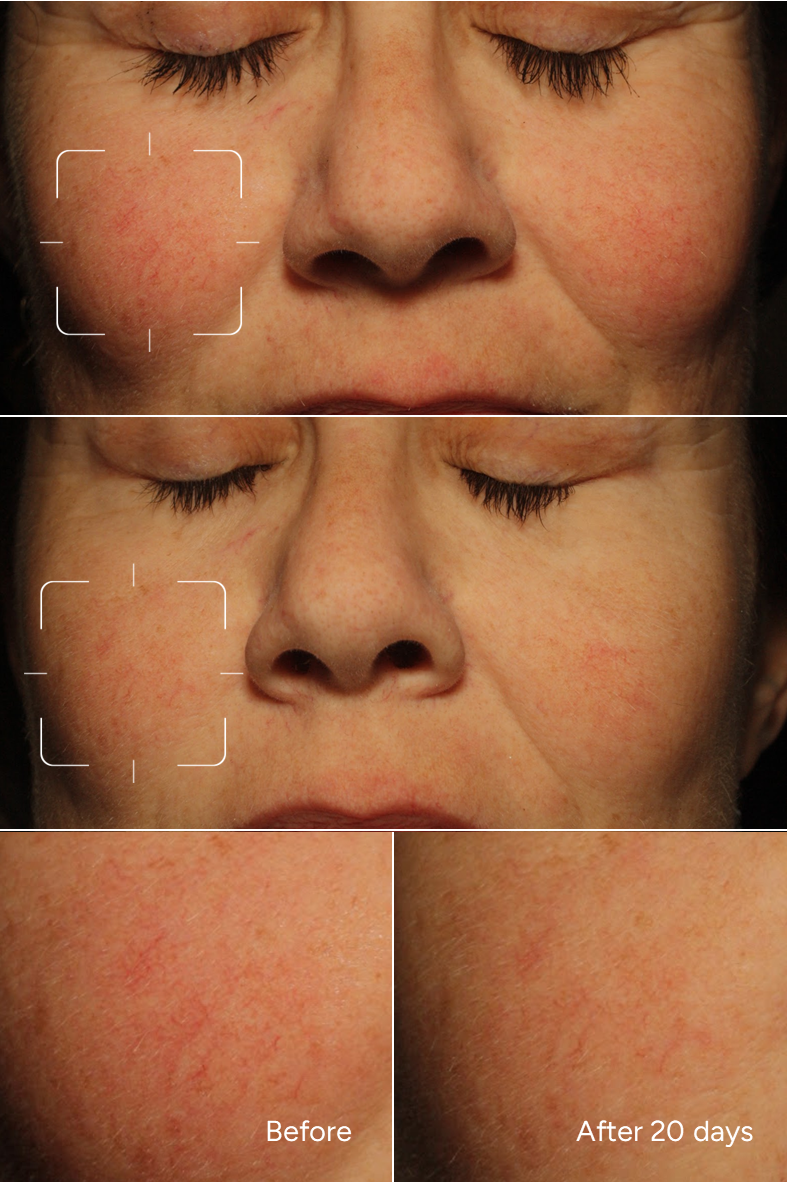
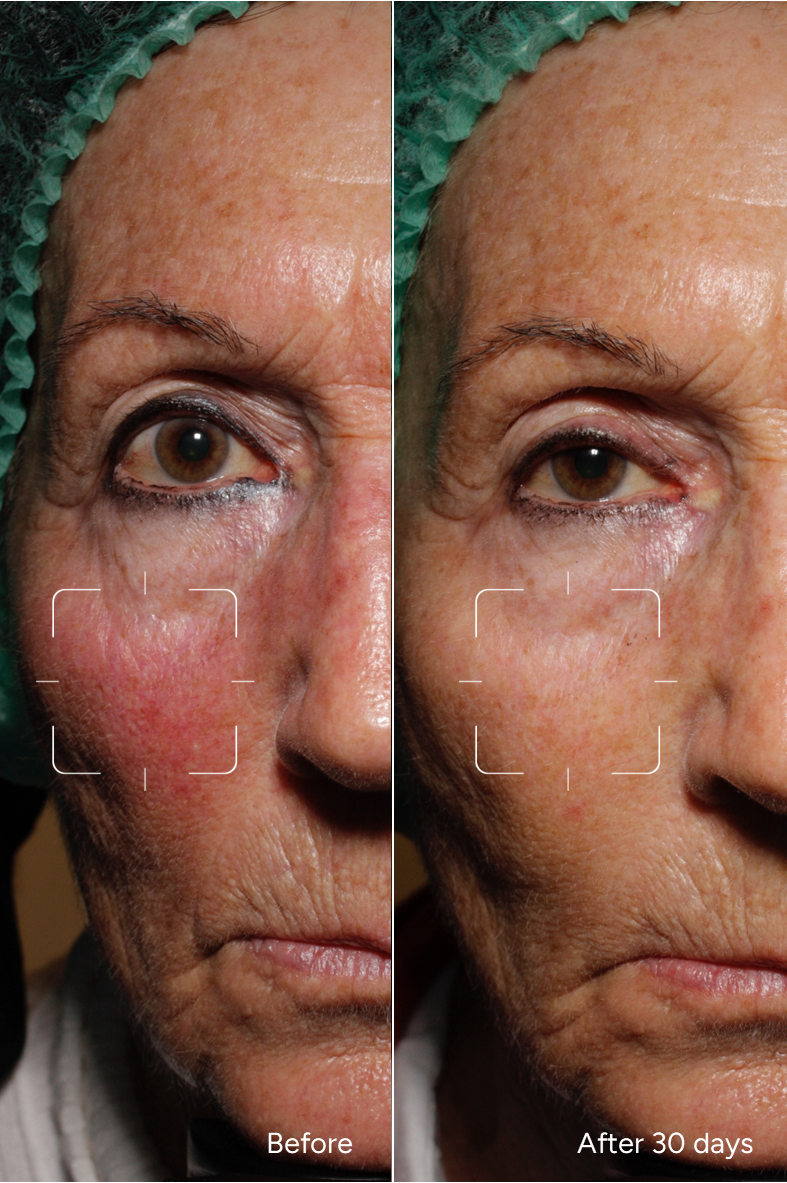
At Universkin, we understand the challenges of redness and have developed a personalized skincare solution to help calm, soothe, and restore the skin's natural balance. Our key active ingredients work together to target the root causes of redness and restore a healthy, even complexion.
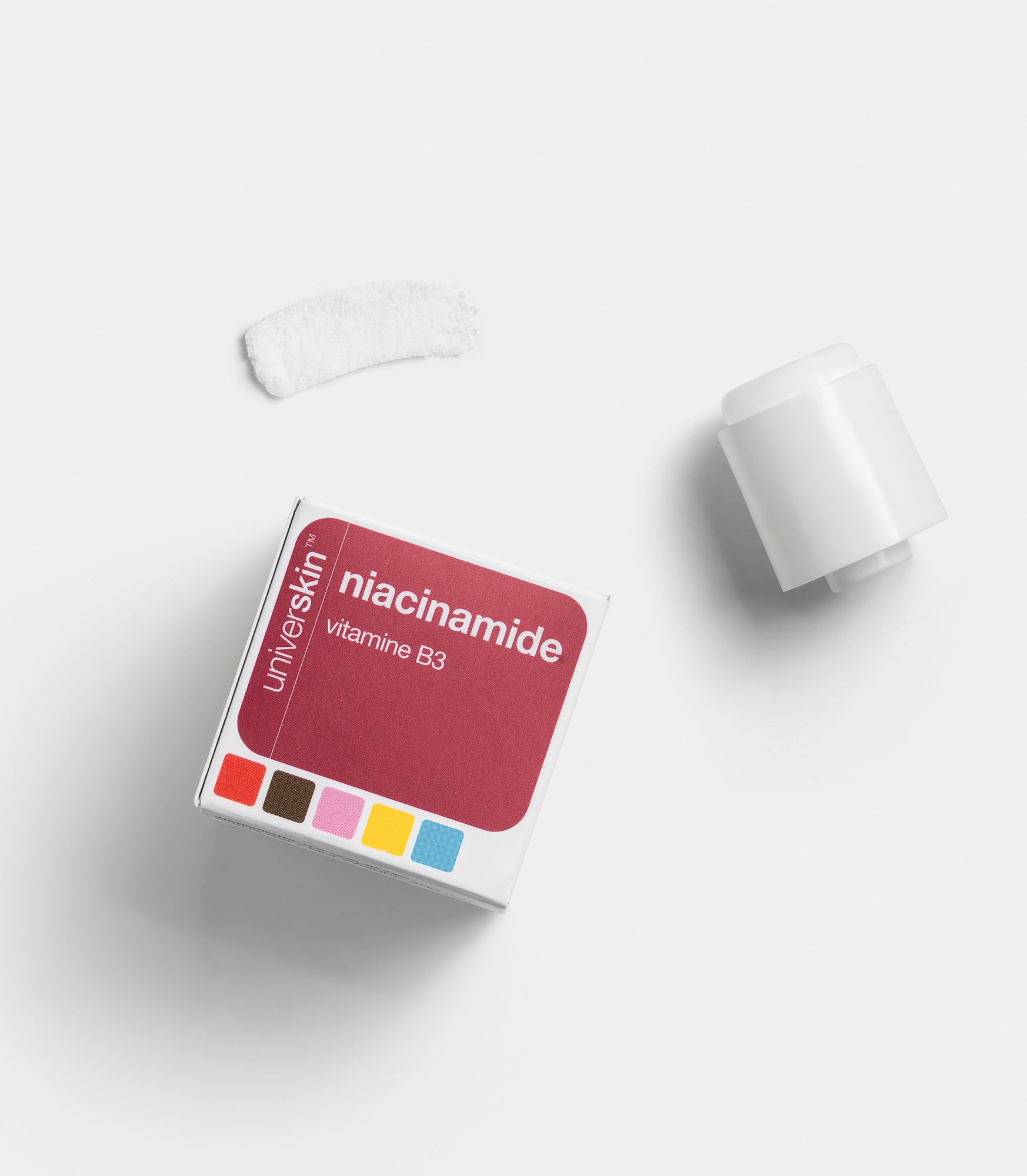
4% PER DOSE
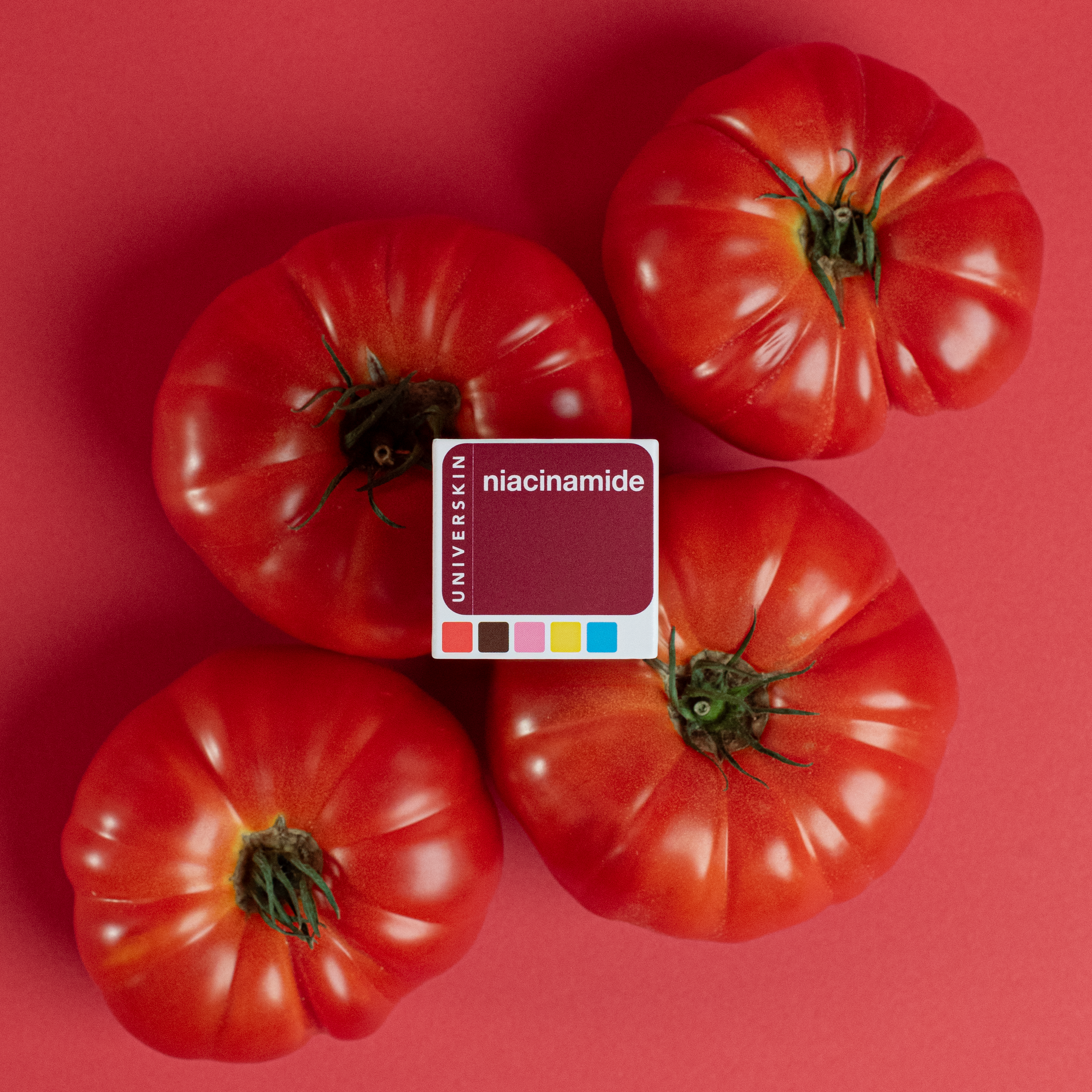
NIACINAMIDE
Niacinamide, or Vitamin B3, serves to sooth skin inflammation. It regulates hyperpigmentation, improves skin's barrier, and stimulates new collagen synthesis. Suitable for all skin types.
learn more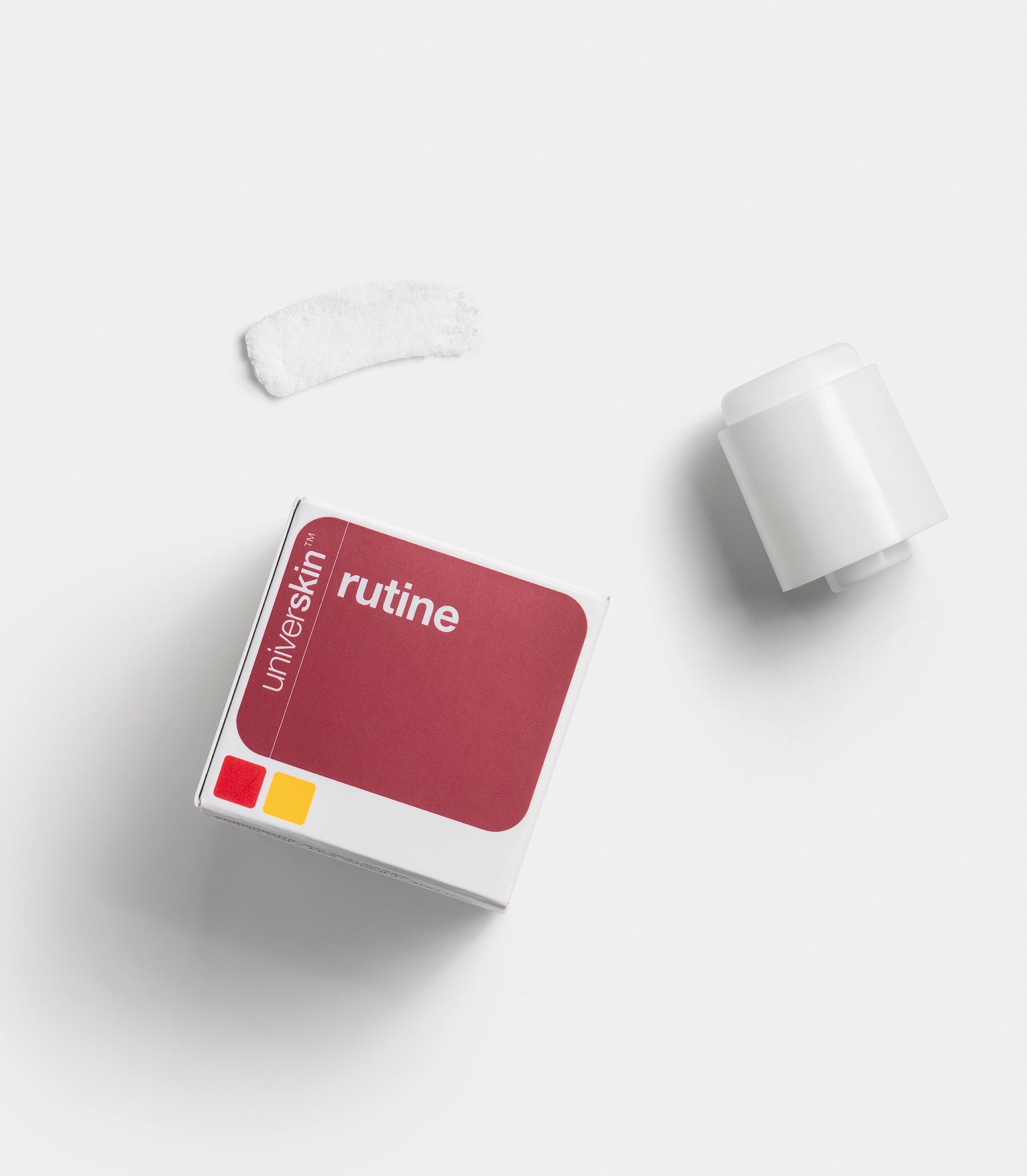
3.2% PER DOSE
RUTIN
Rutin protects and strengthen the blood vessels, thereby preventing visible broken capillaries on the skin surface. Additionally, it drains and improves lymphatic circulation.
learn more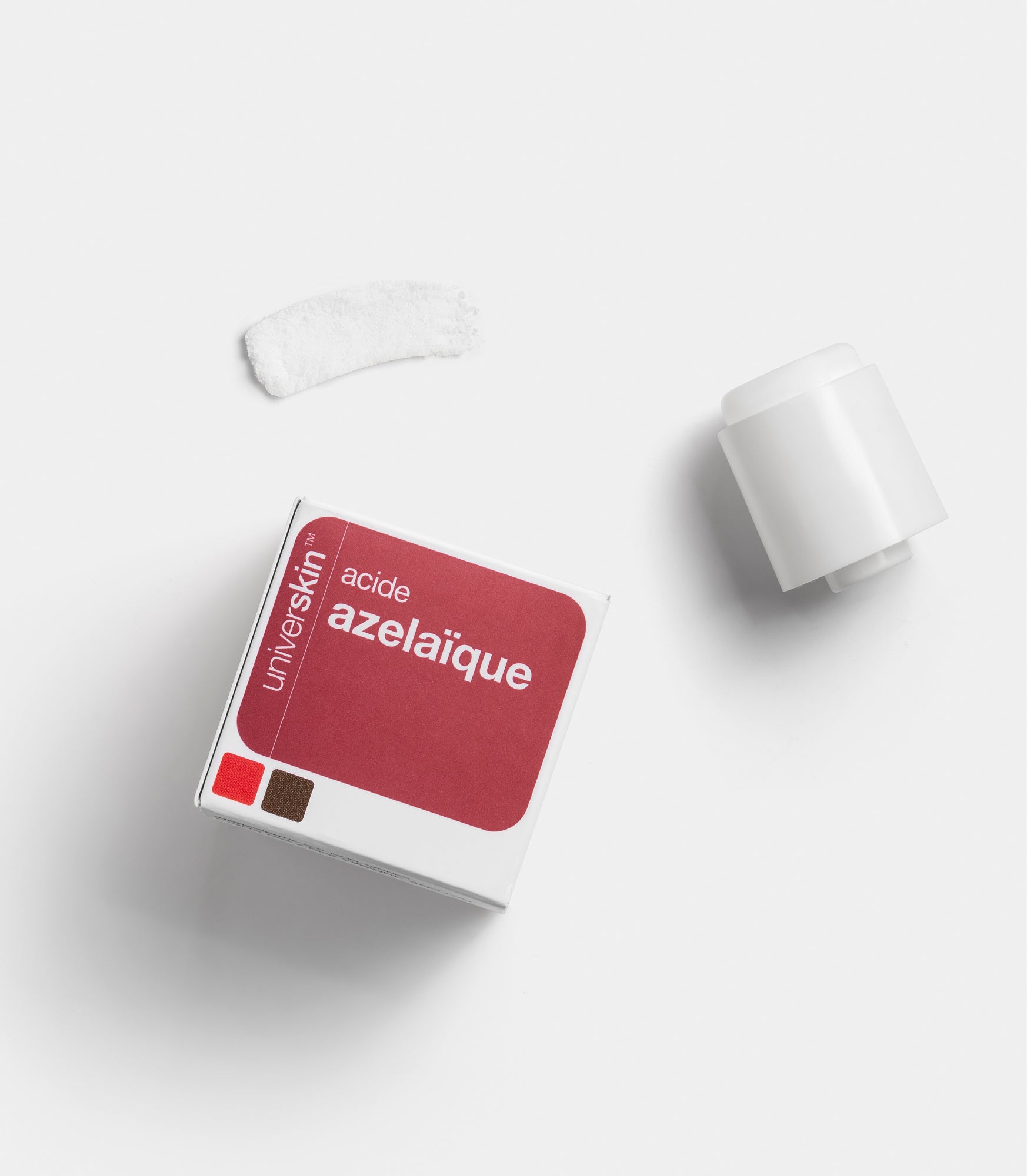
5.4% PER DOSE
AZELAIC ACID
Azelaic acid serves as a powerful agent against acne and inflammation. Additionally, acting indirectly as a tyrosinase inhibitor, it helps even out skin tone.
learn moreAt Universkin, we understand that redness and inflammation can be a frustrating and persistent skin concern. That's why we've developed a personalized skincare solution that specifically targets these issues using active ingredients such as niacinamide, rutin, and azelaic acid.
Niacinamide, also known as Vitamin B3, has a broad range of benefits for the skin. It's been shown to reduce redness and improve the overall appearance of skin. It helps to strengthen the skin barrier, calm inflammation, and improve the skin's natural ability to retain moisture. It’s a key player in brightening the complexion.
Rutin is a biflavonoid that has powerful antioxidant properties. It helps to protect the skin from oxidative stress, which can contribute to redness and inflammageing. It helps to soothe and calm irritated skin and strengthe blood vessels, helping to reduce the appearance of spider veins and other vascular skin issues.
Azelaic acid is a naturally occurring dicarboxylic acid that has antibacterial activity and has been shown to effectively reduce redness and inflammation signs. It’s commonly used in acne and rosacea prone skins. It has brightening action particularly by
avoiding post inflammatory hyperpigmentation.
By combining these active ingredients in our personalized skincare solution, we're able to effectively target and soothe the signs of redness and inflammation, leaving you with a calm, comfortable complexion.
Redness