Dry & Dehydrated Skin: Causes, Signs & Treatment
If your skin feels tight after cleansing, looks dull by mid-afternoon, or flakes when you smile, you are dealing with one of the most common — and most misunderstood — skin concerns: dryness and dehydration. People describe it in dozens of ways: skin that feels “parched,” “papery,” or “stretched,” makeup that clings to dry patches, fine lines that look more obvious than they did last week, or an all-day sensation of tightness that no amount of water seems to fix.
Here is the distinction that changes everything: dry skin is a skin type that lacks oil (lipids), while dehydrated skin is a temporary condition that lacks water. That is why even oily and combination skin can feel dehydrated — you can be shiny in the T-zone and still tight, dull and flaky. In Universkin’s diagnostic map, this concern sits in the blue zone, which reads how well your skin holds onto moisture and keeps its barrier intact.
The signs people most often search for include:
- Tightness — especially just after washing your face, or that pulled, stretched feeling by the end of the day.
- Flaking or rough patches — skin that feels papery, or flakes that show through makeup and foundation.
- Dullness — a tired, lacklustre look and a loss of natural glow.
- Fine lines that look more obvious — dehydration temporarily exaggerates the appearance of fine lines and crepey texture.
- Itching, sensitivity or occasional stinging — a sign the barrier is compromised and reacting to products it used to tolerate.
Recognising which signs you have is the first step to treating them properly, because the fix for a lack of water is different from the fix for a lack of oil.
What causes dryness and dehydration?
Both dryness and dehydration come back to one core idea: the skin barrier (the outer layer of cells and lipids that keeps water in and irritants out) is not doing its job well enough. When that barrier is compromised, water evaporates too quickly — a process called transepidermal water loss — and skin is left tight, rough and dull.
The most common triggers include:
- Environment & season: cold air, wind, low humidity, indoor heating and air conditioning all pull moisture from the skin. Many people notice their skin is driest in winter or after long flights.
- Over-cleansing and harsh products: foaming cleansers, high concentrations of alcohol, and frequent exfoliation strip the very lipids your barrier depends on.
- Hot water: long, hot showers feel wonderful but dissolve surface oils and leave skin more dehydrated afterwards.
- Sun exposure: UV damage weakens the barrier over time, making it harder for skin to retain water.
- Age: skin naturally produces fewer lipids and natural moisturizing factors as we get older, so it dehydrates more easily.
- Lifestyle factors: stress, poor sleep, some medications, smoking and low overall hydration can all reduce the skin’s ability to hold water.
- Over-active routines: too many strong actives at once (retinoids, acids, vitamin C) can quietly compromise the barrier and leave skin sensitised and dehydrated.
A quick check dermatologists mention is the pinch test: gently pinch the skin on your cheek and release. If it takes a moment to settle back, dehydration is likely. If it snaps back but still feels rough or flaky, your skin type leans dry. Many people have both at once — a dry skin type going through a dehydrated phase.
How to manage and treat dryness and dehydration
The good news: dehydration is very responsive to the right routine, and with consistent care most people see meaningful improvement within a few weeks as the barrier repairs. The goal is simple — put water back in, and stop it escaping. A sensible approach layers three kinds of ingredients:
- Humectants (like hyaluronic acid, glycerin, panthenol and aloe) draw water into the skin.
- Emollients (like squalane and fatty acids) smooth and soften the surface.
- Occlusives (like plant butters and ceramide-rich creams) form a light seal so hydration does not evaporate.
Practical habits that make the biggest difference:
- Switch to a gentle, non-stripping cleanser — creamy, milky or oil-based — and use lukewarm rather than hot water.
- Apply hydrating serums to slightly damp skin, then follow immediately with a moisturizer to lock everything in. In very dry air, always seal a humectant with a cream — otherwise it can draw water out rather than in.
- Ease off strong actives temporarily if skin is stinging or flaking, and reintroduce them slowly.
- Wear broad-spectrum SPF every day — protecting the barrier from UV is one of the most effective long-term hydration strategies.
- Consider a humidifier in heated or air-conditioned rooms.
- Be consistent. Hydration is cumulative; results build over 2–4 weeks, sometimes longer for a very compromised barrier.
If tightness, flaking or itching persists despite a gentle, well-formulated routine, it is worth seeking professional advice — persistent dryness can sometimes signal an underlying condition such as eczema or psoriasis that benefits from tailored treatment.
Key ingredients that target dryness and dehydration
Not every hydrating ingredient does the same job. The most effective formulas for dry, dehydrated skin combine ingredients that attract water, calm the barrier and reduce moisture loss. Three actives stand out:
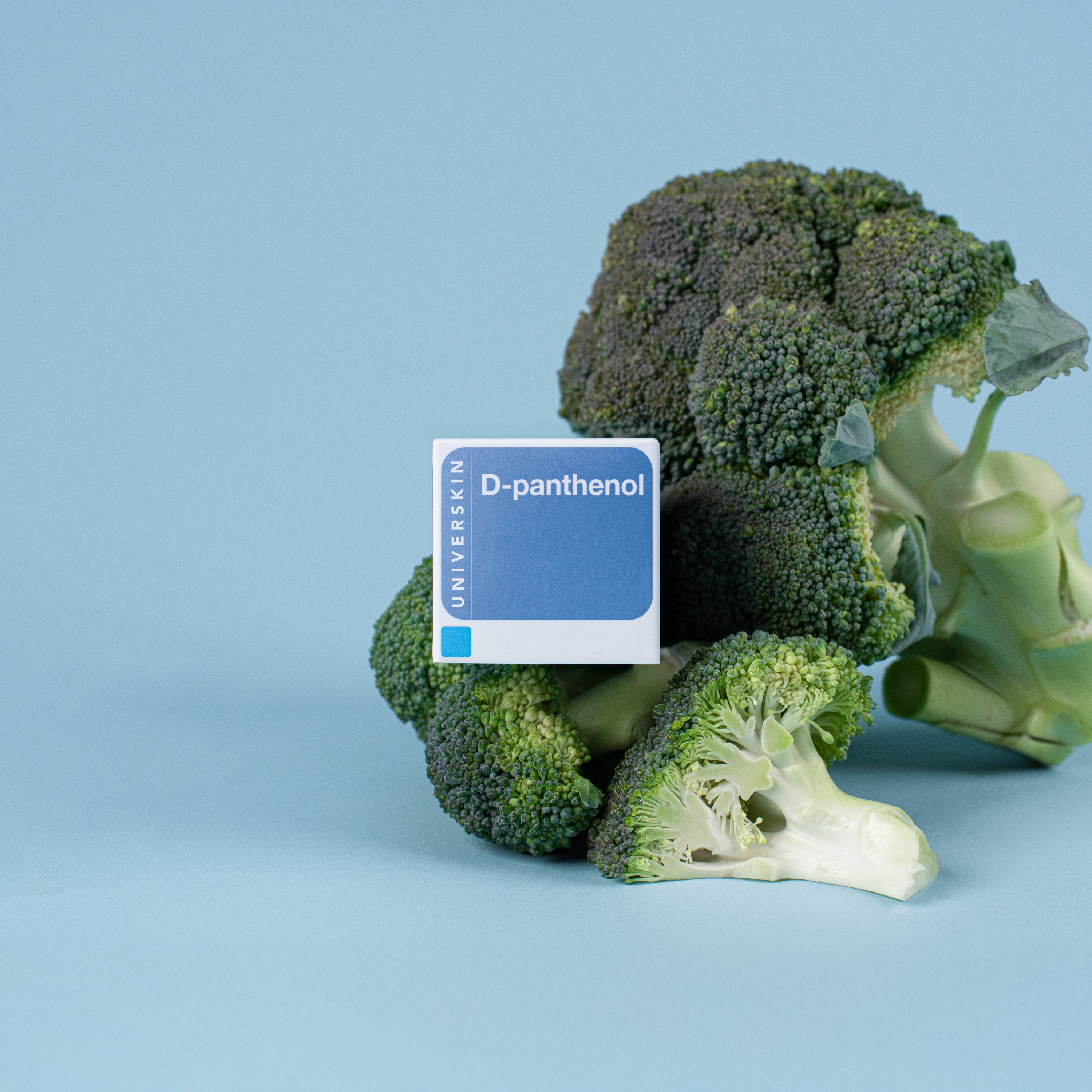
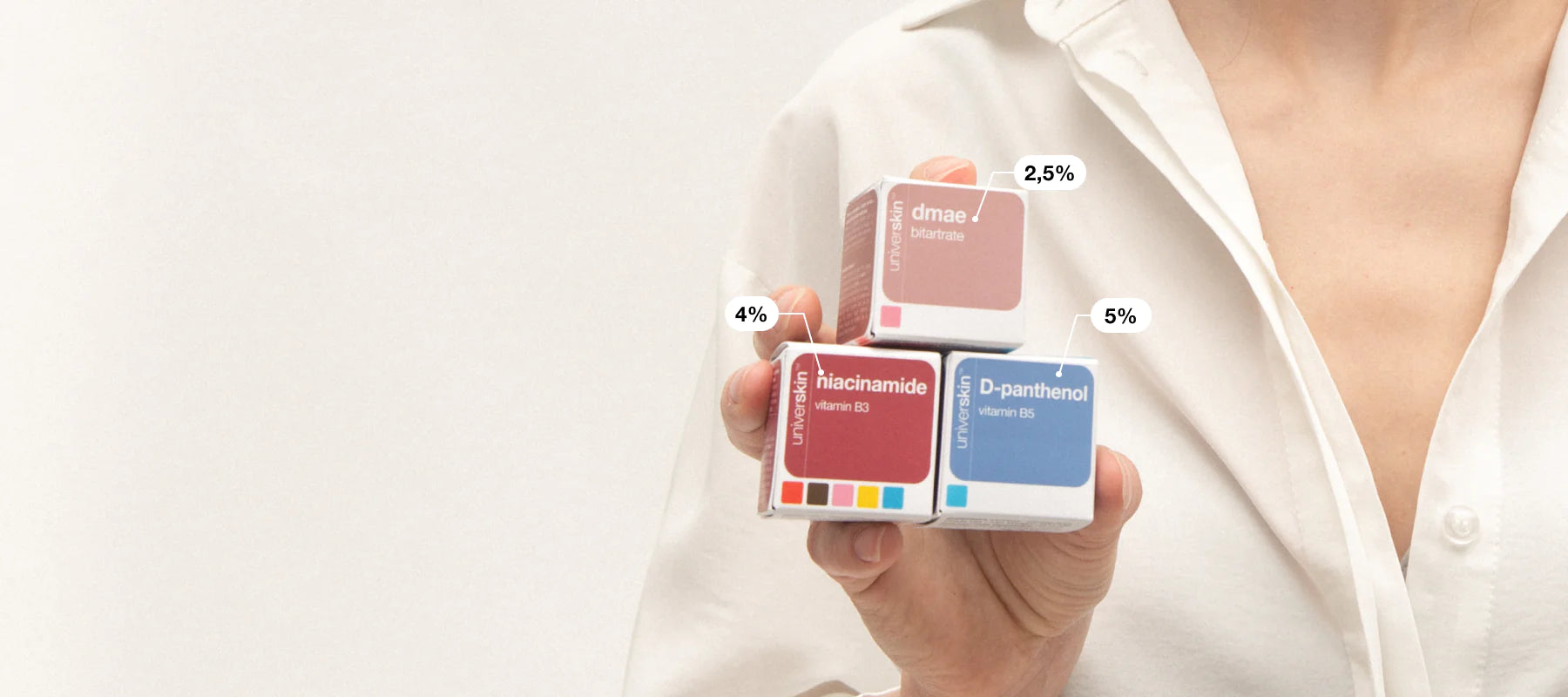
- D-Panthenol (provitamin B5) is a star humectant that also supports barrier repair and helps soothe the tightness and redness that come with dehydration. It draws water into the skin and helps reduce transepidermal water loss, making skin feel softer and more comfortable. Learn more about D-Panthenol and how it hydrates and calms.
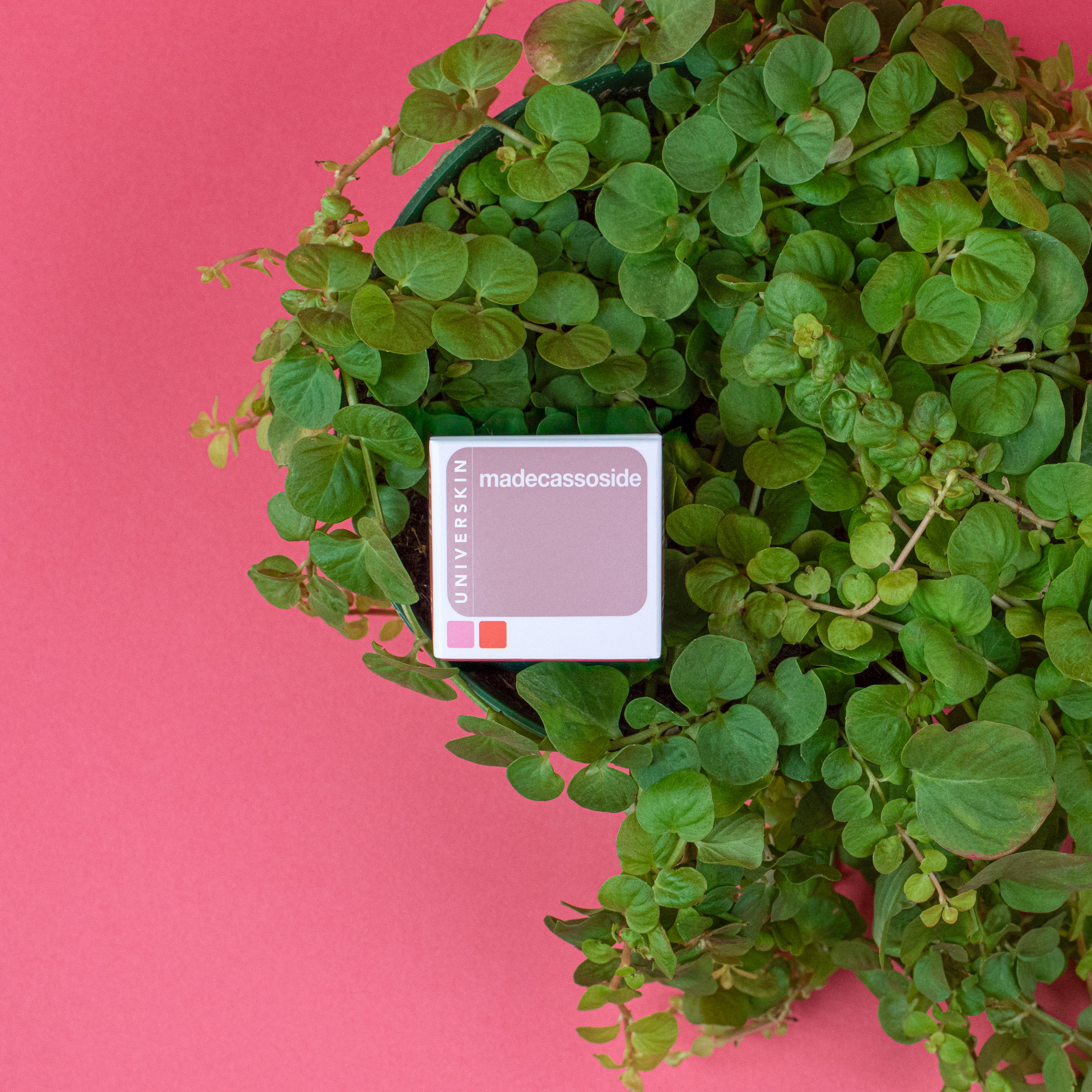
- Madecassoside, derived from Centella asiatica, is prized for soothing sensitised, compromised skin and supporting the barrier as it rebuilds. It is especially useful when dehydration comes with irritation or reactivity. Explore Madecassoside for barrier comfort and calm.
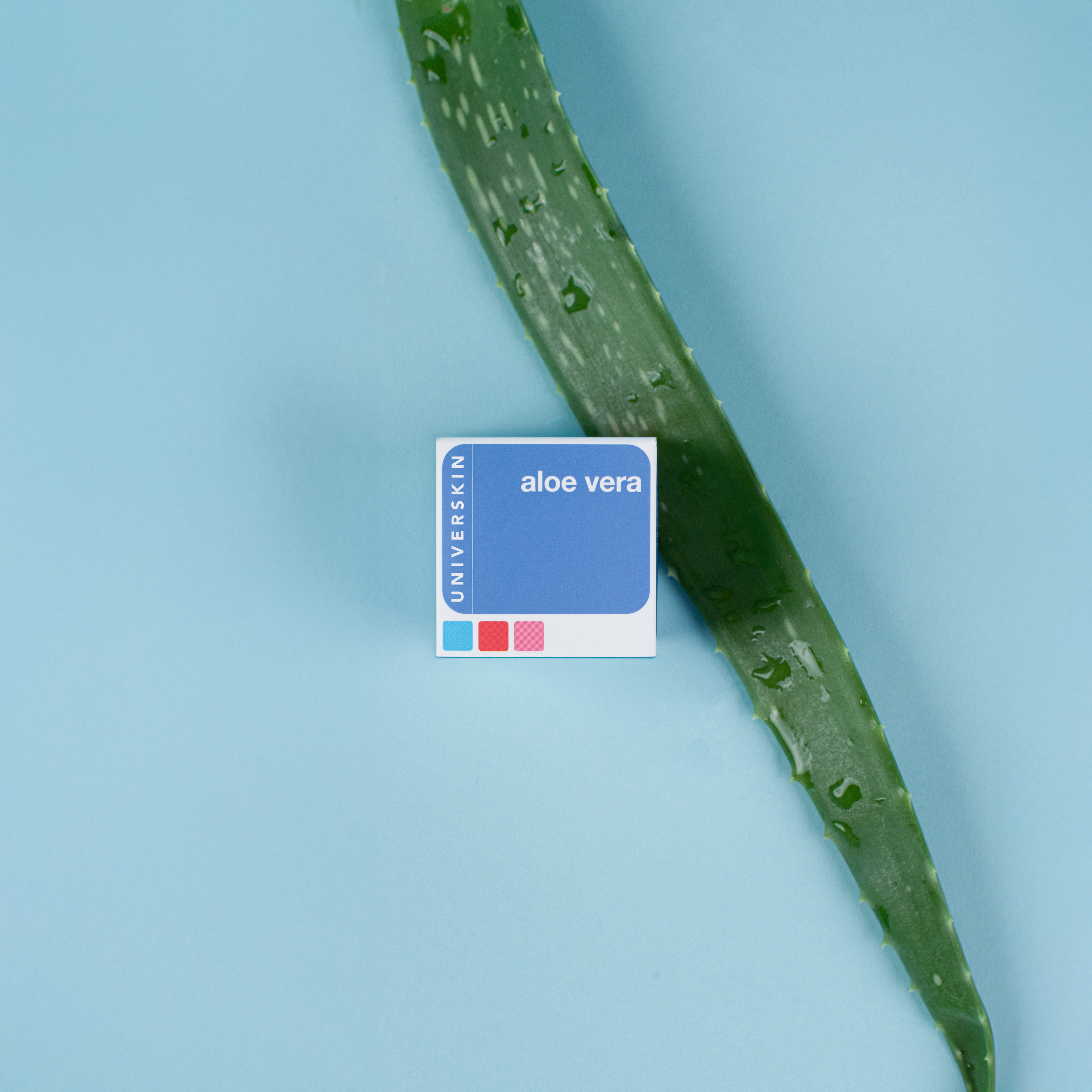
- Aloe Vera is a gentle, water-loving humectant that hydrates while calming heat and tightness — a classic choice for skin that feels dry, dull and a little sensitive. See how Aloe Vera delivers lightweight, soothing hydration.
The real advantage comes from combining the right actives at the right strength for your skin — rather than layering a shelf of separate products and hoping they work together.
Your personalized dryness and dehydration approach
Generic “hydrating” products treat an average face. Yours is not average. Two people can both have tight, flaky skin for completely different reasons — one from a stripped barrier, another from age-related lipid loss, another from over-exfoliation — and each needs a different balance of ingredients.
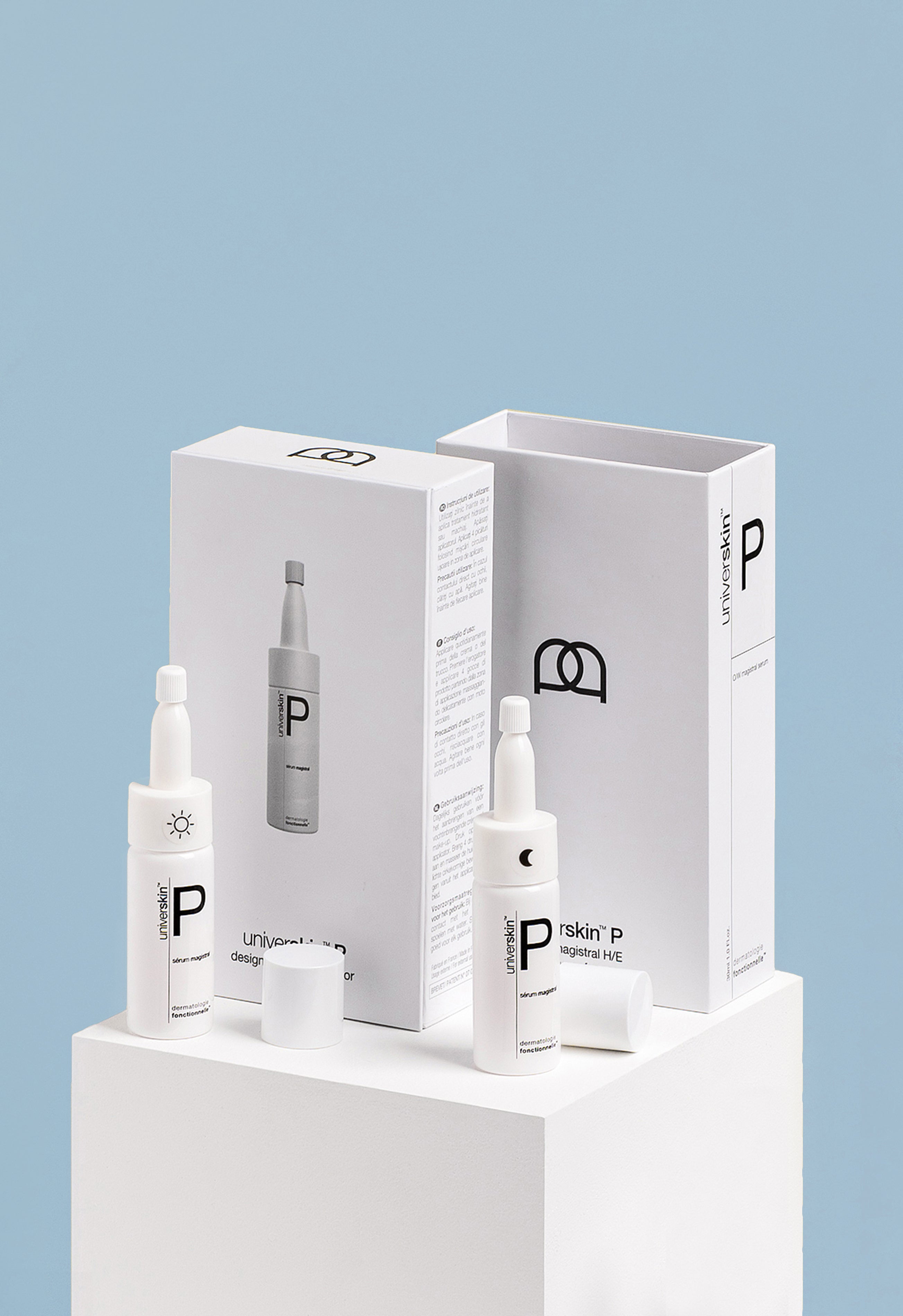
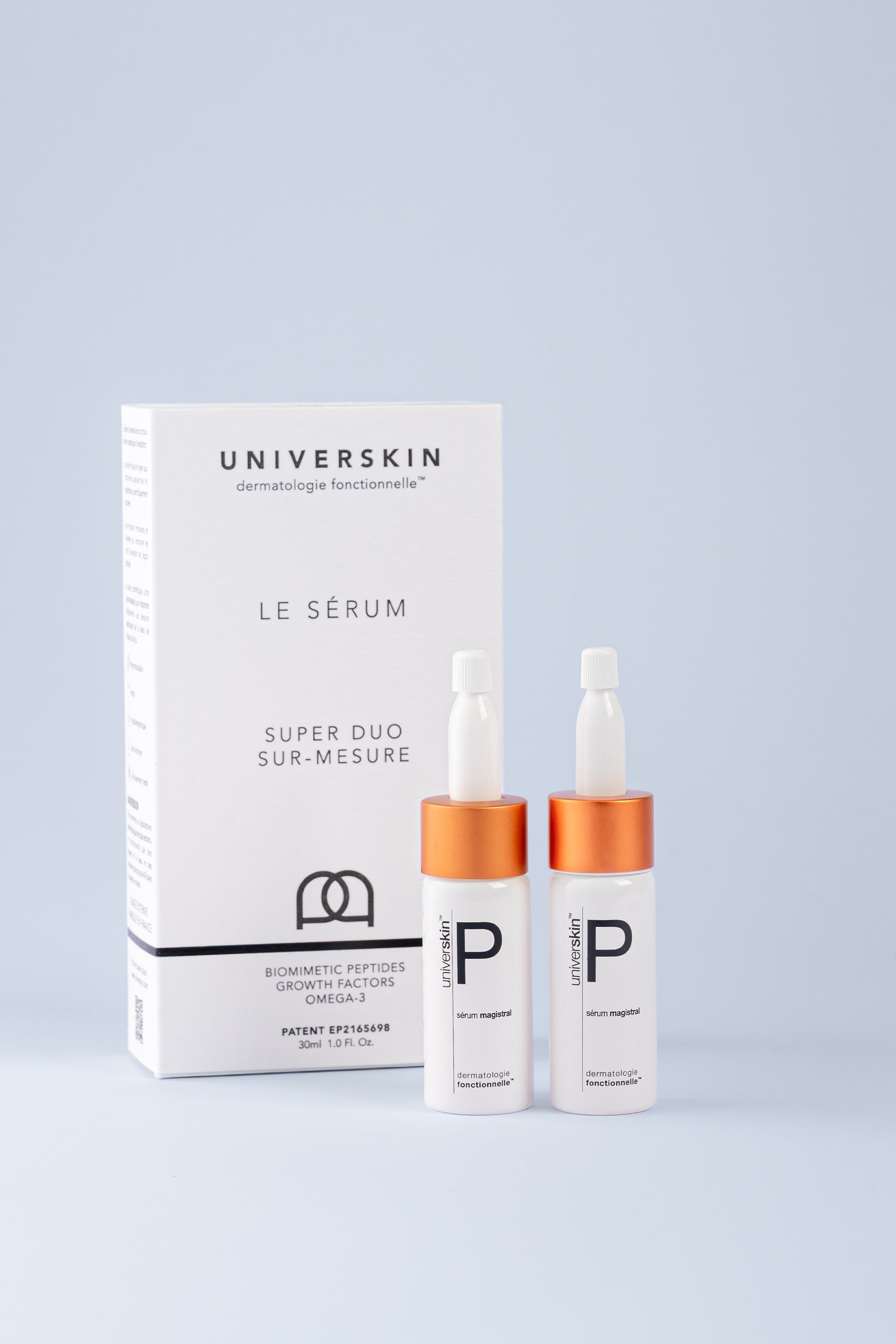
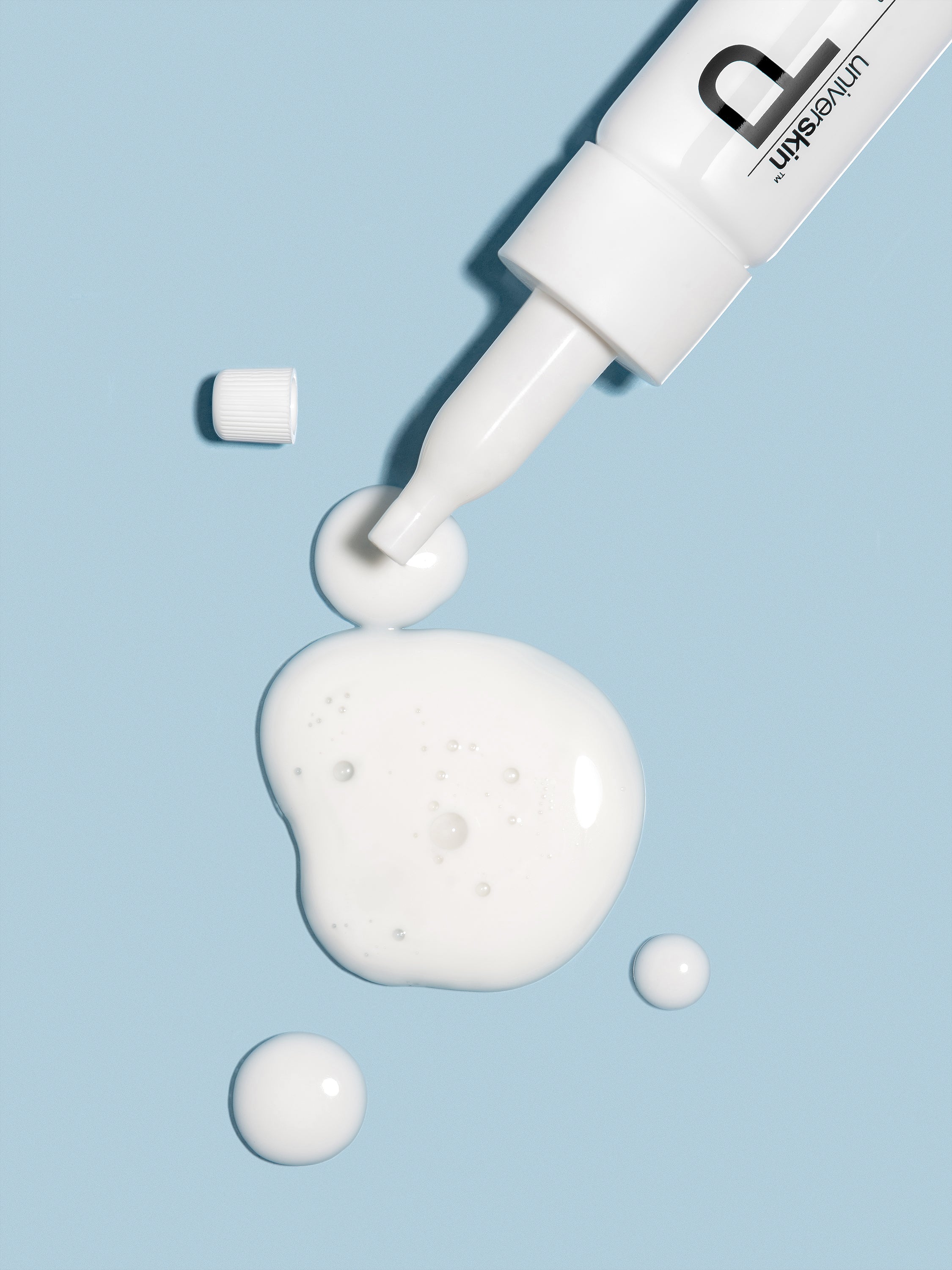
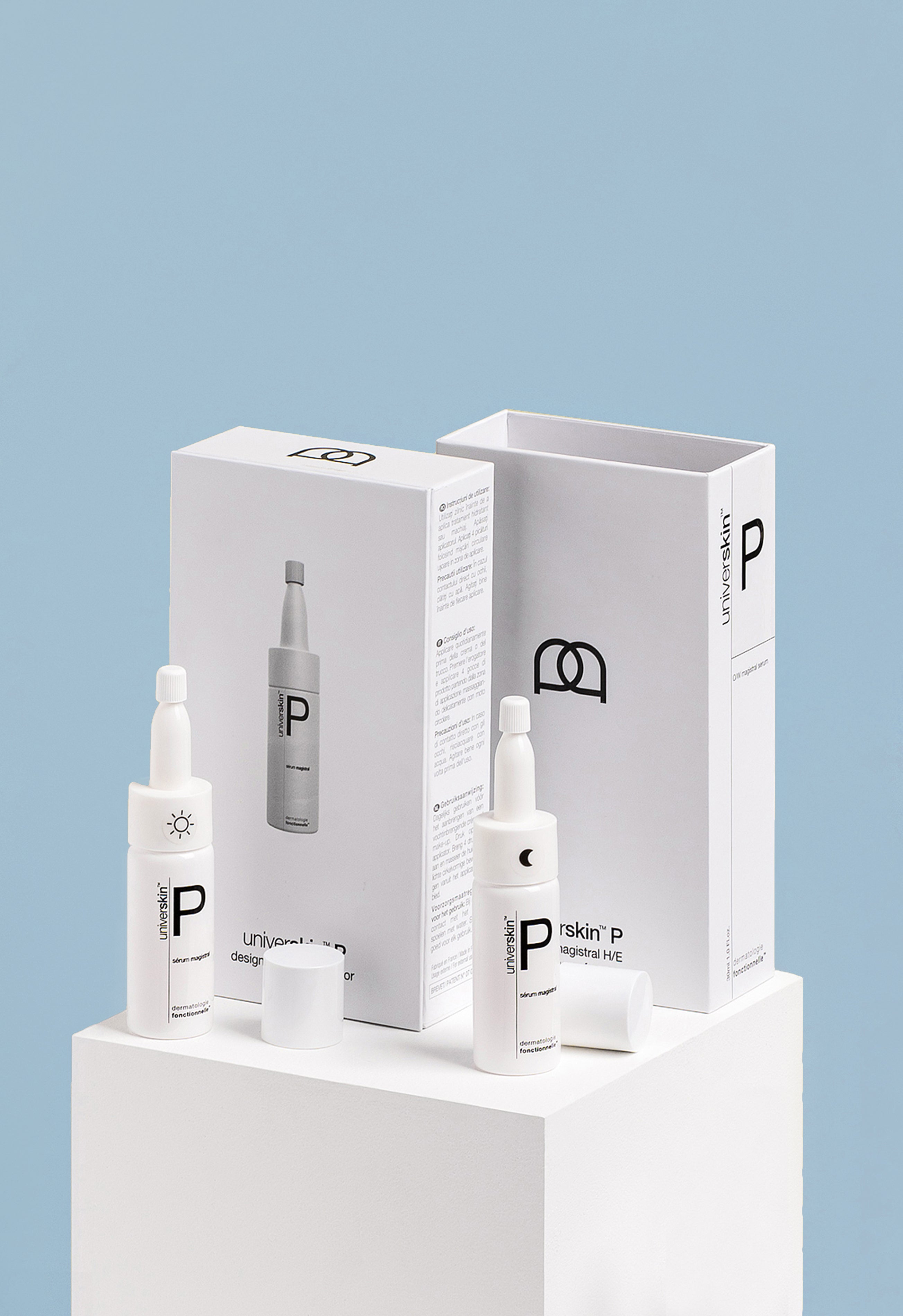
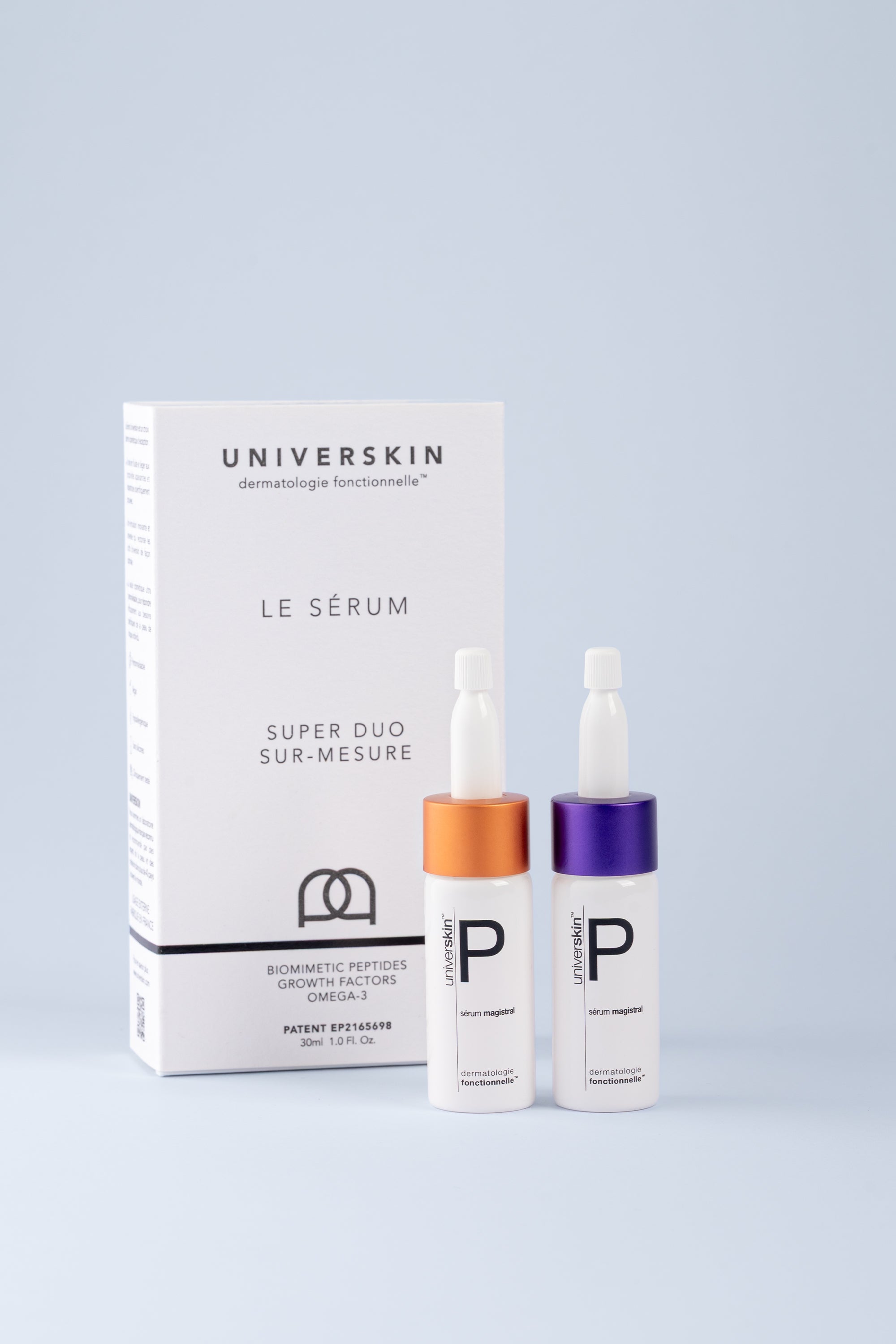
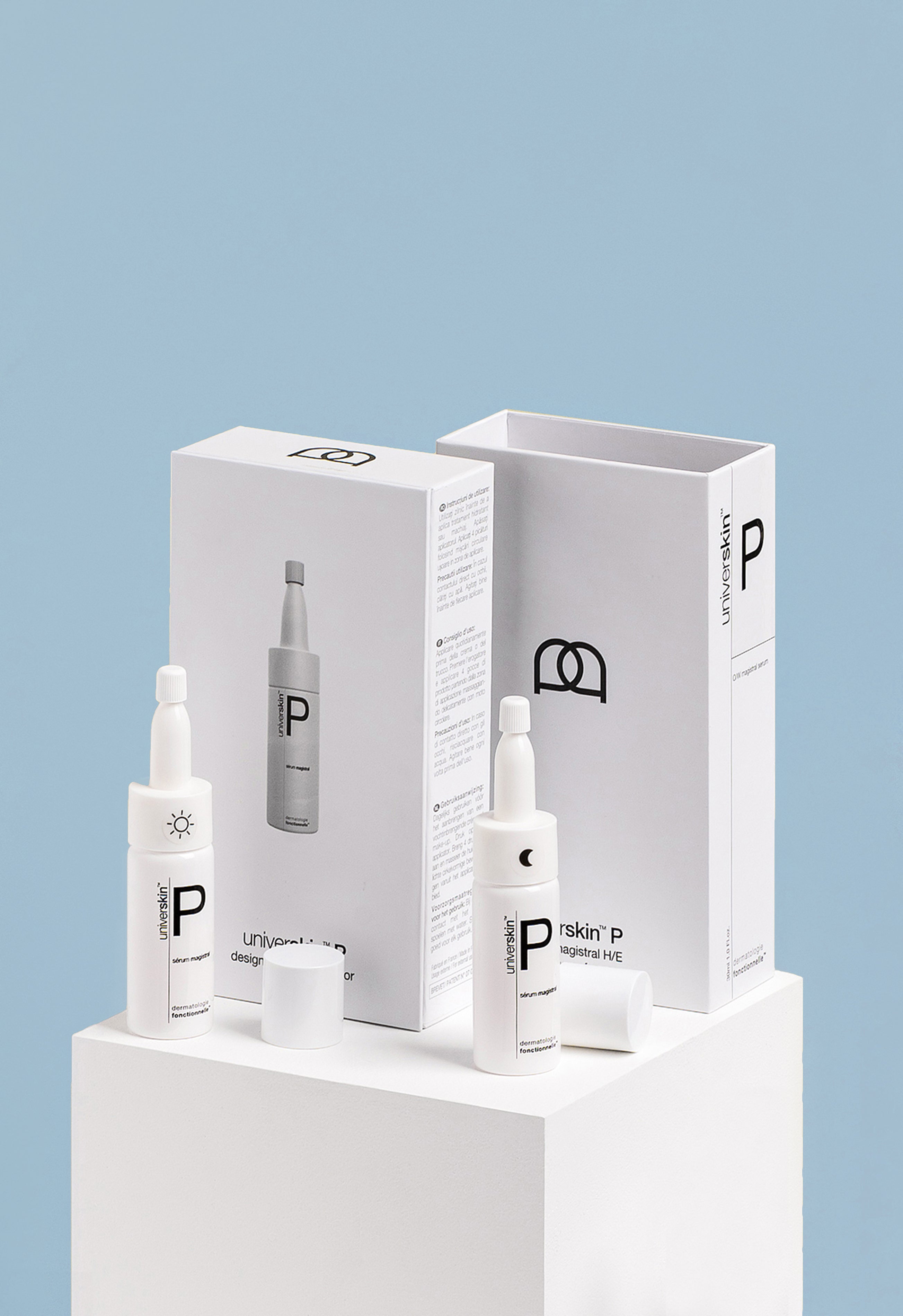
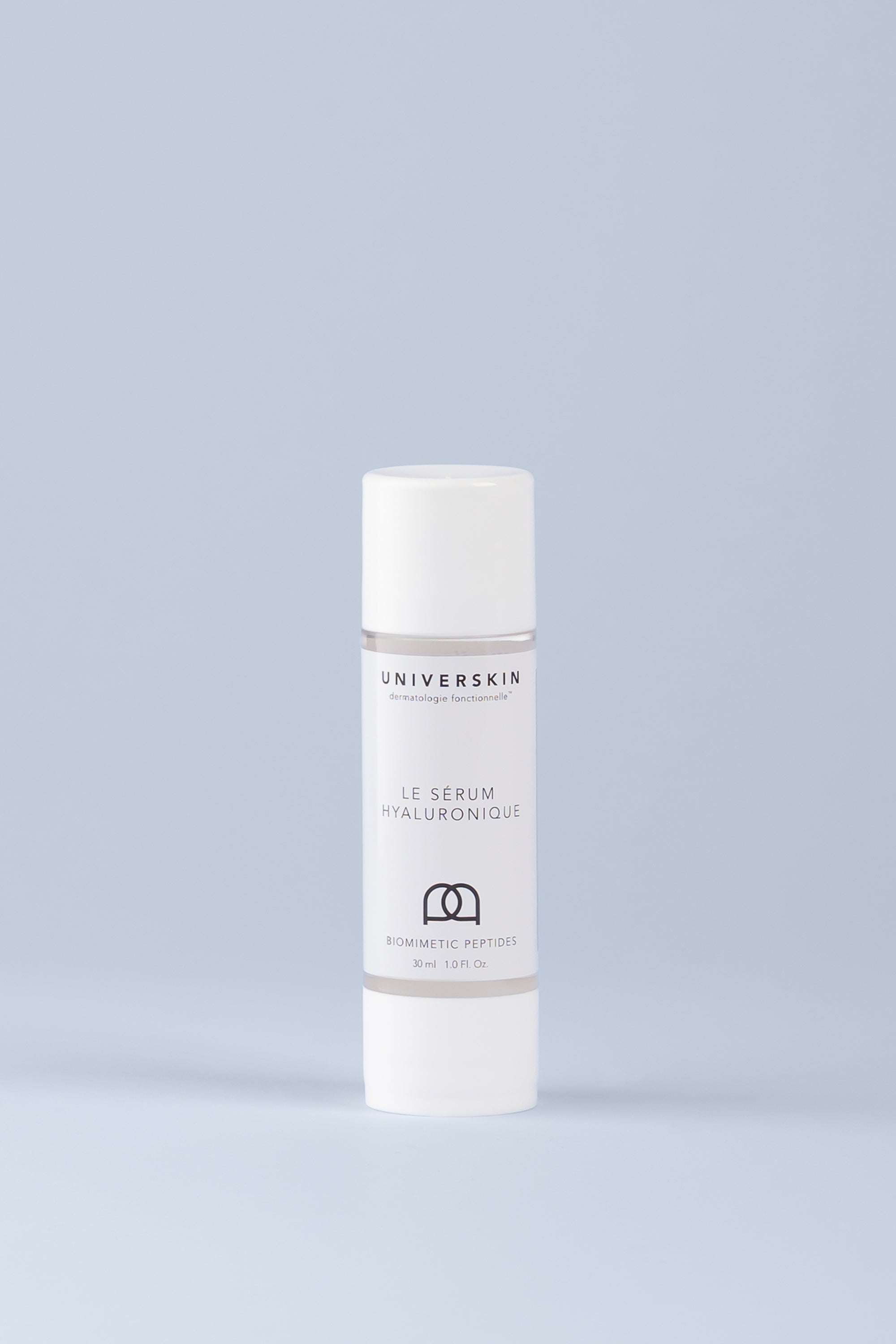
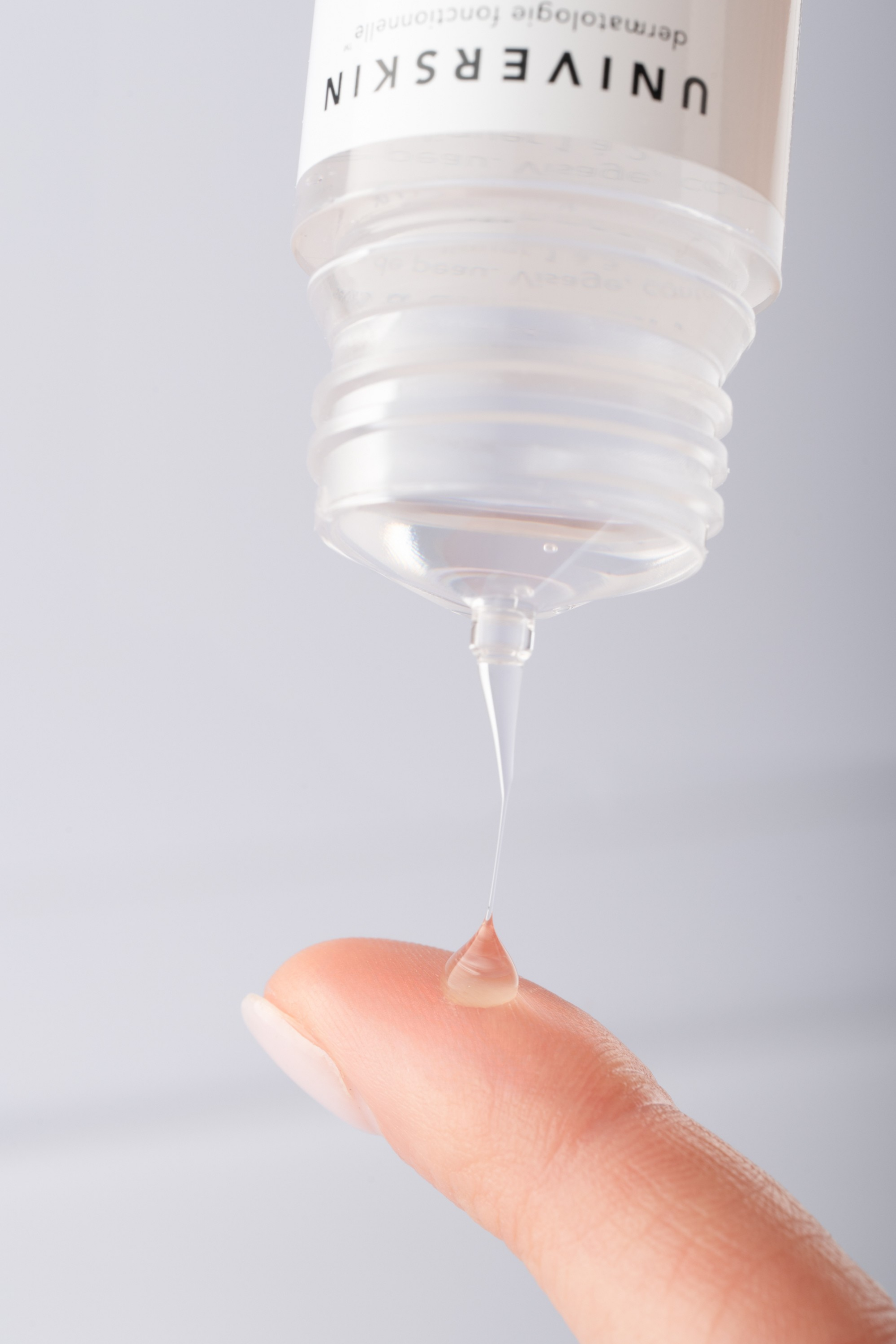
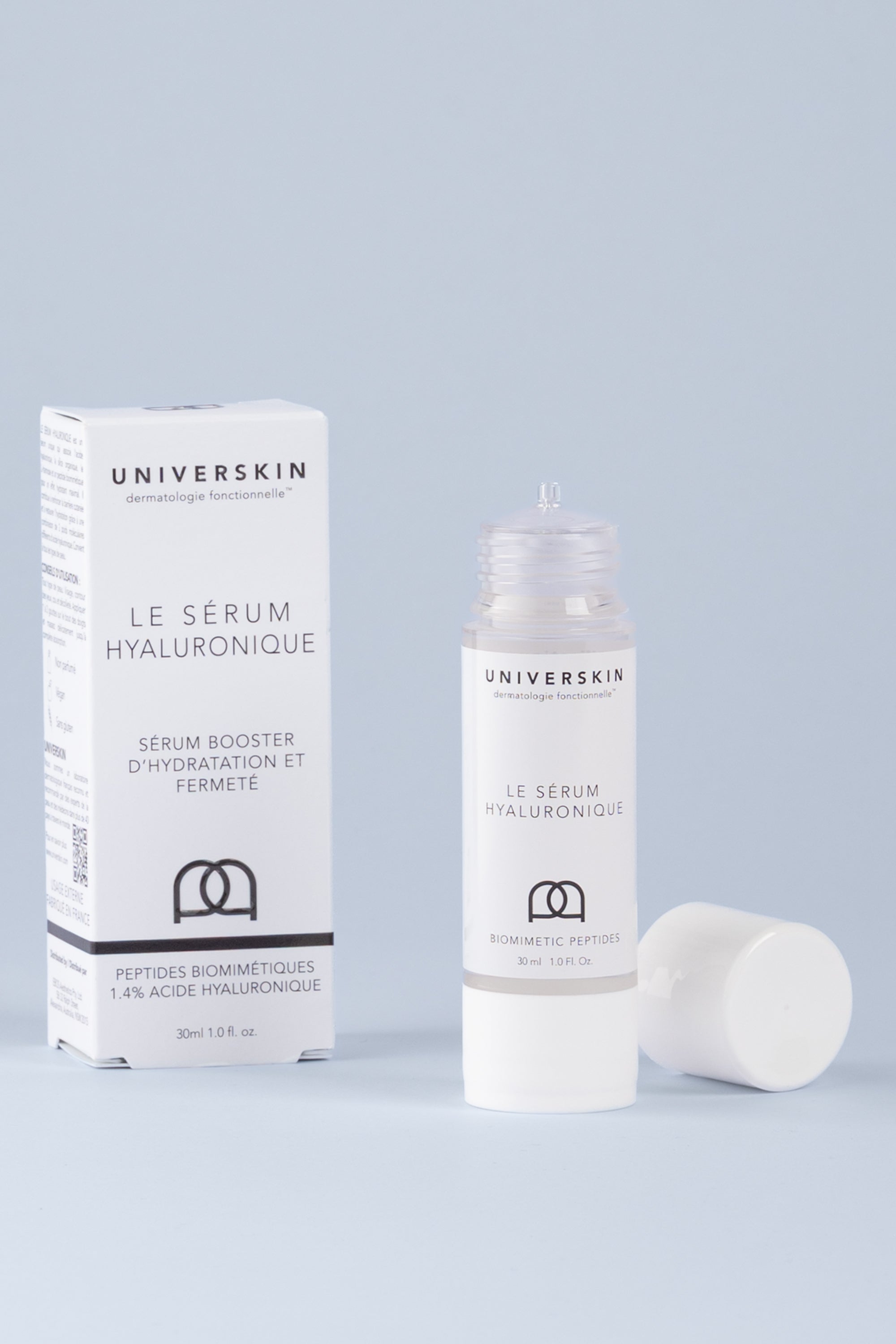
That is exactly what Universkin is built for. Our AI skin analysis reads your skin across many parameters, including how well it holds moisture in the blue hydration zone. A qualified doctor then interprets that analysis and designs a custom serum, dosing actives such as panthenol, madecassoside and aloe as capsules at concentrations chosen specifically for your barrier and your triggers — no guesswork, no one-size-fits-all.
The result is a single, considered formula that targets your dryness and dehydration precisely, and evolves as your skin changes with the seasons. You can begin with your personalized skin analysis or explore our dryness & dehydration collection to see how targeted hydration is built.
Frequently asked questions
What is the difference between dry and dehydrated skin?
Dry skin is a skin type that lacks oil and tends to be flaky year-round. Dehydrated skin is a temporary condition where the skin lacks water, and it can affect any skin type — including oily. Dehydrated skin often feels tight and looks dull but may still be shiny. Many people experience both at the same time.
How long does it take for dehydrated skin to improve?
With a consistent, barrier-friendly routine, most people notice their skin feeling more comfortable within a couple of weeks, with fuller improvement over roughly 2–4 weeks. A badly compromised barrier can take longer. If there is no change after several weeks of gentle care, consider seeing a professional to rule out an underlying skin condition.
Can drinking more water fix dehydrated skin?
Staying well hydrated supports overall health, but drinking extra water is not a reliable way to hydrate the skin on its own. Skin moisture is mostly governed by external factors — your cleanser, the environment and how well your barrier holds water. Topical humectants sealed with a moisturizer make a far bigger, more visible difference.
Can oily skin be dehydrated?
Yes. Dehydration is about a lack of water, not oil, so oily and combination skin can absolutely be dehydrated. In fact, over-stripping oily skin with harsh cleansers can trigger it — leaving skin that is simultaneously shiny and tight. Lightweight, water-based hydration usually helps without adding heaviness.
When should I see a professional about dry or dehydrated skin?
If dryness, flaking, itching or tightness persists despite a gentle routine, or if you see redness, cracking or discomfort that interferes with daily life, it is worth getting personalized guidance. Persistent symptoms can sometimes reflect conditions such as eczema or psoriasis. A tailored assessment — like a doctor-led skin analysis — helps identify the right approach for you.
Related skin concerns
Skin concerns rarely come alone. Explore related concerns that may be affecting your skin:
Universkin personalized approach to dry skin
At Universkin, we understand the unique challenges of dry skin and offer personalized skincare solutions to address this concern.
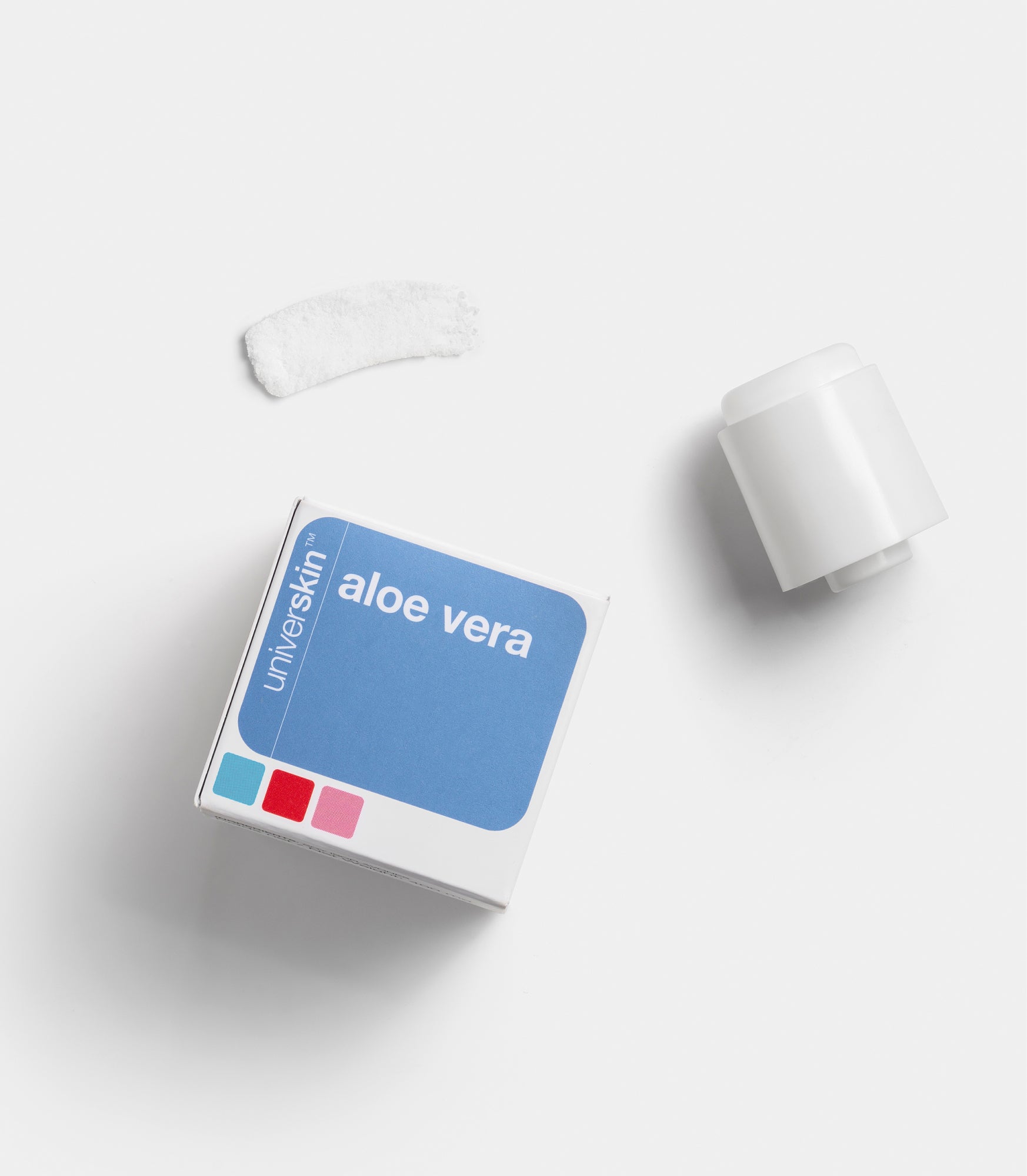
5.4% PER DOSE, UP TO 16.2%
Aloe vera
With wound-healing and anti-inflammatory properties, aloe vera stimulates skin healing and regeneration, provides intense hydration, and improves the skin’s natural firmness.
learn more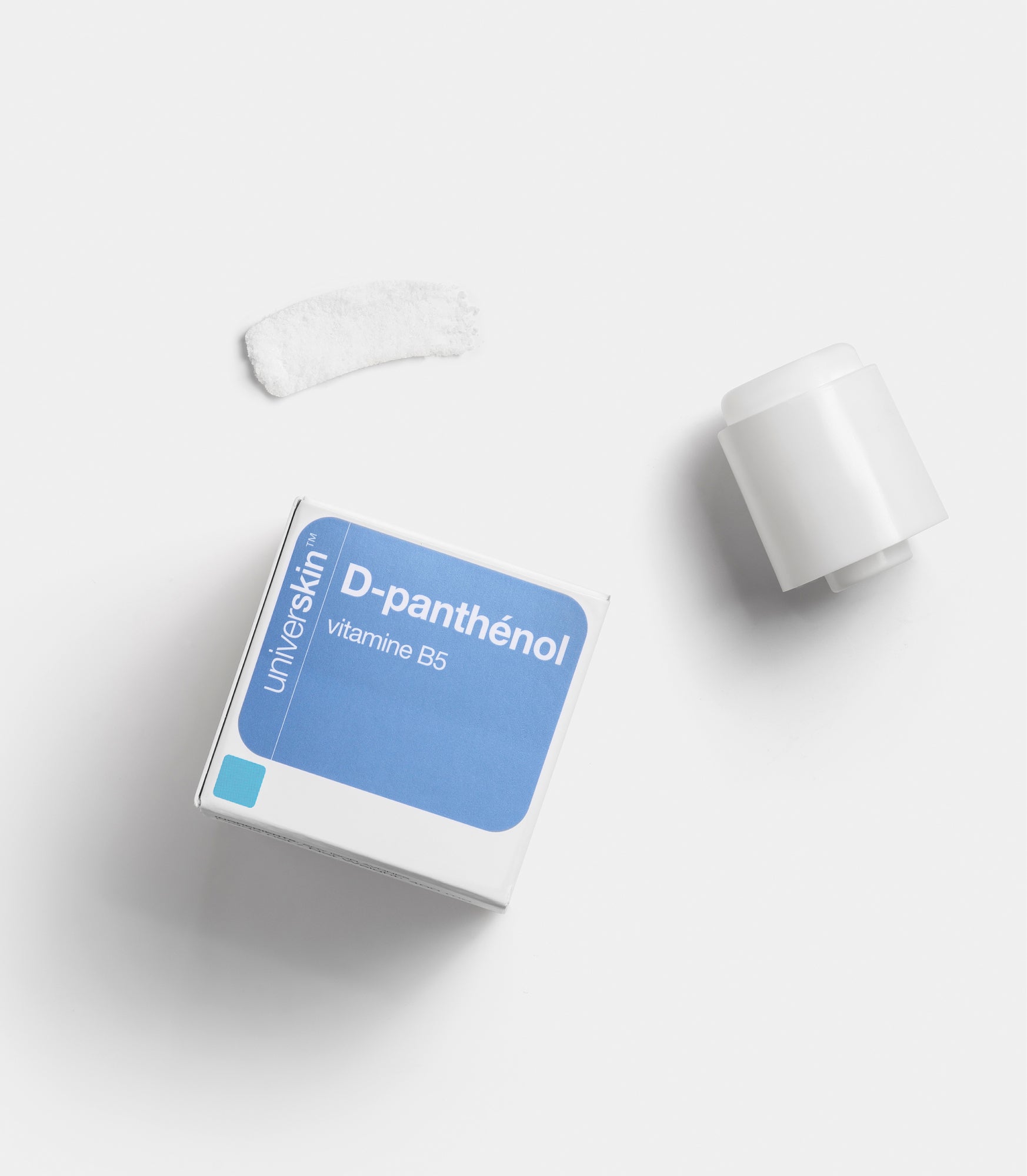
1% PER DOSE, UP TO 3%
D-Panthenol
Derived from Vitamin B5, D-Panthenol contributes to a better skin hydration by repairing the cutaneous barrier.
learn moreOur products are specifically formulated with key active ingredients like Aloe Vera and D-Panthenol to provide deep hydration and nourishment for dry skin.
Aloe Vera is a natural ingredient known for its soothing and moisturizing properties. It helps to soothe and hydrate dry, irritated skin, and provides a protective barrier to prevent further moisture loss.
D-Panthenol, also known as Pro-Vitamin B5, is a highly moisturizing ingredient that helps to improve the skin's hydration levels. It penetrates deep into the skin to provide long-lasting moisture, leaving the skin feeling soft, smooth, and hydrated.
Our personalized skincare products using Aloe Vera and D-Panthenol are designed to provide hydration and nourishment for dry and dehydrated skins, helping to soothe, make it supple, revitalize, and restore its natural glow. Our solutions are tailored to meet the specific needs of each individual, ensuring that they receive the most effective skincare for their unique skin concerns. With Universkin, you can say goodbye to dry, dull, and flaky skin and achieve good hydration, healthy looking, and radiant complexion.
Dryness & Dehydration